9 Gorgeous Flower Bed Ideas to Enhance Your Landscape

Flower Bed Design: Crafting the Perfect Garden Bed Layout
Ah, the sweet scent of the morning dew as you sip your coffee in your favorite “I woke up like this” pajamas while eyeing that sad little patch in the backyard. You know the one I’m talking about—the patch that looks more like a barren wasteland than a blossoming garden. It’s like the forgotten spot you once promised yourself would be your little slice of paradise, where you’d sip lemonade and enjoy the sunrise. Well, here we are, two months later, still eyeing that space like a disapproving mother would eye a messy bedroom.
Now, before I dive into my flower bed design saga, let’s clarify something: I am not a gardening expert by any stretch of the imagination. I mean, I once managed to kill a cactus—yes, a cactus. In my defense, I thought it would be fine in a teeny bit of shade. Spoiler alert: it wasn’t fine.
But let’s not dwell on my tragic plant backstory. Today, I’m here to help you figure out how to turn that sad patch into something that would make even a seasoned gardener weep with joy. So grab that cup of coffee, get comfy, and let’s ramble on about garden bed layouts like we’re at a coffee shop, not a gardening class.
© 2025 AI Illustrator — Inspiration Only
Understanding Your Space
Before you grab the shovel and start shoving plants in the ground willy-nilly, it’s essential to take a step back and assess your space. Think about the sun: how does it traverse your yard during the day? No, I’m not talking about some metaphorical journey—like how you meander through the fridge at midnight.
- Observe Sunlight: Spend a day outside. Track how sunlight hits your yard. Is your sad patch in full sun, partial shade, or total darkness like your mood after skipping breakfast?
- Consider Water Drainage: Nobody wants soggy plants, trust me. Stand in your yard after a rainstorm and see where the water puddles—those areas are NOT your friends when it comes to planting.
- Soil Quality: Dig a small hole and assess your soil. Is it clay-like, sandy, or some mix? This will determine what type of plants will thrive there. And if you find a garden gnome buried in the dirt, it might be time for a reality check on your gardening skills.
Choosing Your Plants Wisely
Once you’ve meticulously assessed your space (if you’re like me, amid sips of coffee and some cool tunes), it’s time to choose your plants wisely. It’s like building a team for your ultimate garden layout—some thrive in certain conditions, while others might cross their arms and refuse to grow. Here’s what to consider:
- Native Plants: I’ve found that using native plants is like enlisting an A-list cast for a blockbuster movie. They know how to thrive in your area’s climate and soil. Check out local nurseries—they usually have a selection of these.
- Color Palette: Choose a color scheme that speaks to you. Do you want pastels, bright hues, or a lovely mix? It’s a little like selecting paint for your living room, except these colors will probably still look fabulous in a few months.
- Seasonal Blooms: If you’re anything like me—impatient and wanting instant gratification—opt for plants that bloom at different times throughout the seasons. This way, there’s always something to look forward to.
© 2025 AI Illustrator — Inspiration Only
Create a Focal Point
Every great garden needs a headline act, right? I mean, even you wouldn’t go to a concert just for the opening act—though One Direction was apparently into that.
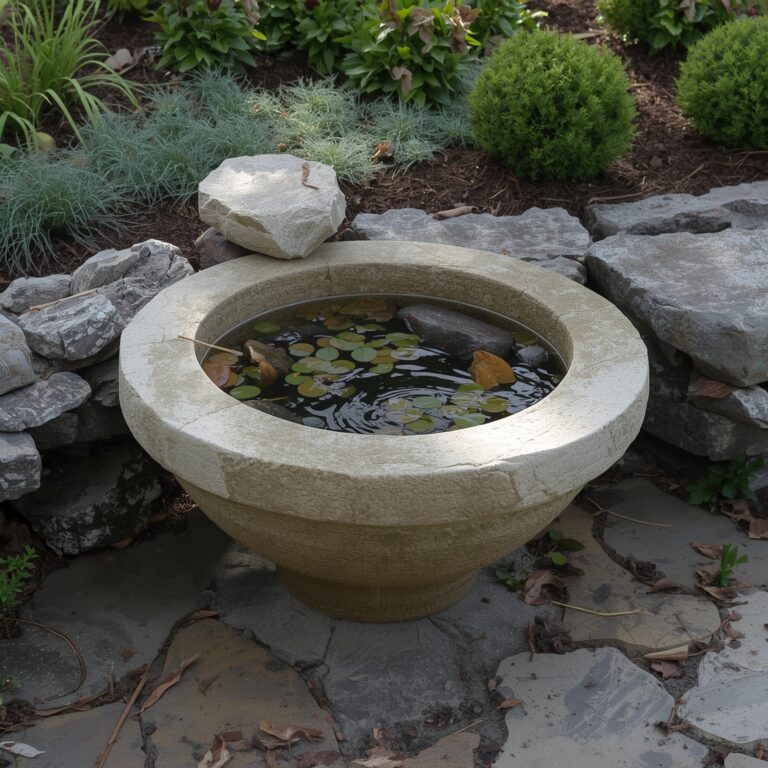
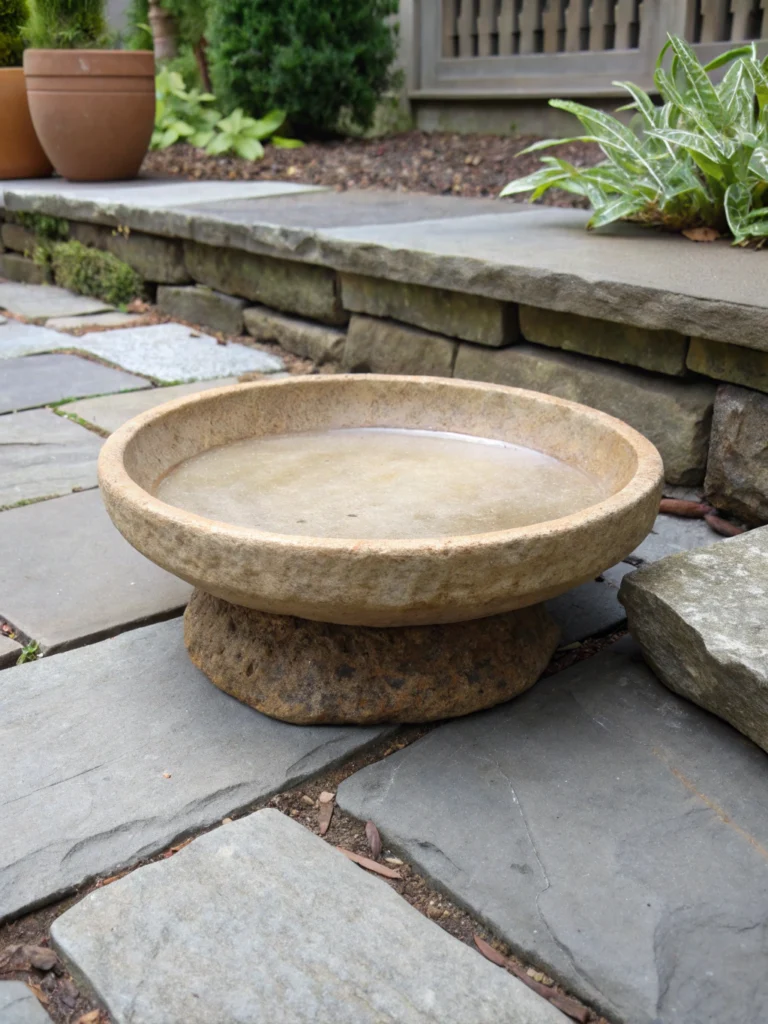
- Find a Centerpiece: Think about a feature that draws the eye, like a birdbath, a striking sculpture, or even a vintage bicycle (no judgment here if it’s just a cute planter).
- Height Variation: A great way to create interest in your flower bed design is by mixing plants with varying heights. Taller plants should go in the back (your garden’s version of a bodyguard), with shorter ones up front, like a growing fan club.
Garden Bed Layout Ideas
Russian dolls aren’t the only things that come in layers—your garden can too! A layered garden bed layout can make your patch visually appealing and more functional.
- Raised Beds: Building raised garden beds can help with drainage and keep your plants off the ground. Plus, they’re easier on your back. And your knees (which are probably already protesting from the last time you tried to weed).
- Planting in Groups: Group plants in threes or fives, which adds a natural flow. It’s like finding the most satisfying arrangement for your favorite books in your living room.
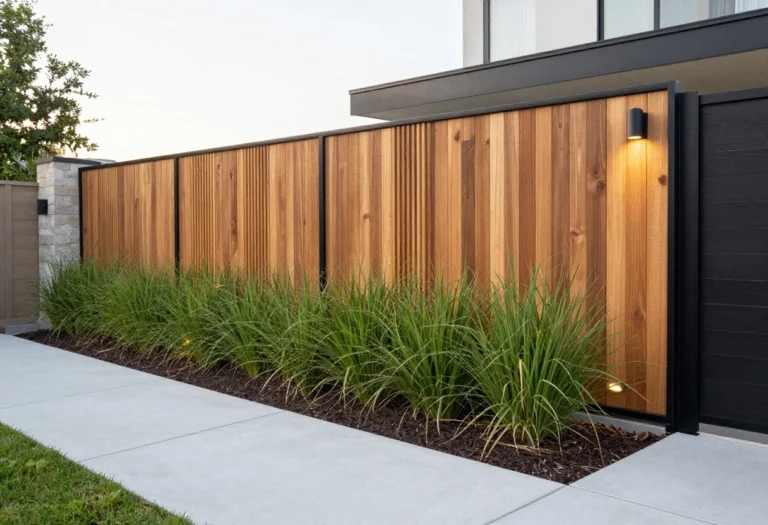
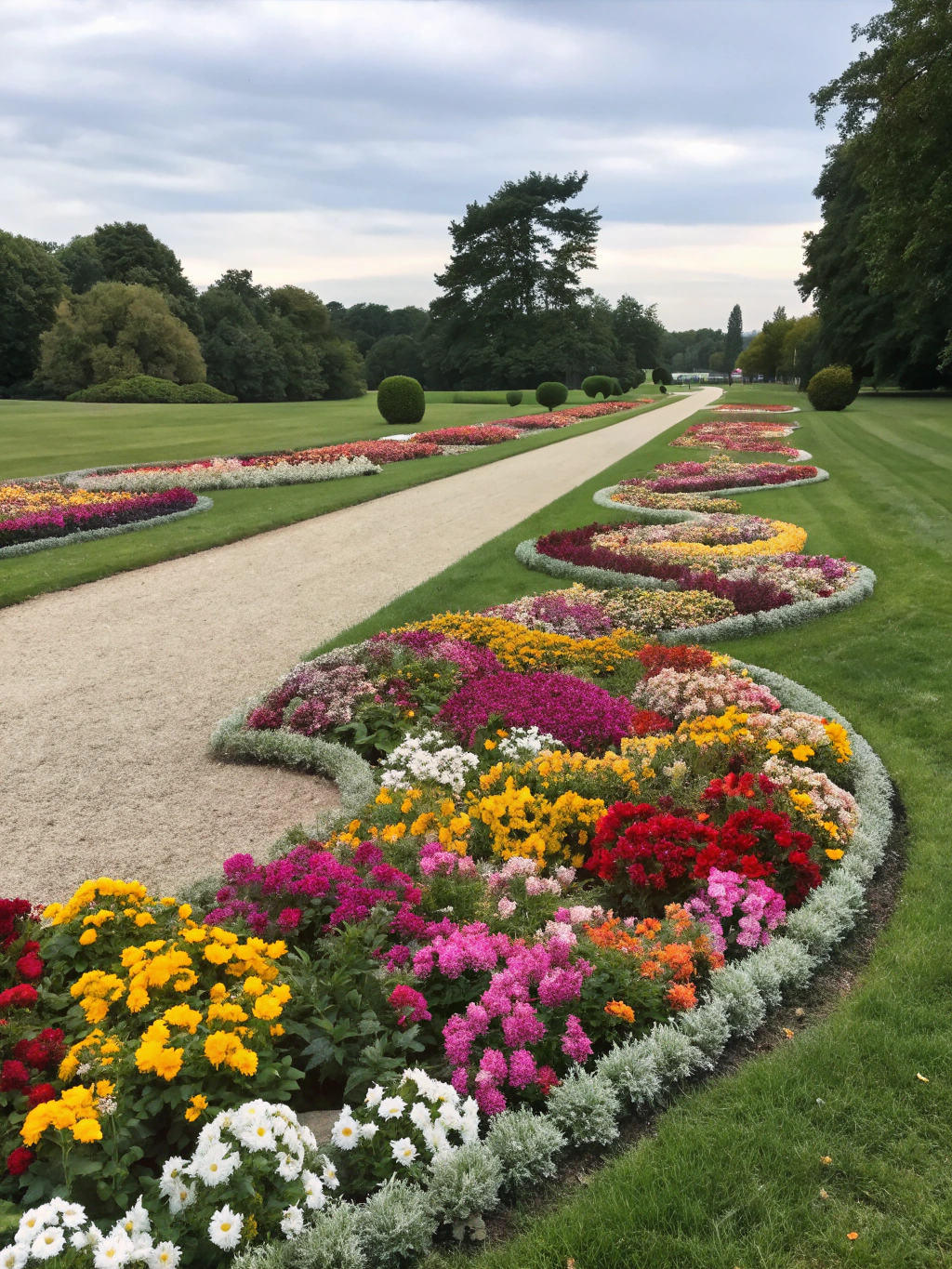
- Use Edging: You can line your garden bed with stones, bricks, or even wood if you’re feeling fancy. Edging creates a sense of boundary while also adding texture. Plus, let’s be honest, it keeps the neighbor’s dog out.
© 2025 AI Illustrator — Inspiration Only
Accessories and Decor: Add Some Flair
Listen, I’m all for letting plants do the talking. But let’s be real: a little décor can go a long way in enhancing your flower bed design. Throw in a statue that looks a little too mad, some whimsical garden signs, or wind chimes that jingle every time the wind catches them. Trust me; it adds a sparkle to your garden layout.
- Whimsical Touches: I once found a funky birdhouse at a thrift store that instantly became the talk of the neighborhood (well, more like the talk of my garden).
- Fun Signage: Plant labels can be a charming touch; they’re like the name tags of the plant world. You can find wooden or metal options that suit your garden theme.
- Lighting: Fairy lights strung up in your garden bed can turn a simple flower patch into a magical evening escape.
Maintenance—The Not-So-Glorious Part
Now, brace yourselves for the not-so-glamorous side of flower bed design: maintenance. While the idea of a blooming garden makes my heart sing, it does take a bit of work (and a lot of coffee). Here’s what’s in store:
- Routine Care: Just like your laundry—yes, I see those t-shirts lurking in the corner—your plants need regular watering, weeding, and trimming.
- Fertilizing: You might want to sprinkle some fertilizer in your garden. Most local nurseries have organic options if you’re feeling eco-friendly.
- Stay Inspired: Follow gardening blogs, YouTube channels, or Instagram accounts (they’re a treasure trove of inspiration).
© 2025 AI Illustrator — Inspiration Only
Final Touches: Enjoy Your Work
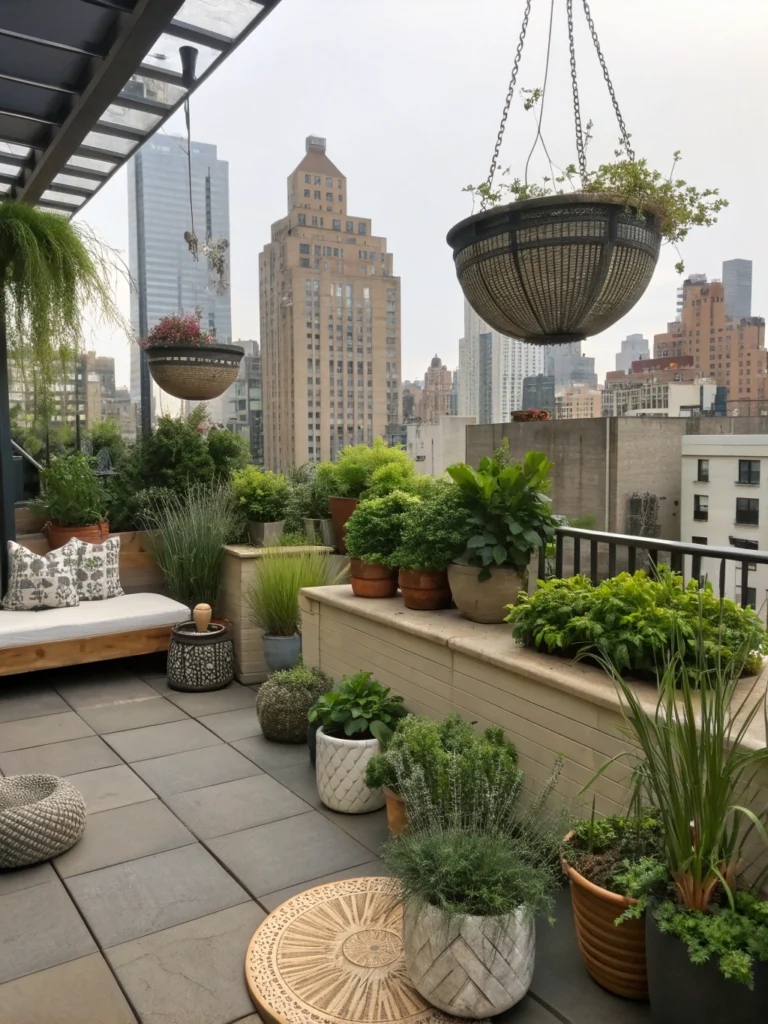
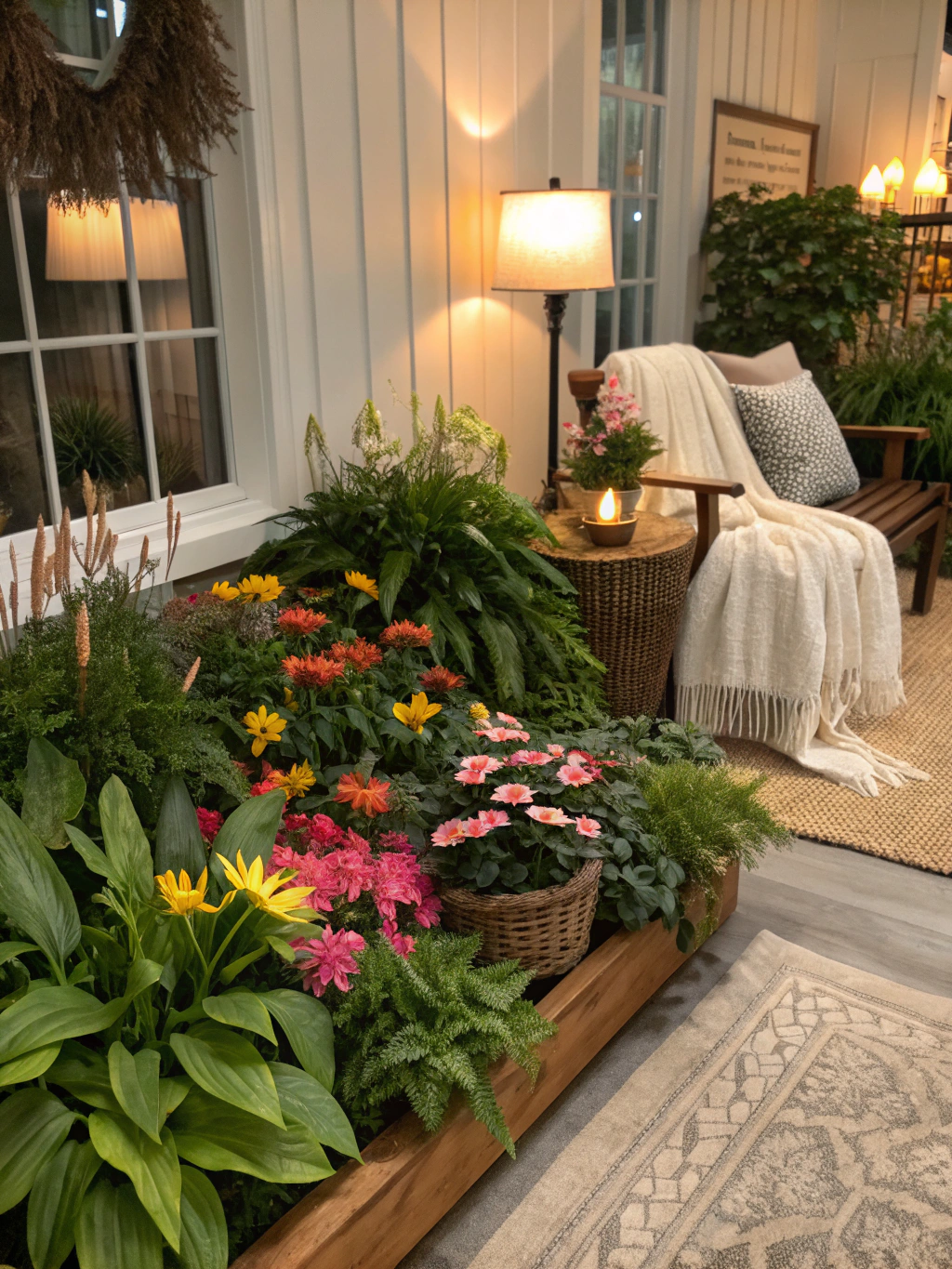
After all that work, it’s time to step back, sip some lemonade, and admire your creation. Maybe grab a chair and take a load off while the sunlight pools over a cozy throw blanket in your outdoor seating area. You deserve it!
And let me tell you, there’s something ridiculously satisfying about seeing flowers bloom that you’ve cultivated with your own hands.
- Share Your Garden: Don’t forget to invite friends over for a little garden gathering. They’ll marvel at your handiwork—and maybe even bring pie.
Conclusion: Your Flower Bed Design Journey
So there you have it—you’ve got the scoop on creating a magnificent garden bed layout. It’s not all sunshine and rainbows, but with just a bit of elbow grease and a dash of creativity, you can turn that sad patch into a flourishing garden of joy.
Just remember, gardening is a journey, not a race. Embrace the little hiccups (like the sudden frost that tries to ruin your dreams), and always strive for that lovely vibe we all crave—like a warm, sunny morning spent in our pants sipping coffee. Now, if you’ll excuse me, I need to find my gardening gloves and contemplate my life choices while keeping an eye on that cactus.
Cheers to the beautiful chaos that is gardening! 🪴