
8 Backyard Batting Cage Ideas for Baseball Enthusiasts You’ll Actually Use

Let’s be real: if you (or your kid) lives for the crack of the bat, a backyard batting cage is basically the dream. The good news? You don’t need a full-on field of dreams to make it happen. With smart layout, durable materials, and a few design tricks, you can build a setup that looks clean, fits your yard, and seriously levels up practice time.
Here are 8 creative, style-conscious batting cage ideas that actually work in real life—plus practical tips, decor details, and what to shop for. Grab your glove; we’re going in.
1. The Sleek Retractable Cage That Disappears When You’re Done
© 2025 AI Illustrator — Inspiration Only
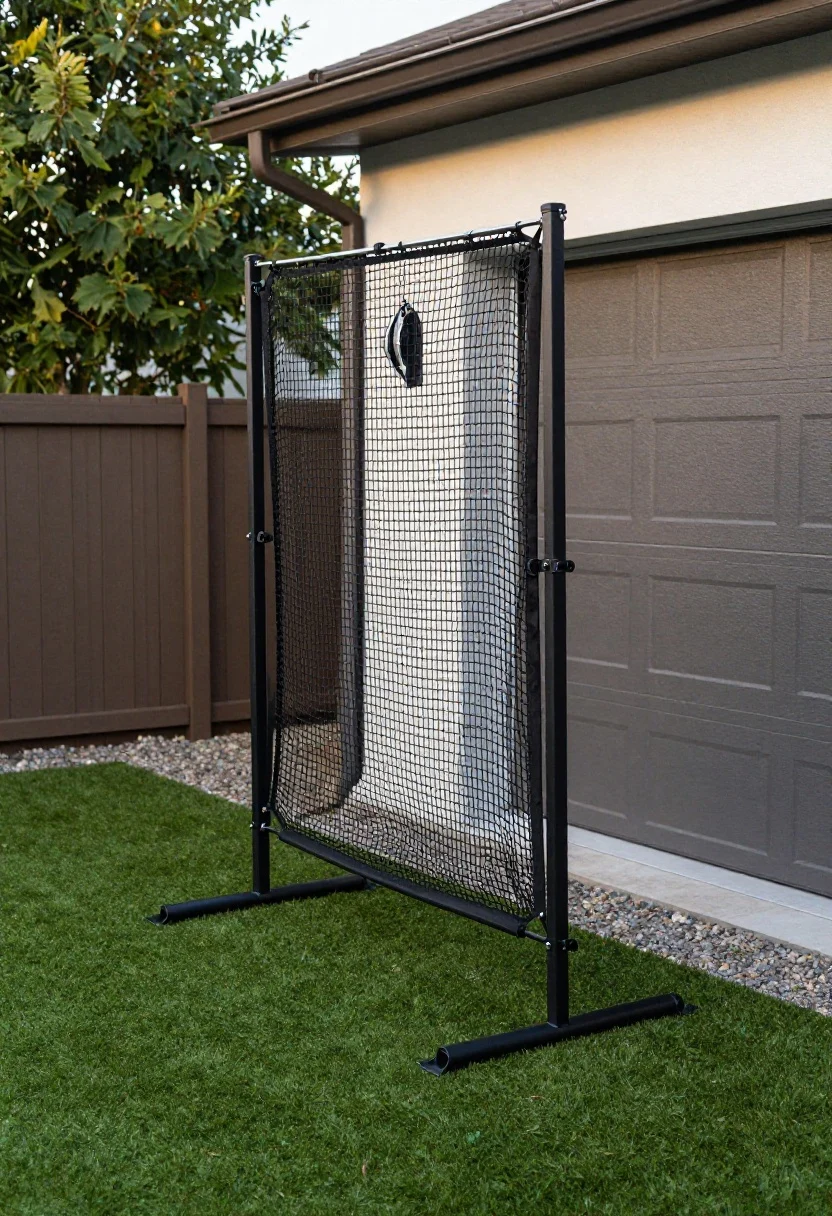
Don’t want a permanent tunnel vibe dominating your yard? Go retractable. A telescoping or pulley-based system lets you pull the net out for practice, then tuck it away when it’s BBQ time.
Why It Works
It keeps your space flexible and visually light. Bonus: your HOA is less likely to side-eye you when the cage can vanish after sundown.
- Mount it smart: Use powder-coated steel posts or wall-mounted eye bolts on a fence or garage side for clean lines.
- Choose UV-rated netting: Black blends in and resists fading. FYI, 1 3/4″ mesh is standard for baseballs.
- Think drainage: Keep a permeable base (gravel or turf) so water doesn’t pool under the net.
What to shop for: Retractable netting kits, galvanized posts, stainless cable, turf rolls.
2. The Dual-Purpose Cage + Lounge Zone
© 2025 AI Illustrator — Inspiration Only
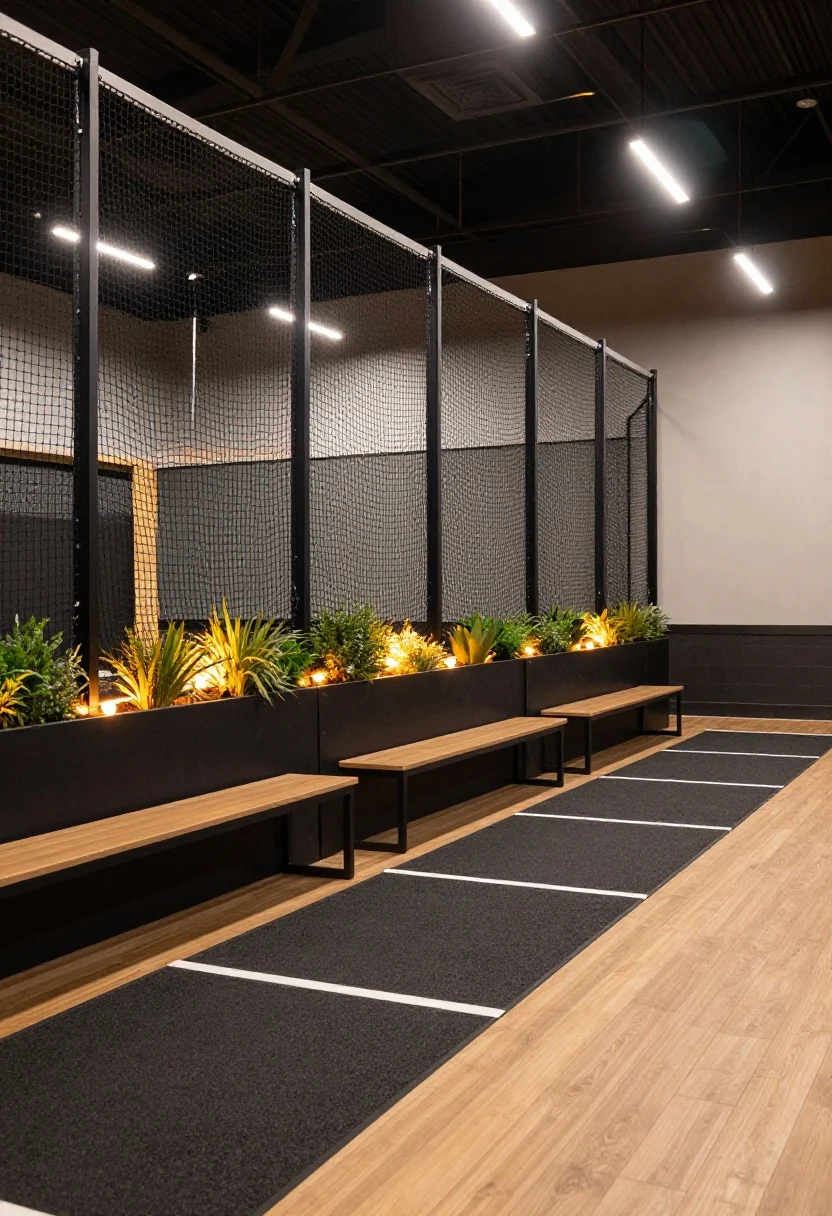
Yes, you can have a serious training setup that still feels like an outdoor living room. Design the cage lane on one side of the yard and a chill zone on the other, connected with matching materials and color palettes.
Design It Like a Room
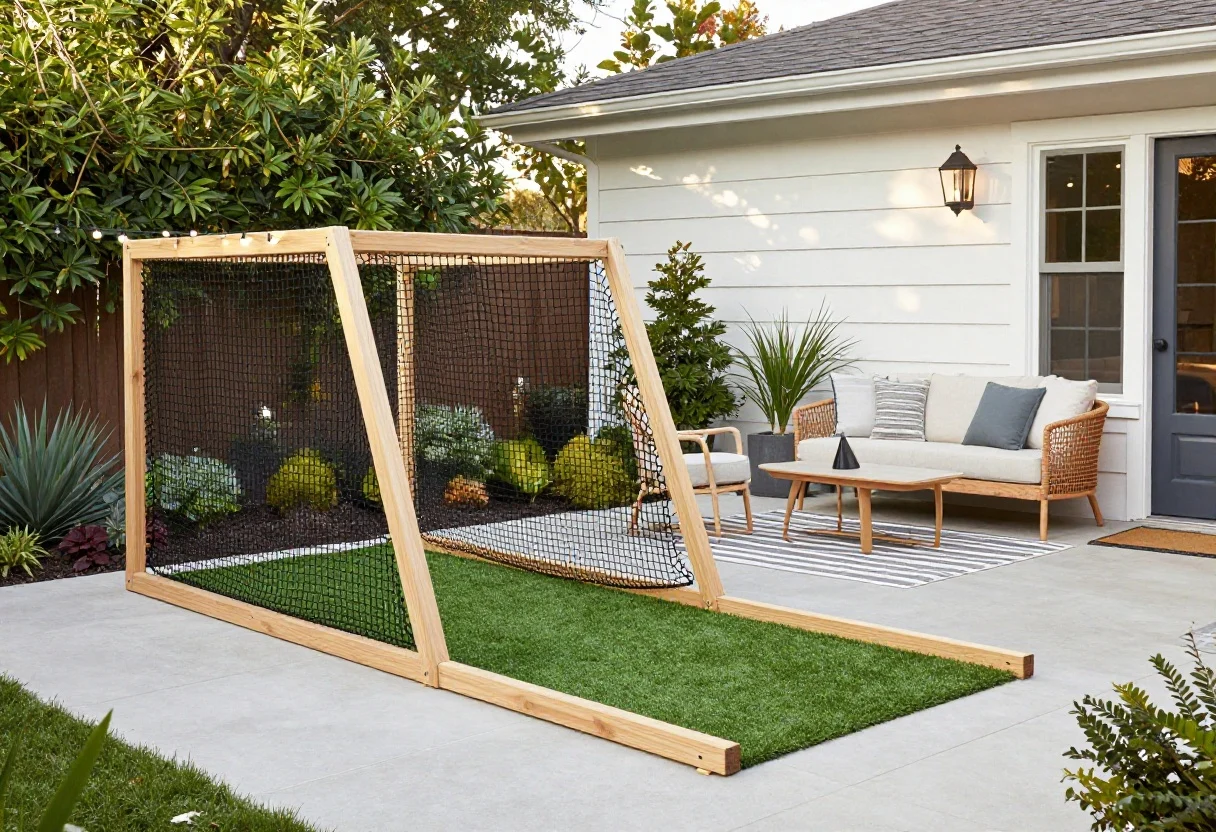
Treat the cage exterior like a backdrop: add planter boxes, low shrubs, or horizontal slat panels to soften the look. Bring in a slim bench or modular seating near the cage entry for gear and spectators.
- Lighting matters: Warm string lights around the lounge; bright, focused LEDs over the hitting lane.
- Color consistency: Match net poles to outdoor furniture frames (matte black or deep bronze = chef’s kiss).
- Sound control: Rubber mats at the plate and a soft-toss screen dampen noise so neighbors stay friendly.
What to shop for: Outdoor lounge seating, planter boxes, weatherproof LED string lights, rubber flooring mats.
3. The Compact Side-Yard Cage (Small Space, Big Reps)
© 2025 AI Illustrator — Inspiration Only
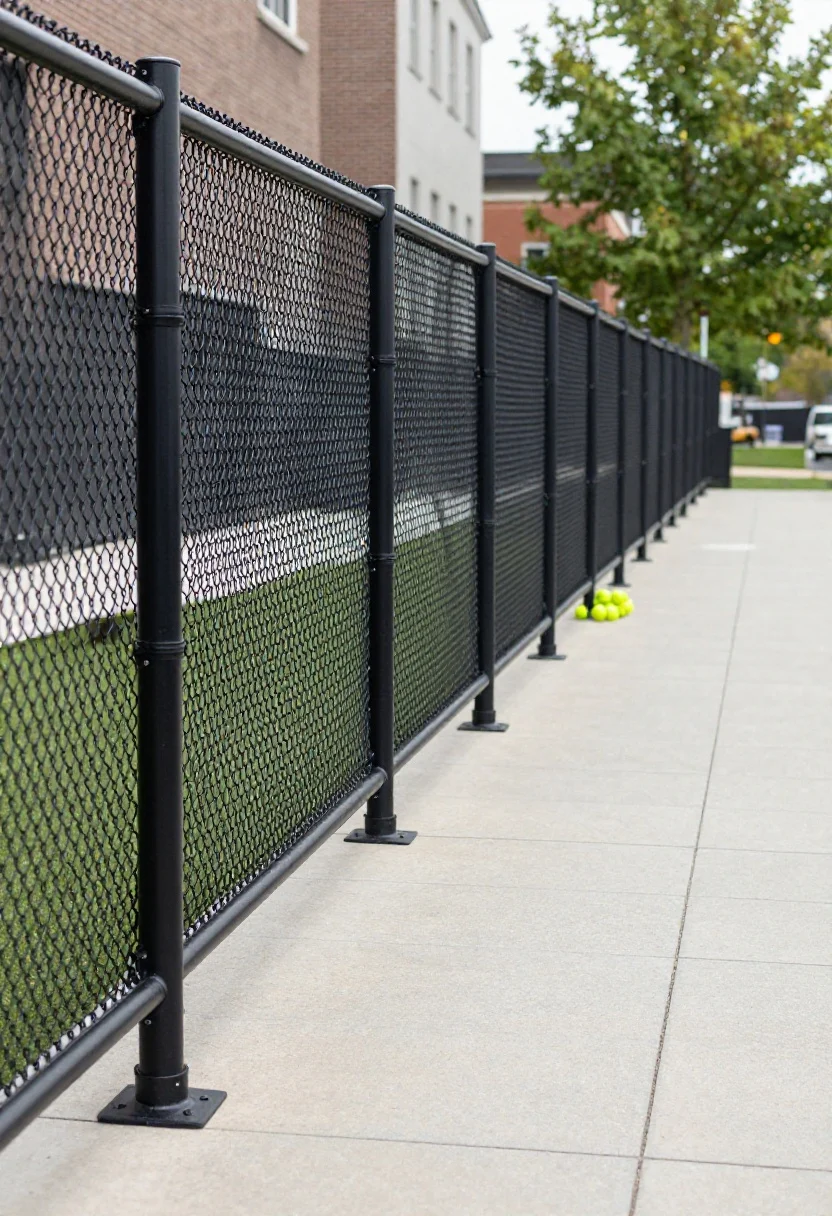
No sprawling lawn? No problem. A shorter tunnel—36 to 45 feet—can still deliver useful reps, especially for soft toss, tee work, and timing drills with lighter balls.
Make It Fit
Run the cage parallel to your fence line and keep it tidy with narrow-footprint posts. Add a vinyl or cedar privacy screen on the opposite side to create a visual corridor and reduce distractions.
- Go lighter: Use foam or reduced-flight balls when space is tight.
- Plate placement: Offset home plate slightly from the net to protect bats and reduce ricochet.
- Keep it quiet: Turf or gym tiles cut vibration and keep things neighbor-approved.
What to shop for: Compact net panels, privacy screens, reduced-flight balls, tee and soft-toss nets.
4. The Turf-Down Training Lane With Clean Lines
© 2025 AI Illustrator — Inspiration Only
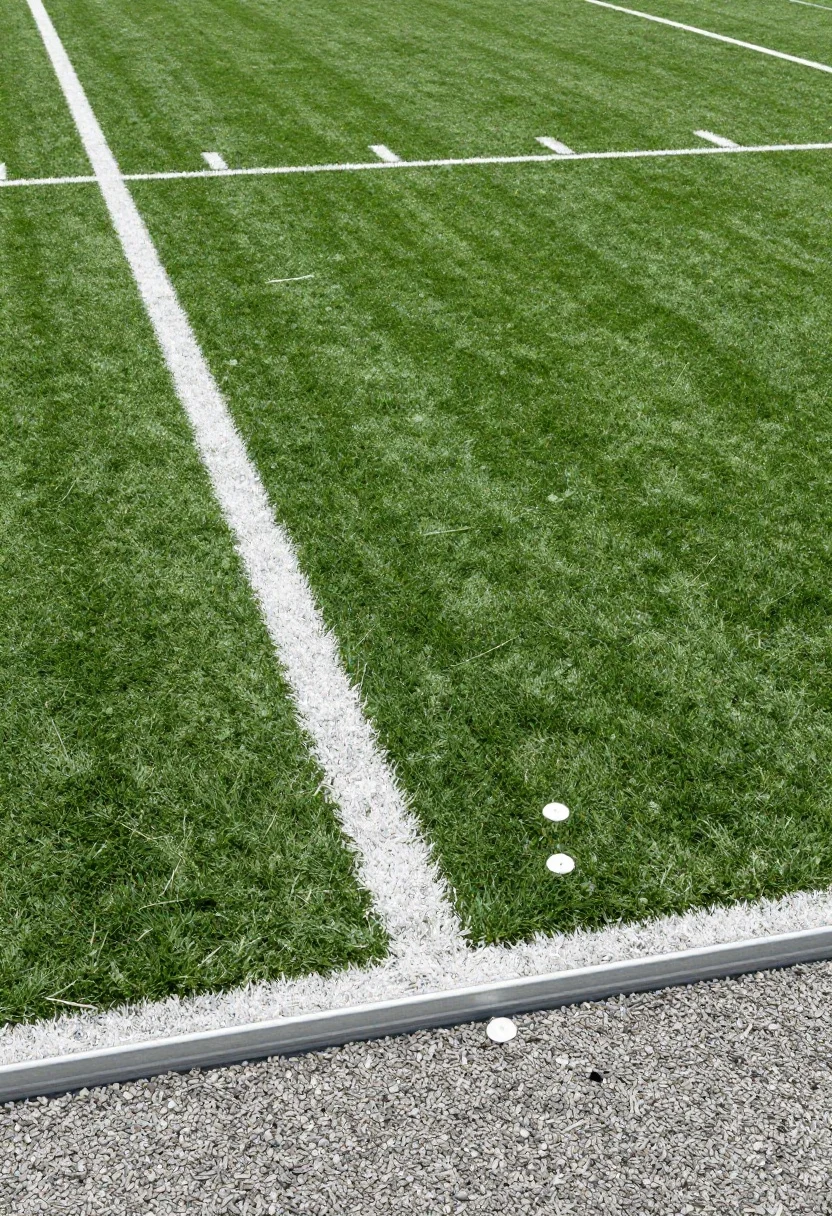
If you want it to look polished (and not like a tangle of net and mud), start from the ground up. A proper turf base feels pro and keeps cleats clean.
Build It Right
Under the turf, lay compacted gravel (class 5 or DG), a shock pad for joints, then low-pile turf you can actually rake. Paint your batter’s box lines for a little swagger.
- Drainage first: Slight crown or slope, away from your house. Water has to go somewhere.
- Edge it: Metal edging gives that crisp, designer look and keeps infill contained.
- Target board: Add a contrasting plate area or pop-up targets to focus swings.
What to shop for: Outdoor turf, shock pad, landscape edging, field paint.
5. The Low-Visual, High-Performance Cable Cage
© 2025 AI Illustrator — Inspiration Only
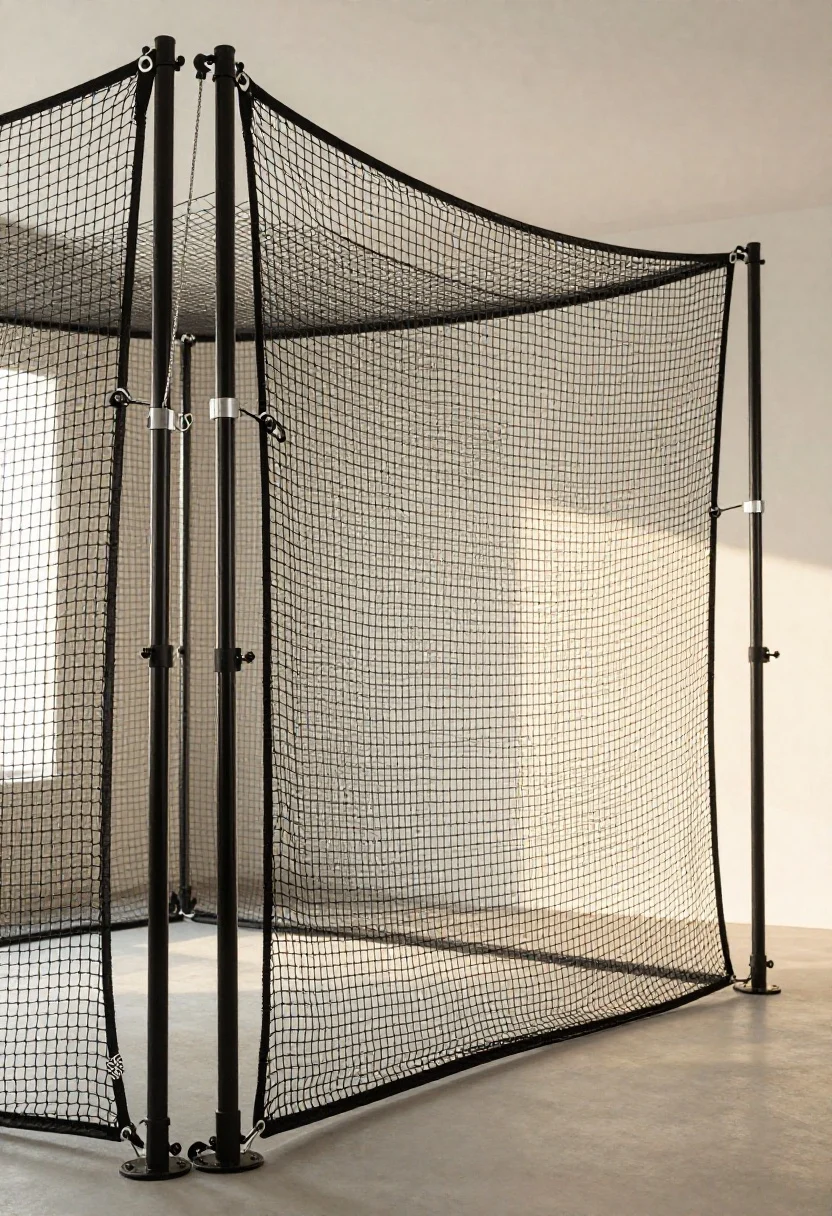
If you hate bulky frames, run overhead steel cables between posts and clip your net from above. It looks cleaner, reduces shadows, and lets breezes pass through more easily.
Techy, But Make It Chic
Use stainless turnbuckles to tension the lines (so satisfying). Keep your post spacing consistent—often 10–15 feet—and make sure anchors go below frost line in cold climates.
- Minimalist hardware: Black or stainless blends in and resists corrosion.
- Safety buffer: Extra net slack at the rear to catch heavy hits without bounce-back.
- Top seam: Reinforced webbing or rope border reduces wear along the cables.
What to shop for: Stainless cables and turnbuckles, ground sleeves, reinforced-edge netting.
6. The Multi-Sport Cage That Earns Its Keep
© 2025 AI Illustrator — Inspiration Only
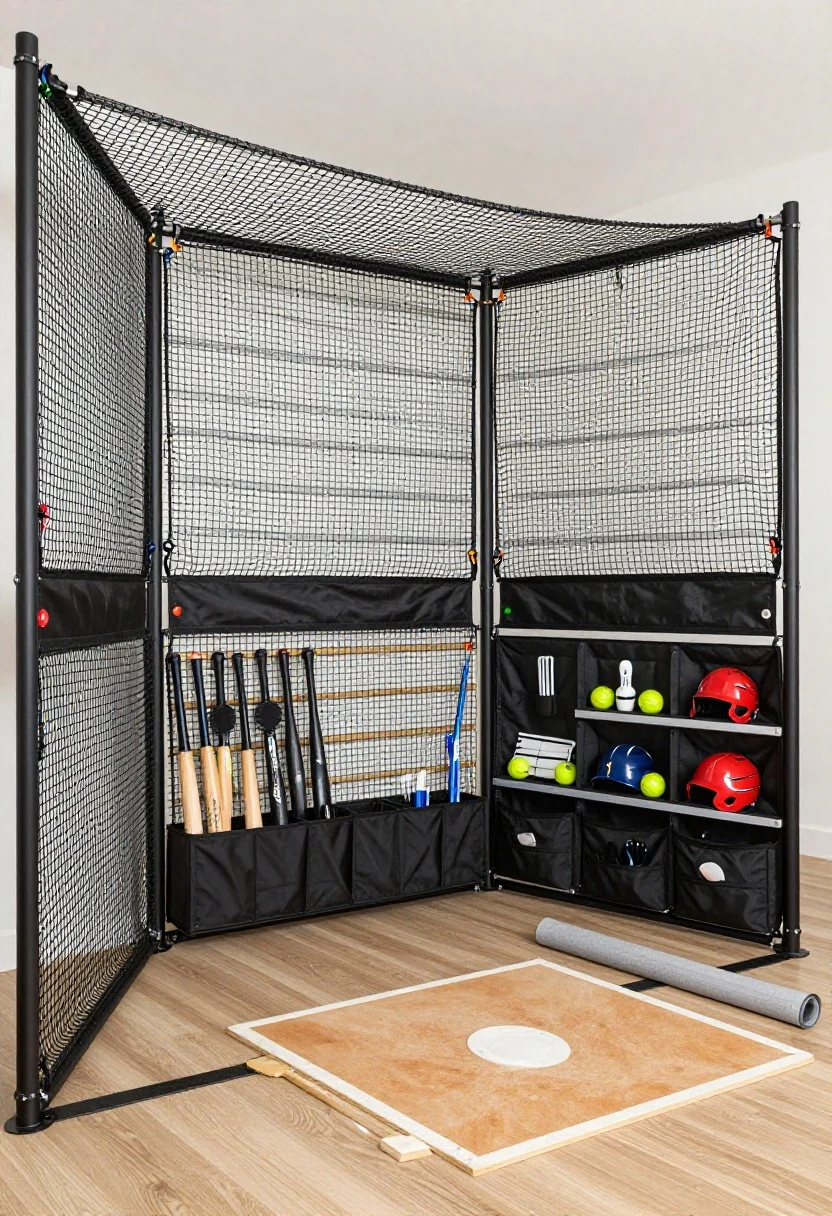
If your family is sports-ambitious (or indecisive), build a cage that handles baseball, softball, golf chipping, and even lacrosse. Versatility keeps the space active year-round.
Swap-and-Play Setup
Use a modular frame with clip-in net panels—denser netting behind home plate for baseball; tighter weave panels for lacrosse; side wings for golf shanks (because, honesty).
- Mark zones: Use color-coded carabiners or grommets to switch configurations fast.
- Storage, but cute: Weatherproof bins or a slatted gear wall for bats, balls, tees, and helmets.
- Adjustable plate: Swappable home plate and pitching mat for baseball vs. softball.
What to shop for: Modular net panels, gear storage bins, pitching mats, carabiners.
7. The Night-Game Setup With Pro-Level Lighting
© 2025 AI Illustrator — Inspiration Only
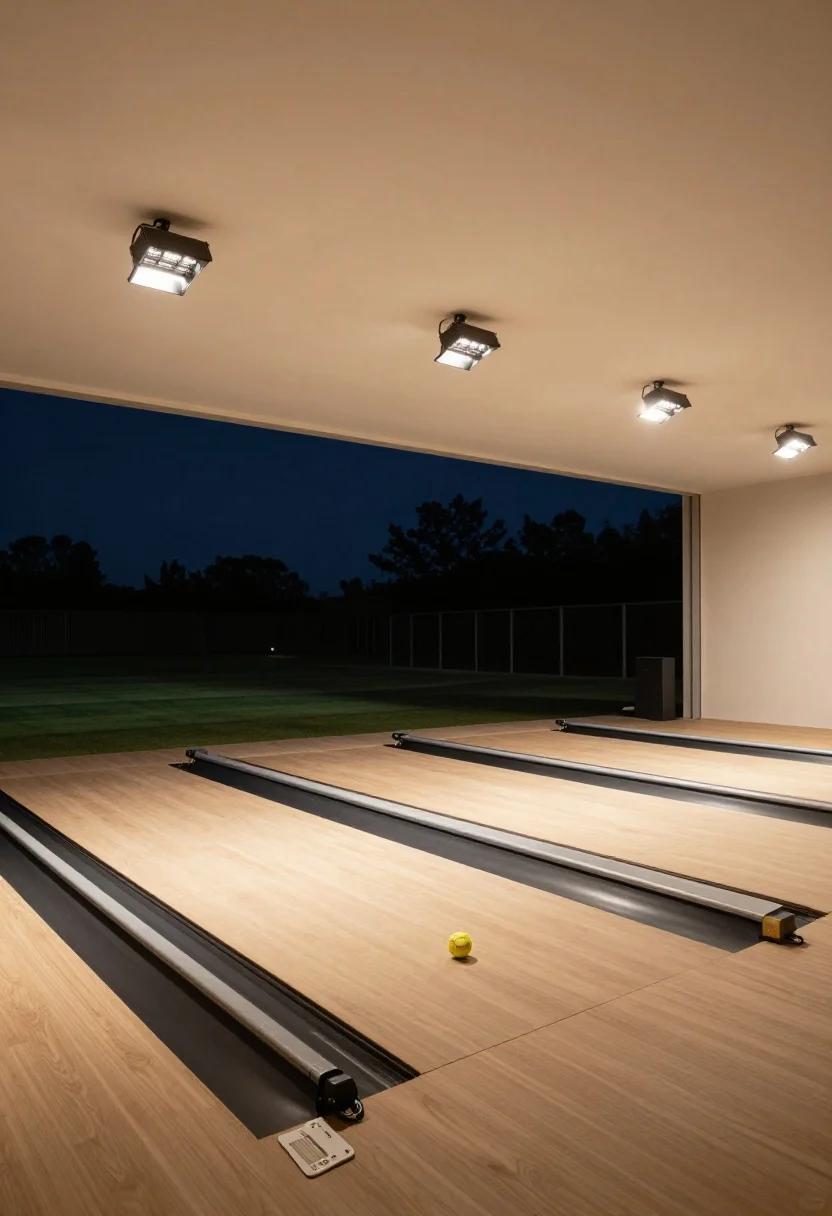
Evening practice hits different—in a good way—if you can actually see the ball. Add CRI 80+ LED floodlights angled down the lane and shielded to avoid glare (and neighbor rage).
Light It Like You Mean It
Mount lights on offset poles or your house fascia, aiming 30–45 degrees downward to reduce harsh shadows. If you want to get fancy, add a dimmer for drills vs. game-speed hitting.
- Safety first: Hardwire with weather-rated junction boxes; consider a motion-off timer.
- Balanced spread: Two to three fixtures along the lane beat one giant spotlight.
- Color temp: 4000–5000K feels crisp and daylight-like without going hospital-bright.
What to shop for: Outdoor LED floods, mounting brackets, smart switches or timers.
8. The Backyard Showpiece With Natural Screening
© 2025 AI Illustrator — Inspiration Only
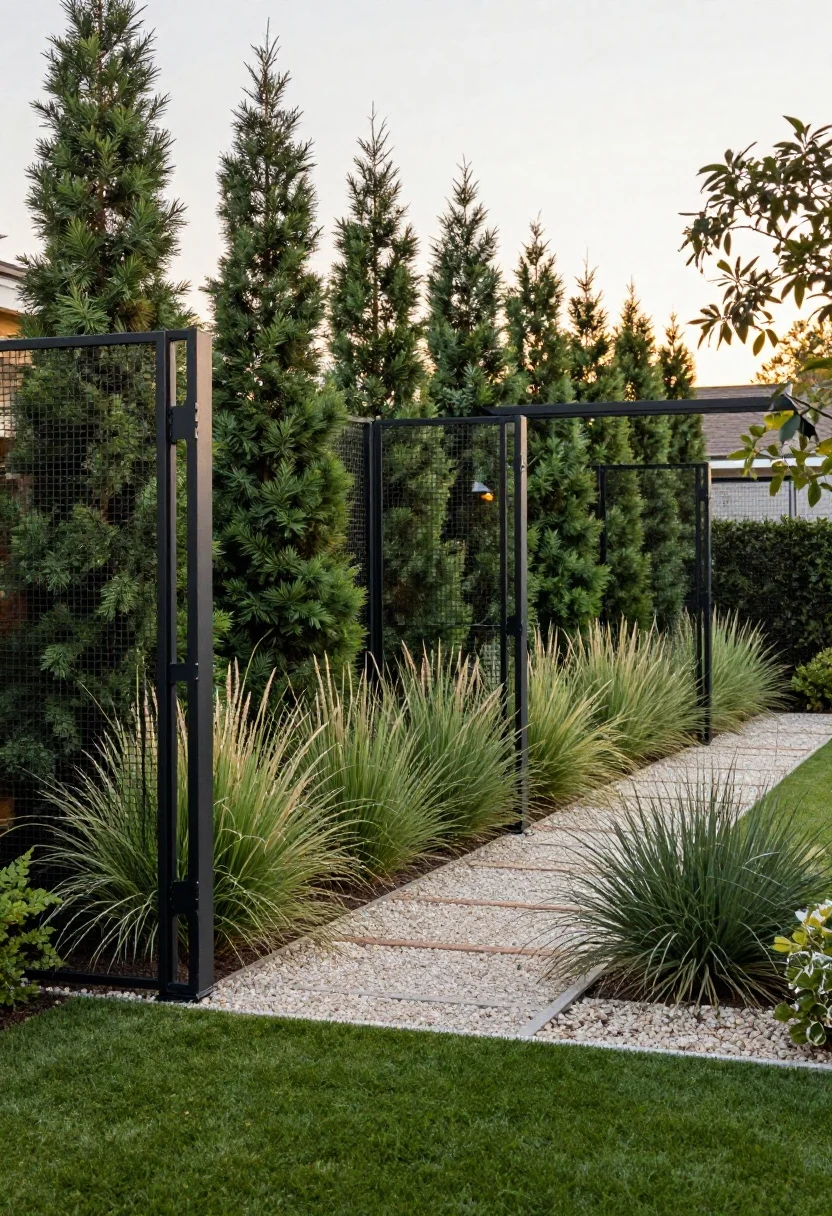
Want the cage to feel intentionally designed, not just… plunked there? Wrap it with landscape layers that frame the space and soften the structure.
Green It Up
Choose columnar trees (think Italian cypress or arborvitae) along the long side for a vertical screen. Mix in grasses and evergreen shrubs so it looks good even in the off-season.
- Contrast textures: Matte black posts + airy grasses = modern, not messy.
- Gravel border: A slim stone strip around the cage keeps mud off nets and looks tidy.
- Entry moment: Add a simple arbor or gate at home plate—practical, and a little dramatic.
What to shop for: Columnar evergreens, ornamental grasses, landscape gravel, simple garden arbor.
Pro Tips to Keep Any Cage Looking Fresh
- Routine checks: Inspect net seams and cable tension monthly; sun and wind are sneaky.
- Seasonal storage: If you’re in a stormy or snowy area, unclip and store nets in winter.
- Keep it clean: Leaf blower + soft broom = tidy lane in five minutes.
- Noise management: Add rubber at impact zones and felt wraps on clips to reduce clinks.
Quick Size + Safety Guidelines (IMO, don’t skip)
- Popular lengths: 36–55 feet for compact yards; 60–70 for full tunnels.
- Width/height: 10–12 feet wide and 10–12 feet high keeps swings comfortable.
- Setbacks: Give yourself a few feet clearance from fences and windows—because physics.
- Helmet on: Always. And use L-screens for live pitching.
Style Touches That Make It Feel Designed
- Color palette: Stick to 2–3 finishes: black hardware, deep green turf, natural wood accents.
- Number plates: A small custom sign or stenciled number at the entry is a fun nod to your favorite player.
- Storage that blends: A bench with hidden storage keeps bats and balls out of sight when company’s over.
Bottom line: a backyard batting cage can be totally functional and designer-approved. Build smart, keep it tidy, and add a little personality. You’ll get more reps—and more compliments.
FAQ
How much space do I need for a decent backyard batting cage?
You can start around 36 feet long by 10–12 feet wide and high for tee work and soft toss. If you’ve got room, 55–70 feet gives a more realistic ball flight for pitching machines and live batting.
What netting size and material should I choose?
For baseballs, 1 3/4″ mesh is standard. Go with UV-treated, weather-resistant polyethylene or nylon; thicker twine gauges last longer outdoors, especially in sunny or coastal areas.
Can I make it removable for winter or HOA rules?
Yes. Use ground sleeves for posts and a cable-and-clip net system. That way, you can unclip the net and remove or lower posts seasonally, and everything stores flat in a bin.
You’ve got the ideas—now it’s time to swing for the fences. Build the setup that fits your yard and your vibe, and get those reps in without leaving home.
Shop the Look on Amazon
Disclosure: As an Amazon Associate, this site may earn from qualifying purchases.
These product categories fit this article and give readers an easy next step when they are ready to shop.
- Retractable Net Kits — Disappears after practice and keeps yards visually clean.
- Training Turf — Creates a polished, drainable hitting lane with clean lines.
- Cable Hardware — Low-visual overhead support for nets with strong tension.
- Practice Lighting — Even night visibility with focused, glare-controlled illumination.
- Multi-Sport Nets — Swap configurations for baseball, softball, golf, and lacrosse.

One Comment
Comments are closed.