
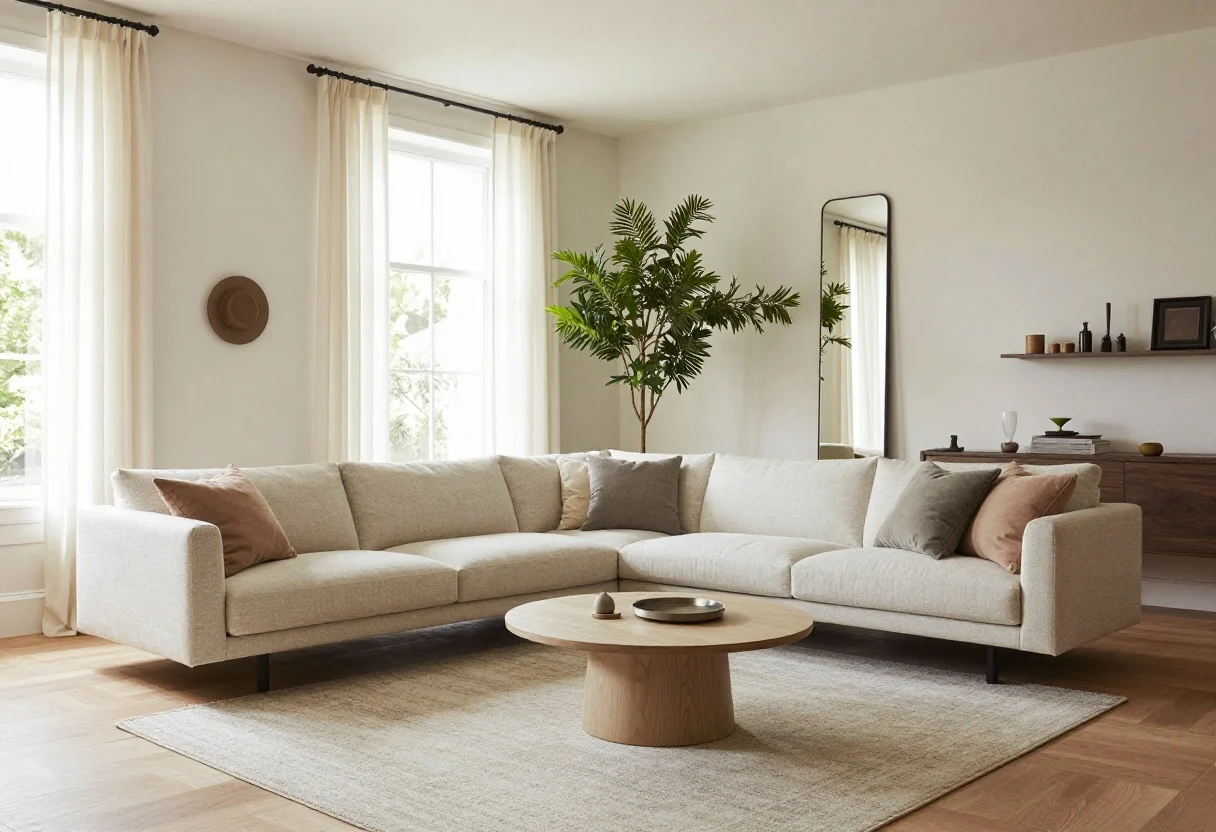
11 Couch Placement Ideas That Make Any Living Room Look Bigger

You don’t need to knock down walls to make your living room feel huge—you just need to move your couch. Seriously. With a few strategic placement tricks, your sofa can stretch the room, open up pathways, and make the whole space feel airy and intentional. Ready to squeeze a little magic out of your square footage? Let’s get you more space without lifting a sledgehammer.
1. Float It Off The Wall (Yes, Really)
© 2025 AI Illustrator — Inspiration Only
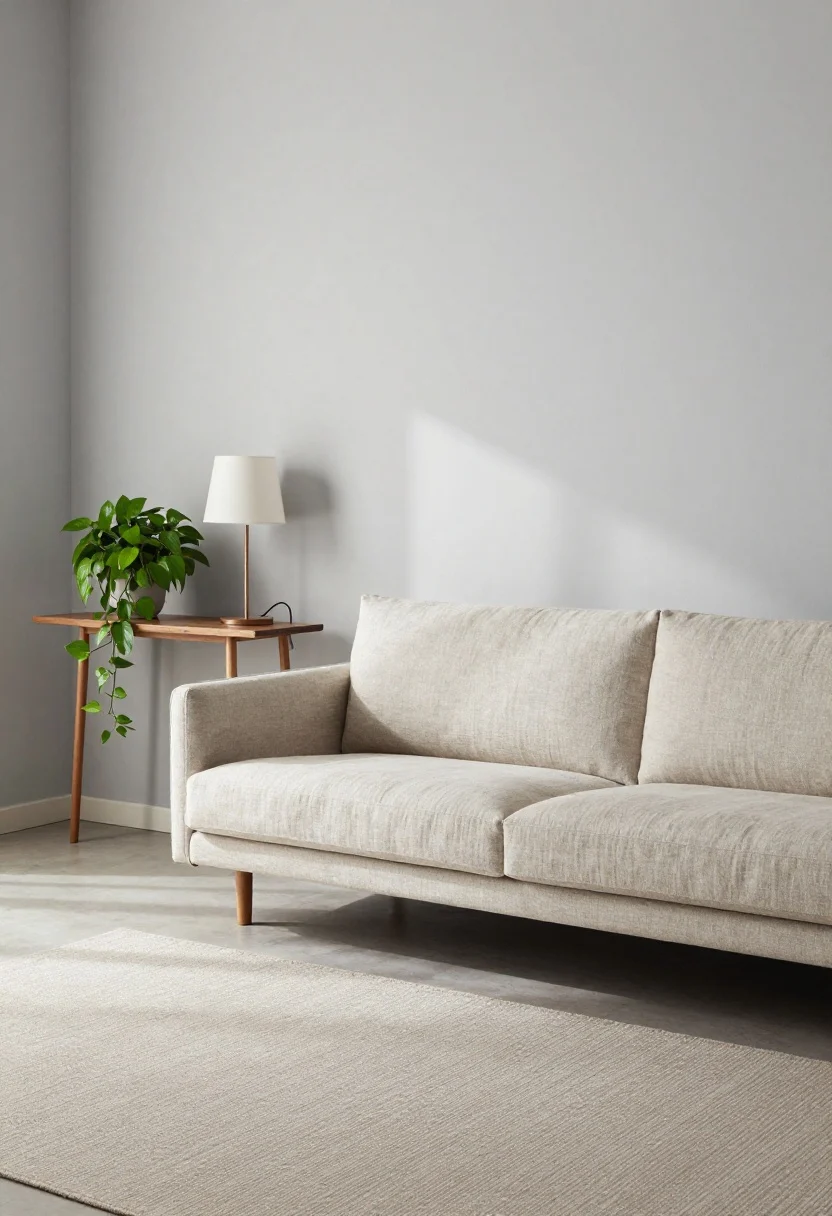
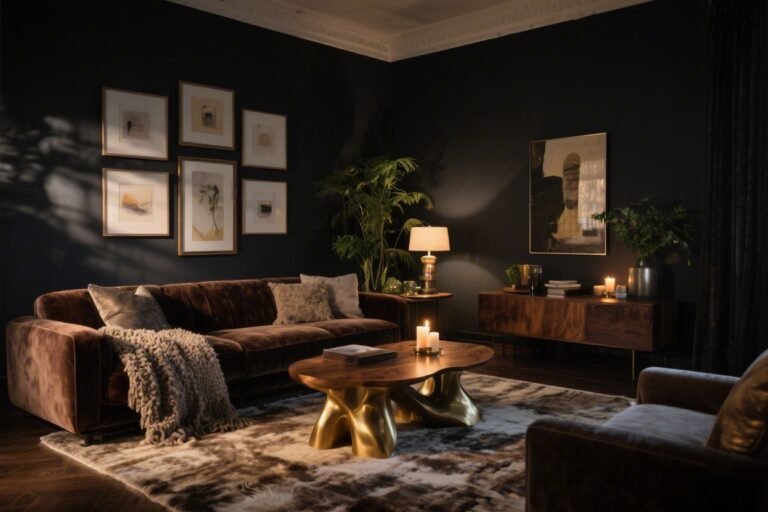
I know your instinct is to push the couch against the wall and call it a day. But scooting it forward—even just a few inches—instantly creates breathing room and makes the room feel deeper. It also frees up space behind the sofa for air flow, plants, or slim storage.
How to pull it off
- Leave 6–12 inches between the sofa and the wall. It’s enough to trick the eye without eating up floor space.
- Anchor with a rug so the floating couch doesn’t feel like it’s drifting in a void. Front legs on the rug = polished.
- Use a console table behind the couch to add function and hide cords. Bonus: a lamp back there = instant glow-up.
What to shop for: slim console tables, low-profile rugs, cordless table lamps.
2. Create A Conversation Zone (Not A TV Shrine)
© 2025 AI Illustrator — Inspiration Only
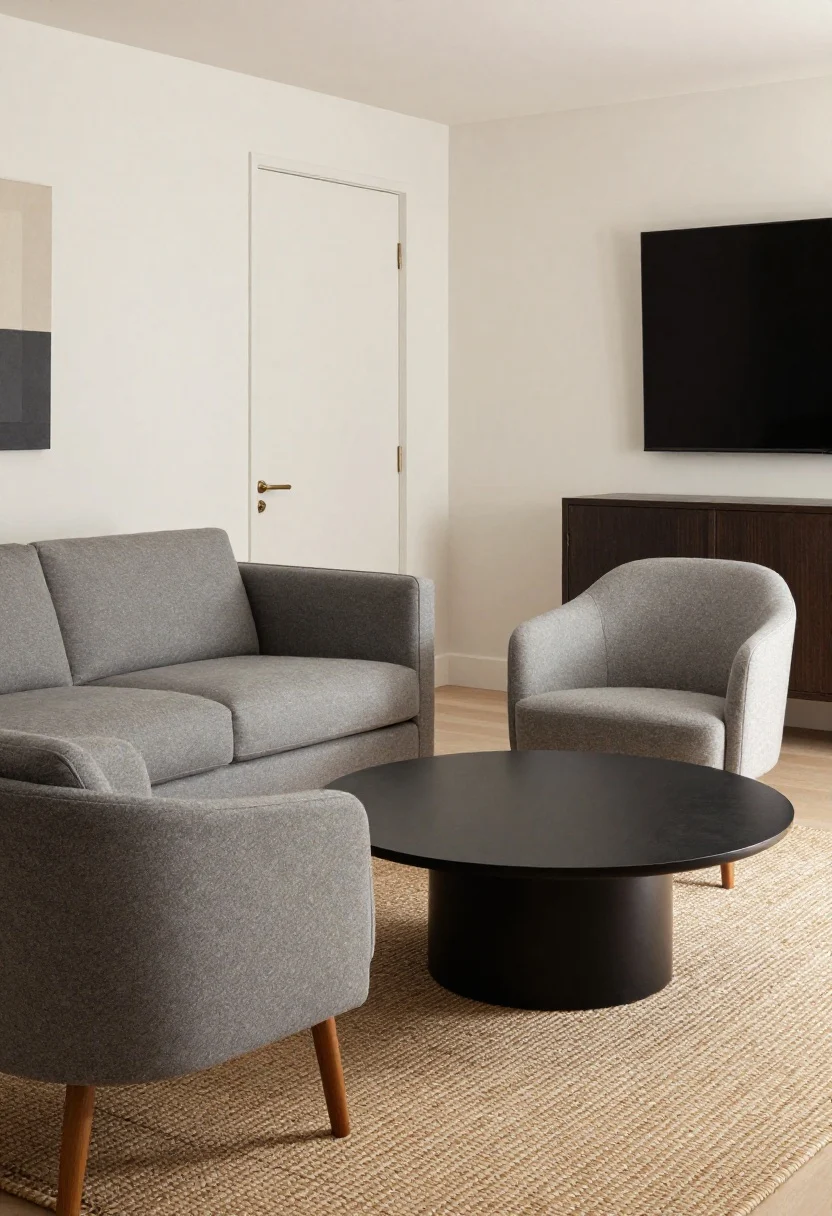
Big rooms feel intimate when furniture talks to each other. Angle your couch toward a pair of lightweight chairs or a bench to build a cozy chat zone, and keep the focus off the TV. That asymmetry creates movement, which tricks the eye into thinking there’s more space.
Pro tips
- Leave a 30–36 inch walkway around the zone so it feels open, not blocked.
- Use a round coffee table to soften corners and make it easier to navigate.
- Keep chair arms slim and legs exposed to maintain visual lightness.
What to shop for: armless accent chairs, round coffee tables, swivel chairs.
3. Angle Toward The Corner
© 2025 AI Illustrator — Inspiration Only
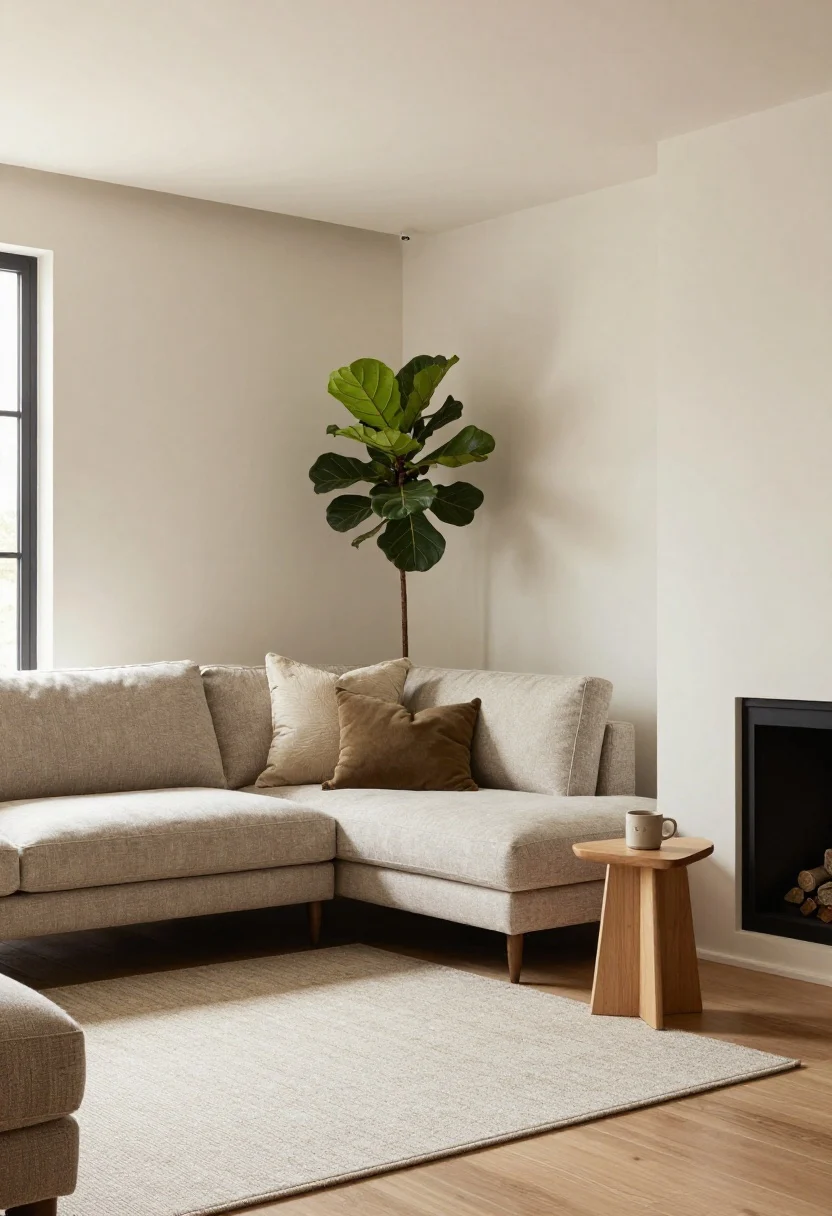
Rooms with weird angles or fireplaces that aren’t centered? Embrace it. Placing your couch on a slight diagonal aimed toward a corner focal point adds depth and redirects traffic away from tight spots. The diagonal line automatically makes the room feel longer.
Layout notes
- Keep it subtle: a 10–20 degree angle does the trick. No need to go full catty-corner unless you love drama.
- Balance with a floor lamp or tall plant in the negative space behind the sofa.
- Use a triangular side table or small ottoman to fill the angle without clutter.
4. Split The Room With Your Sofa Back
© 2025 AI Illustrator — Inspiration Only
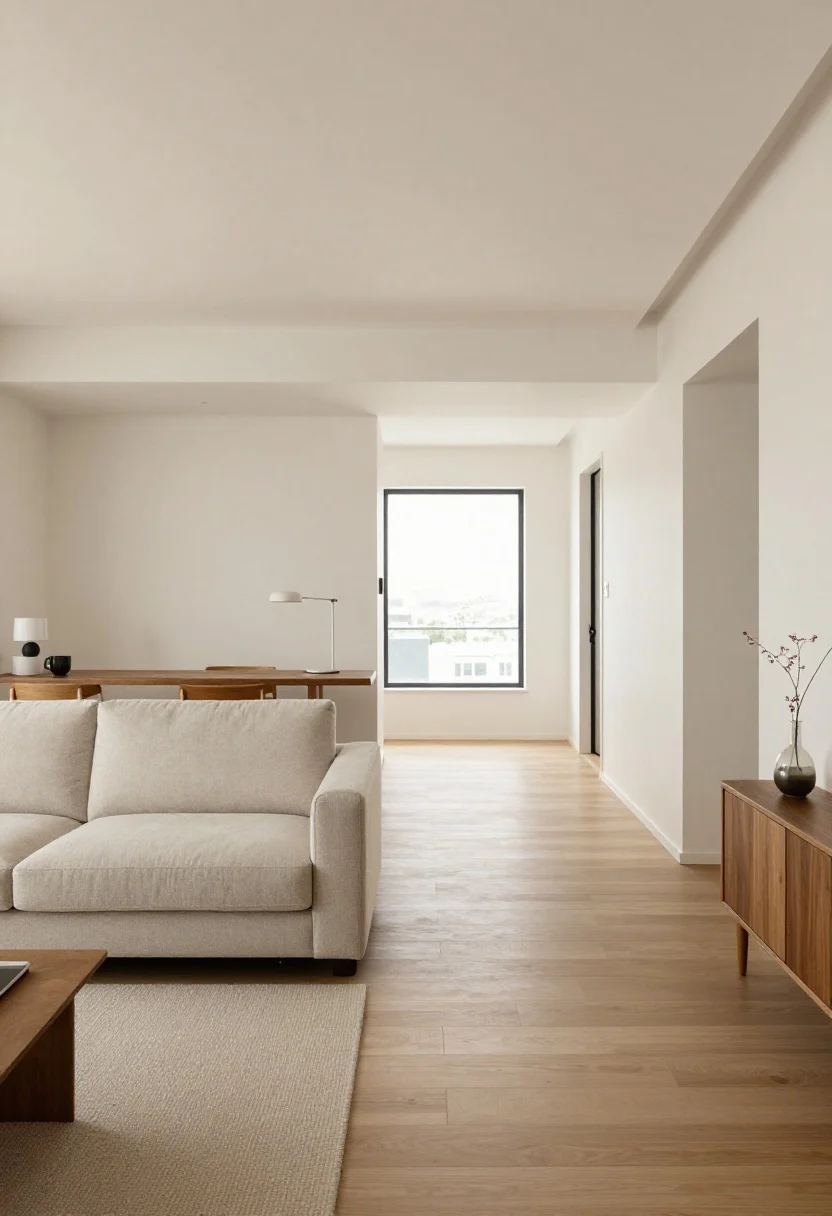
Open concept and no walls? Use the sofa’s back as a visual divider between living and dining (or office). This creates two zones while keeping the layout light and breezy. It’s like getting an extra room—no construction required.
Why it works
- Defines pathways so you’re not zigzagging through furniture.
- Improves traffic flow by directing movement along the edges.
- Height matters: choose a low to mid-back sofa to keep sightlines open.
What to shop for: low-back sofas, narrow console tables, slim desk chairs for the “office zone.”
5. Use A Chaise To Pull The Eye Wide
© 2025 AI Illustrator — Inspiration Only
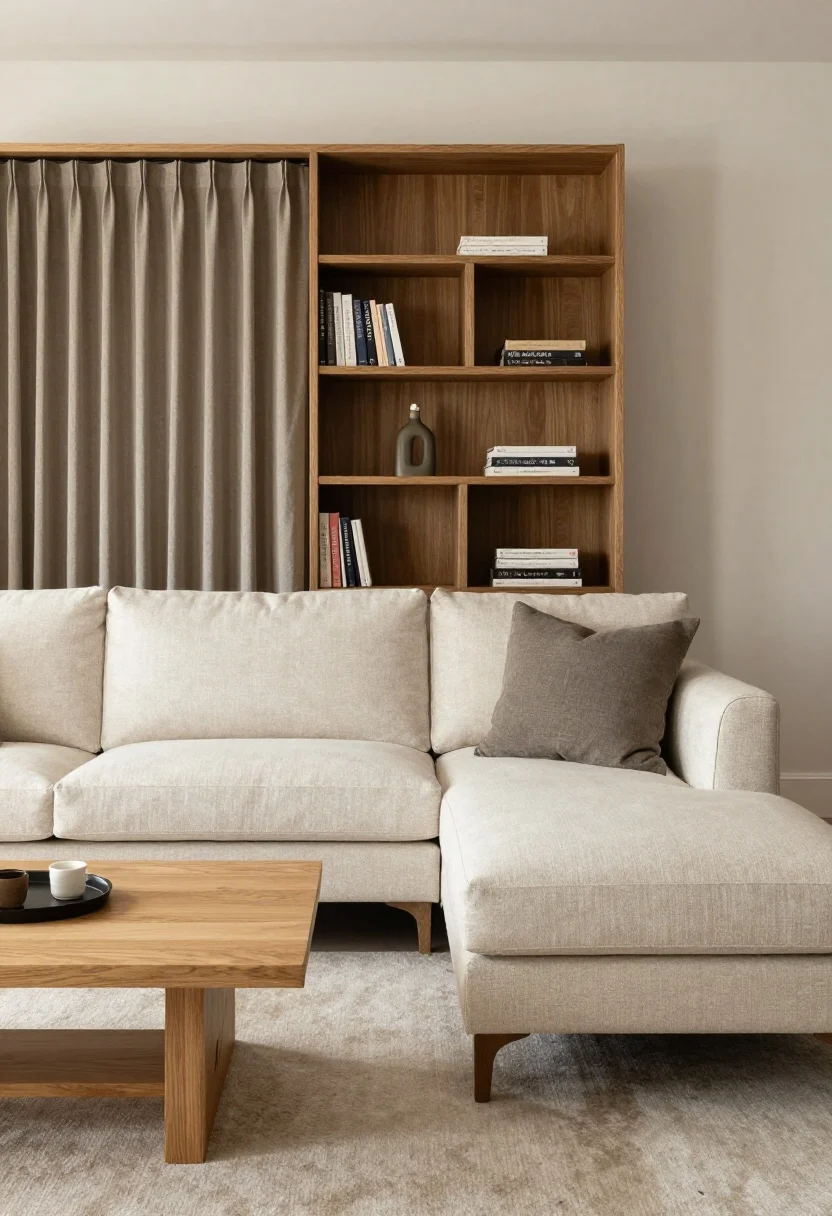
Sectionals can eat a room alive, but a well-placed chaise does the opposite. When the chaise extends into the room rather than hugging a wall, it stretches the floor plan and invites flow around it. Think of it as a gentle peninsula, not a barricade.
Left vs. right chaise
- Pick the chaise side that keeps sightlines clear from entry points.
- Leave 18 inches between the chaise and coffee table for easy pass-through.
- Balance the visual weight with a tall bookshelf or drapery panel opposite the chaise.
What to shop for: modular sofas with switchable chaise, lightweight nesting tables.
6. Center It On The Rug, Not The Wall
© 2025 AI Illustrator — Inspiration Only
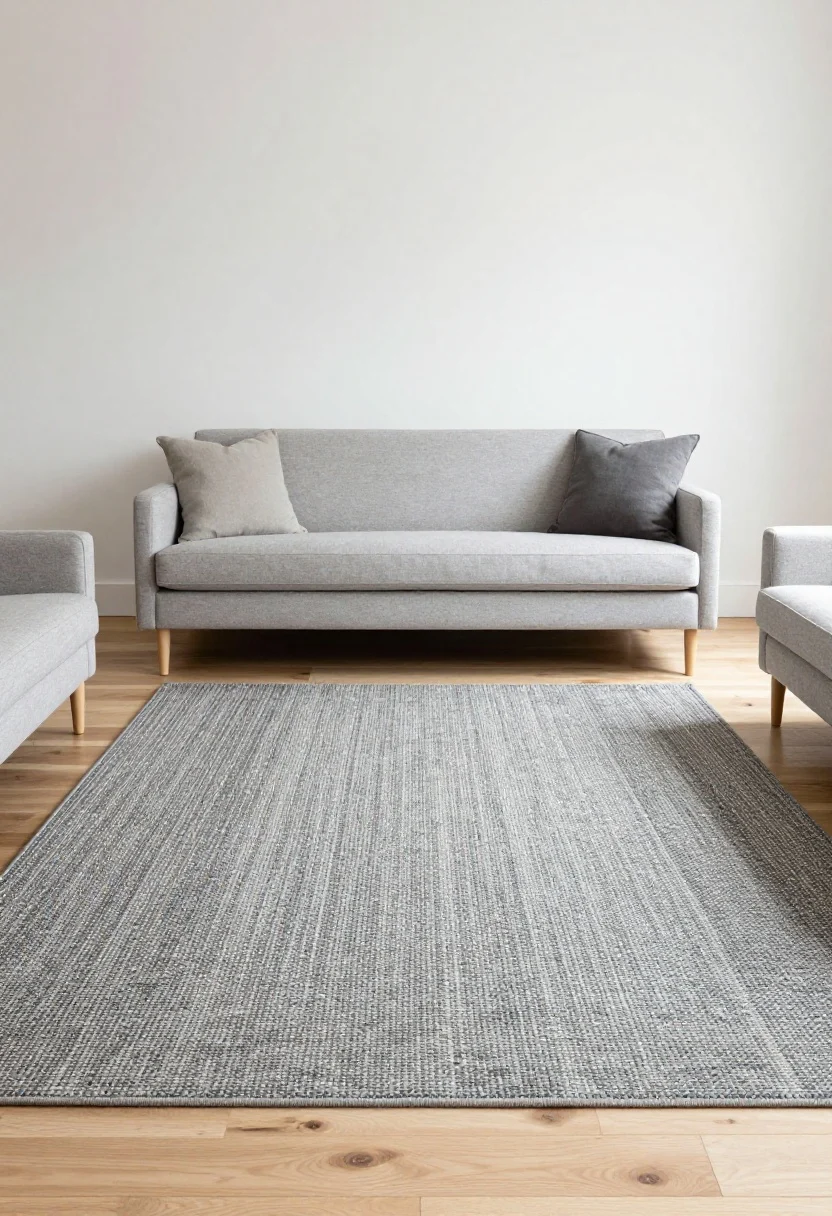
Walls aren’t always straight or centered, but your rug is your best geometry teacher. Use it to square up your layout and center the sofa on the rug’s midpoint. This aligns the room’s “stage” even if the architecture is quirky.
Rug rules that make rooms bigger
- Go larger than you think: aim for a rug that fits at least the front legs of the sofa and chairs.
- Expose a border of 8–12 inches of floor around the rug to frame the space.
- Keep patterns low-contrast if the room is small; high-contrast can chop it up.
What to shop for: oversized rugs, flatweave rugs, rug pads for perfect placement.
7. Tuck Into A Window Nook (Strategically)
© 2025 AI Illustrator — Inspiration Only
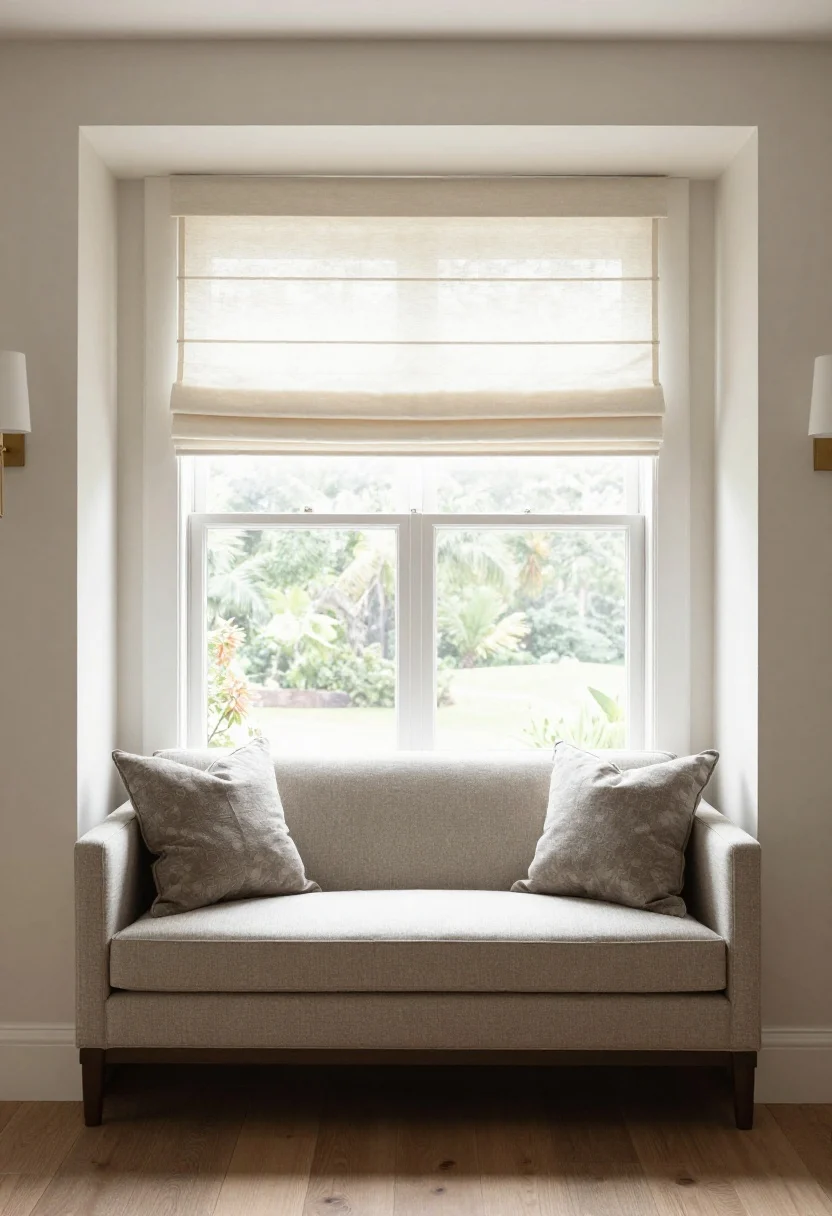
Placing a couch under or in front of a window sounds risky, but it can be a space-saver. As long as the back sits below the sill, the sofa reads as built-in and frees up the center of the room. Light pouring over the back also makes everything feel airier. FYI: it’s chef’s kiss for small apartments.
Key details
- Mind the height: the sofa back should sit 2–6 inches below the window sill.
- Keep drapery high and wide so panels don’t bunch onto the sofa arms.
- Use low-profile lamps or wall sconces so lighting doesn’t fight the view.
What to shop for: low-back sofas, wall-mount sconces, cordless roman shades.
8. Go Symmetrical—But Edit The Bulk
© 2025 AI Illustrator — Inspiration Only
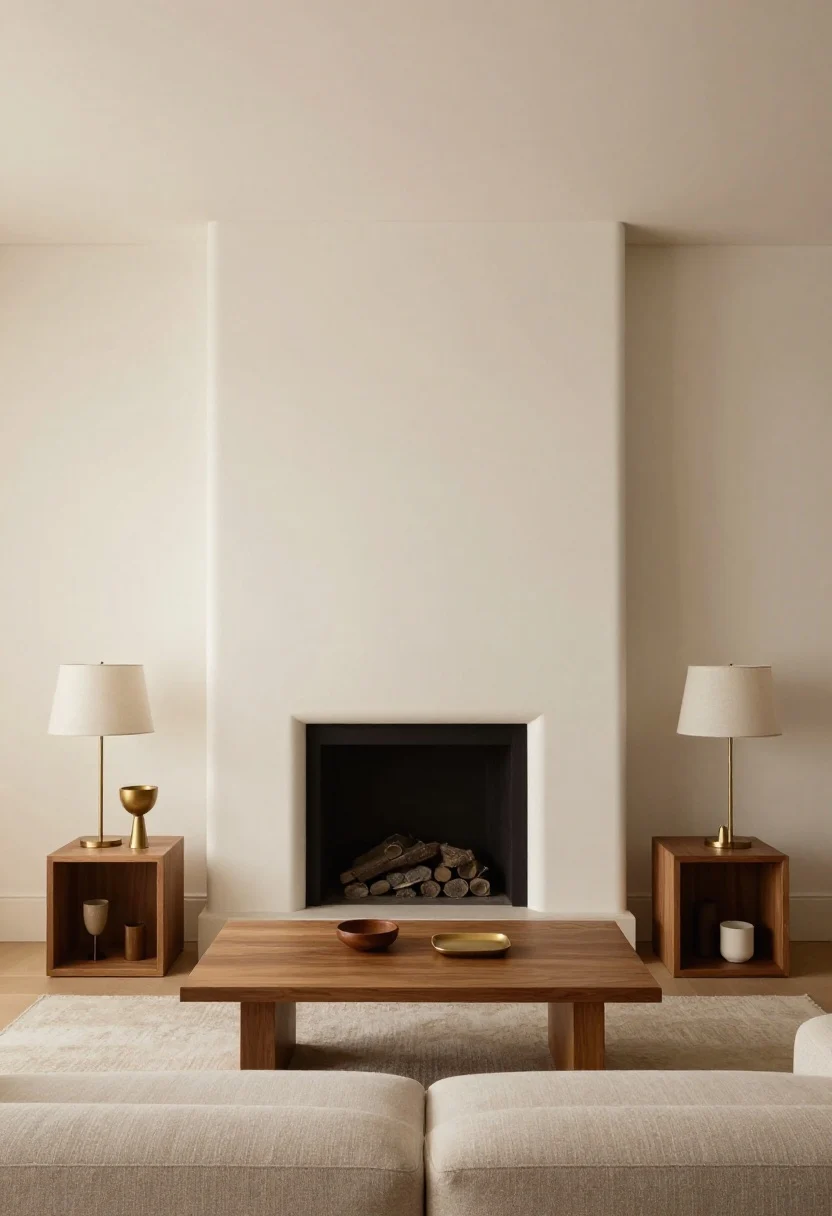
Symmetry gives instant order, which reads as larger and calmer. Place the couch centered on a focal point (fireplace, media unit, artwork), then mirror with matching side tables and lamps. The trick is to keep silhouettes slim so the symmetry doesn’t feel heavy.
Make it airy
- Choose open-base tables and lamps with smaller shades to reduce visual bulk.
- Limit tall pieces near the sofa so the eye moves horizontally and freely.
- Repeat materials (wood tone, metal finish) to create a clean rhythm.
What to shop for: matching side tables, twin lamps, low-profile media consoles.
9. Park It Parallel To The Longest Wall
© 2025 AI Illustrator — Inspiration Only
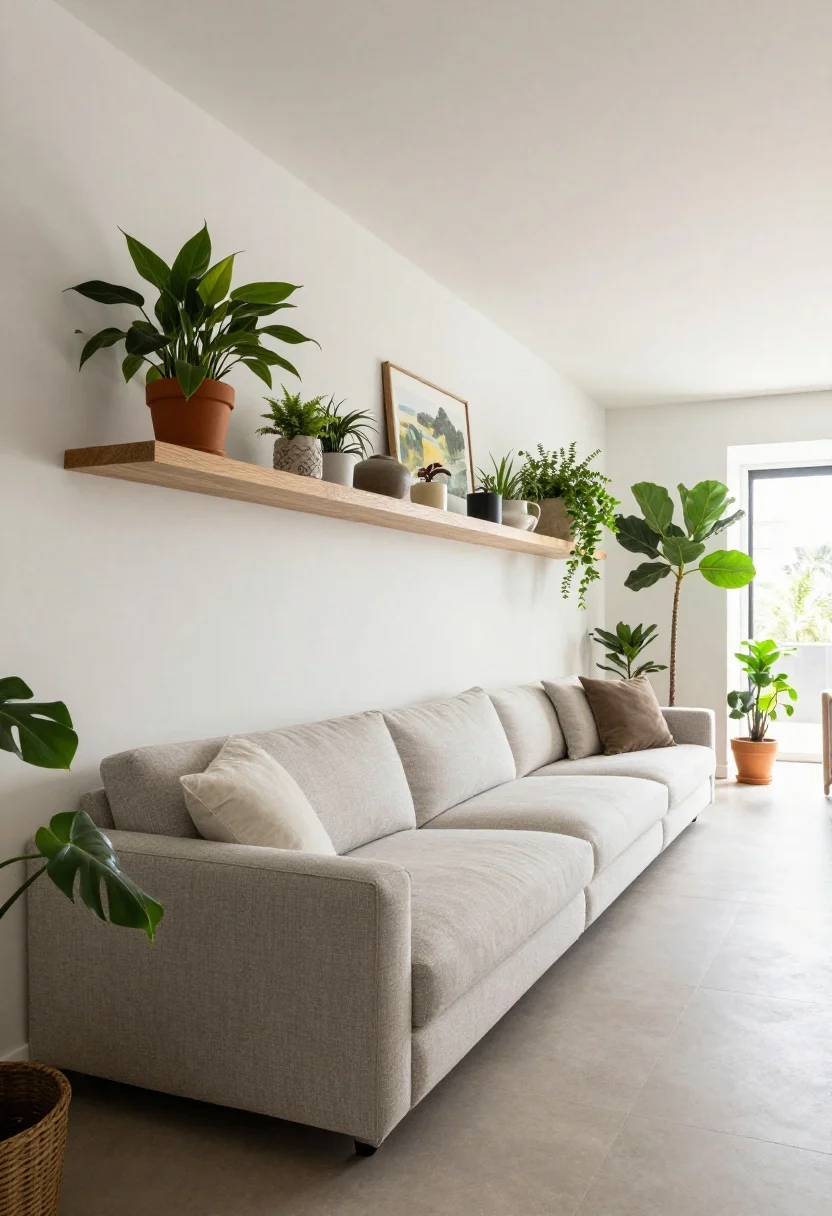
If your room is a rectangle (most are), align the couch parallel to the longest wall. This emphasizes length and creates a natural runway for traffic. Then build layers (chairs, tables, plants) along the sides, not the ends—length over width for the win.
Why this stretches space
- Lines = length: long lines lead the eye and make walls feel farther apart.
- Keep 3-foot clearances for walkways to maximize function.
- Use low, wide art or a shelf over the sofa to echo that horizontal flow.
What to shop for: extra-long lumbar pillows, panoramic artwork, linear shelves.
10. Corner The Couch (But Lighten The Edges)
© 2025 AI Illustrator — Inspiration Only
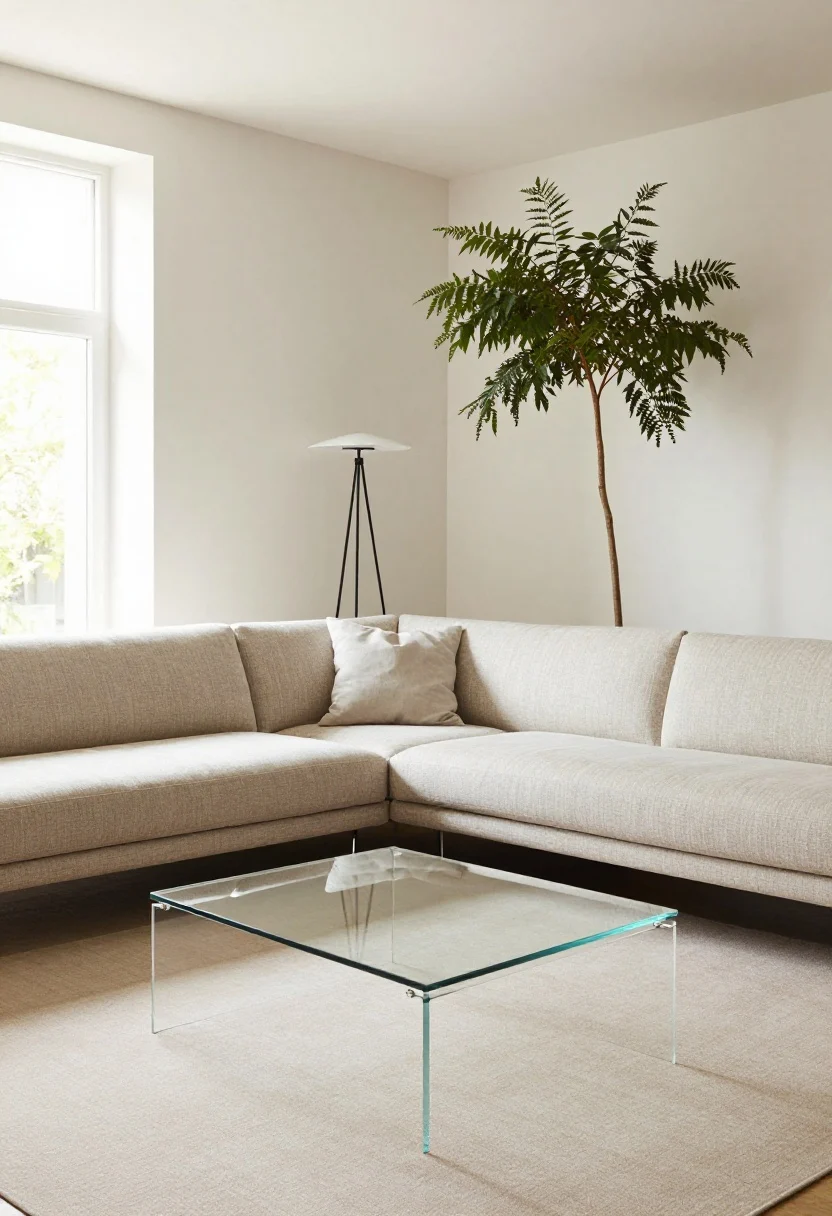
Sometimes the corner is your best friend. Tuck the sofa into a corner to free up the center and make the largest area of the floor visible. The key: lighten everything around it so it doesn’t look crammed.
Lighten up tactics
- Use a glass or acrylic coffee table to keep sightlines open.
- Choose leggy furniture (raised on legs) so light passes underneath.
- Add a tall, slim lamp or tree in the opposite corner to balance weight.
What to shop for: glass tables, tripod floor lamps, faux trees with slim profiles.
11. Pair Two Petite Sofas Instead Of One Bulky One
© 2025 AI Illustrator — Inspiration Only
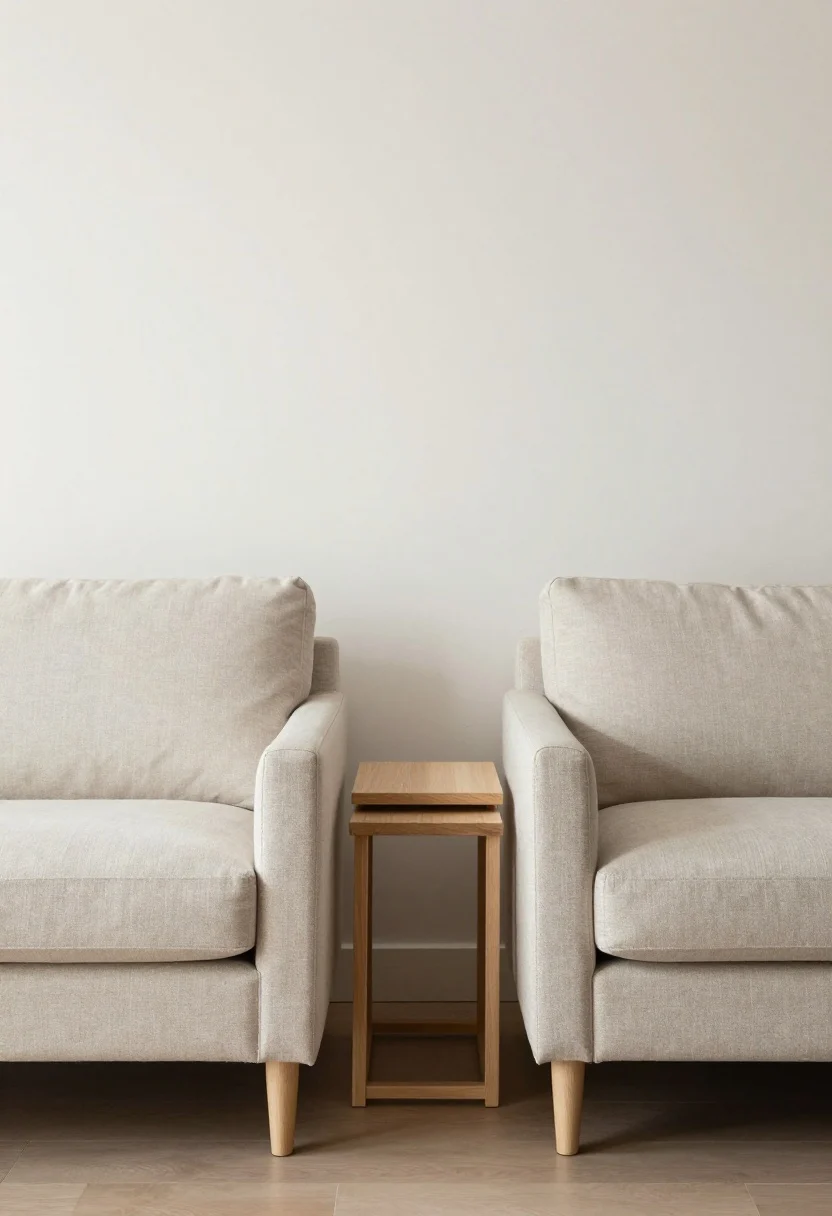
One giant couch can swallow a small room. Two smaller sofas (or a sofa and a loveseat) facing each other or in an L can feel lighter and more flexible. The negative space between and around them makes the room read bigger—like visual Pilates.
Layout options
- Face-to-face: great for long rooms; keeps the center open and balanced.
- L-shape: perfect for corner seating without an overpowering sectional.
- Mix styles carefully: keep seat height and arm height within 2 inches to look cohesive.
What to shop for: compact sofas, loveseats, nesting side tables.
Conclusion: Your Sofa Is A Space-Making Tool
© 2025 AI Illustrator — Inspiration Only
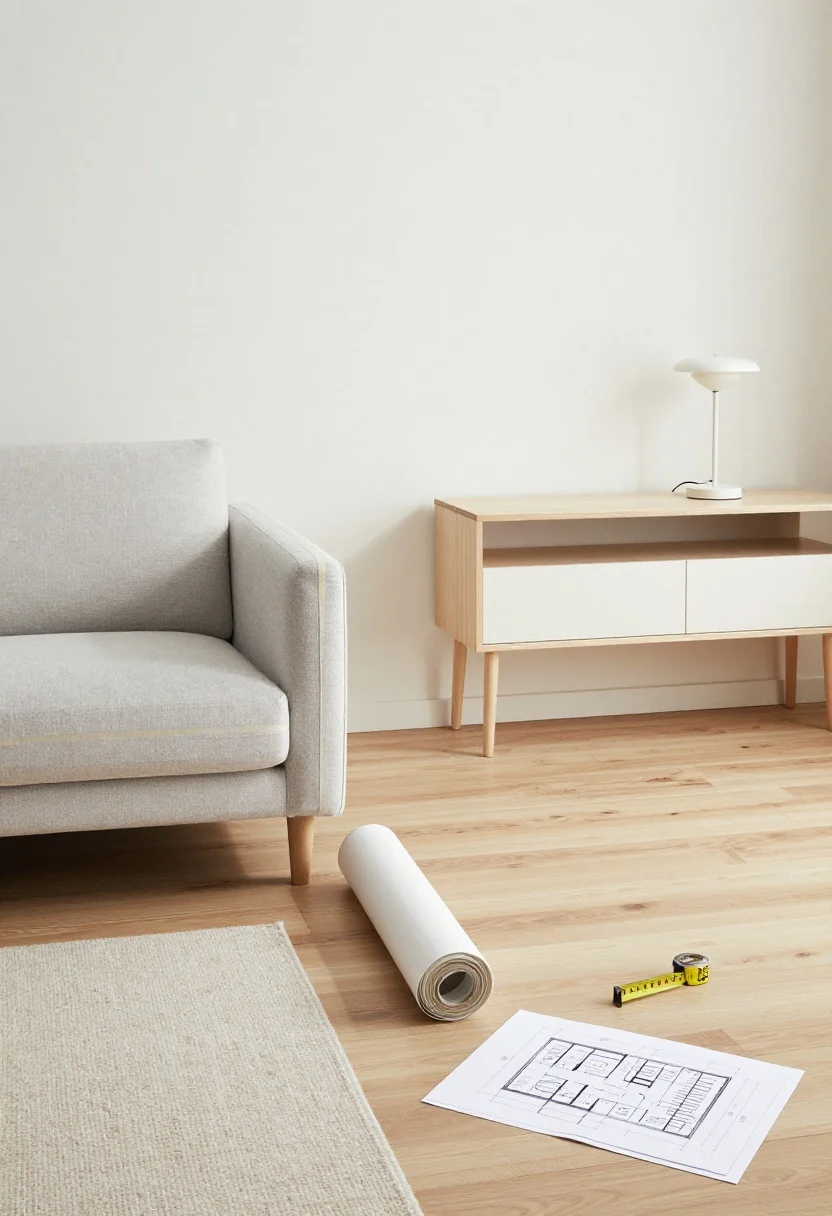
Move your couch and your room transforms—no remodel required. Float it, angle it, split the room with it, or double it up. Test a couple of these ideas (painter’s tape is your best friend) and you’ll find the layout that makes your living room feel bigger, brighter, and way more intentional. IMO, the right placement is the cheapest makeover you can do.
FAQ
© 2025 AI Illustrator — Inspiration Only
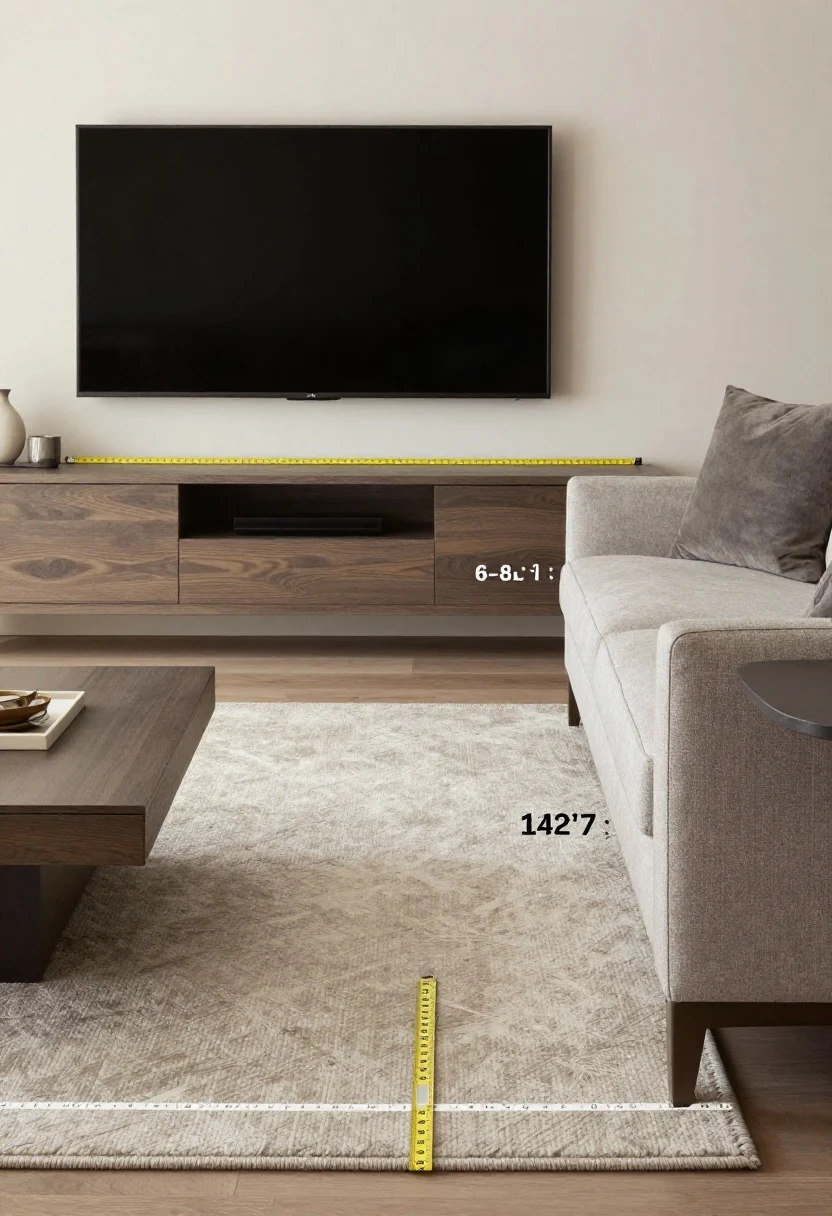
How far should a couch be from a TV?
Aim for about 1.5 times the TV’s diagonal size. Example: for a 55-inch TV, sit roughly 6–8 feet away. Prioritize eye-level viewing and clear pathways over strict math.
What size rug makes a small room look bigger?
Go as large as you can while leaving an 8–12 inch border of visible floor. At minimum, the front legs of the sofa and chairs should sit on the rug to unify the seating area.
How much space should I leave around a couch?
Leave 30–36 inches for main walkways and 18 inches between the couch and coffee table. Side tables work best 1–2 inches lower than the sofa arm for easy reach.
Shop the Look on Amazon
Disclosure: As an Amazon Associate, this site may earn from qualifying purchases.
These product categories fit this article and give readers an easy next step when they are ready to shop.
- Behind-sofa table — Hides cords and adds storage without bulk.
- Space-friendly table — Softens corners and improves flow in chat zones.
- Open sightlines — Keeps rooms airy when floating or under windows.
- Layout anchor — Centers furniture and makes rooms feel larger.
- Lightweight surfaces — Adds function while minimizing visual weight.
One Comment
Comments are closed.