Cottagecore Bedroom Ideas for a Soft and Romantic Winter Look

When the days grow short and the air turns crisp, many of us crave a bedroom that feels like a warm, quiet retreat. The cottagecore aesthetic—its love of natural textures, muted palettes, and gentle nostalgia—offers a perfect framework for creating that sense of comfort without sacrificing style. In this article you’ll discover seven distinct approaches to shaping a winter‑ready cottagecore bedroom. Each idea explains the visual impact, the practical steps to achieve it, and the considerations that keep the space both beautiful and livable.
1. Embrace a Whisper‑Soft Neutral Palette
© 2025 AI Illustrator — Inspiration Only
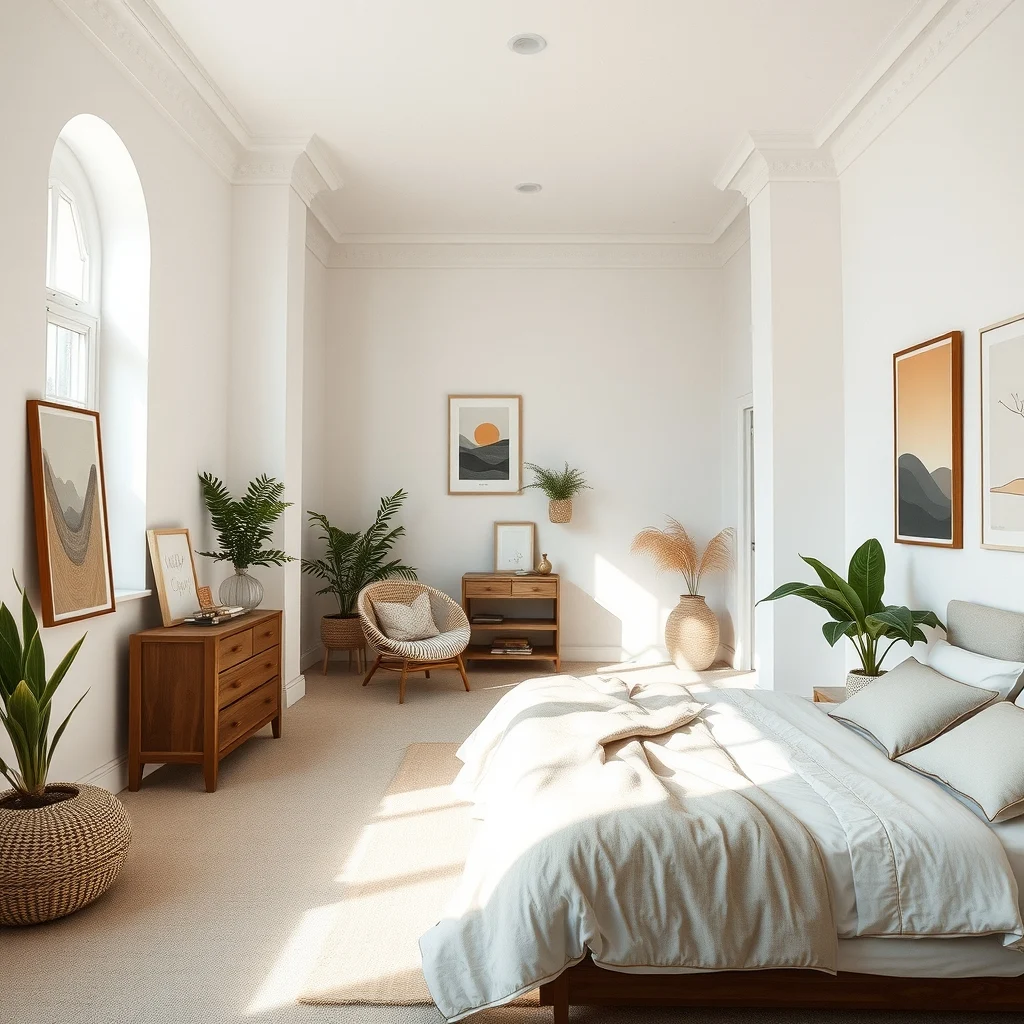
The foundation of a romantic winter bedroom begins with color. Soft, weathered whites, warm greiges, and the faintest blush of rose create a backdrop that feels airy yet snug. When the walls are painted in a matte finish, the surface diffuses light rather than reflecting it harshly, which is especially helpful during the darker months. To avoid a sterile look, layer the neutral base with textiles in slightly deeper tones—think a muted sage duvet or a dusty mauve throw. These accents introduce depth while keeping the overall mood gentle. If your bedroom receives limited natural light, consider a satin or eggshell sheen on the ceiling to bounce the little daylight you have, but keep the walls matte to preserve the soothing feel. The trade‑off is that very light colors can show dust more readily, so a regular dusting routine becomes part of the upkeep.
2. Choose Vintage‑Inspired Linen Bedding
© 2025 AI Illustrator — Inspiration Only
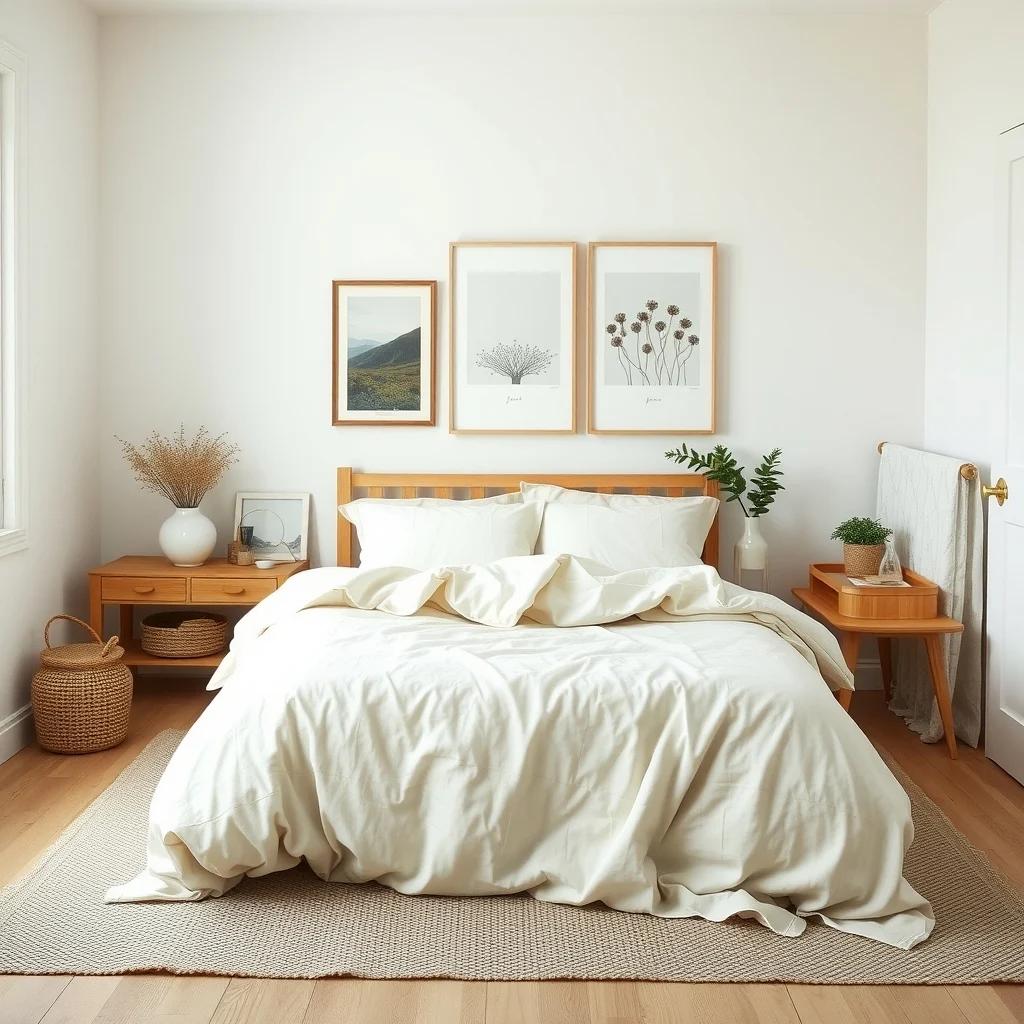
Linen has a natural, lived‑in quality that aligns perfectly with cottagecore sensibilities. A linen duvet cover in an off‑white or pale oat hue softens the sleeping surface and breathes easily, which is a welcome contrast to the heavy blankets often used in winter. Pair the duvet with a few coordinating linen pillow shams and a hand‑stitched quilt that features a subtle floral or botanical print. The texture of linen adds visual interest without overwhelming the palette, and its slightly wrinkled appearance reinforces the relaxed vibe. When selecting linen, look for a weight that feels substantial enough for cooler nights but still drapes nicely. One drawback is that high‑quality linen can be pricier than cotton, so you might start with a single statement piece—such as a linen duvet—and complement it with more affordable cotton sheets.
3. Add Layered Lighting with Warm‑Toned Fixtures
© 2025 AI Illustrator — Inspiration Only
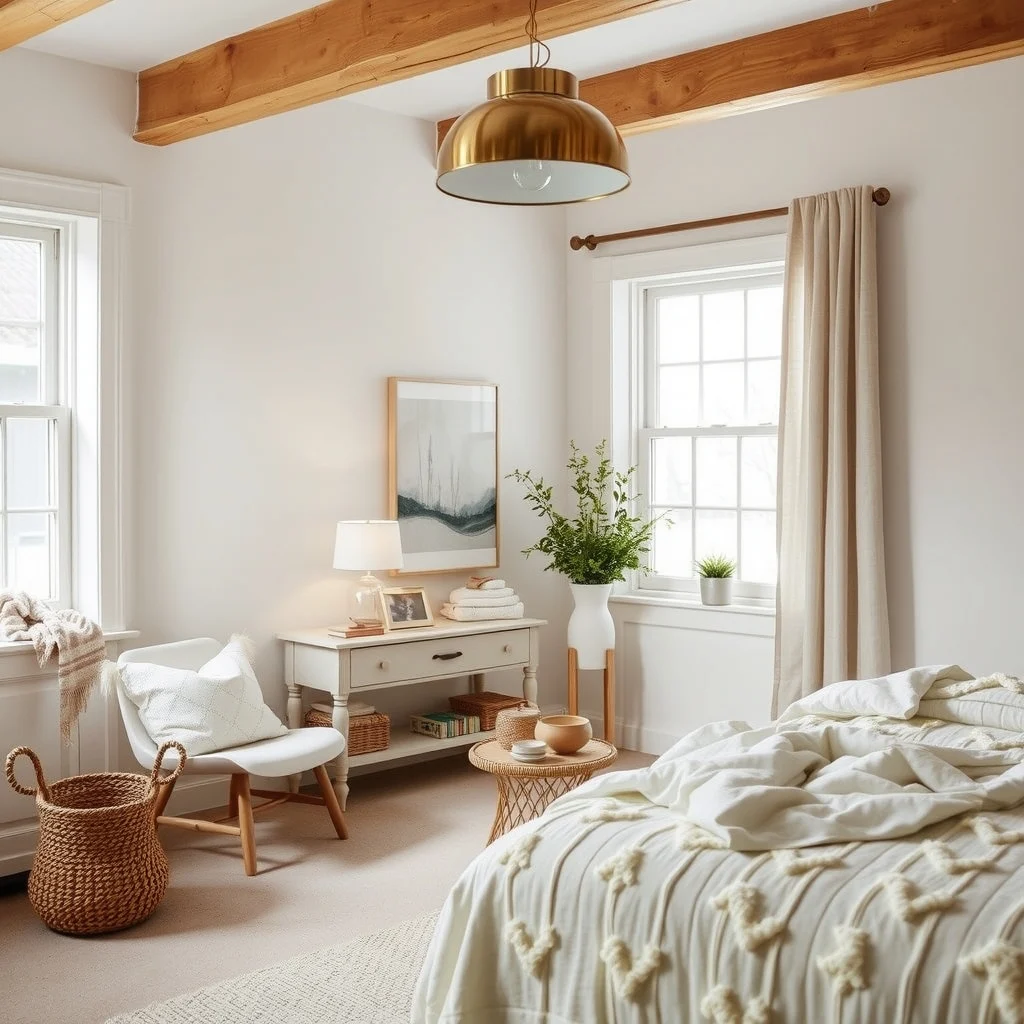
Winter evenings benefit from a thoughtful lighting plan that mimics the glow of a hearth. Begin with a soft overhead fixture—perhaps a brushed‑brass pendant with a frosted glass shade—to provide general illumination without harsh glare. Complement this with a pair of bedside table lamps that feature linen or burlap lampshades; the fabric diffuses the bulb’s light, creating a cozy pool of warmth at eye level. A third element, such as a floor lamp with a curved arm, can be positioned near a reading nook or a small armchair, allowing you to shift focus when you settle in with a book. When choosing bulbs, opt for warm‑white LEDs (around 2700 K) to keep the atmosphere gentle. The downside of multiple lamps is the need for additional outlets, so plan your plug layout early or use decorative power strips that blend with the décor.
4. Incorporate Natural Wood Furniture with Soft Curves
© 2025 AI Illustrator — Inspiration Only
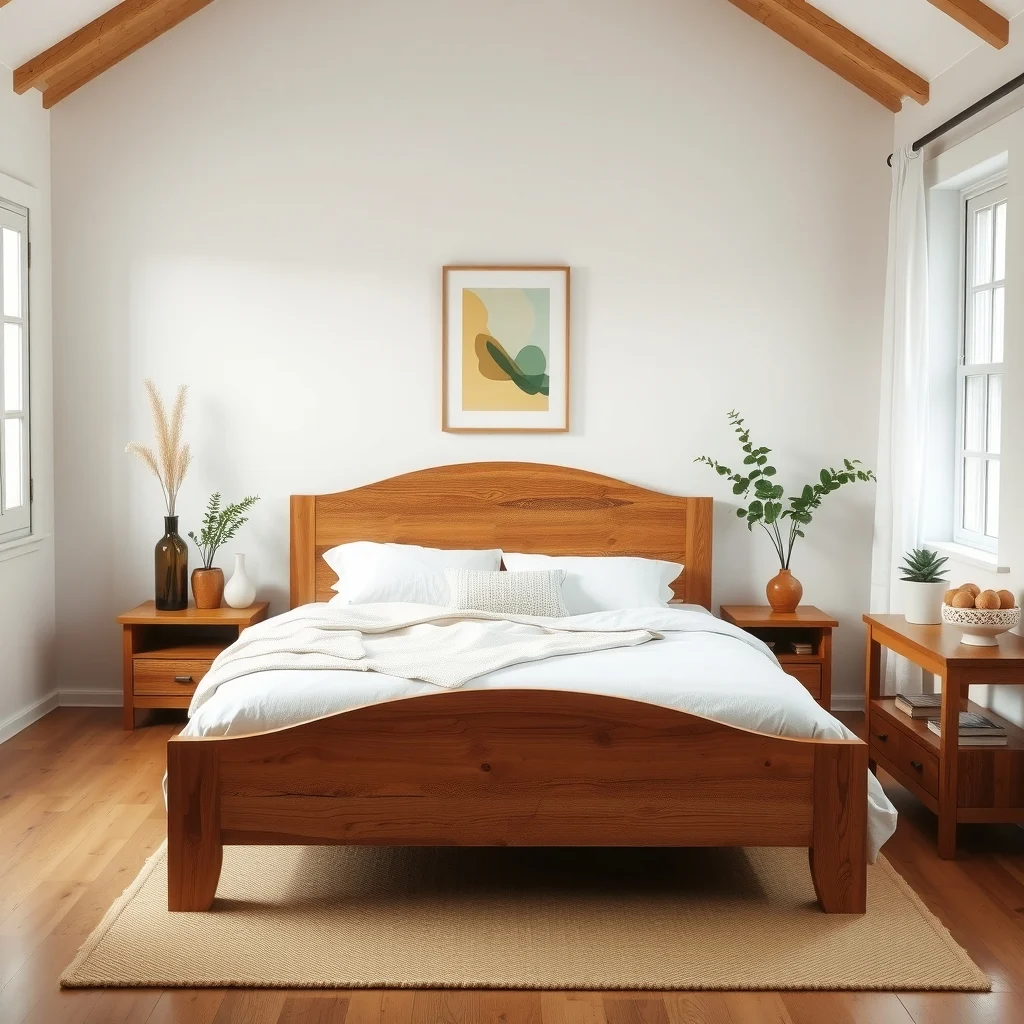
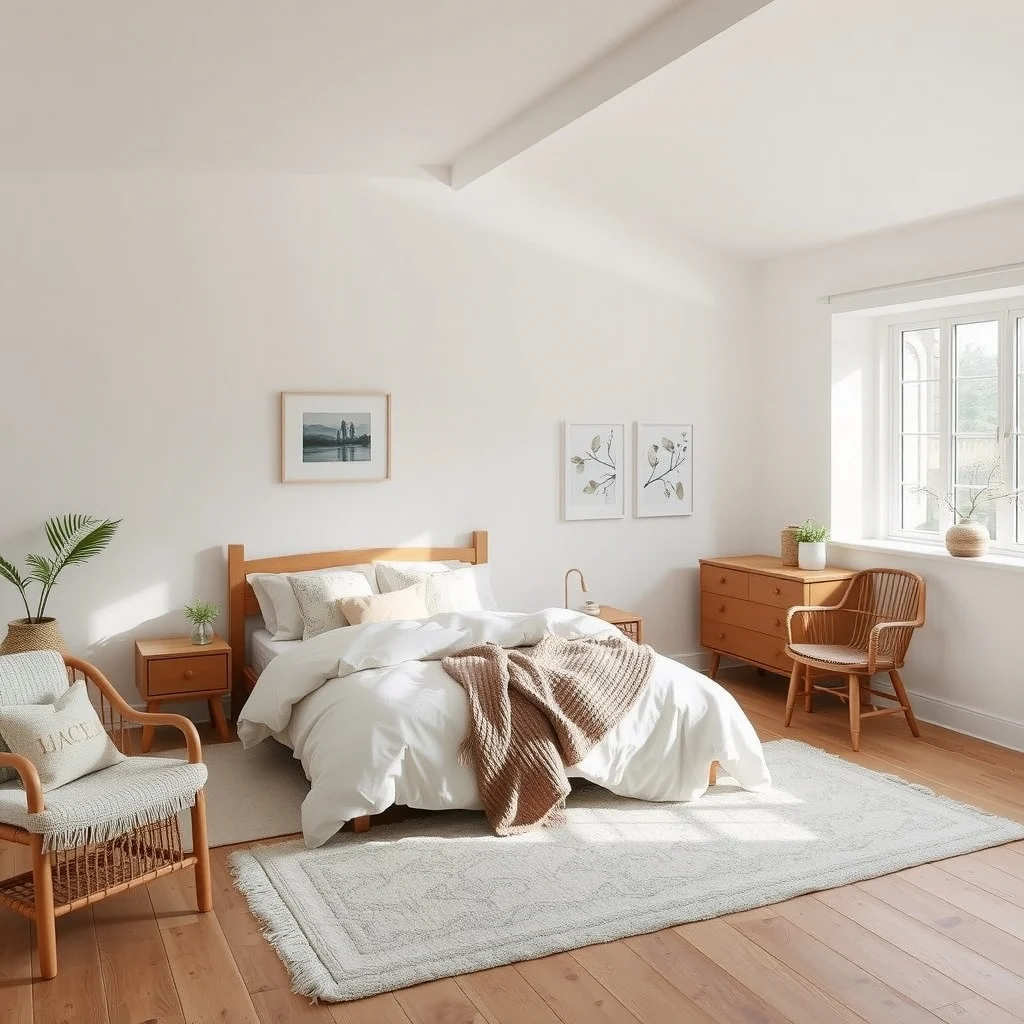
Furniture that showcases the grain of reclaimed oak or pine brings an organic anchor to the room. A low, wide wooden bed frame with a slightly curved headboard evokes the feel of an old country cottage while offering ample space for layered blankets. Nightstands crafted from the same wood, but with turned legs and a modest drawer, provide storage without breaking the visual flow. If space allows, add a simple wooden chest at the foot of the bed; it can hold extra linens and serve as a decorative platform for a vase of dried lavender. The natural finish of the wood reflects a muted sheen that catches winter light subtly. However, solid wood can be heavy, so ensure your floor can support the pieces and consider adding protective felt pads to prevent scratches on hardwood flooring.
5. Dress Windows with Sheer, Flowing Curtains
© 2025 AI Illustrator — Inspiration Only
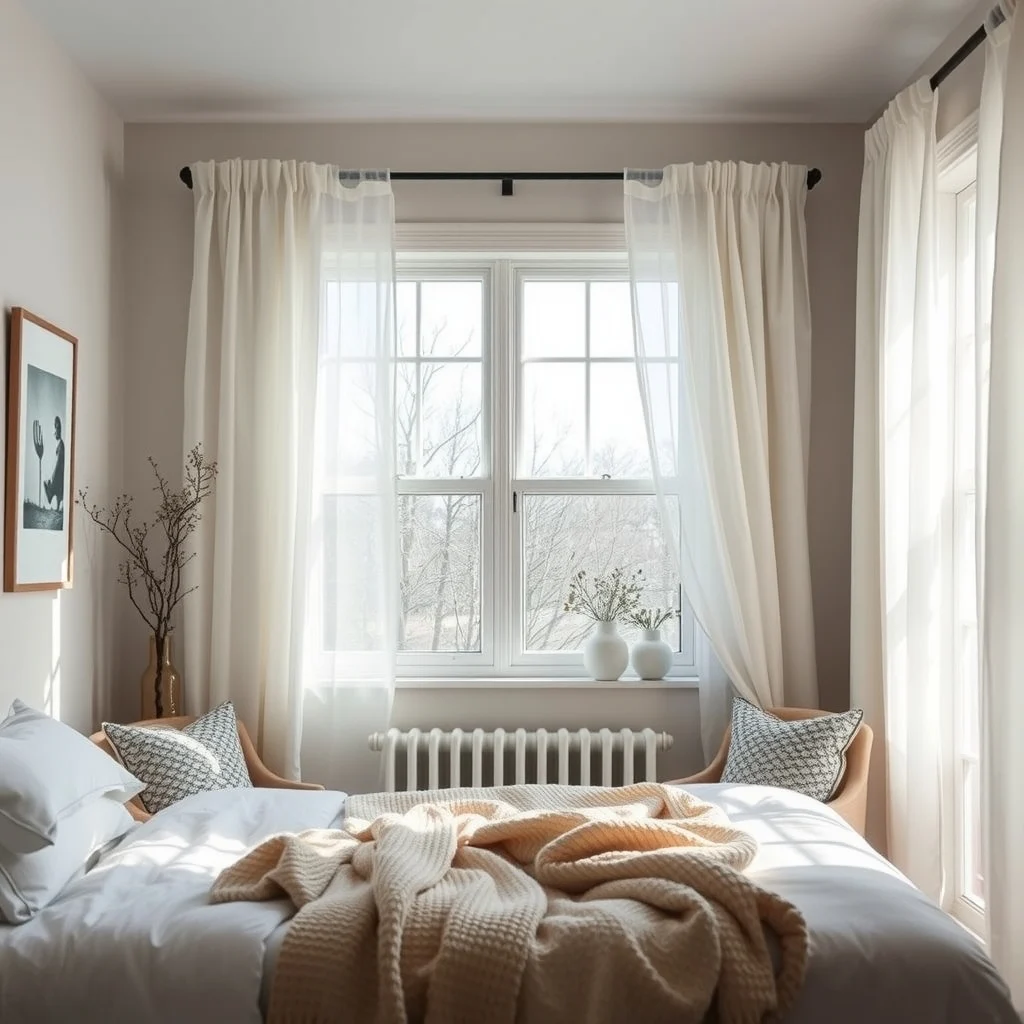
Heavy drapes may feel appropriate for winter, but they also block the limited daylight that brightens a cottagecore bedroom. Sheer curtains made from cotton voile or linen blend allow the soft winter sun to filter through while still offering privacy. Choose a length that pools gently on the floor to add an elegant, romantic touch. For added insulation, layer a thin, thermal liner behind the sheer panel; this maintains warmth without sacrificing the airy look. If the window frames are painted a muted pastel, the curtains will echo that hue, reinforcing the cohesive palette. The main compromise is that sheer fabrics can be more delicate, so handle them with care during cleaning—hand wash or use a gentle cycle on a low spin.
6. Introduce Botanical Elements with a Subtle Twist
© 2025 AI Illustrator — Inspiration Only
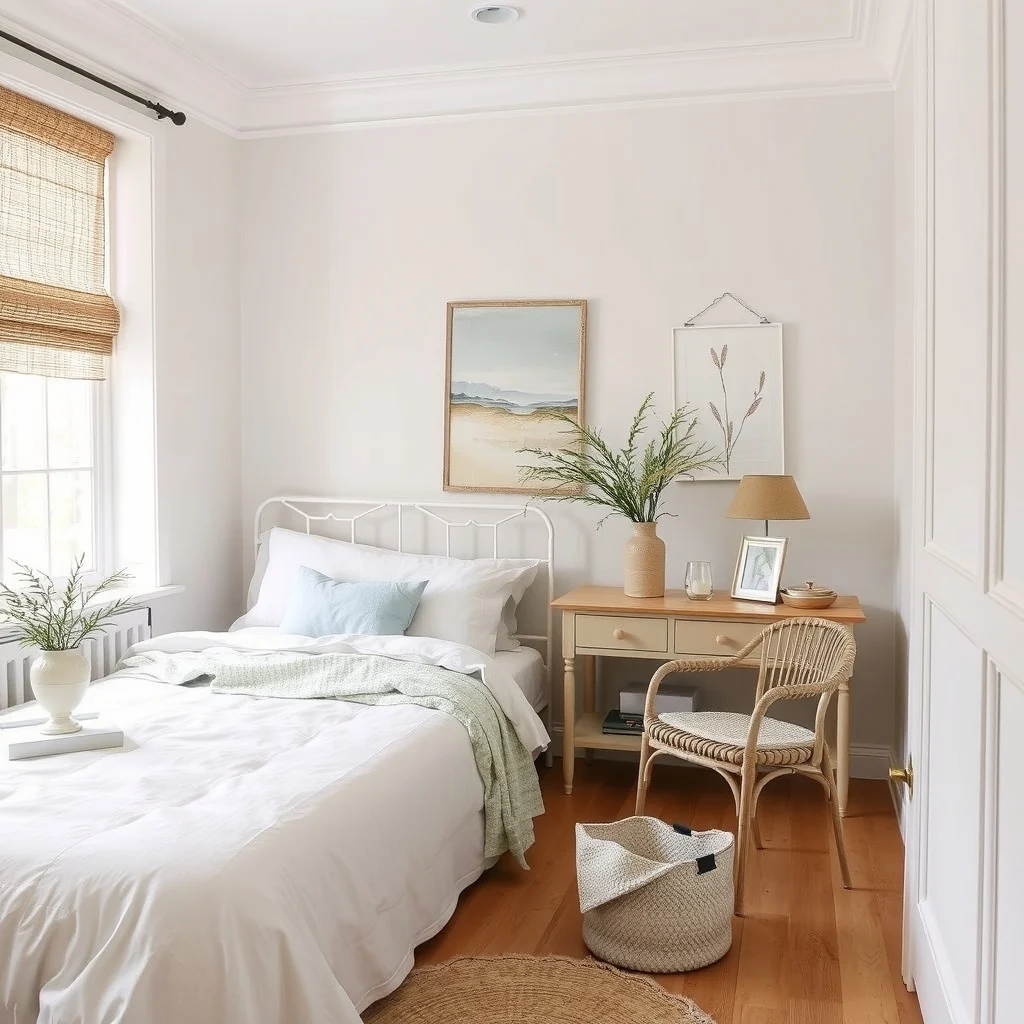
Plants are a cornerstone of cottagecore, yet winter limits the selection of thriving greenery. Instead, opt for dried arrangements—bundles of wheat, dried eucalyptus, or sprigs of rosemary—arranged in a vintage glass jar or a rustic tin. Place these accents on the nightstand, dresser top, or a low shelf to bring a hint of nature indoors. For a touch of living greenery, select hardy succulents or a small peace lily that can tolerate lower light levels. The botanical pieces add texture and a faint, comforting scent that pairs well with the soft fabrics of the room. Be mindful that dried arrangements can collect dust, so a quick brush every few weeks keeps them looking fresh.
7. Create Cozy Nooks with Soft Rugs and Poufs
© 2025 AI Illustrator — Inspiration Only
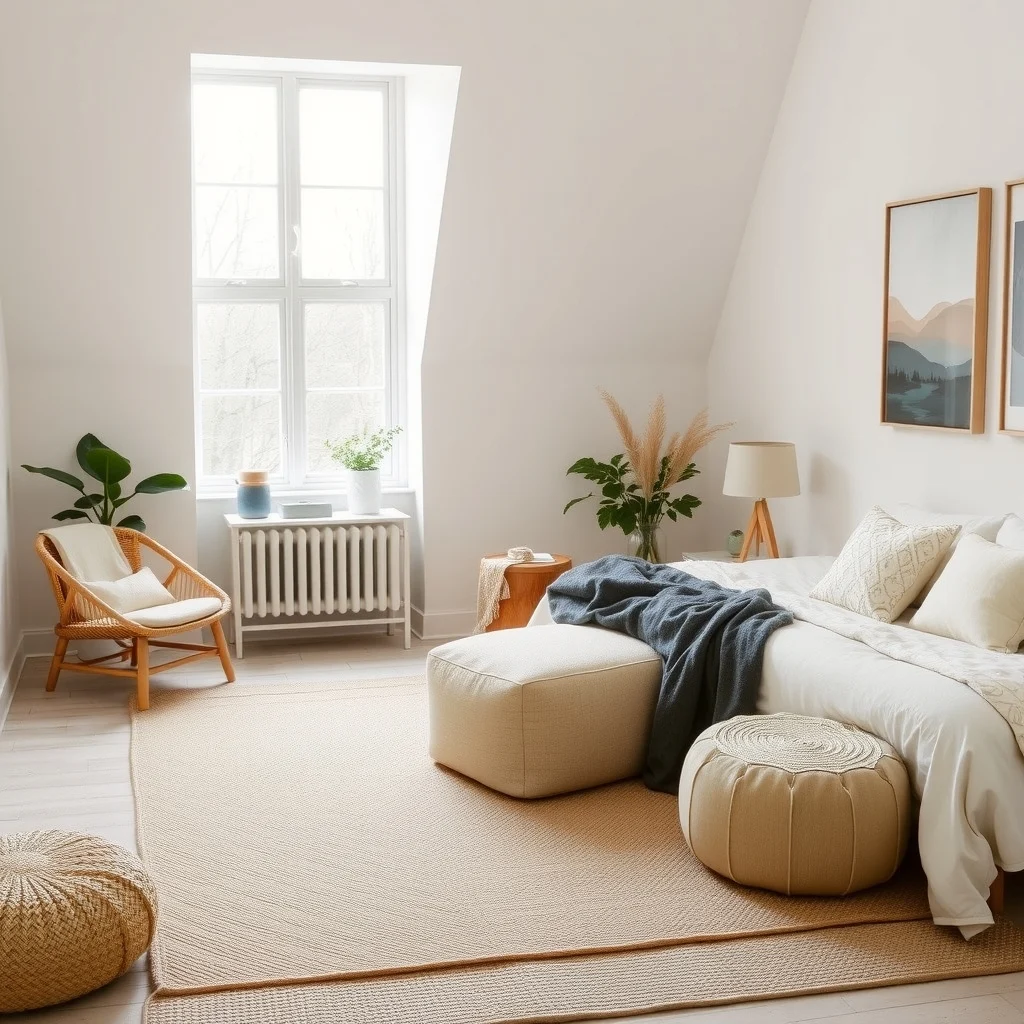
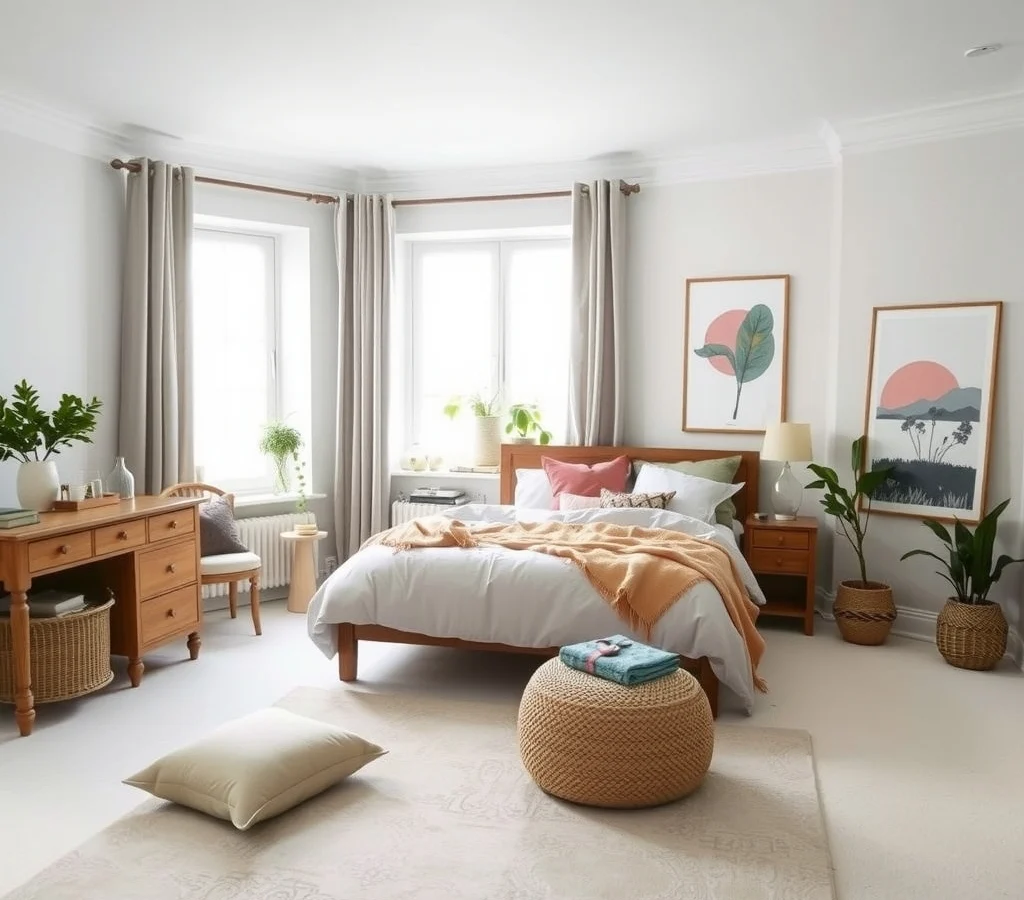
A plush area rug anchored at the foot of the bed can define a cozy sitting space without overwhelming the room’s scale. Choose a rug in a natural fiber like jute or a low‑pile wool in a muted earth tone; the texture feels comforting under bare feet and adds a layer of insulation against cold floors. Complement the rug with a low, upholstered pouf in a coordinating shade—perhaps a muted sage or muted blush. The pouf can serve as extra seating for a quick stretch or as a footrest while you unwind. Because rugs can be a tripping hazard in tight spaces, ensure the pouf’s height is proportionate to the rug’s thickness and keep the area clear of cords. Regular vacuuming and occasional spot cleaning will maintain the rug’s softness throughout the season.
FAQ
© 2025 AI Illustrator — Inspiration Only
How can I keep a cottagecore bedroom feeling warm without using a fireplace?
Layered textiles—such as a linen duvet, wool throws, and plush rugs—provide insulation and a sense of warmth. Adding a few strategically placed floor lamps with warm‑white bulbs also creates a gentle heat in the visual sense, making the room feel cozier.
What is the best way to maintain reclaimed wood furniture in a bedroom?
Dust the surfaces regularly with a soft, dry cloth and apply a light wax or oil once a year to preserve the finish. Avoid exposing the wood to excessive moisture; use a humidifier if the indoor air becomes too dry during winter.
Can I incorporate metallic accents without breaking the soft cottagecore vibe?
Yes, subtle brushed brass or antiqued copper fixtures—like lamp bases or drawer pulls—add a quiet shimmer that complements the natural palette. Keep the metallic elements small and paired with organic textures to maintain the overall softness.
Is it okay to use scented candles in a cottagecore bedroom?
Scented candles with mild fragrances such as vanilla, cedar, or lavender can enhance the romantic atmosphere. Place them on a stable, heat‑resistant surface and never leave them unattended.
How do I choose the right size rug for a small bedroom?
Select a rug that extends at least 12‑18 inches beyond the bed’s edges. This creates a balanced border while ensuring the rug doesn’t dominate the limited floor space.
Final Thoughts
© 2025 AI Illustrator — Inspiration Only
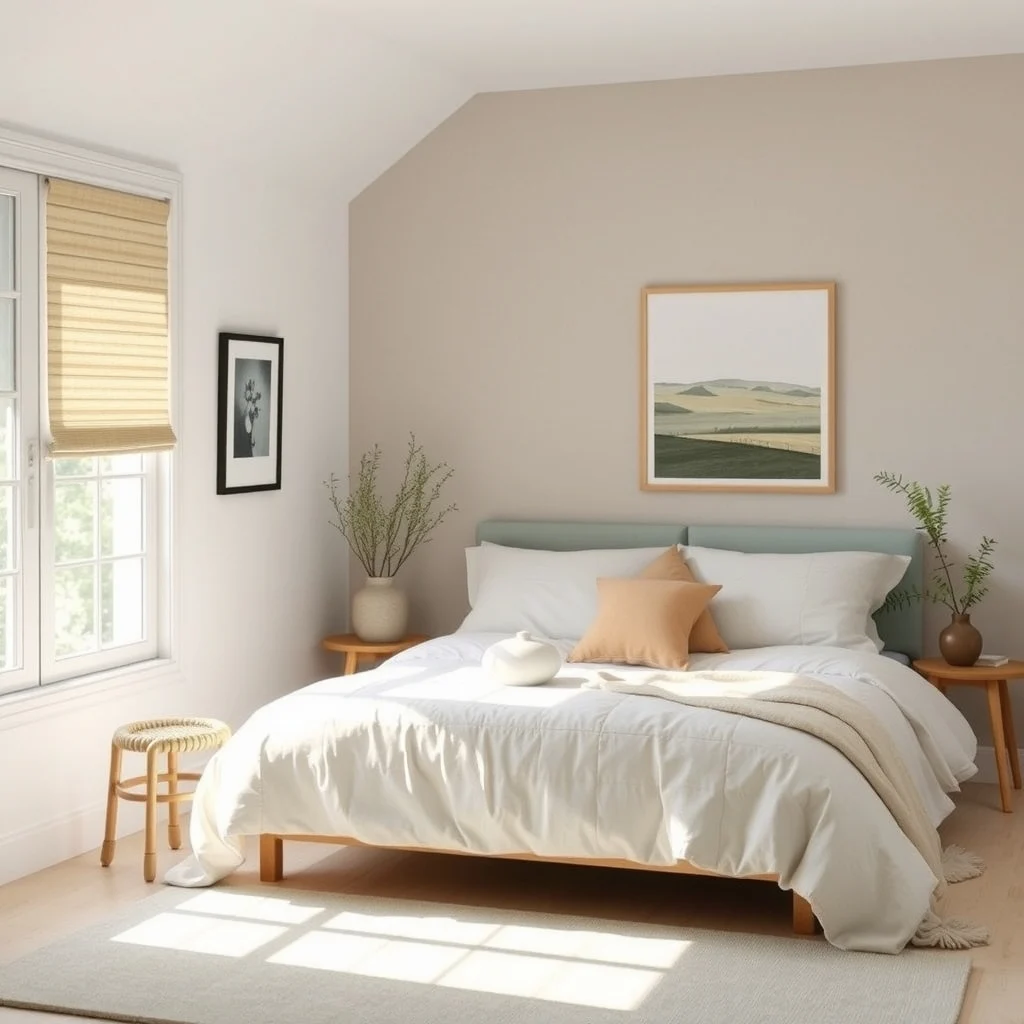
Designing a cottagecore bedroom for winter is less about dramatic transformations and more about thoughtful layering of texture, light, and natural elements. By starting with a muted palette, choosing breathable linen, and adding soft lighting, you set a calm foundation. Complement that base with reclaimed wood, sheer curtains, botanical accents, and a welcoming rug, and the room will feel both romantic and practical throughout the colder months. Each of the seven ideas presented can stand alone or be combined, allowing you to tailor the look to your space, budget, and personal preferences. The result is a bedroom that invites you to linger, read, and rest—exactly what a winter‑time cottagecore sanctuary should offer.