Toy Storage Ideas That Keep Children’s Bedrooms Neat
When you step into a kid’s room, a sea of toys often spills onto the floor, prompting thoughts of toy storage ideas. It can feel overwhelming after a busy day of play. A tidy space looks nicer and helps children feel calm and safe.
Finding storage that fits a child’s height, their ever‑changing interests, and the style of the room can seem hard. Below are seven ideas that blend function with a look you’ll love. Each one shows what it can look like, how to set it up, and a quick tip to keep it working.
1. Low‑profile wooden bins with colorful lids
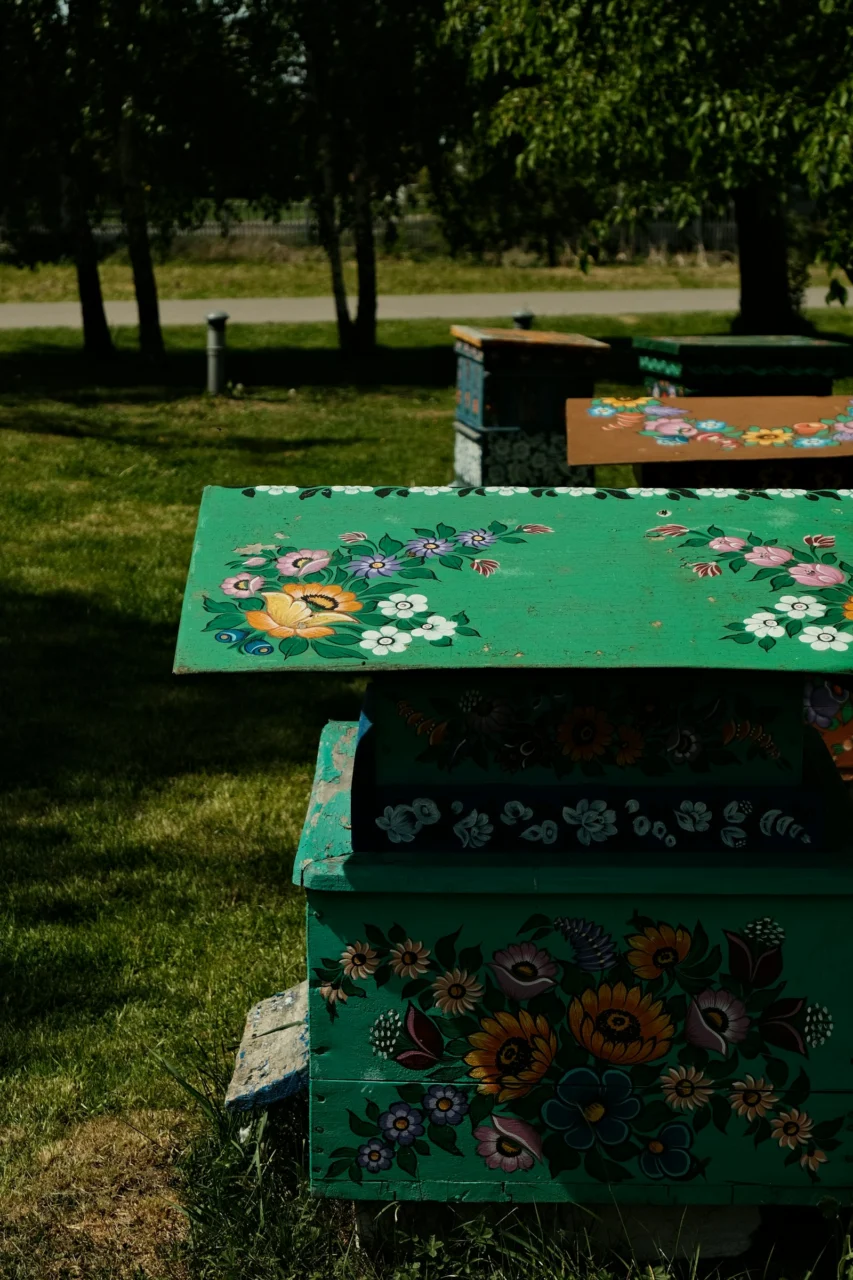
Picture a row of sturdy oak bins tucked under the bed, each topped with a bright pastel lid. The wood adds a warm touch that matches many décor styles, while the lids keep dust away and make it easy for a child to pull a whole bin out.
Start by measuring the space beneath the bed. Choose three or four bins that are no higher than the mattress edge. Slide them in, then label each lid with a simple picture or word. You can use a label maker or stick on a printed icon.
Tip: If the room gets a lot of sunlight, pick a finish that won’t fade quickly. Light‑colored wood can show wear faster than a darker stain, so plan for occasional touch‑up.
2. Hanging Fabric Pockets: Toy Storage Ideas for Wall Grids
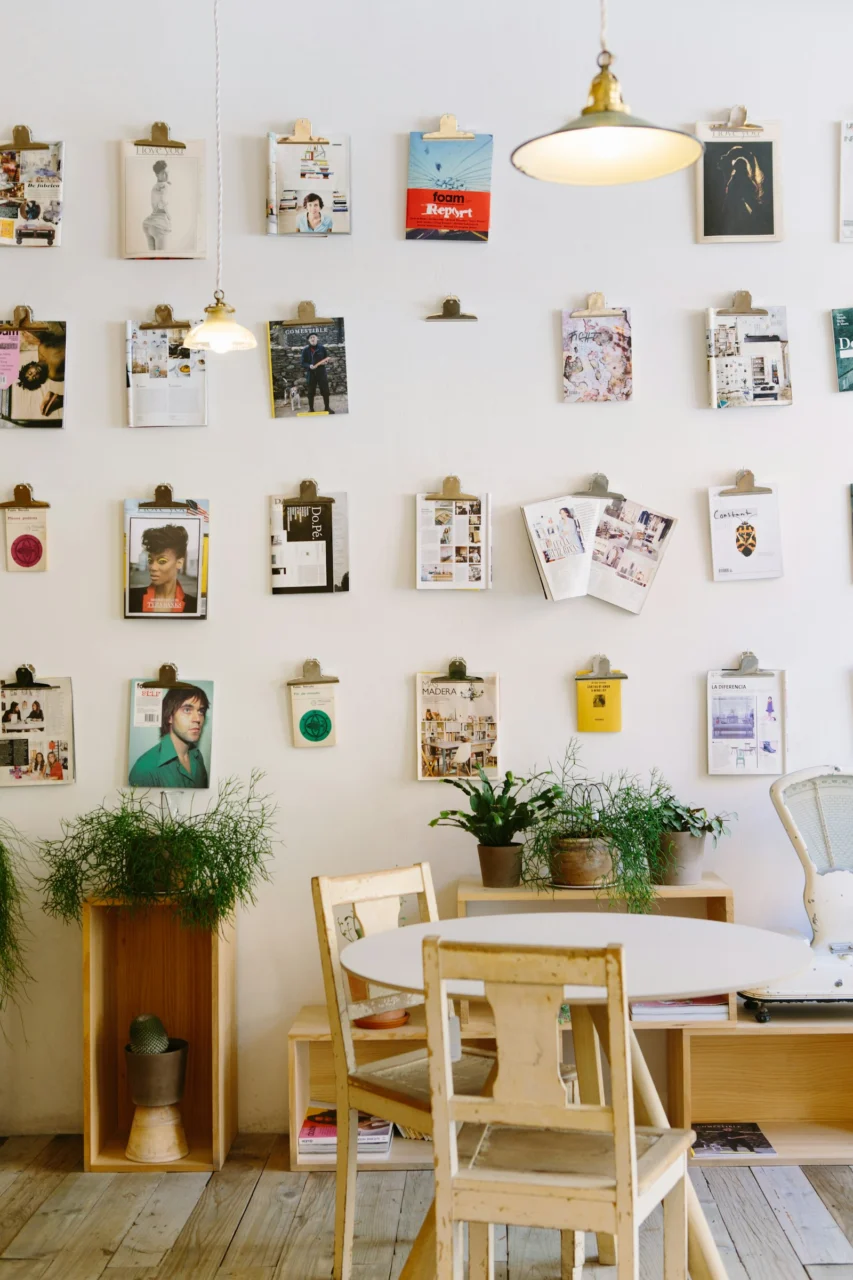
Imagine a soft grid of canvas pockets hung at child height on a pastel wall. The pockets are like small shelves, but they’re flexible and add a splash of texture to the room.
Buy a metal grid panel and attach it with picture hooks that won’t damage drywall. Then hang fabric pockets with snap buttons or Velcro. Arrange the pockets by toy type—cars in one, dolls in another—so the child can see where each belongs.
Tip: Fabric can hold moisture, so avoid placing the grid in a humid corner. If you notice a pocket getting soggy, swap it for a washable cotton version.
3. A built‑in bench with hidden drawers
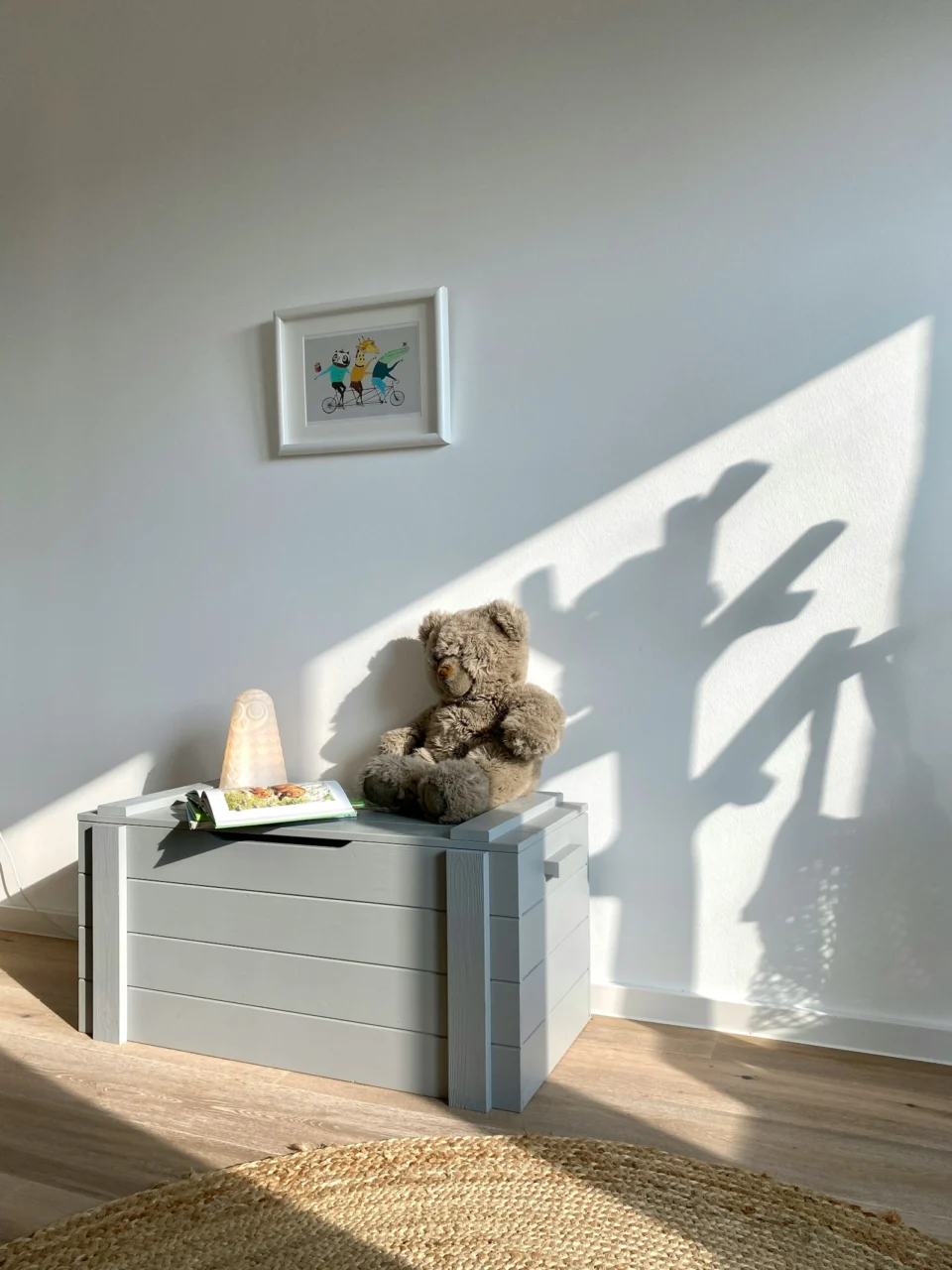
Think of a cozy bench at the foot of the bed, upholstered in a soft terracotta slipcover. The bench offers a place to sit while the drawers inside hide blocks, puzzles, and art supplies.
Measure the length of the wall and order a bench that fits. Choose a design with shallow drawers that open fully without pulling too hard. Add simple handles that a child can grip easily, like rounded wooden knobs.
Tip: The bench can take up floor space, so it works best in rooms with a larger footprint. In a tiny room, a low storage ottoman might be a better fit.
4. Toy storage ideas: Clear acrylic cubbies on a floating shelf
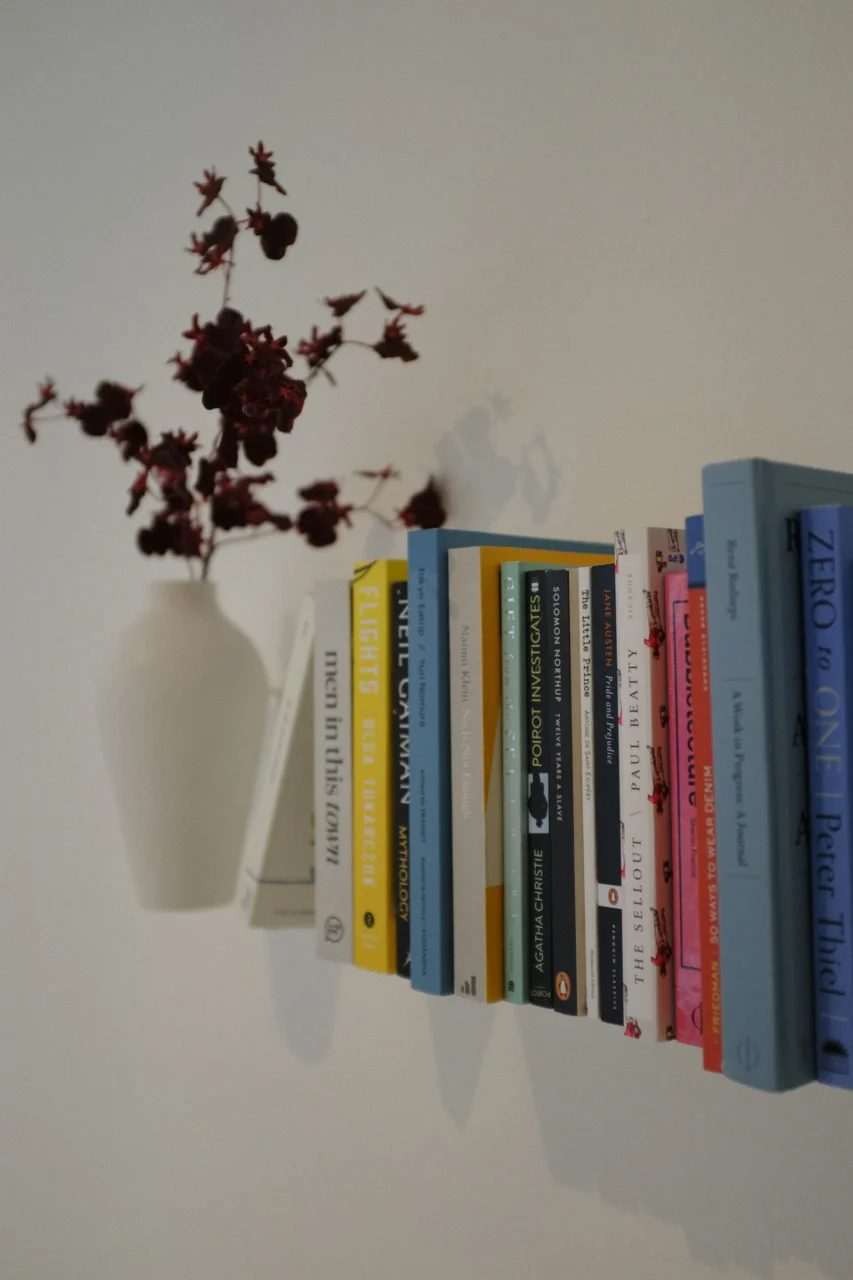
Visualize a floating white shelf holding clear acrylic cubbies. Each cubby lets you see the toys inside, turning storage into a display that feels neat and modern.
Install the shelf at a height a child can reach with a small step stool. Place the cubbies side by side, arranging them by size or color. Because the material is clear, you can keep the room feeling airy.
Tip: Acrylic can scratch, so teach kids to handle the cubbies gently. If the room is a high‑traffic area, consider a matte acrylic finish that hides minor marks.
5. Rolling cart with tiered trays
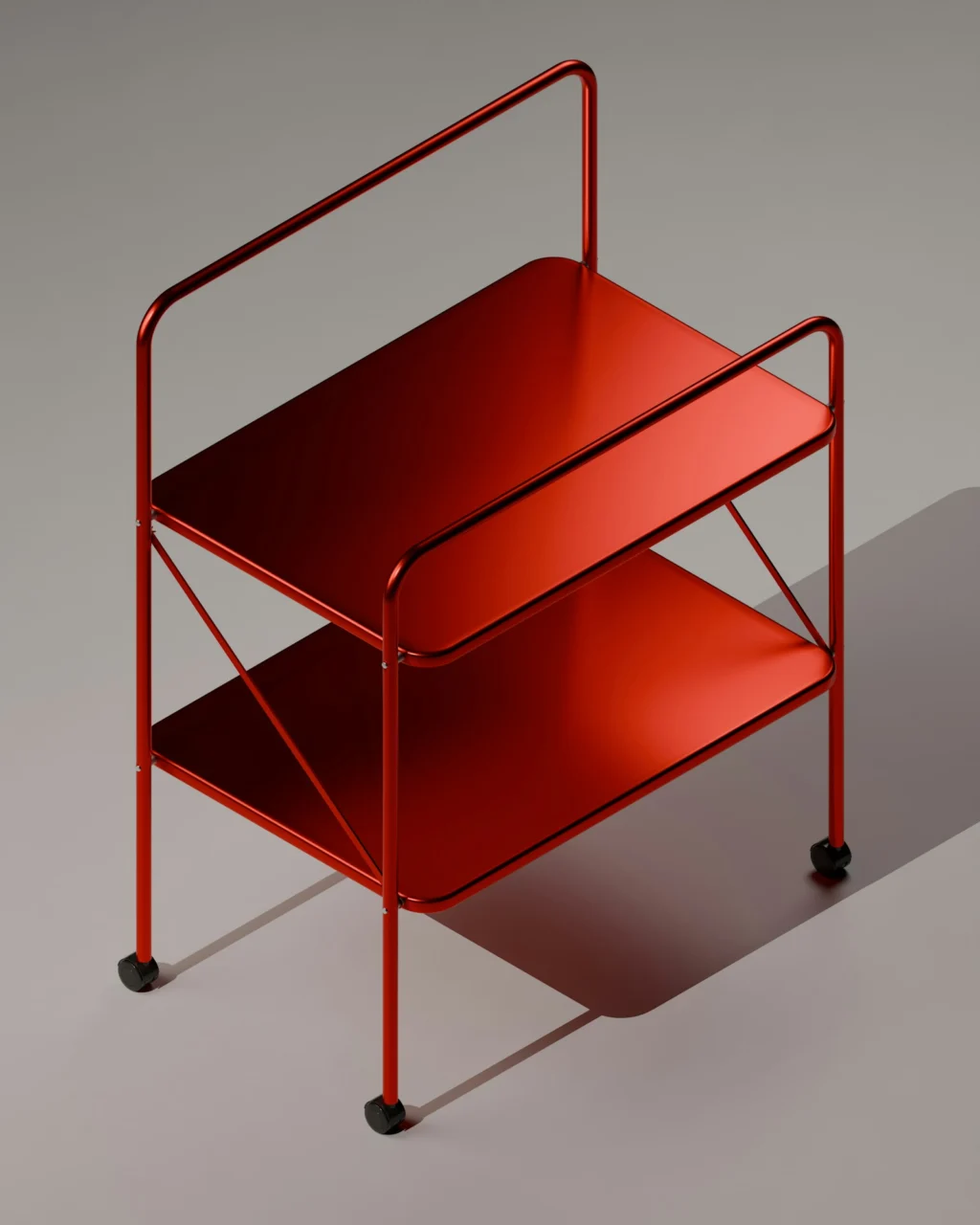
Picture a sturdy metal cart on wheels, painted in a soft olive hue, with three tiered trays that slide out like a mini library. The cart can be moved to any part of the room, making clean‑up quick.
Buy a cart with lockable wheels so it stays put when you need it to. Load each tray with a specific toy group—soft toys on the bottom, building bricks in the middle, and small cars on top. When playtime ends, push the cart to a corner and close the wheels.
Tip: The wheels can collect dust, so give them a quick wipe each week. If the floor is carpeted, use rubber caps on the wheels to prevent marks.
6. Toy storage ideas: Wall‑mounted pegboard with basket hooks
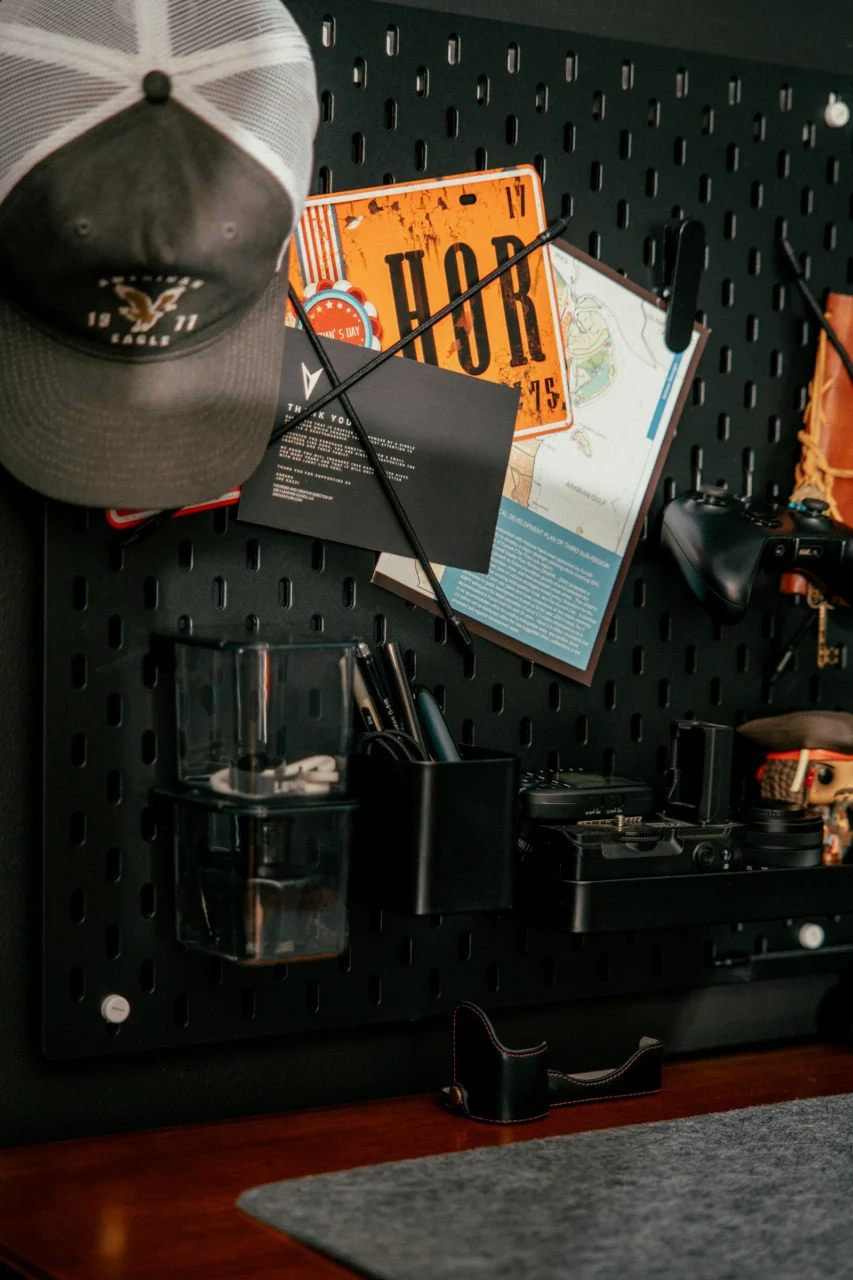
Envision a pegboard painted in a muted greige, mounted on the child’s wall. Small fabric baskets hang from hooks, each holding a different category of toy. The board adds a playful, organized look.
Cut the pegboard to fit the wall space and secure it with screws. Add hooks at varying heights, then attach baskets made of linen or burlap. Arrange the baskets so the child can reach the lower ones easily.
Tip: Pegboards can look busy if overloaded. Keep the number of baskets low and rotate toys seasonally to avoid clutter.
7. Under‑window seat with built‑in storage bins
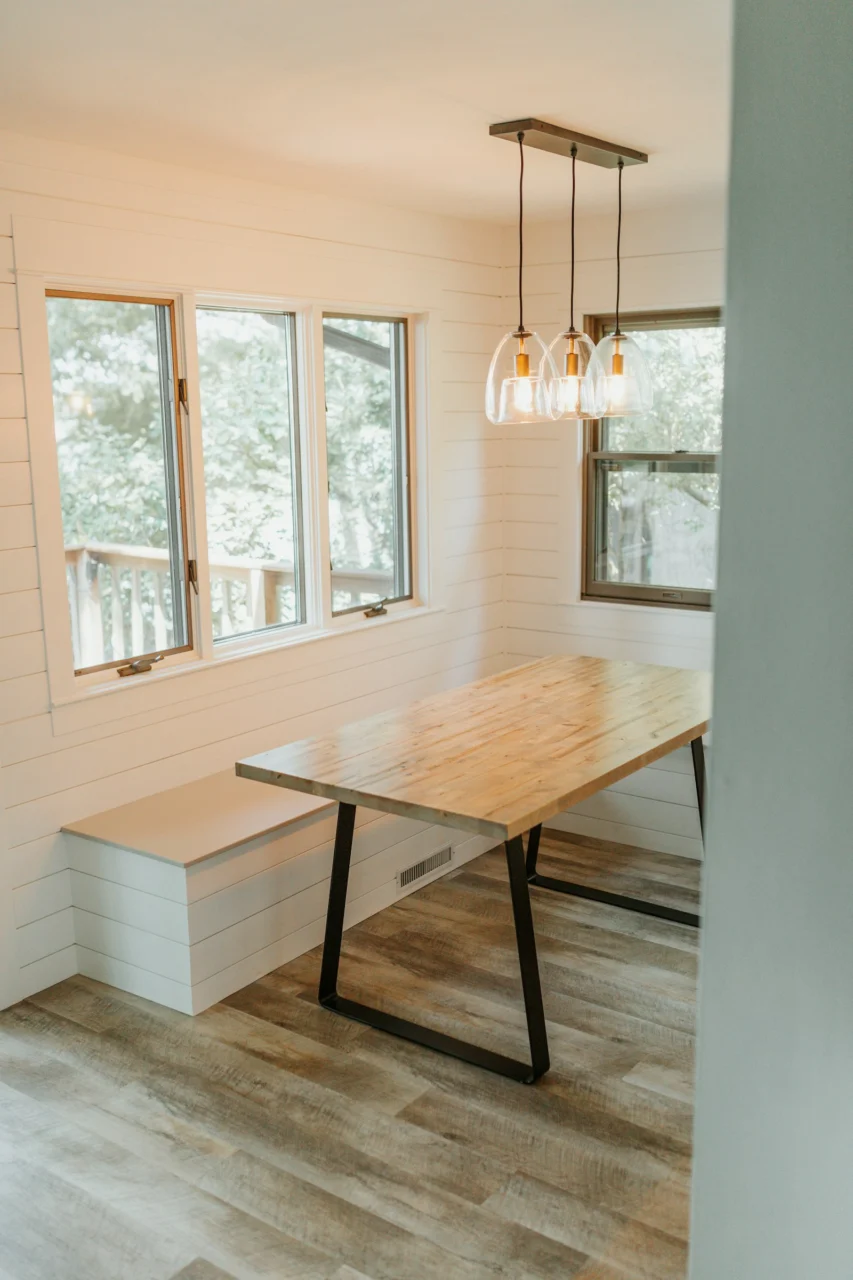
Imagine a cozy window seat covered in a soft, washable fabric, with hidden bins tucked beneath the cushions. The seat becomes a reading nook, while the bins store books, plush toys, and puzzles.
Build a low bench that fits the window width, leaving space for a cushion on top. Install pull‑out bins that slide under the seat, using simple metal slides. Add a few throw pillows in a coordinating color for comfort.
Tip: Sunlight can fade fabric over time. Choose a fade‑resistant cloth or add sheer curtains to protect the seat.
How can I keep the storage ideas kid‑friendly?
Pick low shelves and bins that a child can reach without a stool. Use rounded edges on wood and metal to avoid bumps. Simple labels with pictures help kids know where each toy belongs.
What materials work best for easy cleaning?
Materials like sealed wood, washable fabric, and clear acrylic are easy to wipe down. Avoid porous fabrics that soak up spills. A quick wipe with a damp cloth keeps most surfaces looking fresh.
Can I use these ideas in a rental home?
Yes, most ideas use removable hardware or free‑standing pieces. Use command strips for wall mounts and avoid drilling into walls when possible. Choose furniture that can be moved without damage.
How do I choose the right color scheme for storage?
Pick colors that match the room’s existing palette. Soft pastels, muted greys, or natural wood tones blend well with most children’s rooms. A single accent color can make the storage pop without overwhelming the space.
What’s the best way to involve my child in the organizing process?
Let your child help label bins with stickers or draw pictures. Ask them to choose which toys go in which bin. When they feel ownership, they’re more likely to keep the room tidy.