Shared Bedroom Ideas for Siblings With Different Needs
Finding a room that works for two kids can feel like a puzzle, so many look for shared bedroom ideas. You want each child comfortable, space to study, and the room tidy.
Below are seven ideas that let you split a room without turning it into a clash of styles. Each idea explains what it looks like, how to set it up, and a quick note on when it might not work.
1. Divide the room with a low bookshelf wall
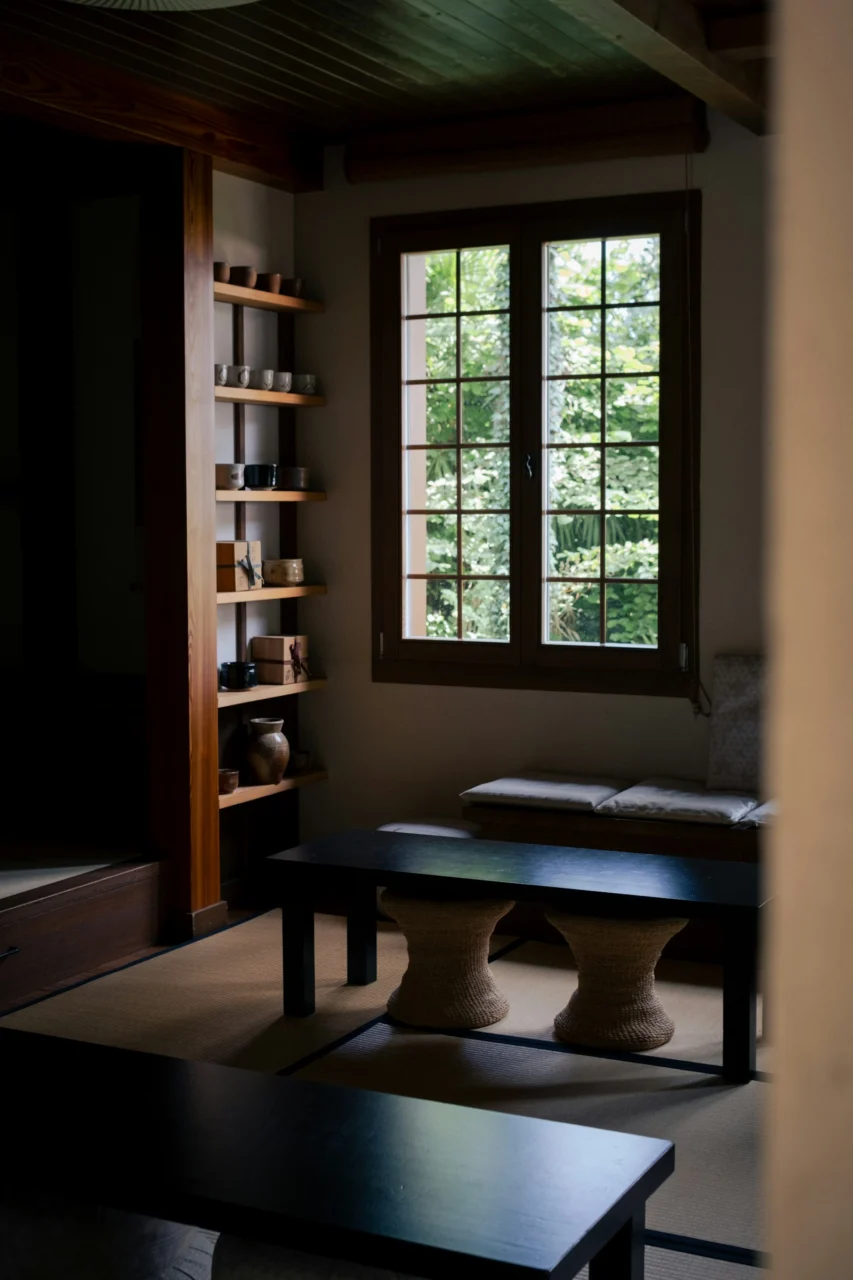
A tall, low bookshelf placed down the middle creates two distinct zones while still letting light flow. Choose a unit in light oak or white pine so it feels airy and matches most palettes. The shelves give each child a place for books, toys, and display items, making the room feel organized.
The trick is to keep the bookshelf from becoming a barrier. Leave a gap of a few inches at the base so you can pull a small rug through and keep the floor feel connected. In very small rooms the bookshelf can take up too much floor space, so measure carefully before you buy.
2. Shared bedroom ideas: contrasting color blocks on opposite walls

Paint one wall a soft teal and the other a warm mustard. The colors give each side its own vibe without needing separate furniture. A simple white ceiling and trim keep the room from feeling split too harshly.
Be sure the colors don’t clash with each child’s favorite items. If one child loves bright reds, a muted teal may feel too calm. Test a small patch first, and remember you can always tone down the hue with a neutral rug.
3. Install a shared loft with separate lower zones

A sturdy loft bed lets the older sibling sleep up high while the younger sibling gets a cozy nook below. Use a wooden frame in natural finish and add a built‑in desk under the loft for homework. The space under the loft can hold a bean bag or a small dresser.
The main downside is ceiling height; low ceilings can make a loft feel cramped. Check that you have at least eight feet of clearance before you build. Also, the loft may be harder to adapt as the kids grow.
4. Shared bedroom ideas: Choose reversible furniture pieces
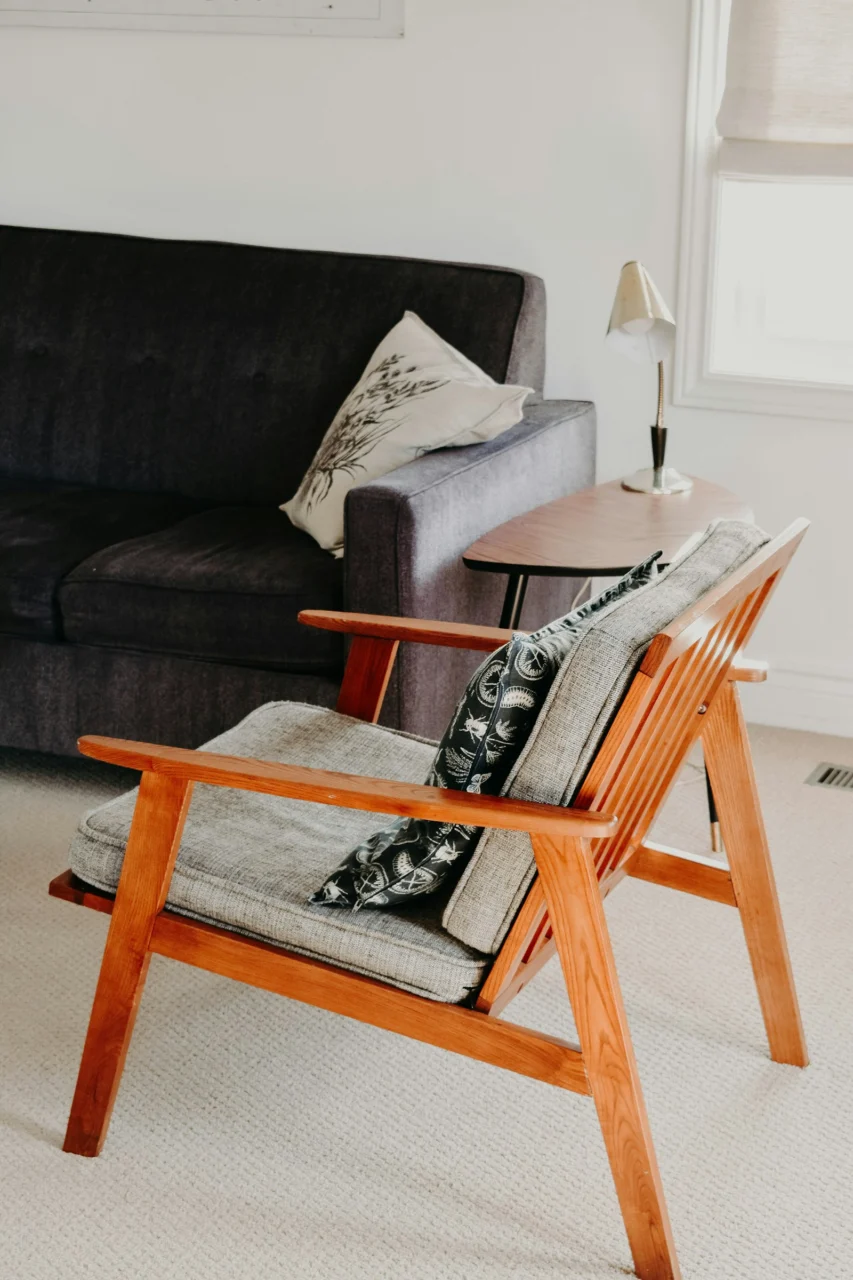
Pick a bunk bed with a desk that flips from one side to the other. When the kids switch rooms or grow older, you can simply rotate the desk without buying new furniture. A simple metal frame in brushed brass adds a touch of shine without being loud.
Reversible pieces can be a bit more expensive than standard items. If you’re on a tight budget, look for second‑hand options that still offer the flip‑over feature. Also, make sure the desk height works for both children.
5. Add a sliding curtain divider
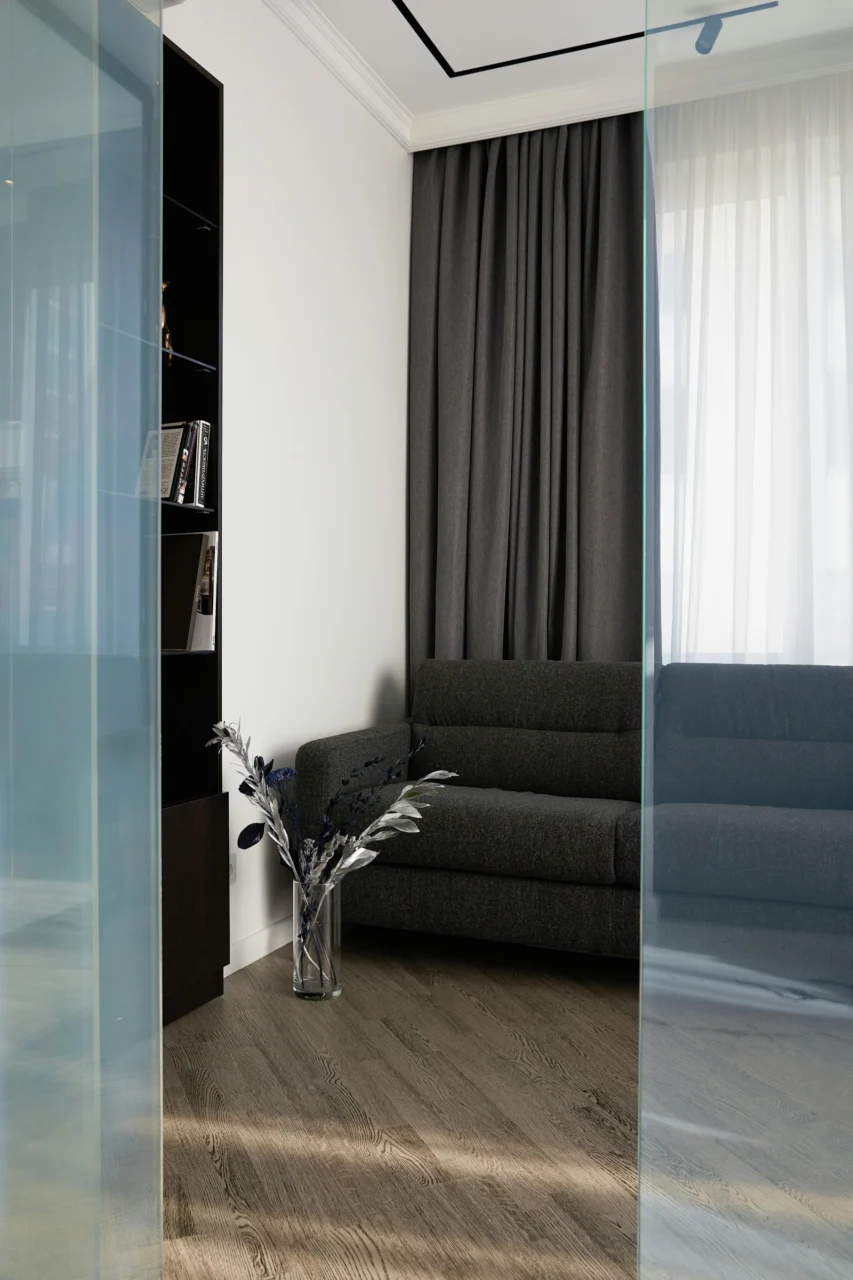
A fabric curtain on a ceiling track creates a soft, flexible barrier. Choose a linen blend in a neutral tone so it blends with any decor. When you pull the curtain aside, the room opens up for playtime.
Curtains can gather dust, so they need regular washing. In rooms with high humidity the fabric may develop mildew, so pick a breathable material. If you need total sound privacy, a curtain alone may not be enough.
6. Shared bedroom ideas: Built‑in storage under the windows
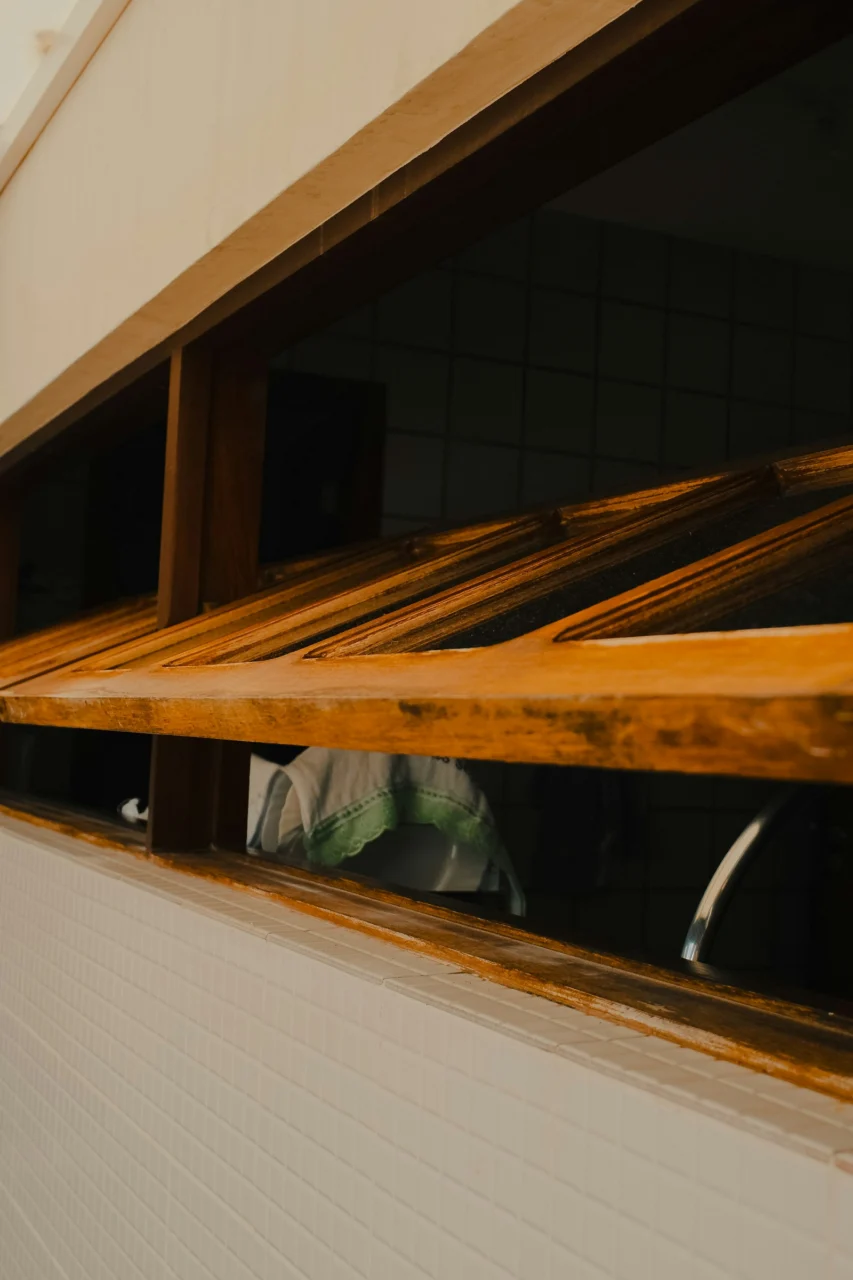
Low cabinets that sit beneath the windows give each child a place to stash clothes and toys. Finish them in a muted greige to hide minor scratches. The flat top can hold a lamp or a small plant for a touch of life.
Window seats can block natural light if the cabinets are too deep. Keep the depth under twelve inches to let sunlight spill in. In rental homes, check with your landlord before adding built‑ins.
7. Use a shared rug with individual play mats
A large, soft rug in a neutral shade ties the room together. Place a colorful, removable play mat on each side for the younger sibling’s floor games. The mats are easy to wash and can be swapped out as interests change.
The rug can be a slip hazard if the floor is smooth, so choose a low‑pile option with a non‑slip backing. In very damp rooms the rug may hold moisture, so air it out regularly. This setup works best in rooms that get plenty of natural light.
Frequently Asked Questions
How can I keep the room from feeling too crowded?
Pick furniture that fits the scale of the room and use vertical storage. A tall bookshelf or loft frees up floor space. Keep only the items each child uses daily to avoid clutter.
What is a budget‑friendly way to add privacy?
A simple fabric curtain on a tension rod costs far less than a wall. Choose a washable cotton blend and hang it high to create a visual break. It can be pulled aside for shared play.
Can I use the same bedding for both kids?
Yes, if you pick a neutral base like white or soft gray. Add each child’s personality with pillowcases or a small throw. This keeps the look calm while still letting them express themselves.
Is it okay to mix different styles in one shared room?
Mixing styles works when you anchor the room with a common color or material. For example, both sides can have the same wood tone in furniture. Too many clashing patterns can feel chaotic, so limit bold prints to one area.