Best Renter‑friendly Lighting Ideas for Dark Apartments
Living in a compact apartment that never seems to catch enough natural light can feel limiting, especially when you’re bound by a lease that restricts permanent changes. Fortunately, lighting is one of the most flexible tools you can use to brighten a space without drilling into walls or painting over surfaces. Below are seven renter‑friendly ideas that add warmth, depth, and visual interest to a dim room while staying fully reversible.
1. Choose a Tall Plug‑In Floor Lamp with an Adjustable Head
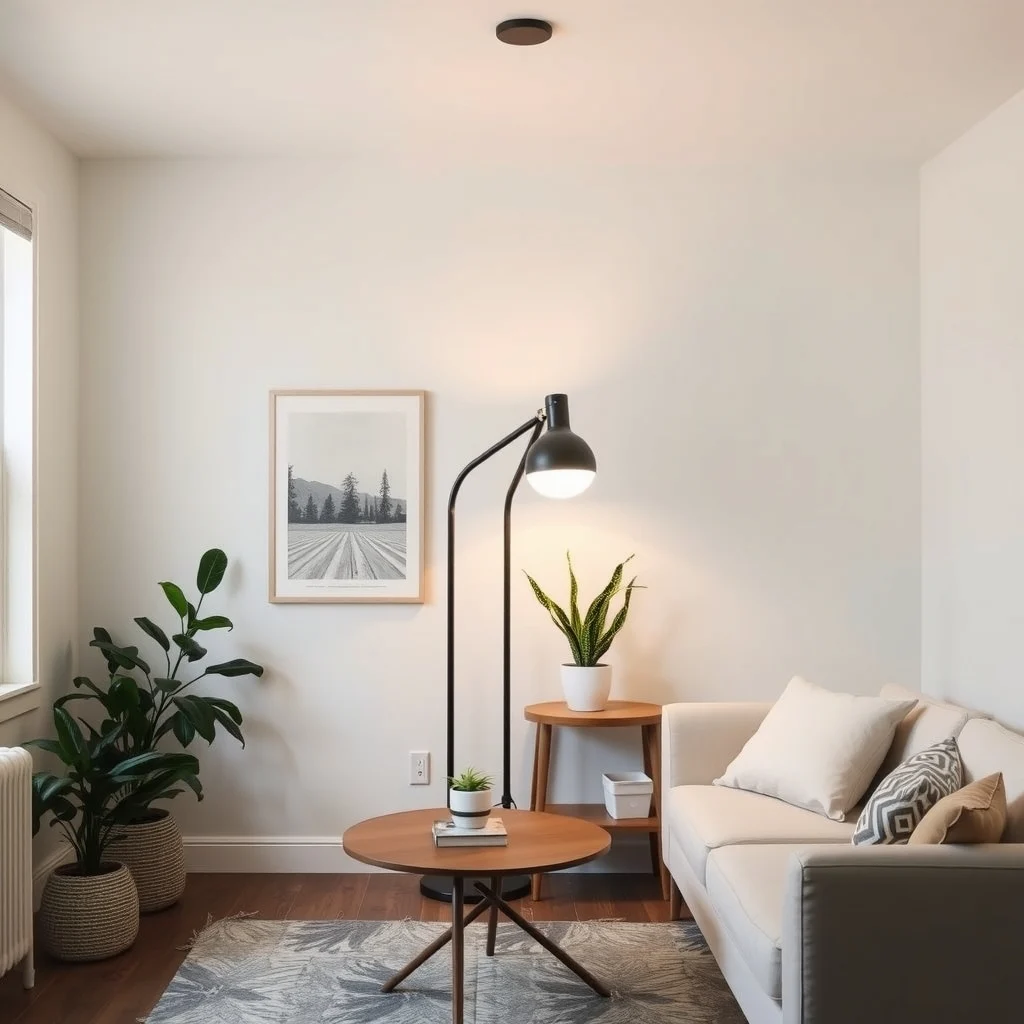
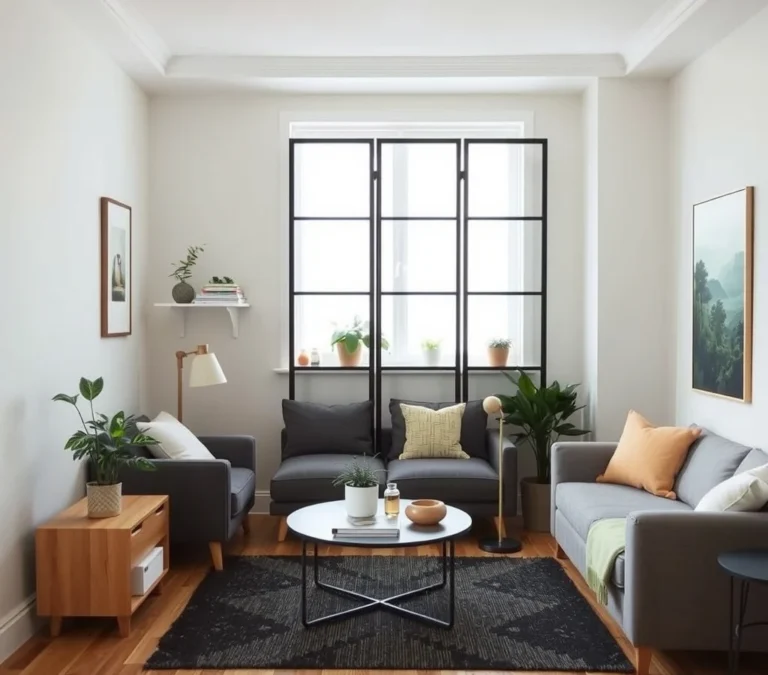
A floor lamp that reaches toward the ceiling can mimic the effect of a missing overhead fixture. Look for models with a sturdy tripod or slim metal base, and an adjustable head that lets you direct light where you need it most—whether that’s over a reading nook, a side table, or a small work desk. The tall silhouette also adds a subtle architectural element, breaking up the vertical lines of a narrow living area.
A More Beautiful Home
Starts With a Smart Plan.
Discover digital decorating guides, home organization planners and practical resources to help you make the most of your space.
Get more inspiration for less.
Livana Studio
Because the lamp plugs directly into an outlet, you avoid any hard‑wiring concerns, and the cord can be tucked behind furniture or secured with a short cable cover. When it’s time to move, the lamp folds or disassembles for easy transport. A warm‑white LED bulb (around 2700 K) provides a soft glow that lifts shadows without overwhelming the room, while a higher‑temp bulb can be swapped in for focused tasks.
The main trade‑off is floor space; a bulky base can occupy valuable square footage in a studio. To mitigate this, place the lamp beside a piece of furniture—such as a low couch or a narrow console—so it serves both lighting and visual balance.
2. Install Removable Peel‑and‑Stick LED Strip Lights
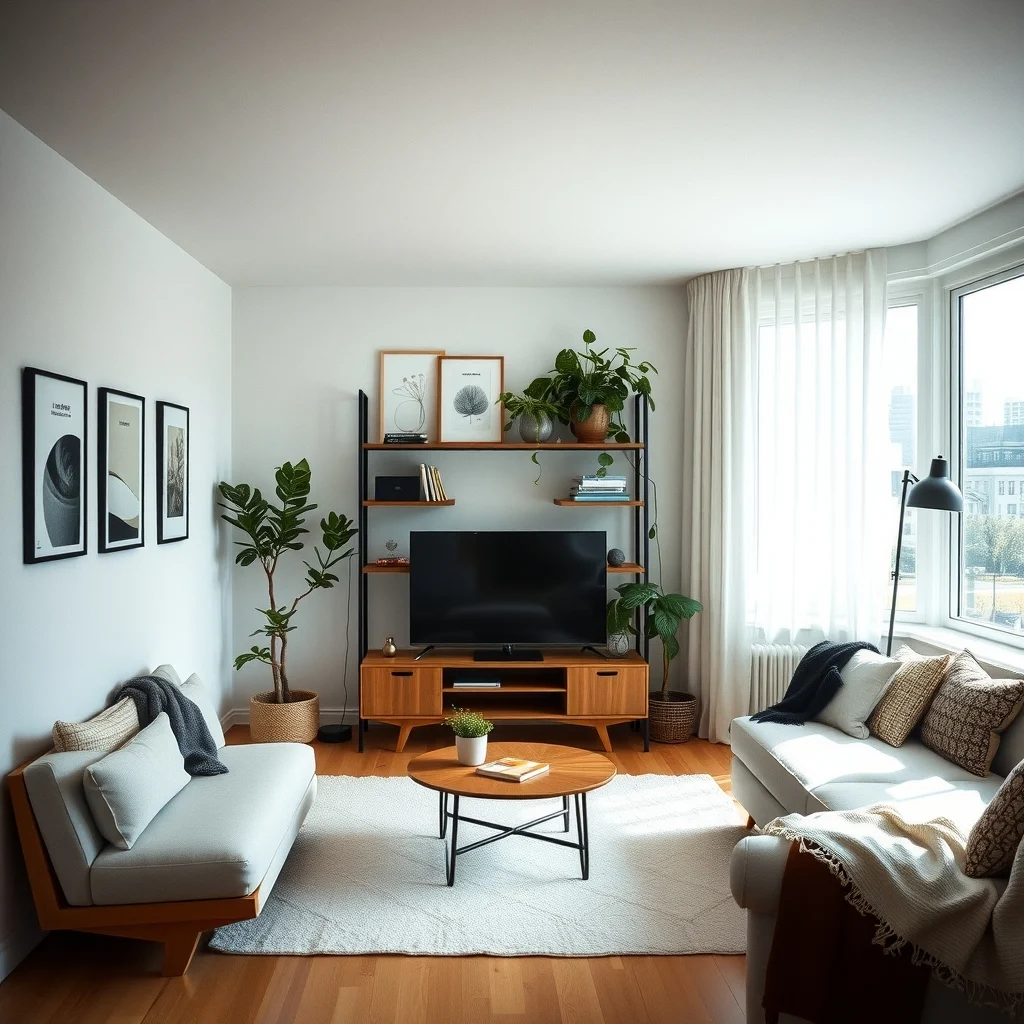
LED strip lights have become a staple for renters because they adhere with a gentle adhesive that leaves no residue. Running a strip along the top edge of a bookshelf, behind a TV, or even under a kitchen cabinet can create a wash of indirect light that lifts the overall brightness without adding glare.
The strips are typically dimmable via a remote or a simple touch controller, allowing you to shift from a bright, energizing ambience to a low‑key atmosphere for evenings. Because the adhesive is designed for smooth surfaces, you can reposition the strips if you rearrange furniture, and removal is as easy as peeling them off.
One limitation is that the light output is most effective when the strips are placed on a reflective surface; a dark wall may absorb the glow. Pairing the strips with a light‑colored backdrop—such as a pale rug or a light‑hued wall panel—maximizes the diffusion and makes the room feel larger.
3. Use a Table Lamp with a Large Fabric Shade
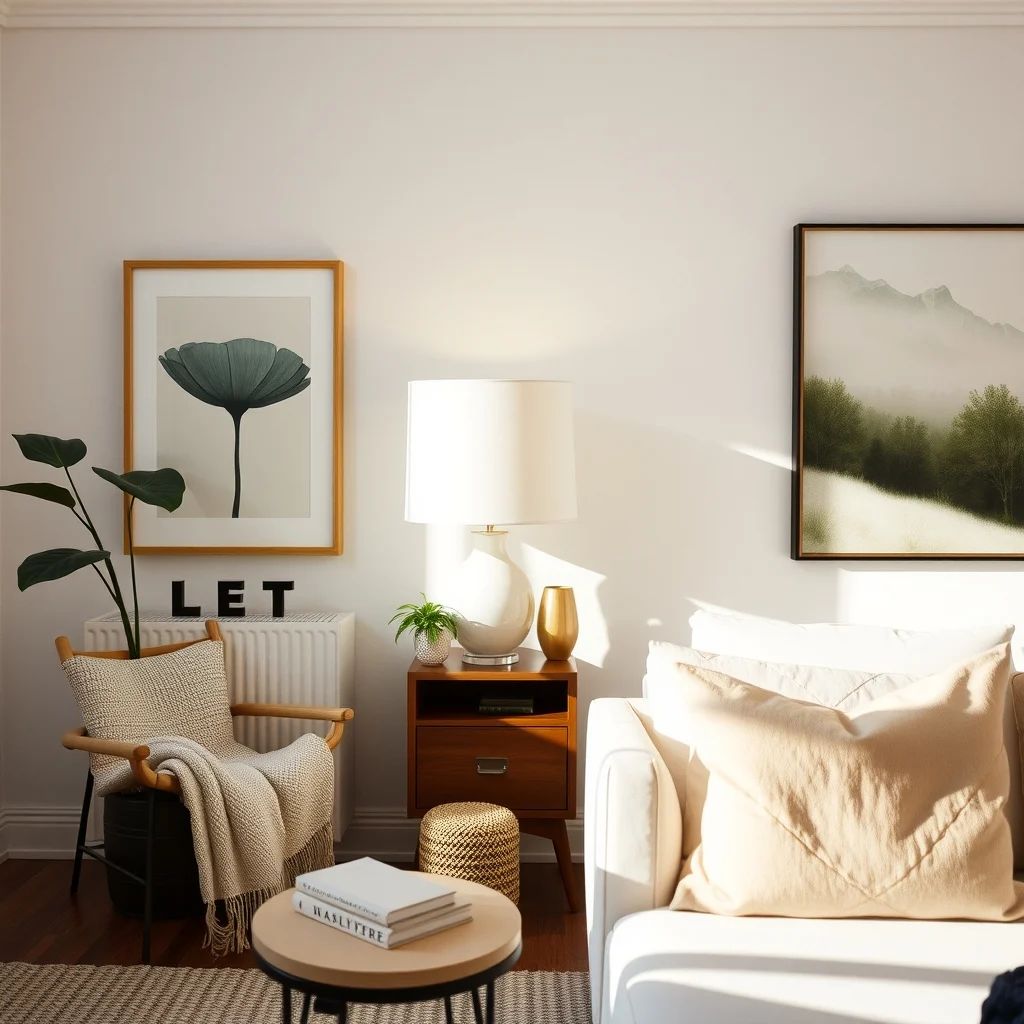
A table lamp anchored on a sideboard, nightstand, or desk can become a focal point while providing generous ambient light. Selecting a lamp with a wide, fabric shade—think linen or cotton in a neutral tone—softens the beam and spreads illumination across the surrounding area.
The fabric acts as a diffuser, reducing harsh shadows that often result from direct lighting. Because the lamp sits on a piece of furniture, you avoid any need for mounting hardware, and the shade can be swapped out later for a different color or texture if your style evolves. A bulb with an adjustable brightness setting lets you tailor the light for reading, working, or simply creating a relaxed vibe.
Be mindful of the lamp’s height relative to the surrounding furniture; a shade that is too low may cast unwanted glare on nearby surfaces, while one that is too high can create a “spotlight” effect. Position the lamp so the shade’s rim sits roughly at eye level when seated, ensuring even coverage.
4. Hang Battery‑Operated Sconces on Command Hooks
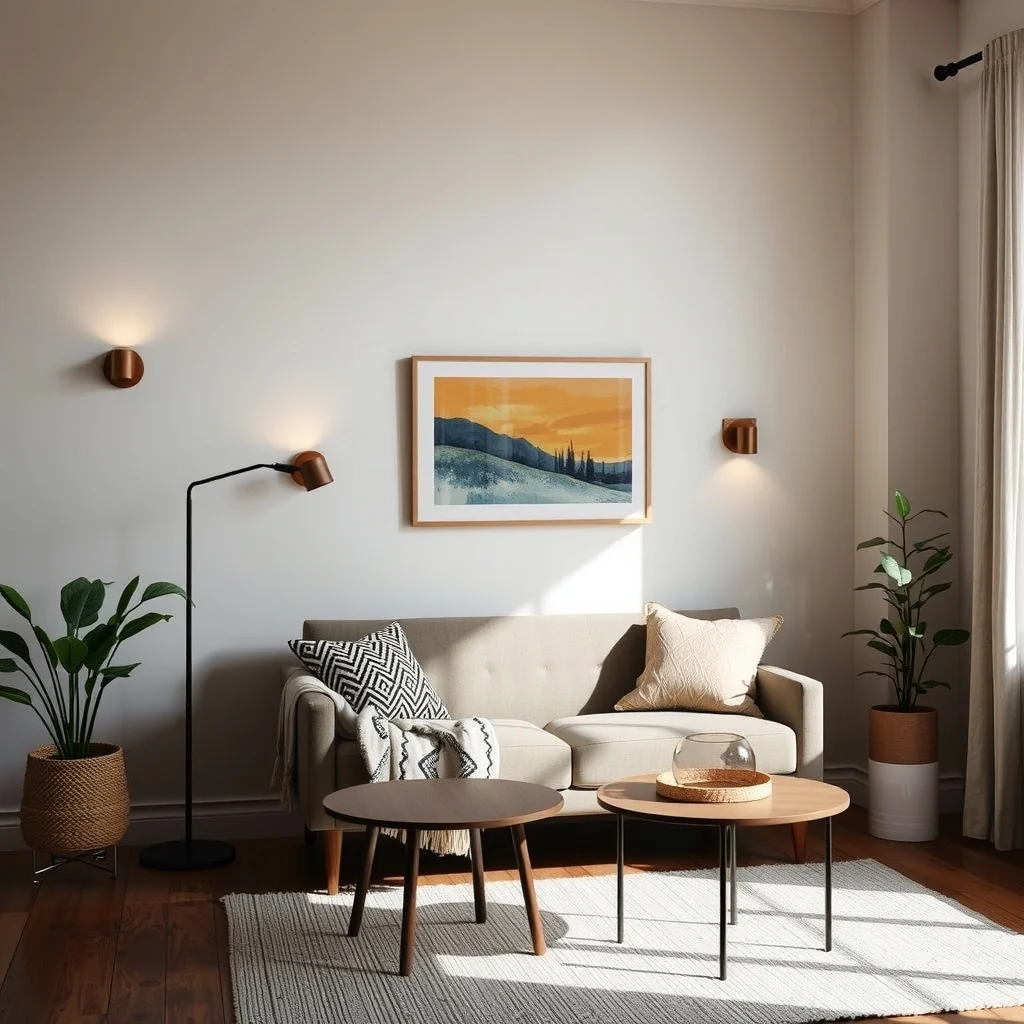
Sconces traditionally require wiring, but modern battery‑powered versions offer the same decorative appeal without any permanent installation. Pair these with adhesive Command hooks that grip the wall securely yet come off cleanly when you leave. By clustering two or three sconces at different heights, you simulate layered lighting that adds depth to a bare wall.
The fixtures often include a built-in dimmer, letting you adjust the glow from a bright task light to a gentle night‑time glow. Because they run on AA or AAA batteries, you can place them wherever a power outlet is inconvenient, such as above a hallway mirror or beside a hallway console.
The primary downside is battery life; high‑output LEDs can drain batteries faster than expected, especially if the dimmer is set to a high level. Keeping spare batteries on hand and swapping them out during routine cleaning prevents unexpected darkness.
5. Incorporate a Light‑Reflecting Mirror Above a Light Source
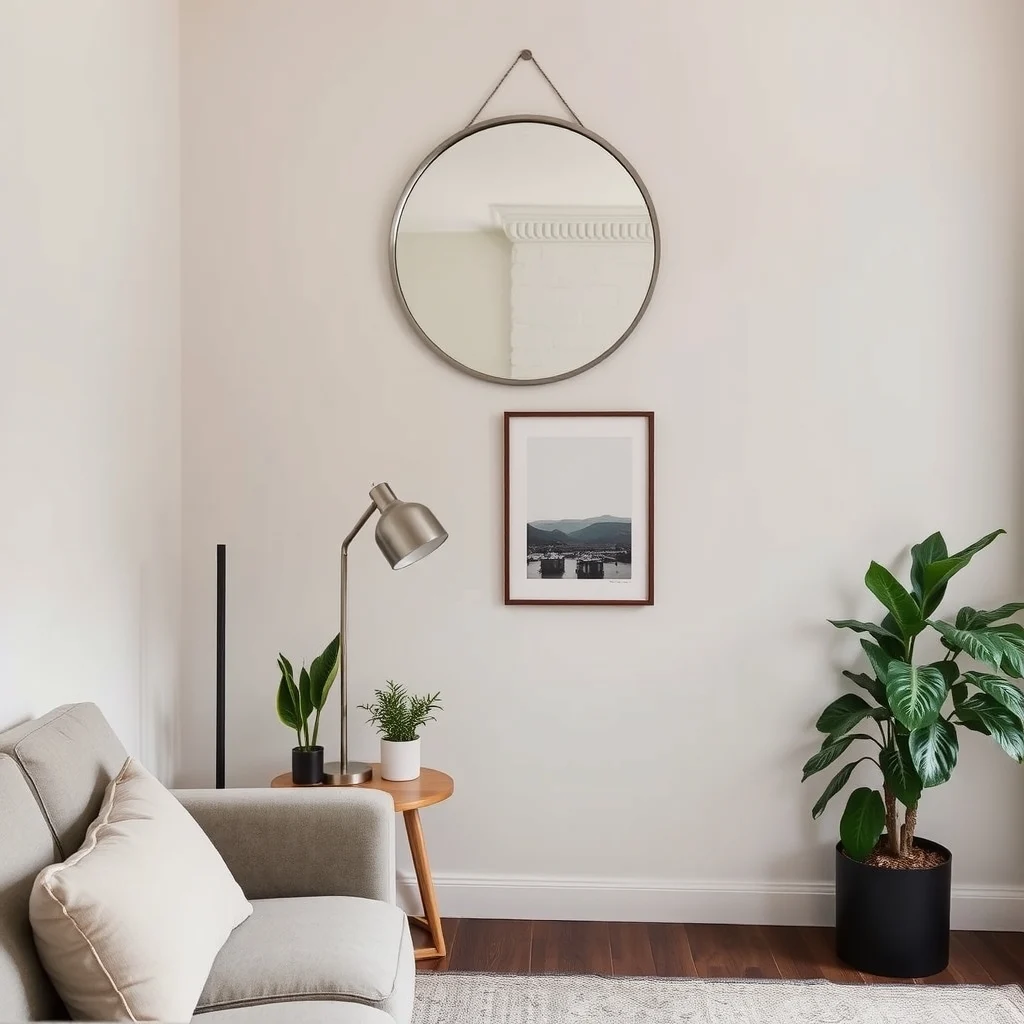
Mirrors are an inexpensive way to amplify existing light. Position a medium‑sized mirror—perhaps a round brushed‑nickel frame—directly above a floor lamp or table lamp. The reflective surface bounces light back into the room, effectively increasing the perceived brightness without adding another fixture.
This technique works particularly well in narrow corridors or entryways where space is limited. Choose a mirror with a simple frame to avoid visual clutter, and make sure the glass is clean; dust or fingerprints will diminish its reflective power.
One consideration is that mirrors can also reflect unwanted glare if the light source is too intense. If you notice harsh spots, switch to a lower‑wattage bulb or add a translucent shade to soften the output.
6. Add a Portable Clip‑On Lamp for Targeted Illumination
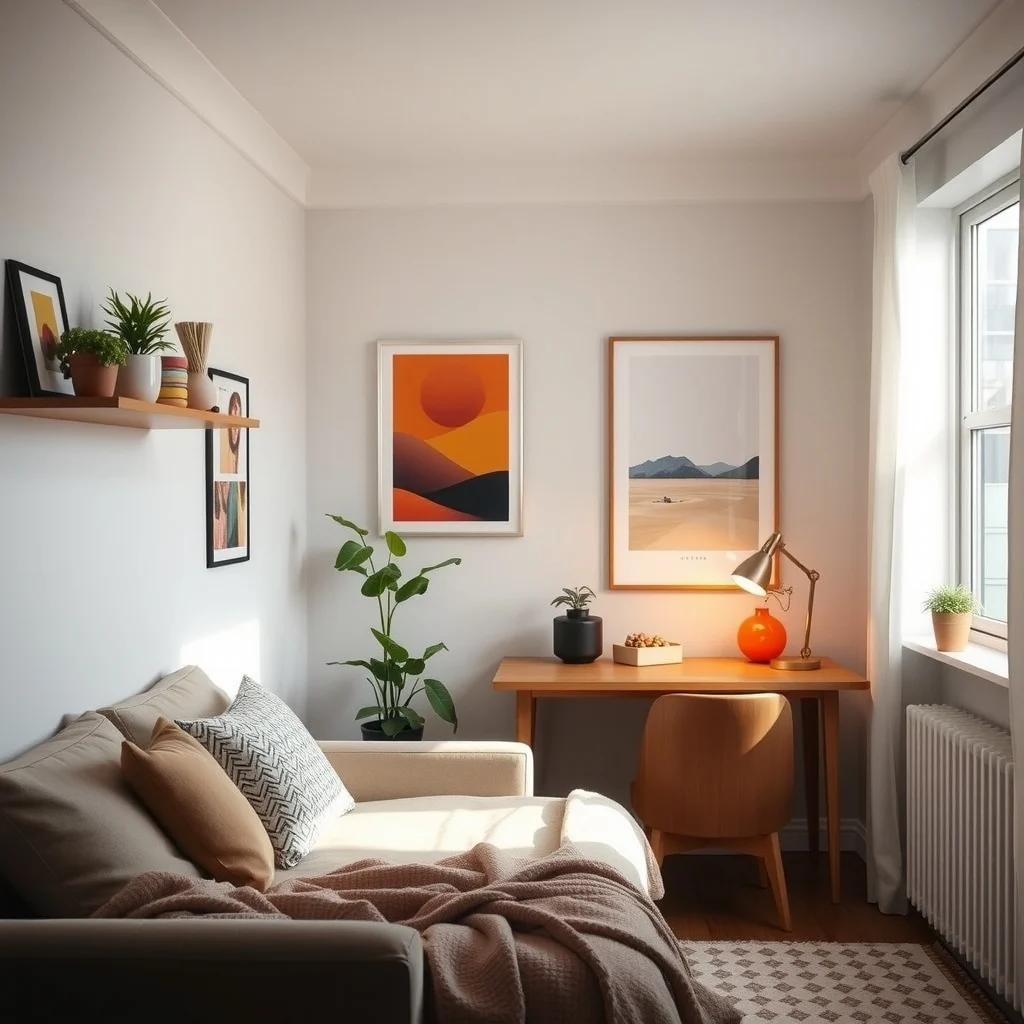
Clip‑on lamps are versatile because they attach to shelves, headboards, or the edge of a desk without any tools. A compact LED unit with a flexible neck lets you direct light exactly where you need it—over a reading spot, a kitchen countertop, or a craft table.
Since the lamp is self‑contained, you can move it from room to room as your needs change. Many models run on USB power, meaning you can plug them into a laptop charger, a power bank, or a wall adapter. The small footprint ensures the lamp does not compete for space with larger furniture.
The only drawback is that the clip can leave a small dent on delicate surfaces, such as glass or thin wood. To avoid damage, place a thin piece of felt or rubber between the clip and the surface, which also adds a subtle decorative touch.
7. Layer Soft Glow with a Battery‑Powered Candle Set
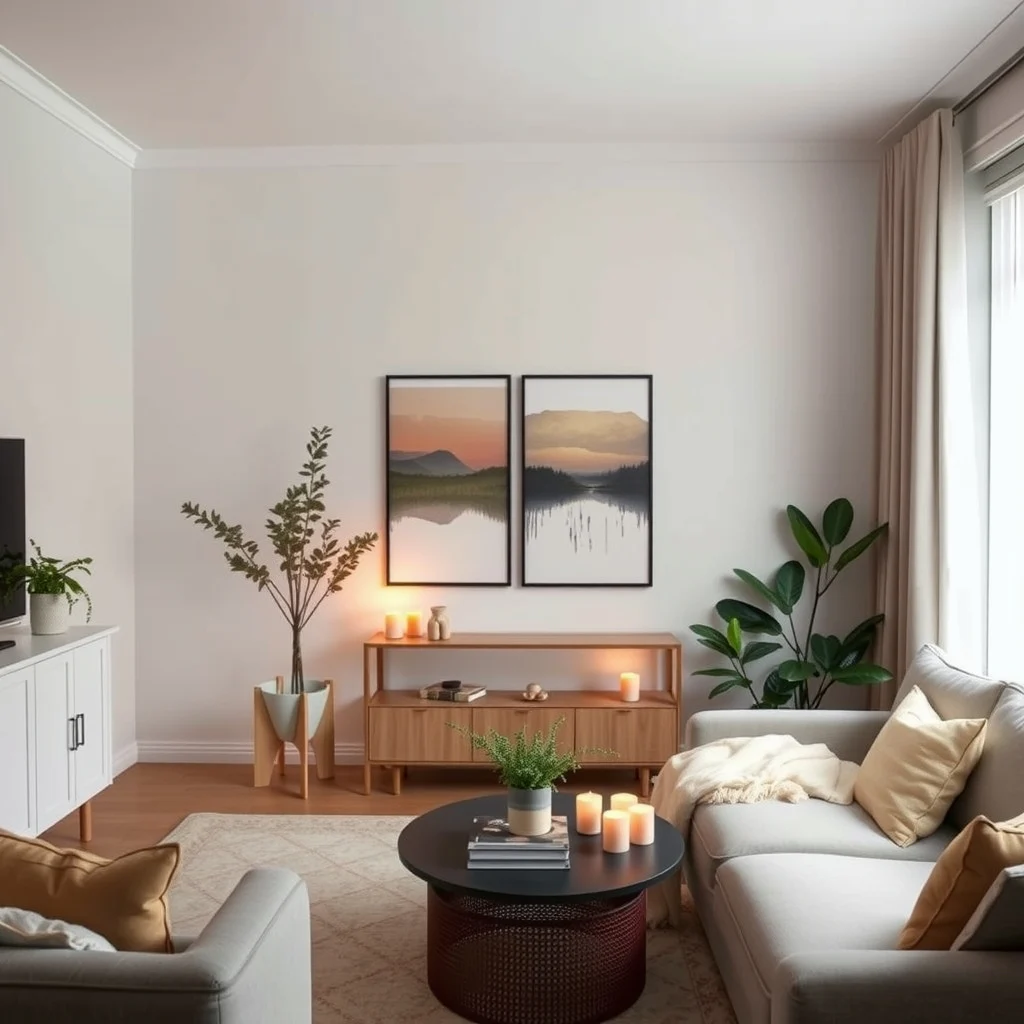
While not a traditional light source, battery‑powered candles provide a warm, flickering ambience that softens the edges of a room after the main lights are dimmed. Arrange a handful of these candles on a low coffee table, a windowsill, or a kitchen island to create pockets of gentle illumination.
Because they are flameless, there are no fire hazards, making them safe for apartments with strict safety rules. The candles often come with built‑in timers, so they turn off automatically after a set period, conserving battery life and eliminating the need to remember to switch them off.
The limitation is that their light output is modest; they are best used as a complement to other lighting solutions rather than a primary source. Pair them with a floor lamp or table lamp for a balanced mix of functional and atmospheric light.
FAQ
Can I use LED bulbs in all of these lighting ideas?
Yes, LED bulbs work with most fixtures mentioned, and they provide energy efficiency and long lifespan. Choose the color temperature that matches the mood you want—warm white for cozy evenings, neutral white for everyday tasks.
How do I avoid visible cords when using plug‑in lamps?
Run cords along the base of furniture or use a short cable cover that adheres to the wall. This keeps the cord discreet and reduces tripping hazards while maintaining a tidy appearance.
Are peel‑and‑stick LED strips safe for painted walls?
They are designed for smooth, painted surfaces and can be removed without damaging the finish when taken off carefully. Test a small area first if the paint is especially glossy or textured.
What’s the best way to choose the right lamp height?
Aim for the lamp’s light source to be roughly at eye level when you’re seated. This placement reduces glare and ensures the light spreads evenly across the space you’re using.
Do battery‑operated sconces need special batteries?
Most use standard AA or AAA batteries, which are easy to replace. Check the manufacturer’s specifications to confirm the type and consider rechargeable options for long‑term convenience.
Final Thoughts
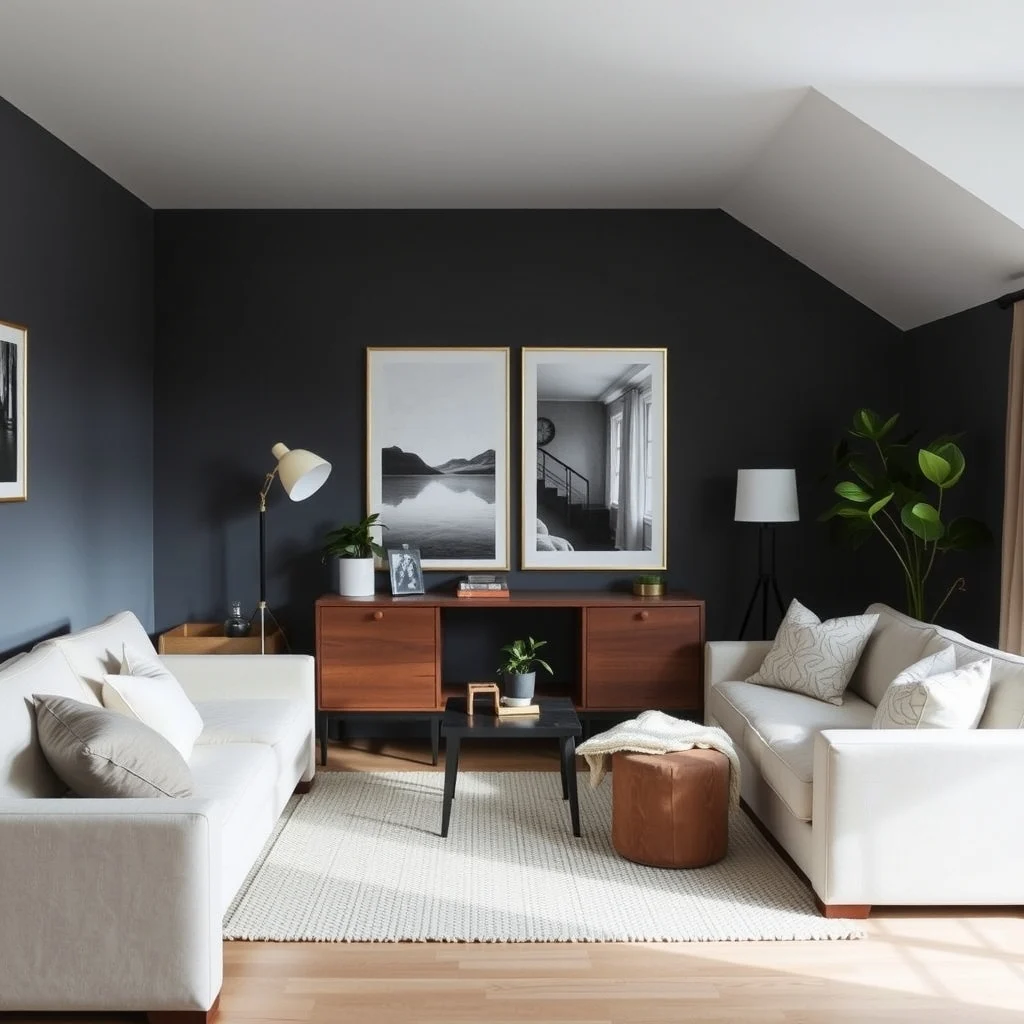
Brightening a dark apartment while respecting the constraints of a rental agreement is entirely doable with thoughtful lighting choices. By selecting portable fixtures, reversible accessories, and clever reflective strategies, you can transform a dim space into a welcoming home without leaving permanent marks. The key is to layer light sources, play with direction, and stay flexible—so when your lease ends, the décor moves with you as effortlessly as the light itself.