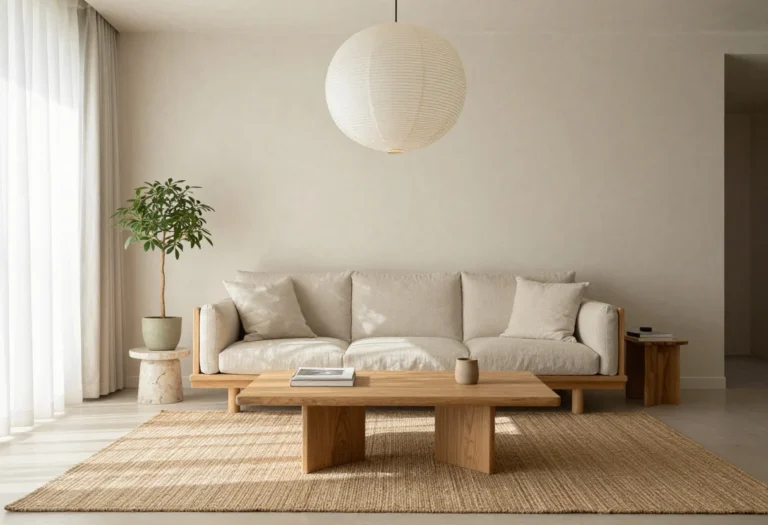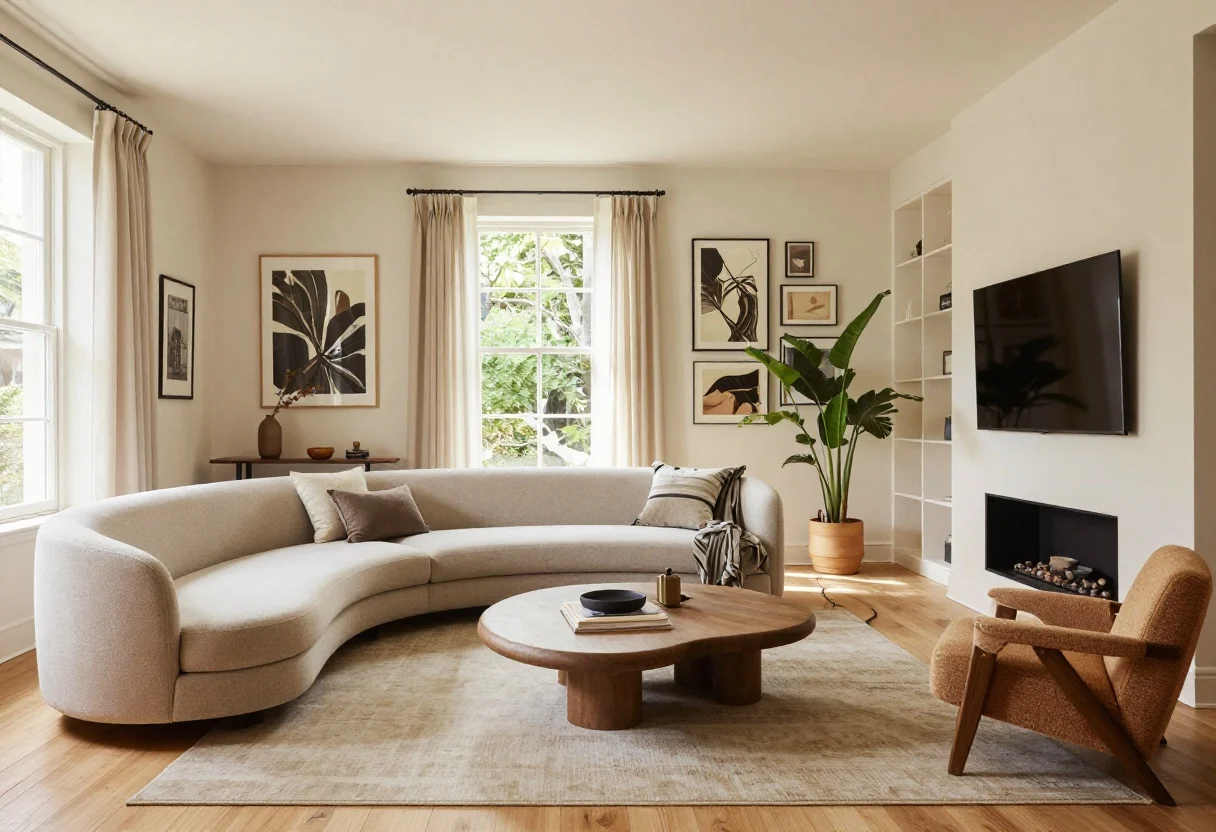
8 Awkward Living Room Layout Ideas That Actually Work (and Look Chic)

Your living room isn’t “quirky.” It’s a full-on puzzle—slanted walls, random nooks, a rogue fireplace that refuses to be centered. Good news: awkward rooms are secretly the most stylish when you stop fighting the architecture and start designing with it. Let’s turn your layout into a flex instead of a headache.
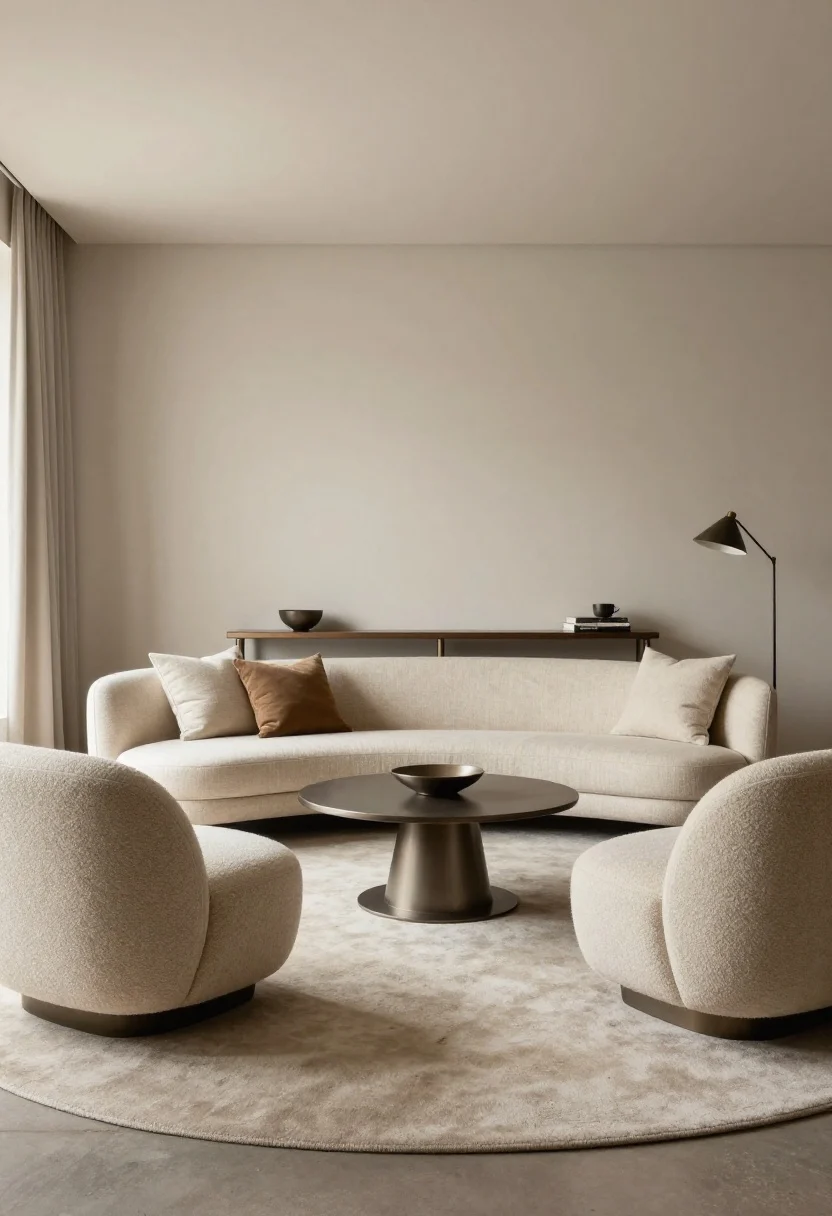
1. Float The Seating (And Forget The Walls)
© 2025 AI Illustrator — Inspiration Only
Push every piece to the wall and you’ll get that dentist-waiting-room energy—no thanks. Floating furniture creates a defined zone even when your walls don’t cooperate. A large rug anchors the setup, and the sofa + chairs form a cozy conversation circle.
How to pull it off
- Rug first: Choose a rug big enough so front legs of all seats land on it. It unifies the cluster.
- Double traffic lanes: Leave at least 30–36 inches around the grouping so people can loop around.
- Two swivel chairs: They pivot toward the TV or guests, adapting on the fly.
What to shop for: Oversized area rugs, swivel accent chairs, slim console tables for the “back” of the sofa.
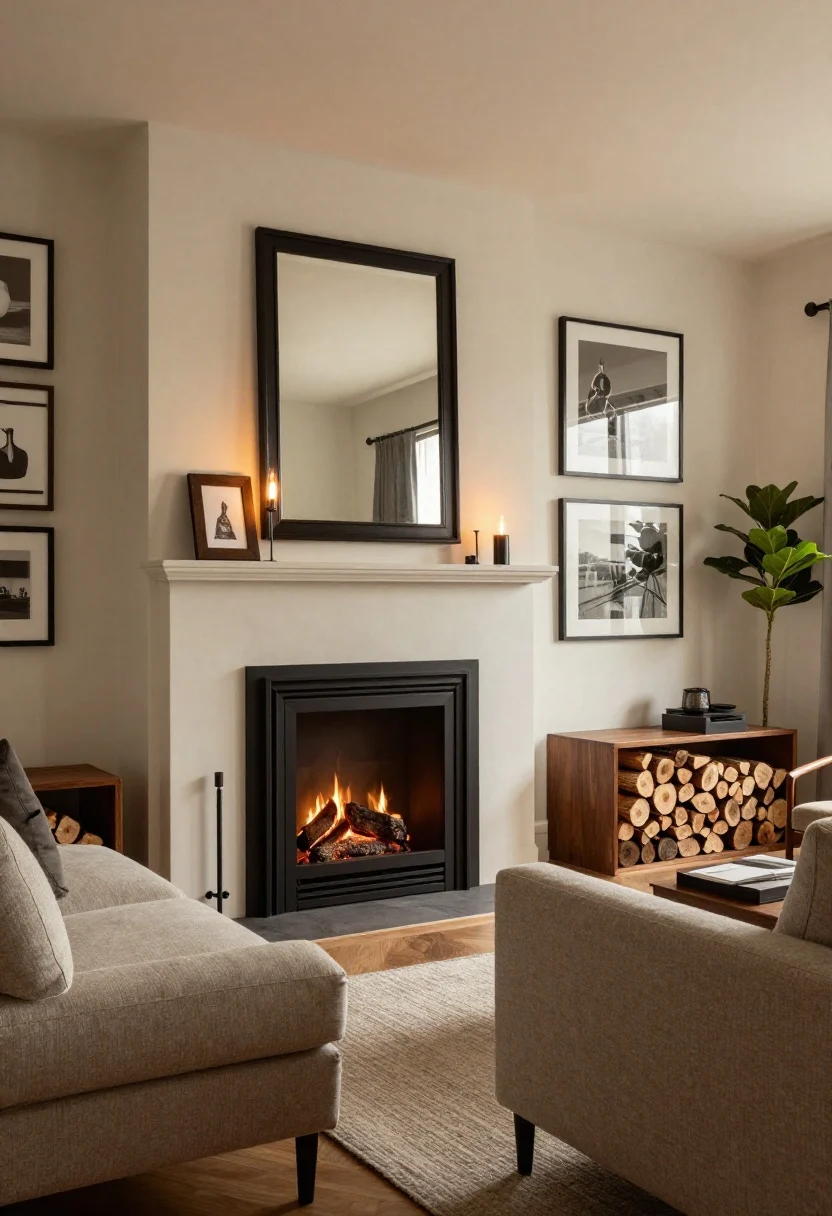
2. Make Peace With The Off-Center Fireplace
© 2025 AI Illustrator — Inspiration Only
That fireplace sitting an inch from the corner? Don’t center your life around it. Treat the room like it has two focal points: the fireplace for ambience and a media wall or art moment for daily use.
How to pull it off
- Angle intentionally: Float the sofa facing your main TV/art, then angle a lounge chair toward the hearth for balance.
- Asymmetry is chic: Stack wood, art, or a tall plant on the “heavier” side of the fireplace to visually counterweight it.
- Mirror magic: A tall mirror above the fireplace verticalizes the wall and softens the off-center feel.
Pro tip: Mount a small picture light above mantel art to make it feel like a deliberate gallery moment.
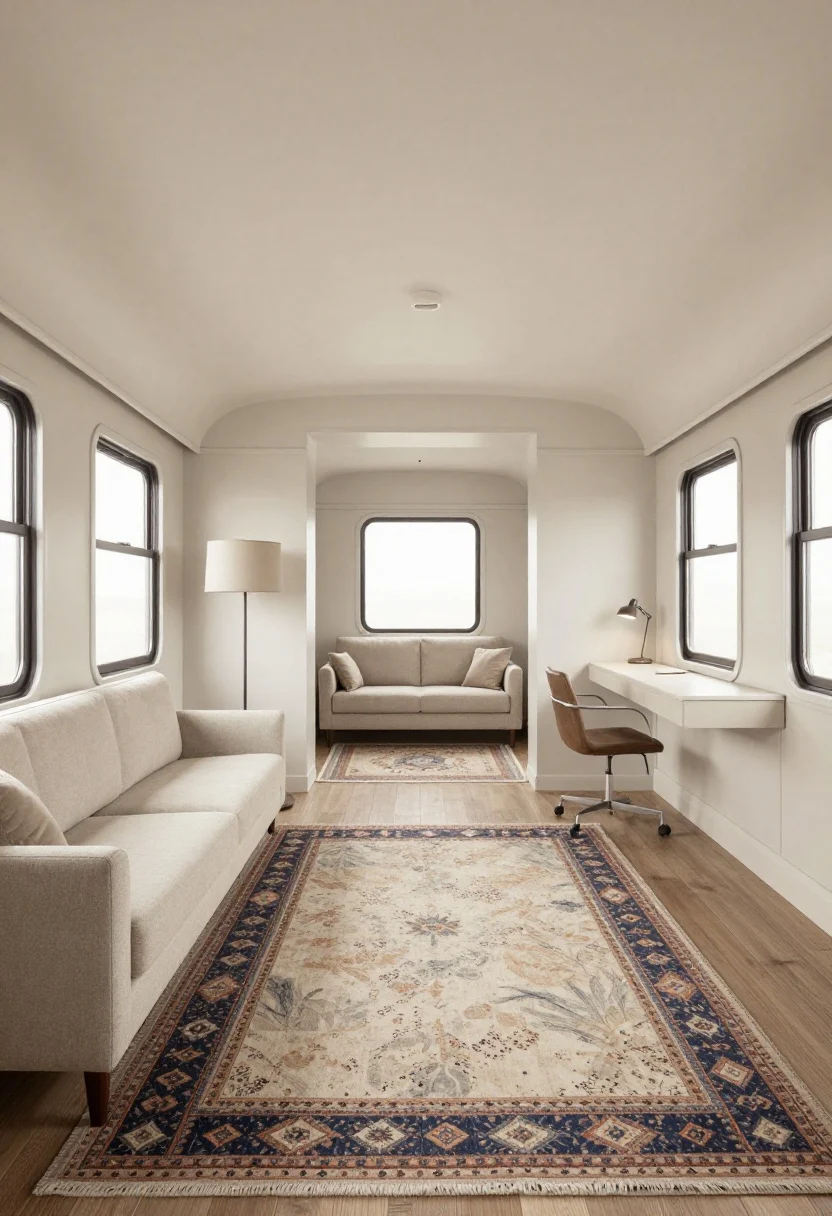
3. Divide Long, Narrow Rooms Into “Train Car” Zones
© 2025 AI Illustrator — Inspiration Only
Long living rooms are basically hallways with commitment issues. Break the tunnel by creating two or three distinct zones—think conversation area, reading nook, and a slim desk or game table.
How to pull it off
- Layer rugs: One rug per zone. Vary patterns/tones but keep a shared color thread.
- Back-to-back layouts: Place a loveseat behind the main sofa to start a second mini seating area.
- Lighting per zone: A floor lamp for reading, a pendant or flush mount for the center, and a task lamp for the desk.
What to shop for: Runner-style rugs, petite consoles, narrow desks, low-back loveseats.
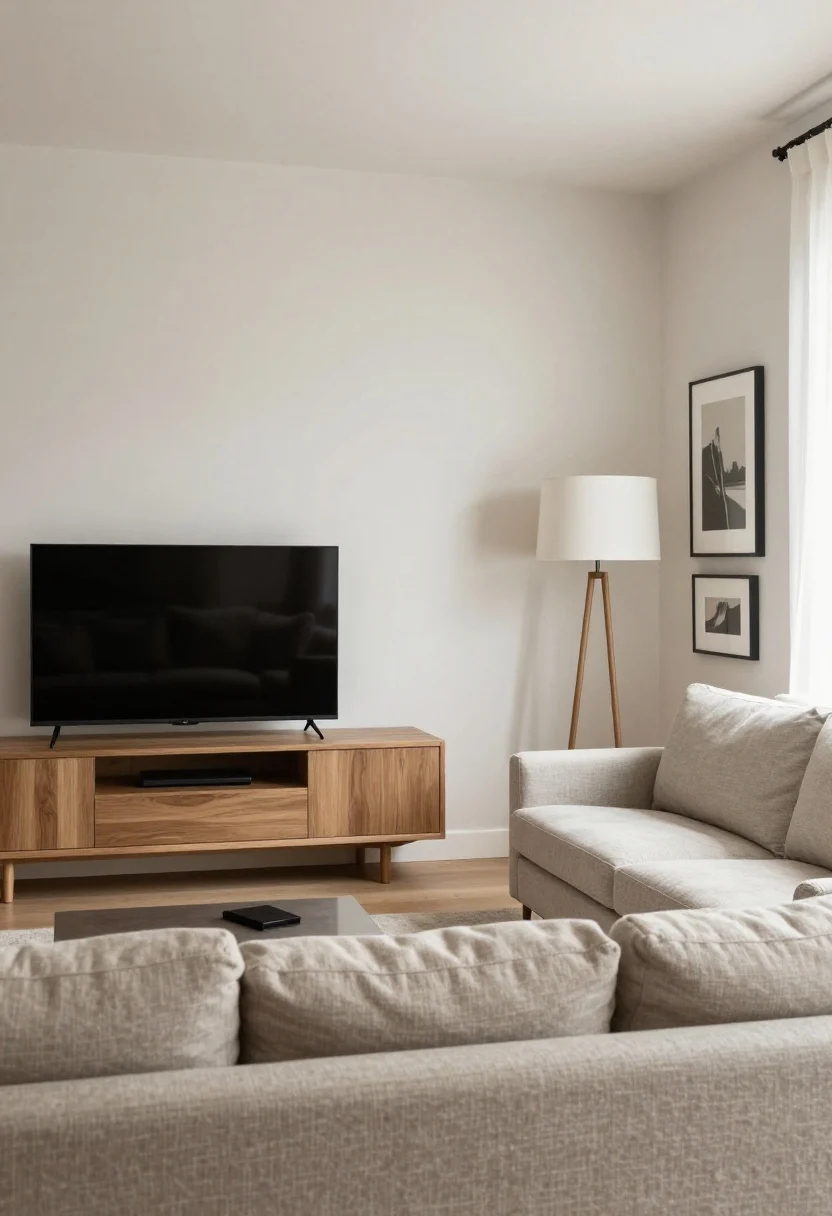
4. Embrace The Corner TV (Without Hating Yourself)
© 2025 AI Illustrator — Inspiration Only
Corner windows, corner fireplace, now a corner TV? It happens. The trick is to build a diagonal conversation triangle with seating that naturally faces that corner without screaming “we gave up.”
How to pull it off
- Swivel strategy: Pair a standard sofa with two swivels angled to the TV wall—social and screen-friendly.
- Low media unit: Keep the console slight so it doesn’t clog the visual corridor.
- Art assists: Hang art on the adjacent wall to visually widen the corner and make the angle feel intentional.
FYI: A corner floor lamp softens the angle and fills dead space like a designer’s cheat code.
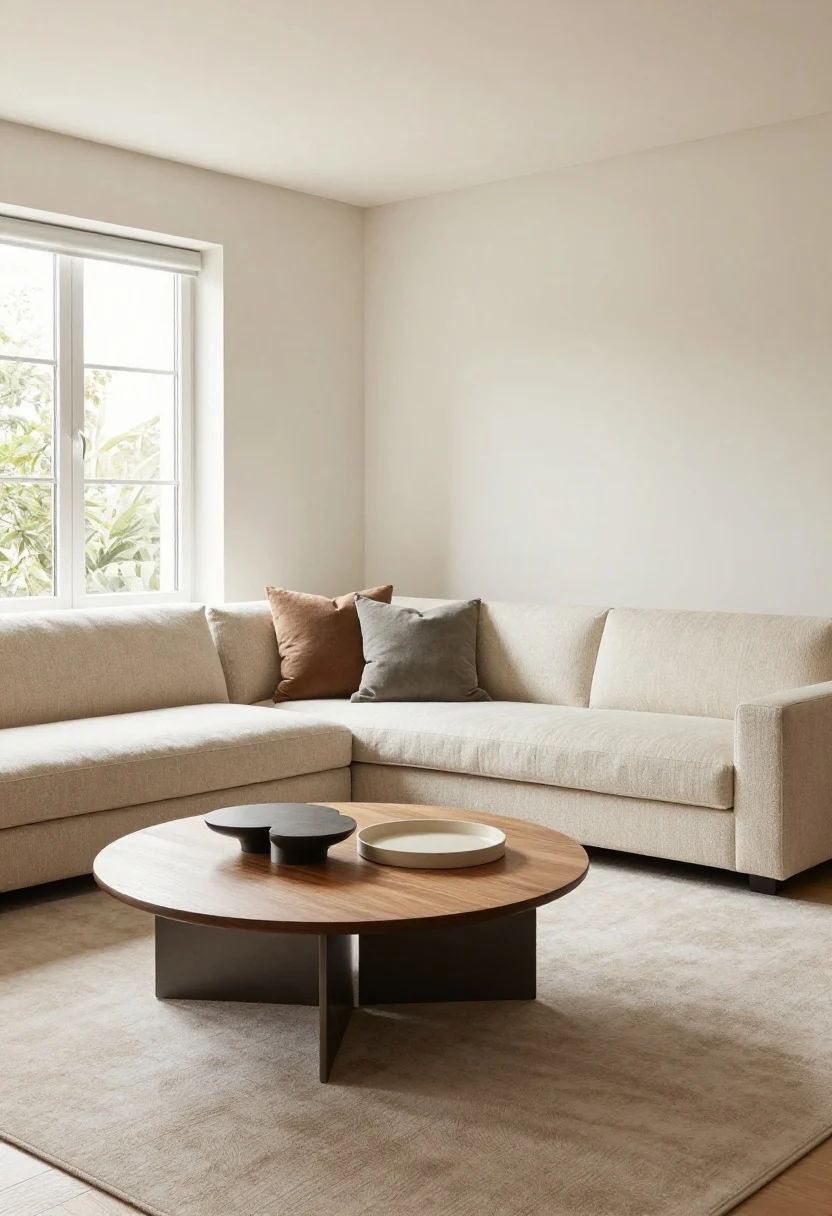
5. Use a Sectional—But Curve It Or Chaise It
© 2025 AI Illustrator — Inspiration Only
Sectionals can bully small or odd rooms. The fix? Curved sectionals or a chaise end create flow instead of a rigid L that blocks pathways. Even better: a “bump” chaise steals less visual space than an extra arm.
How to pull it off
- Open the end: Choose one armless end or a chaise to keep sightlines open to windows/doors.
- Round the room: Add a round coffee table so no one bruises shins in tight spots.
- Mind the measurements: Leave 14–18 inches between sofa edge and coffee table for comfy reach.
What to shop for: Curved sectionals, chaise sofas, round or oval coffee tables, nesting side tables.
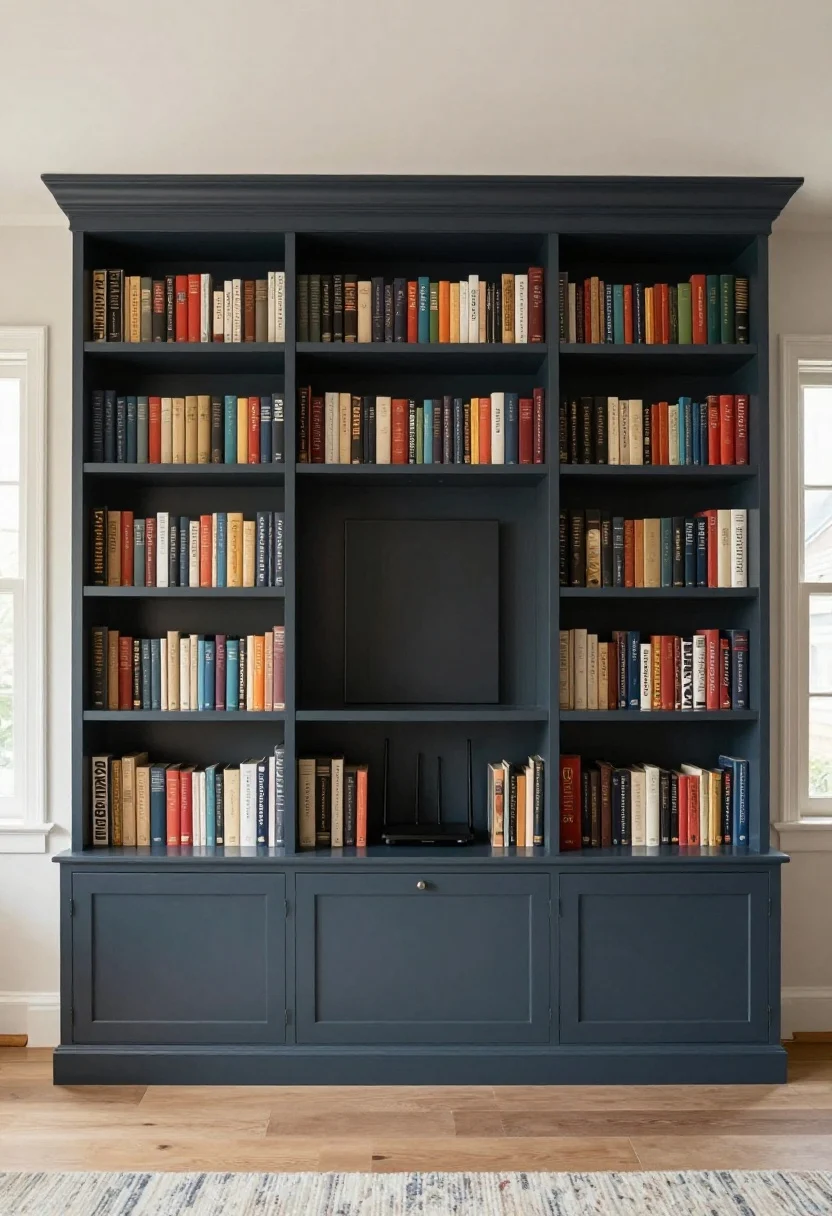
6. Build With Bookcases To Fix Weirdo Walls
© 2025 AI Illustrator — Inspiration Only
When your room has too many doors or mismatched windows, custom-looking bookcases can create order. Floor-to-ceiling shelves frame a focal wall, hide odd proportions, and deliver storage where the architecture failed you.
How to pull it off
- Symmetry cheat: Flank the TV or large artwork with identical bookcases to fake built-ins.
- Color hack: Paint the back panel a darker shade to add depth and distract from off-center elements.
- Style smart: Mix 60% books, 30% decorative objects, 10% negative space so it breathes.
Pro tip: Run a low, closed cabinet across the bottom to hide games, routers, and cables. Clutter gone, brain happy.
What to shop for: Modular bookcases, closed-base credenzas, cord organizers, decorative boxes.
7. Make Windows The Star (Even If They’re Not Centered)
© 2025 AI Illustrator — Inspiration Only
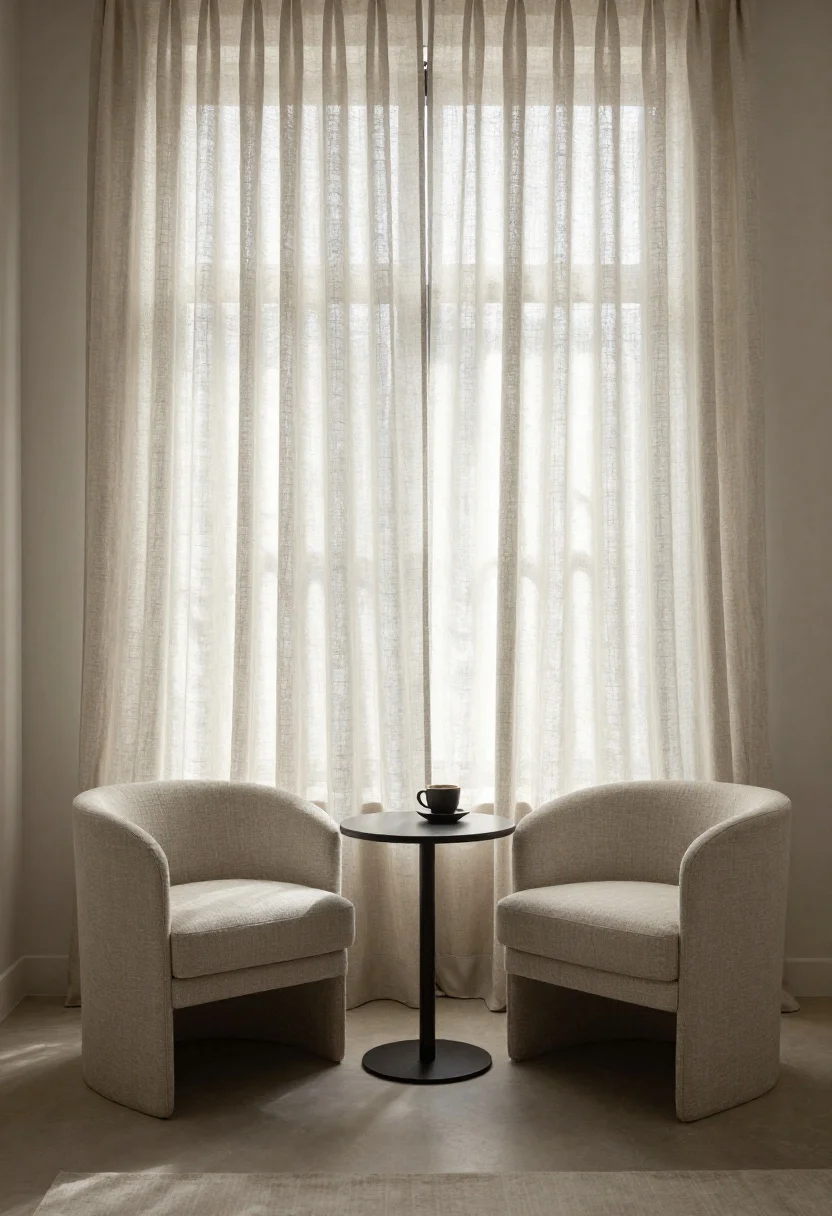
Weird window placement can make furniture feel off. Instead of ignoring them, elevate the view and pull the seating to support it. Think Euro cafe: chairs swiveled slightly toward the street, not the TV.
How to pull it off
- Unified drapery: Hang curtains high and wide across the entire wall, not just over each window. It fakes symmetry.
- Perch seats: Place two light chairs and a drink table near the windows for morning coffee or golden hour hangs.
- Low backs in front: If the sofa floats before a window, choose a low-back profile so light still pours in.
IMO: Roller shades with a subtle linen texture are the easiest way to look expensive without trying too hard.
What to shop for: Extra-wide curtain rods, linen drapery panels, lightweight accent chairs, adjustable shades.
8. Use Rug Geometry To Tame Angled Walls
© 2025 AI Illustrator — Inspiration Only
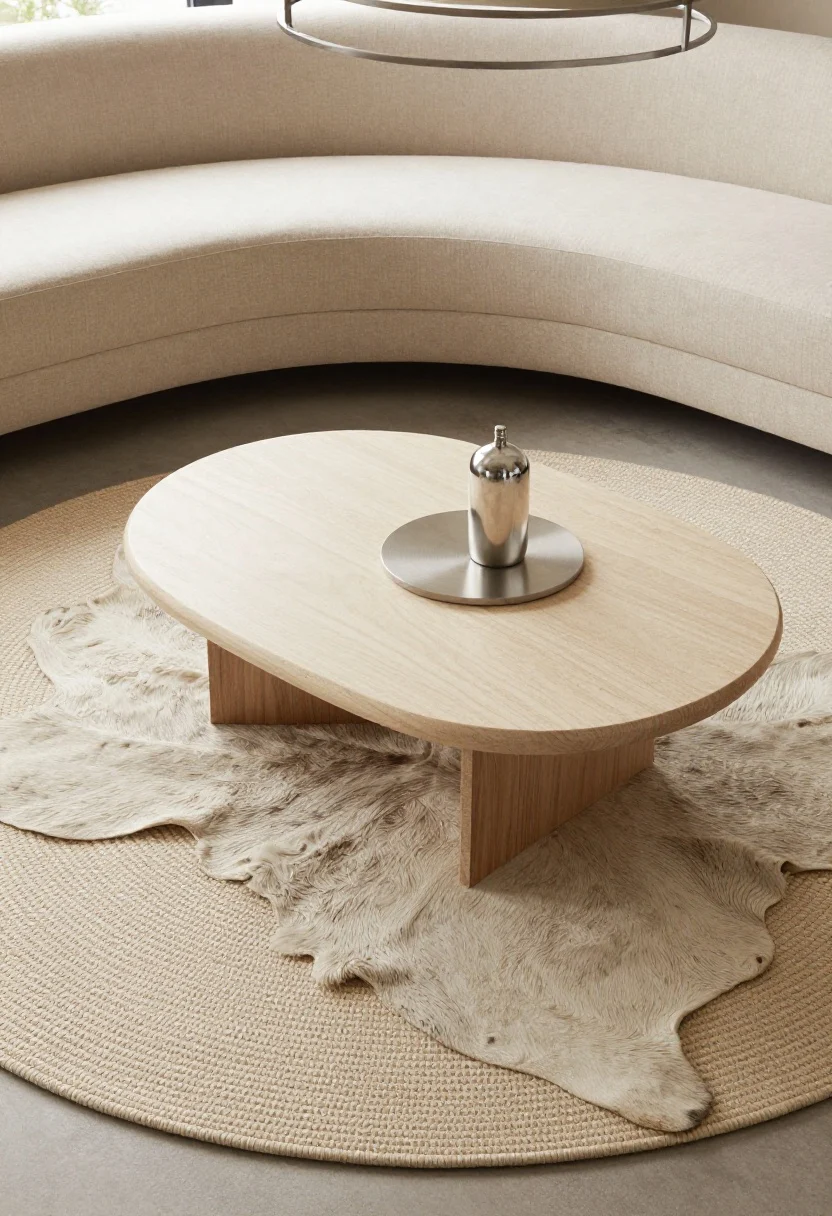
Attic conversions, A-frames, and bay windows love to throw weird angles at you. Beat them with strong geometry: rugs, tables, and lighting that set their own grid so the walls don’t run the show.
How to pull it off
- Go oval or round: Curves neutralize pointy corners and make layout lines smoother.
- Layer a cowhide or irregular rug: Top a neutral base rug with an organic shape to visually “blend” odd corners.
- Match shapes strategically: Pair a round rug with a round chandelier and curved sofa to create a gentle center.
What to shop for: Round rugs, sculptural pendants, pedestal coffee tables, organic hide overlays.
Quick Styling Power Moves
- Scale matters: One oversized piece (art, mirror, pendant) calms visual chaos better than five tiny things.
- Repeat finishes: Use the same metal or wood tone at least three times for cohesion.
- Light layers: Aim for three types—ambient, task, and accent—to keep awkward shadows at bay.
Common Pitfalls To Avoid
- Hugging walls: Almost always makes the room feel smaller.
- Tiny rugs: They fragment the space. Size up, always.
- Blocking paths: Keep clear, intuitive routes from door to seating to exits.
Color And Texture Tips
- Monochrome base, layered textures: Linen, boucle, wood grain, matte metal—instant warmth.
- Accent color in threes: Throw, art, and vase—cohesion without trying too hard.
- Low-contrast upholstery: Makes tight rooms feel airier and more relaxed.
Awkward rooms aren’t a curse—they’re just asking for intention. Float your seating, fake symmetry when you need it, and let bold geometry set the rules. Your living room can absolutely be both functional and drop-dead pretty. Go claim the chaos.
FAQ
Q: How big should my rug be in a weirdly shaped room?
A: Big enough that at least the front legs of your main seating land on it. When in doubt, size up—large rugs visually simplify odd layouts.
Q: Where should I put the TV if nothing is centered?
A: Pick the wall with the least glare and best sightlines, then arrange seating around that, not the architecture. If needed, mount in a corner and use swivels to keep conversations natural.
Q: How do I keep traffic flowing with a floating layout?
A: Leave 30–36 inches around the seating cluster, use round tables to soften edges, and position the sofa so people aren’t walking through the conversation zone to reach exits.
Shop the Look on Amazon
Disclosure: As an Amazon Associate, this site may earn from qualifying purchases.
These product categories fit this article and give readers an easy next step when they are ready to shop.
- Large Rugs — Anchor floating seating and unify odd layouts.
- Swivel Chairs — Pivot between TV, guests, and off-center focal points.
- Curved Sectional — Softens traffic paths and fits tricky corners.
- Tall Bookcases — Fake built-ins and balance off-center walls.
- Round Table — Eases circulation and tames sharp room angles.