10 Beautiful Perennial Garden Ideas for Year-Round Color

Perennial Garden Layout: Creating a Low-Maintenance Paradise
There I was, nestled into my favorite spot on the couch, coffee cup in hand (Okay, more like a gigantic, lopsided mug that’s probably older than my house), contemplating the state of my garden. A patch of messy weeds stared back at me from the window, and suddenly, the allure of a low-maintenance perennial garden sounded like the answer to my procrastination prayers. I mean, how nice would it be to sip my coffee in peace instead of wrestling with the yard like it’s an MMA match?
I’ve always been enchanted by the way gardens can transform a home. There’s something almost magical about the colors and scents weaving together in a humble little haven. Luckily, I’ve learned a few tricks along the way that I’m excited to share with you on how to create a perennial garden that pretty much thrives without constant attention. So grab your favorite blanket, settle in, and let’s jump into the wonderful world of low-maintenance perennials.
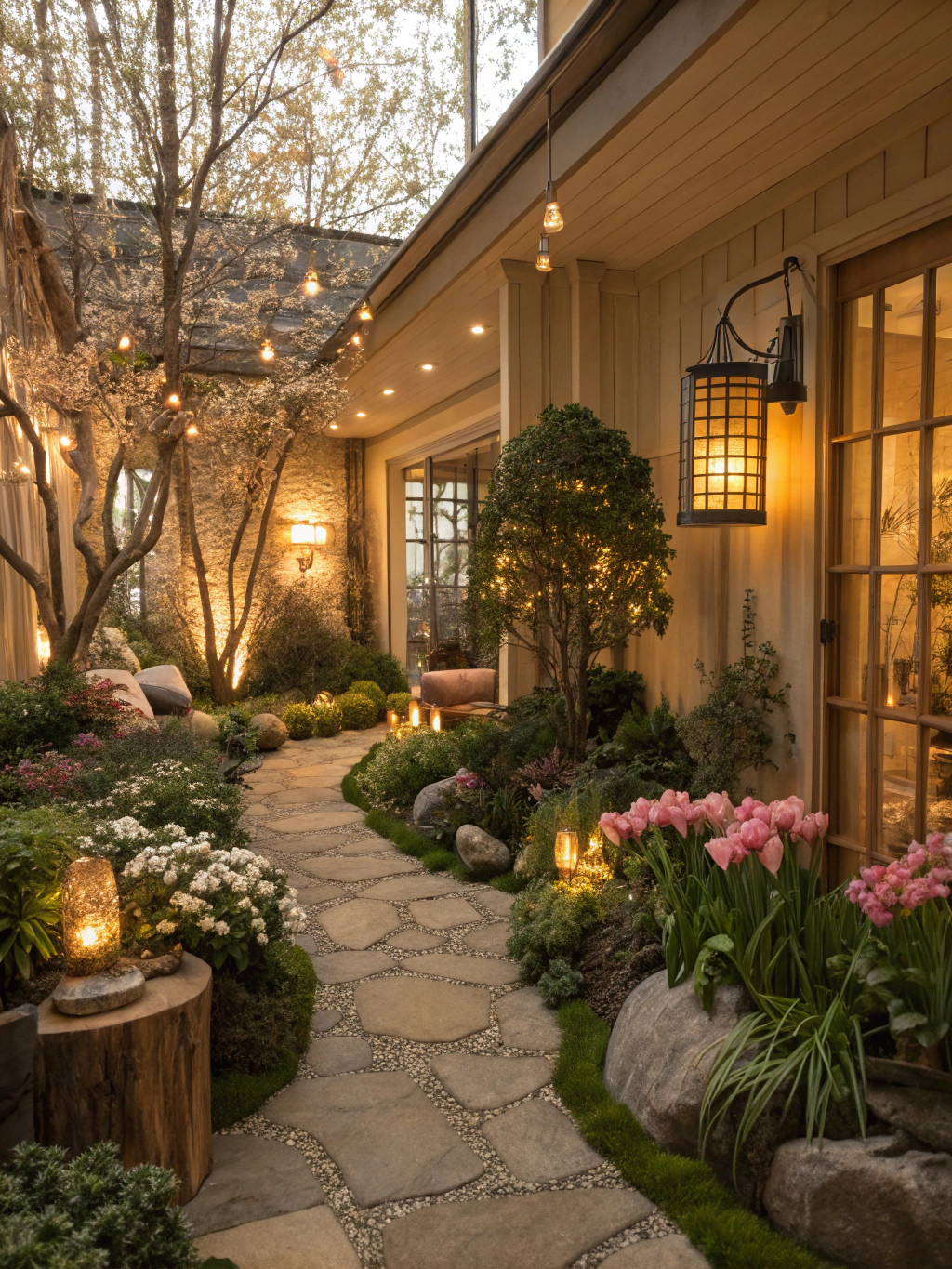
© 2025 AI Illustrator — Inspiration Only
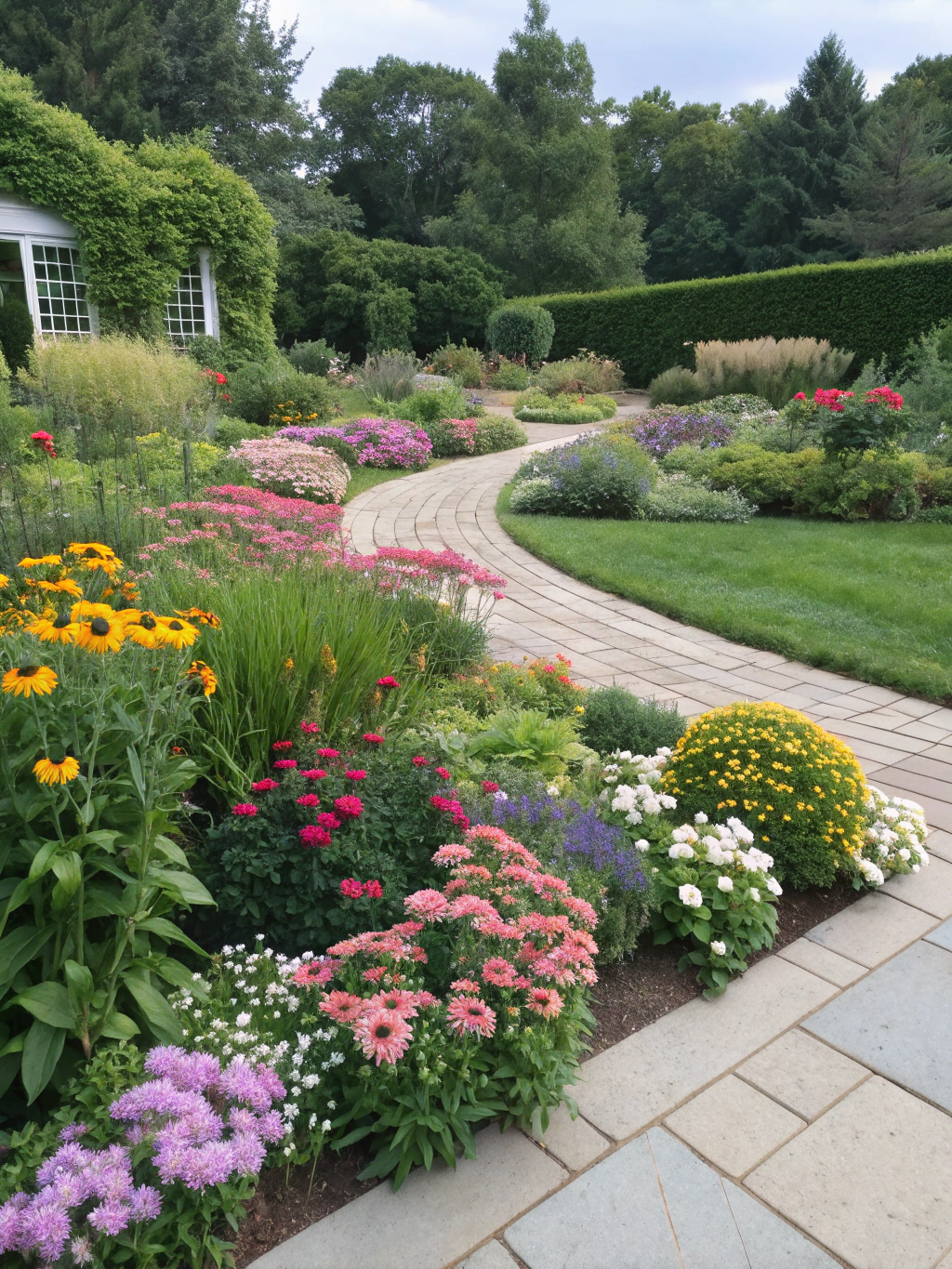
1. Know Your Zone (The Plant Hardiness Zone, That Is)
Ever planted something only for it to wilt faster than your motivation to do the dishes? Yeah, I’ve been there. This is where knowing your USDA Plant Hardiness Zone comes in. It’s like having a secret decoder ring for your garden.
- What’s Your Zone? Head to the USDA Plant Hardiness Zone Map online, and you’ll see your climate zone highlighted.
- Plant Accordingly: Select low-maintenance perennials that thrive in your zone. For example, if you’re in Zones 4-6, think about hardy perennials like Astilbe and Daylilies.
If you want to skip the guessing game, I highly recommend checking out local nurseries and chatting with their lovely staff. They love to play plant matchmaker!
2. Design for the Seasons
Ah, the ever-changing seasons, making our gardens look different than our mood swings. To keep things visually interesting year-round, it’s essential to think about your garden’s design through the four seasons.
Imagine this: in spring, your beautiful peonies burst into bloom, followed by tall summer sunflowers. Then, as autumn rolls around, your ornamental grasses start to sway gracefully in the crisp air, leading into the robust structures of winter.
- Select Plants for Each Season:
- Spring: Coneflowers, Daffodils
- Summer: Sedum, Black-eyed Susans
- Fall: Asters, Japanese Anemones
- Winter: Evergreen plants (find inspiration at gardening stores like Home Depot or Lowe’s).
It’s a bit like planning a wardrobe; you wouldn’t want to wear a cozy sweater in July, right? The same goes for your garden!
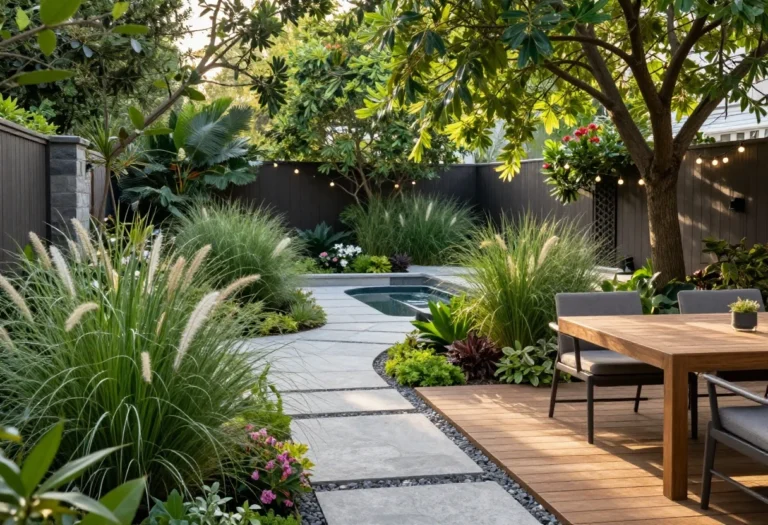
© 2025 AI Illustrator — Inspiration Only
3. Take Stock of Sunlight and Soil Conditions
Alright, I’ll admit it; I’m a little obsessed with reading the labels on plant tags. They’re like the grocery store nutrition facts, but for your garden!
Before planting any low-maintenance perennials, take note of the sunlight and soil conditions in your yard. Walk around your space and pay attention to where the sun dabbles warmly or where it gets shady and cool.
- Sun Requirements:
- Full Sun: At least 6 hours—think Lavender.
- Partial Shade: 3-6 hours—like Astilbe.
- Full Shade: Less than 3 hours—Japanese ferns thrive here.
And remember, good soil is your garden’s best friend. Think of it as a nice cushion for your plants. You might want to invest in some organic compost or soil amendments from brands like Miracle-Gro or Espoma if your soil is looking a bit sad.
4. Create Layers for Depth
The first time I visited a friend’s garden, I felt like I had walked straight into a fairytale. She had combined different layers—from towering plants in the back to smaller blooms in the front. It was like she had taken a multi-tiered cake and turned it into a beautiful garden layout!
- Layer It Up:
- Tall Plants at the Back: Think Delphiniums or Holleyhocks.
- Medium Plants in the Middle: Like Shasta Daisies.
- Short Plants in the Front: Use Creeping Phlox or Pansies for a splash of color.
By layering your plants, you not only create visual interest but also make sure that everyone gets their fair share of sunlight.
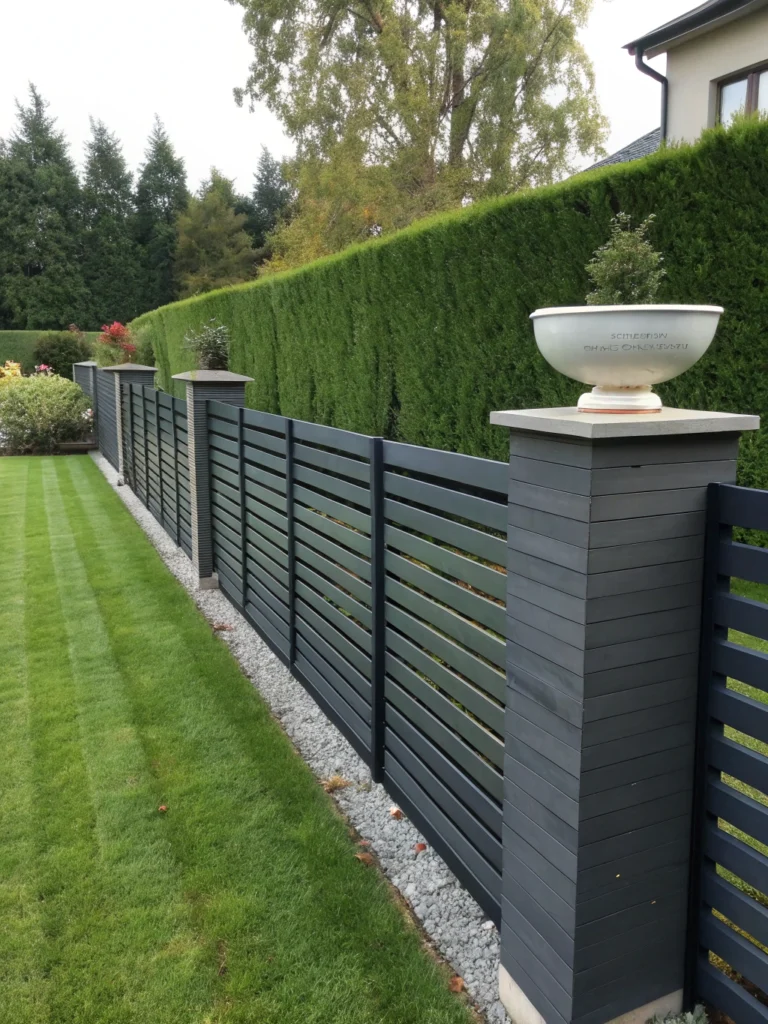
© 2025 AI Illustrator — Inspiration Only
5. Incorporate Hardscaping Features
Now, before you roll your eyes and think this sounds too fancy for a casual gardener, hear me out. Hardscaping adds structure to your garden and can actually make upkeep easier. Think of it as your garden’s backbone.
- Include Paths and Borders: Pebble pathways or wooden borders can help de-clutter the chaos (especially when you’ve completely lost track of the weeding schedule).
- Add Decorative Elements: Statues, benches, or even a hammock could elevate the vibe. My own patio has this giant ceramic turtle that just sits there, looking wise and oddly relaxed.
Not only do these features keep your garden looking polished, but they also serve as purposeful additions that make moving through your space a breeze.
6. Choose Companion Plants
It’s kind of like building your garden’s friend group. Some plants absolutely love each other and help each other thrive! I’ll never forget the time I learned about companion planting—it felt like unlocking a hidden level in a game!
- Examples of Companion Plants:
- Lavender with Roses: The lavender helps repel aphids and other pests.
- Marigolds near Veggies: They’re great at warding off nematodes.
Make sure your low-maintenance perennials are chosen wisely for companionship. Just like in life, we need good friends to help us flourish!
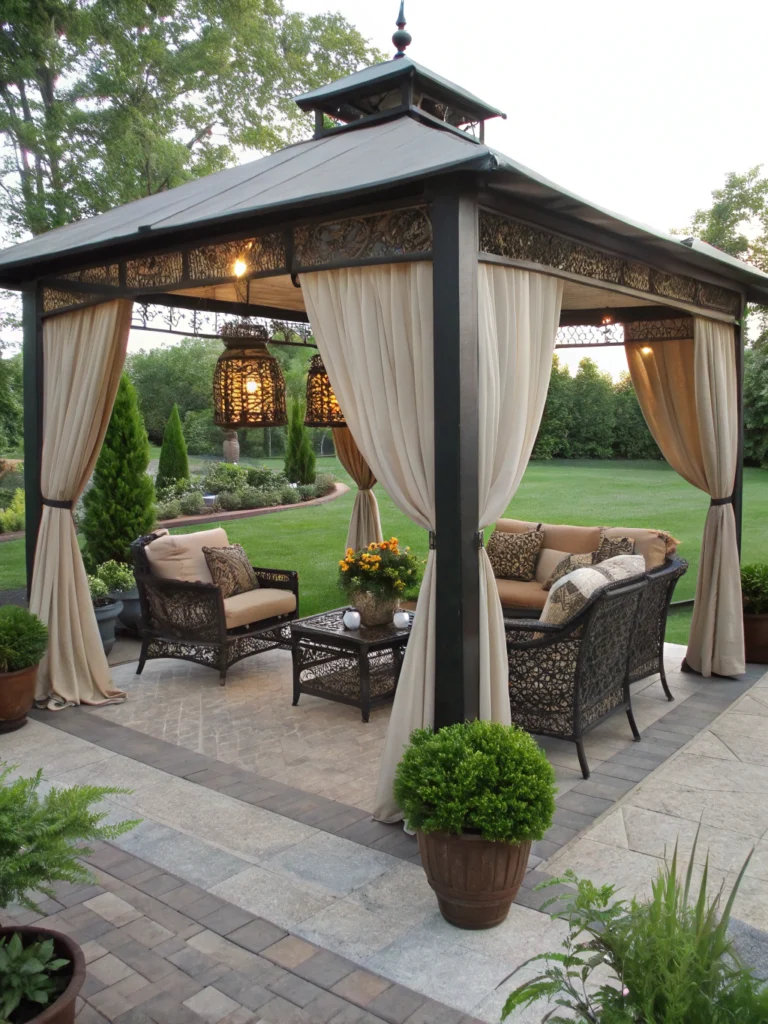
© 2025 AI Illustrator — Inspiration Only
7. Add Mulch to Save Time and Water
I know—mulch sounds about as thrilling as watching paint dry. But trust me, it’s a little garden superhero.
- Benefits of Mulching:
- Retains soil moisture
- Suppresses weeds (So much less weeding for you! 🙌)
- Keeps soil temperatures stable
You can find great mulches at your local garden store. My personal favorite has to be cedar mulch—it smells heavenly and makes my garden look like a picture out of a magazine.
8. Consider Drip Irrigation or Soaker Hoses
So, imagine this: it’s a hot summer day. You’re sweating bullets, desperately wishing you could just hang out in the pool instead of dragging a heavy hose around. Enter the wonderful world of drip irrigation.
- Why It’s a Game Changer:
- Directly waters the roots.
- Saves water (hello, eco-friendly gardening!).
- Needs little to no maintenance!
You can set these systems up once and forget about them—letting your plants live their best lives while you lounge in your pajamas. What could be better?
9. Embrace Natural Pest Control
I once had an army of aphids turn my lovely garden into their all-you-can-eat buffet. After a few tearful mornings of hosing them off (and not really knowing if I was winning), I discovered the beauty of natural pest control.
- Invite Beneficial Insects:
- Ladybugs and lacewings are like having a tiny SWAT team for your garden.
- Plant herbs like basil and dill to attract these little helpers.
Don’t stress about pesticides; they can be a bit much, not to mention the potential harm they can cause. Instead, invite nature’s heroes in!
10. Enjoy the Journey
This might seem soft, but honestly, the best part of gardening is the journey. The messy bits, the victories, and, yes, even the failures will shape your experience.
As I gaze out at my imperfect (but charming!) perennial garden while my coffee gets cold yet again (oops), I’m reminded that it’s all about the little moments.
- Take time to wander through your garden.
- Snap a photo of your glorious blooms.
- And perhaps indulge in a lighthearted chuckle at that one plant that just can’t seem to get it right.
To wrap it all up, creating a low-maintenance perennial garden isn’t about making the perfect Eden. No, no, it’s about crafting a little piece of heaven that fits your lifestyle—and maybe, just maybe, allows you more time in your comfy loungewear sipping what you love most (coffee, anyone?).
Embrace the quirks, the imperfections, and the delightful surprises. It’s your garden, after all. Happy planting! 🌼
© 2025 AI Illustrator — Inspiration Only