Awkward Wall Space Ideas That Turn Empty Areas Into Useful Spaces
Ever stare at a narrow strip of wall and wonder how to use it? You’re not alone. Many homes have odd gaps that feel useless, but they can become handy spots with a little thought. Below are simple ways to turn those awkward places into functional décor.
Each idea works in a different room and fits a range of budgets. I’ll describe what the finished look feels like, then give step‑by‑step pointers. I’ll also share a quick tip or a downside so you can decide if it fits your home. Let’s start making those empty walls work for you.
1. Float a narrow shelf between two windows
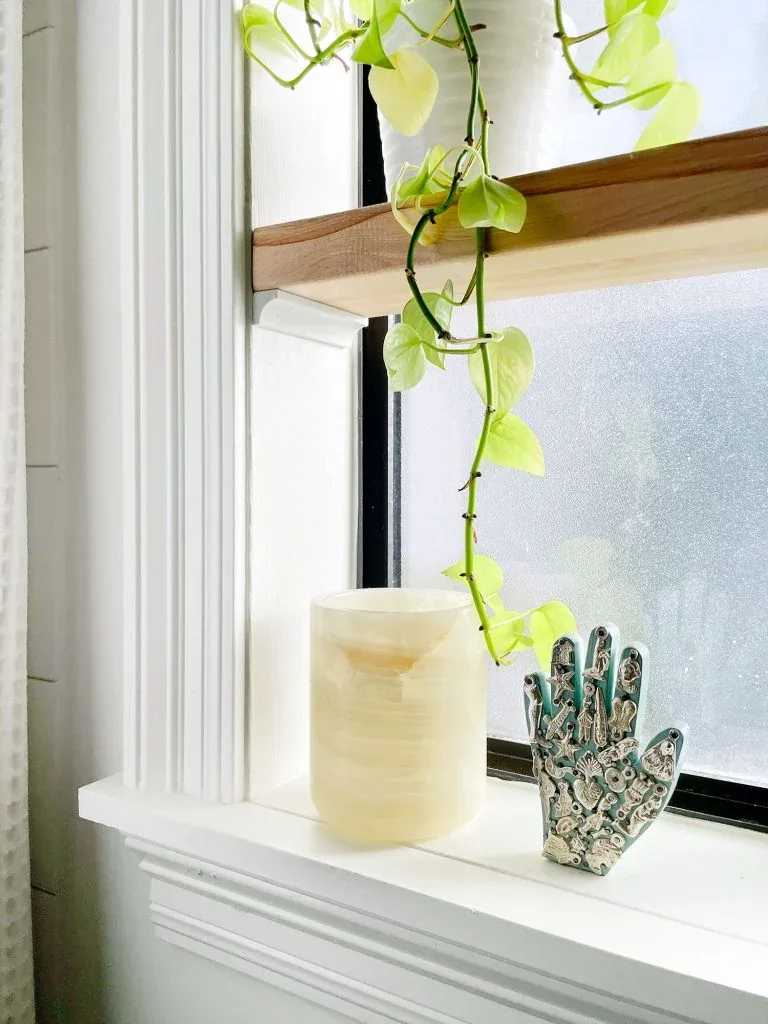
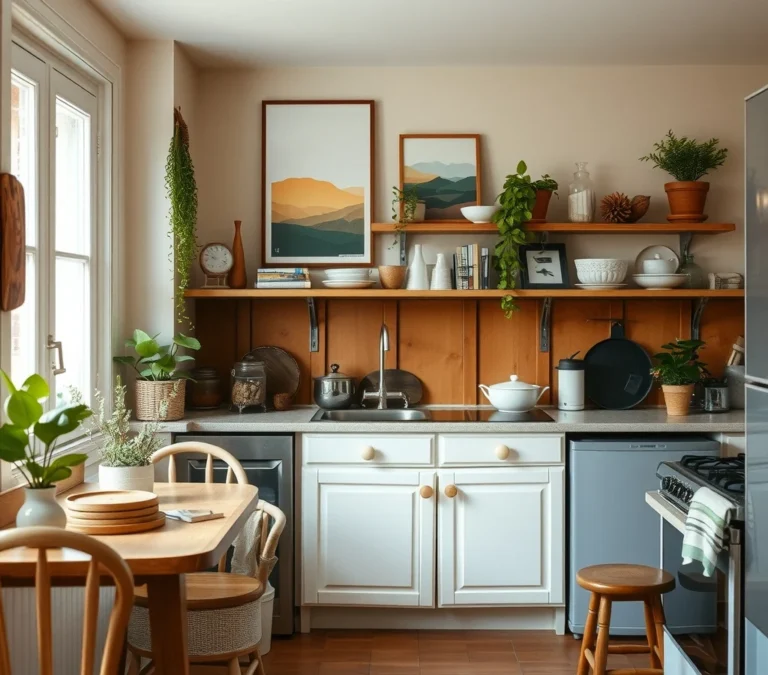
Picture a thin, floating shelf that slides between two close windows. The shelf sits just a few inches from the glass, showing off a few books, a small plant, or a decorative bowl. Light from the windows highlights the items, making the wall feel alive without crowding the view.
To install, measure the gap, then attach a sturdy bracket that fits the wall type. Use a level, drill pilot holes, and secure the shelf with two short screws per side. A good tip: choose a light‑colored wood or painted finish so the shelf blends with the wall, but remember the narrow space can be hard to clean around the windows.
2. Add a low bench under a sloping ceiling
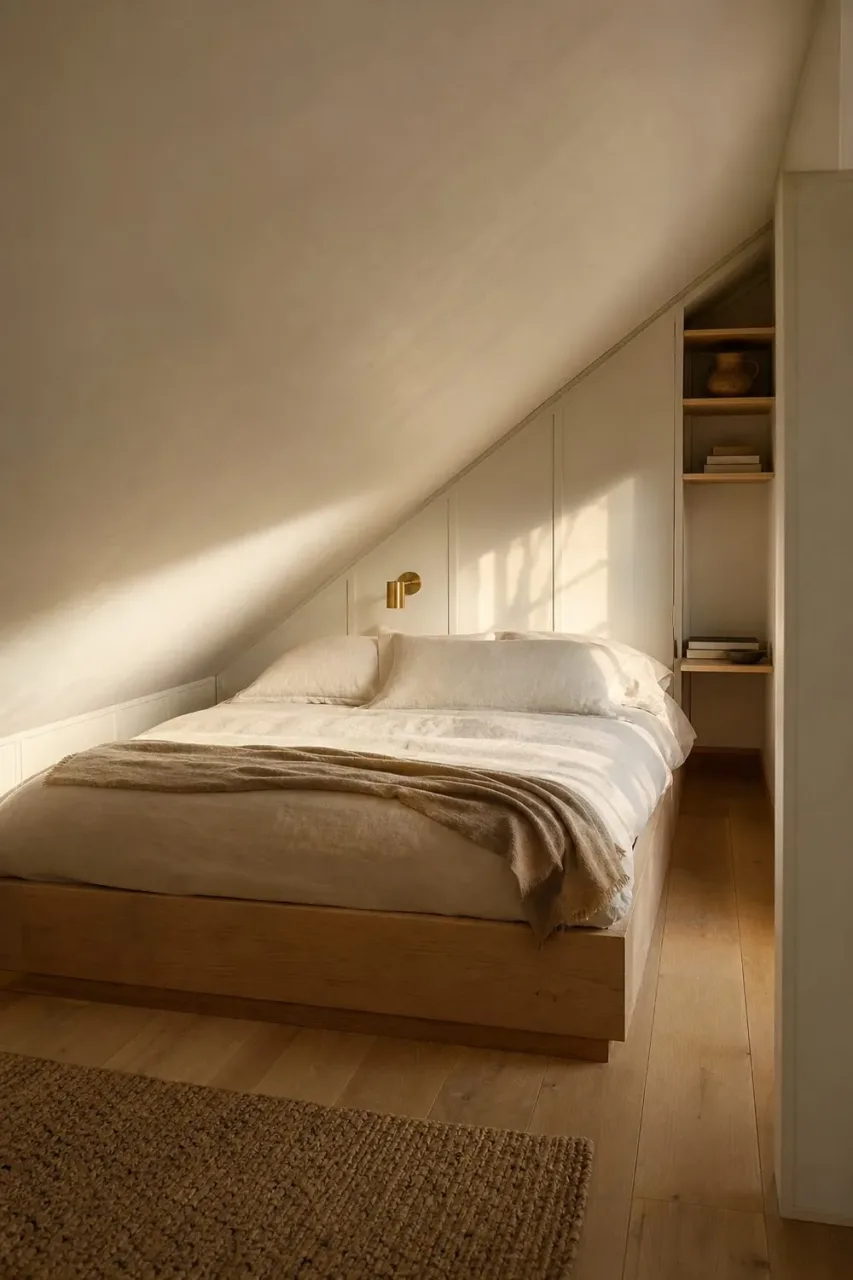
Imagine a shallow bench tucked under a low ceiling, like in a hallway or attic nook. The bench can hold shoes, bags, or serve as a quiet reading spot with a cushion on top. Its back rests against the slope, keeping the floor clear and adding soft seating.
Build a frame from pine or oak, then add a plywood top and a thin foam cushion. Secure the bench to the wall studs for safety, and finish with a washable fabric. The trade‑off is that the bench limits the ceiling height, so tall guests may need to step over it.
3. Grow a vertical garden on a skinny wall
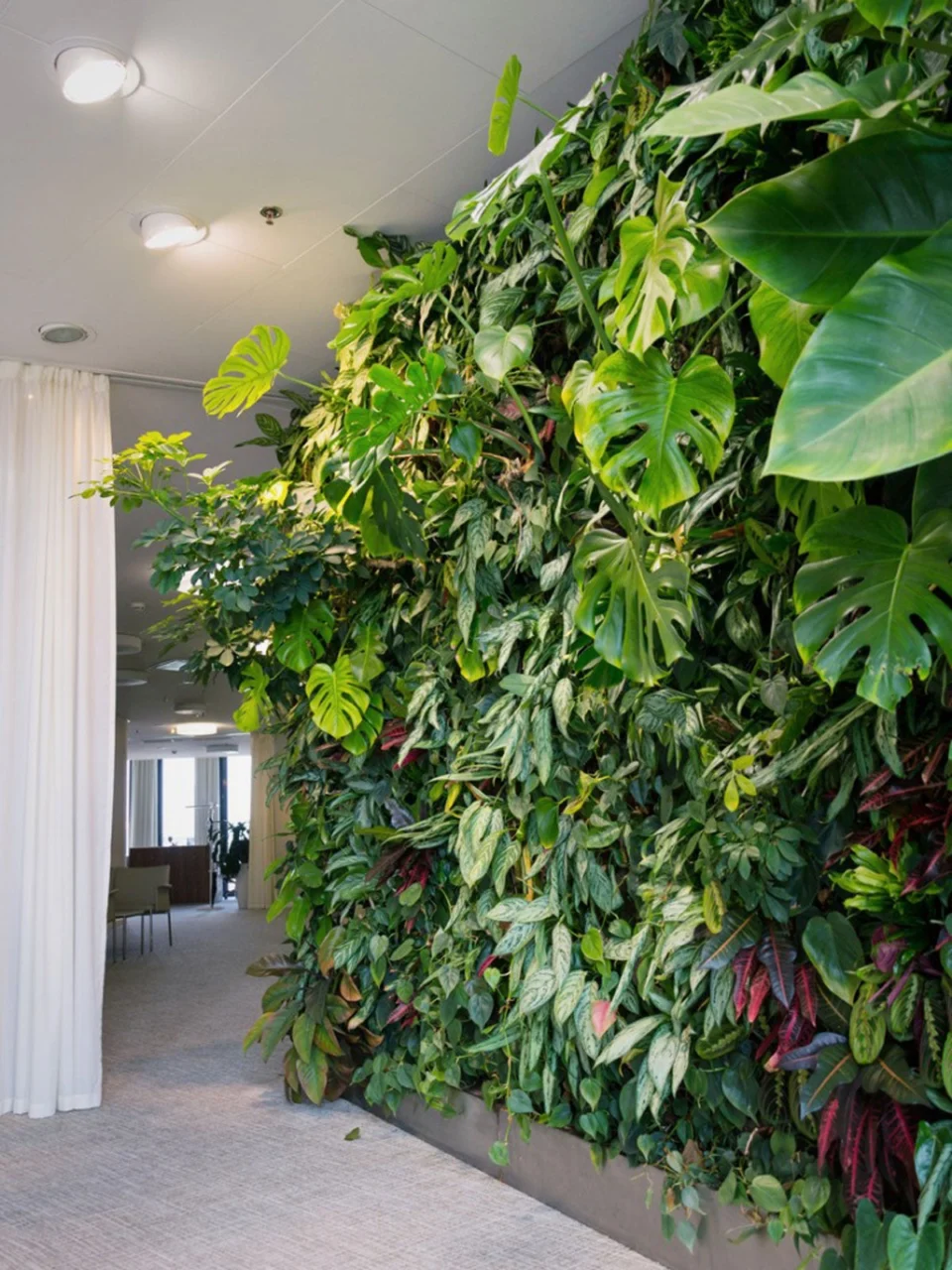
A vertical garden turns a thin, empty wall into a living piece of art. Small pocket planters hold herbs, succulents, or trailing vines that spill down just a foot or two. The green adds fresh air and a pop of color without taking floor space.
Attach a wooden slat or metal grid to the wall, then clip the planters into the slots. Use a drip tray at the bottom to catch excess water, and choose low‑light plants if the wall doesn’t get much sun. Keep in mind that watering can be messy, so place the garden near a sink or use self‑watering pots.
4. Place a slim console with hidden storage in a hallway
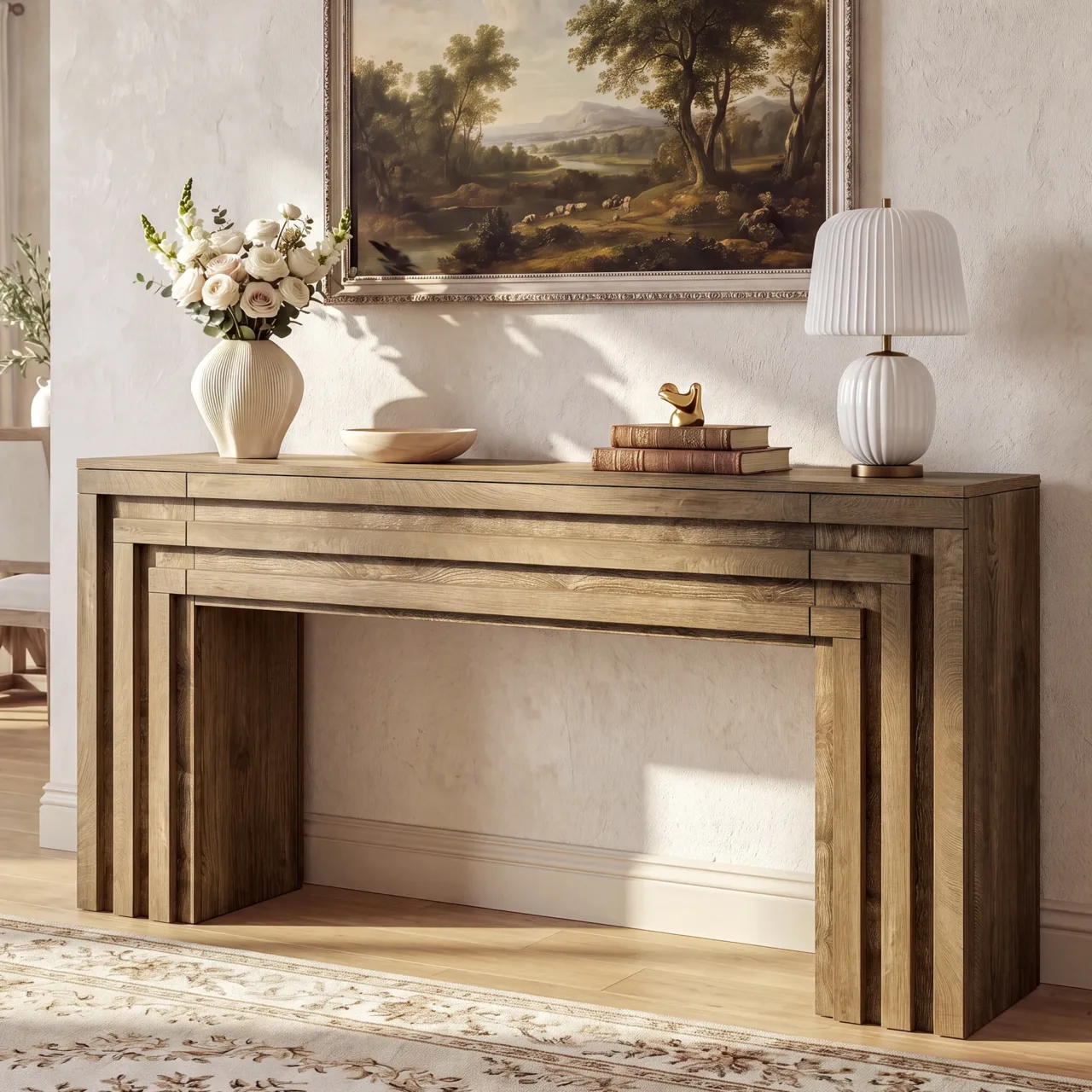
A narrow console table can slide into a hallway that feels too tight for regular furniture. The console holds keys, mail, and a small lamp, while a hidden drawer keeps clutter out of sight. Its sleek profile lets traffic flow without bumping into it.
Pick a console that is no wider than 12 inches, then anchor it to the wall for stability. Add a simple drawer liner to protect the interior, and use a lamp with a dimmer for soft lighting. The downside is that a very thin console offers limited surface area, so only the essentials should go on top.
5. Hang an over‑door rack for coats and bags
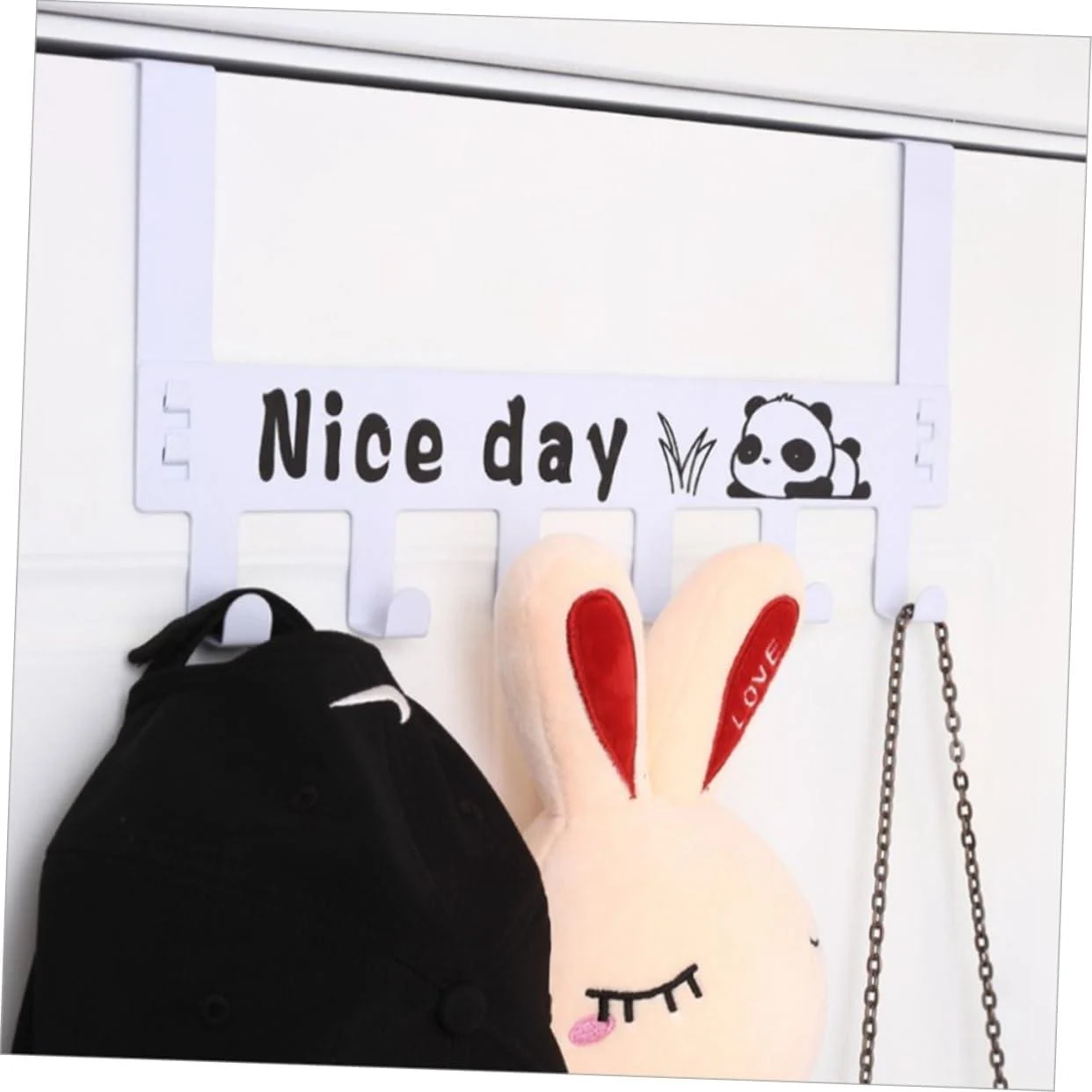
An over‑door rack uses the back of a door that often goes unused, turning it into a hanging station. The rack can hold coats, backpacks, and umbrellas, keeping the entryway tidy and organized. Its open design lets you see everything at a glance.
Choose a rack with sturdy metal hooks or wooden pegs, then screw the mounting brackets onto the door’s top edge. Make sure the door can still close without hitting the hooks, and use a soft‑close hinge if the door is heavy. Remember that the rack adds a small amount of weight, so it may not suit very thin doors.
6. Install a fold‑down desk in a closet niche
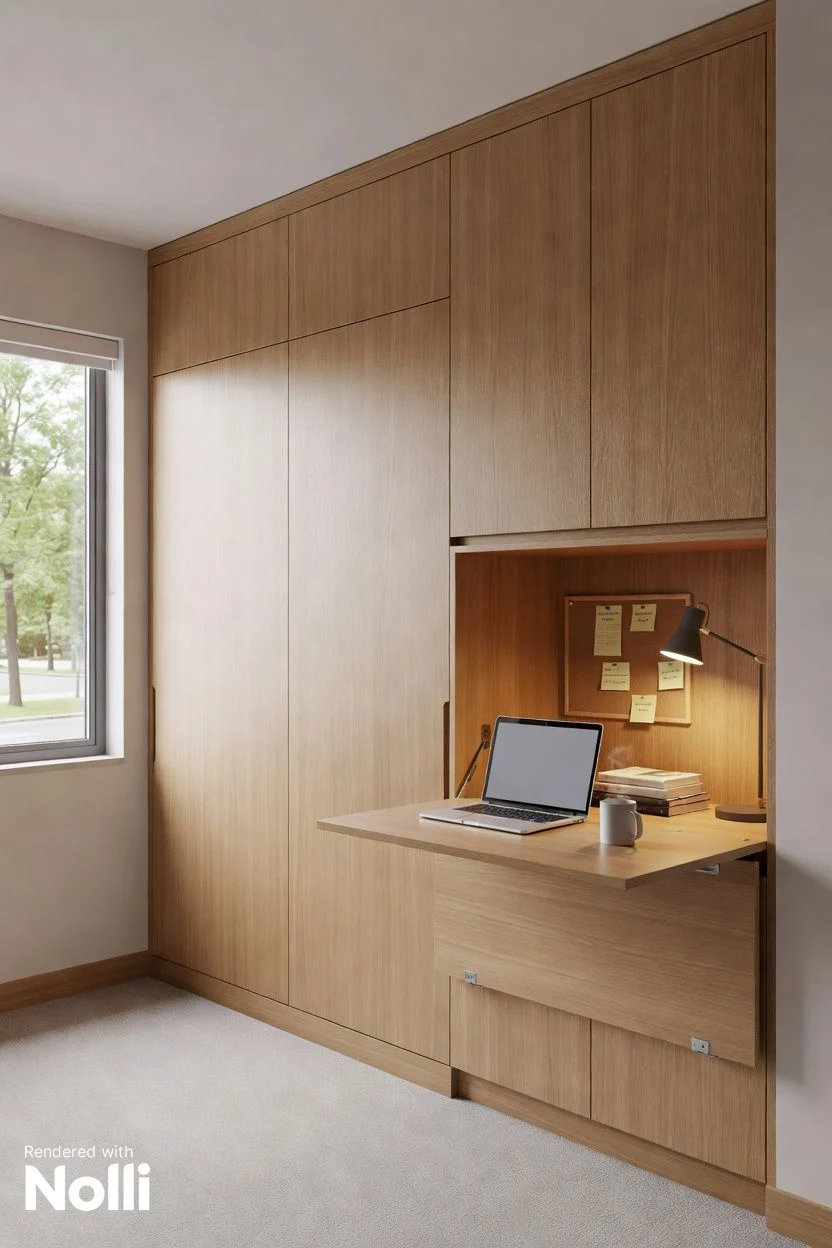
A fold‑down desk fits into a small closet corner, giving you a workspace that disappears when not in use. When opened, the desk offers enough room for a laptop, a lamp, and a notebook. When closed, the closet door hides the desk, freeing the floor.
Mount a sturdy hinge on the inside of the closet wall, then attach a plywood top that folds down flat. Add a simple latch to keep the desk closed, and place a small pegboard above for pens and notes. The trade‑off is that the desk height is limited by the closet depth, so it works best for seated work at a low chair.
7. Create a mirror wall that doubles as a gallery
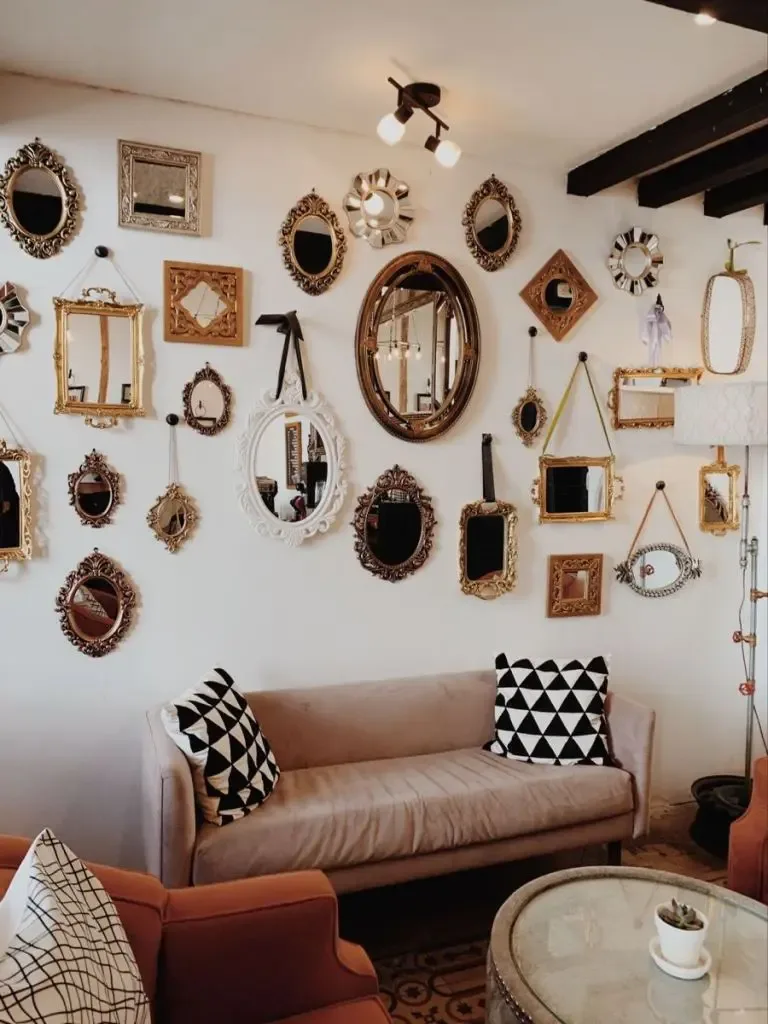
A large mirror set in a narrow hallway can make the space feel wider and brighter. Add a few small frames around the mirror to display art, photos, or decorative plates, turning the wall into a gallery. The mirror reflects light, while the frames add personal style.
Hang the mirror at eye level, then use picture‑hanging strips for the frames to avoid drilling many holes. Choose lightweight frames so they don’t weigh down the mirror’s backing. Keep in mind that mirrors can show fingerprints, so you’ll need to clean them regularly.
Frequently Asked Questions
How do I know if my wall can hold a floating shelf?
Check the studs behind the drywall using a stud finder, then anchor the brackets into those studs. If you can’t find studs, use heavy‑duty wall anchors designed for your wall type.
Can I paint a bench that sits under a sloping ceiling?
Yes, you can paint it with a low‑VOC paint that works on wood and metal. Make sure the paint is sealed so it won’t chip when you sit on the bench.
What plants work best for a vertical garden on a low‑light wall?
Succulents like haworthia, pothos vines, and ferns thrive in low light and need little water. Choose pots with drainage holes to avoid water buildup.
Is a slim console safe for a home with small children?
Secure the console to the wall with brackets to prevent it from tipping over. Keep heavy items on the lower shelf to reduce risk.
How can I keep the over‑door rack from scratching the door?
Place a thin rubber pad between the rack’s mounting plate and the door surface. This protects the finish and adds a little grip.