How I Made My Home Look Luxury on a Budget (without Buying Expensive Furniture)

Want your place to scream “I have taste” without your bank account whispering “help”? Same. I gave my home a luxe glow-up without splurging on pricey sofas or marble anything. Here’s exactly what I did—and what actually makes a space feel expensive (spoiler: it’s not the couch).
1. Elevate Your Lighting, Elevate Everything
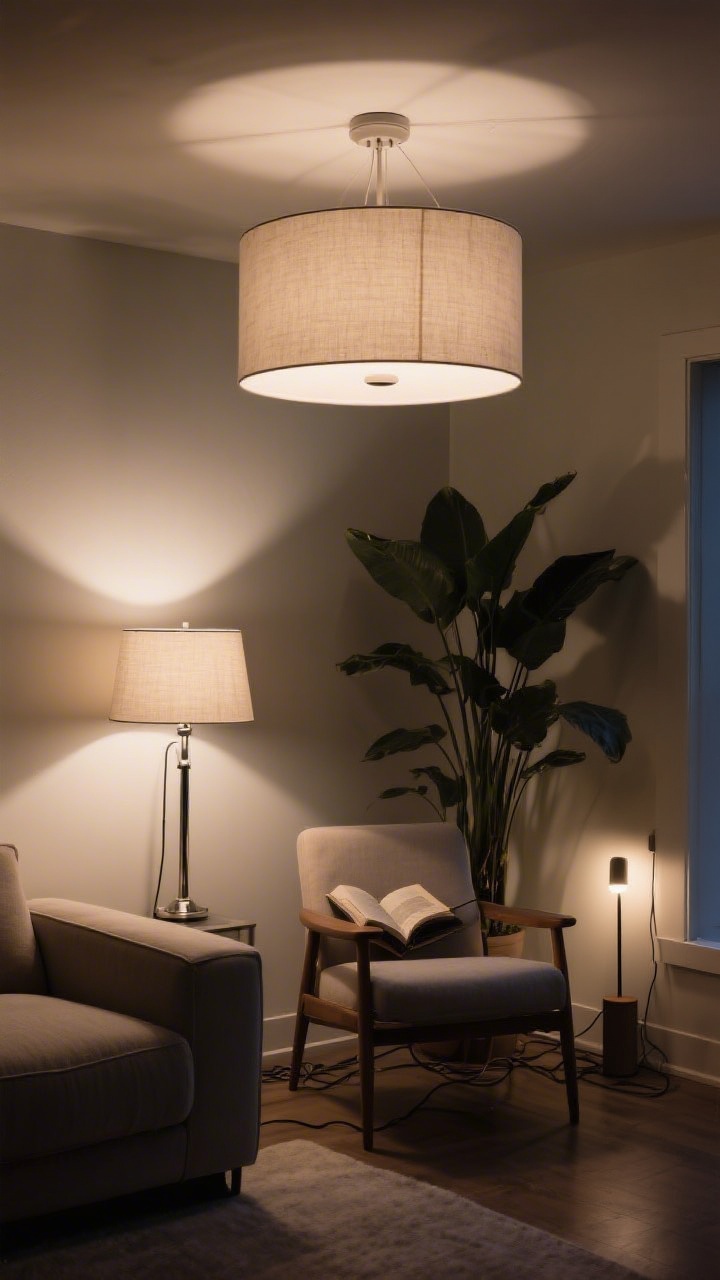
Lighting is the instant facelift your home deserves. Bad lighting makes even nice stuff look sad. Great lighting turns thrift finds into “wait, is that designer?” moments.
Swap Ugly Bulbs For Better Ones
- Use warm white (2700–3000K) bulbs for cozy, high-end vibes.
- Go dimmable. Luxury = options. Bright for cleaning, moody for movies.
- Choose bulbs with 90+ CRI so colors look rich, not washed out.
Layer Your Light Like a Designer
- Overhead: Replace builder-grade flush mounts with a simple drum shade or chic semi-flush. Affordable, big impact.
- Task: Desk or reading lamps with metal or linen shades. Slim profiles feel more elevated.
- Accent: Plug-in sconces, picture lights, or tiny uplights behind plants. FYI: uplighting = instant drama.
Pro tip: Put a dim switch on your main fixtures. You just leveled up without buying a single armchair.
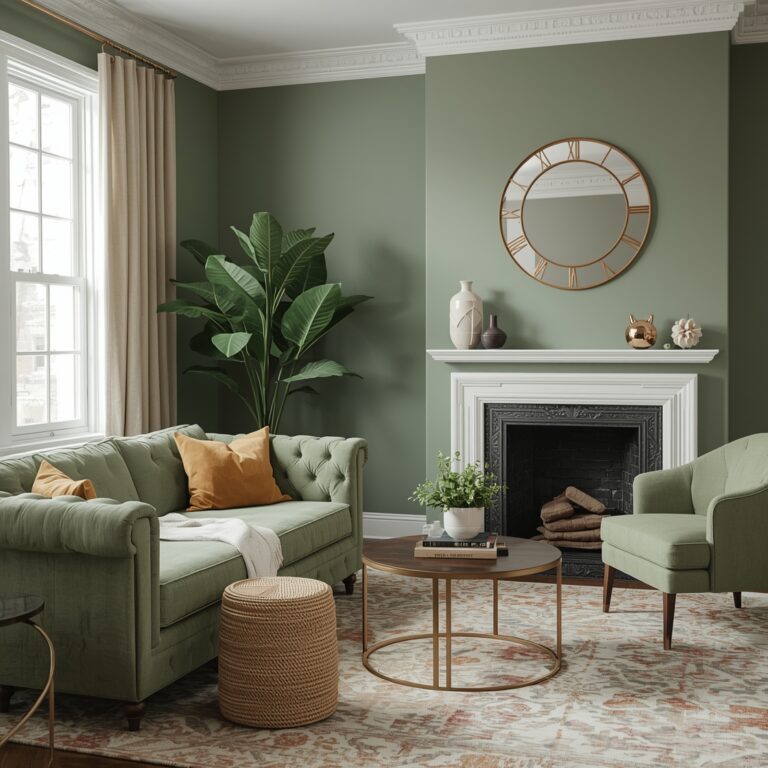
2. Curate Your Color Story (AKA Stop Buying Random Beige)
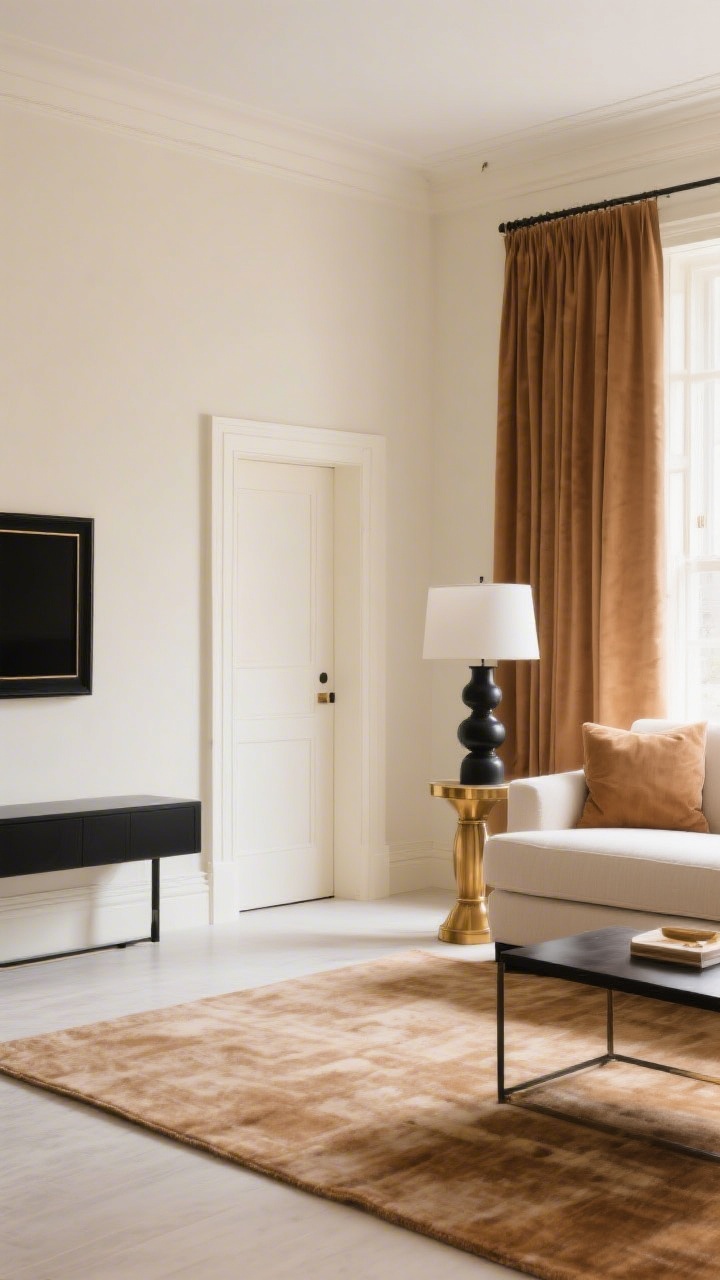
Luxury rooms rarely scream with fifteen colors. They whisper with intention. Keep it cohesive and you’ll automatically look polished.
Pick A 60/30/10 Palette
- 60% main color (walls or largest surfaces)
- 30% secondary color (curtains, rug, bedding)
- 10% accent (art, pillows, vases)
Choose three tones that play nicely—maybe warm ivory + camel + matte black, or greige + charcoal + brass. Then stick to it like it’s your skincare routine.
Paint Tricks That Look Pricey
- Go satin or eggshell on walls for a soft sheen that hides sins but still reflects light.
- Color drench: Paint walls, trim, and doors the same shade for a boutique-hotel vibe.
- Contrast trim in a muted color (think muddy taupe) for quiet drama.
Reality check: Your IKEA dresser looks 100x more expensive when the room’s color story makes sense.
3. Style Surfaces Like A Boutique, Not A Yard Sale
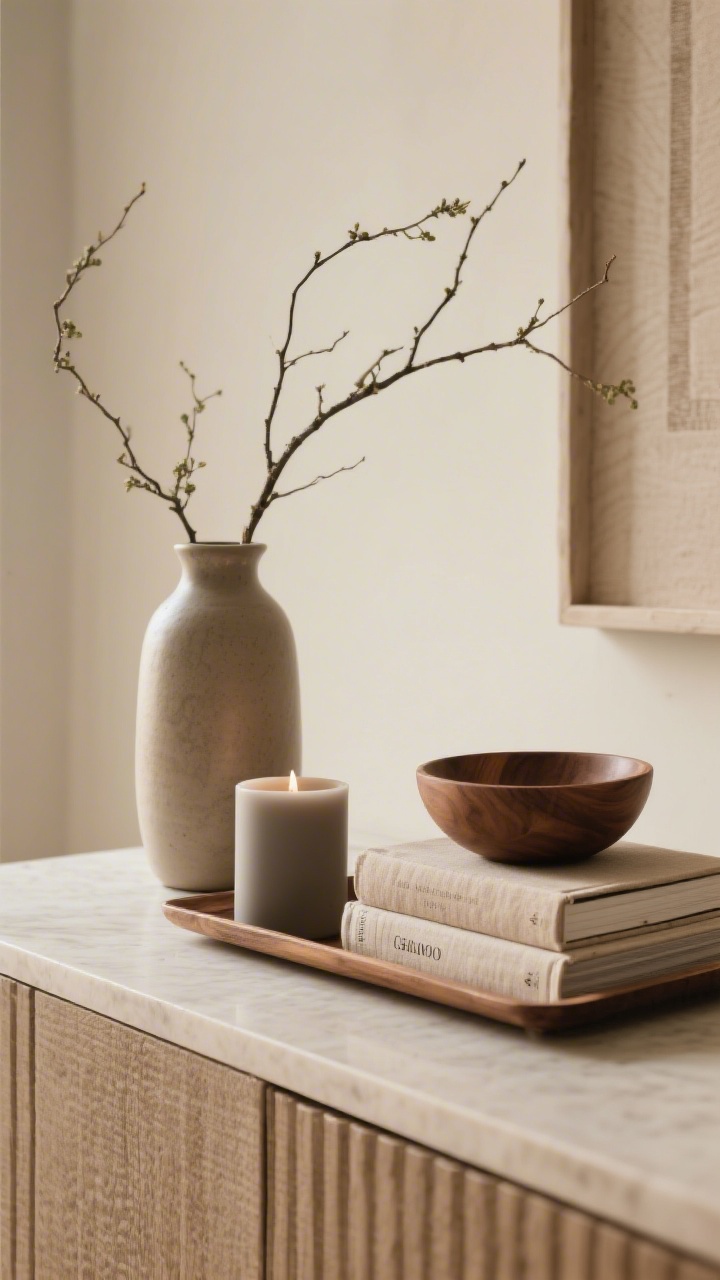
How you arrange things is half the luxe look. We’re aiming for intentional, not crowded.
The Rule Of Three (But Make It Textured)
- Group in threes: one tall item, one medium, one low.
- Mix textures: a wood bowl, a ceramic vase, a matte candle.
- Add something organic: branches, fresh greenery, or a sculptural plant.
Books Are Your Secret Weapon
- Stack coffee table books horizontally to elevate smaller decor.
- Remove busy dust jackets for cleaner, linen-textured spines.
- Turn colorful spines inward if they fight your palette (controversial, IMO, but it works).
Bonus: Use a tray to corral items. Trays make clutter look like “a curated vignette.” Magic.
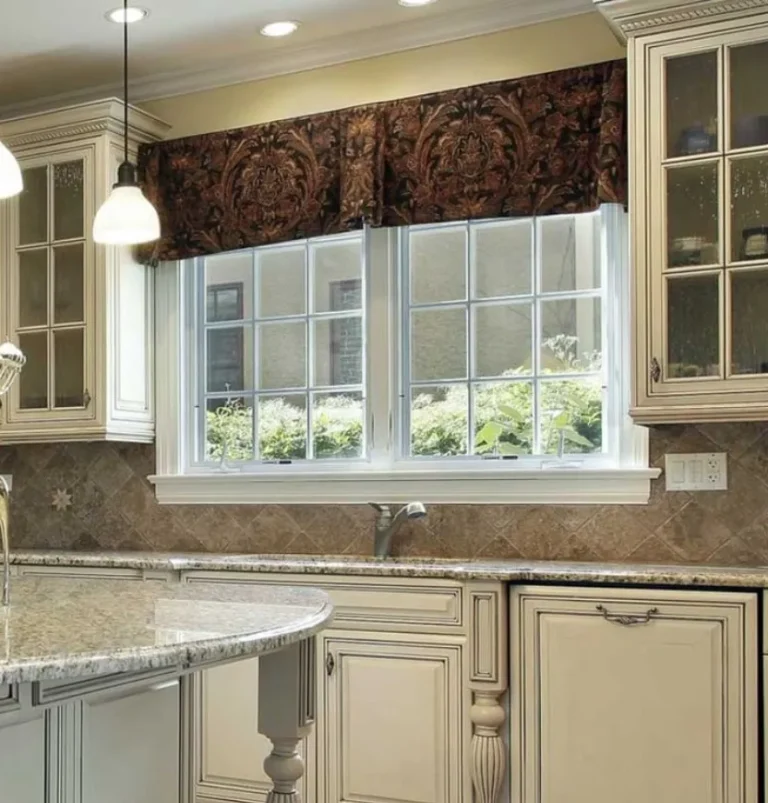
4. Windows: Dress Them Like They’re Famous
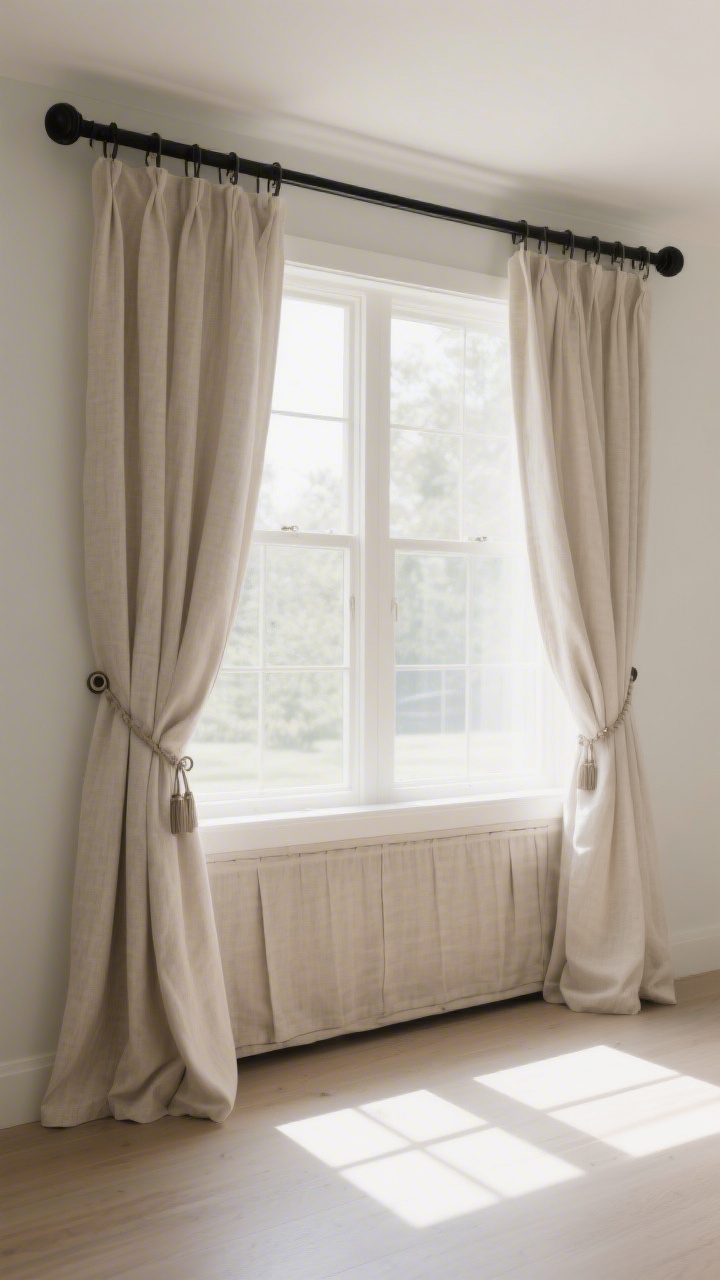
Window treatments are the biggest non-furniture flex. Bare windows scream “temporary.” Draped windows whisper “custom.”
Hang High, Wide, And Long
- Height: Mount rods 4–8 inches above the window frame (or just under the ceiling) to stretch the room.
- Width: Extend rods 8–12 inches past the frame so curtains don’t block light.
- Length: Aim for kissing the floor or a tiny break—no awkward highwaters.
Fabric Matters (But You Can DIY the Look)
- Choose linen or linen-look panels for that airy, designer feel.
- Use clip rings on budget panels for prettier drape.
- Double up cheap panels on each side for fullness. Thin panels look, well, thin.
Even blinds look luxe if you add a small linen valance or a roman shade in a neutral. Keep hardware simple and matte—no shiny, flimsy rods.
5. Textiles That Trick The Eye (And Feel Amazing)
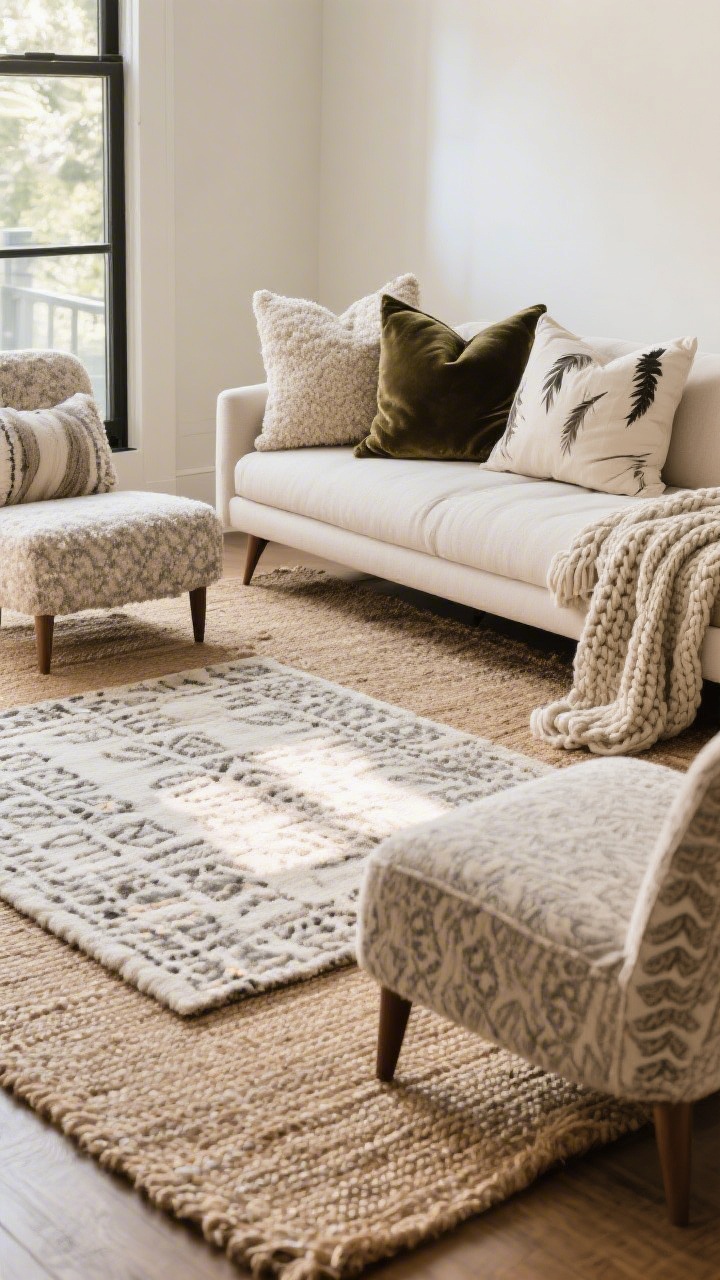
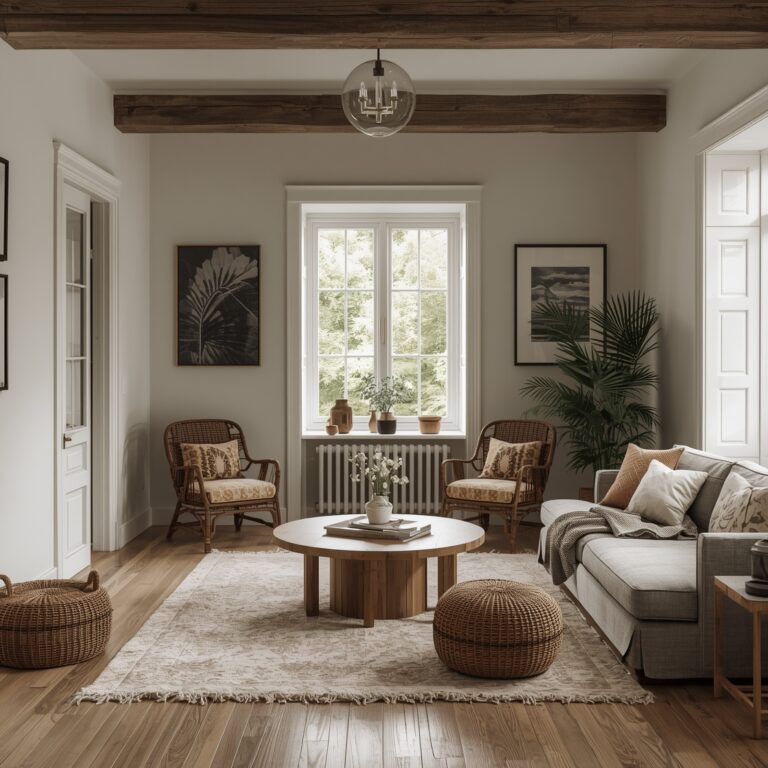
You don’t need an expensive sofa; you need expensive-looking layers. Texture = depth. Depth = luxury.
Rugs: The Room Anchor
- Err on the bigger side. Front legs of sofas/chairs should sit on the rug.
- Layer a jute base with a smaller patterned rug on top for dimension.
- Choose low to medium pile for a clean, tailored look.
Pillows And Throws: Mix, Don’t Match
- Swap the polyester inserts for feather/down alternative so they karate-chop nicely.
- Mix weaves: bouclé, velvet, linen. Limit loud patterns—go for subtle texture.
- One throw blanket in a chunky knit or cashmere blend draped casually (not tossed like a salad).
Also, upgrade bedding: a duvet insert one size larger than your cover makes the bed look plush and hotel-level.
6. Art, Mirrors, And Statement Moments (For Pennies)
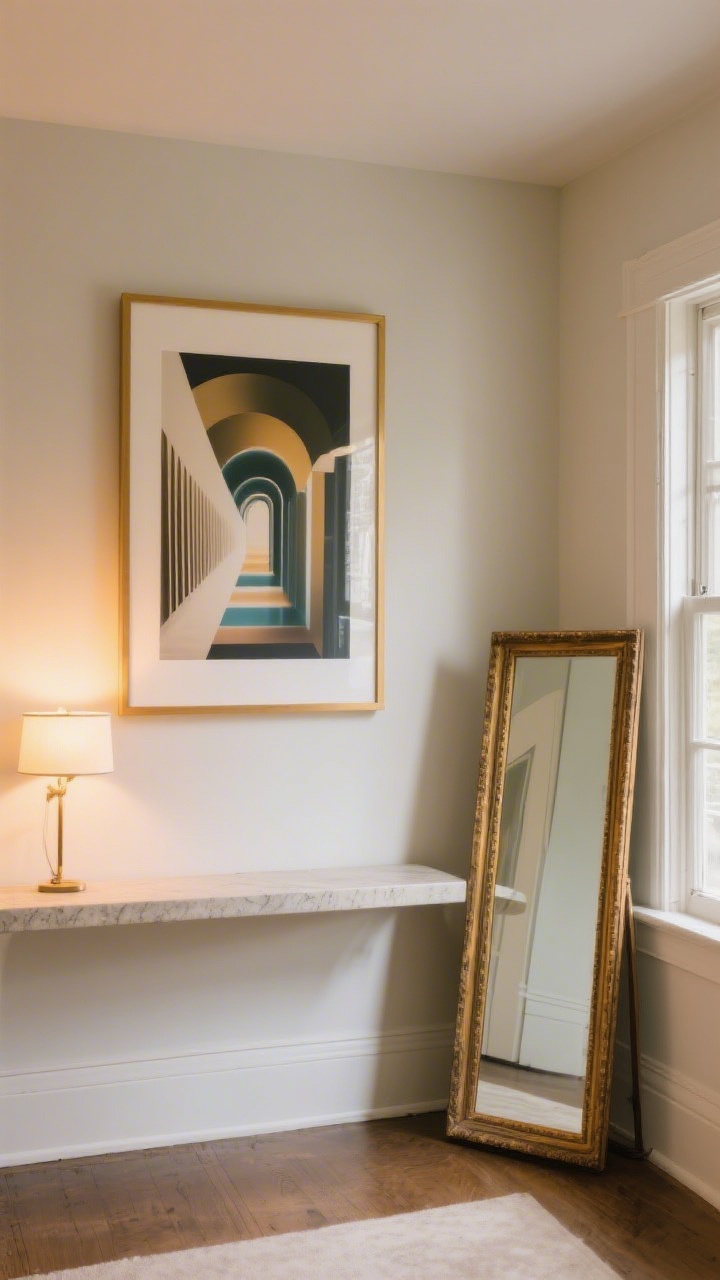
Luxe homes have personality. You don’t need gallery prices—just smart framing and scale.
Go Big Or Create A Grid
- One large-scale piece beats five tiny ones. Print digital art and frame it.
- Create a grid wall with identical frames and mats. Symmetry feels high-end.
- DIY: thrift frames, paint them matte black or antique gold, and add oversized mats.
Mirrors = Free Light
- Place a tall mirror opposite a window to bounce light and open the room.
- Choose leaning floor mirrors with simple, chunky frames for impact.
- Antique the edges or use a vintage frame for character without the sticker shock.
And don’t forget picture lights. Even an inexpensive piece looks luxe with a warm light shined on it. It’s like contouring for your walls.
7. Edit Ruthlessly And Add Quiet Luxury Details
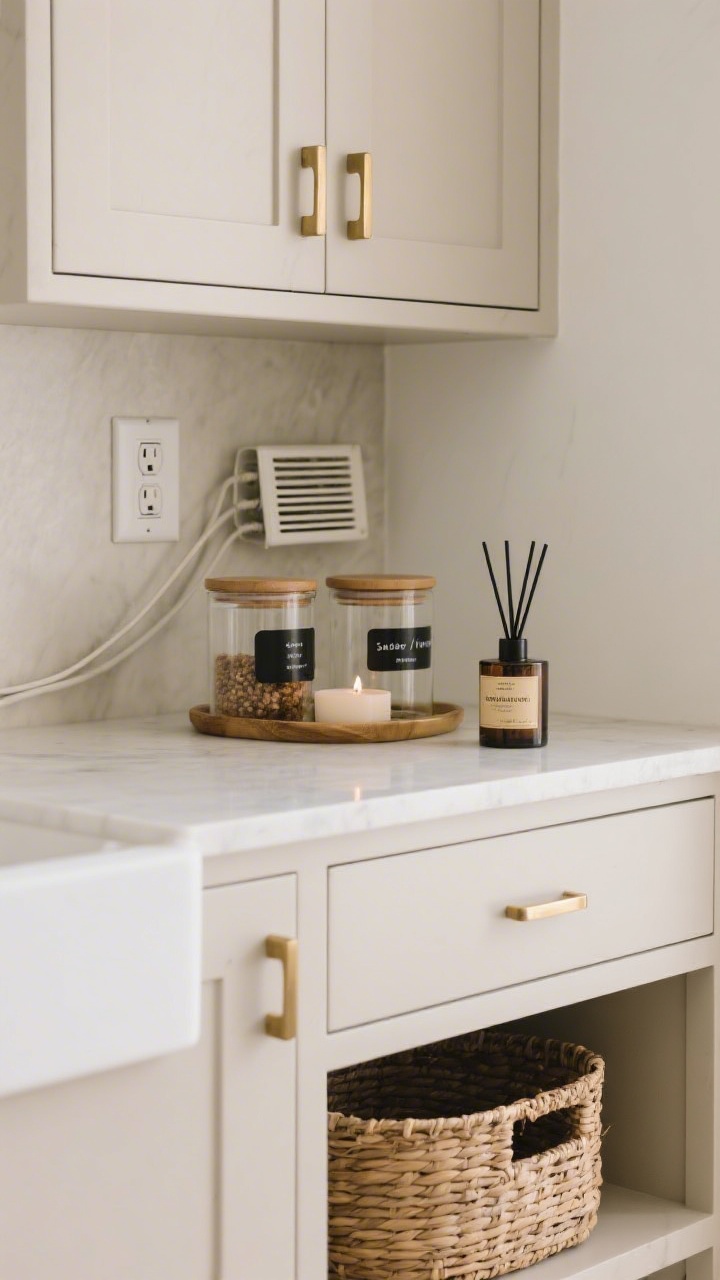
Here’s the part no one wants to hear: Clutter kills luxury. Editing is free and wildly effective.
Declutter Like You Mean It
- Clear surfaces to 25–50% of what you had. Keep only your best-looking pieces.
- Hide the rest in woven baskets, lidded boxes, or behind cabinet doors.
- Use cord covers or cable boxes. Visible cords = chaos energy.
Upgrade The Little Things
- Swap hardware on cabinets and dressers to matte black, brass, or marble knobs.
- Replace switch plates and vents with clean, modern versions.
- Use matching containers for soaps, spices, and laundry products. Decanting is the adulting glow-up.
Finish with signature scents: a diffuser or candle with a subtle fragrance (think sandalwood, vetiver, fig). Your home should smell like money—without actually spending it.
Quick Wins You Can Do This Weekend
- Rearrange furniture to create a focal point (usually around a window, fireplace, or large art).
- Center rugs and align edges for visual order—measure, don’t eyeball.
- Replace two light bulbs, hang curtains higher, and edit one shelf. Instant difference.
Bottom line: Luxury isn’t about brand names—it’s about intentional choices, cohesive color, and thoughtful styling. Start with lighting, tighten your palette, and add texture and art that feel personal. You’ll look around and think, “Okay, who hired a designer?” Spoiler: it was you. And your budget is thrilled about it.