Gravel Garden Ideas That Are Low-maintenance & Beautiful You’ll Want Now

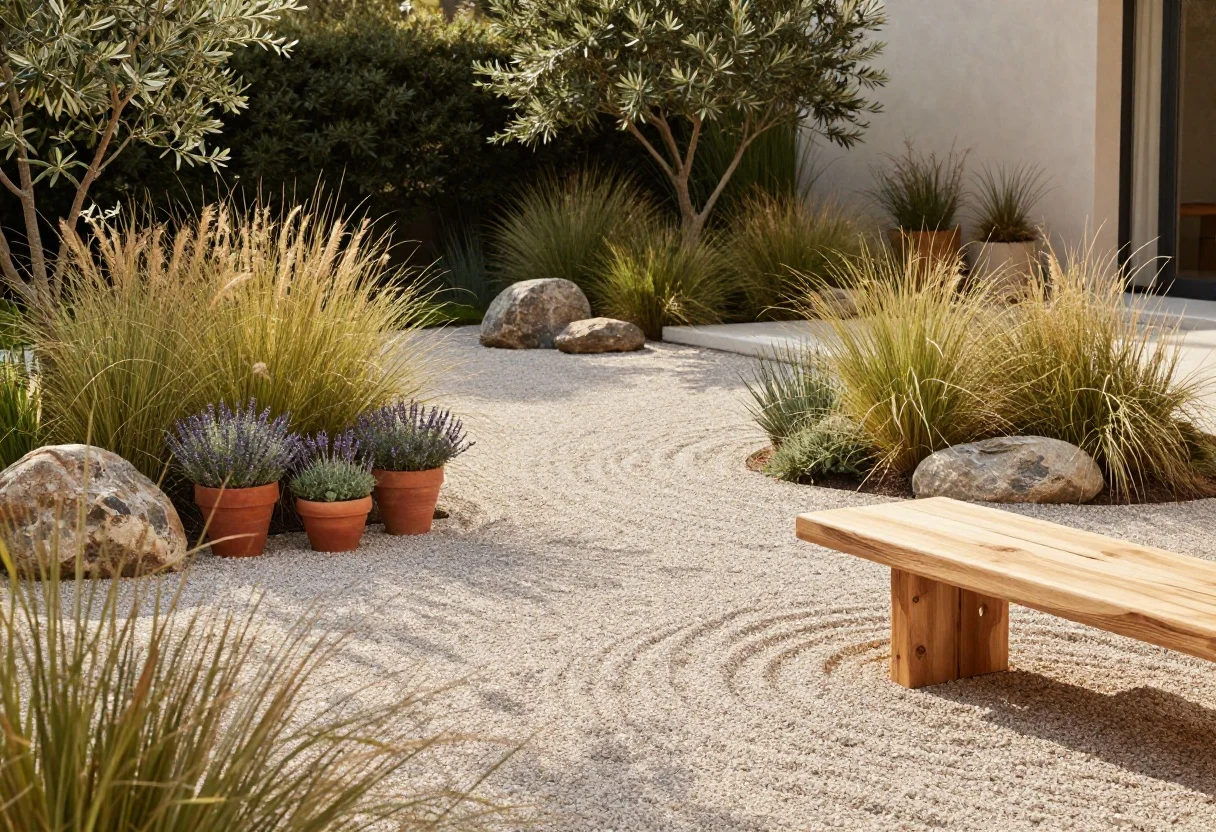
Want a garden that looks designer-level but doesn’t eat up your weekends? Enter the gravel garden. It’s chic, drought-savvy, and gloriously low-fuss. Think Mediterranean villa vibes without the irrigation system (or the flight). Below are seven ideas that blend style with ease—because your free time deserves better than endless weeding.
1. Layer Textures Like a Pro
© 2025 AI Illustrator — Inspiration Only
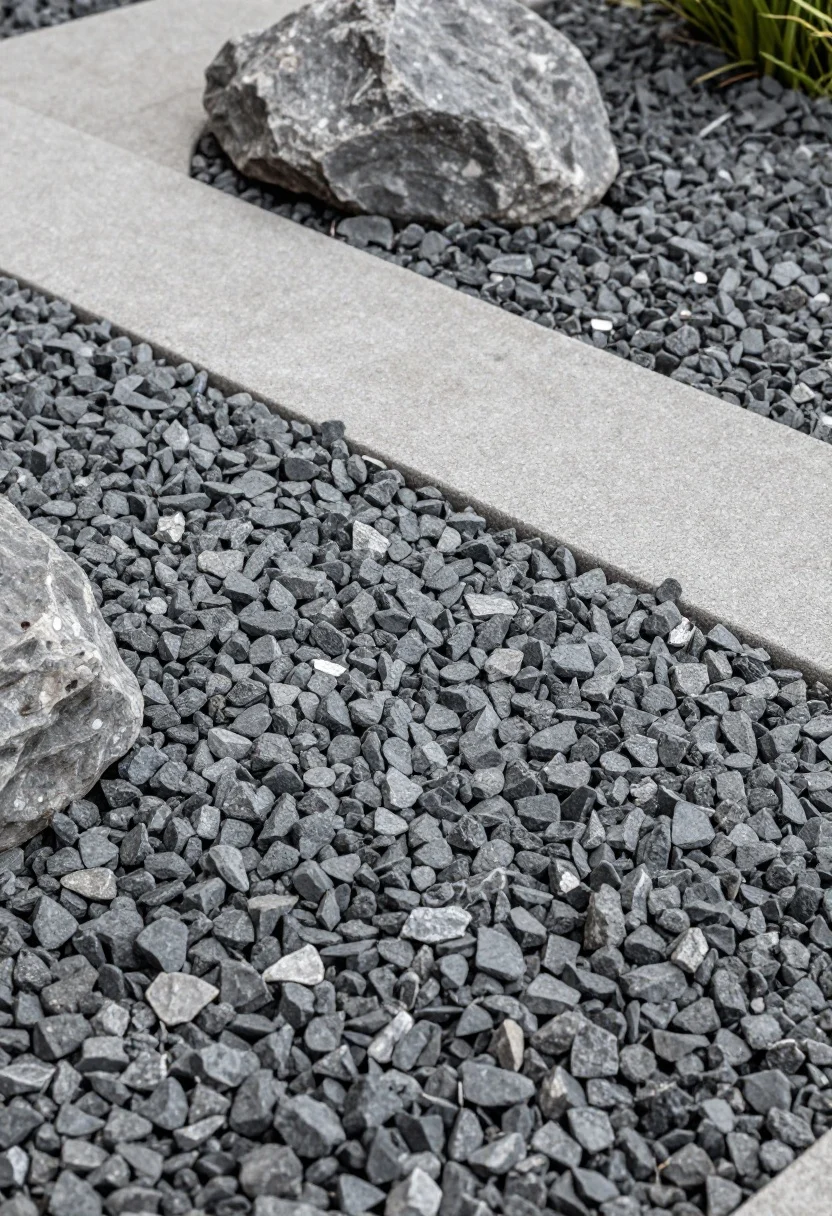
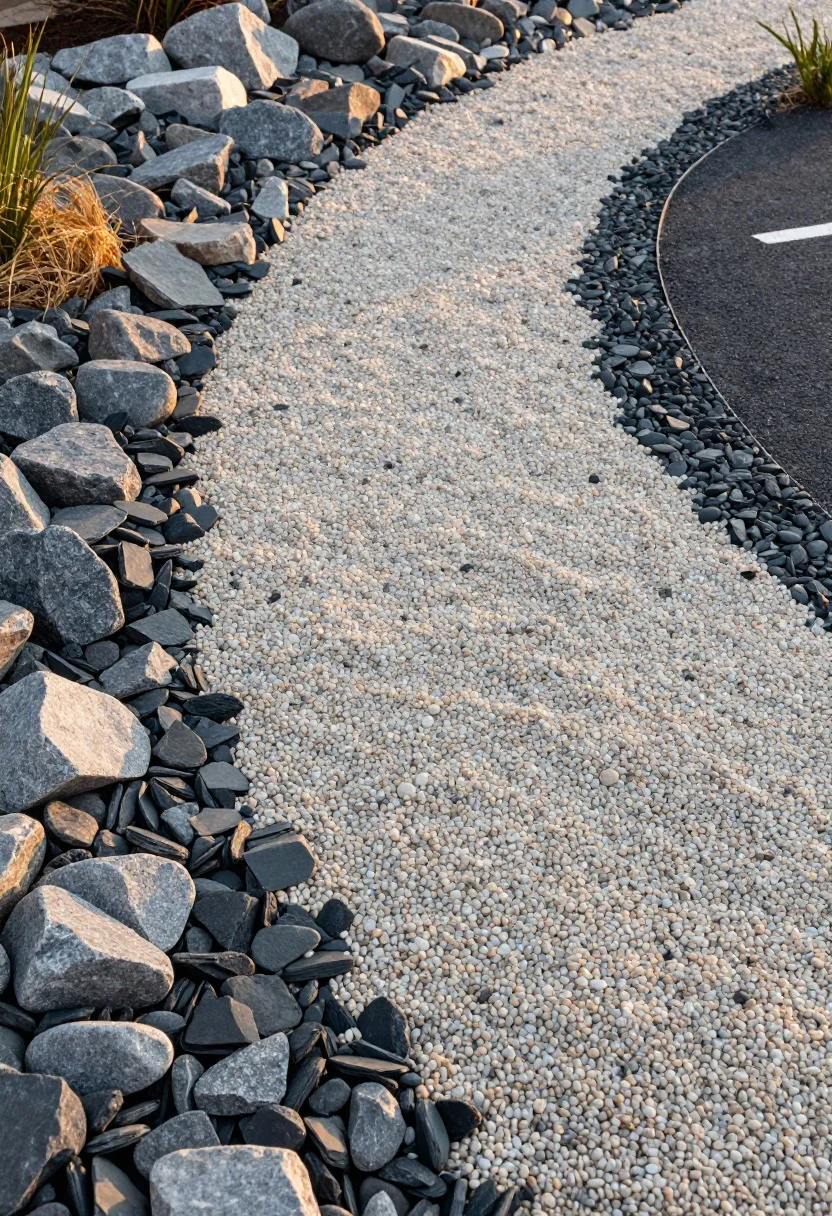
Flat gravel is fine. Textured gravel is fabulous. The secret is layering sizes and tones so the ground plane reads like a well-styled outfit, not a parking lot.
Start With the Right Base
- Foundation: Lay a compacted crushed stone base (3/4-inch minus), then top with 1.5–2 inches of decorative gravel.
- Weed control: Use a permeable landscape fabric, not plastic. It blocks weeds but lets water and air through.
Mix Your Gravel “Palette”
- Contrast sizes: Use pea gravel for paths, chunky river rock for edging, and angular grit near plants so it settles and stays put.
- Play with color: Cool gray limestone + creamy pea gravel + charcoal slate chips = instant depth. FYI, warmer tones (buff, honey) glow at golden hour.
Pro move: Create **soft transitions**. Instead of hard borders, let one texture feather into another. It looks natural and tricksy good.
2. Plant a Drought-Darling Palette
© 2025 AI Illustrator — Inspiration Only
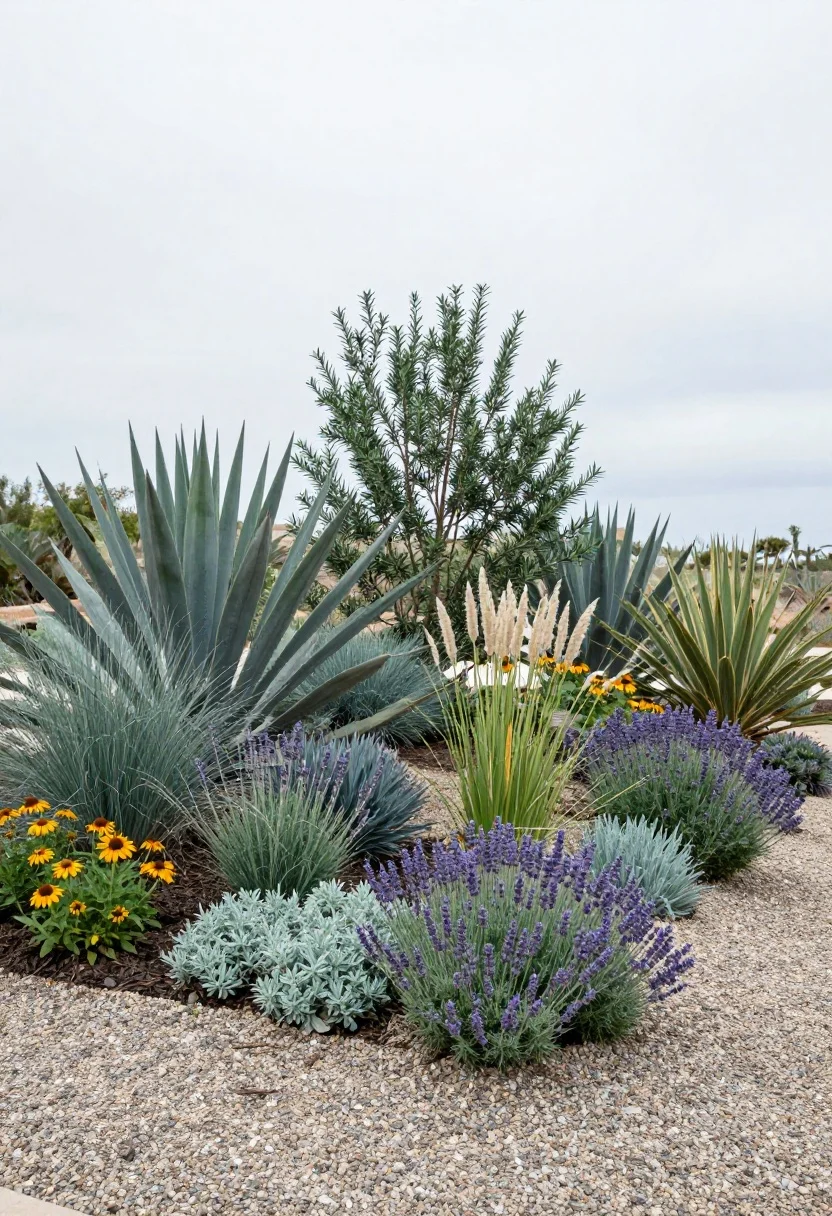
Gravel gardens shine with plants that love lean soil and less water. Think Mediterranean and prairie heroes with sculptural forms and long seasons of interest.
Build a Resilient Mix
- Architectural anchors: Agave, Yucca rostrata, dwarf olive, or rosemary standards.
- Flowing fillers: Stipa tenuissima, blue fescue, Carex oshimensis ‘Evergold’.
- Pollinator color: Lavender, Salvia nemorosa, Achillea, Gaura, Echinacea, Nepeta.
- Ground-huggers: Thyme, sedum, ice plant (Delosperma) weaving through gravel.
Plant in drifts, not singles. Groups of 3–7 look lush with less effort. Mulch right up to crowns with **grit or pea gravel** to prevent rot and suppress weeds. Bonus: the sparkle after rain is so satisfying.
3. Design Pathways With Purpose (And Crunch)
© 2025 AI Illustrator — Inspiration Only
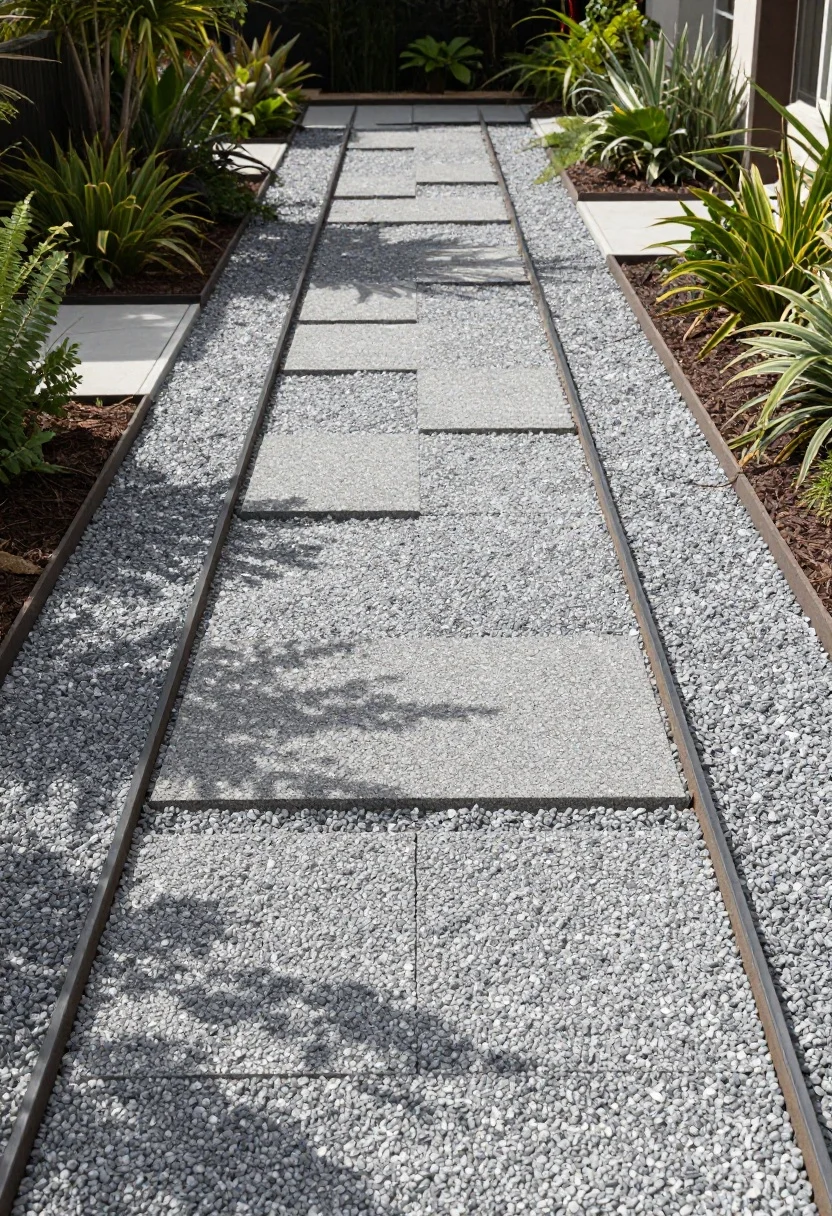
That satisfying crunch underfoot? Instant ambience. But pathways also guide the eye and traffic, making your space feel bigger and intentional.
Map the Flow
- Width matters: Everyday paths = 36 inches; casual garden meanders = 24–30 inches.
- Edge control: Use steel, brick, or cedar bender board to keep gravel tidy (and in its lane).
- Texture for traction: Choose **angular pea gravel (3/8-inch)**; it locks together better than rounded stones.
Want drama? Add **oversized pavers** or stepping stones set flush into the gravel. Leave 2–3 inches between each for a rhythmic, magazine-ready walkway that’s still wheelchair- and stroller-friendly if you keep them level.
4. Create Zones With Stone, Not Fences
© 2025 AI Illustrator — Inspiration Only
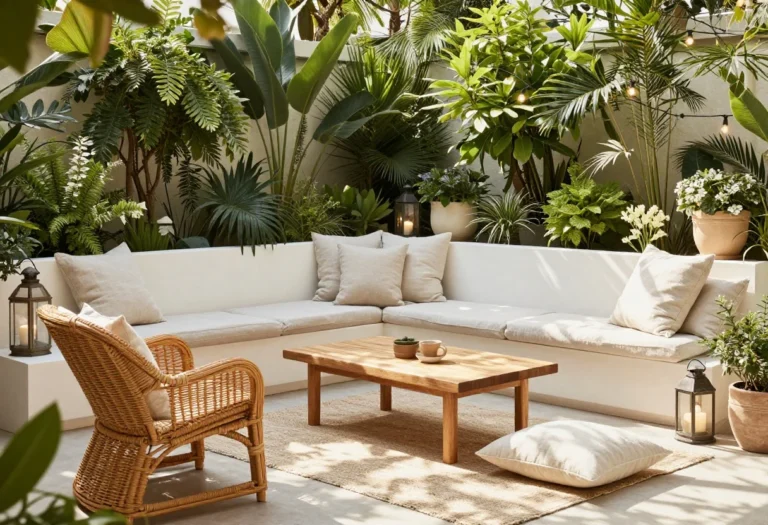
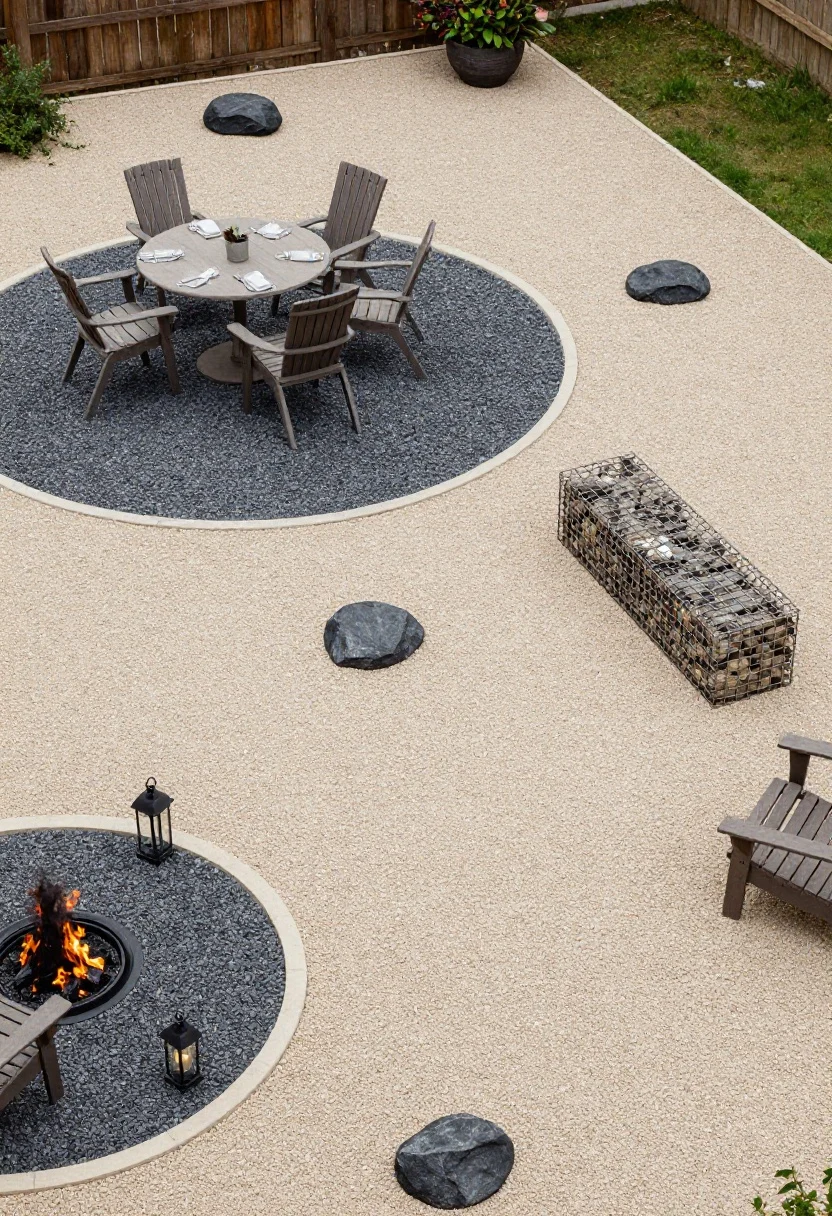
You don’t need big barriers to define spaces. Let **tone and texture** do the zoning—like an open-concept living room, but outside.
Zone Ideas That Work Anywhere
- Dining pad: Charcoal gravel “rug” with a pale border for a crisp bistro feel.
- Lounge nook: Warm buff gravel with a low gabion bench (wire cage + stones) for industrial-cool seating.
- Fire feature: Heat-safe, non-flammable gravel ring with a generous radius; add Adirondacks and lanterns.
Keep a consistent **accent stone** threading through all zones for cohesion—maybe the same edging or a repeated boulder type. It’s the outdoor version of matching door hardware. Subtle, but it ties everything together.
5. Style Containers Like a Mini Gallery
© 2025 AI Illustrator — Inspiration Only
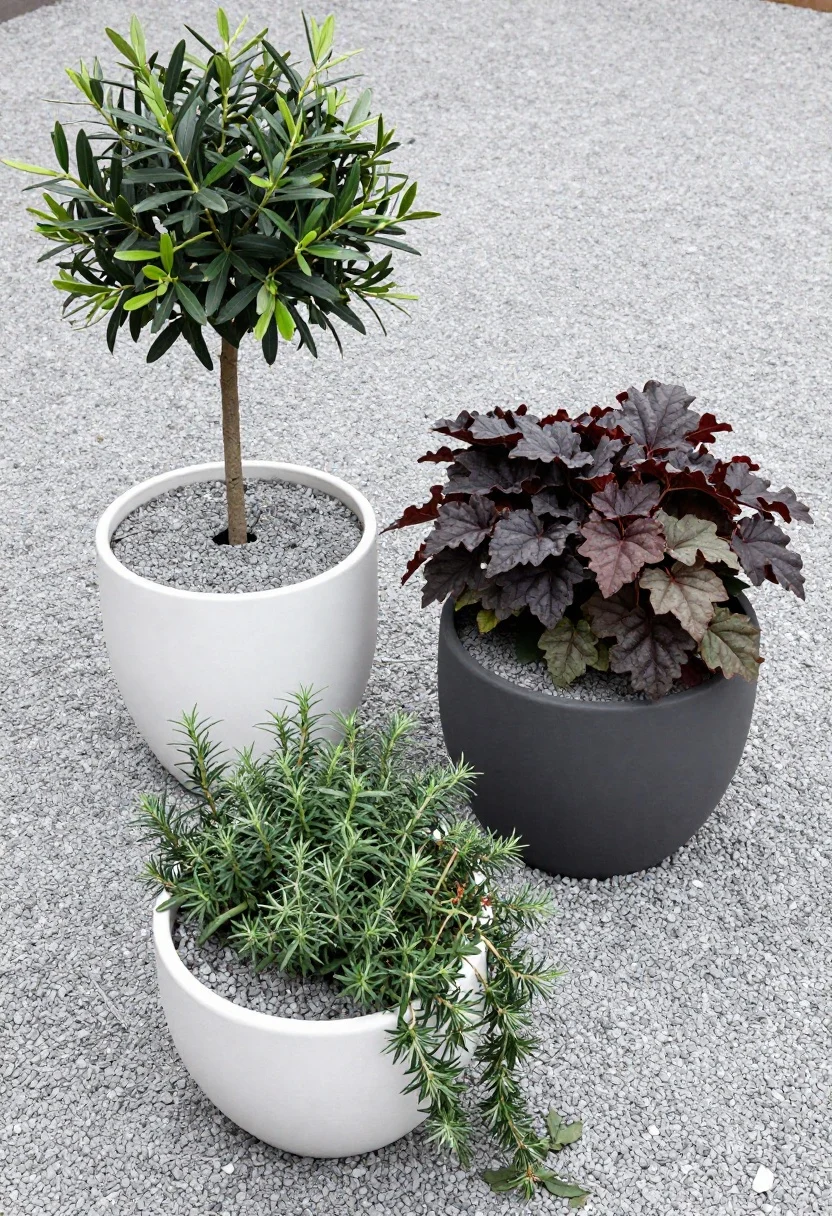
Large pots instantly elevate gravel. The contrast of smooth ceramic or raw corten steel against pebbles? Chef’s kiss. Plus, containers mean seasonal switch-ups with zero digging.
Go Big and Grouped
- Scale: Choose fewer, larger containers (18–24 inches wide). Small pots look busy and dry out faster.
- Trio rule: Group in threes: one tall thriller (olive, bay laurel), one mounding filler (heuchera, lantana), one trailing spiller (trailing rosemary, dichondra).
- Top-dress: Finish with **gravel mulch** in the pot to reduce splashes and keep the aesthetic consistent.
Color tip: If your gravel skews cool, go with **charcoal or white** pots. Warm gravel loves **terracotta and rusted metal**. IMO, matte finishes look more high-end outdoors.
6. Add Drama With Boulders, Water, and Light
© 2025 AI Illustrator — Inspiration Only
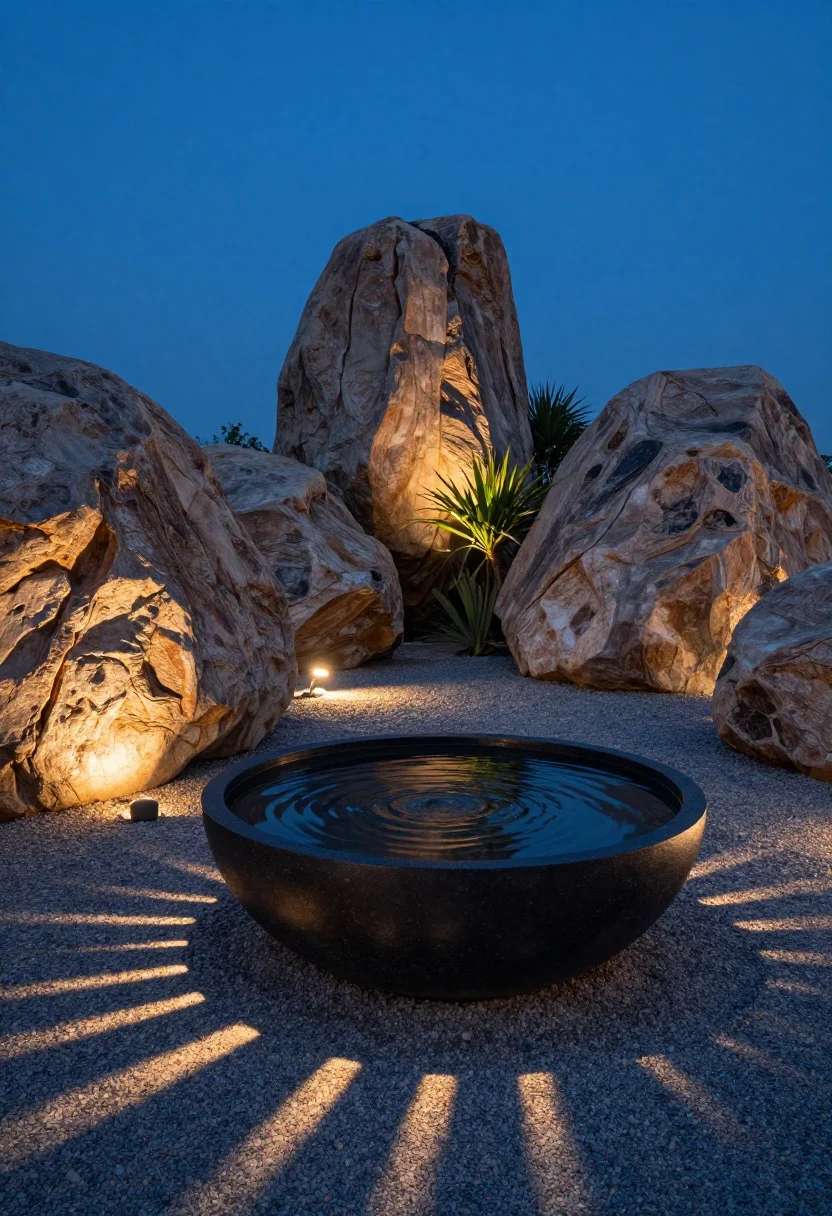
Minimal maintenance doesn’t mean minimal impact. A few strategic features can make your garden feel custom without becoming a chore.
Hardscape Highlights
- Boulders: Cluster odd numbers (3 or 5) half-buried so they look native. Vary sizes to avoid the “bowling ball” effect.
- Water bowl or rill: A recirculating basalt fountain adds sound and sparkle. Choose dark stone for mirror-like reflections.
- Lighting: Warm 2700K path lights skimming across gravel = magical shadows. Uplight a sculptural plant or feature boulder for instant drama.
Keep wiring neat in **conduit under the gravel**, and use solar only where you get solid sun. Otherwise, it’s dim and sad (we’ve all been there).
7. Make It Truly Low-Maintenance (The Smart Setup)
© 2025 AI Illustrator — Inspiration Only
Here’s the part where future-you throws confetti. Set it up right, and upkeep is laughably simple. Like, leaf-blower-and-done simple.
Installation Tips That Save You Years
- Grade for drainage: A gentle 2% slope away from structures prevents puddles and algae blooms.
- Choose the right gravel: **Washed, angular gravel** compacts better and tracks less than rounded beach pebbles.
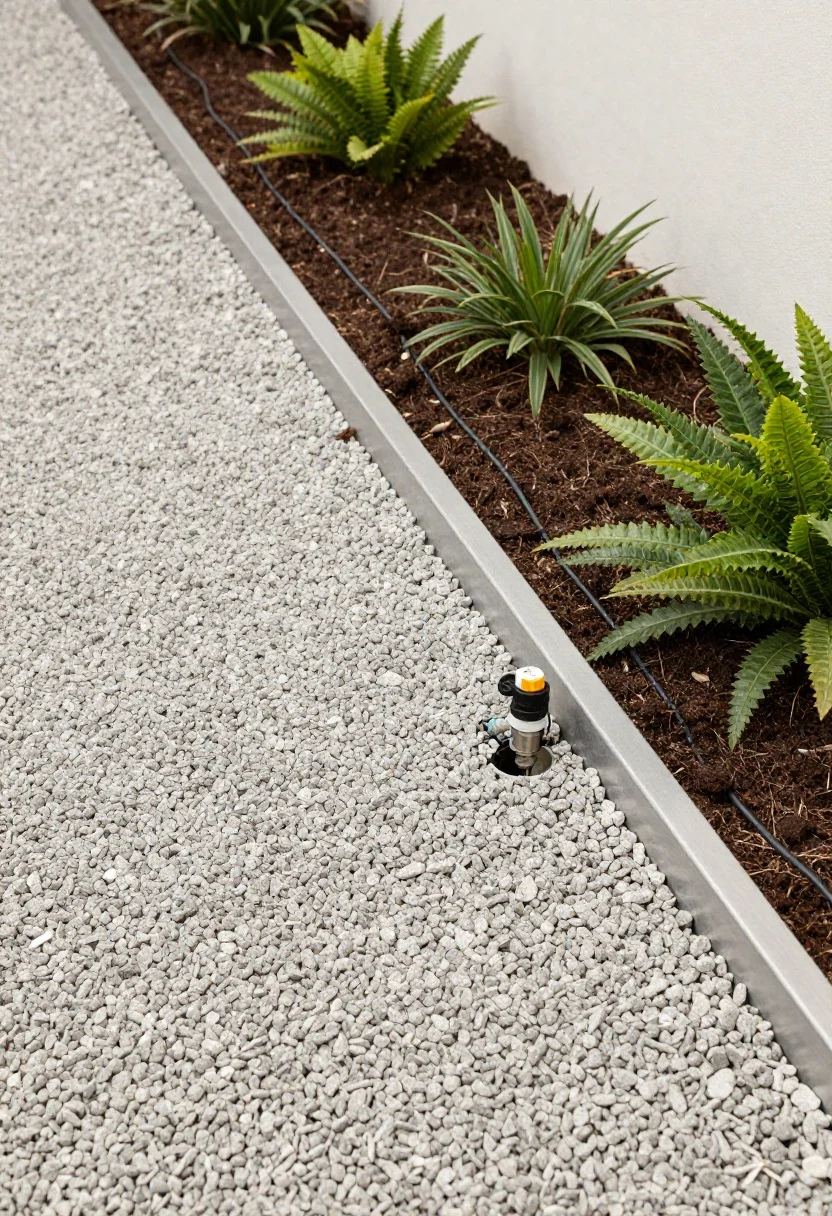
- Border everything: Even plant beds. A discrete steel edge keeps gravel from wandering into soil (and vice versa).
- Irrigate wisely: Drip lines under the gravel with pinpoint emitters. Hide a pressure regulator and filter at the source. Water deeply, infrequently.
Easy Ongoing Care
- Weeds: Spot-pull monthly; a flame weeder on damp mornings can be oddly therapeutic—just be safe.
- Top-ups: Add a thin fresh layer of gravel every 2–3 years to keep it crisp.
- Cleaning: Leaf blower on low, or a stiff broom on paths. Rake for that zen, groomed look before guests arrive. FYI: a wide aluminum landscape rake is a game-changer.
If pets track stones indoors, switch to slightly larger 1/2-inch chips near entry points or add a **paver threshold**. Problem solved.
Conclusion
© 2025 AI Illustrator — Inspiration Only
A gravel garden gives you maximum style with minimum drama—texture, color, and structure that thrives on neglect. Start with smart layers, plant drought stars, and let stone do the heavy lifting. Then kick back, listen to that satisfying crunch, and enjoy a space that looks curated year-round with barely any effort. Your weekends just sent a thank-you note.