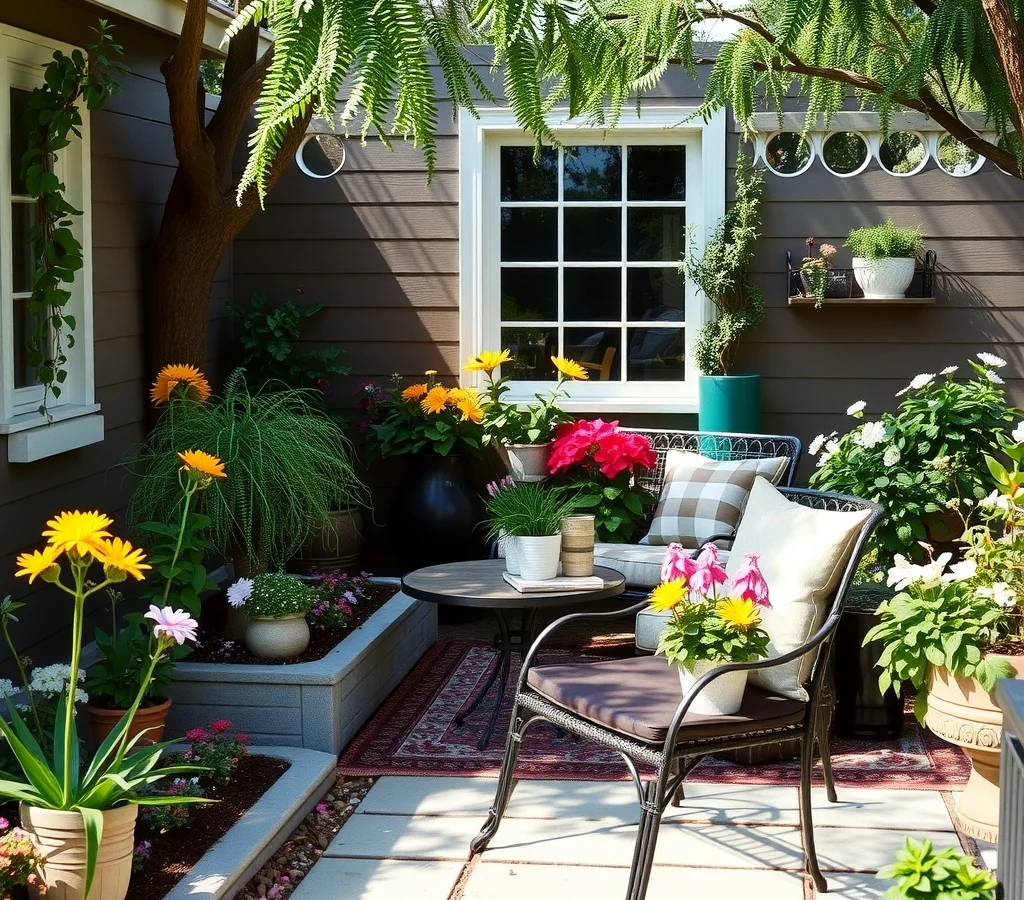
Spring Flower Bed Ideas for Colorful and Easy-to-maintain Gardens

When the first warm breezes arrive, many of us look to the yard for a quick way to add brightness without committing to a high‑maintenance landscape. A well‑planned flower bed can become a seasonal centerpiece, offering color, texture, and a sense of order while keeping the workload manageable. Below are seven garden‑design ideas that balance visual interest with practicality, so you can enjoy a lively spring display without spending every weekend weeding and replanting.
1. Layered Border with Low‑Growing Perennials
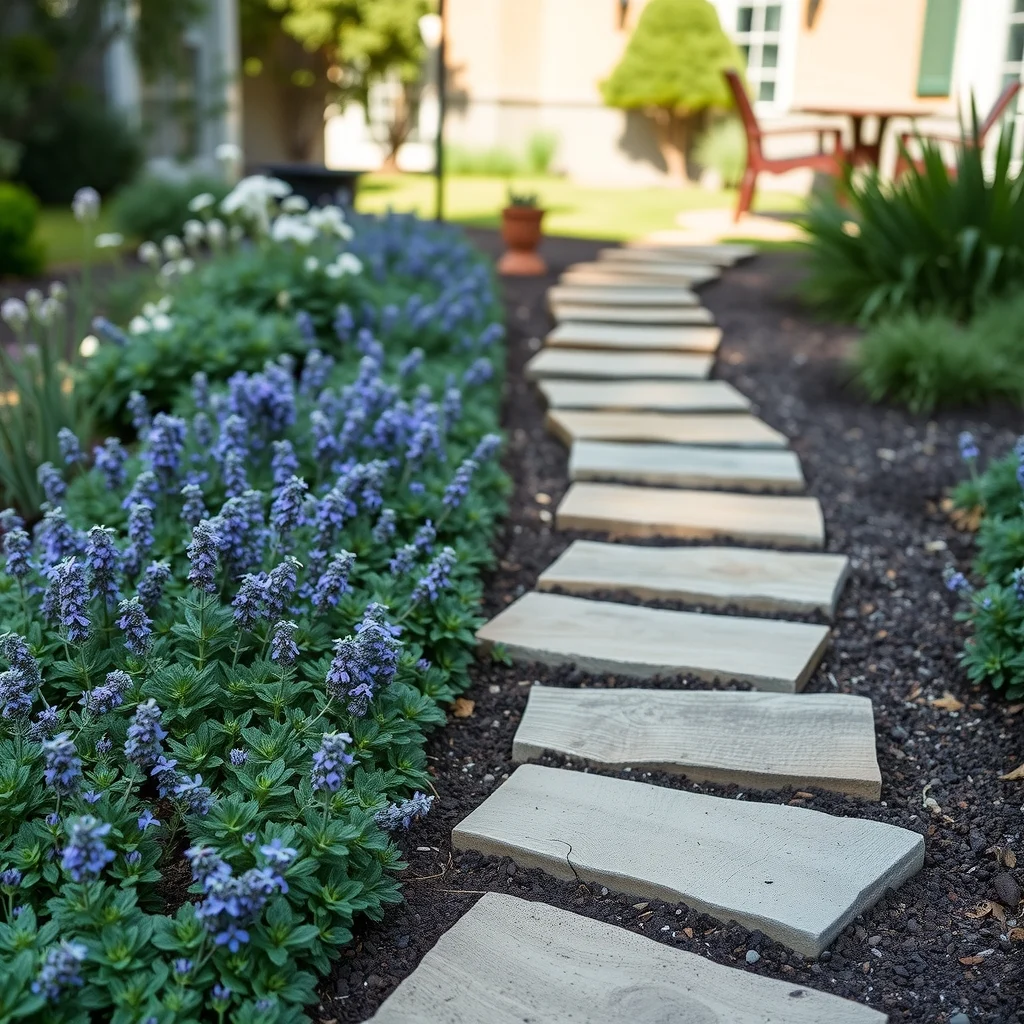
Starting at the edge of a pathway, plant a thin line of low‑growing perennials such as thyme, dwarf lavender, or creeping phlox. These plants stay under six inches tall, creating a subtle carpet that tolerates foot traffic and occasional trimming. Behind this base, introduce a mid‑height tier of foliage‑rich varieties like coreopsis or black-eyed Susan, which provide a soft, airy backdrop. The final layer can feature taller, showy spikes of coneflower or bee balm that draw the eye upward. This stepped arrangement works because each height class has its own watering and feeding needs, allowing you to address them separately. One trade‑off is the initial cost of purchasing multiple species, but the layered effect reduces the need for frequent deadheading; the taller blooms naturally fall away as the season progresses.
2. Repeating Color Blocks with Dwarf Shrubs
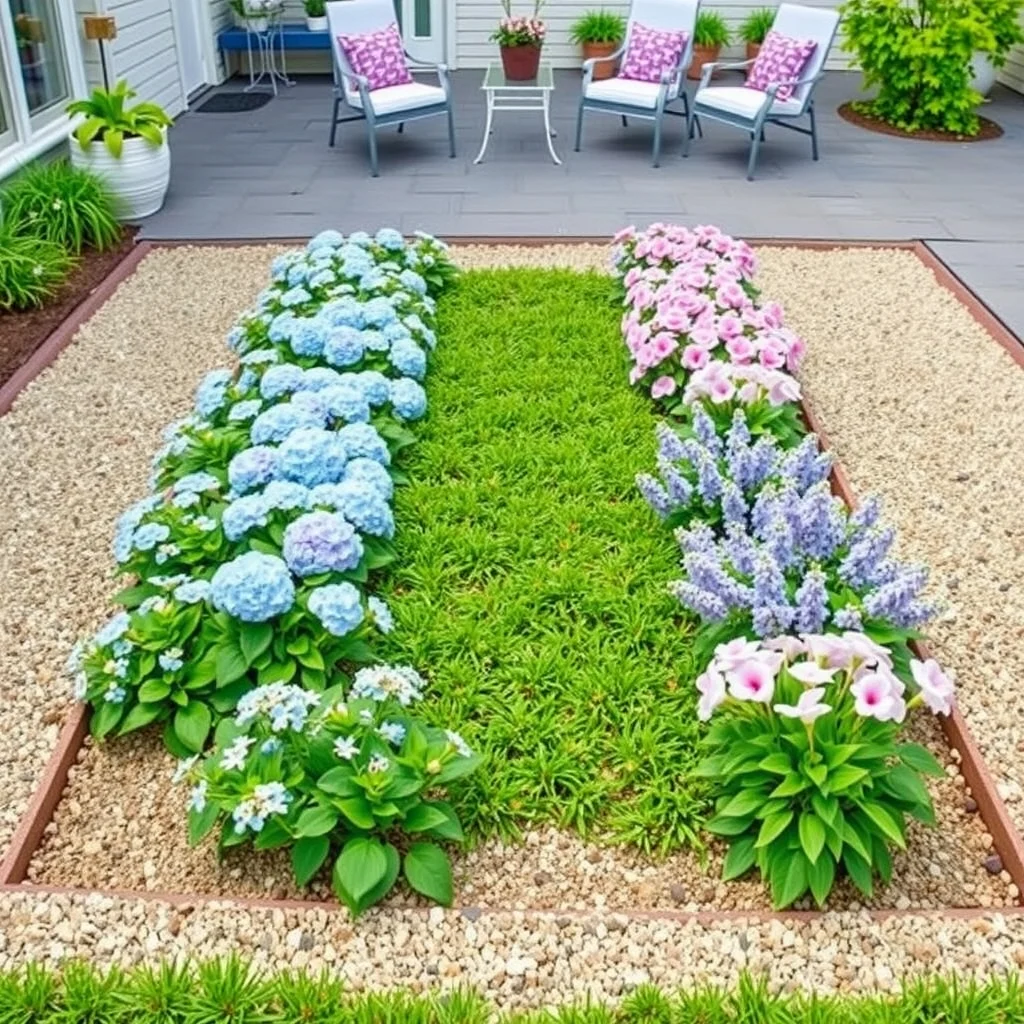
Divide the bed into a series of rectangular or square sections, each filled with a dwarf shrub that blooms in a distinct hue—think dwarf hydrangea in soft blue, dwarf rose in blush pink, and dwarf barberry with bright chartreuse foliage. By repeating the same plant in each block, you create a rhythm that feels organized yet playful. The compact size of dwarf varieties keeps pruning simple, and the consistent spacing makes irrigation easier to automate with a drip line. This method shines in gardens that receive both sun and partial shade, as you can position each block where its light requirements are met. The main limitation is that dwarf shrubs may need a winter protectant in colder zones, so plan for a light mulch cover to guard against frost.
3. Mixed‑Texture Meadow Strip
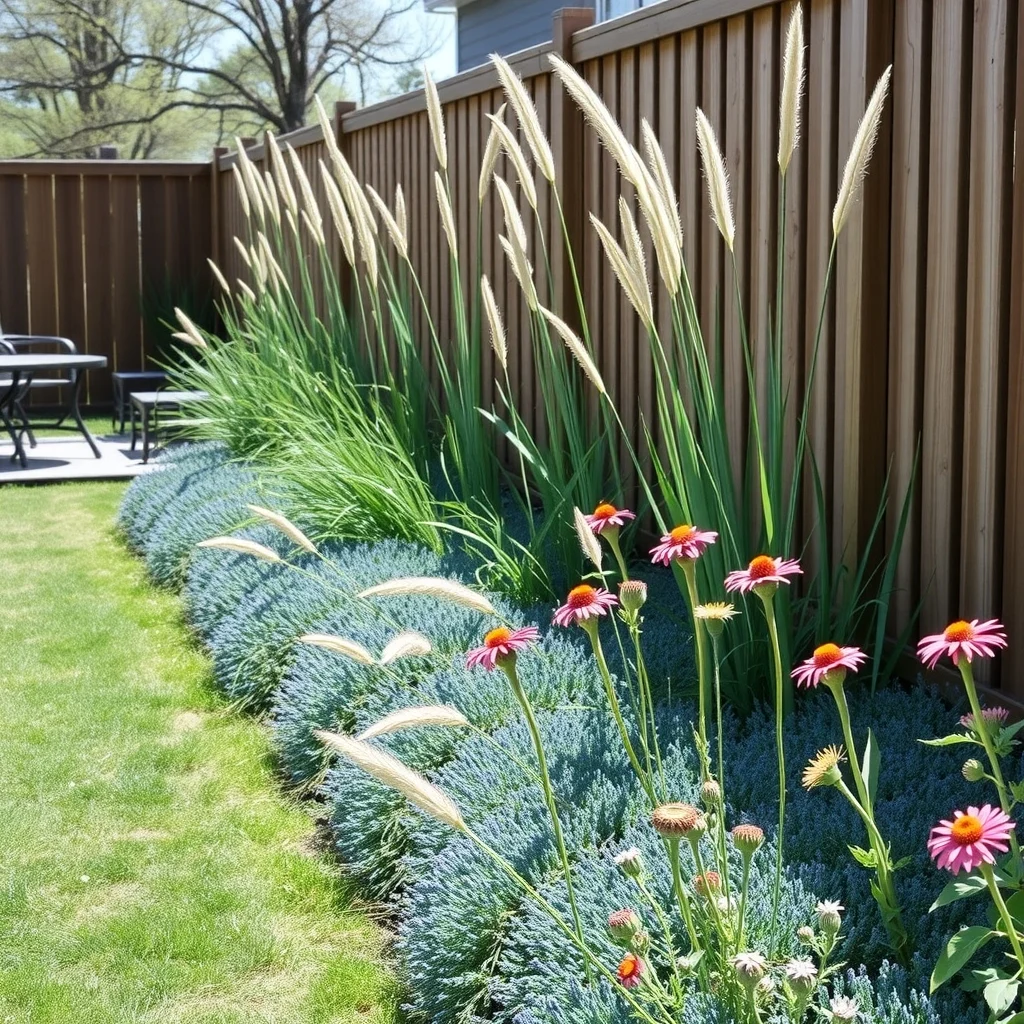
Allocate a narrow strip—about three feet wide—along a sunny fence and fill it with a mix of grasses and wildflowers. Ornamental grasses such as feather reed or blue fescue add vertical movement, while clumps of poppies, lupine, and cosmos provide bursts of color. The contrast between fine, swaying foliage and bold petals creates a dynamic scene that changes with the wind. Because grasses are drought‑tolerant once established, the overall water demand stays low, and the meadow strip self‑seeds, reducing the need for replanting each year. A potential downside is that the meadow can become a seed source for unwanted weeds, so an early spring sweep to remove stray seedlings helps maintain the intended look.
4. Raised Bed with Modular Planting Grid
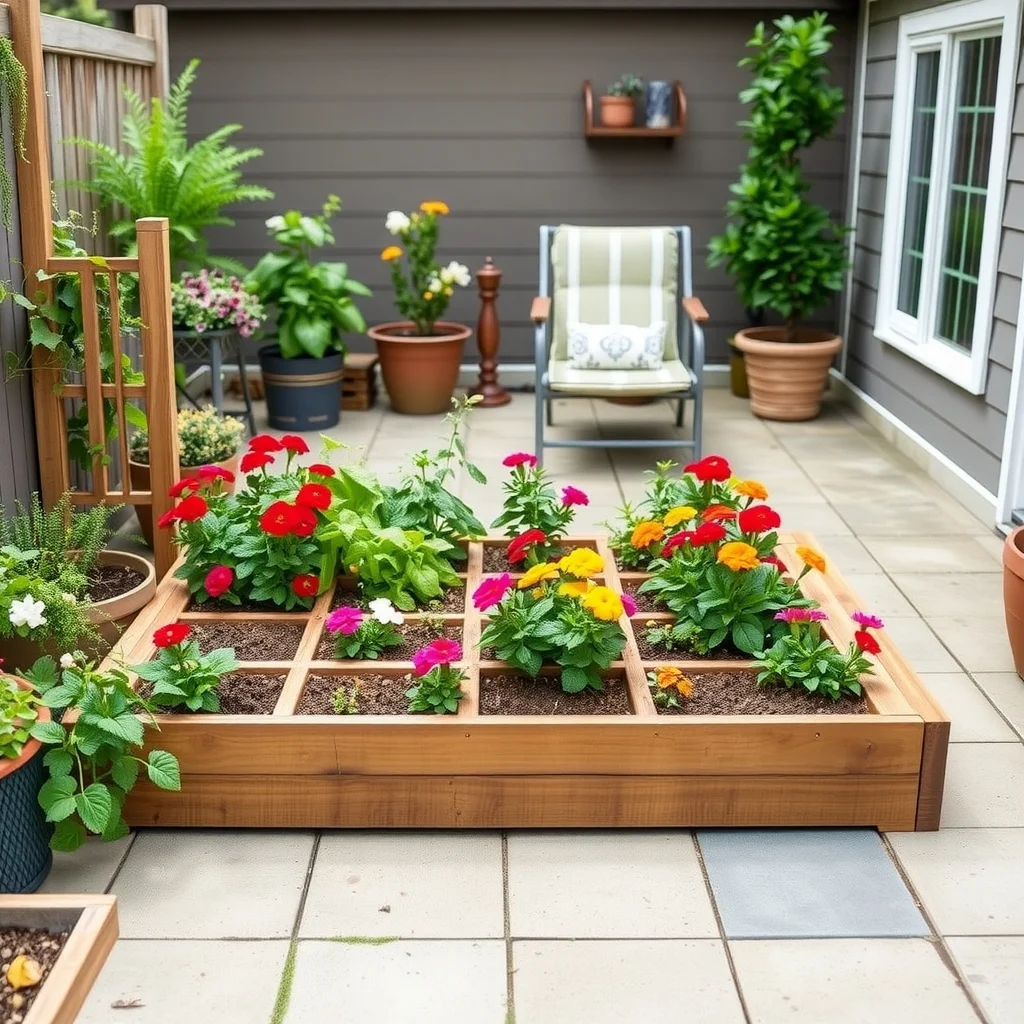
Construct a raised bed using cedar planks and install a simple grid of wooden or metal squares on the surface. Within each square, plant a single species—such as geraniums in red, marigolds in orange, or sweet peas in violet—following a repeating pattern. The raised design improves drainage and keeps soil from compacting, while the grid makes it easy to swap out a plant that has finished blooming for a later‑season variety. This approach is especially useful for gardeners with limited mobility, as the raised height reduces the need to bend. The primary consideration is ensuring the frame is sturdy enough to hold the soil weight; reinforcing the corners with metal brackets can prevent warping over time.
5. Curved Bed with Seasonal Color Swaps
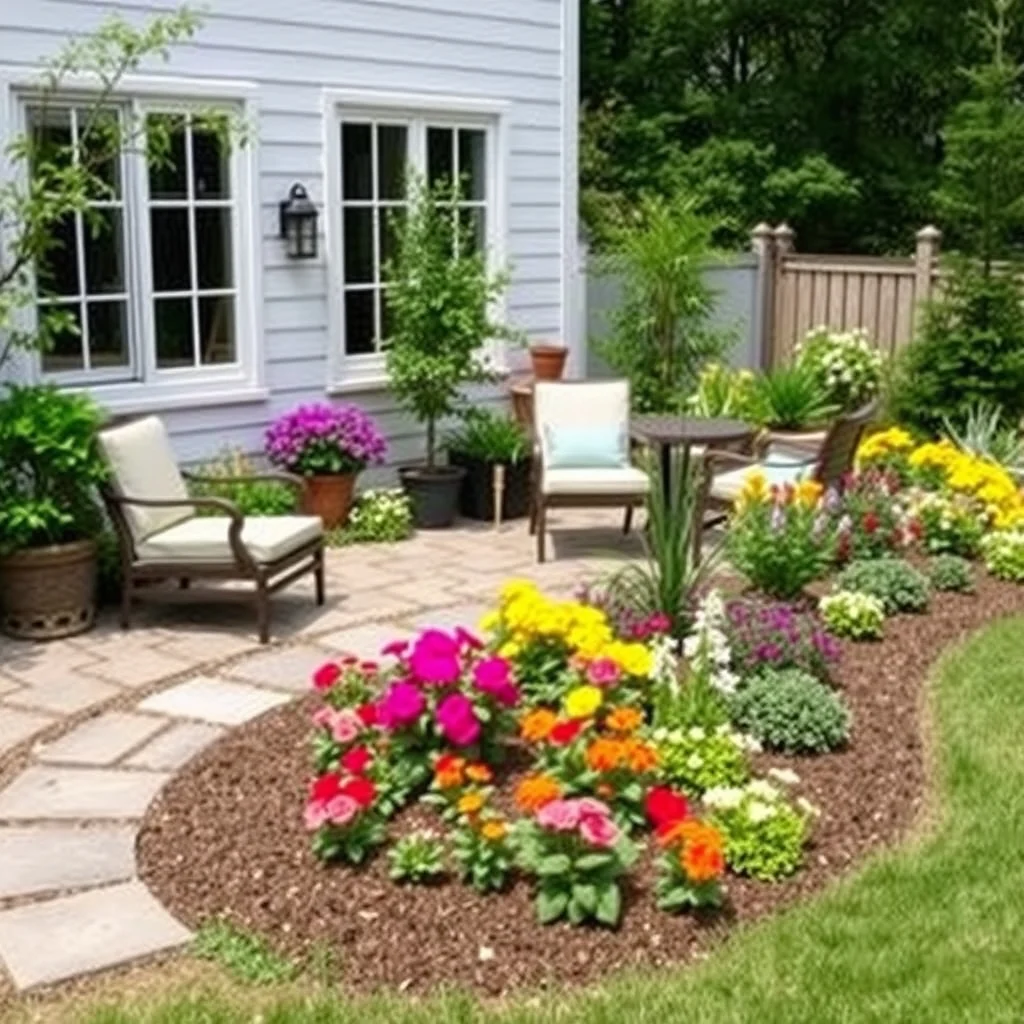
A gently curving flower bed softens the hard lines of a rectangular garden and invites the eye to follow its flow. Plant a series of low‑maintenance annuals—such as petunias, impatiens, and calendula—along the outer curve, choosing colors that complement each other, like a gradient from lemon yellow to deep magenta. When the first flush fades, replace only the outermost row with a new set of seedlings, keeping the inner plants in place. This “outer‑ring” refresh strategy extends the visual impact of the bed throughout spring and early summer without a full replant. The curve does require a bit more planning for soil preparation, as the shape can create pockets where water pools; a light grading toward the center helps maintain even moisture.
6. Integrated Seating Nook with Potted Borders
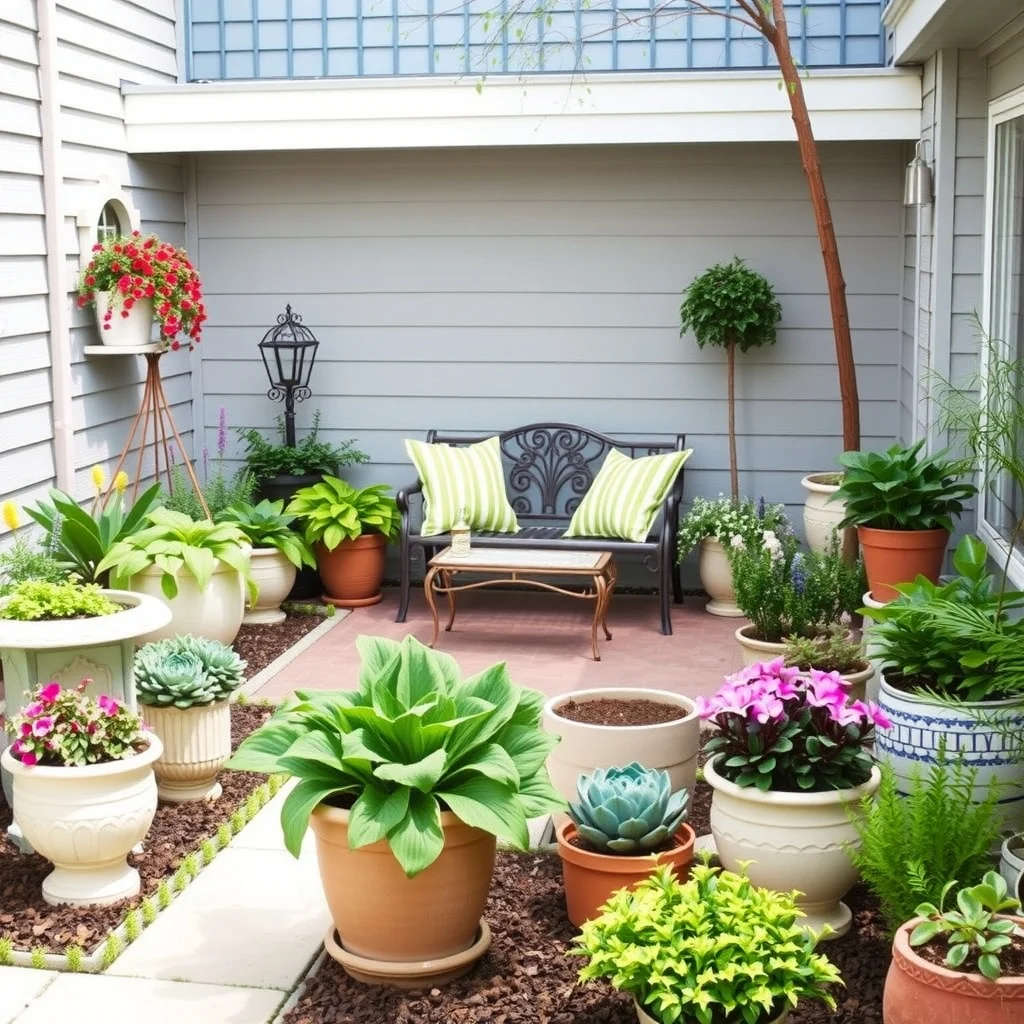
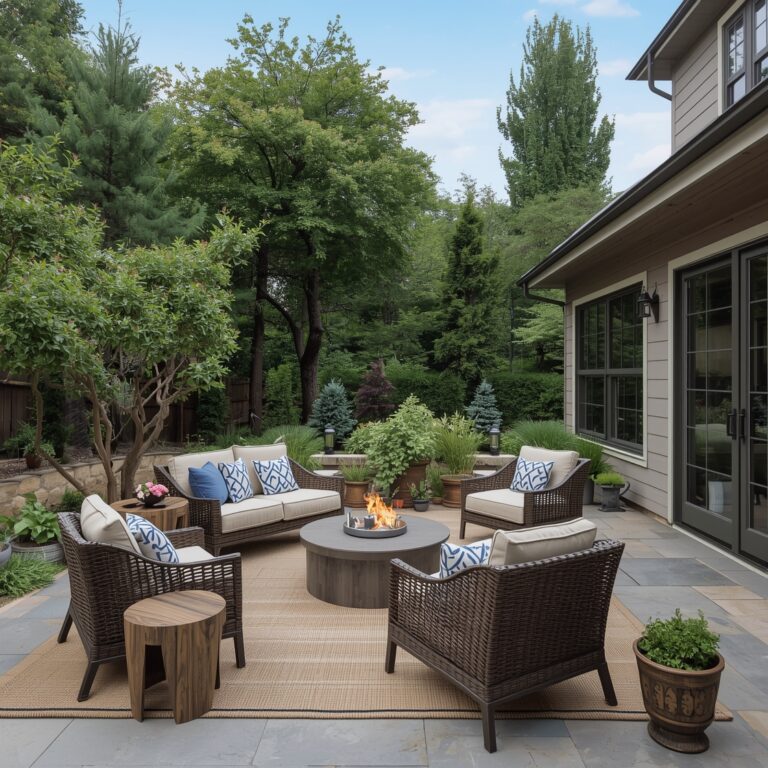
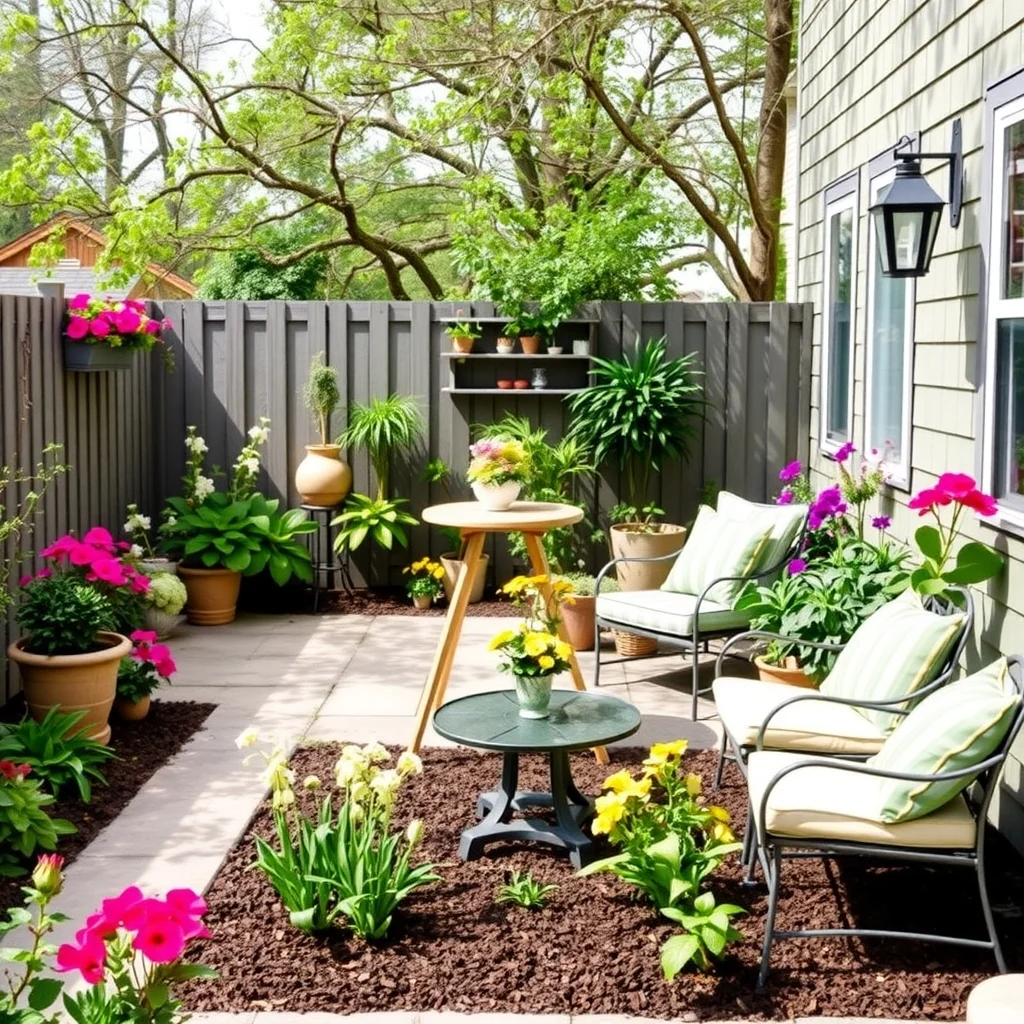
Place a modest bench or a pair of weather‑resistant chairs at the center of the flower bed, then surround the seating area with large, decorative pots filled with compact plants like dwarf begonias, ornamental kale, or dwarf iris. The pots act as movable borders, allowing you to rearrange colors or replace a plant without disturbing the surrounding ground planting. This setup adds a functional focal point, encouraging you to linger and enjoy the garden’s scent and hue. Because the pots contain soil that drains quickly, they reduce the risk of water‑logging that can affect nearby perennials. One consideration is the weight of the filled pots; using lightweight composite containers can ease the effort of moving them when you wish to change the layout.
7. Light‑Reflective Mulch with Accent Flowers
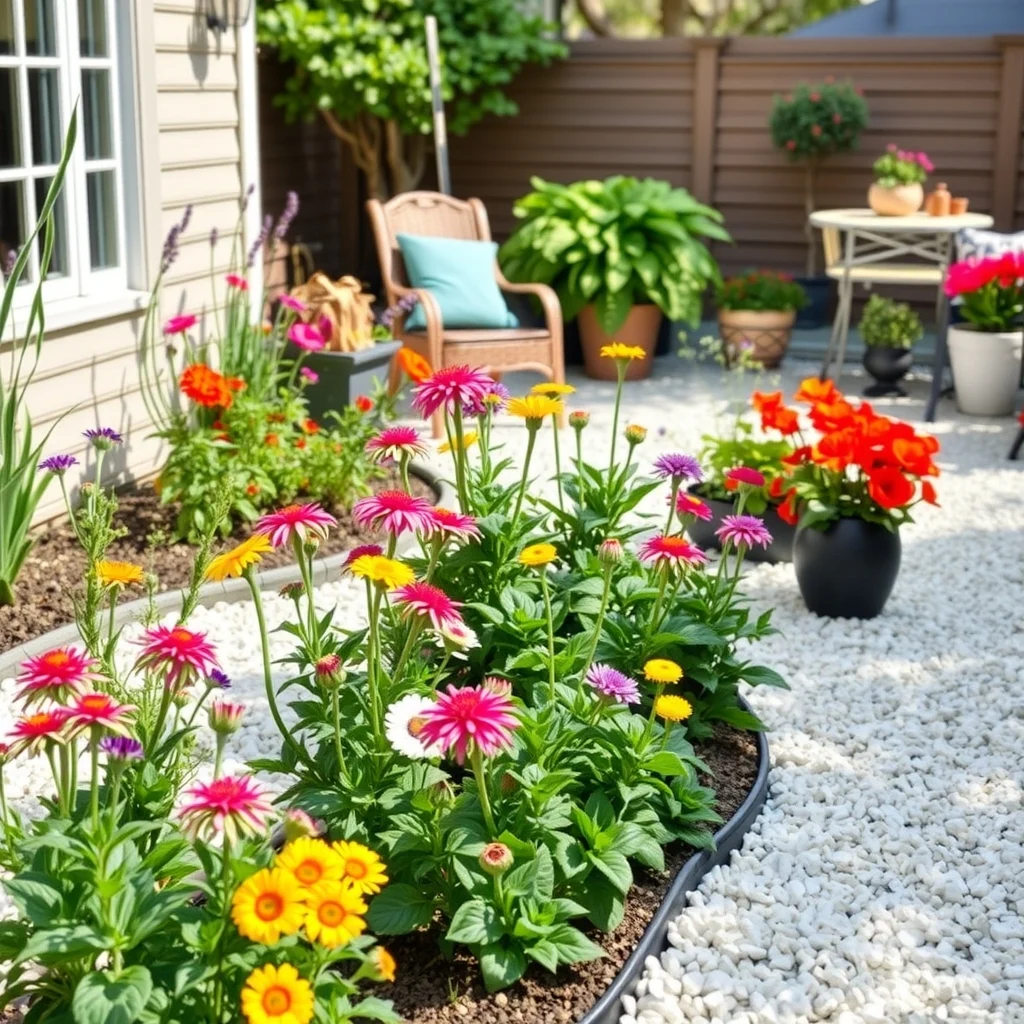
Apply a light‑colored mulch—such as white pea gravel or finely crushed limestone—across the entire bed. The bright surface reflects sunlight, keeping the soil a few degrees cooler and highlighting the colors of the plants that sit atop it. Choose a handful of accent flowers with bold tones, like red gerbera daisies, purple salvia, or orange nasturtiums, to stand out against the neutral backdrop. The reflective mulch also suppresses weeds, which cuts down on the time spent pulling unwanted shoots. A drawback is that lighter mulch can become hot in midsummer, so it works best in regions where spring temperatures are moderate and the garden receives morning sun rather than intense afternoon heat.
Frequently Asked Questions
How often should I water a spring flower bed?
Water deeply once a week if rainfall is insufficient, aiming for the soil to stay moist but not soggy. Early morning watering reduces evaporation and helps prevent fungal issues.
Can I use the same plants year after year?
Perennials such as coreopsis, coneflower, and dwarf lavender will return each spring, while annuals need to be replanted. Mixing both types gives you continuity and fresh color each season.
What is the best way to control weeds without chemicals?
Lay a layer of organic mulch—like shredded bark or straw—over the soil after planting. It blocks sunlight from weed seeds and retains moisture for the desired plants.
Do I need to fertilize my spring flower bed?
A light application of a balanced, slow‑release fertilizer in early spring supplies the nutrients most new growth demands. Over‑fertilizing can lead to lush foliage at the expense of blooms.
How can I protect my flower bed from early frosts?
Cover delicate plants with a breathable frost cloth or a row cover when night temperatures dip below freezing. Removing the cover during the day allows sunlight to warm the soil.
Final Thoughts
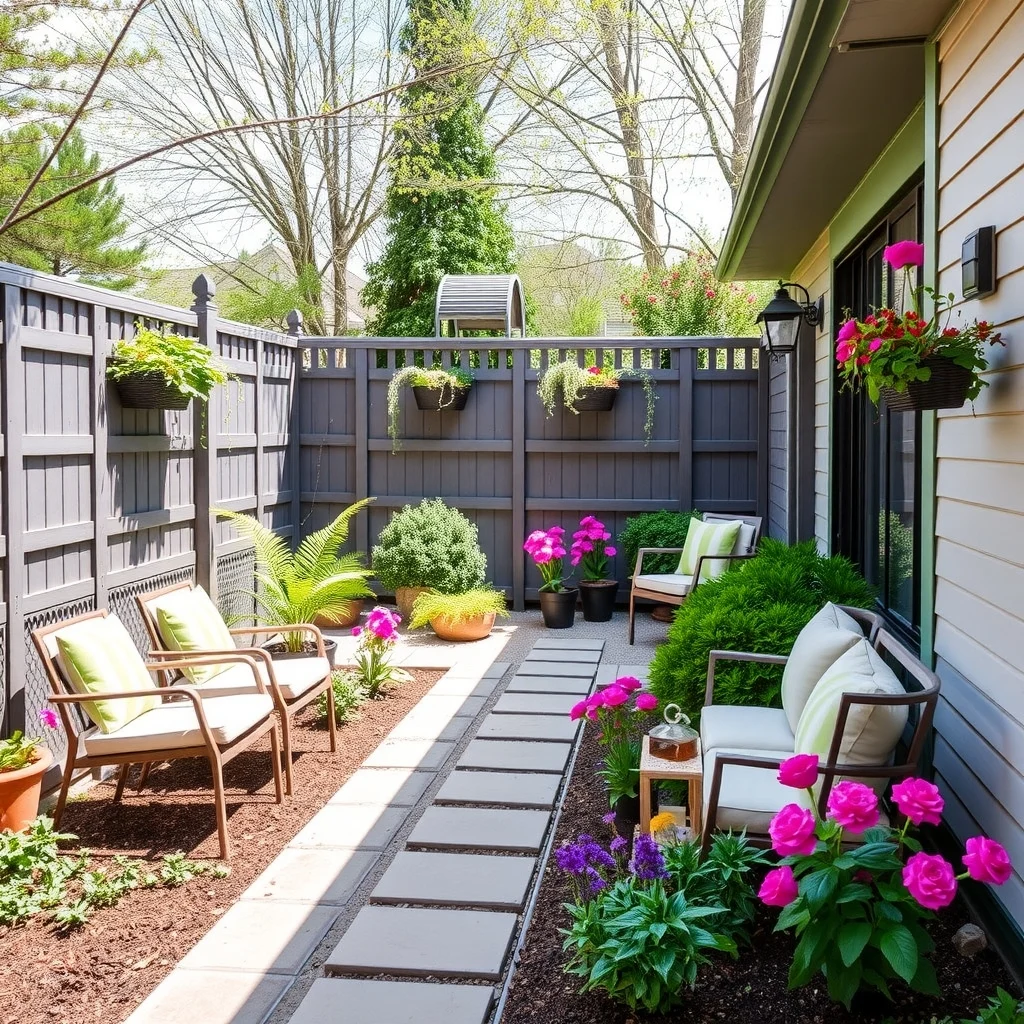
Designing a spring flower bed that bursts with color while staying low‑maintenance is less about chasing the newest trend and more about understanding how plants, light, and layout interact. By selecting the right mix of perennials, dwarf shrubs, and strategic accessories, you can create a garden space that invites admiration and requires only modest upkeep. Whether you opt for a layered border, a modular raised bed, or a reflective mulch surface, each approach offers a pathway to a vibrant yard that welcomes the season and fits comfortably into your lifestyle.