
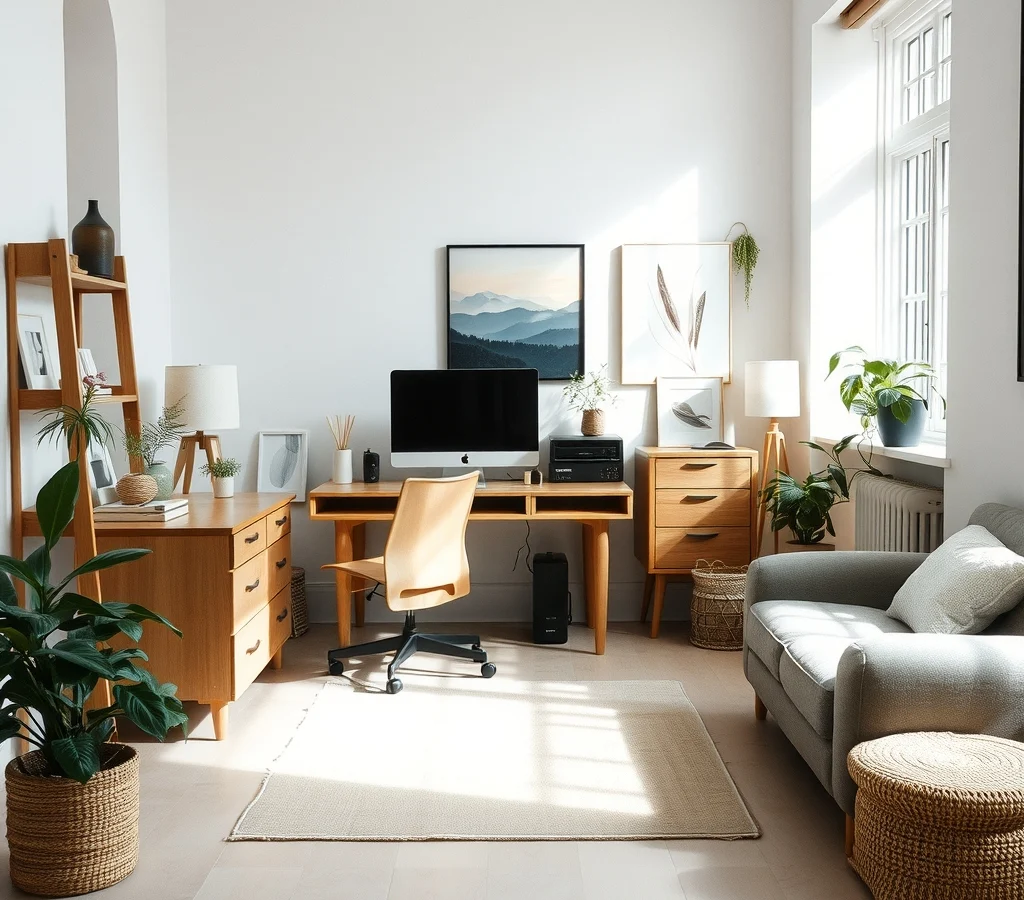
How to Create a Home Office in a Small Apartment
Living in a compact apartment often means every square foot has to earn its place. When you need a dedicated spot for work, the challenge is to blend productivity with the comfort of home without sacrificing style. This guide walks you through seven practical ideas that turn a modest corner into a functional office, while keeping the overall apartment feeling open and welcoming.
1. Pick a Quiet Nook That Serves More Than One Purpose
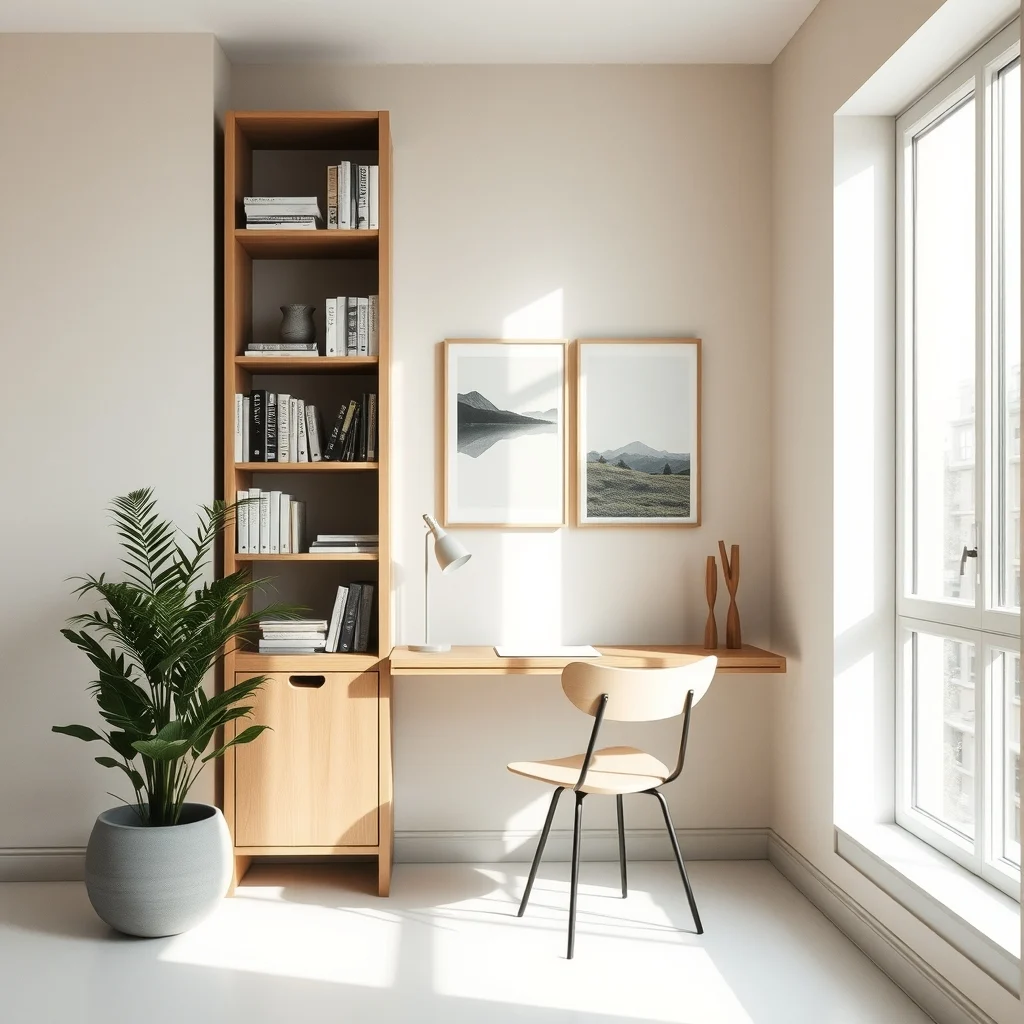
Start by surveying the floor plan for a space that already receives natural light but stays out of the main traffic flow. A corner beside a window, the space behind a bookshelf, or even a hallway alcove can become a work zone that feels separate from the living area. By positioning the desk near a source of daylight you reduce reliance on harsh overhead lights, and the view of the street or a tree can offer a subtle visual break during long tasks. If the apartment lacks a true corner, a lightweight room divider made of frosted glass or woven bamboo can create a visual boundary without cutting off airflow. The divider also doubles as a place to hang a few hooks for headphones or a small bag, keeping the area tidy while preserving an open feel.
A More Beautiful Home
Starts With a Smart Plan.
Discover digital decorating guides, home organization planners and practical resources to help you make the most of your space.
Get more inspiration for less.
Livana Studio
2. Choose Furniture That Fits the Scale of the Room
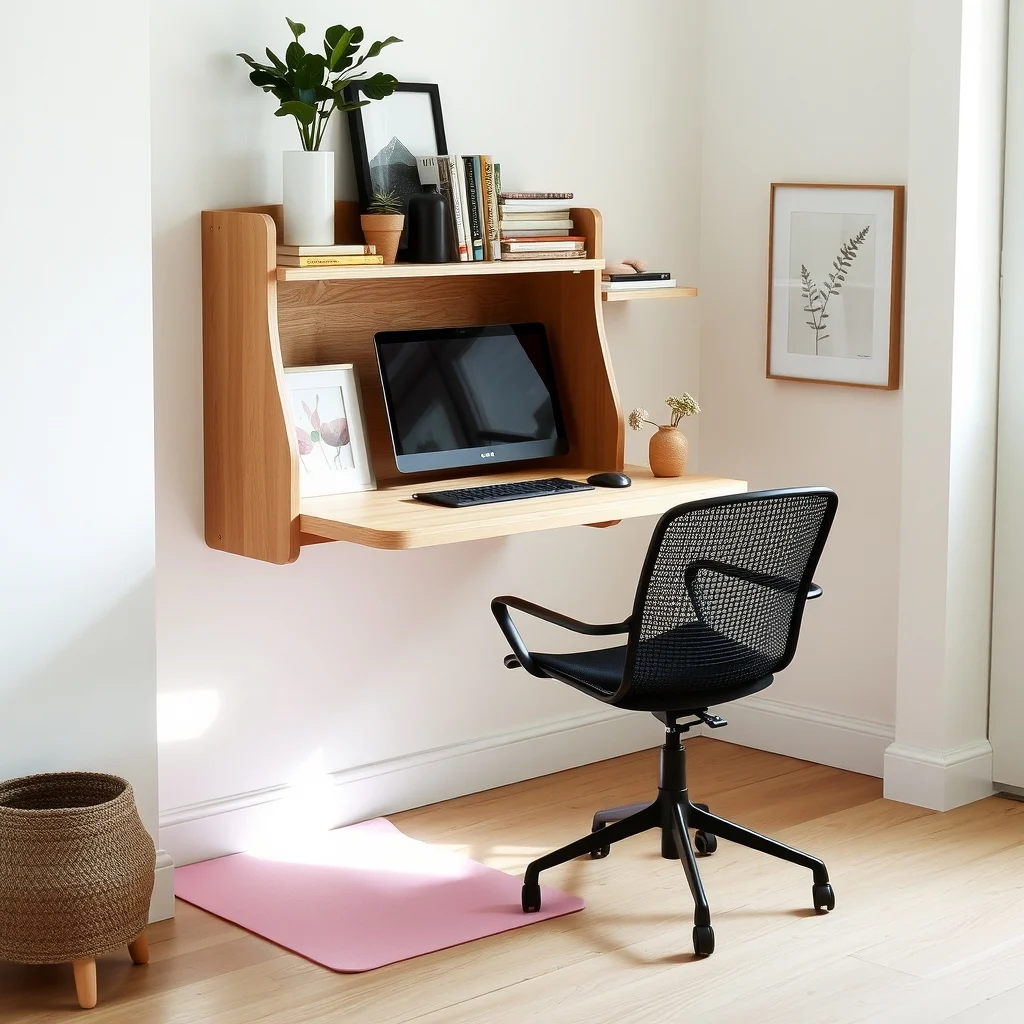
A bulky desk can dominate a studio, so look for pieces that sit lightly on the floor. A wall‑mounted drop‑leaf desk folds up when not in use, freeing the space for yoga or dinner. If a free‑standing option is preferred, a narrow writing desk with tapered legs leaves room for a slim chair and a narrow rug underneath. Multi‑functional furniture, such as a bench that opens to reveal storage, adds seating without requiring a separate chair. By keeping the footprint small, you maintain clear pathways and avoid the cramped feeling that often accompanies too much furniture in a limited area.
3. Layer Light to Support Focus and Relaxation
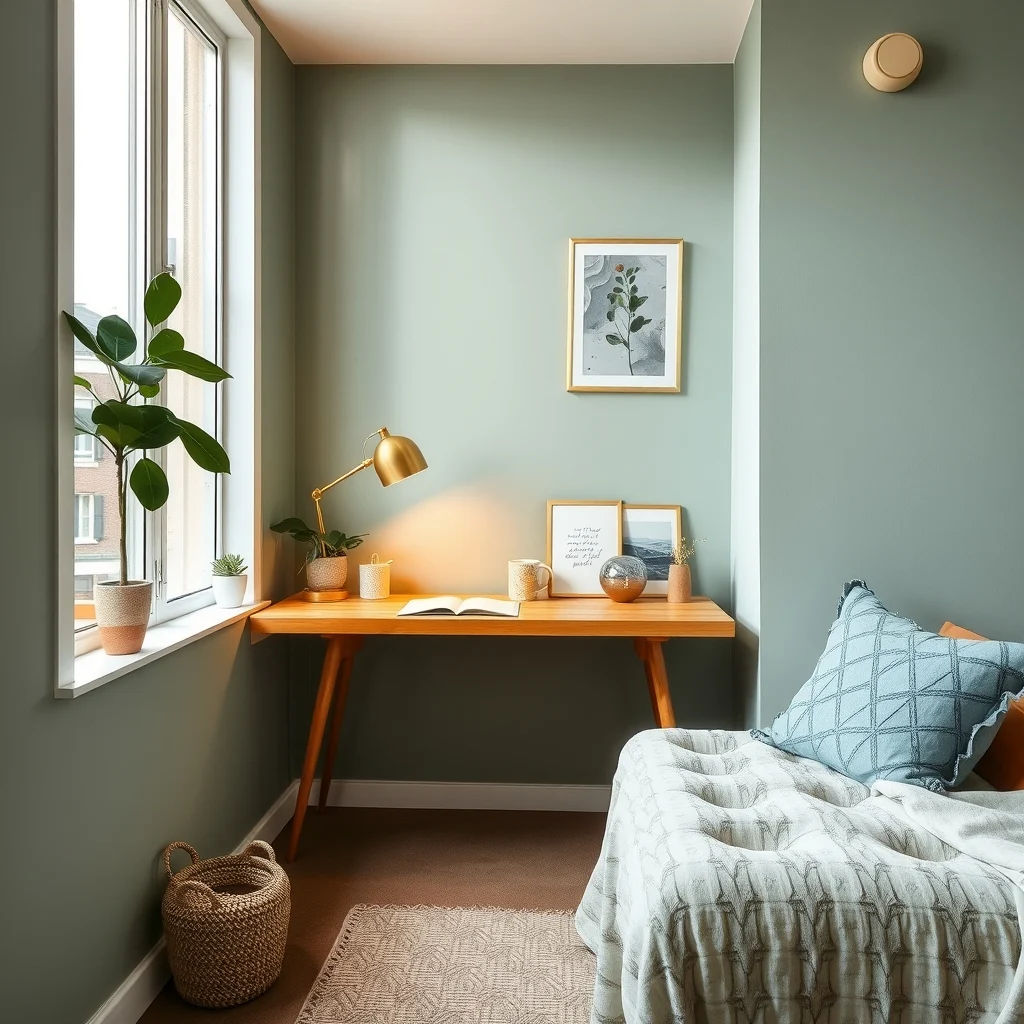
Good lighting is essential for eye health and mood, especially when the room doubles as a living space. Position the desk so that daylight washes over the work surface from the side, which reduces glare on screens. Complement the natural light with a task lamp that offers adjustable brightness; a brushed‑metal arm lamp can be angled precisely for reading or drawing. Adding a soft floor lamp in the corner creates ambient illumination for evenings, allowing you to switch from a bright, alert setting to a gentler glow without turning the whole apartment on. This layered approach lets you control the intensity of light throughout the day, keeping the space functional and inviting.
4. Store Vertically to Preserve Floor Space
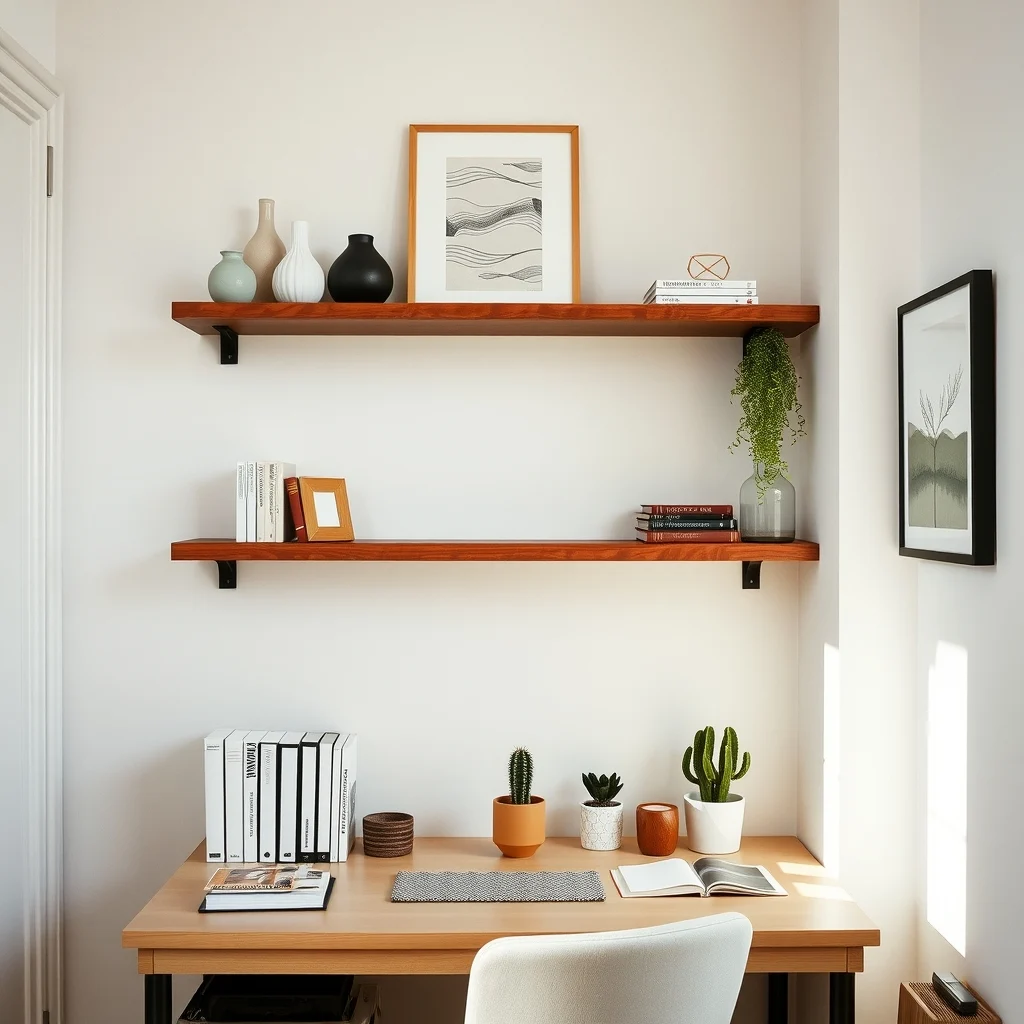
When floor area is at a premium, think upward. Floating shelves installed above the desk provide immediate access to notebooks, reference books, and decorative objects without encroaching on the work surface. A narrow tall cabinet can hold printer paper, office supplies, and a small filing system, keeping everything out of sight but within reach. Baskets woven from natural fibers slide onto the lower shelves, offering a place for cables or a reusable coffee cup. By using the wall as a storage canvas, you keep the floor clear for movement and maintain a streamlined appearance.
5. Apply a Calm Color Palette to Encourage Concentration
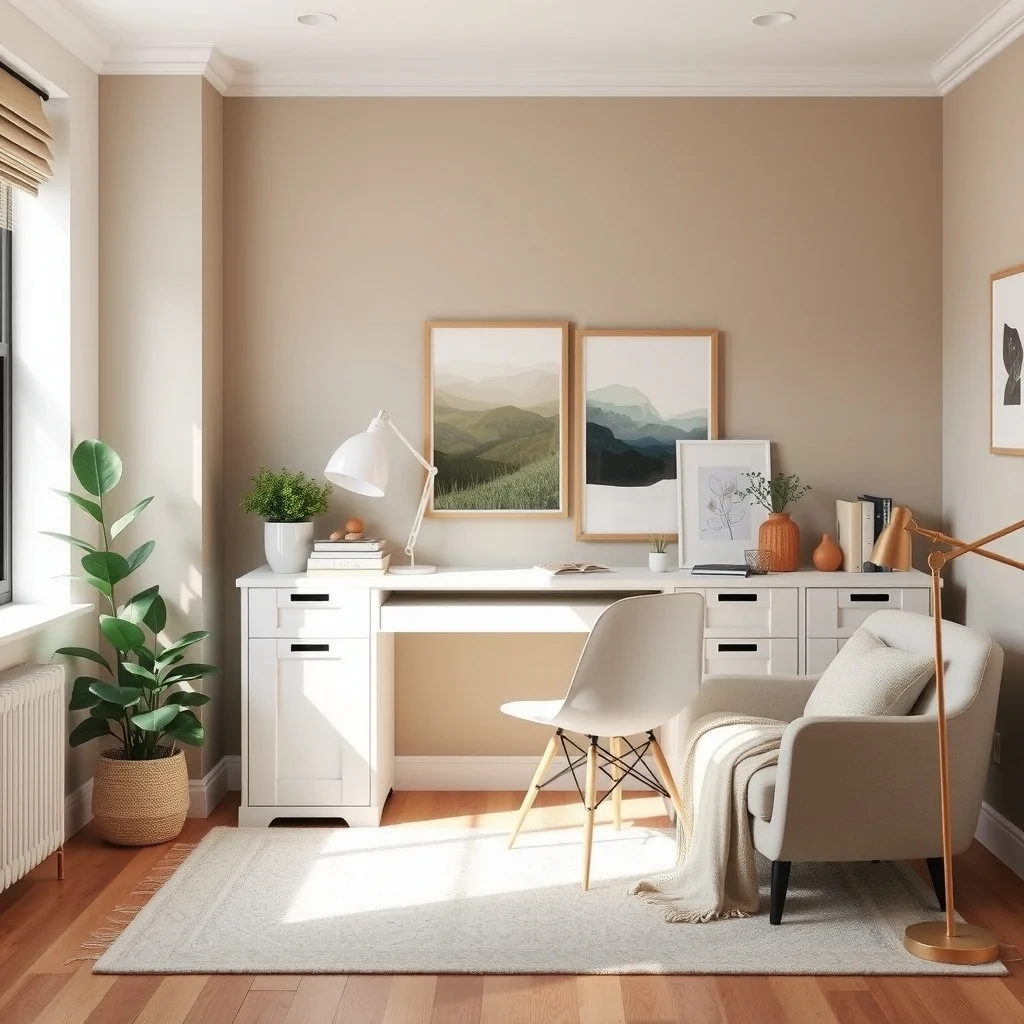
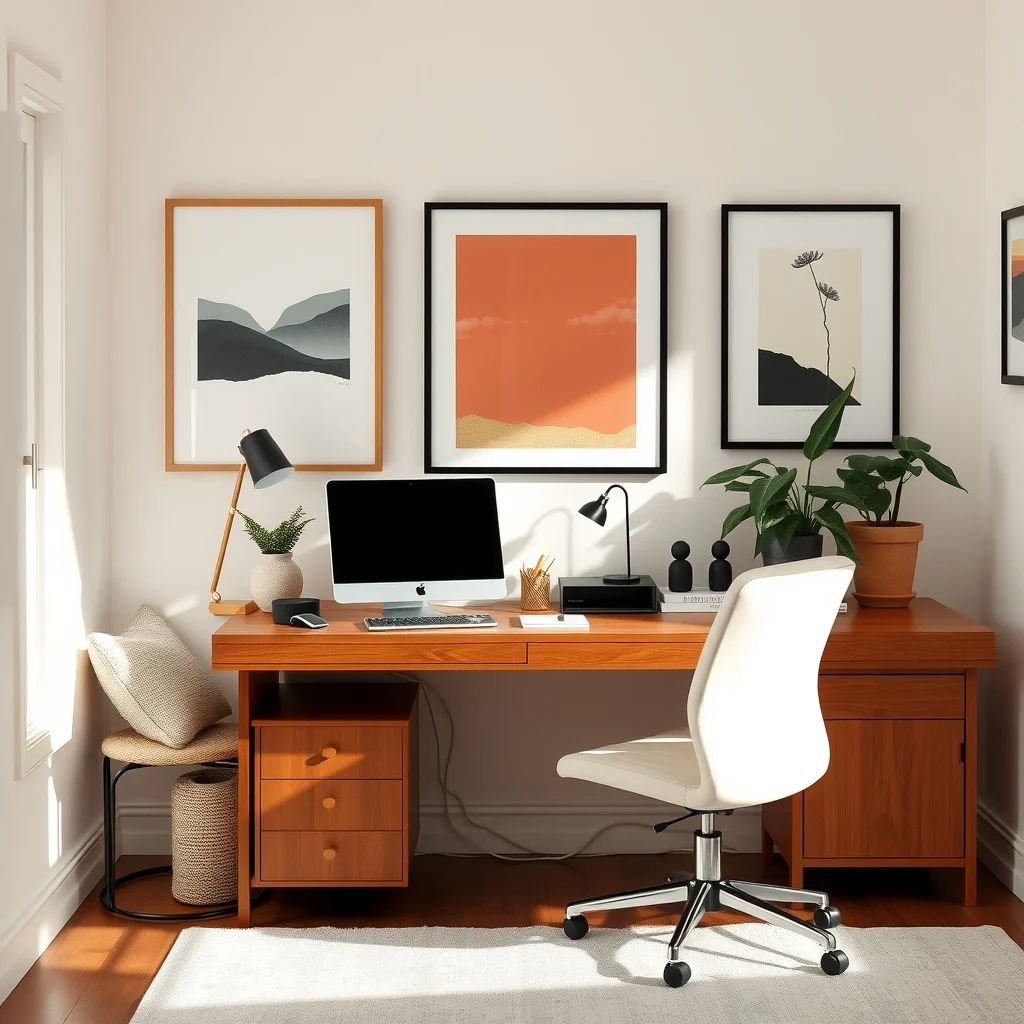
Soft, muted hues such as warm greige, muted sage, or a gentle dove‑blue create a backdrop that supports focus without becoming distracting. Paint the wall behind the desk in one of these tones, and pair it with a light‑colored rug that adds texture without overwhelming the eye. If you enjoy a touch of personality, introduce a single accent—perhaps a terracotta‑toned desk organizer or a set of brass desk accessories. The restrained palette reduces visual noise, helping the mind stay on tasks while still allowing room for subtle decorative flourishes.
6. Add Personal Touches That Remain Unobtrusive
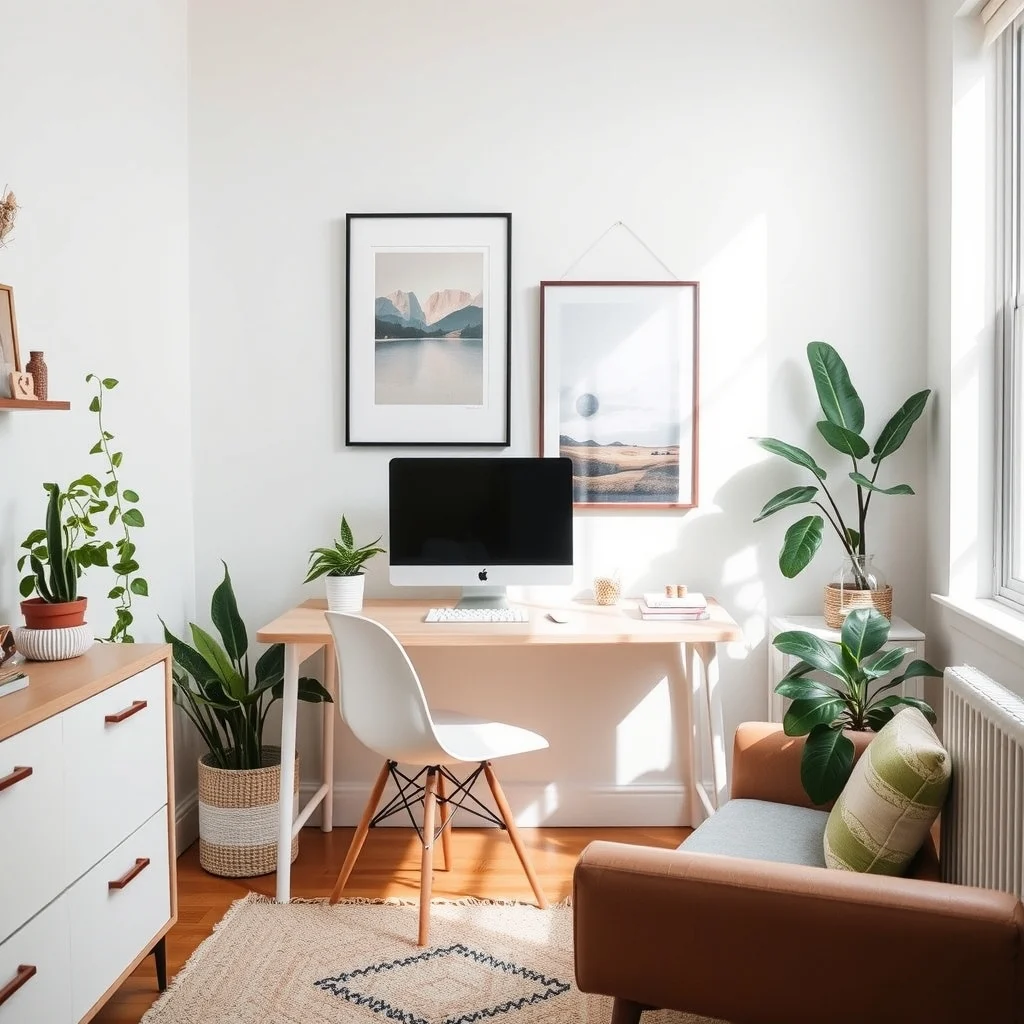
Even a functional office benefits from elements that make it feel lived‑in. A small potted succulent or a trailing pothos adds a breath of greenery, improving air quality and providing a calming presence. A framed abstract print with cool tones can sit above the desk, offering visual interest without drawing focus away from work. Keep decorative objects to a minimum—one or two items on a shelf or a single textured throw on the chair are enough to convey personality while preserving the clean lines needed for a productive environment.
7. Prioritize Ergonomics Even in Tight Quarters
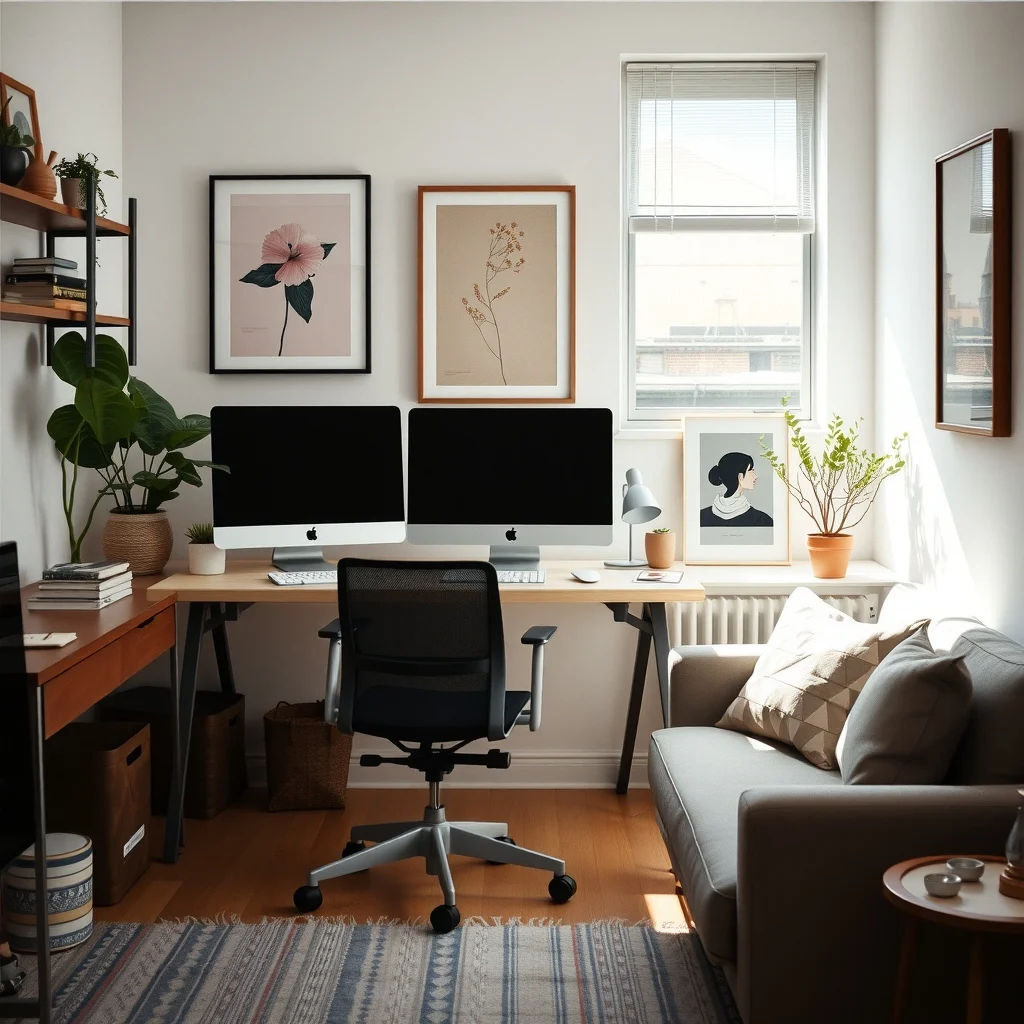
Spending hours at a desk demands attention to posture. Choose a chair with adjustable height and lumbar support; a compact mesh chair can fit into narrow spaces while offering breathability. Position the monitor at eye level, using a monitor riser or a stack of sturdy books if a dedicated stand is unavailable. A portable keyboard tray slides beneath the desk surface, allowing the hands to rest at a comfortable angle. If you find your feet dangling, a small footstool tucked under the desk prevents strain. These ergonomic adjustments protect your body without requiring a large footprint.
FAQ
How can I hide cords in a small office?
Use a cable management box or a simple fabric sleeve to gather power strips and excess wire. Tucking the bundle behind the desk leg and securing it with a small clip keeps the floor clear and reduces tripping hazards.
Is a standing desk possible in a studio apartment?
Yes, a compact height‑adjustable desk that folds flat against the wall can serve both sitting and standing needs. When lowered, it blends into the room; when raised, it provides an ergonomic work surface without dominating the space.
What kind of flooring works best for a home office?
A low‑pile rug in a neutral shade adds comfort underfoot and defines the work area without absorbing too much sound. Choose a material that is easy to clean, such as a woven polypropylene, to handle occasional spills from coffee or pens.
How do I keep the space quiet in a busy building?
Heavy curtains or a thick tapestry‑style wall hanging can dampen street noise while also adding visual warmth. Pair this with a small white‑noise machine or a playlist of gentle ambient sounds to create a focused atmosphere.
Can I share the office with a roommate without feeling cramped?
Designate clear boundaries by using a room divider or a bookshelf that doubles as a storage unit. Keeping personal items on separate shelves and agreeing on a schedule for high‑traffic periods helps both occupants maintain a functional workspace.
Final Thoughts
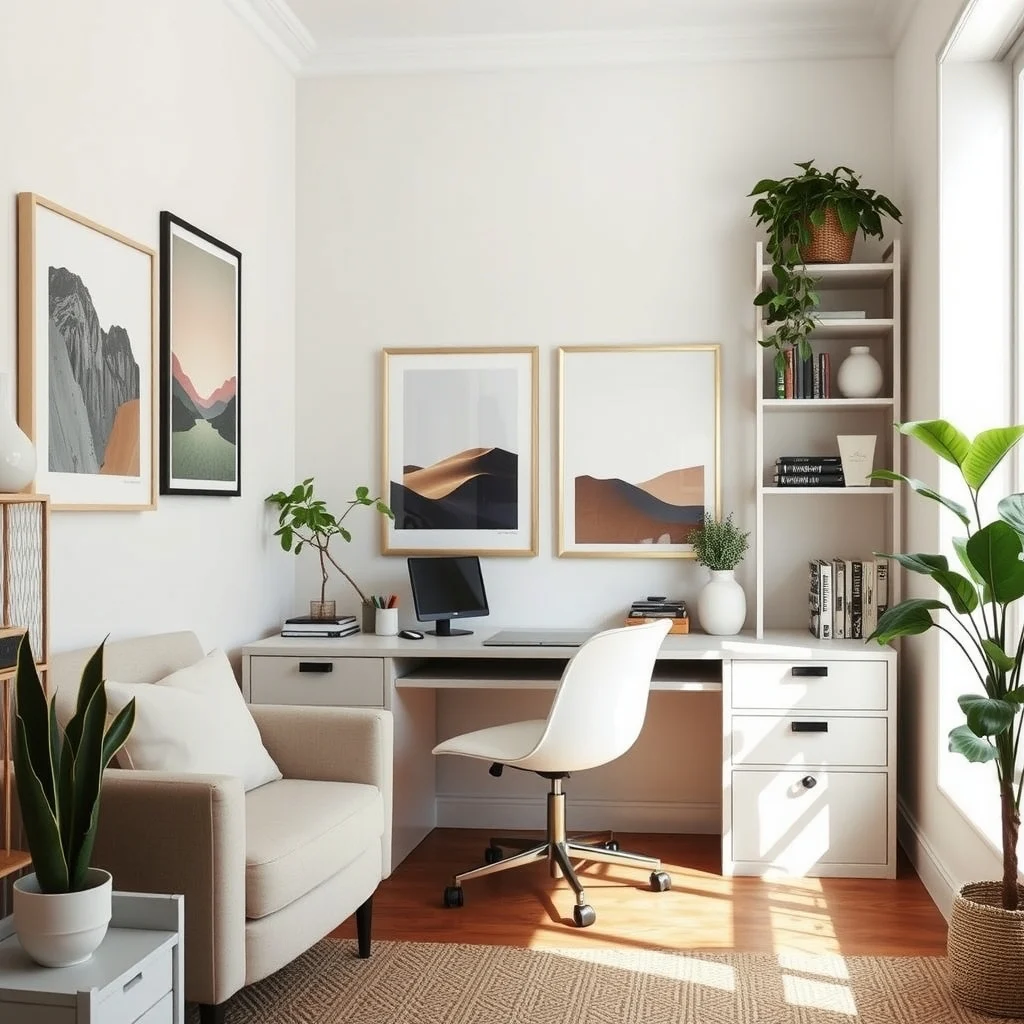
Creating a home office in a small apartment is less about sacrificing style and more about thoughtful selection of each element. By choosing a quiet corner, scaling furniture appropriately, layering light, embracing vertical storage, and attending to color, personal touches, and ergonomics, you can build a workspace that feels both efficient and welcoming. The result is a room that supports productivity while still belonging to the larger home, proving that even limited square footage can host a well‑designed office.