Small Space Furniture Placement Mistakes to Avoid
Living in a compact apartment or a snug studio often feels like solving a puzzle where every piece matters. A single misplaced sofa or an oversized bookshelf can turn a bright nook into a cramped hallway. In the following sections we’ll explore the most common placement errors and offer practical ways to arrange each item so the room breathes, functions, and looks inviting.
1. Choosing furniture that overwhelms the room

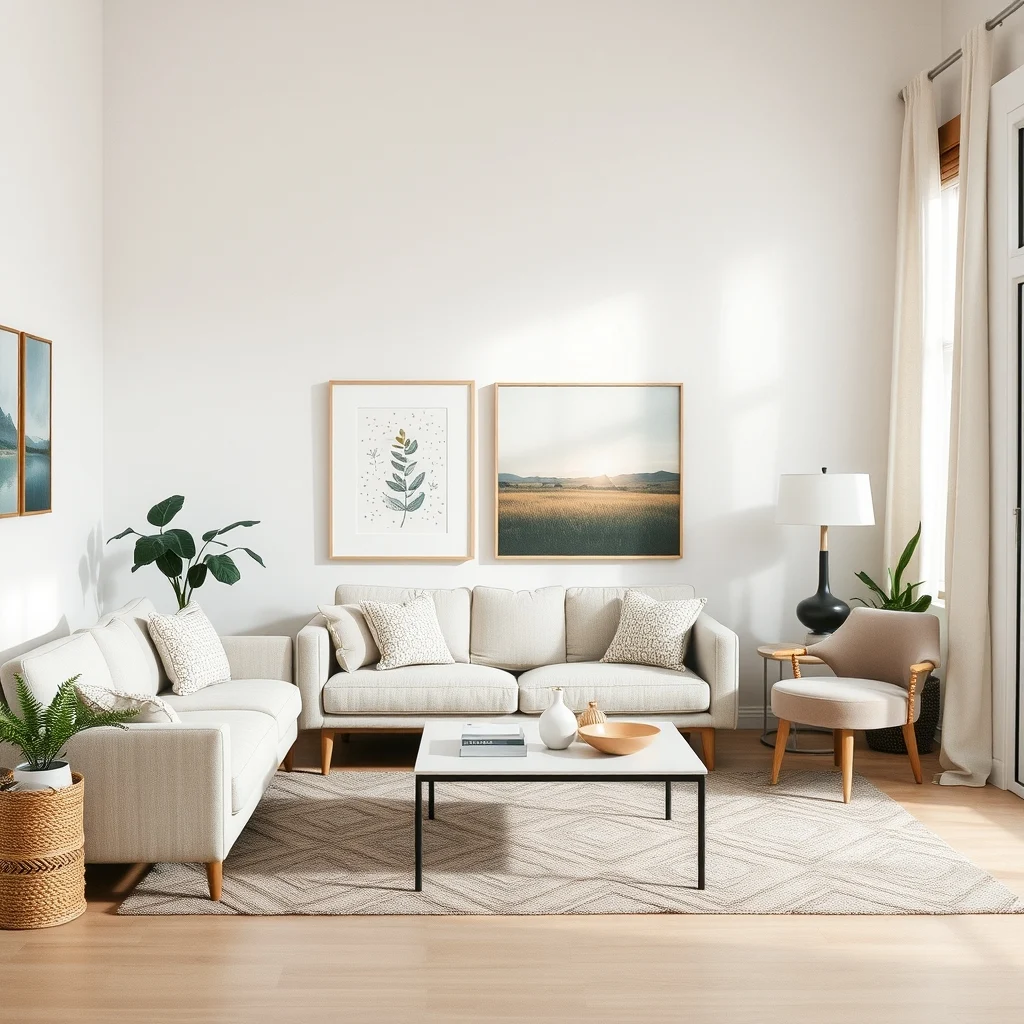
When a piece is larger than the space it inhabits, the room loses its sense of balance. A bulky sectional or a heavy oak credenza can dominate a 150‑square‑foot living area, making it difficult to move around and visually shrinking the walls. Opt for items with a lower profile, such as a sofa with slim, tapered legs that lift the seat off the floor. This creates a sense of openness because the eye can see more of the floor beneath. Multi‑purpose furniture, like a storage ottoman, adds functionality without adding bulk. The trade‑off is that you may need to be selective about decorative accessories, but the gain in maneuverability is worth it.
A More Beautiful Home
Starts With a Smart Plan.
Discover digital decorating guides, home organization planners and practical resources to help you make the most of your space.
Get more inspiration for less.
Livana Studio
2. Ignoring the natural flow of traffic

Every room needs clear pathways that allow you to walk from one point to another without weaving around obstacles. When furniture blocks the route between the entry door and the kitchen, for example, you end up stepping over chairs or squeezing between a table and a wall. Before placing anything, visualize the most common routes and leave at least three feet of clearance for comfortable movement. A narrow console placed parallel to a wall can serve as a surface for keys while still preserving the flow. If you find the space feels tight, consider moving a side table to a corner where it’s less likely to interrupt traffic.
3. Pressing large backrests against windows
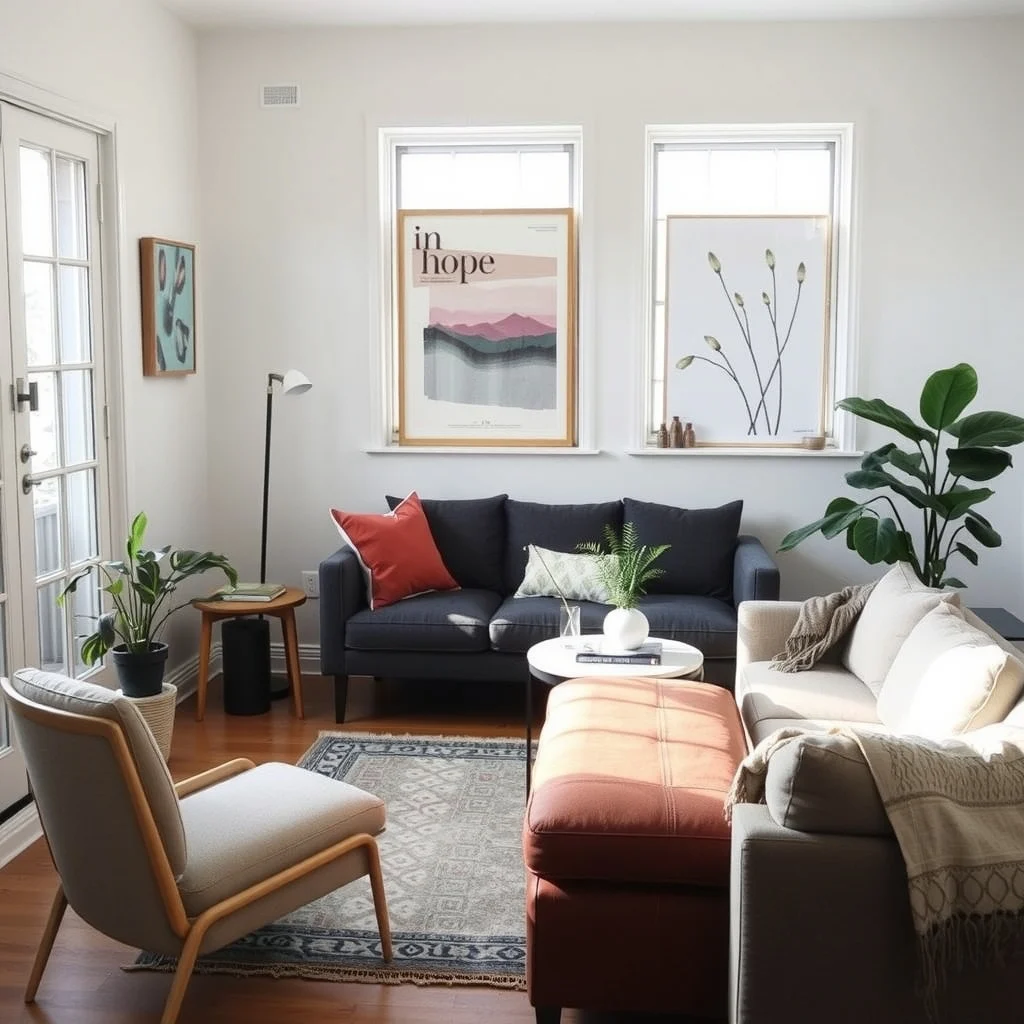
Placing a deep armchair or a high‑back sofa directly in front of a window can obstruct natural light, making the room feel dim and closed off. Light that would otherwise filter across the floor is stopped, and the space appears smaller. Instead, pull the backrest a few inches away from the glass, or choose a low‑profile lounge chair that lets sunlight spill over the seat. If you love the idea of a window‑facing seat, a bench with a slim back offers a place to sit without sacrificing illumination. The downside is you might need to rearrange nearby tables, but the increase in brightness usually outweighs the effort.
4. Forgetting to anchor the arrangement around a focal point
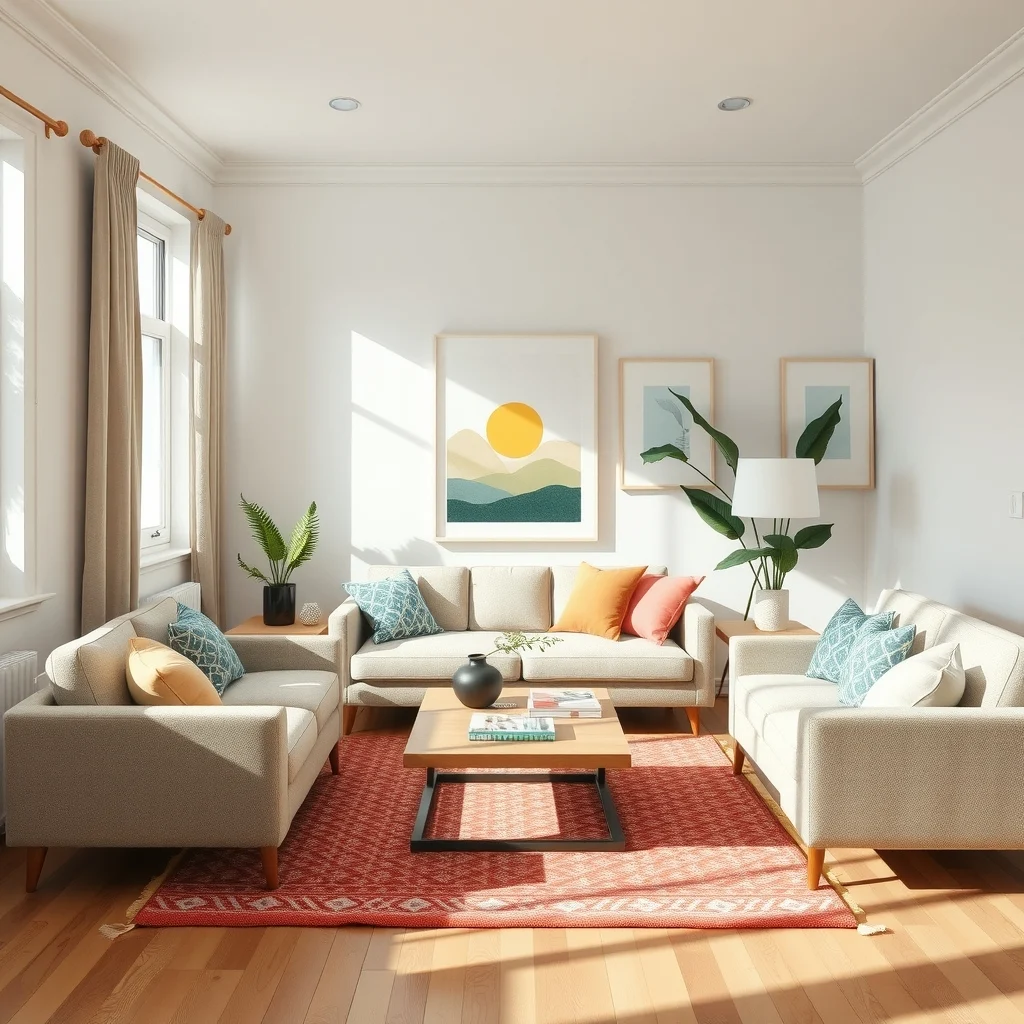
A room without a visual anchor can feel scattered, especially when each piece seems to float independently. Selecting a focal element—whether it’s a patterned rug, a striking piece of wall art, or a bold floor lamp—gives the eye a place to settle. Arrange the surrounding furniture so that it faces or complements this point. For example, a compact sofa positioned to view a large abstract print creates a cohesive scene. If the focal point is a rug, place the coffee table and side chairs so their legs rest on it, tying the ensemble together. The only caution is to avoid overcrowding the area around the anchor; keep the surrounding pieces modest in scale.
5. Relying on multiple standalone pieces instead of modular options
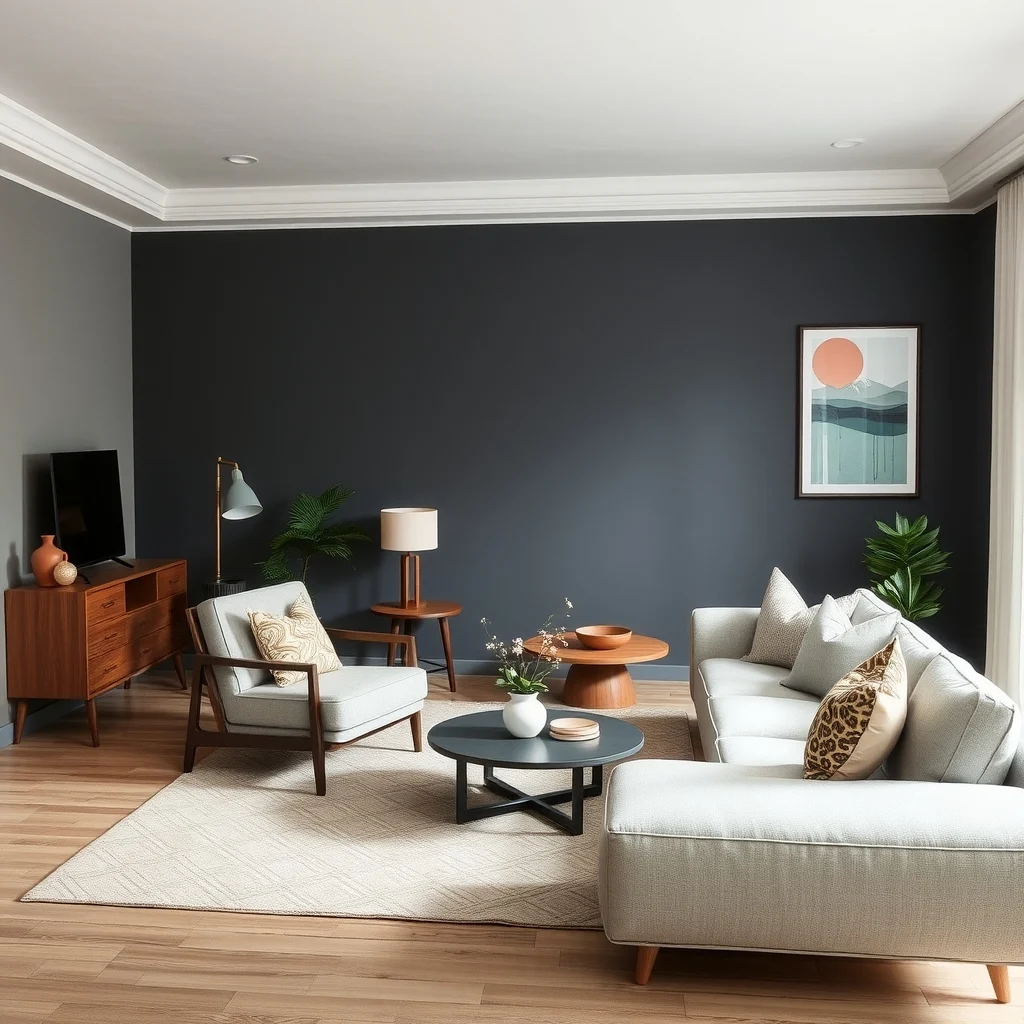
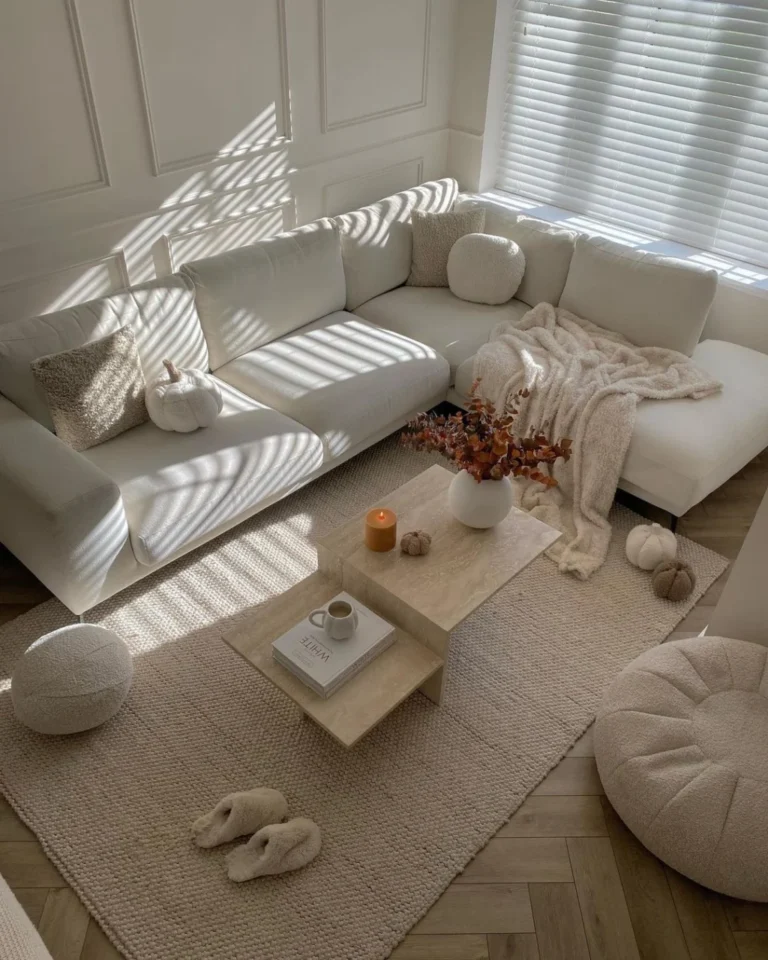
Separate chairs, a coffee table, and a side table can each be useful, yet together they may consume more floor space than a single modular system. A sectional that can be rearranged into a chaise or split into two loveseats offers flexibility while reducing the number of legs on the floor. Nesting side tables slide underneath a larger table when not needed, freeing up room for a yoga mat or a pet bed. The compromise is that modular furniture can be slightly more expensive, but the ability to reconfigure the layout for gatherings or quiet evenings adds long‑term value.
6. Overlooking vertical storage possibilities
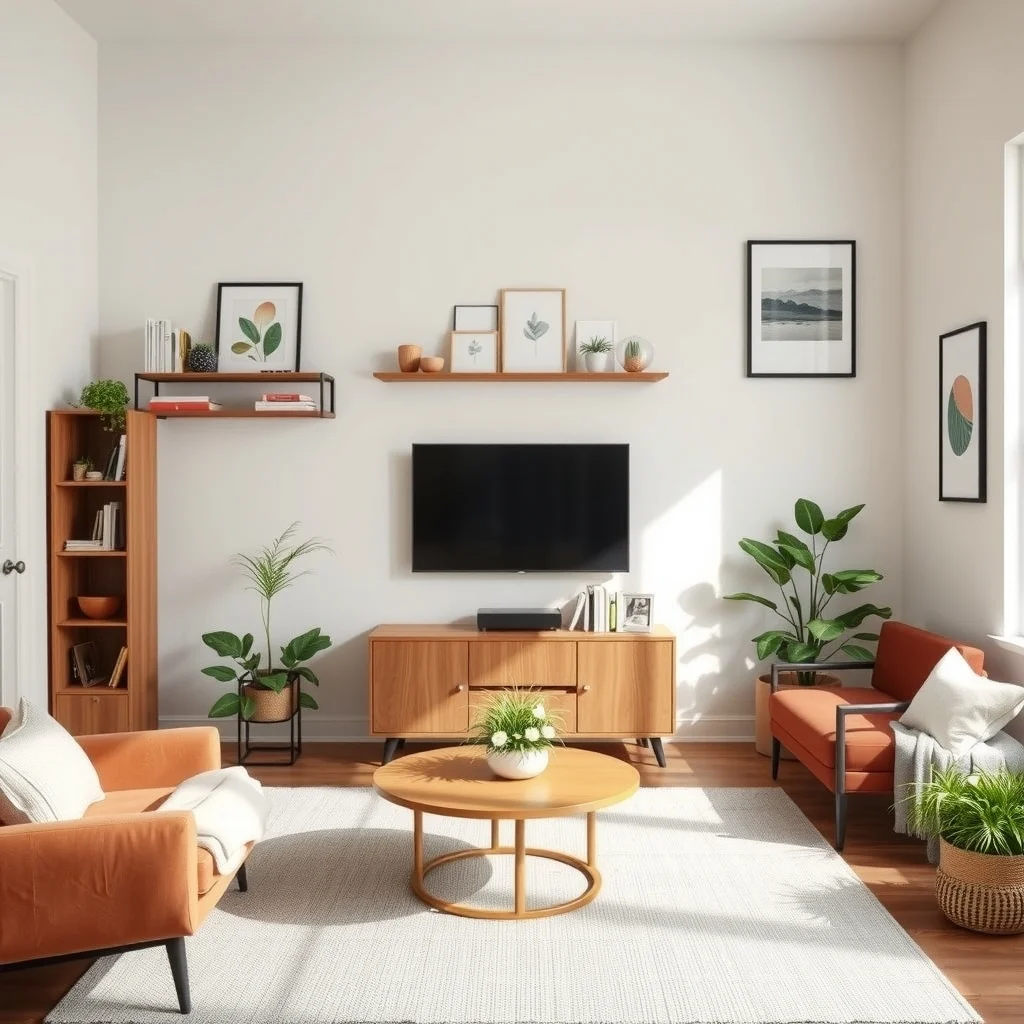
When floor space is at a premium, the walls become valuable allies. Tall, narrow bookcases or floating shelves can hold a surprising amount of items without encroaching on the walking area. Mount a wall‑mounted media console just above eye level to keep a television and accessories off the floor. A series of slim cabinets stacked vertically can store linens, dishes, or office supplies while maintaining a streamlined look. The only limitation is the need to ensure the wall can support the weight; using proper anchors or consulting a professional keeps the installation safe.
7. Selecting accessories that dwarf the furniture
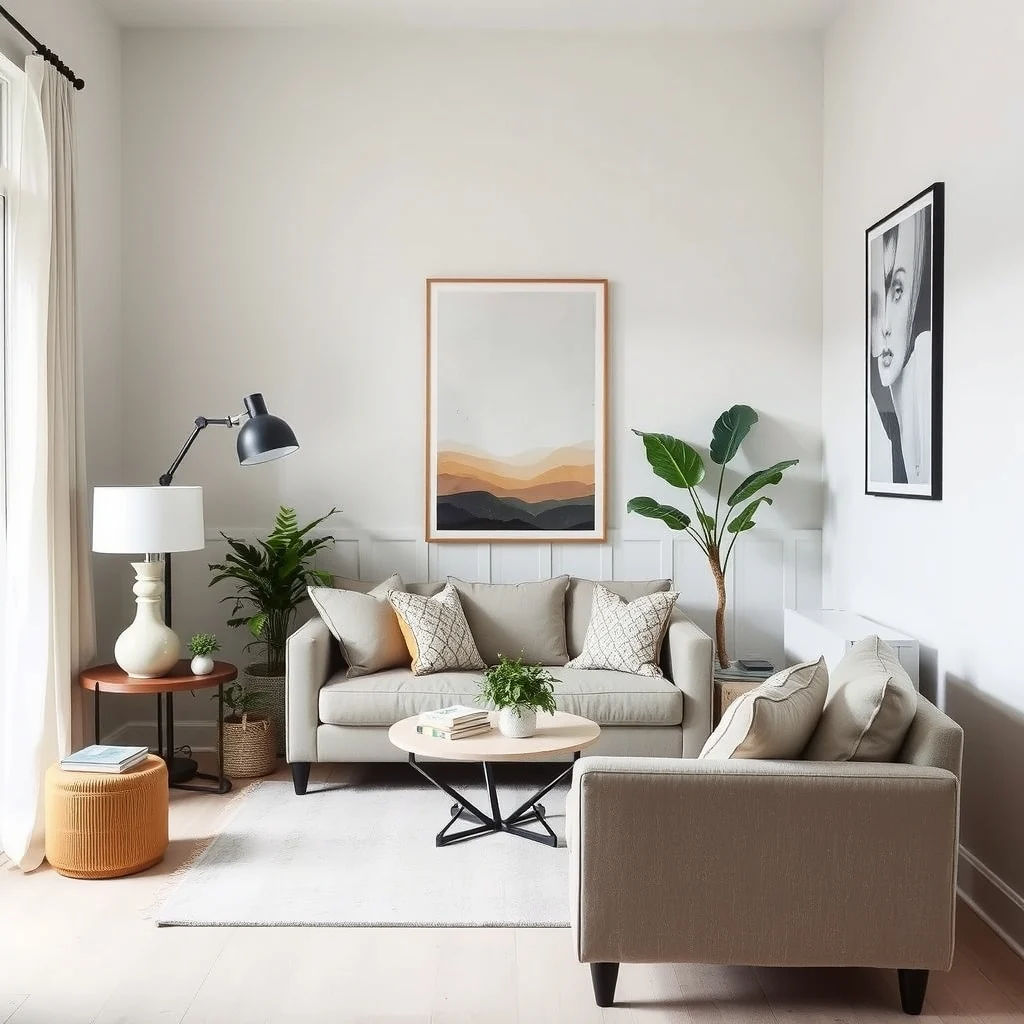
Large floor lamps, oversized side tables, or massive decorative bowls can dominate a small sofa, making the seating feel secondary. Choose pieces that complement the scale of the main furniture. A sleek table lamp with a slender metal stem adds illumination without overwhelming a compact armchair. A low, rectangular tray can hold a few books or a plant without reaching the height of a coffee table. When the accessories are proportionate, the room feels balanced; the trade‑off is that you may need to be more selective about decorative items, but the resulting harmony is noticeable.
Frequently Asked Questions
How can I make a small living room appear larger?
Use light‑colored walls, keep furniture low to the ground, and arrange pieces around a clear focal point. Mirrors placed opposite windows bounce light around the room, further enhancing the sense of space.
Is it better to have a rug or no rug in a tiny area?
A rug can define a seating zone and add texture without taking up extra floor space. Choose a rug that is slightly smaller than the furniture arrangement so the legs remain visible, preserving an open feel.
Can I use a room divider in a studio apartment?
A lightweight divider made of open‑frame wood or fabric can separate sleeping and living zones while still allowing light to pass. Avoid solid panels that block airflow and visual continuity.
What type of lighting works best in cramped rooms?
Layered lighting—combining overhead fixtures with a table or floor lamp—creates depth without brightening the entire space. A lamp with an adjustable shade lets you direct light where you need it most.
Should I buy furniture that matches the wall color?
Matching can create a seamless look, but introducing a subtle contrast, such as a soft gray sofa against warm greige walls, adds visual interest while maintaining cohesion.
Final Thoughts
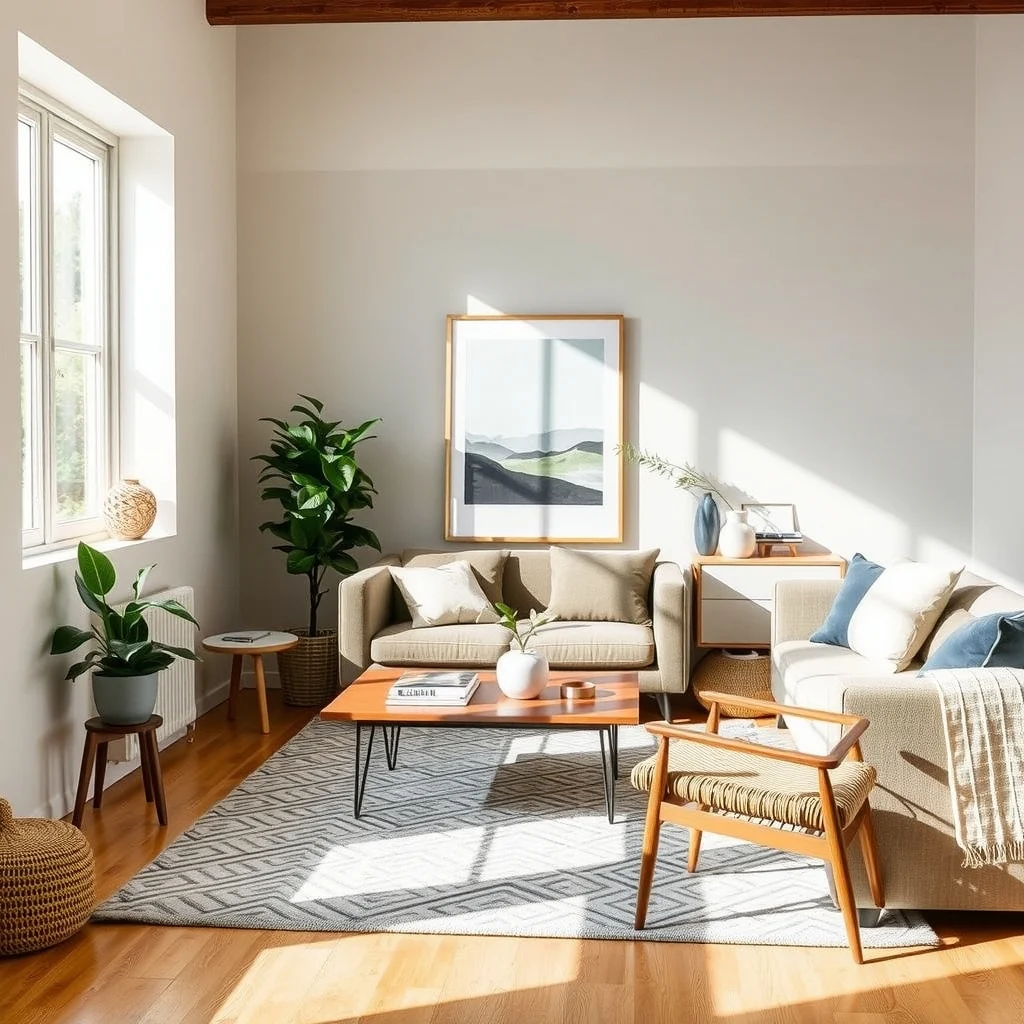
Arranging furniture in a limited area is less about fitting as many pieces as possible and more about curating a layout that respects movement, light, and proportion. By selecting appropriately sized items, honoring traffic pathways, and using walls for storage, you transform a tight footprint into a functional, welcoming home. Small adjustments—like pulling a chair away from a window or swapping a bulky side table for a nesting set—can make a noticeable difference. Treat each placement decision as an opportunity to enhance comfort and style, and the room will feel both spacious and thoughtfully designed.