Cozy Small Bedroom Ideas on a Budget
When a bedroom feels cramped, the first instinct is to look for a larger space, but a thoughtful refresh can turn even the tiniest room into a welcoming retreat without breaking the bank. The key is to focus on elements that create the illusion of space, add texture, and provide gentle lighting while keeping costs low. Below are seven ideas that blend practicality with style, each explained in a way that lets you picture the transformation and adapt it to your own floor plan.
1. Soft, Neutral Paint to Expand the Room
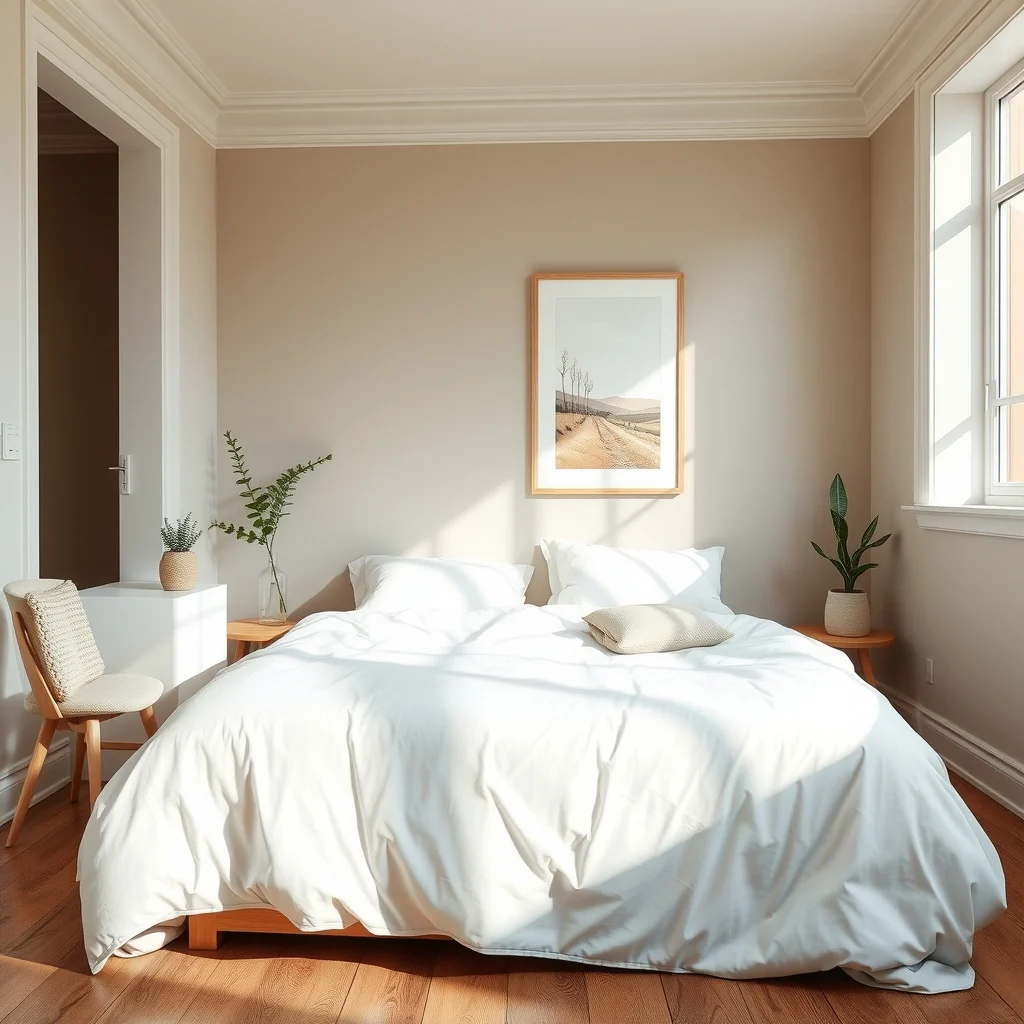
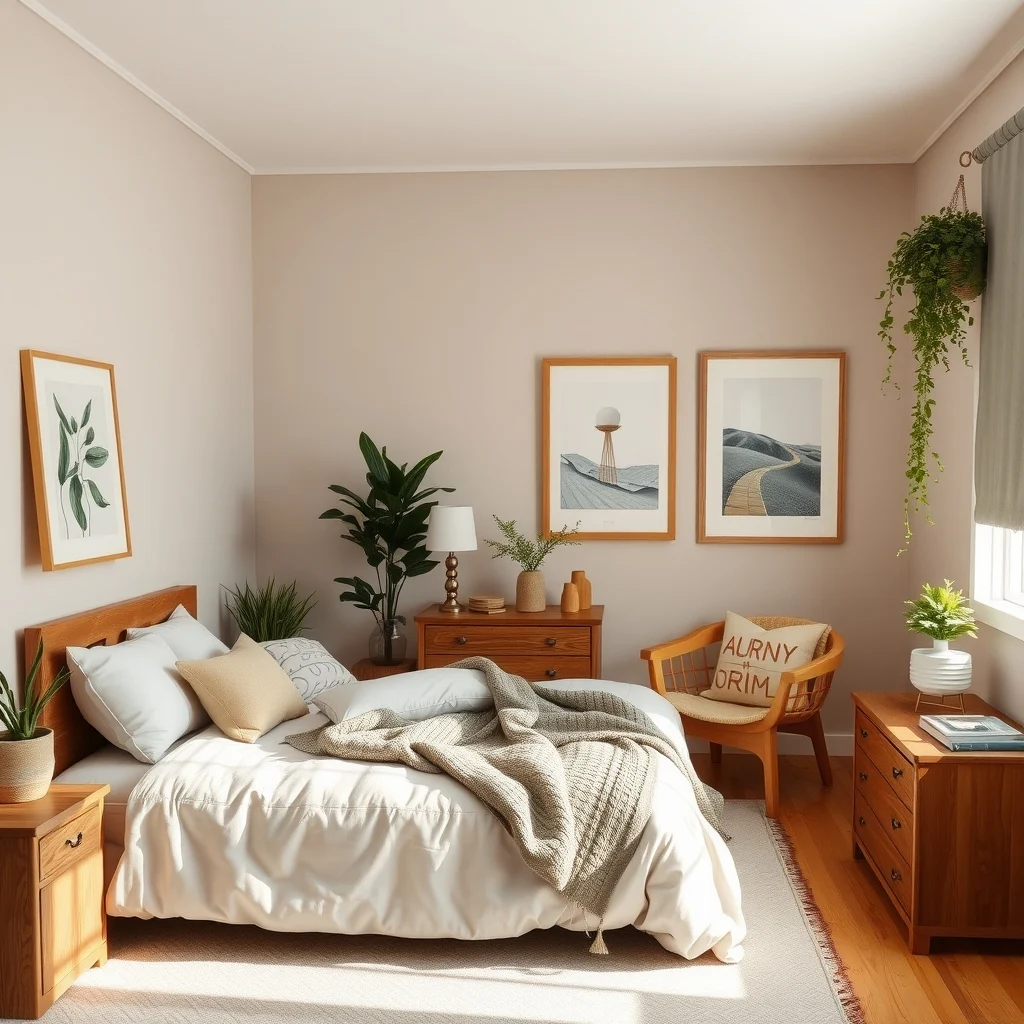
Choosing a light, warm hue for the walls is one of the most economical ways to make a small bedroom feel larger. Shades such as soft greige, pale sage, or muted terracotta reflect natural light better than dark pigments, allowing the room to breathe. A fresh coat of paint also refreshes the atmosphere without the need for new furniture. When selecting a color, test a small patch on the wall at different times of day; the shade should remain soothing even as sunlight shifts. If you prefer a bit of character, consider a low‑sheen finish that subtly catches light without creating glare. The trade‑off is that a very light palette can show dirt more readily, so a regular cleaning routine helps maintain its fresh look.
A More Beautiful Home
Starts With a Smart Plan.
Discover digital decorating guides, home organization planners and practical resources to help you make the most of your space.
Get more inspiration for less.
Livana Studio
2. Multi‑Functional Furniture That Saves Floor Space
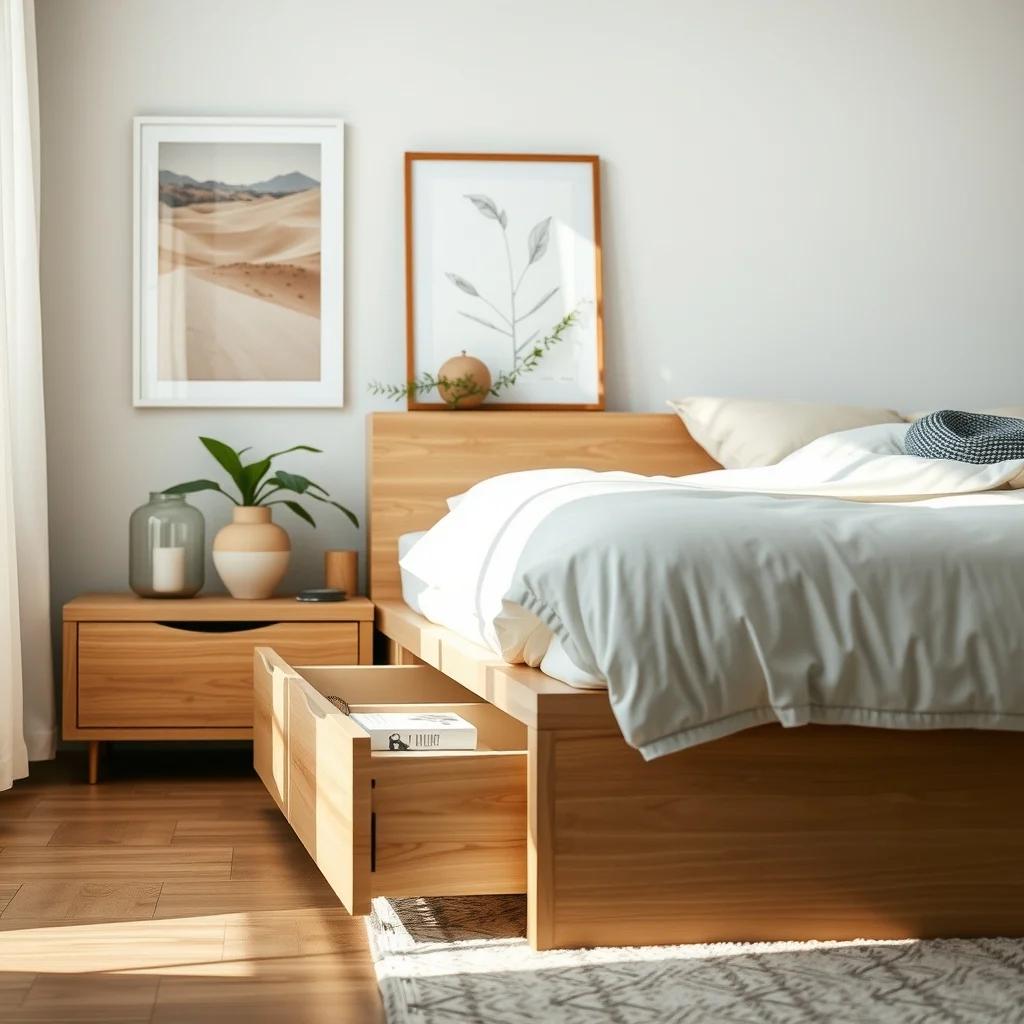
In a compact bedroom, each piece of furniture must earn its square footage. A platform bed with built‑in drawers replaces a separate nightstand and provides concealed storage for linens or seasonal clothing. Look for models with a simple wooden frame; they often cost less than upholstered options and can be painted to match the wall color. A narrow, floating desk mounted above a bedside table creates a work zone without sacrificing floor area. When arranging these items, keep the traffic flow clear by positioning the bed against the longest wall and allowing at least three feet of walking space. The downside is that built‑in storage limits flexibility—if you later need a different configuration, the fixed pieces may feel restrictive.
3. Layered Lighting for Warm Ambiance
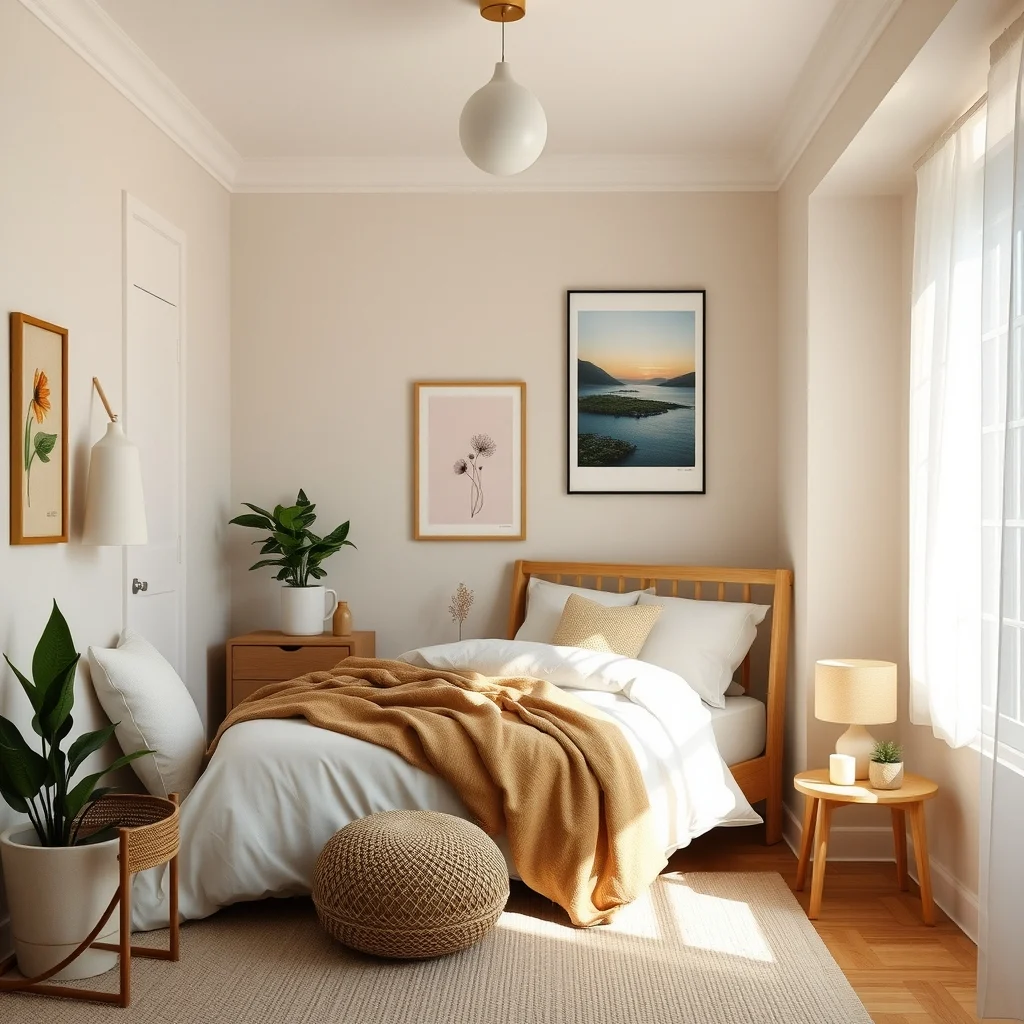
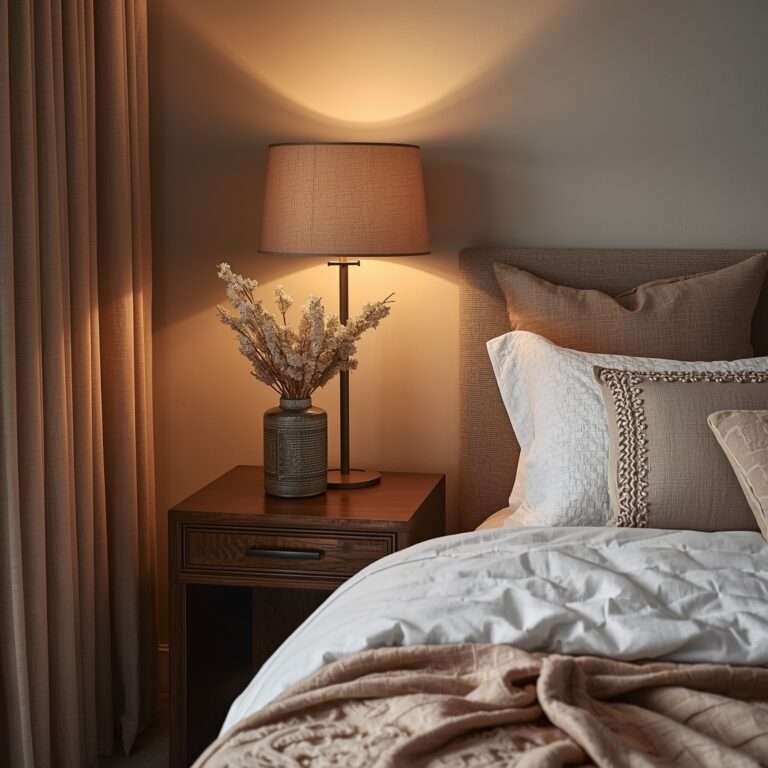
Relying solely on a ceiling fixture can make a small bedroom feel harsh. Introducing a combination of soft overhead lighting, a bedside lamp, and a small floor lamp adds depth and creates a cozy atmosphere for reading or unwinding. Choose a warm‑white LED bulb for the main light to mimic the glow of sunrise, then pair it with a fabric‑shaded table lamp that diffuses light gently across the headboard. A slim, adjustable floor lamp placed in a corner can serve as a secondary source without crowding the room. Remember to use dimmers where possible; lowering the light level in the evening signals the body to relax. The only caution is to avoid overly bright lamps that compete with natural light, which can make the space feel smaller.
4. Clever Storage Solutions That Hide Clutter
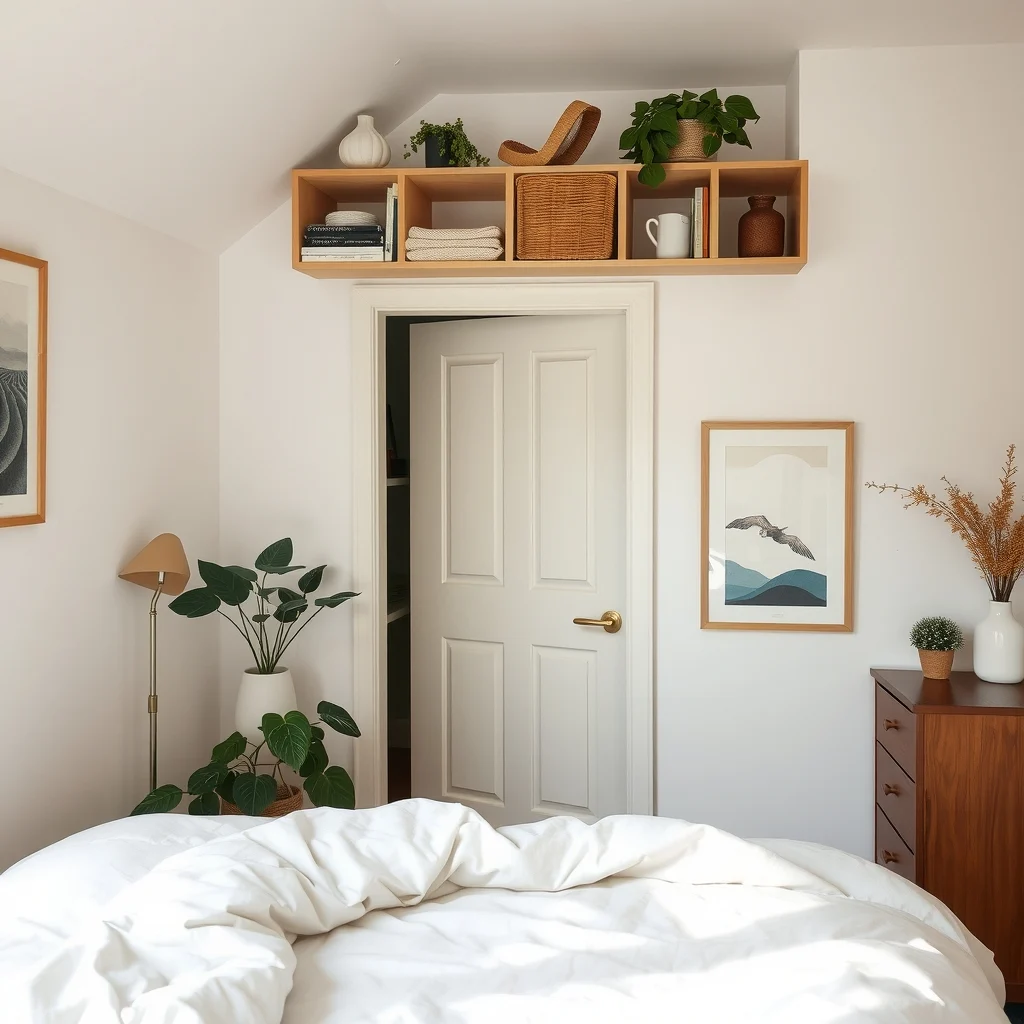
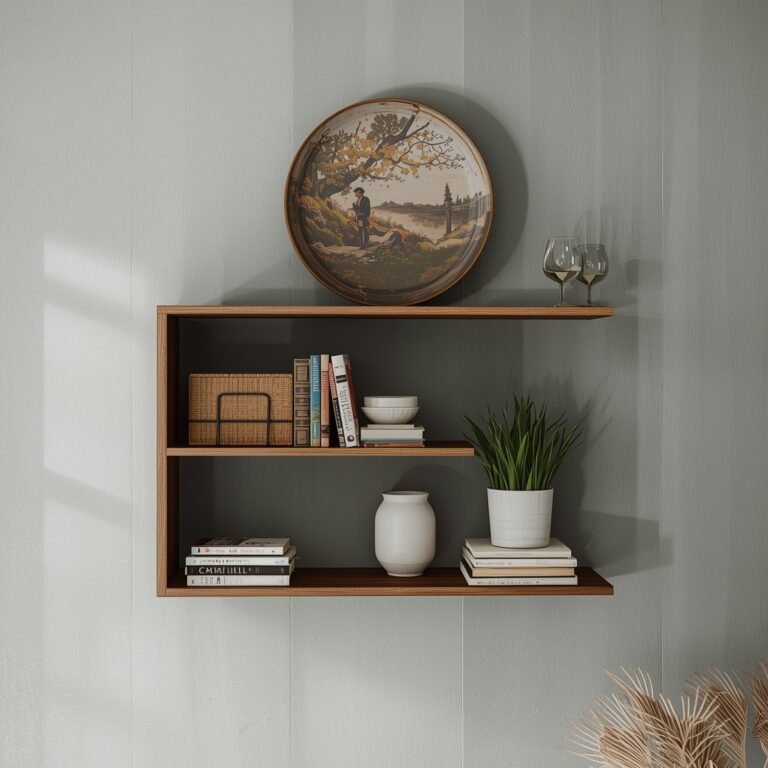
Clutter is the enemy of coziness, especially in a limited footprint. Installing a narrow shelf above the doorway provides a place for books, plants, or decorative baskets while keeping the floor clear. Open cubbies painted the same color as the wall blend in, making the storage feel like an extension of the architecture rather than a separate object. For items that need concealment, consider a simple fabric storage trunk at the foot of the bed; it doubles as a seat and a place to stash blankets. When selecting containers, prioritize sturdy materials such as woven rattan or painted plywood, which are both affordable and durable. Be aware that too many open shelves can invite dust, so a regular wipe‑down routine is advisable.
5. Textiles That Add Warmth Without Bulk
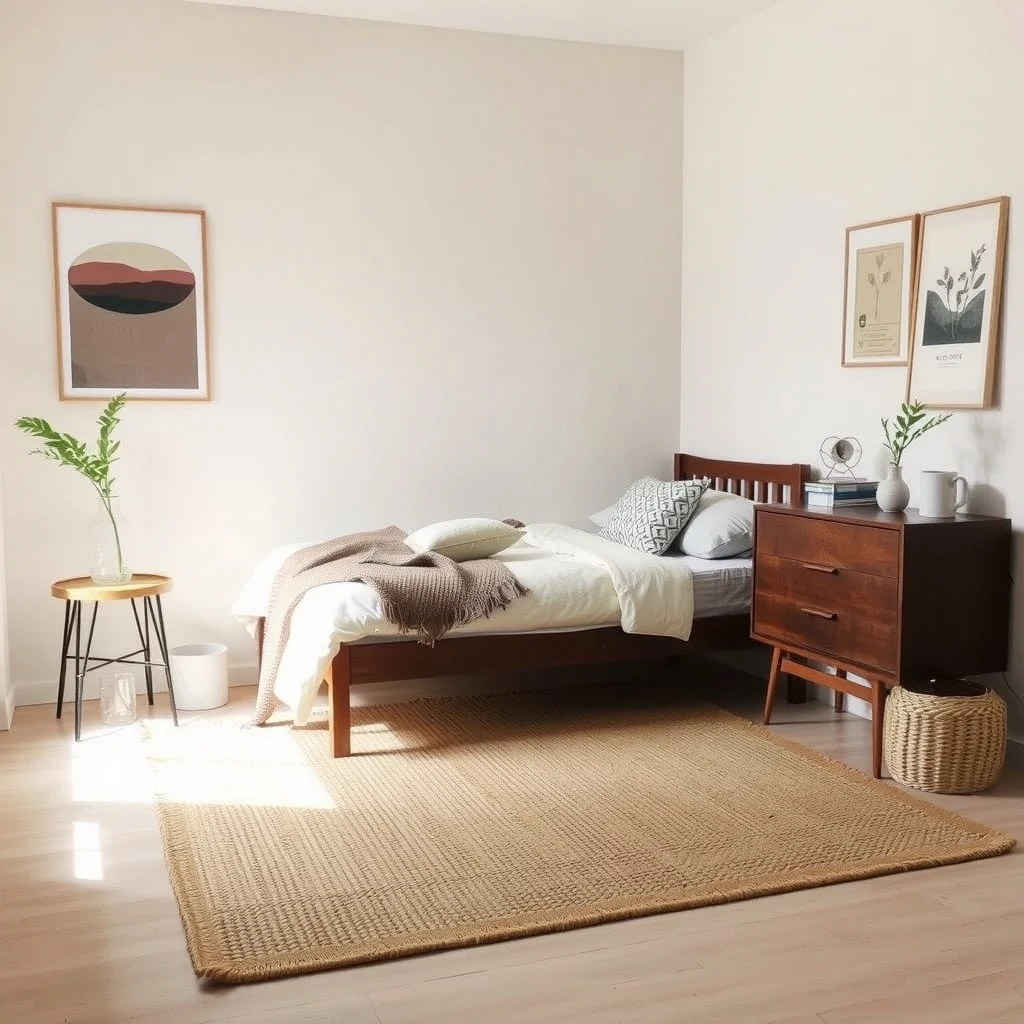
Soft furnishings are the quickest route to a snug feeling. A plush area rug anchored under the bed adds warmth underfoot and defines the sleeping zone. Choose a rug in a natural fiber like jute with a low pile; it feels comfortable yet remains easy to clean. Layer a lightweight quilt or a woven throw across the foot of the bed for visual interest and extra comfort on cooler nights. Pillows in varying textures—such as linen, boucle, and cotton—create depth without overwhelming the space. The main consideration is to keep the color palette cohesive; too many contrasting patterns can make the room feel chaotic, while a unified scheme enhances serenity.
6. Mirrors to Reflect Light and Create Depth
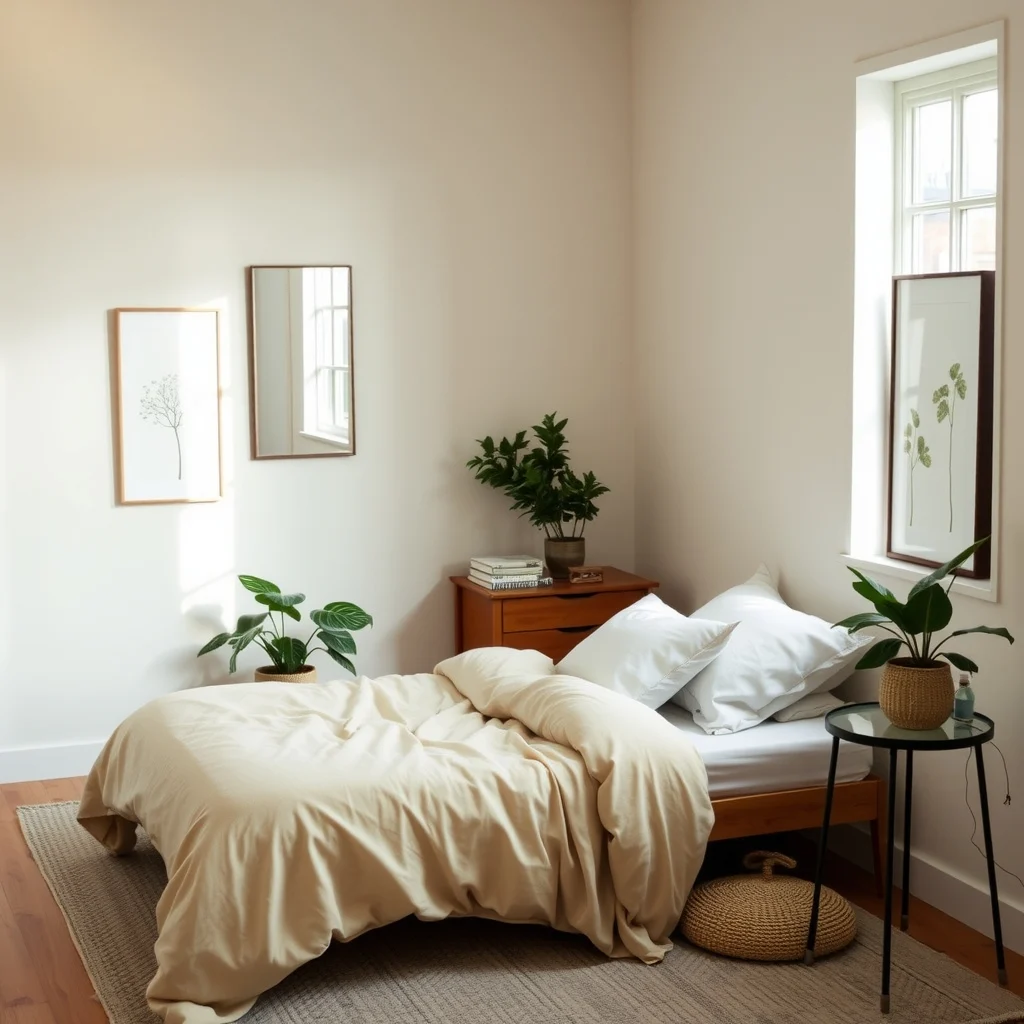
A well‑placed mirror can double the visual size of a bedroom by bouncing light around the room. Mount a rectangular mirror on the wall opposite a window to capture daylight and disperse it across the space. If wall space is limited, a full‑length mirror that leans against the back of a wardrobe serves both functional and decorative purposes. Framed mirrors with simple wood or metal borders add a subtle design element without dominating the room. The only drawback is that a large mirror can become a focal point, so balance it with softer elements like textiles to maintain a relaxed vibe.
7. Affordable Art and Personal Details
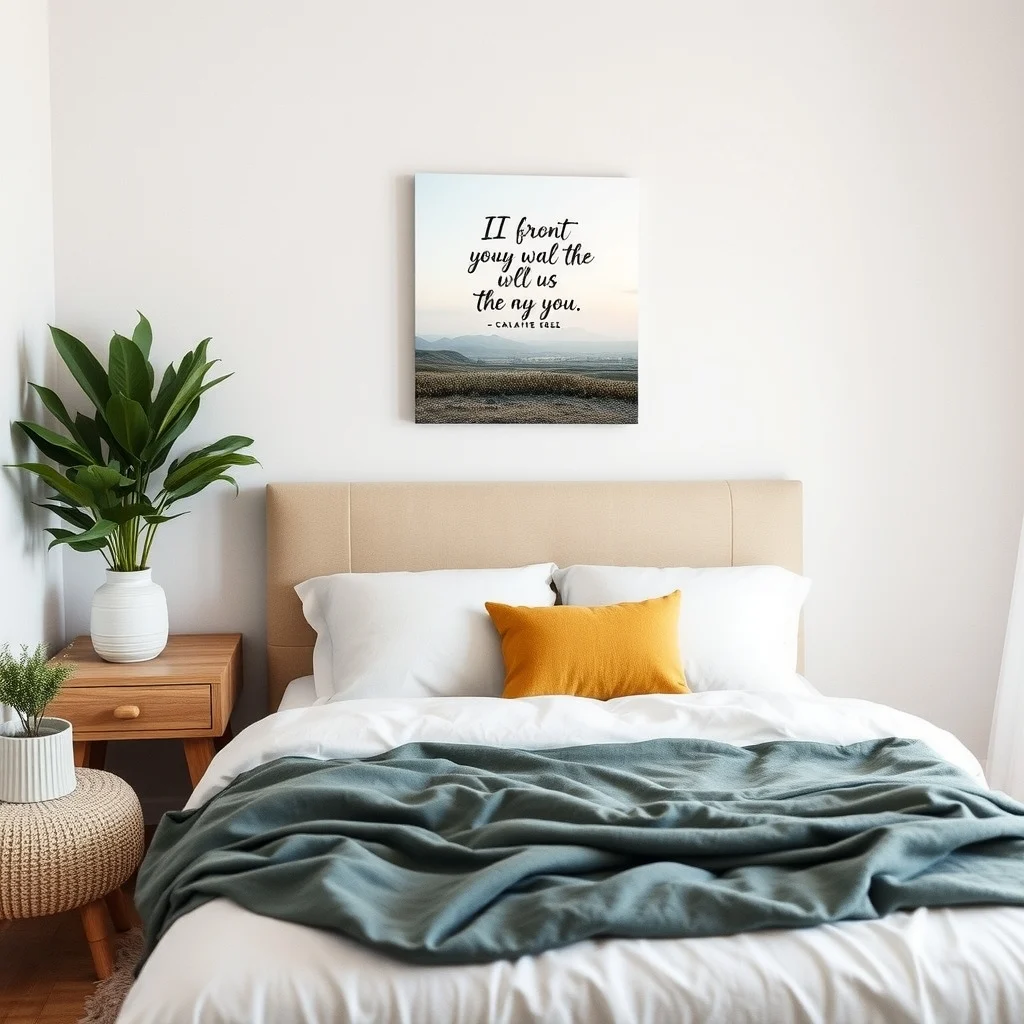
Personal touches make a bedroom feel lived‑in and inviting. Print a favorite quote or a nature photograph on inexpensive canvas and hang it above the headboard; the artwork adds color and personality without the cost of a gallery piece. DIY projects such as a hand‑stitched wall hanging using leftover fabric scraps provide texture and a sense of accomplishment. Small plants in ceramic pots bring a touch of nature, improve air quality, and soften hard edges. When selecting decorative items, keep scale in mind—oversized pieces can overwhelm a small room, while a curated collection of modest items creates a harmonious look.
Frequently Asked Questions
How can I make a tiny bedroom feel brighter without new windows?
Use light‑reflecting paint, add mirrors opposite existing windows, and incorporate layered lighting with warm‑white bulbs. These strategies increase the amount of light that bounces around the room, creating a brighter feel.
What is the best type of bed frame for a small space?
A platform bed with built‑in drawers maximizes storage while keeping the floor clear. Its low profile also makes the room appear more spacious compared to a tall, ornate frame.
Can I store clothes in a bedroom without taking up floor space?
Yes, opt for a narrow wall‑mounted shelf or a wardrobe with sliding doors. A storage trunk at the foot of the bed offers hidden space for seasonal items while serving as a seat.
Is it okay to mix patterns in a small bedroom?
Mixing patterns works when the colors share a common palette and the scale of each pattern varies. A subtle rug paired with a textured throw can add interest without crowding the visual field.
How often should I clean textiles in a small bedroom?
Vacuum rugs weekly and wash throw blankets and pillow covers every two to three weeks. Regular maintenance prevents dust buildup, which can make a cozy room feel neglected.
Final Thoughts
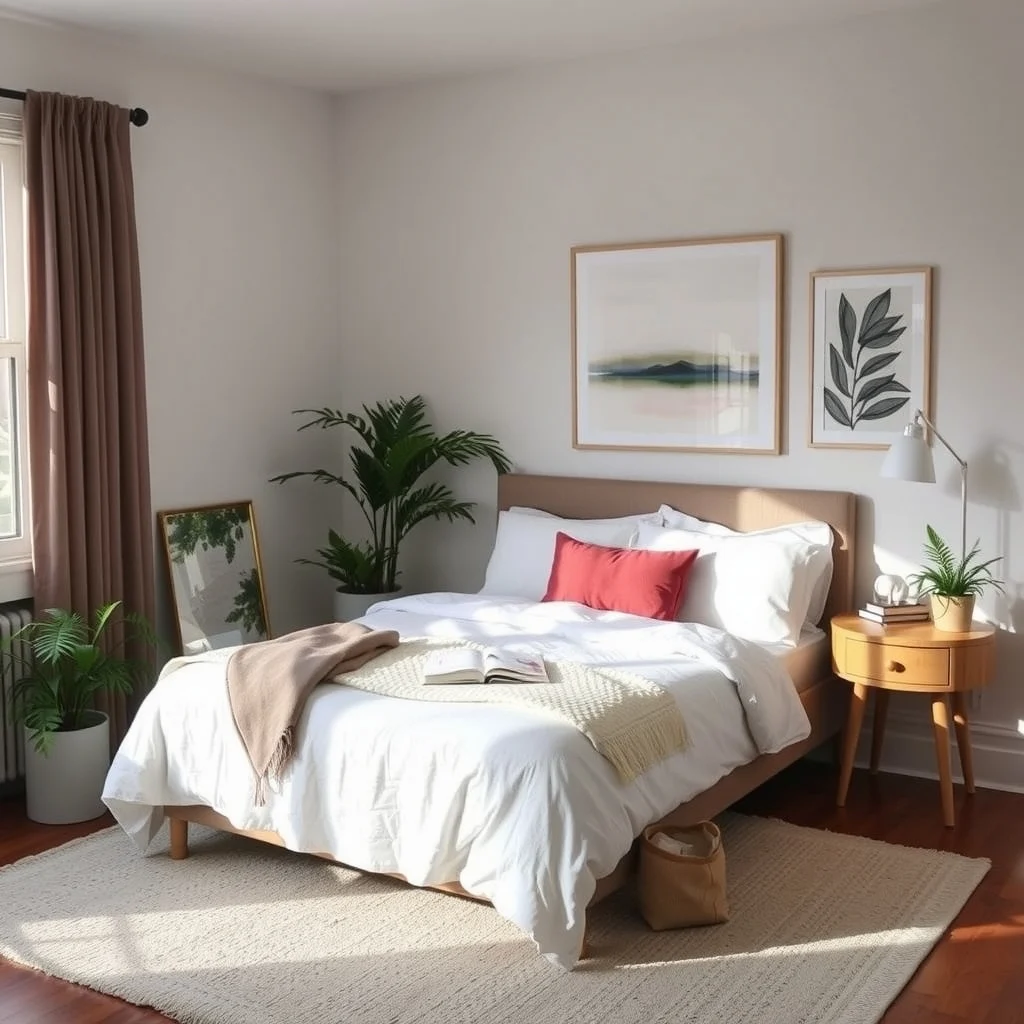
Creating a cozy small bedroom on a budget is less about spending and more about choosing elements that work together to enlarge, soften, and personalize the space. By selecting light paint, multifunctional furniture, thoughtful lighting, clever storage, inviting textiles, strategic mirrors, and meaningful décor, you can transform a modest room into a restful haven. Each idea offers a balance of cost, comfort, and style, allowing you to curate a bedroom that feels both intimate and spacious without the need for major renovations.