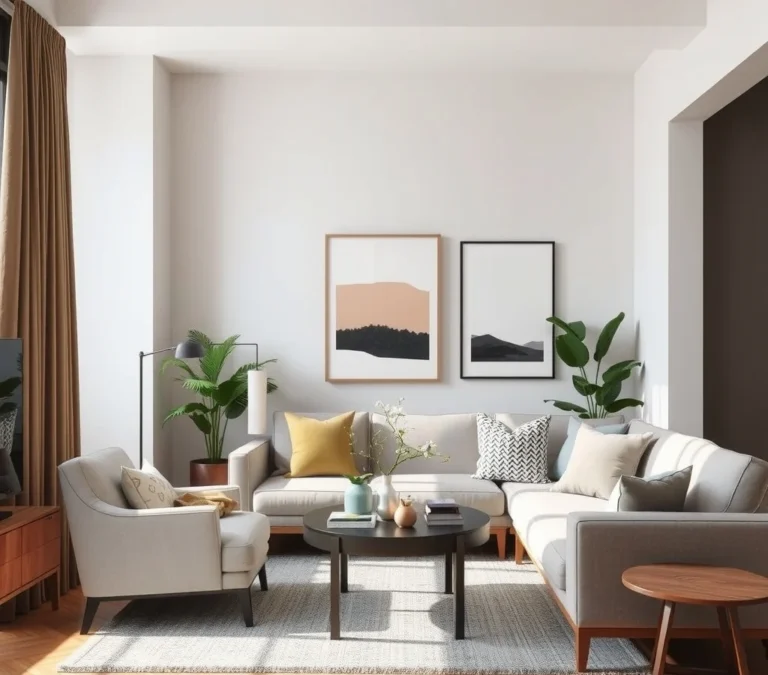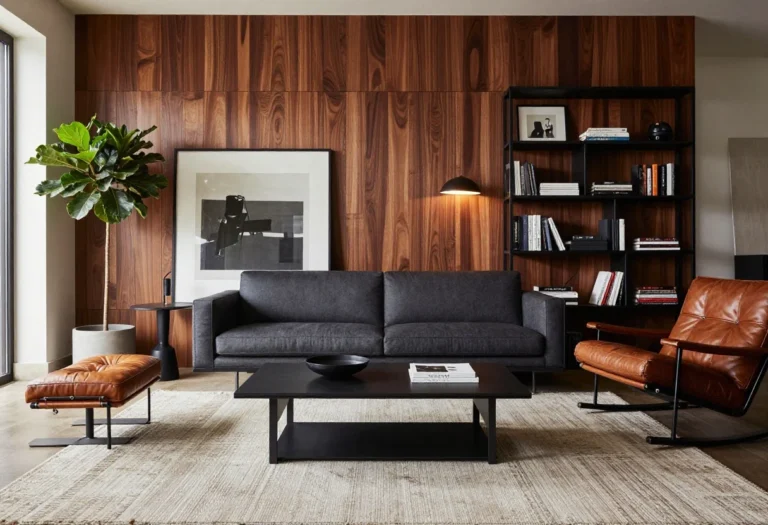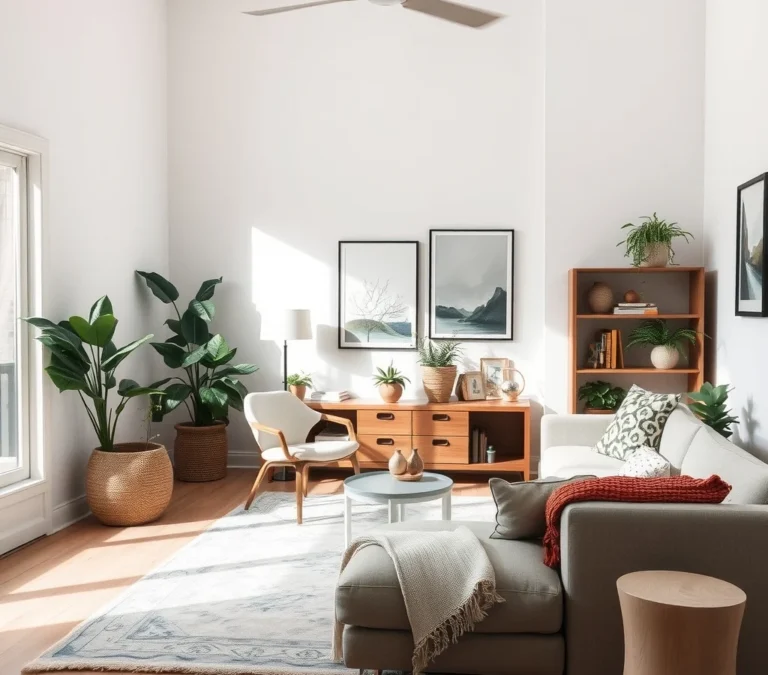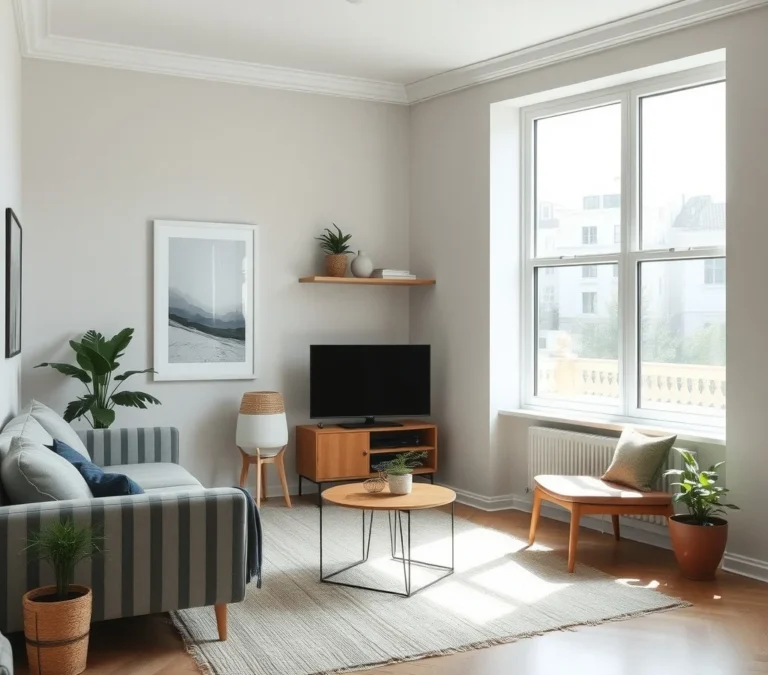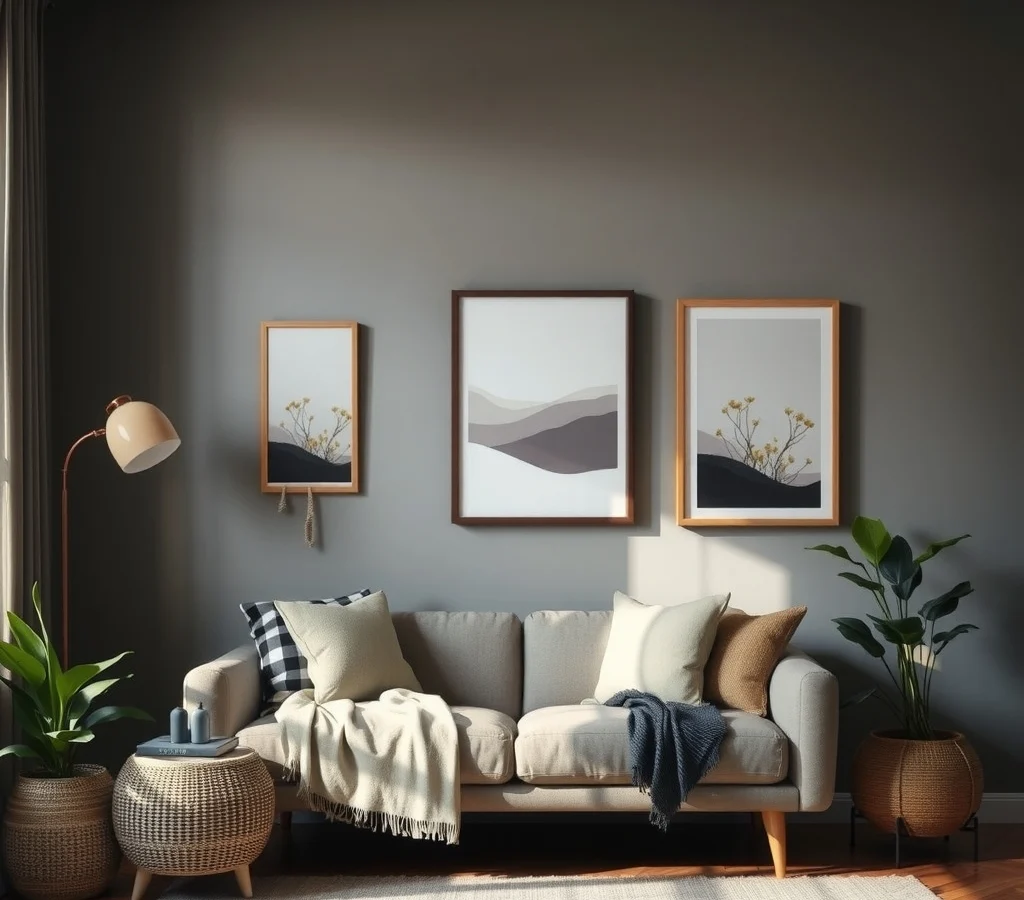
7 Ways to Make a Dark Room Brighter Without Painting
When a room feels more like a cave than a living space, the first impulse is often to reach for a fresh coat of paint. While a new hue can certainly shift the mood, there are plenty of alternatives that let you keep the existing walls and still invite more light. Below are seven approaches that combine practical tweaks with thoughtful design, so you can lift the atmosphere without a brushstroke.
1. Maximize Natural Light
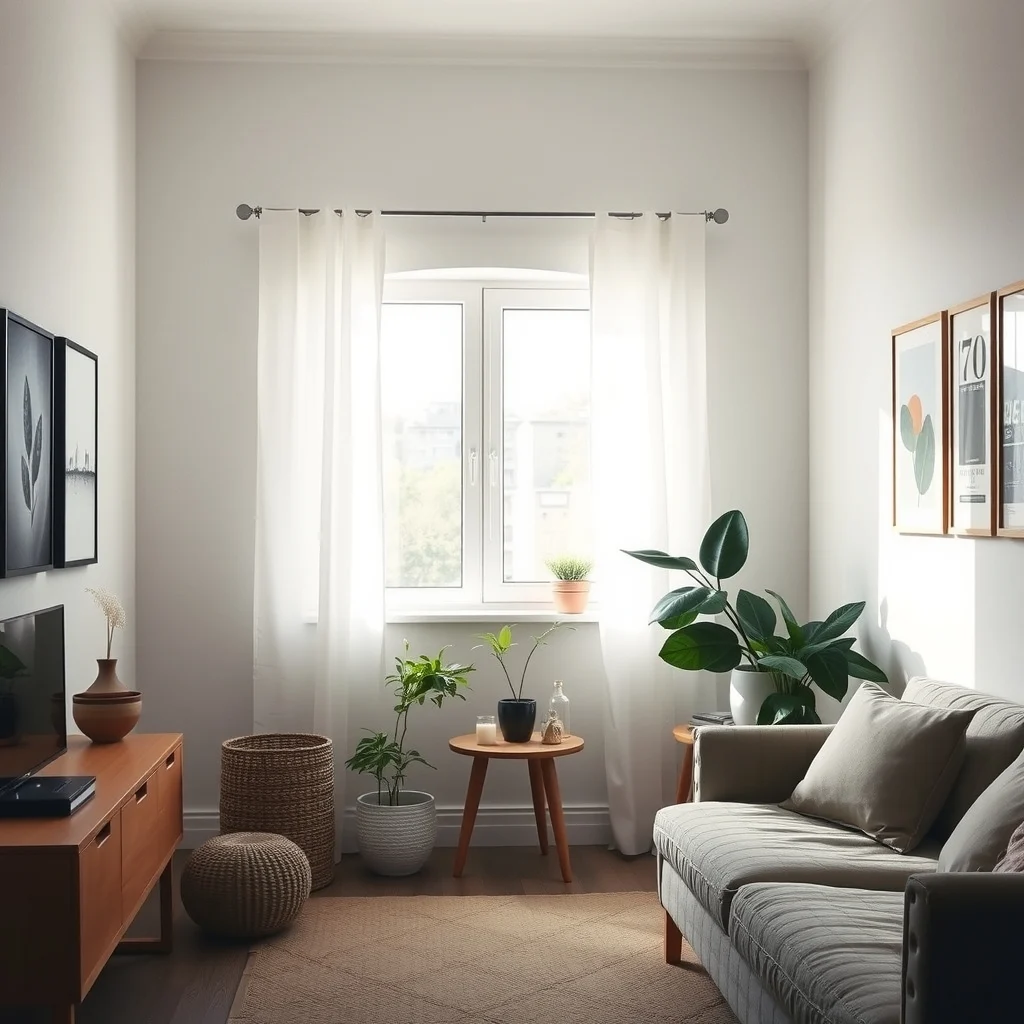
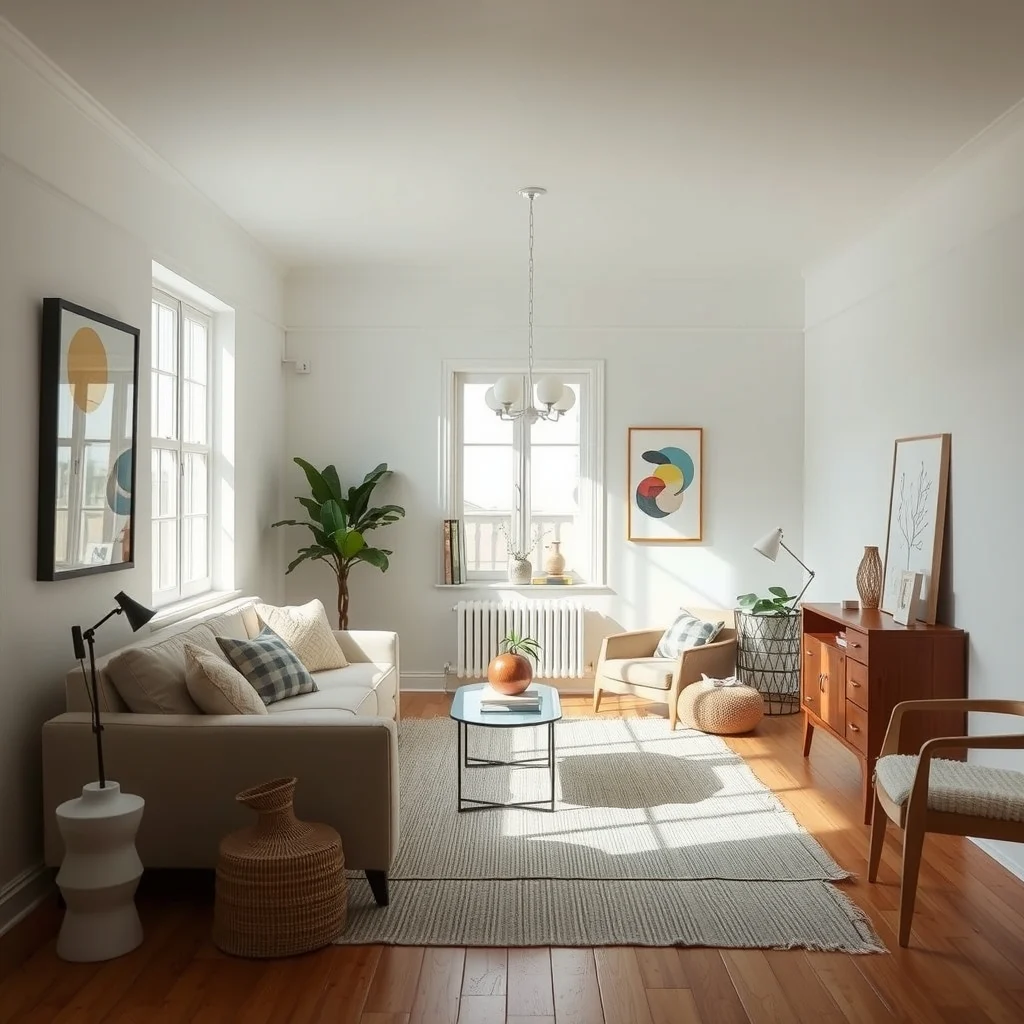
Even a modest window can become a powerful source of brightness if you treat it as a focal point rather than an afterthought. Start by removing heavy drapes and swapping them for sheer panels or light-filtering blinds that allow daylight to spill across the floor. Position mirrors opposite the window; the reflected rays double the amount of light without adding electricity. When you place a low console or a narrow shelf near the glass, the surface helps bounce light deeper into the room. Keep window sills clear of clutter, because a tidy sill lets the sun reach the walls and ceiling, creating a sense of openness that paint alone cannot achieve.
A More Beautiful Home
Starts With a Smart Plan.
Discover digital decorating guides, home organization planners and practical resources to help you make the most of your space.
Get more inspiration for less.
Livana Studio
2. Layer Light Sources
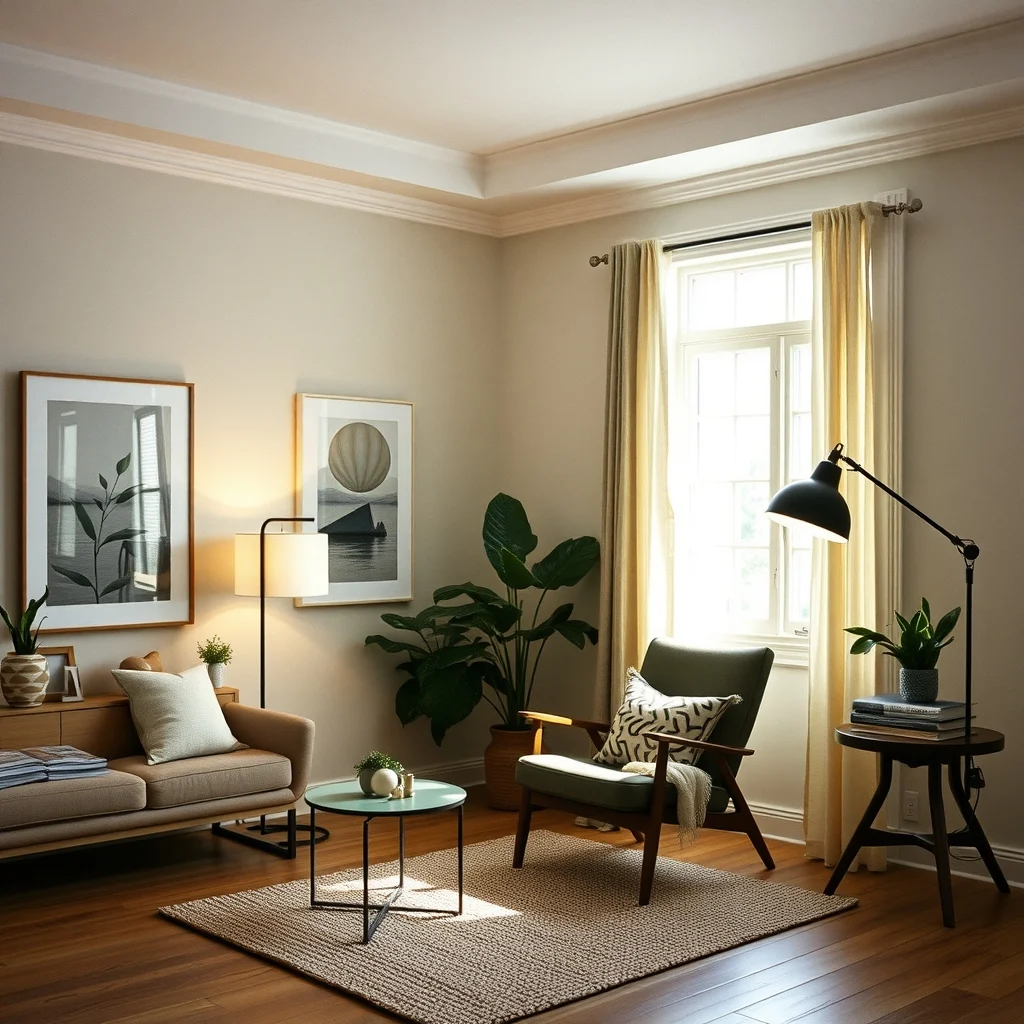
Relying on a single overhead fixture often leaves corners in shadow. Introducing a mix of ambient, task, and accent lighting fills those gaps. A slim floor lamp beside a reading chair adds a warm pool of illumination, while recessed LEDs along the perimeter provide a gentle wash that lifts the overall tone. Consider installing LED strips under cabinets or along crown molding; the soft glow they emit lifts the ceiling without harsh glare. When choosing bulbs, look for a color temperature around 3,000 K to 4,000 K—bright enough to energize the space while maintaining a comfortable warmth.
3. Choose Light‑Reflecting Finishes
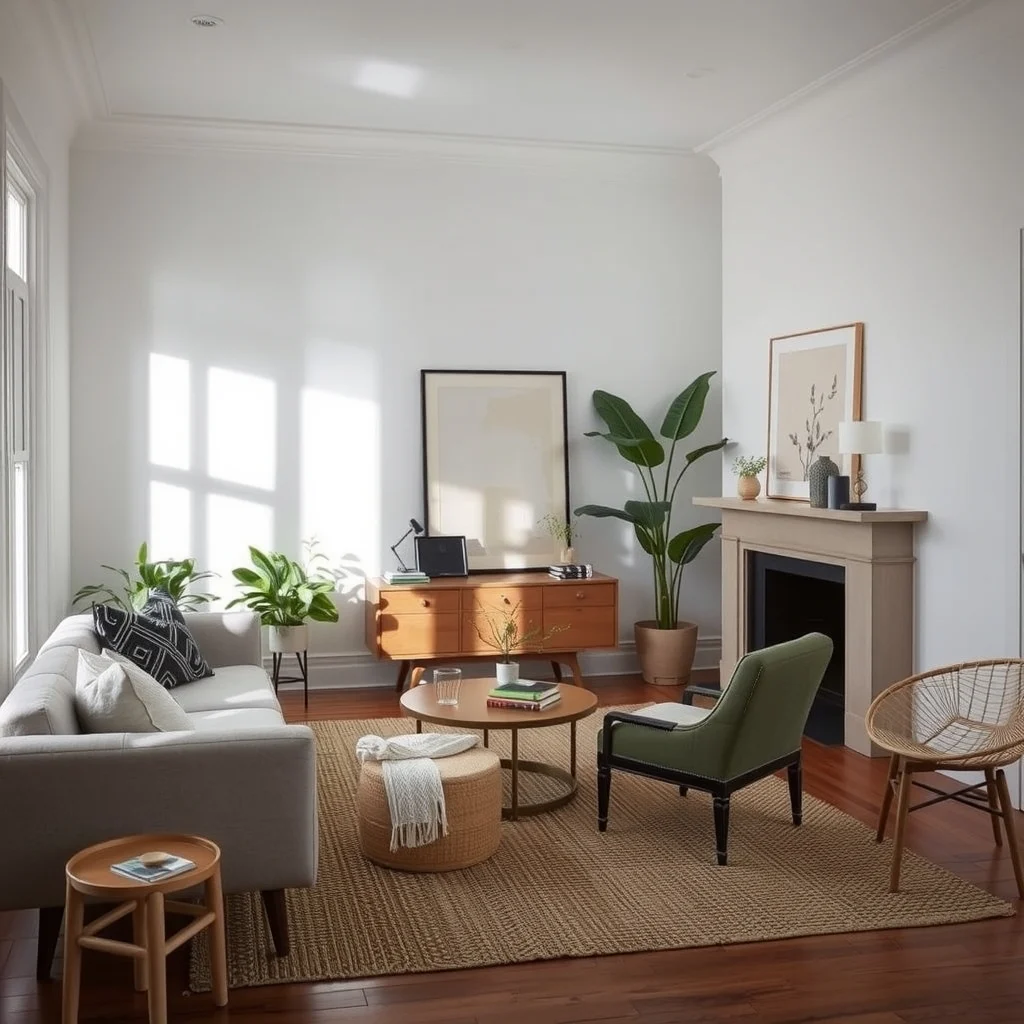
Surfaces that scatter light can dramatically change a room’s perception of brightness. Swap matte rugs for ones woven in natural fibers with a subtle sheen, such as a light sisal or a low‑pile jute. Glass or acrylic coffee tables reflect ambient light, making the floor feel larger. Even small accessories—metallic picture frames, brushed brass lamp bases, or glossy ceramic vases—contribute to a brighter ambience by catching and redirecting light. The key is balance; too many reflective objects can create glare, so spread them evenly throughout the room.
4. Lighten the Floor Coverings
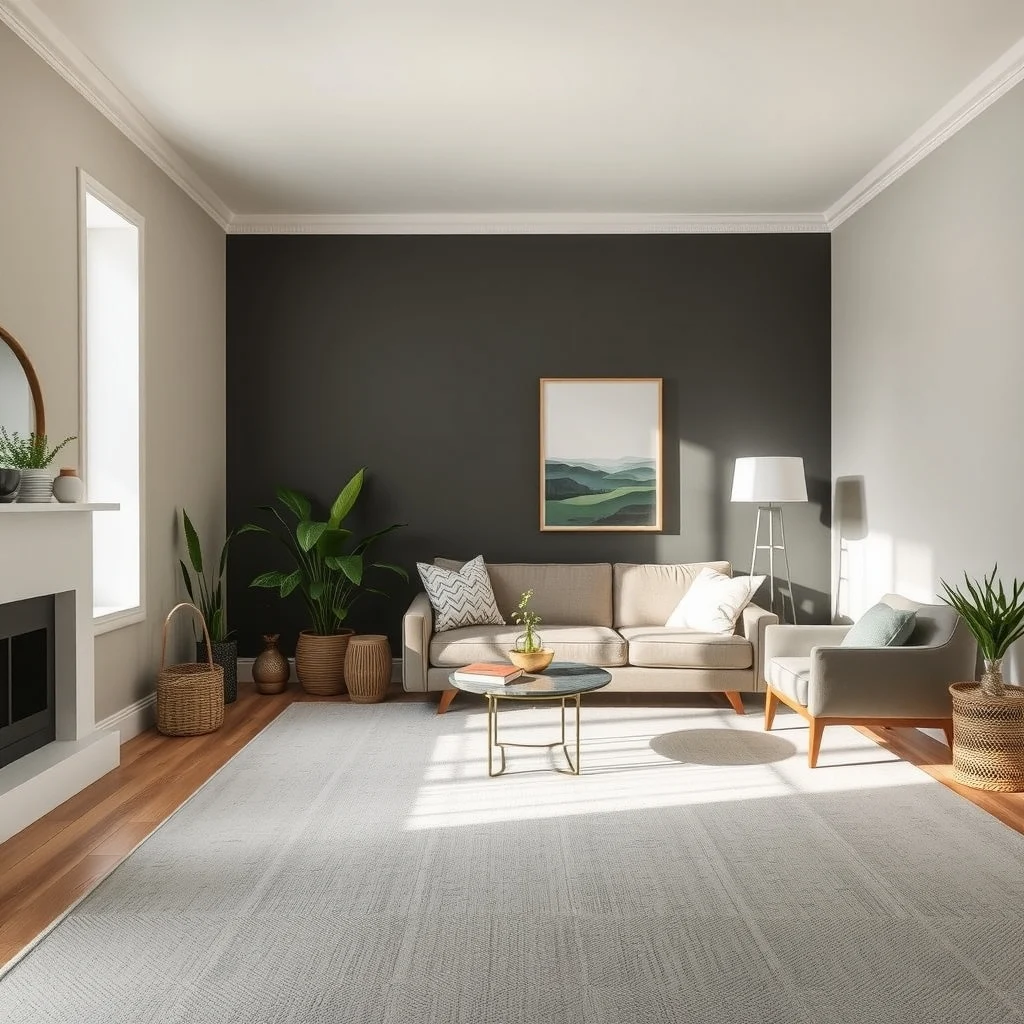
The floor often anchors a room’s visual weight. Dark carpets absorb light, deepening the sense of dimness. Replacing them with a light-colored area rug—think soft ivory, pale gray, or muted sage—helps lift the eye upward. If a full rug replacement isn’t feasible, consider a runner in a bright hue that runs the length of the room, especially in narrow hallways. Light flooring not only reflects more natural and artificial light but also creates a seamless transition between walls and the ground, making the entire space feel airier.
5. Re‑arrange Furniture for Light Flow
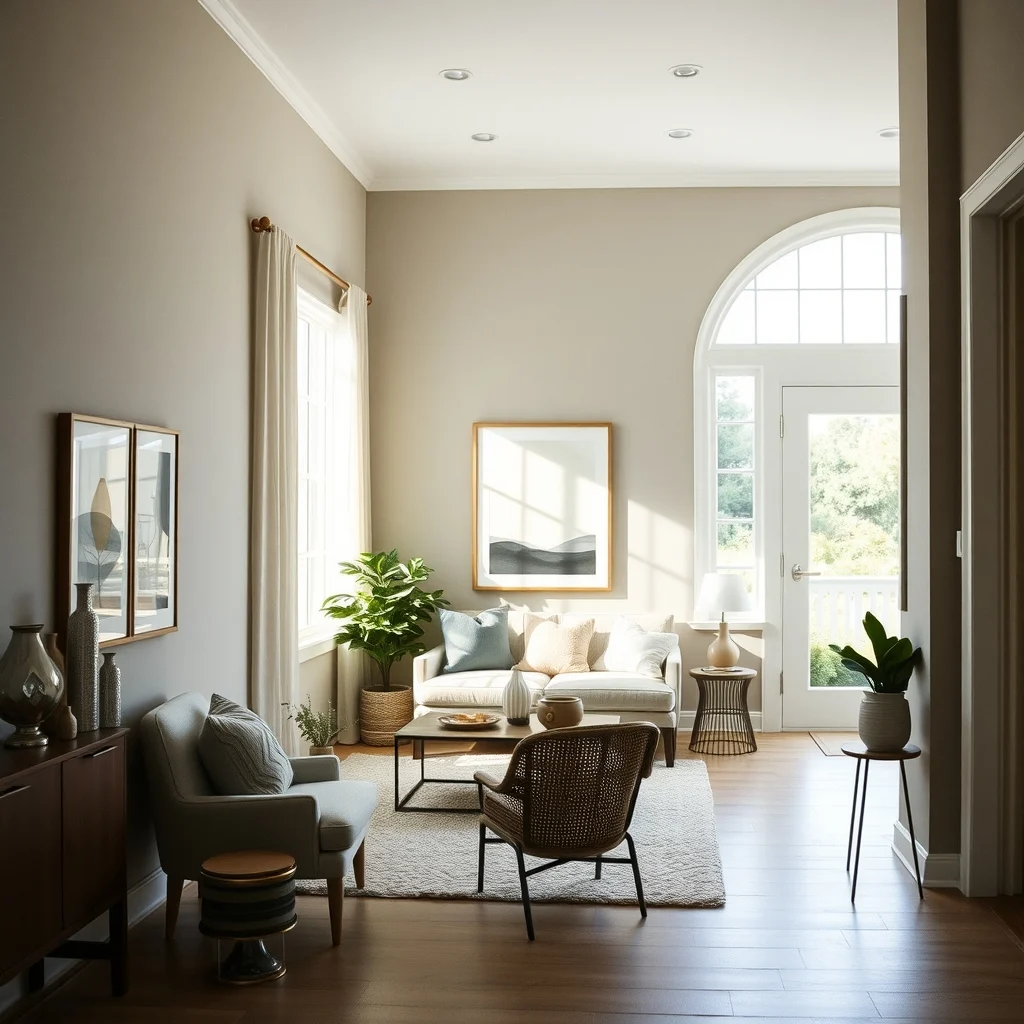
Heavy, bulky furniture placed directly in front of windows blocks the path of sunlight. Pulling sofas, bookshelves, and side tables away from the walls creates a corridor for light to travel. Low‑profile seating, such as a sleek linen sofa or a set of nesting chairs, allows light to glide over surfaces rather than being trapped beneath. When you arrange a console table behind a window, the thin top acts as a shelf for decorative items while still permitting light to filter through. Thoughtful placement turns the room into a conduit for brightness rather than a barrier.
6. Introduce Transparent or Light‑Colored Window Treatments
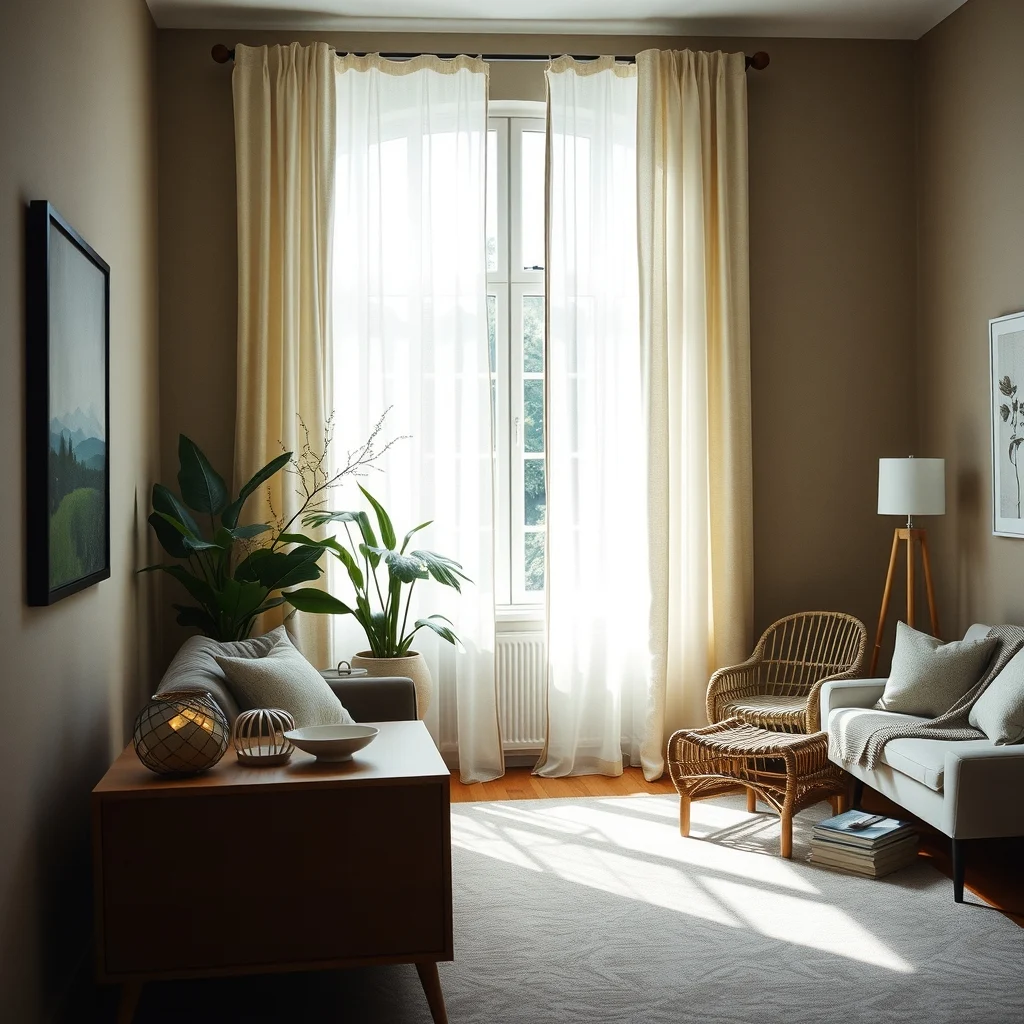
Window coverings are often the biggest culprits behind a dim room. Opt for sheer curtains in off‑white or pale linen that soften glare while still allowing daylight to pass. If privacy is a concern, layer a light-colored blackout fabric with a sheer overlay; you retain control over light levels without sacrificing brightness. For a more contemporary look, replace curtains with vertical blinds in a light wood finish—these let you tilt the slats to direct light exactly where you need it. The result is a room that feels open even on overcast days.
7. Add Reflective Wall Art and Décor
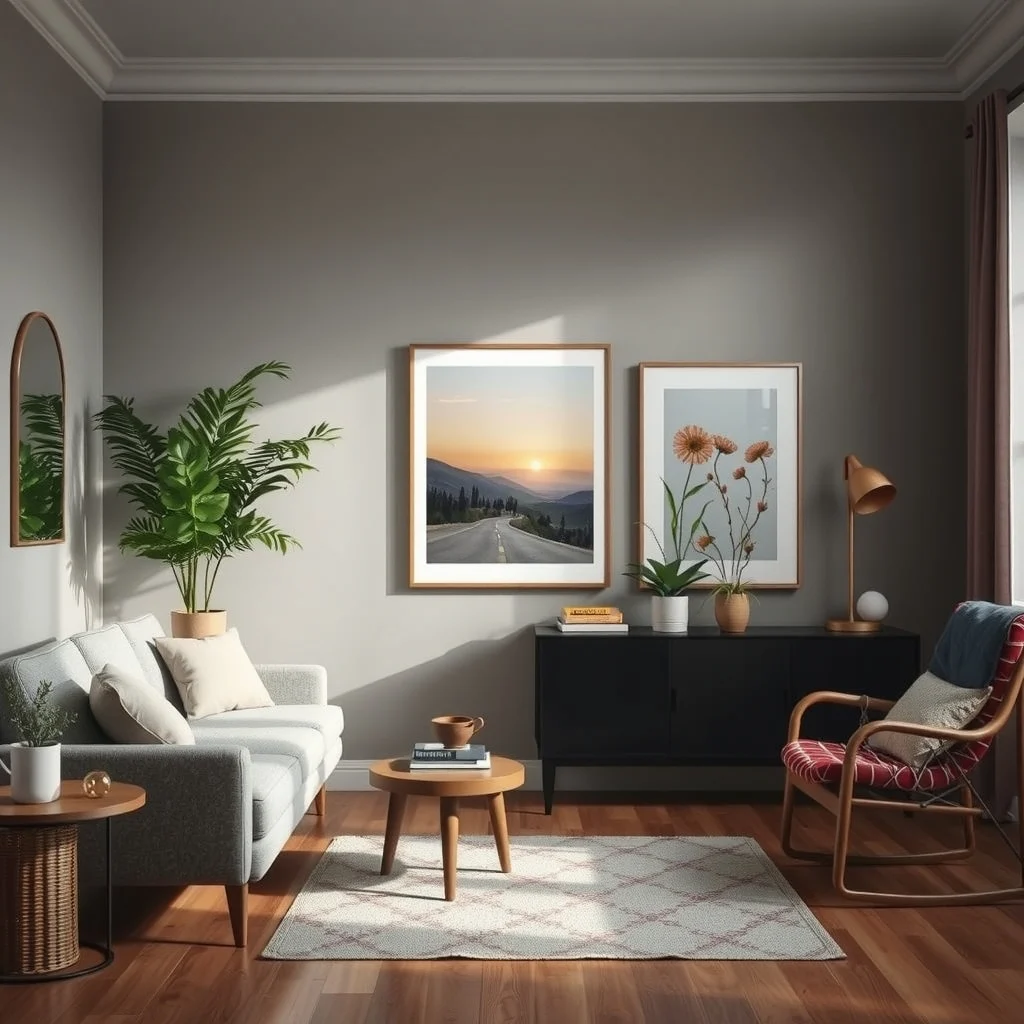
Artwork doesn’t have to be purely decorative; it can also serve a functional purpose. Choose pieces that incorporate glass, mirrored surfaces, or metallic accents. A large mirrored panel placed opposite a window can double the amount of light that reaches the far side of the room. Even a series of small, framed abstract prints with a glossy finish can catch light and scatter it across the walls. When selecting décor, keep the scale appropriate—overly large mirrors can overwhelm a small space, while a collection of modest pieces adds texture without compromising brightness.
Frequently Asked Questions
How can I brighten a room without changing the ceiling?
Focus on floor and wall elements that reflect light. Light‑colored rugs, glossy accessories, and strategically placed mirrors all help bounce light upward, making the ceiling appear higher and brighter.
Is it okay to use LED strips in a bedroom?
Yes, LED strips are safe for bedrooms when installed according to the manufacturer’s instructions. Choose a warm color temperature and dimming capability to create a soothing environment that still feels well‑lit.
What type of window film can help increase brightness?
A clear, low‑iron film reduces glare while preserving most of the natural light. It also adds a subtle layer of privacy without darkening the glass, making it ideal for rooms that need extra brightness.
Can plants contribute to a brighter space?
Plants with light‑green foliage reflect a soft, natural light and add a fresh feel to the room. Position them near windows where they can receive indirect sunlight, and choose varieties like pothos or spider plant that thrive in lower‑light conditions.
Should I replace all lighting fixtures at once?
Not necessarily. Start with the most impactful changes—add a floor lamp, swap out a single overhead bulb for a higher‑lumens LED, and introduce a mirror. Evaluate the effect before committing to a full fixture overhaul.
Final Thoughts
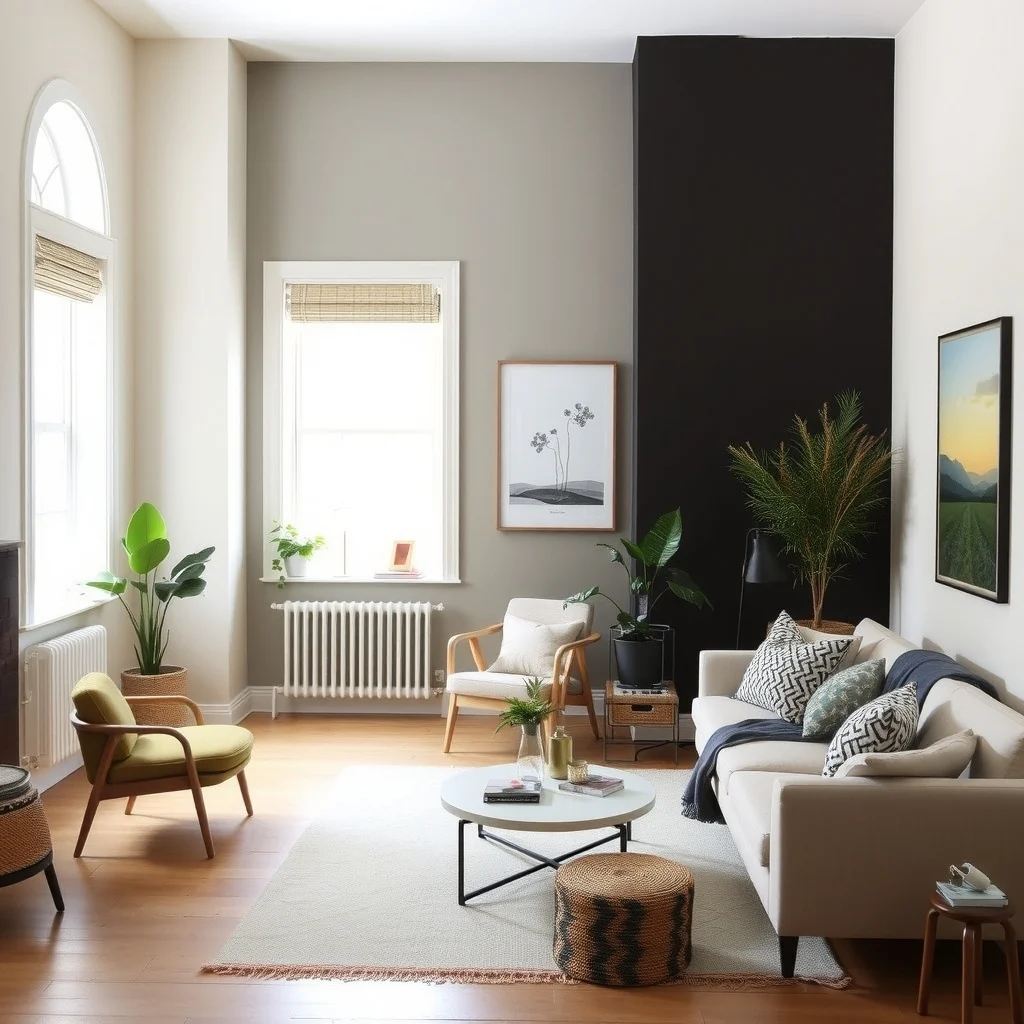
Brightening a dark room without repainting is a matter of letting light move freely and using surfaces that amplify its presence. By adjusting window treatments, rearranging furniture, and incorporating reflective elements, you can transform a shadowy corner into a welcoming space that feels larger and more inviting. The changes are often modest, budget‑friendly, and reversible, giving you the flexibility to experiment until the room achieves the right balance of light and comfort.