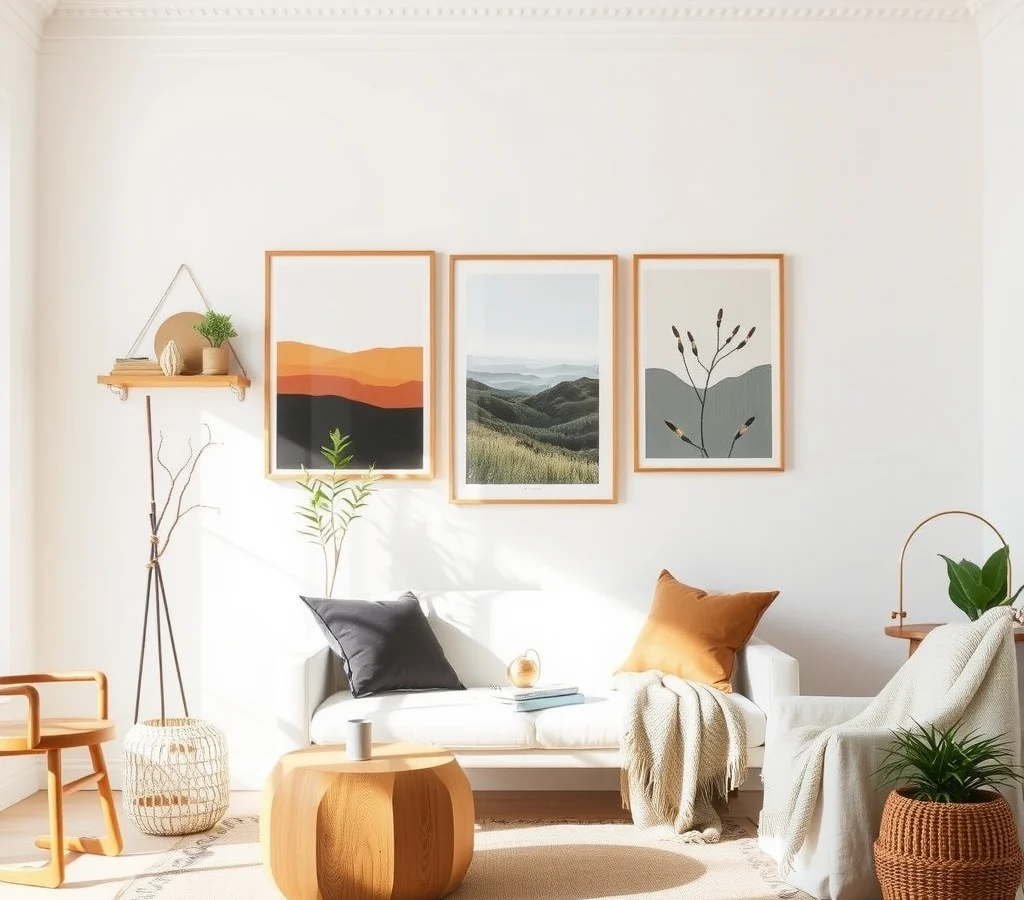
Renter‑friendly Wall Decor: 20 Ideas With Zero Holes
Living in a rental often means you have to keep the walls untouched, yet you still want a space that feels personal and styled. The good news is that a wall can become a focal point without a single nail. Below you’ll find twenty approaches that rely on pressure, adhesive, or clever placement, letting you swap pieces whenever you move. Each idea explains the visual impact, why it works in a rented home, and practical steps to make it happen, so you can curate a look that feels yours without jeopardizing a security deposit.
1. Peel‑and‑stick wallpaper panels
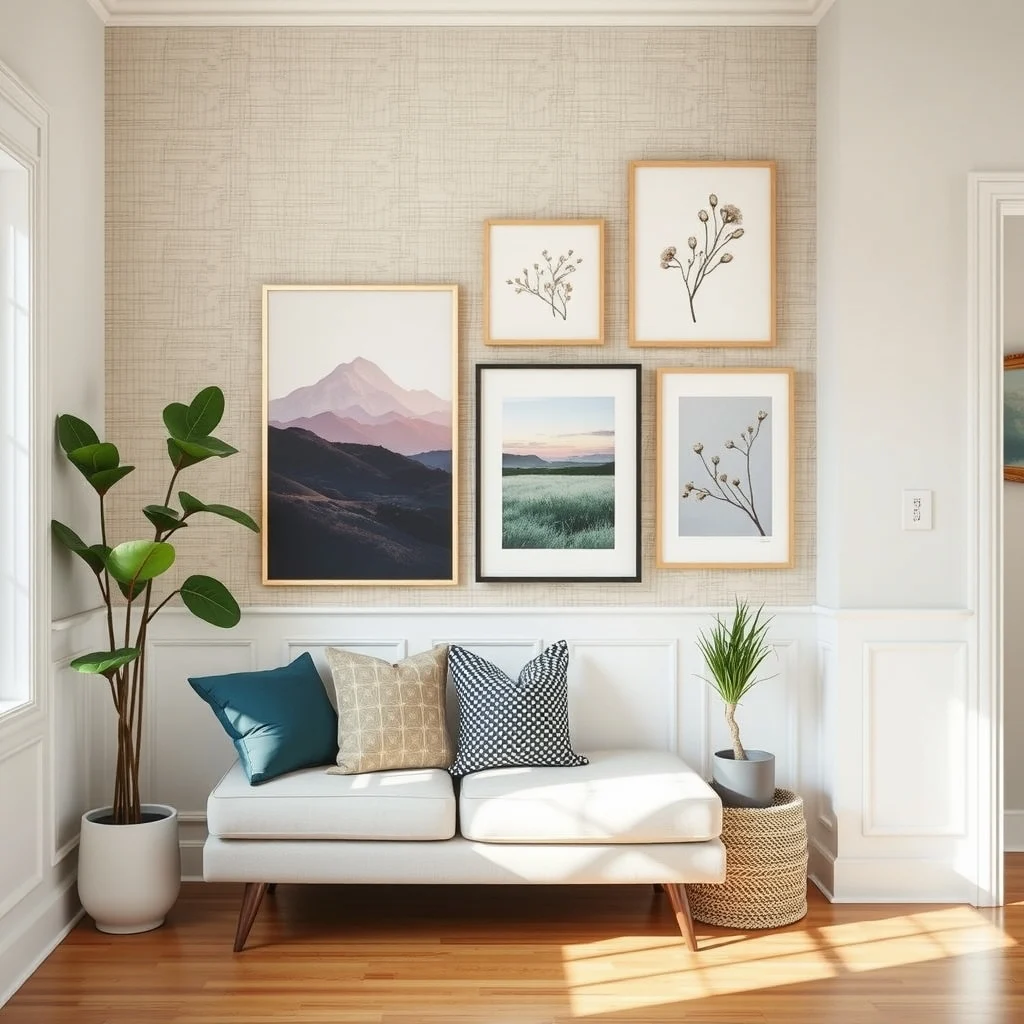
Removable wallpaper has come a long way, offering patterns that range from subtle linen textures to bold geometric prints. Because the material adheres with a pressure‑sensitive backing, you can apply a few panels to an empty stretch of wall and peel them off later without residue. Choose a panel that complements the room’s existing color palette—perhaps a muted sage for a living room with warm wood furniture—to create a backdrop that adds depth without overwhelming the space. When installing, start at the top and smooth the panel downward with a soft cloth to avoid air bubbles. The main limitation is that large, highly patterned sheets can feel busy in a small room, so opt for a single accent strip rather than covering the entire wall.
A More Beautiful Home
Starts With a Smart Plan.
Discover digital decorating guides, home organization planners and practical resources to help you make the most of your space.
Get more inspiration for less.
Livana Studio
2. Tension rod gallery
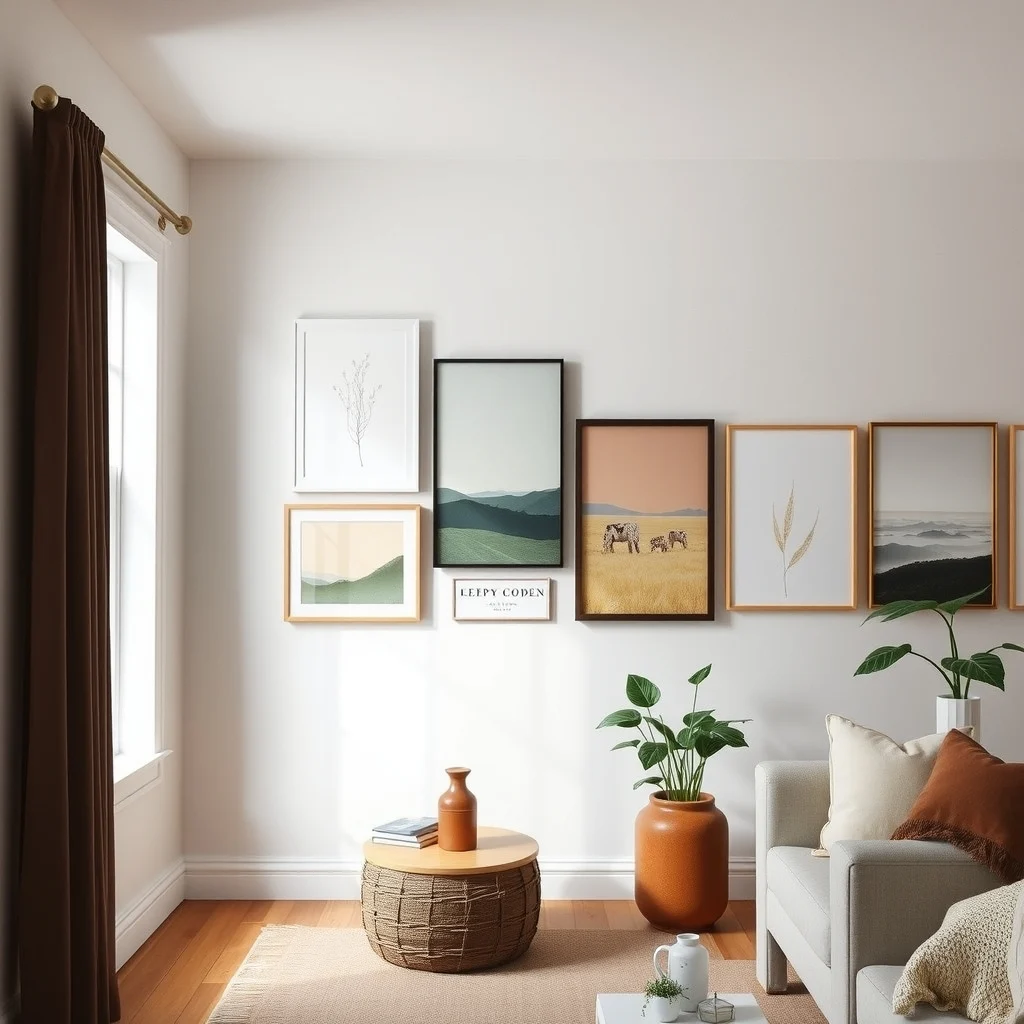
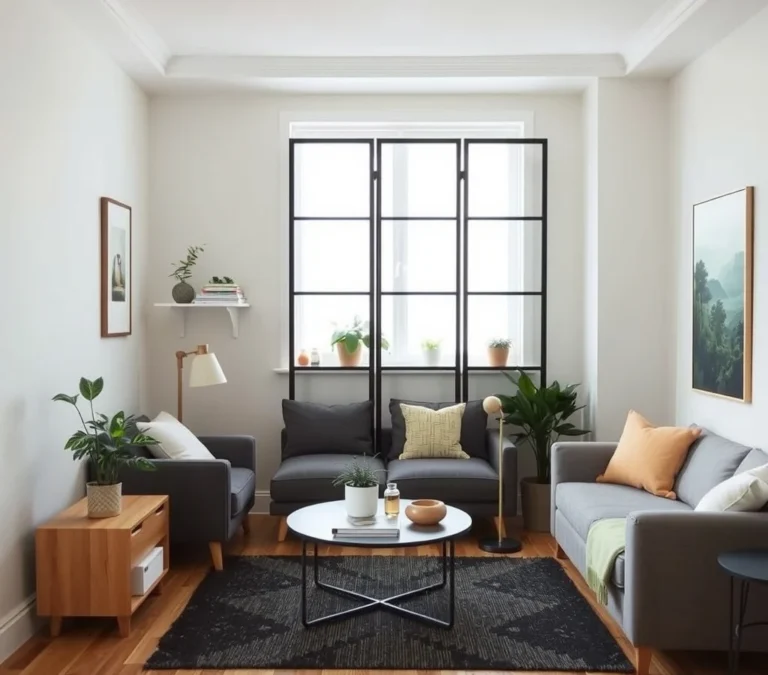
A simple curtain rod, mounted between two opposite walls, can become an instant gallery rail. By selecting a rod with a sleek brushed‑nickel finish, you add a touch of modernity while keeping the installation entirely non‑permanent—most rods rely on tension alone. Hang lightweight frames using small clips or adhesive hooks that are designed to leave no marks. This method works especially well over a sofa or bedside table, allowing the eye to travel across a curated collection of prints, botanical illustrations, or abstract art. The trade‑off is that the rod must be level; uneven walls may cause the rod to slip, so measure carefully before committing.
3. Magnetic paint accent
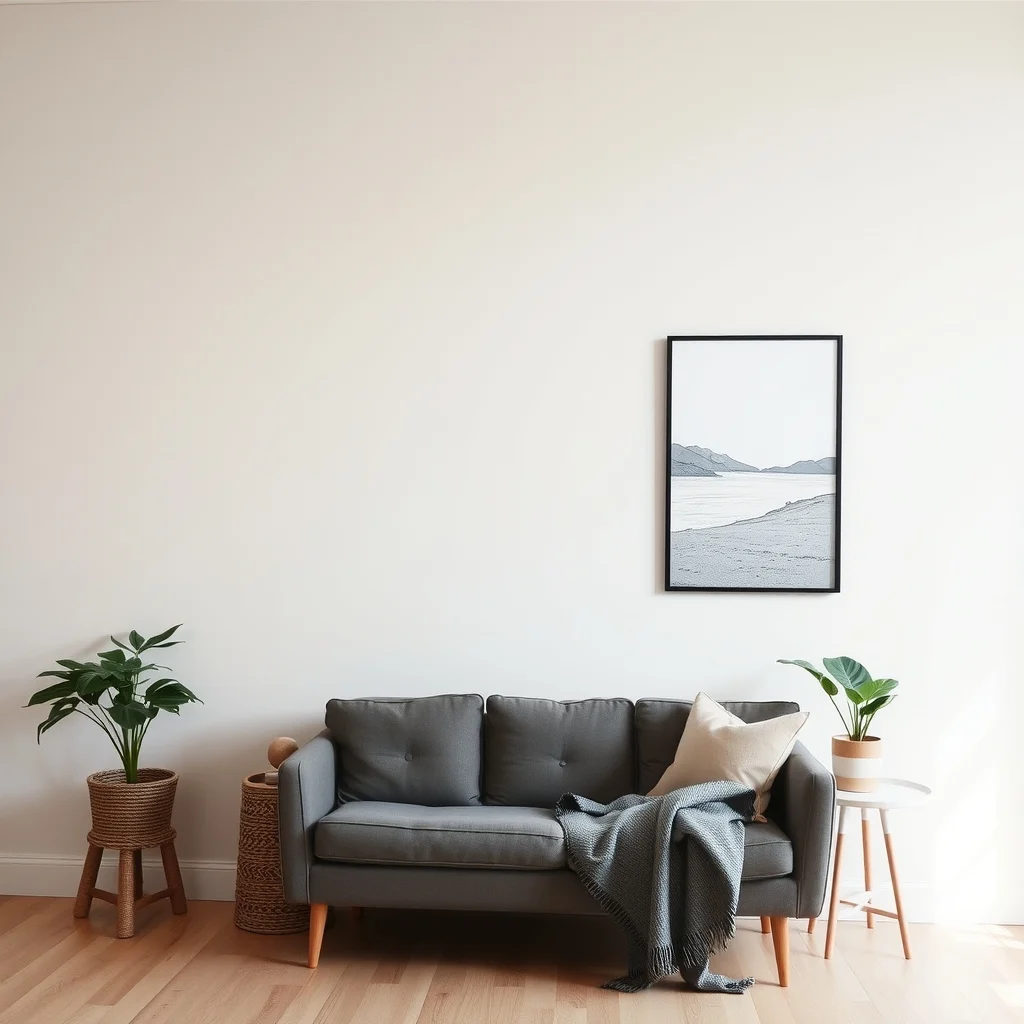
Magnetic paint contains iron particles that turn a wall into a magnet‑friendly surface. Apply a thin coat over a small area—perhaps a 3‑by‑4‑foot rectangle—using a roller, then cover it with a layer of regular paint that matches the surrounding wall. Once dry, you can attach decorative metal pieces, framed photos with magnetic backs, or even a functional spice rack in the kitchen. Because the paint is low‑odor and dries quickly, it’s a renter‑safe option that can be painted over when you move out. Keep in mind that the magnetic strength is modest; heavier items will need additional support, such as small adhesive brackets that also leave no marks.
4. Fabric‑covered canvas panels
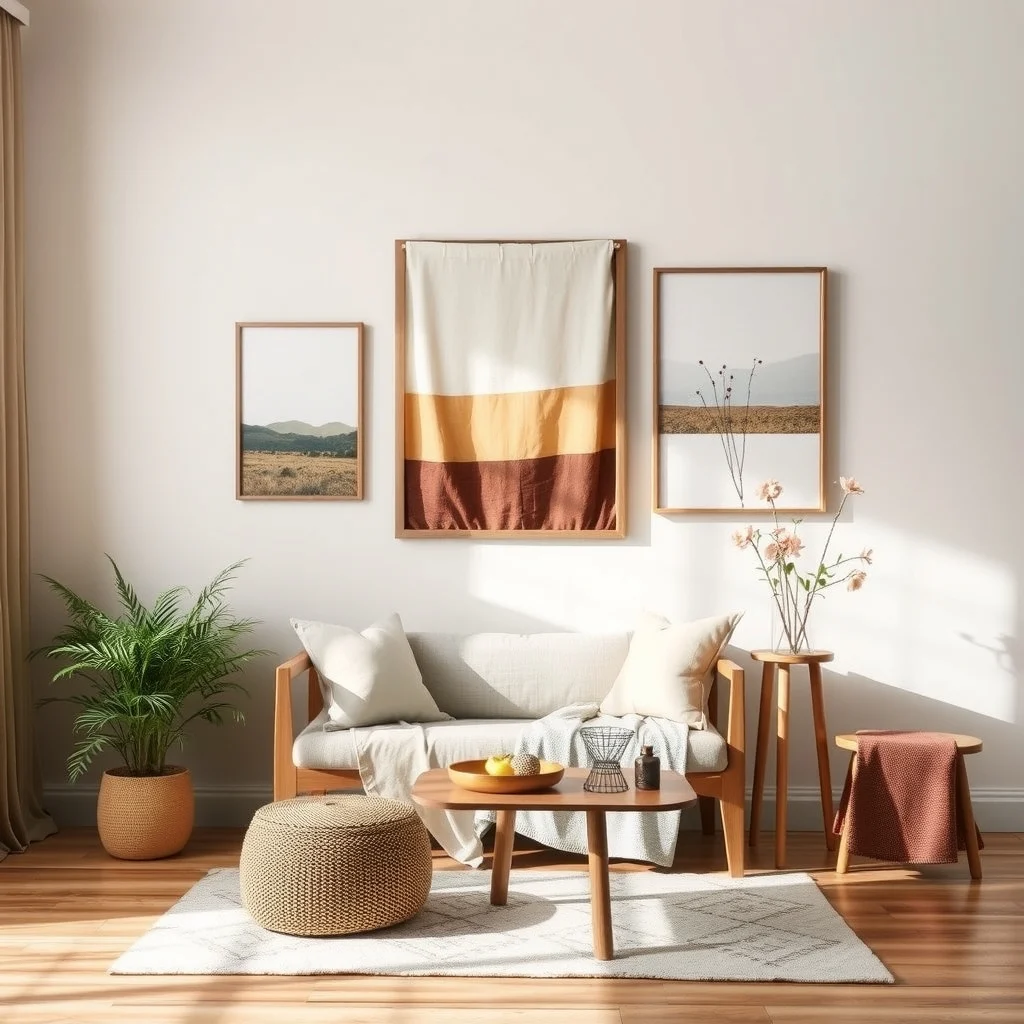
Stretching a piece of fabric over a wooden frame creates a soft, textured wall element that behaves like a piece of art. Choose a linen or cotton fabric in a hue that echoes the room’s accent colors—perhaps a warm terracotta to echo a copper lamp. The frame can be assembled from inexpensive pine strips, then secured with a few brads that sit on the interior side, keeping the exterior smooth. To hang the panel, use removable adhesive strips designed for picture frames; they grip the wall without leaving residue. This approach adds depth and can be swapped out seasonally, though the fabric may attract dust, so a gentle vacuuming with a brush attachment is advisable.
5. Freestanding leaning shelf
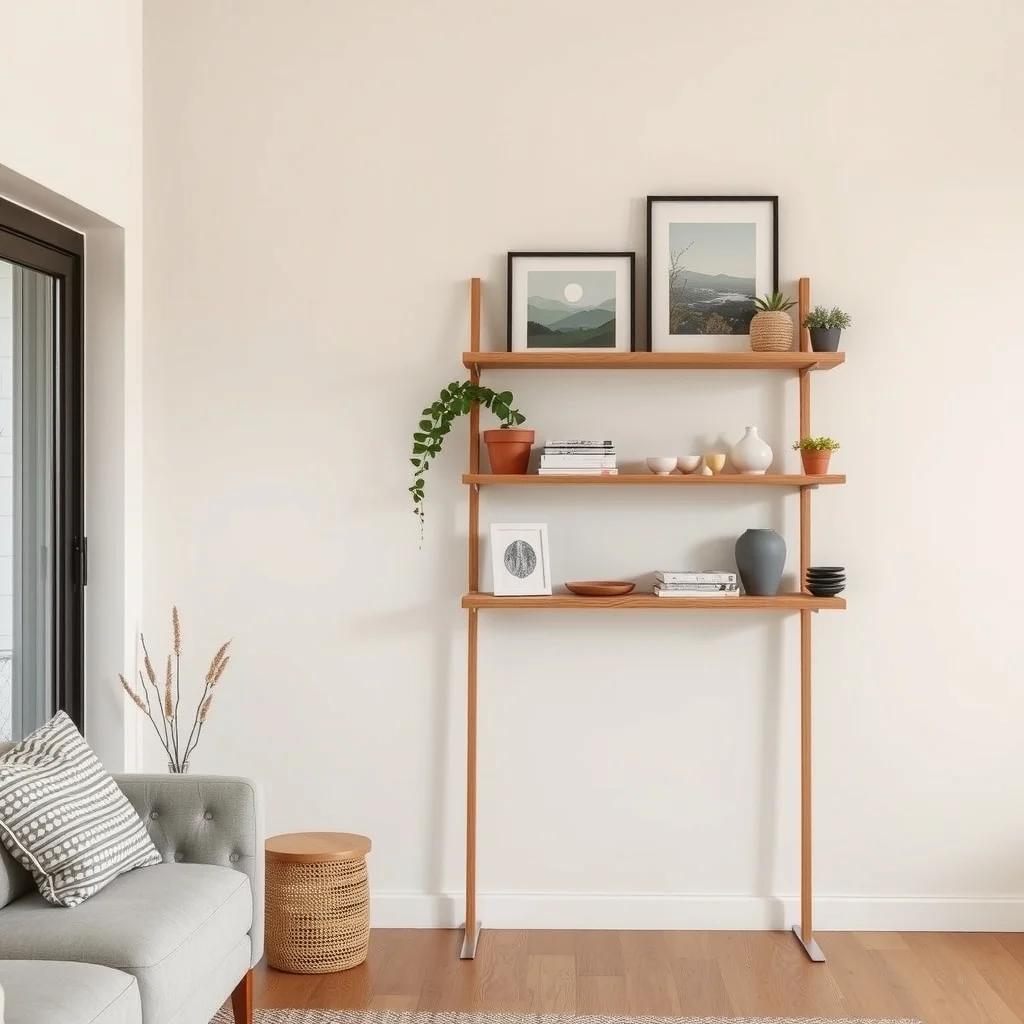
A tall, narrow shelving unit that leans against the wall provides both storage and a display surface without any wall penetration. Opt for a unit finished in reclaimed oak to bring natural warmth, and arrange a mix of books, ceramic vases, and small plants. The leaning angle creates visual interest while keeping the floor space open, especially in a hallway or bedroom. Because the piece rests on the floor, you can reposition it whenever you like. The only consideration is stability; ensure the base is weighted or that the shelf includes a small rubber foot to prevent sliding on smooth surfaces.
6. Removable cork tiles
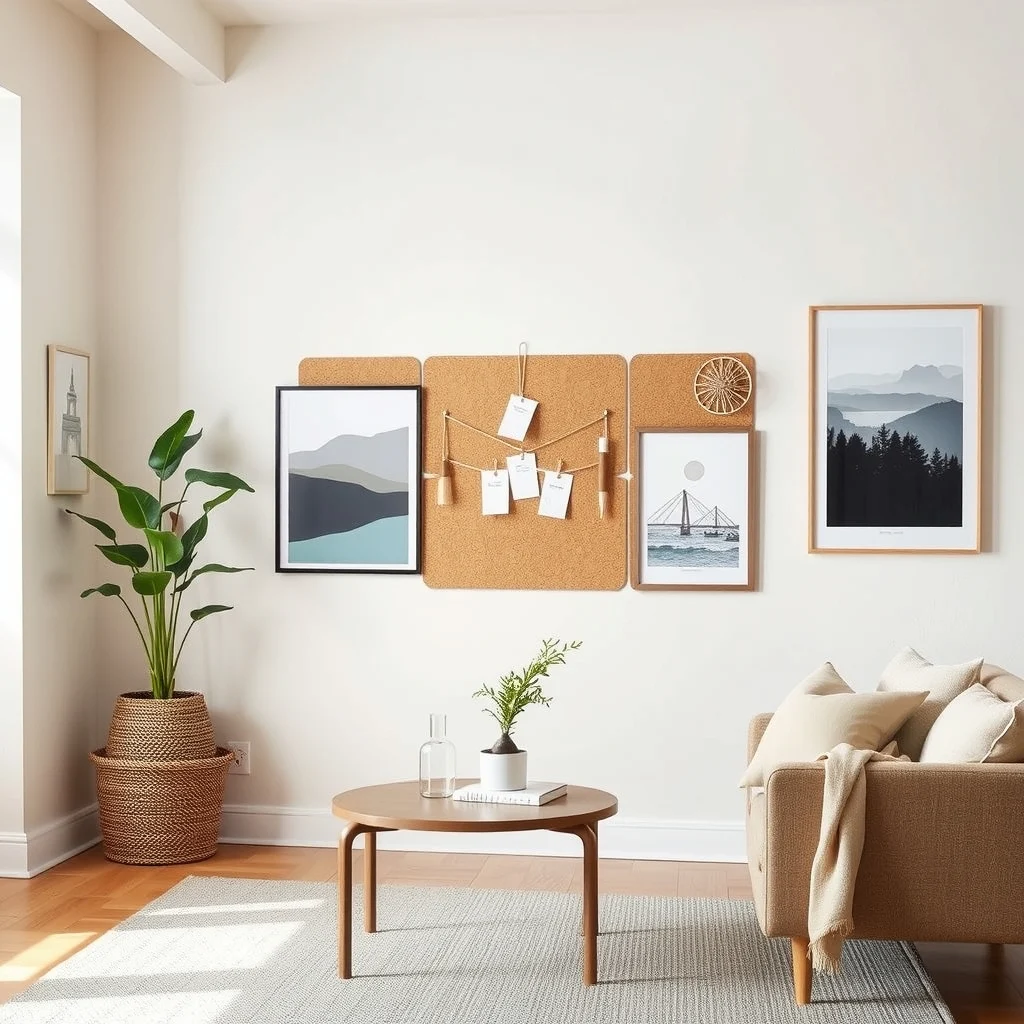
Cork tiles that adhere with a pressure‑sensitive backing transform a blank wall into a functional pinboard. Select tiles in a neutral tone, such as light greige, and arrange them in a staggered pattern for a subtle texture. Once applied, you can pin notes, travel souvenirs, or small artworks, turning the wall into a living collage. When it’s time to leave, gently peel the tiles off; most leave only faint marks that can be cleaned with a mild soap solution. The downside is that cork can be prone to dents if heavy objects are pressed into it, so reserve it for lightweight decor.
7. Decorative washi‑tape borders
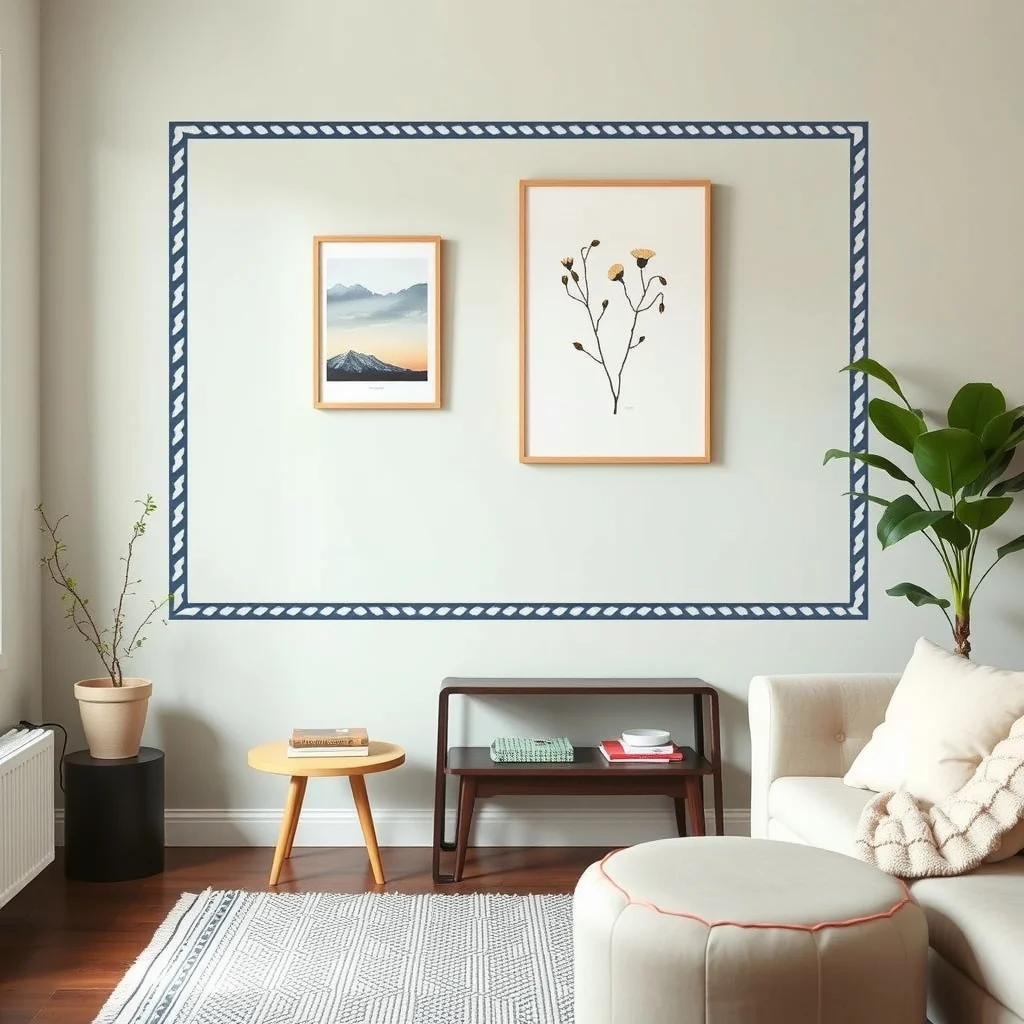
Washi tape offers a playful way to outline a wall or create geometric shapes without any adhesive residue. Choose a set of tapes in complementary shades—perhaps a deep navy paired with a soft cream—to frame a section of the wall behind a bookshelf or a television. The tape can be applied in straight lines or overlapping patterns, adding visual separation between zones. Because washi tape is paper‑based, it can be removed cleanly, though it may need replacement after several months of exposure to sunlight. This technique works best on smooth painted surfaces; textured walls may cause the tape to lift unevenly.
8. Hanging macramé planters
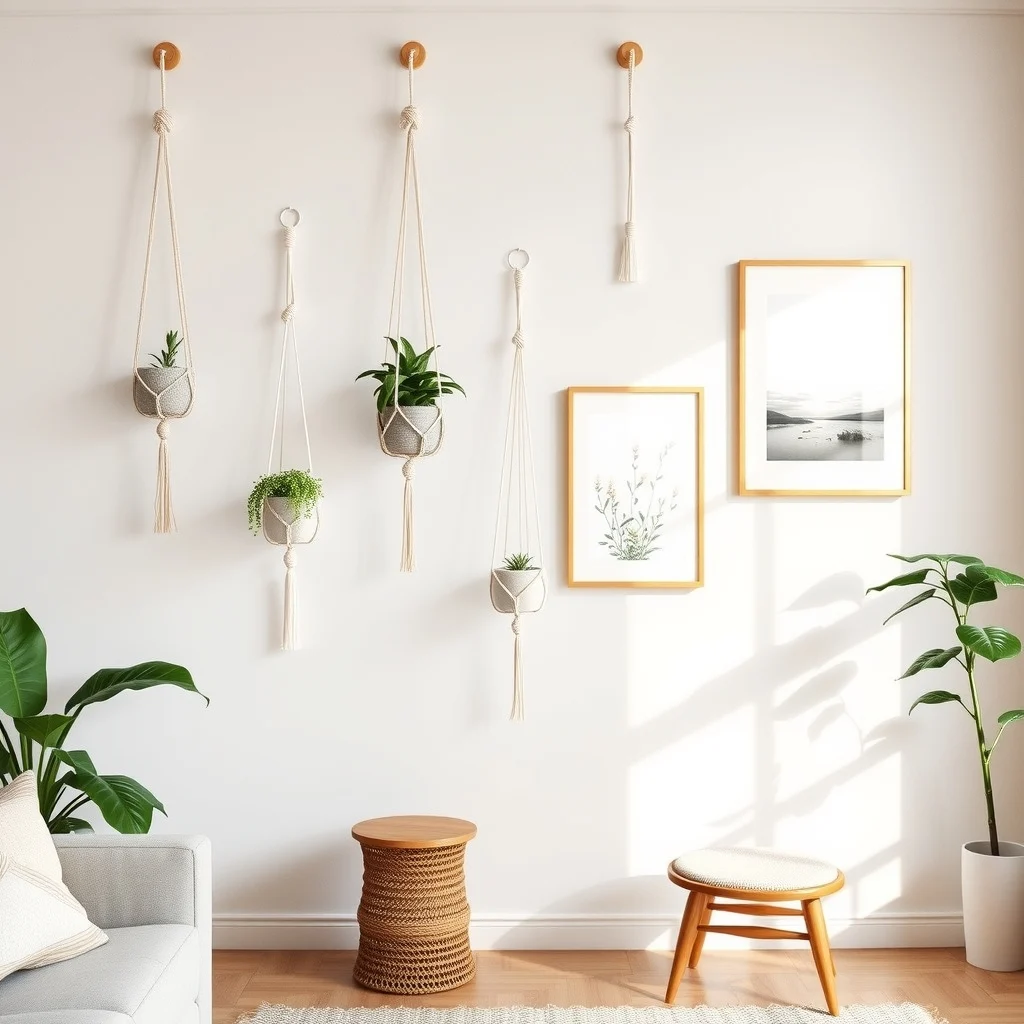
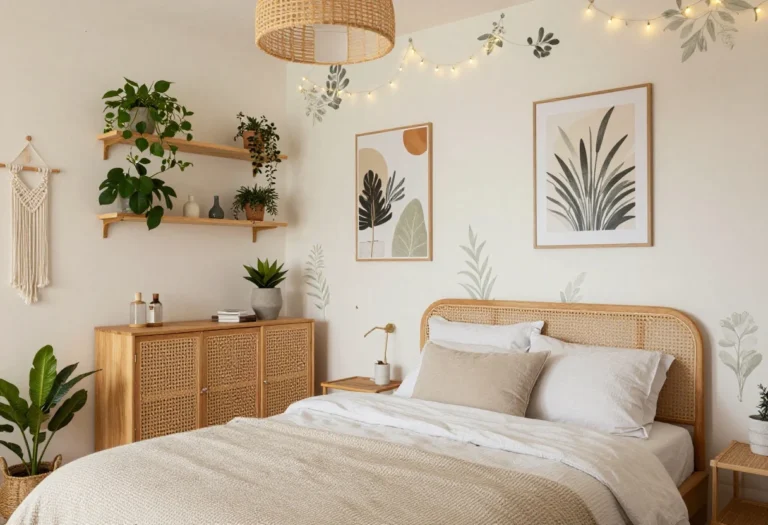
Macramé wall hangers provide a natural, bohemian touch while keeping plants off the floor. The knots create a sturdy cradle for a small pot, and the fibers can be chosen in natural cotton or dyed in a muted sage to blend with existing décor. Attach the hanger using adhesive hooks that are rated for medium weight; these hooks grip the wall surface without leaving marks. The greenery adds a breath of fresh air and softens the room’s edges, especially near a window where the plant can receive indirect light. Be mindful of the pot’s weight—heavy ceramic containers may exceed the hook’s capacity, so opt for lightweight terracotta or plastic pots.
9. Light‑weight wooden wall art
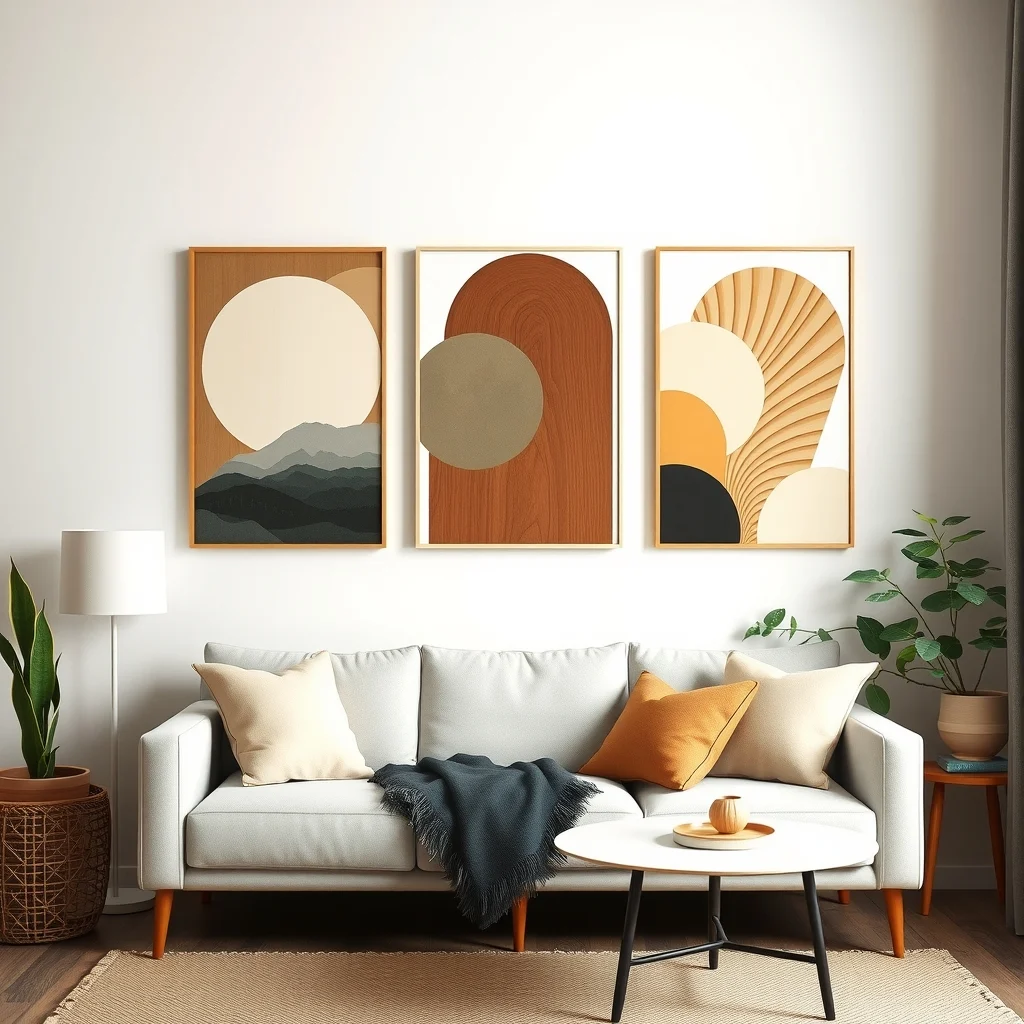
Laser‑cut wooden panels in abstract shapes can serve as striking wall art that hangs with removable strips. Choose a piece finished in a warm walnut tone to complement a neutral sofa, or a light birch for a brighter look. The natural grain adds texture without the need for additional frames. When installing, use adhesive strips designed for wood, ensuring they are rated for the panel’s weight. This approach delivers a sculptural element that catches light differently throughout the day. The main limitation is that larger pieces may require multiple strips, increasing the chance of visible adhesive edges.
10. Fabric‑wrapped canvas prints
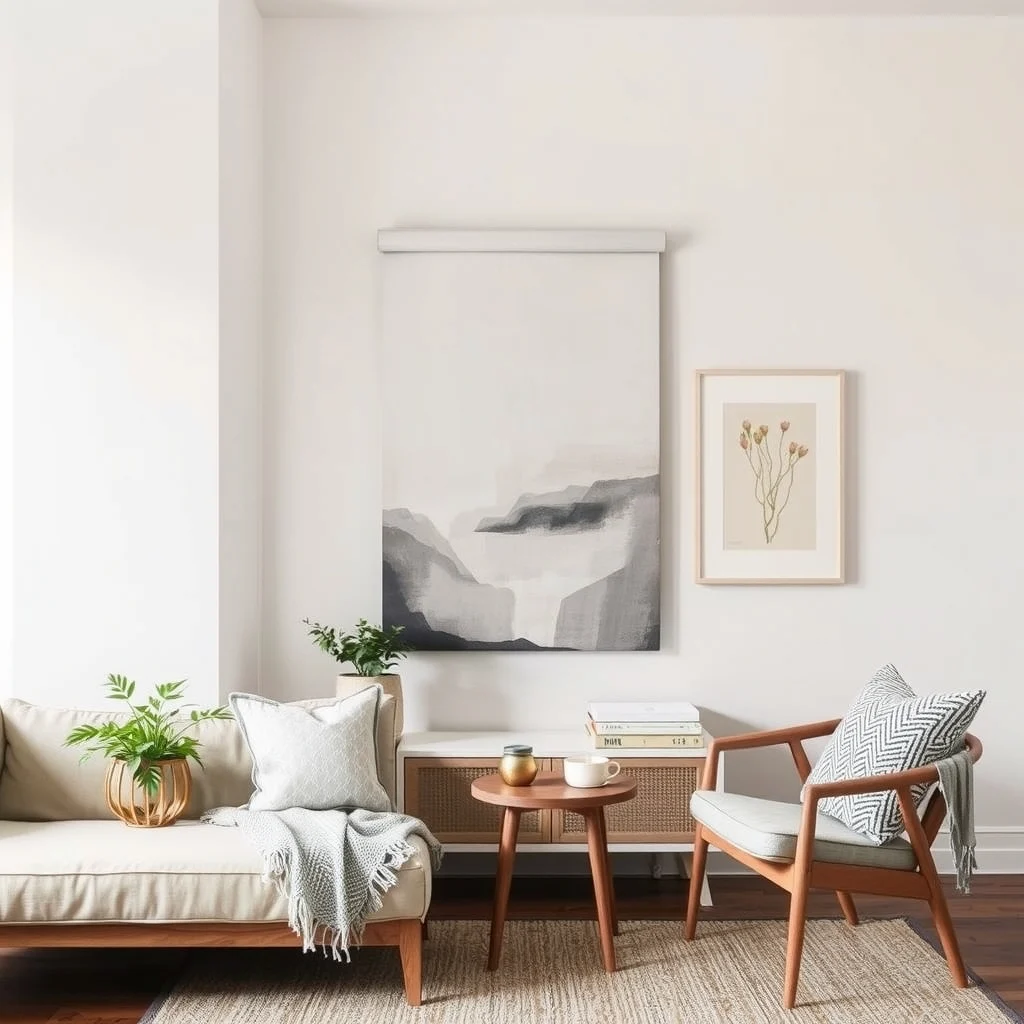
A canvas print wrapped in a decorative fabric creates a soft, museum‑like presentation. Select a canvas that features a muted landscape or abstract composition, then cover it with a thin linen in a color that picks up accents from the room—perhaps a dusty blue echoing a teal sofa cushion. The canvas can be hung with removable picture‑hanging strips, eliminating the need for nails. Because the fabric adds a layer of protection, the print is less vulnerable to dust, and the texture adds depth. The trade‑off is that the fabric may shift over time, requiring occasional smoothing.
11. Removable tile stickers
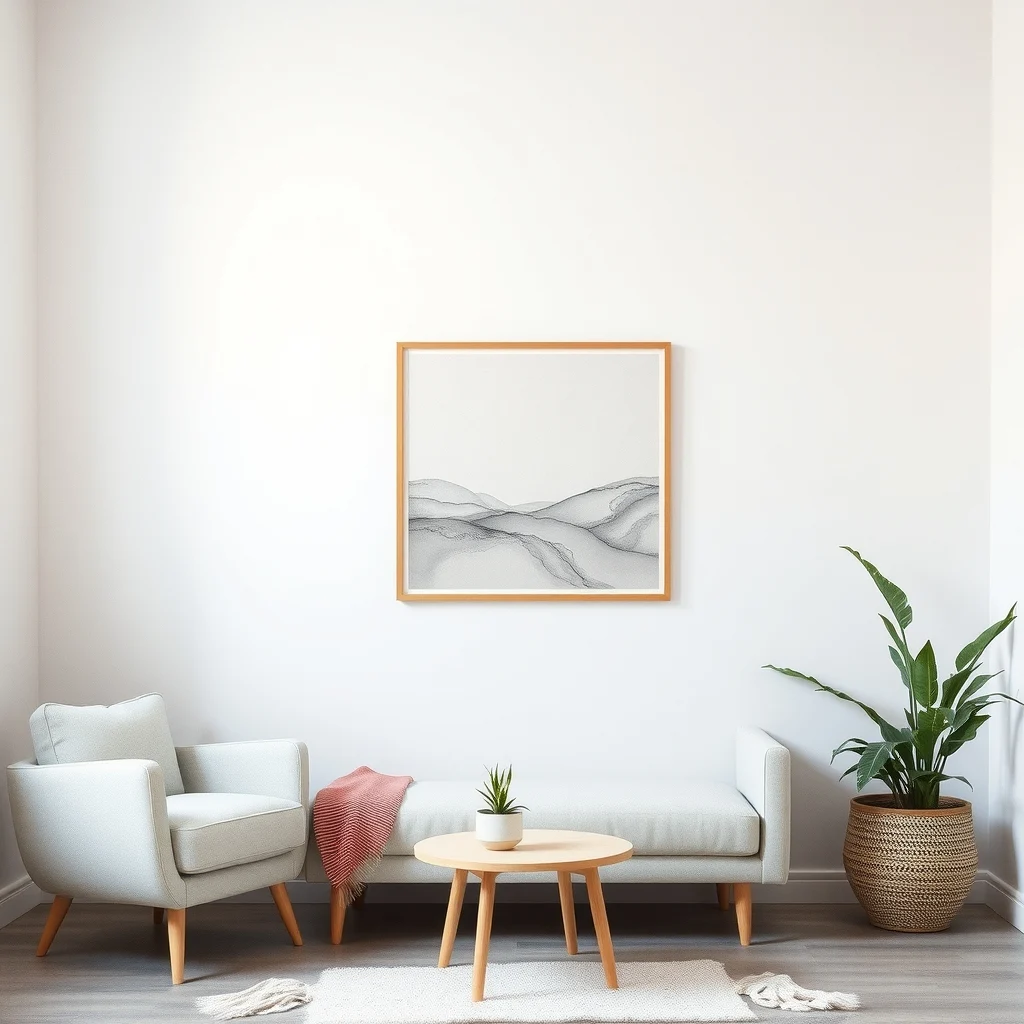
Large‑format tile stickers mimic the look of ceramic or stone tiles without any permanent installation. Choose a design that resembles a subtle marble veining in a soft gray, perfect for an accent wall behind a dining table. The stickers are applied directly to the wall, using a water‑based adhesive that can be removed with a gentle scraper and warm water. This method adds a high‑end feel without the cost of actual tile, and it works well in rooms with limited natural light, as the reflective surface brightens the space. However, the stickers can be prone to bubbling if the wall isn’t perfectly smooth, so prep the surface with a light wipe before applying.
12. Oversized decorative mirrors
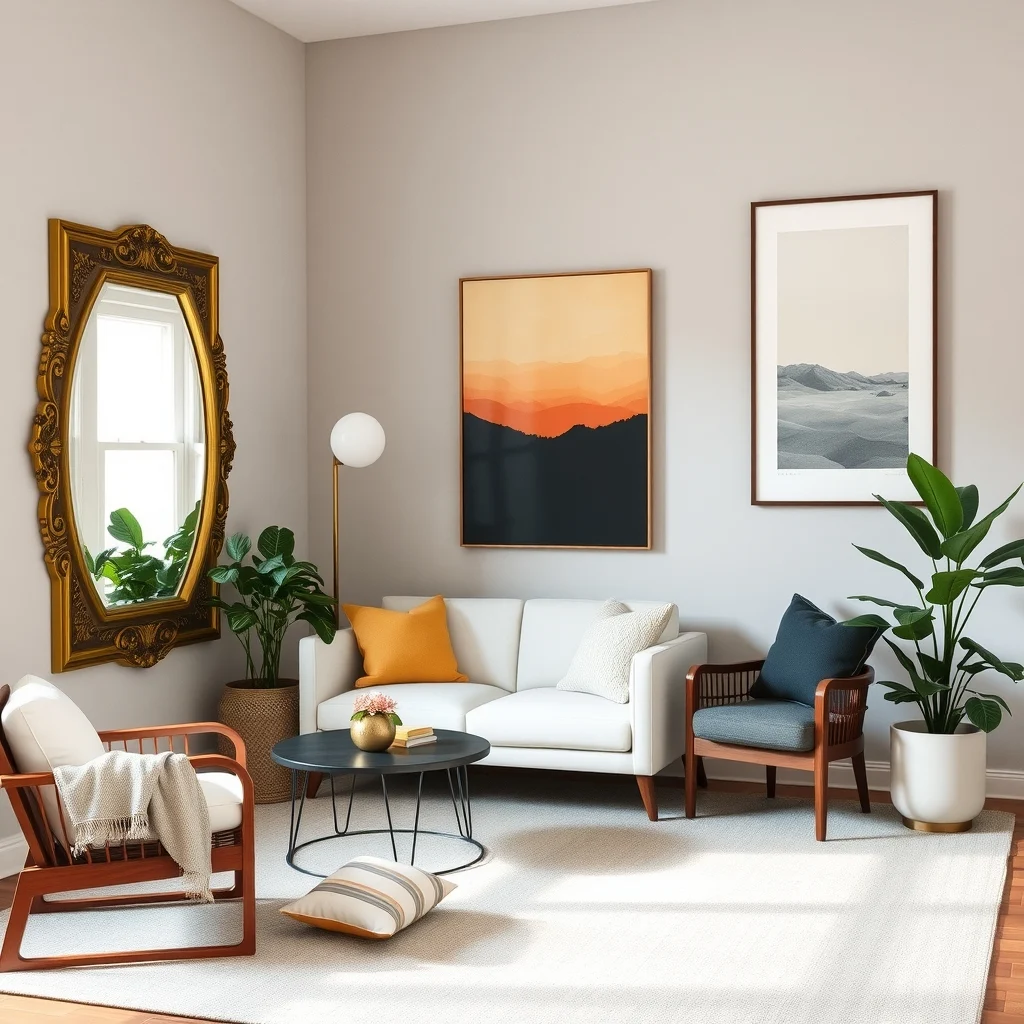
A large mirror with a decorative frame can double the sense of space while serving as a stylish focal point. Opt for a frame in brushed brass to add a hint of luxury without overwhelming the room. The mirror can be secured using adhesive mirror‑mounting strips that are designed to hold the weight safely. Position the mirror opposite a window to reflect natural light, brightening a narrow hallway or compact living area. The only caution is to ensure the strips are rated for the mirror’s size; a mis‑rated product could cause the mirror to shift over time.
13. Fabric‑covered wall decals
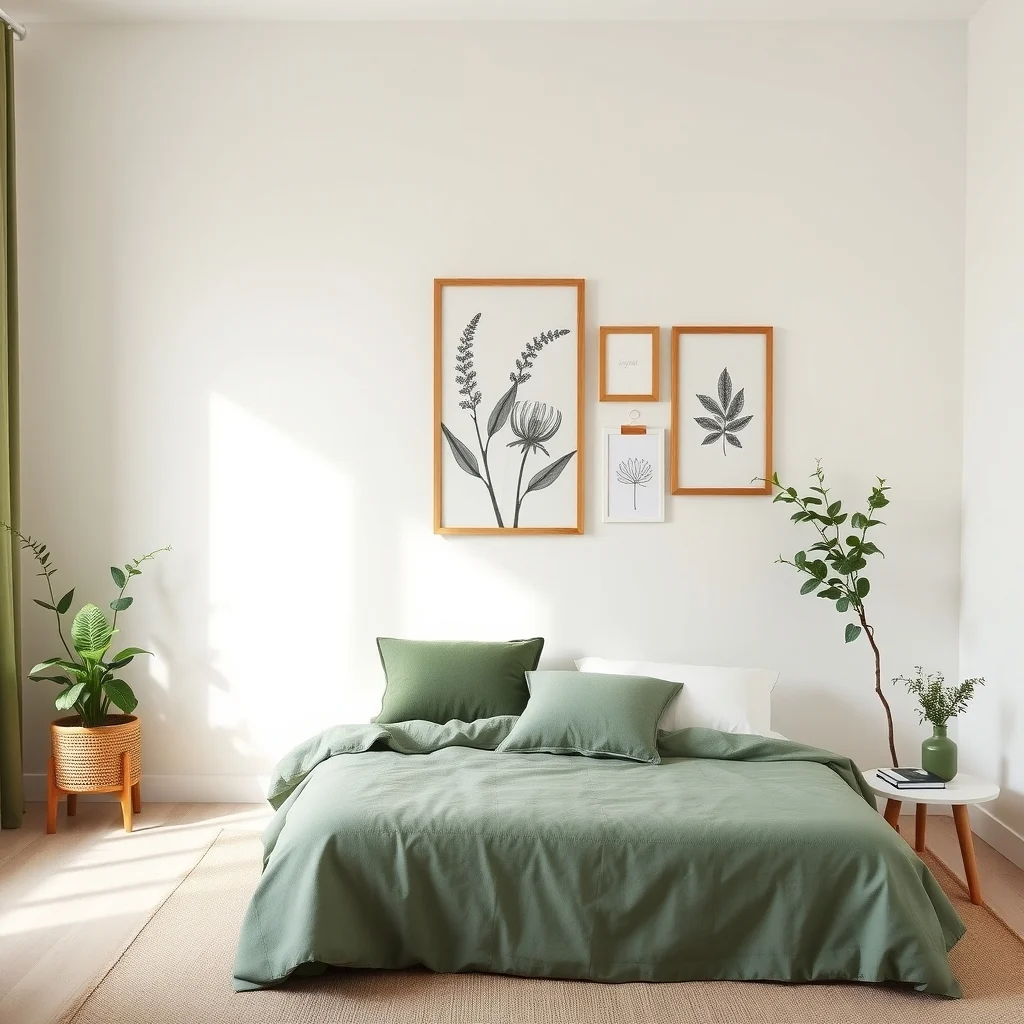
Wall decals printed on fabric material blend the softness of textile with the ease of a sticker. Choose a botanical motif in muted greens to bring a hint of nature to a bedroom wall. The fabric surface absorbs light, reducing glare, and can be repositioned several times before the adhesive loses its grip. Because the decal is lightweight, it adheres well with standard removable adhesive pads. This solution works best on walls that are painted matte, as glossy finishes may reduce adhesion. The drawback is that the fabric can attract lint, so a quick brush‑off now and then keeps it looking fresh.
14. Hanging woven baskets
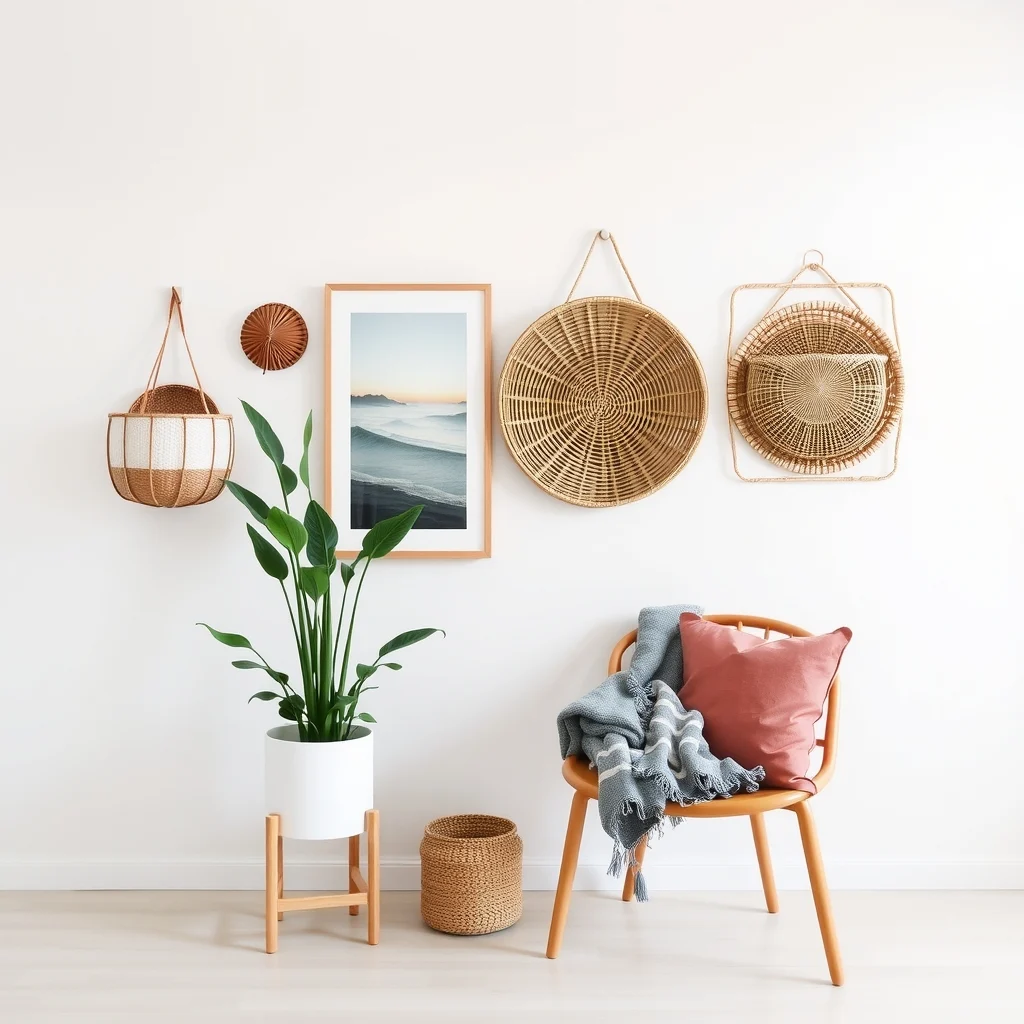
Woven baskets, when hung from the wall, provide both visual interest and functional storage. A set of medium‑sized seagrass baskets can hold blankets, magazines, or children’s toys, keeping the floor clear. Secure each basket with a sturdy adhesive hook that can support the basket’s weight when filled. The natural fibers add texture that contrasts nicely with a sleek, painted wall, especially in a living room with a leather sofa. Keep in mind that the baskets should not be overloaded; excess weight can cause the hook to loosen over time.
15. Removable chalkboard paint
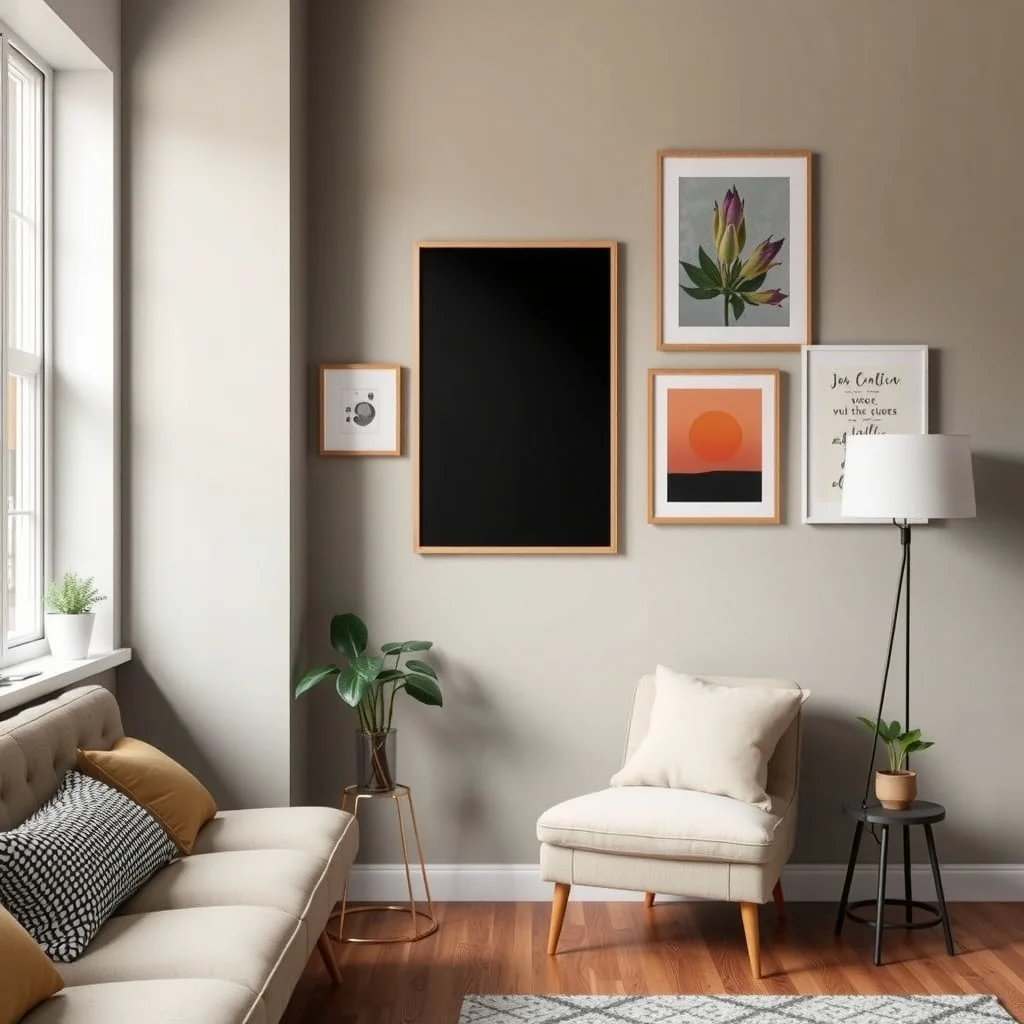
Applying a thin coat of chalkboard paint to a small wall section creates a reusable surface for notes, sketches, or inspirational quotes. Choose a matte black finish that blends with a contemporary color scheme, and use a soft brush for an even coat. Once dry, you can write with chalk and erase without leaving marks, making it ideal for a home office or kitchen pantry. When it’s time to move, the paint can be sanded lightly or covered with a fresh coat of standard paint. The main limitation is that the chalkboard surface can become dusty; a quick wipe with a dry cloth restores its clarity.
16. Decorative washi‑tape picture frames
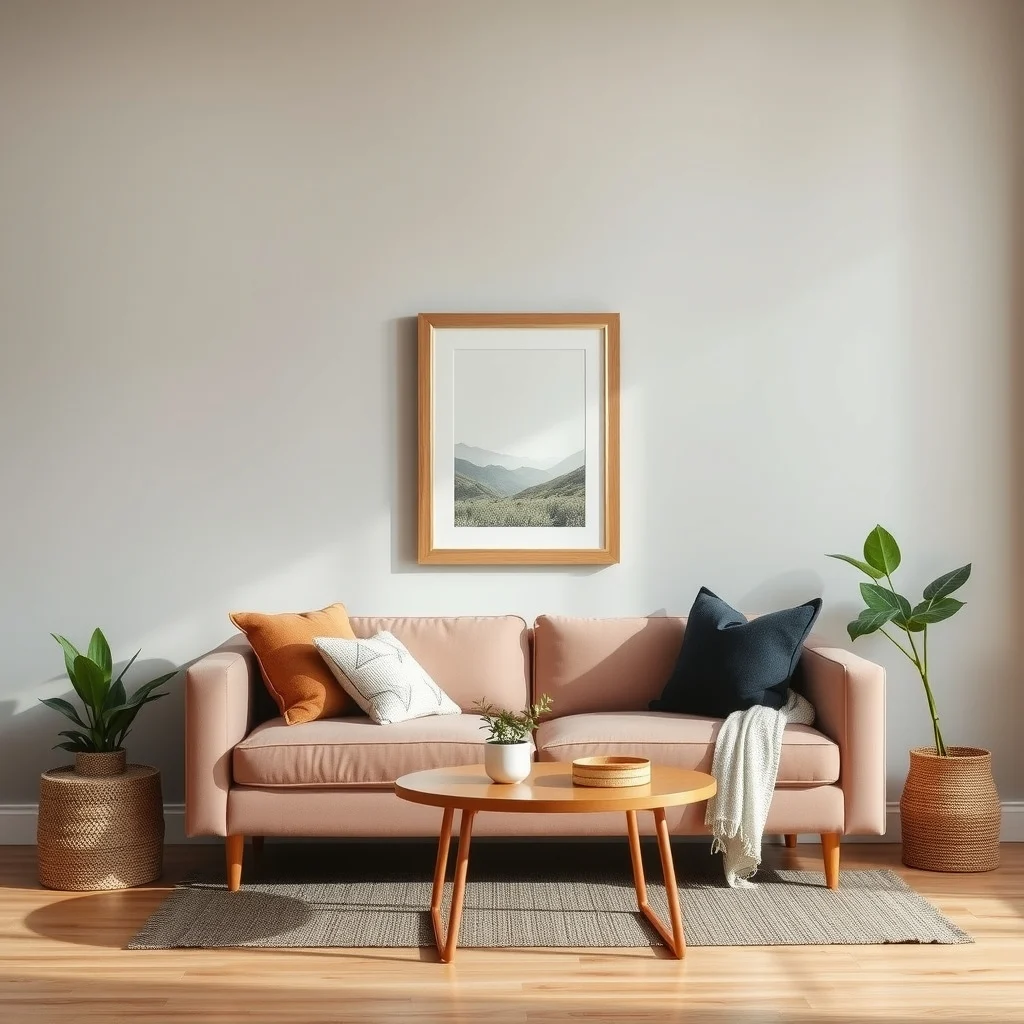
Instead of traditional frames, create a border around a favorite print using wide washi tape. Select a tape in a subtle metallic hue that complements the artwork’s palette, and apply it directly to the wall, forming a clean rectangular edge. This technique eliminates the need for hardware while adding a contemporary touch. The tape’s adhesive is gentle enough for painted walls, and it can be removed cleanly when you wish to change the display. The downside is that the tape may lose its stickiness after several months, especially in humid environments, so be prepared to replace it if needed.
17. Hanging glass terrariums
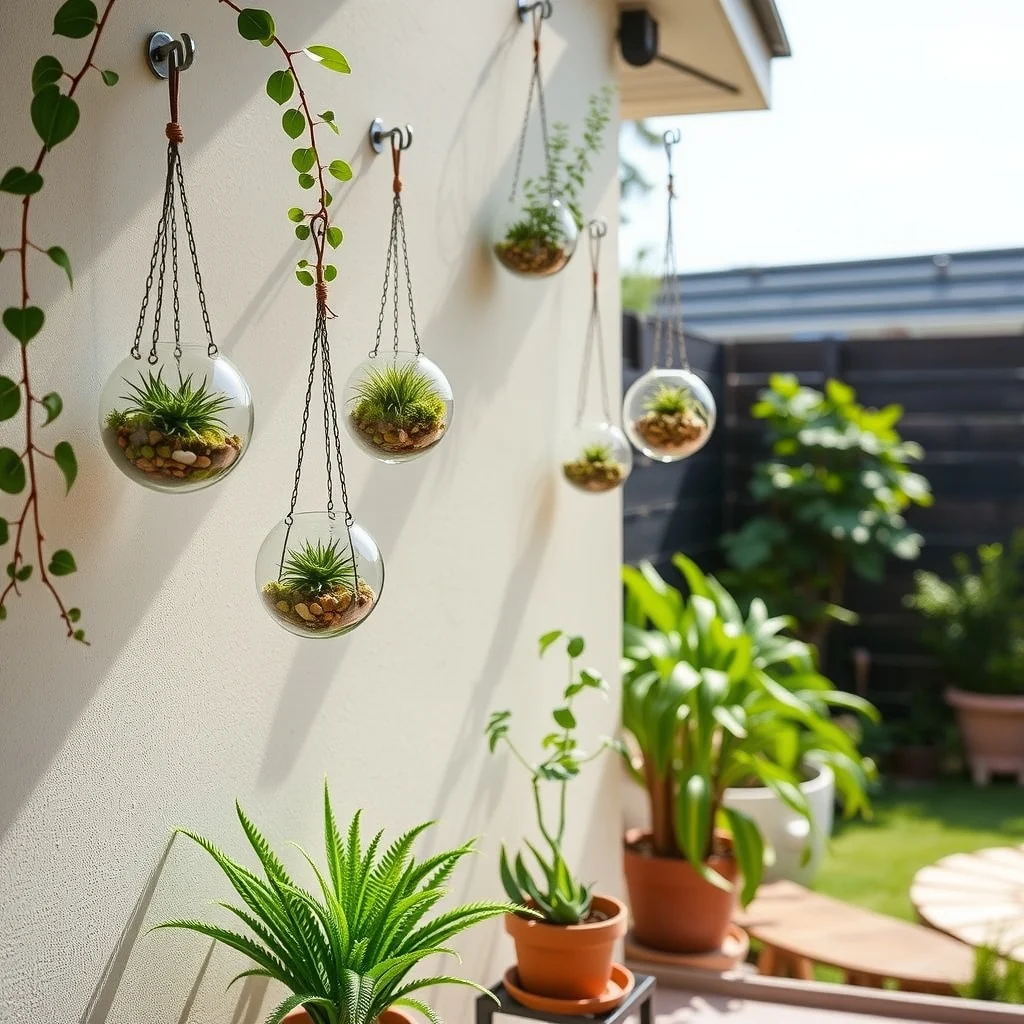
Clear glass terrariums suspended from the wall bring a miniature garden into the living space. Fill each terrarium with air‑plant arrangements, moss, and small stones for a low‑maintenance display. Use adhesive hooks that are rated for the combined weight of the glass and its contents, and arrange them at varying heights to create visual rhythm. The transparent containers catch and refract light, adding sparkle without the need for additional lighting. The primary consideration is that glass can be fragile; handle the terrariums carefully during installation and avoid placing them near high‑traffic areas.
18. Removable adhesive wall panels
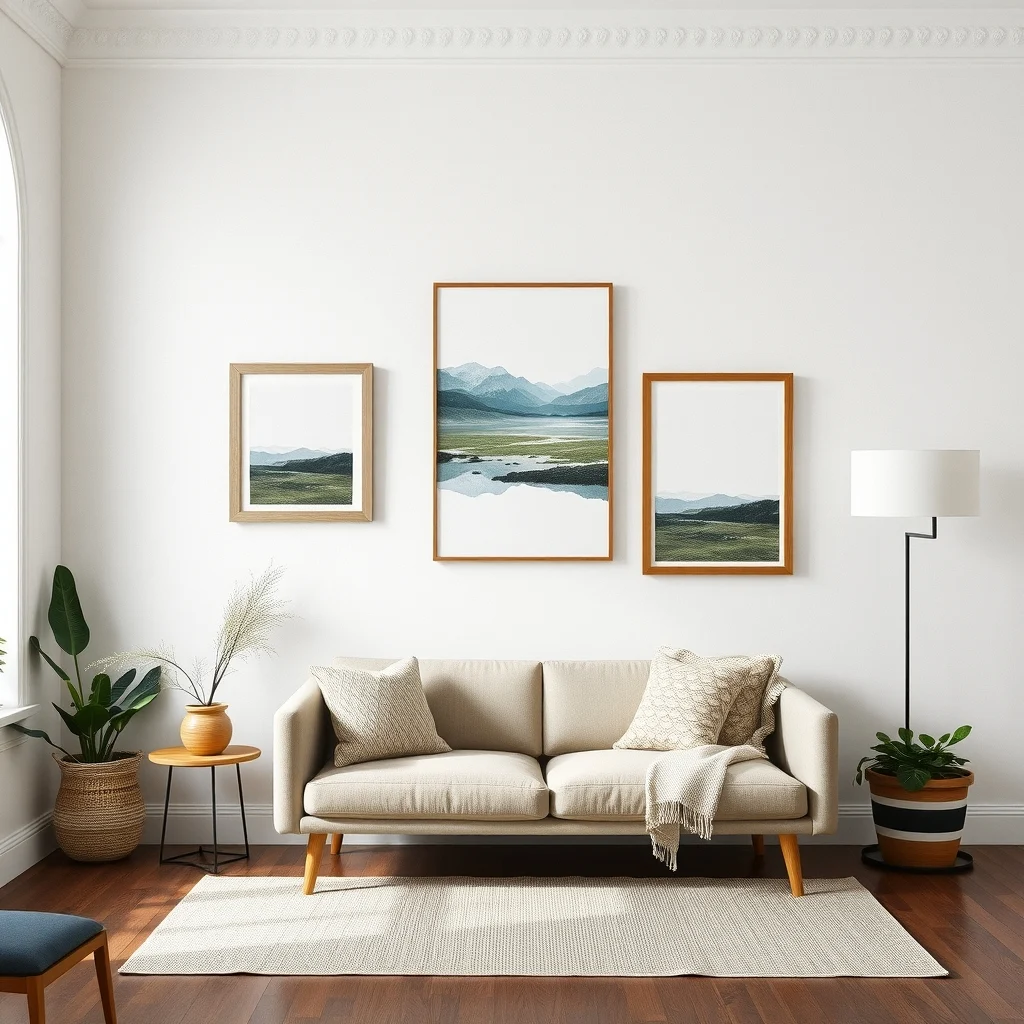
Thin, self‑adhesive panels made from PVC or MDF can mimic the look of reclaimed wood, stone, or even fabric. Choose a panel with a subtle grain that matches the room’s existing flooring, and apply it to a feature wall using the backing’s pressure‑sensitive adhesive. Because the panels are lightweight, they stay flush without warping, and they can be removed without damaging the paint underneath. This solution works well in a dining area where a warm backdrop enhances the ambiance. The trade‑off is that the panels may not adhere as strongly on textured surfaces, so a smooth wall yields the best result.
19. Floating picture ledges with adhesive brackets
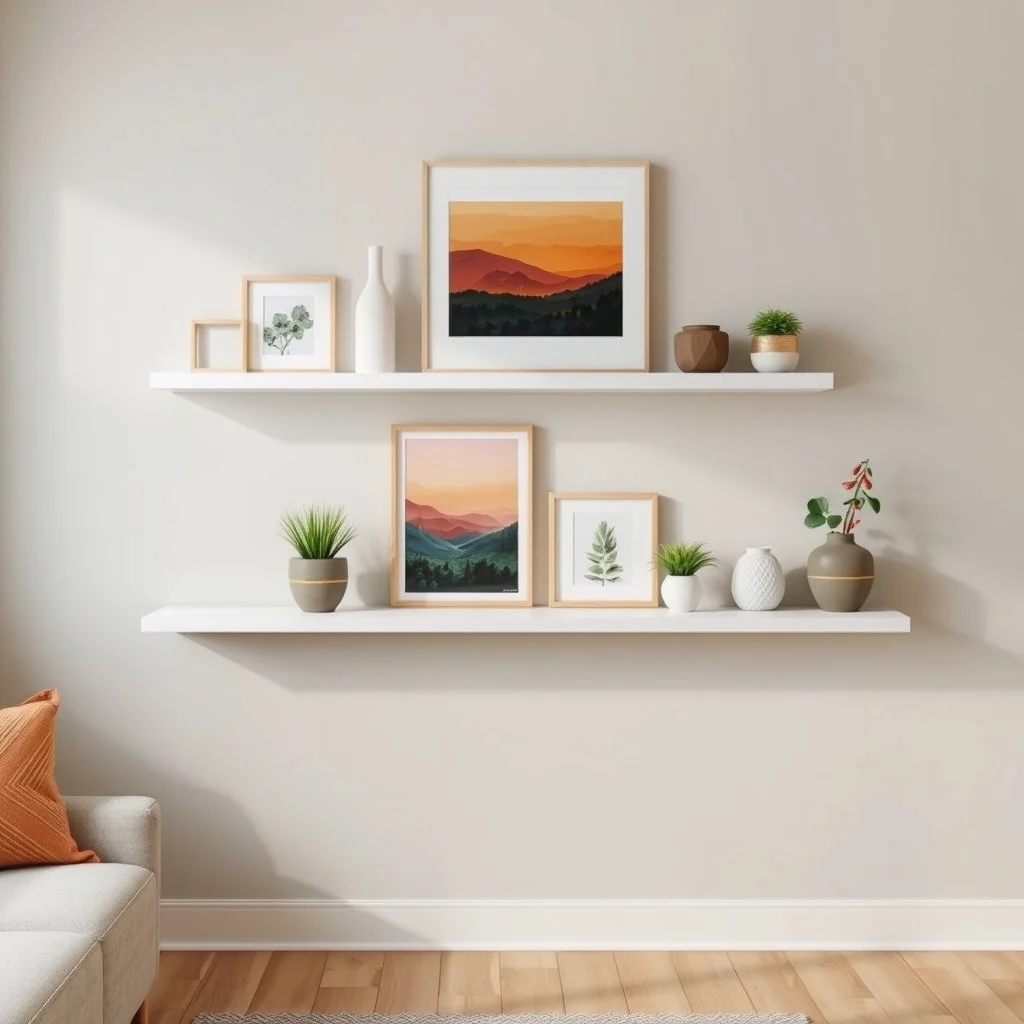
A narrow floating ledge provides a platform for rotating art, photos, or decorative objects without drilling. Select a ledge in a matte white finish to keep the focus on the items displayed. The ledge can be mounted using a pair of high‑strength adhesive brackets designed for picture hanging. Once installed, you can layer framed prints, a small potted plant, or a sculptural object, creating depth and a curated look. The main limitation is the load capacity of the brackets; avoid overloading the ledge with heavy ceramic pieces, as this could cause the adhesive to fail.
20. Removable fabric wall hangings
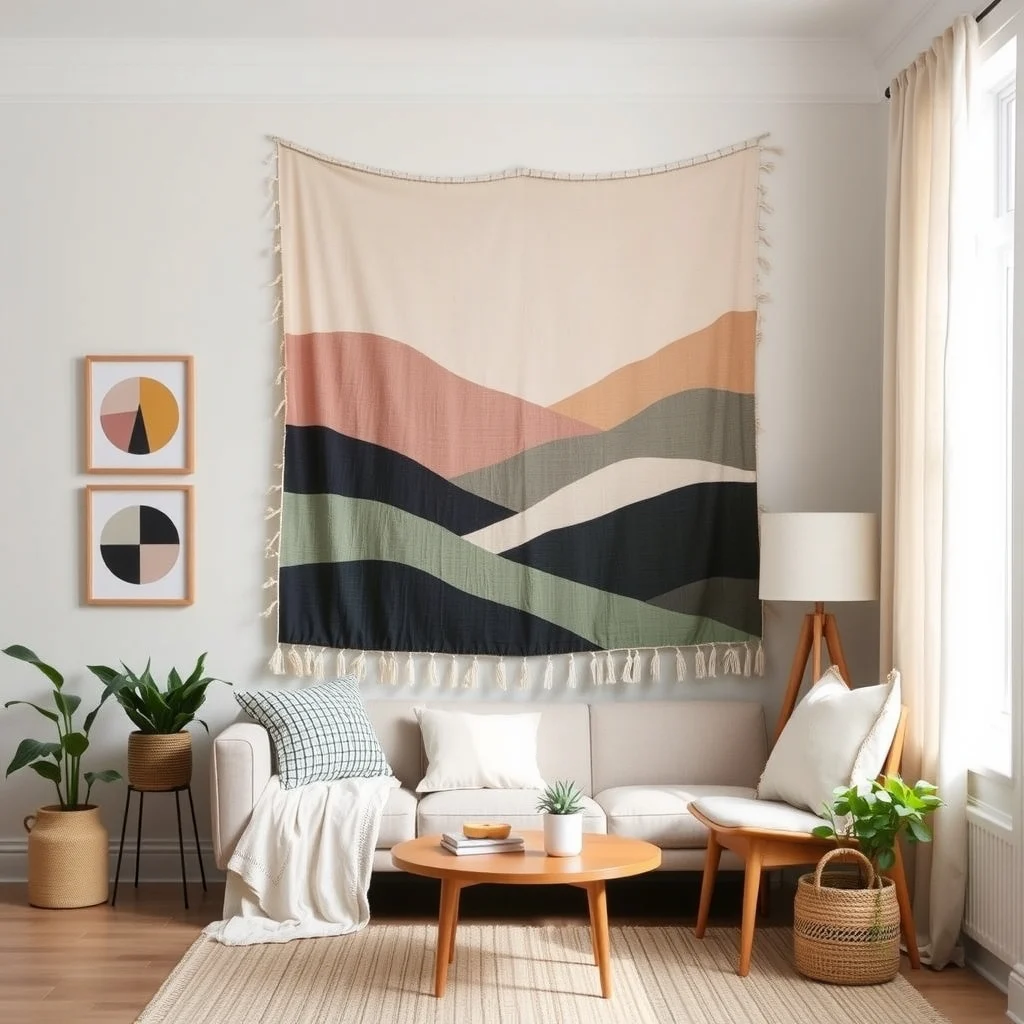
Large fabric wall hangings, such as a woven tapestry made of cotton and linen, add color and texture without any hardware. Choose a design that features a soft geometric pattern in shades that echo the room’s accent pillows. To display the hanging, use a set of removable adhesive hooks positioned at the top corners, allowing the fabric to drape gracefully. The fabric can be folded and stored when you move, making it an adaptable piece for different spaces. One consideration is that heavy fabrics may stretch over time, so select a material with a tight weave to maintain its shape.
FAQ
Can I use regular picture‑hanging strips on textured walls?
Standard picture‑hanging strips work best on smooth, painted surfaces. On textured walls the adhesive may not make full contact, which can reduce holding power. If you have a textured finish, choose strips that are specifically marketed for uneven surfaces, or test a small area first.
How do I remove adhesive hooks without damaging paint?
Most removable hooks can be taken off by gently pulling the tab or edge of the adhesive while keeping the wall surface flat. If any residue remains, a mild soap‑water solution applied with a soft cloth will usually dissolve it without harming the paint.
Are there any safety concerns with hanging heavy items using adhesive?
Adhesive solutions are intended for lightweight to medium‑weight decor; exceeding the manufacturer’s weight rating can cause the item to detach. For heavier pieces, consider a freestanding support or a wall that allows for proper anchoring.
What’s the best way to clean removable wallpaper?
Most peel‑and‑stick wallpaper can be dusted with a soft, dry cloth. For stubborn spots, a damp cloth with a mild detergent works well; avoid excessive moisture, which could loosen the adhesive.
Do decorative mirrors increase the risk of breakage?
Mirrors mounted with adhesive strips are generally safe when the strip’s weight rating matches the mirror’s size. However, they remain glass and can shatter if struck forcefully. Position them away from high‑traffic zones and consider using a safety backing if the mirror is in a busy area.
Final Thoughts
Creating a stylish wall in a rental doesn’t have to involve drills or permanent changes. By selecting solutions that rely on pressure, removable adhesives, or clever placement, you can express your personality while respecting the lease agreement. Each of the twenty ideas above offers a distinct visual language—whether you prefer the softness of fabric, the sleekness of metal, or the natural appeal of wood. Mix and match approaches to suit the room’s function, lighting, and your own aesthetic, and you’ll find that a temporary wall can feel just as curated as a permanent one. When the time comes to move, these choices leave the walls as they were, ready for the next tenant’s imagination.