Narrow Hallway Decor Ideas That Don’t Feel Cramped
Walking down a hallway that feels squeezed can turn a simple transition between rooms into a daily frustration. The challenge is not only to make the passage functional but also to give it personality without adding visual weight. In this article you’ll discover seven thoughtfully developed ideas that open up narrow corridors, improve flow, and keep the space feeling welcoming. Each suggestion balances aesthetics with practicality, so you can adapt it to a modest budget or a more ambitious remodel.
1. Embrace Light‑Reflecting Surfaces
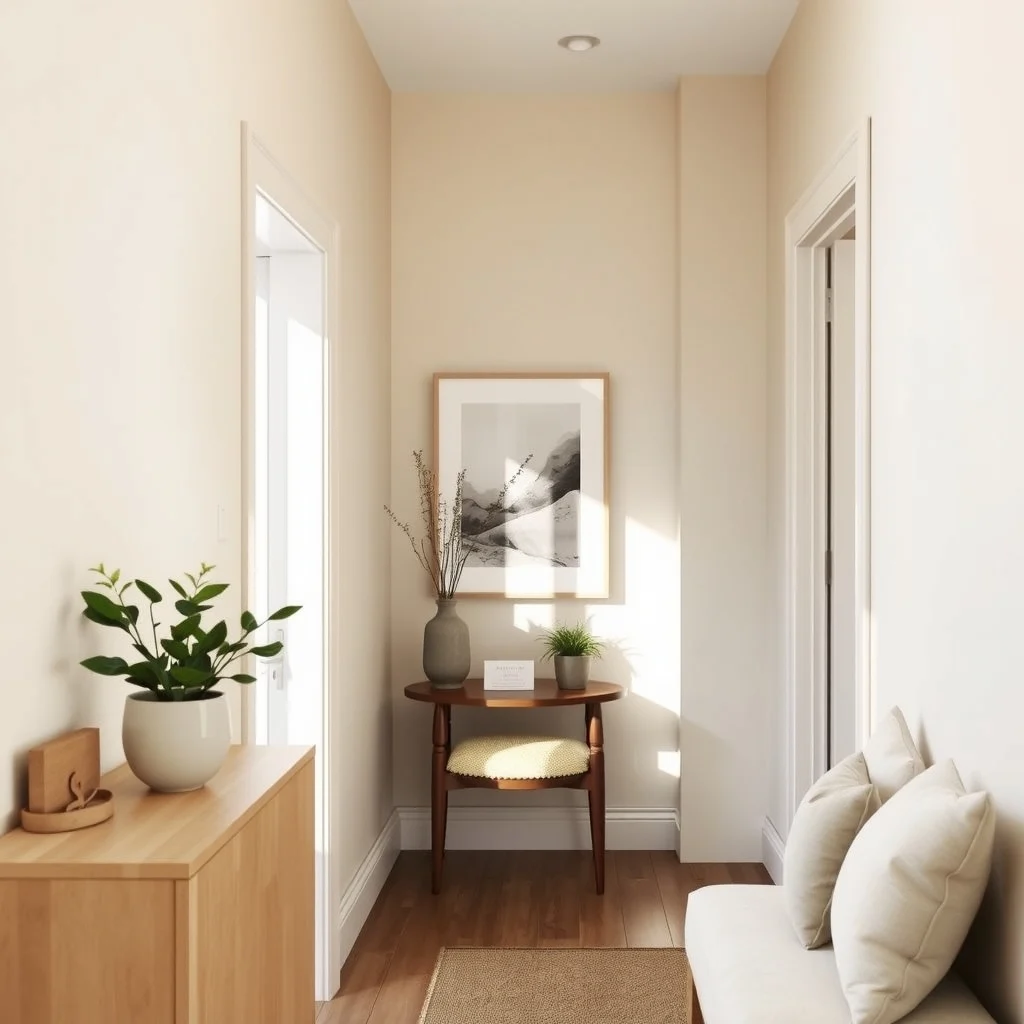
When a hallway lacks natural light, the first instinct is to add brighter paint, but the effect can be amplified by choosing finishes that actively bounce light around the room. A subtle satin or semi‑gloss on the walls reflects ambient illumination from sconces or ceiling fixtures, creating an illusion of depth. Pairing this with a polished floor—such as a light‑stained oak or a large‑format porcelain tile—allows daylight that sneaks in from a doorway to travel farther down the passage. The reflective quality does not mean the surface becomes slippery; a matte‑finish runner can be laid over the floor to provide traction while preserving the bright backdrop. If you prefer a softer feel, a high‑sheen wallpaper with a delicate linear pattern can achieve the same light‑enhancing effect while adding texture. The key is to keep the sheen understated; an overly glossy finish can feel harsh and draw attention to imperfections.
A More Beautiful Home
Starts With a Smart Plan.
Discover digital decorating guides, home organization planners and practical resources to help you make the most of your space.
Get more inspiration for less.
Livana Studio
2. Create a Cohesive Color Journey
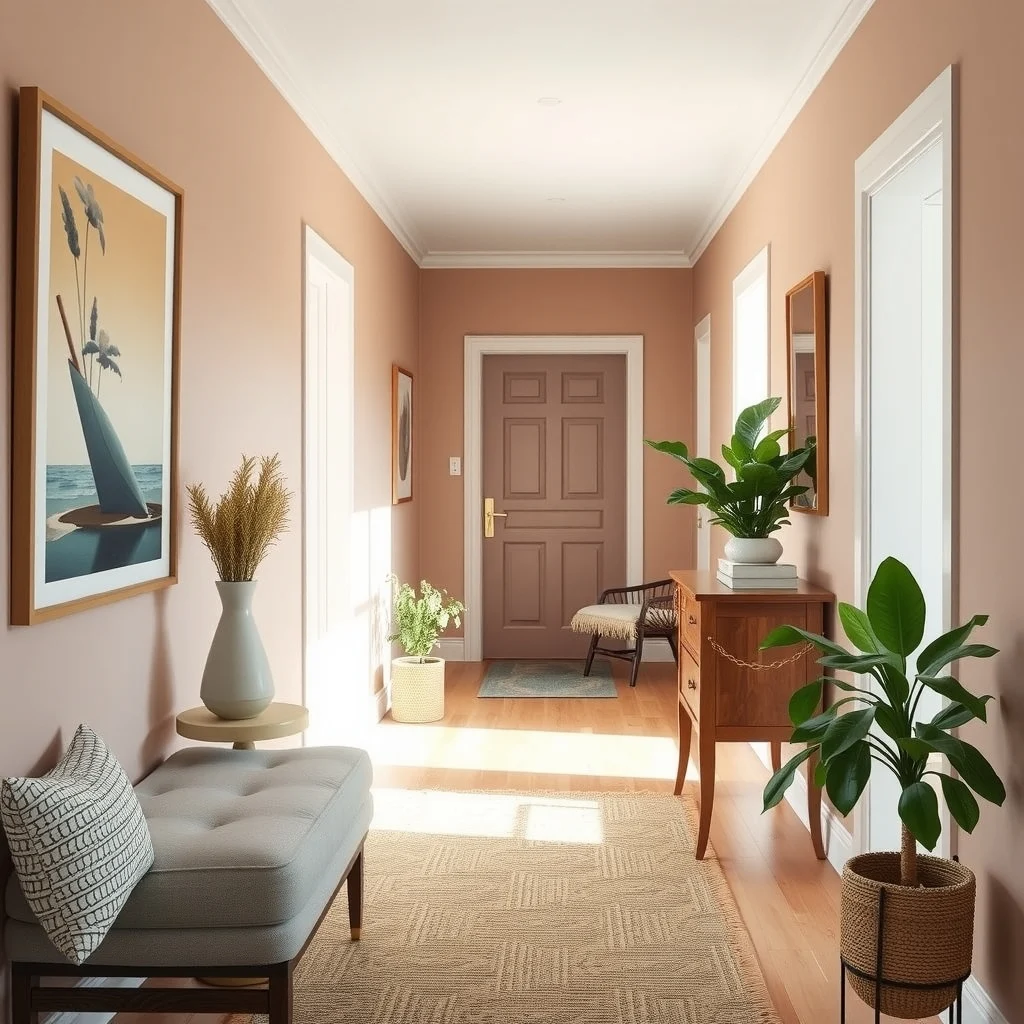
Instead of treating each room as a separate canvas, think of the hallway as a visual bridge that carries a color story from one space to the next. Selecting a hue that appears in the adjoining rooms—perhaps a muted sage that matches kitchen cabinets or a warm greige echoing the living‑room sofa—creates continuity without overwhelming the corridor. A gradient approach, where the shade deepens slightly as you move away from the entry, adds subtle interest and guides the eye forward. This technique works well with low‑saturation pigments; bright colors can quickly make a narrow passage feel boxed in. To avoid a monochrome monotony, introduce a complementary accent, such as a narrow band of patterned wallpaper behind a console, that picks up a secondary tone from the surrounding décor. The result is a hallway that feels like an intentional extension of the rooms it connects.
3. Install Slimline Wall‑Mounted Storage
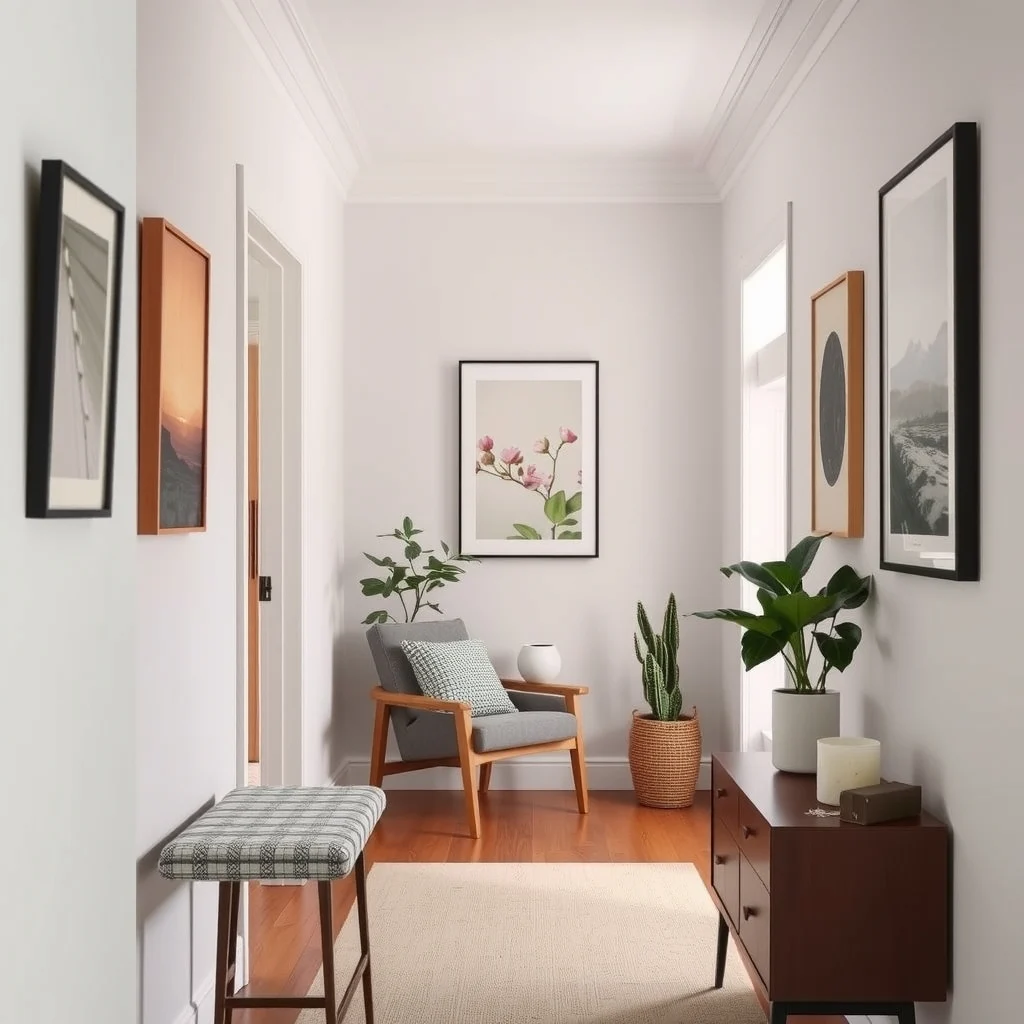
Clutter is the enemy of spaciousness, yet hallways often become catch‑alls for coats, shoes, and mail. A slim, wall‑mounted storage unit—think a narrow floating shelf or a series of shallow cubbies—provides designated spots without protruding into the walking path. Choosing a material like brushed walnut or powder‑coated steel keeps the piece light in appearance, while a recessed design can be built into the wall to disappear almost entirely. Incorporating a few open slots for umbrellas and a single drawer for keys maintains accessibility. When selecting hardware, opt for discreet concealed hinges; visible knobs can add visual bulk. The advantage of wall‑mounted storage is that it utilizes vertical space, leaving the floor clear and preserving the hallway’s sense of openness.
4. Layer Lighting for Depth
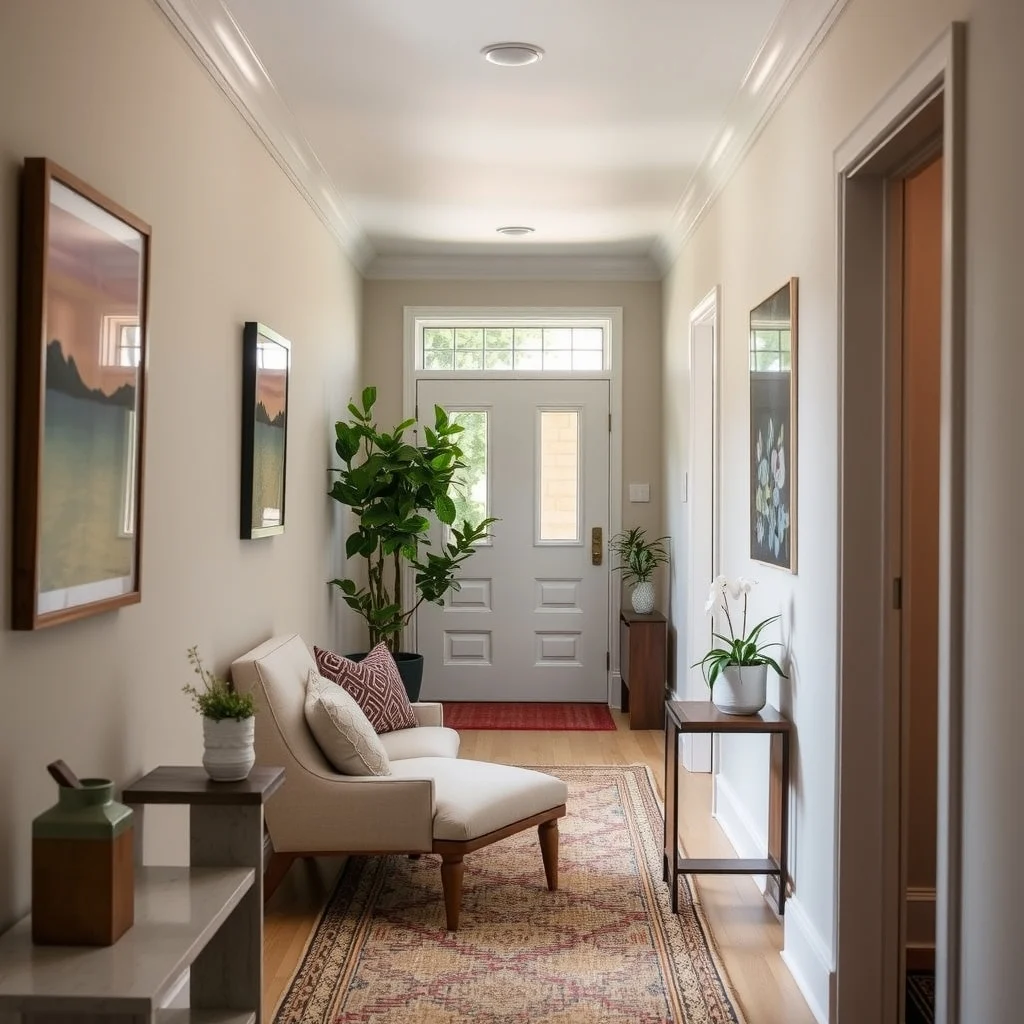
A single overhead fixture often leaves a narrow hallway dim and uninviting. Layering light sources adds dimension and reduces the feeling of confinement. Start with a low‑profile recessed light that provides even illumination across the length of the corridor. Complement it with wall sconces placed at regular intervals—about every three to four feet—so that shadows are softened and the eye has points of reference. Selecting fixtures with translucent glass or fabric shades diffuses the glow, preventing harsh hotspots. If the hallway is long enough, a narrow pendant or a slim track light can be introduced at a midpoint to create a subtle focal point. Dimmer switches are especially valuable; they allow you to lower the intensity in the evening, turning the passage into a gentle conduit rather than a glaring tunnel.
5. Introduce Textured Runs with a Runner
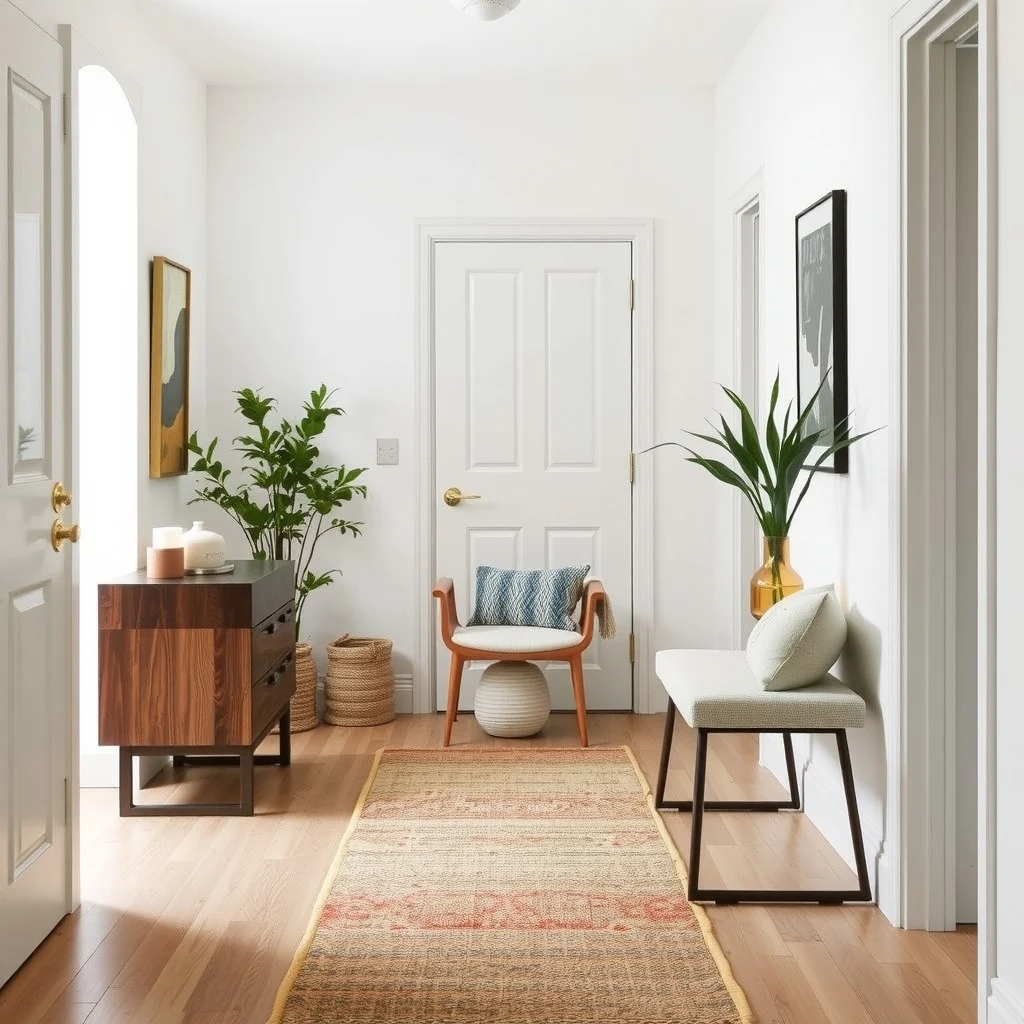
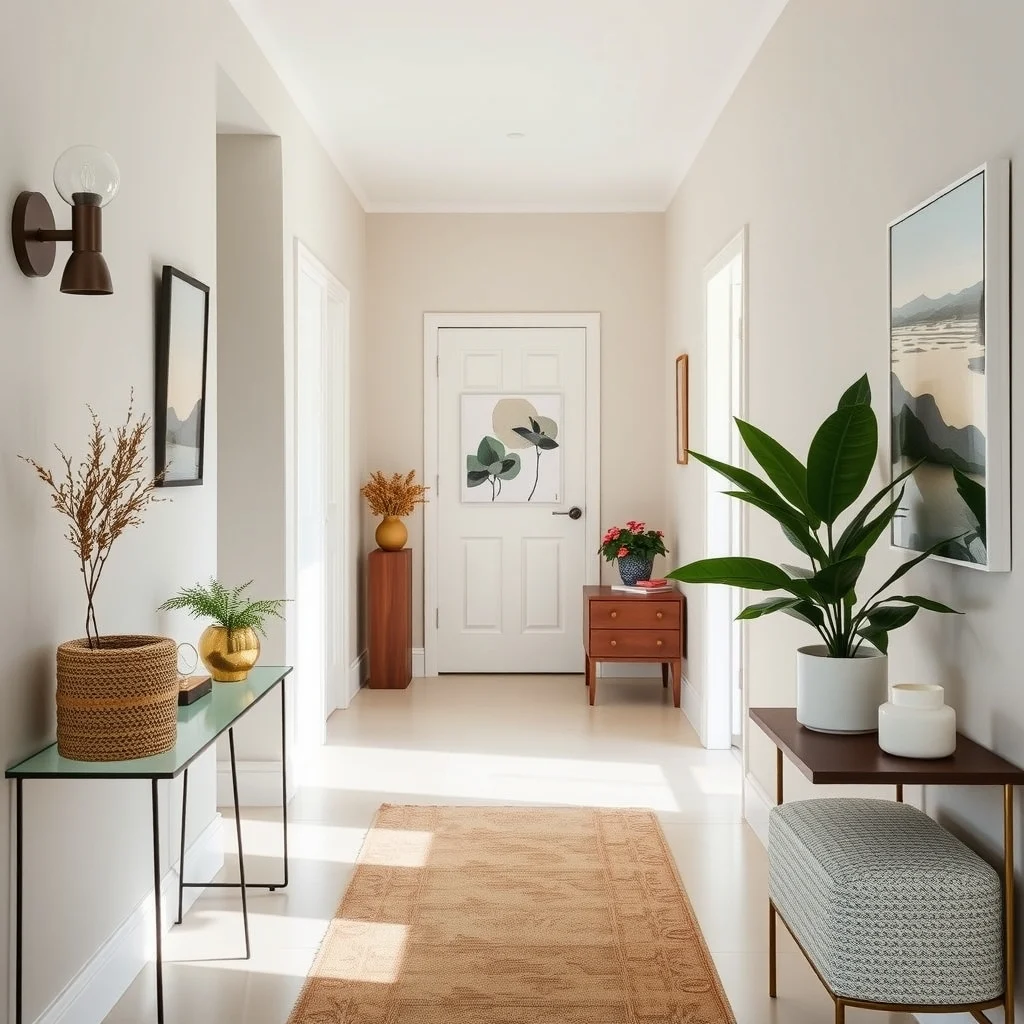
A well‑chosen runner can transform a plain floor into a tactile experience while delineating the pathway. Choose a rug that is narrow enough to leave a few inches of flooring visible on either side; this framing effect tricks the eye into perceiving a wider corridor. Natural fibers such as jute or hand‑woven cotton in muted earth tones add texture without competing with wall colors. A low‑pile construction ensures the rug stays flat, reducing tripping hazards and making it easier to clean. If you prefer a patterned design, opt for a subtle geometric motif that echoes the hallway’s architectural lines. The runner not only softens footfall but also provides a visual guide that leads the eye forward, enhancing the sense of progression.
6. Highlight Architectural Details
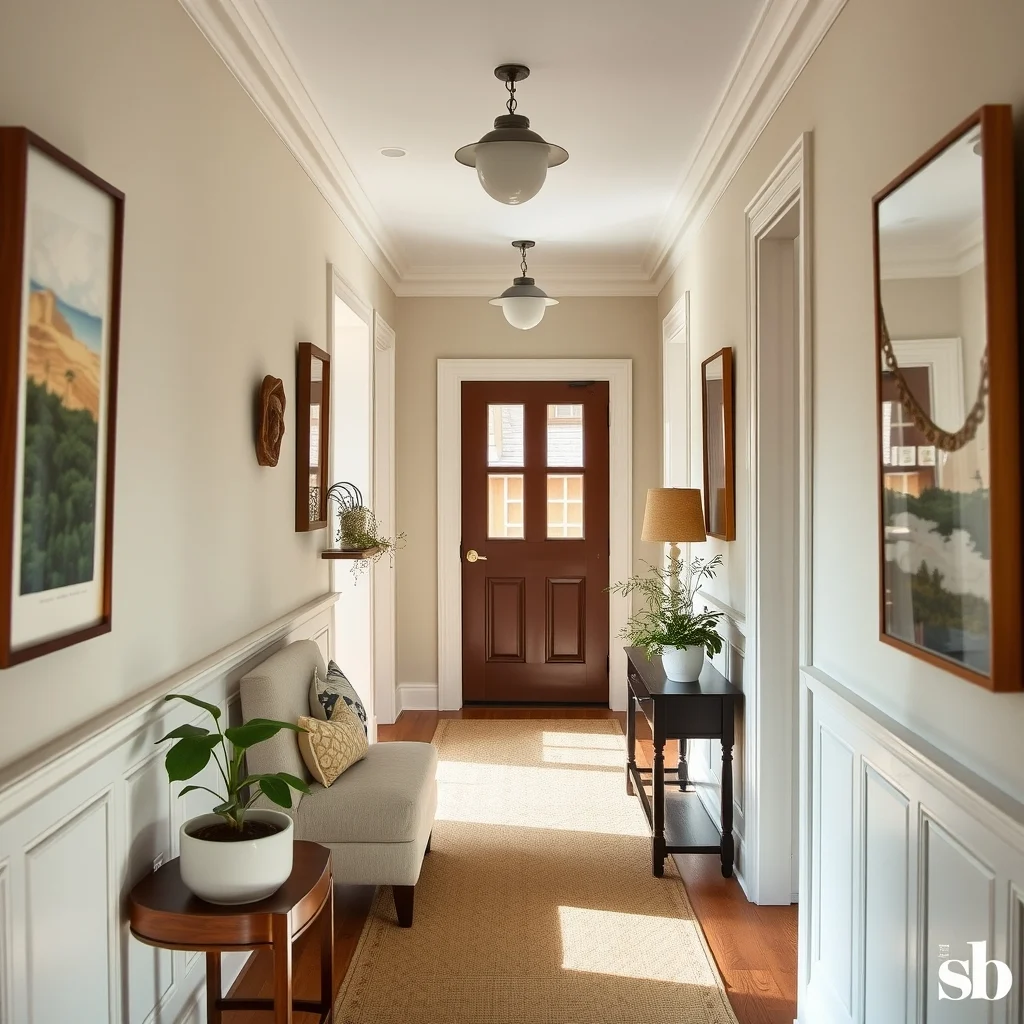
Many older homes feature modest crown molding, wainscoting, or exposed beams that are often overlooked in narrow hallways. By painting these elements in a slightly contrasting shade or applying a delicate glaze, you draw attention to vertical lines that naturally elongate the space. For example, a crisp white wainscoting paired with a soft dove‑gray wall creates a layered backdrop that adds depth without cluttering the view. If the hallway has a simple archway, consider installing a narrow glass panel or a mirrored inset within the arch; the reflection multiplies light and visually expands the passage. Highlighting architecture respects the building’s character while turning functional elements into decorative assets.
7. Incorporate Greenery at Eye Level
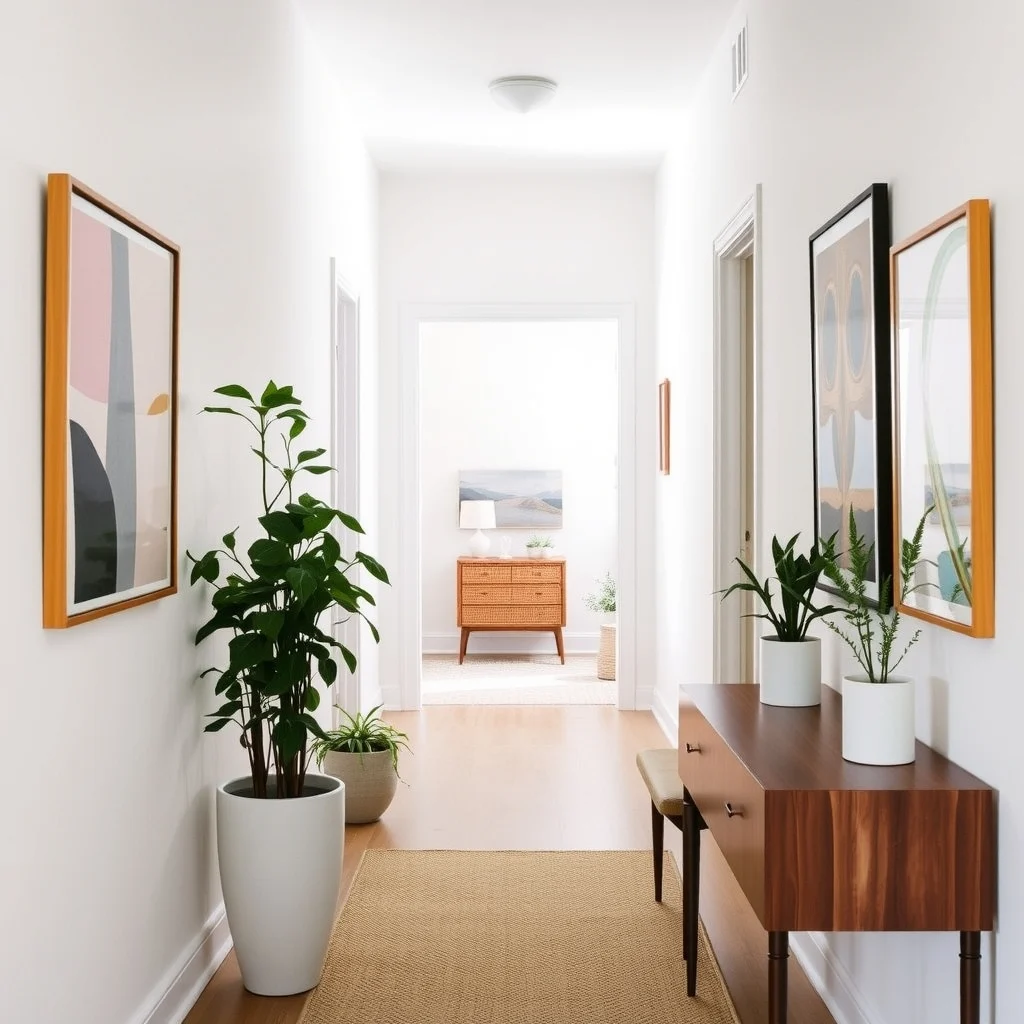
Plants bring life to any interior, and placing them at eye level in a hallway adds a refreshing visual break without consuming floor space. A tall, slender pothos in a matte ceramic pot can be positioned in a recessed niche or against a side wall, allowing its trailing vines to cascade just above the runner. For a more structured look, a narrow bamboo shoot or a columnar snake plant placed in a slim metal stand adds vertical interest. Choose varieties that tolerate low‑light conditions, and keep the watering schedule modest to avoid moisture issues in a confined area. Greenery introduces a natural texture that softens hard surfaces, and the vertical orientation aligns with the corridor’s length, reinforcing a sense of openness.
FAQ
How can I make a dark hallway feel brighter without major renovations?
Use light‑reflecting paints, add layered lighting such as sconces and recessed fixtures, and incorporate a light‑colored runner to bounce existing light further down the passage.
What type of flooring works best in a narrow hallway?
A smooth, light‑stained wood or large‑format porcelain tile creates a seamless visual flow; a low‑pile runner can add texture while preserving the sense of width.
Is it safe to install wall‑mounted storage in a hallway?
Yes, as long as the brackets are securely anchored to studs and the unit is shallow enough not to protrude into the walking path; concealed hardware reduces visual bulk.
Can mirrors make a hallway feel larger?
Placing a narrow mirror or a mirrored inset in an archway reflects light and expands the visual field, giving the impression of additional space.
What plants thrive in low‑light hallway conditions?
Varieties such as pothos, snake plant, and ZZ plant tolerate limited natural light and require minimal watering, making them ideal for narrow corridors.
Final Thoughts
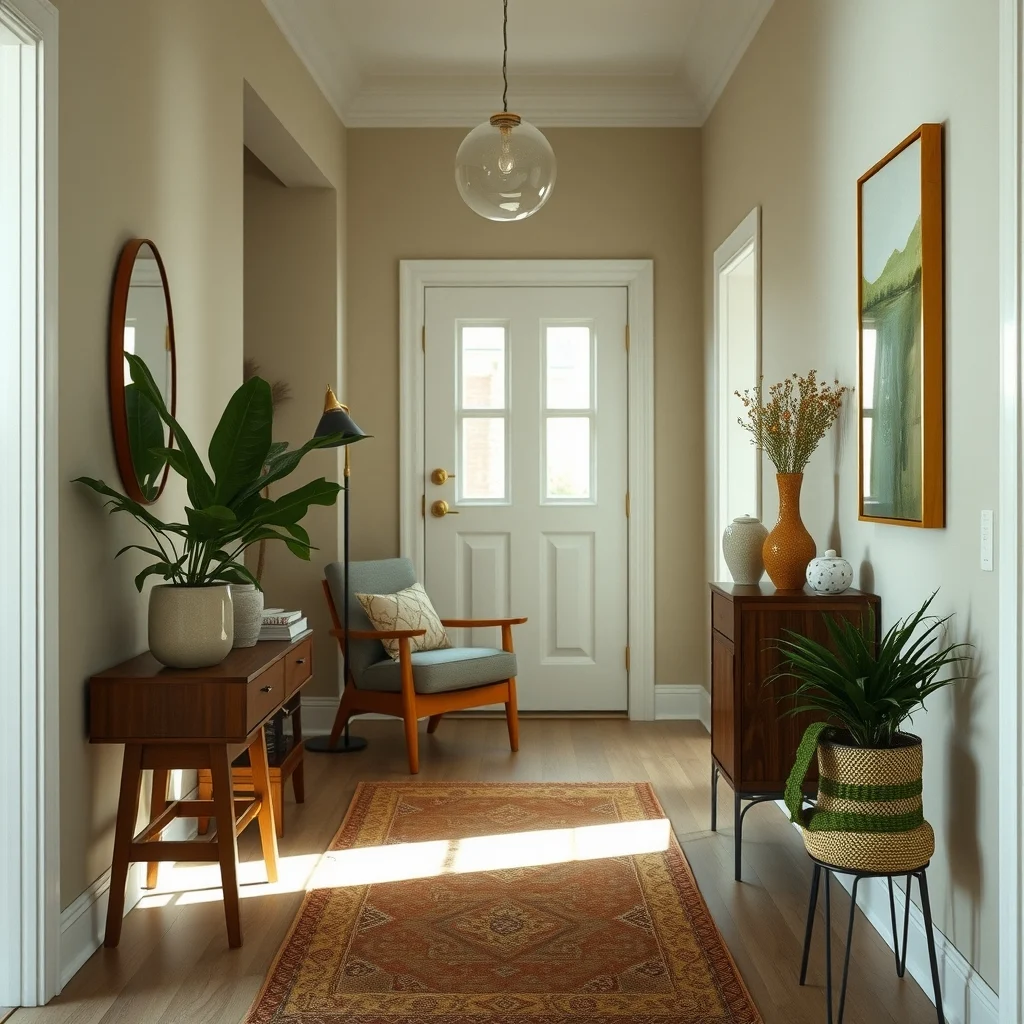
Designing a narrow hallway is less about adding more and more about choosing elements that work together to open up the space. By reflecting light, extending color, using slim storage, layering illumination, adding a textured runner, celebrating architectural details, and introducing greenery at eye level, you can create a passage that feels airy and inviting. Each idea respects the limited footprint while offering practical benefits, ensuring that the hallway serves as a graceful transition rather than a bottleneck. Apply the suggestions that resonate with your home’s style, and watch the corridor transform into a subtle yet confident statement of thoughtful design.