
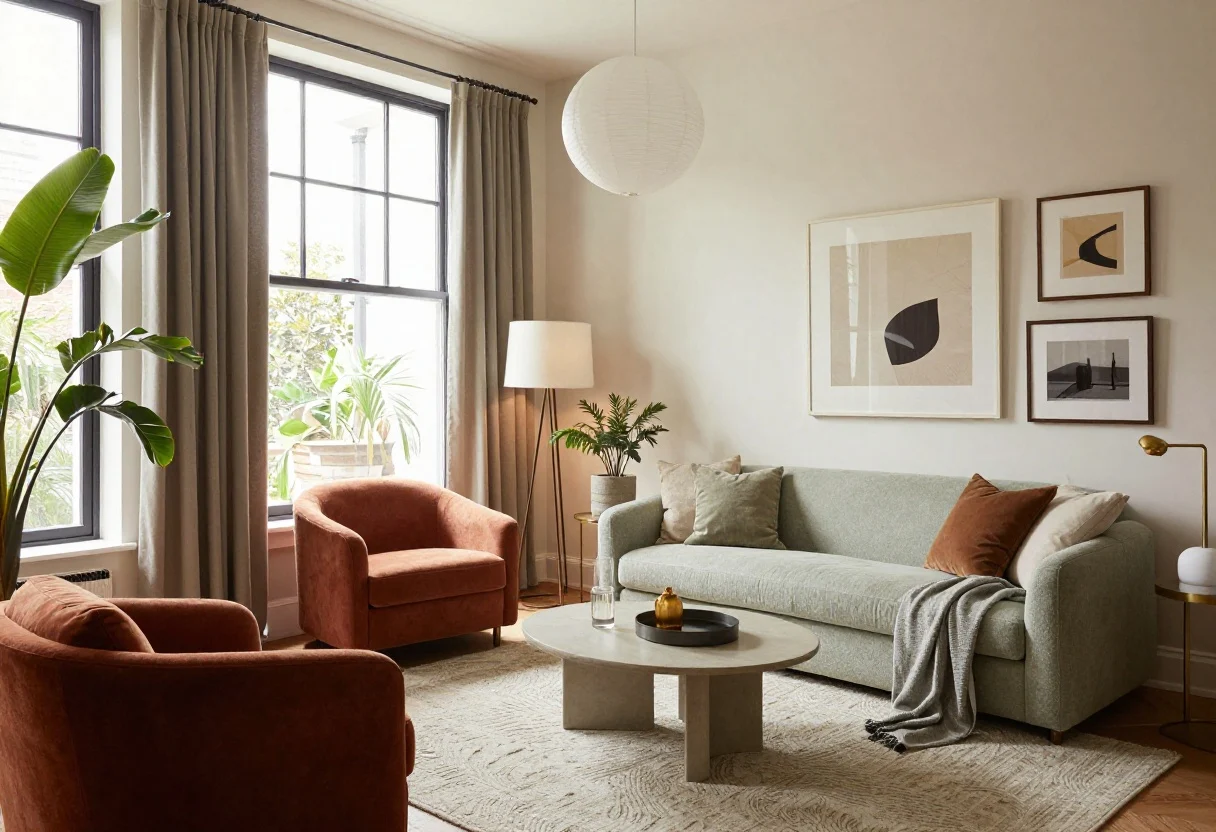
How to Decorate an Apartment With No Natural Light and Still Make It Shine

Got a cave masquerading as an apartment? Same. The good news: you don’t need sunbeams to make your space feel bright, welcoming, and wildly stylish. With the right moves, you can fake daylight, dial up the coziness, and turn that windowless wonder into a vibe. Let’s make it glow.
1. Master The Three Layers Of Lighting (Your New Holy Trinity)
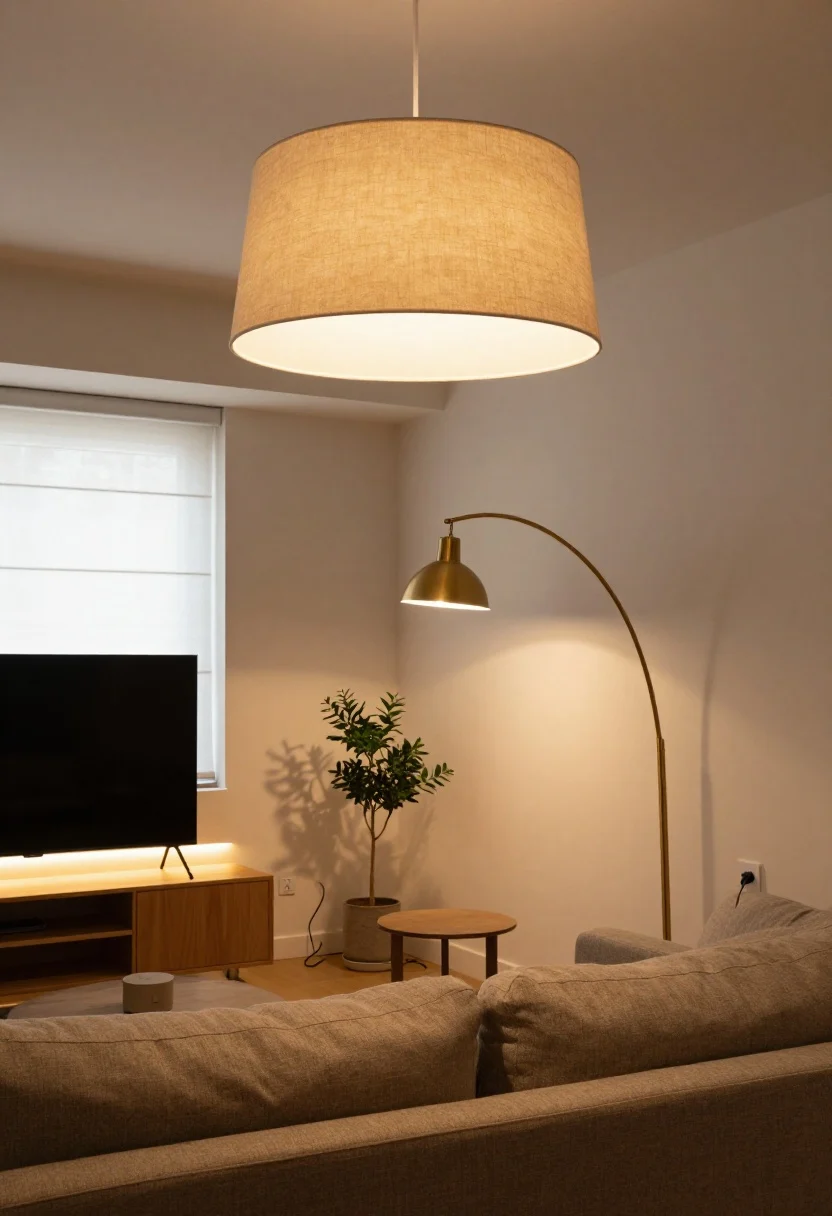
No windows? No problem—just build your own sun. Think in layers: ambient, task, and accent. One sad overhead bulb won’t cut it; you want light coming from multiple heights and directions so shadows don’t swallow your corners.
How To Layer Without Overthinking It
- Ambient: Start with a big, diffused source like a fabric drum pendant, a paper lantern, or a smart LED ceiling fixture with a frosted cover. Warm-to-neutral white (2700–3000K) feels cozy without getting dingy.
- Task: Add targeted light where you do stuff—swing-arm sconces by the sofa, an arched floor lamp for reading, a slim LED strip under kitchen cabinets, a clamp lamp at your desk.
- Accent: Picture lights, backlit shelves, LED strips behind the TV, or a petite uplight in a corner plant. These create depth and drama; a little goes a long way.
FYI: Put lamps on dimmers or smart plugs. Being able to tweak brightness by time of day keeps the space feeling alive instead of flat.
2. Choose Paint And Finishes That Bounce Light Like Pros
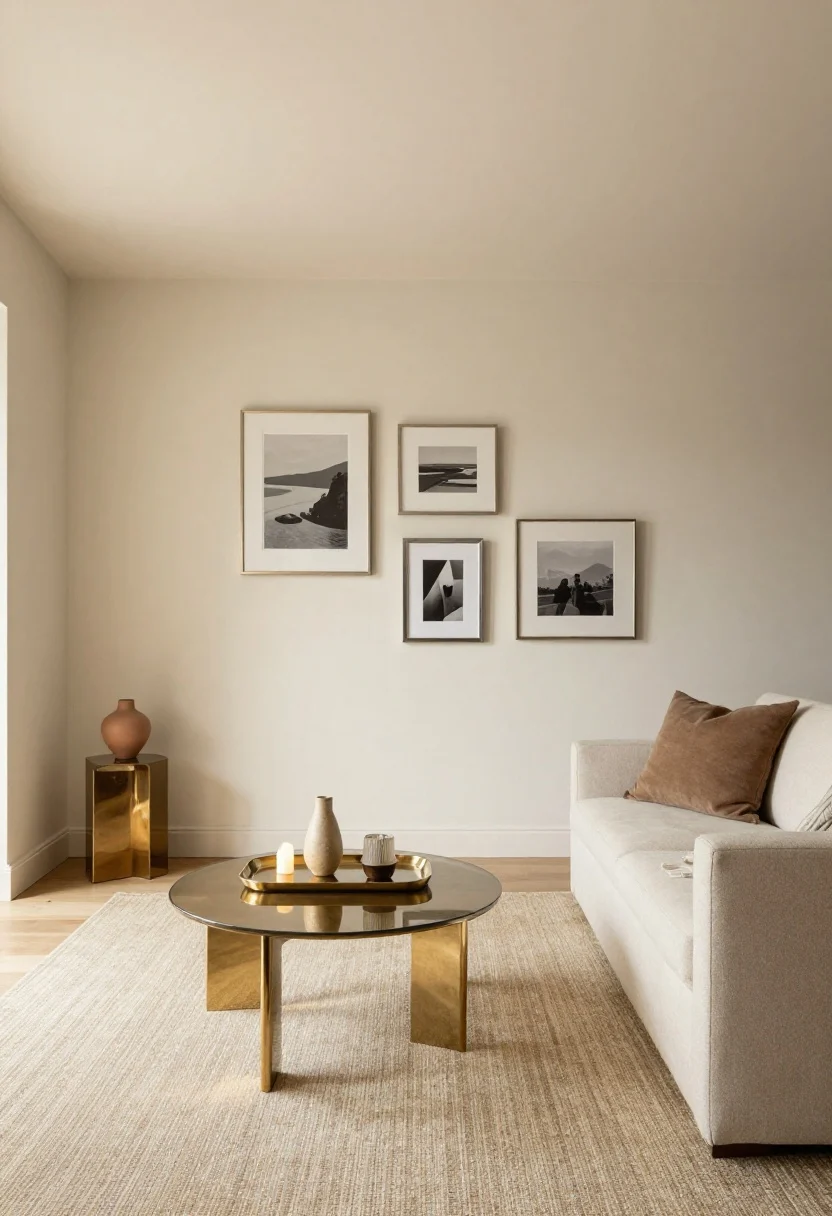
You can’t add sunlight, but you can hustle the light you’ve got. Paint matters—a lot. Instead of stark gallery white (which can look gray in low light), go for soft, warm tints with a touch of cream or peachy undertone. They fake a gentle glow.
Palette And Sheen Tips
- Walls: Try off-whites like Alabaster, Swiss Coffee, or a pale greige. Mid-tone colors can work too—think dusty sage or muted terracotta—if you keep ceilings light.
- Ceilings: Slightly brighter than walls. If you’re brave, a satin sheen reflects more light; otherwise, matte with high-quality paint keeps it calm and refined.
- Floors: Add a low-contrast rug with subtle pattern to reflect rather than absorb light. Natural fiber or a wool blend beats shiny synthetics that can look cheap under lamps.
- Metals And Gloss: Mix brushed brass, nickel, or chrome accents for tiny sparks. A lacquered side table or a high-gloss tray bounces light without going full mirror maze.
3. Reflect Without The Funhouse: Mirrors, Glass, And Shine
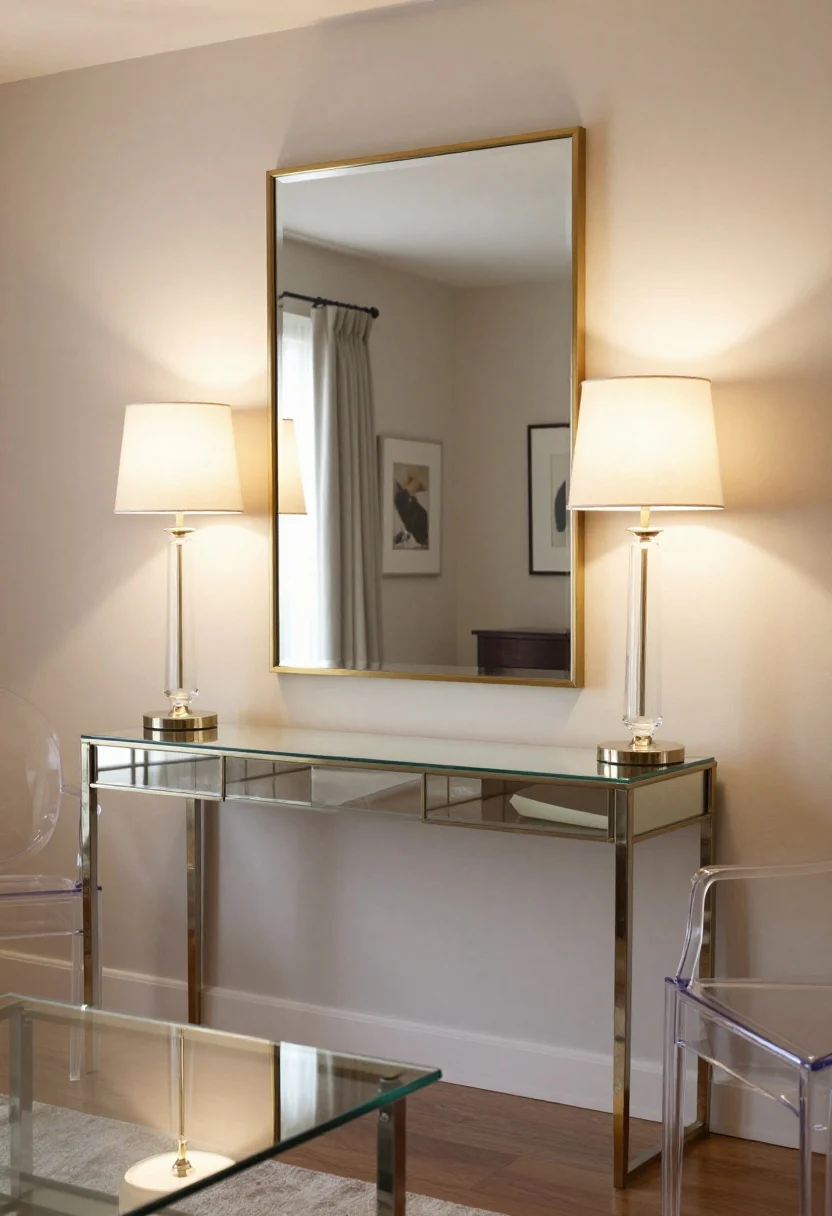
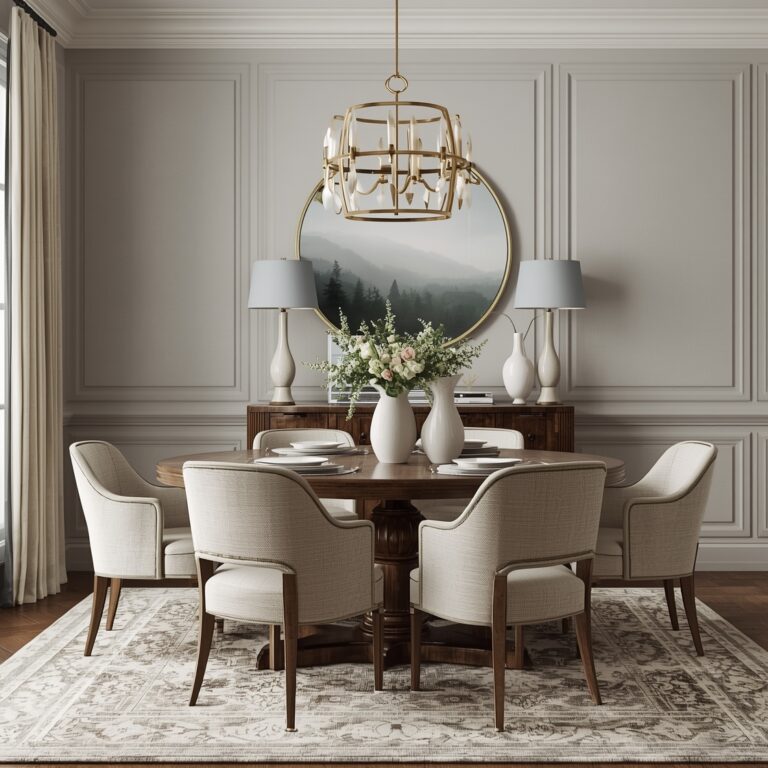
Mirrors are the classic trick, but aim for intentional, not carnival. Place them where they’ll catch lamp light or bounce brightness across the room—not pointed at dark voids.
Where And What To Mirror
- Opposite a primary lamp: A tall mirror facing your brightest light source doubles its effect.
- Behind a console or sofa: Adds depth instantly. Layer a lamp and art in front for that designer look.
- Mirrored furniture: One piece max—a nightstand or small cabinet—to avoid glare overload.
- Glass and acrylic: A glass coffee table keeps sight lines clean and lets light travel. Acrylic chairs do the same in small dining areas.
Pro move: Pick frames in warm metals to pump up the glow factor. And keep mirrors spotless; dust kills shine faster than you’d think.
4. Bring In “Life” Without Sun: Plants, Texture, And Faux Greenery
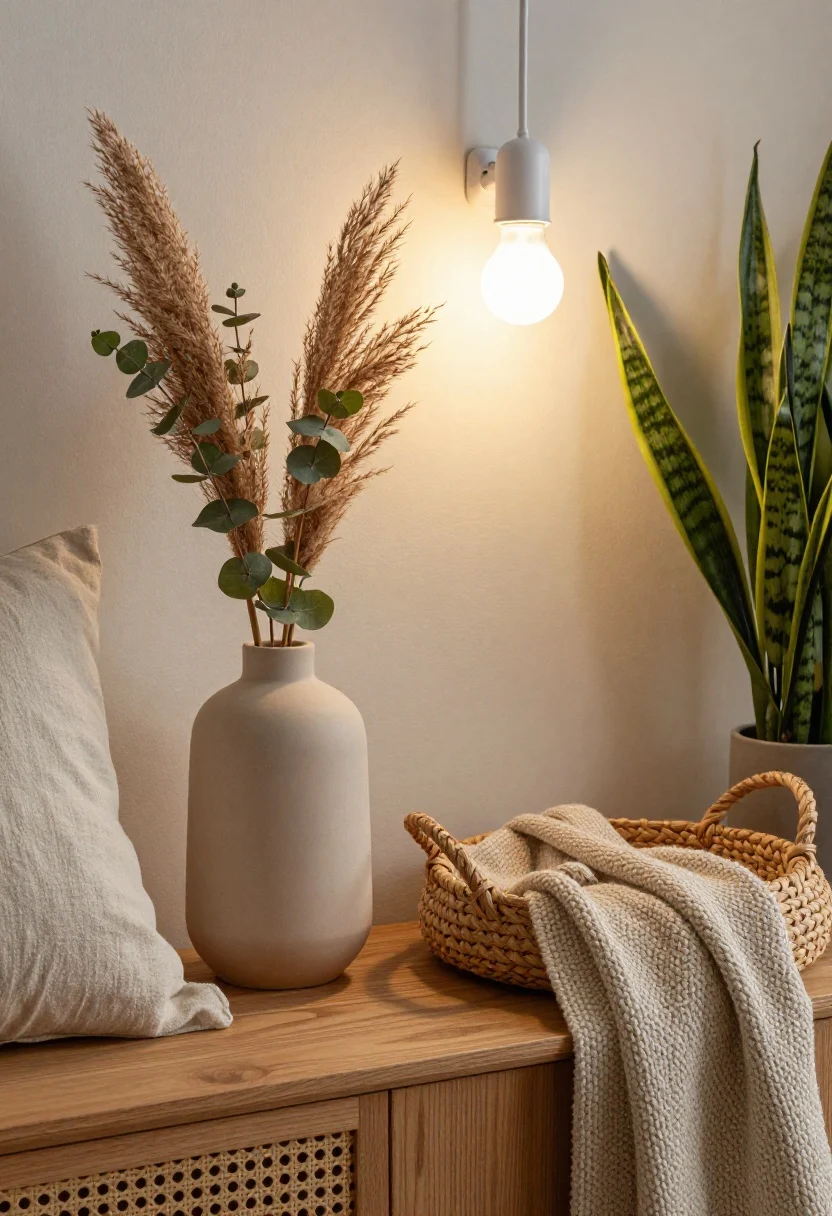
Rooms without windows can feel sterile. Add organic textures and greenery—even if it’s faux—to trick the eye into sensing freshness. Real plants can survive in low light if you pick the right ones.
Greenery That Can Handle The Dark
- Low-light champs: ZZ plant, snake plant, pothos, philodendron, and cast iron plant. Rotate them near a brighter area weekly if possible.
- Faux with intention: High-quality stems in matte ceramics. Mix in dried botanicals (pampas, eucalyptus) for texture that never wilts.
- Grow lights: Discreet LED grow bulbs in a floor lamp or a stylish clamp light—choose a warm-spectrum option so it reads like decor, not a lab.
Layer in woven baskets, boucle throws, linen pillows, and wood grains to add warmth. This makes a no-window space feel grounded and tactile.
5. Curate Art And Color For Mood (Because Vibes > Lumens)
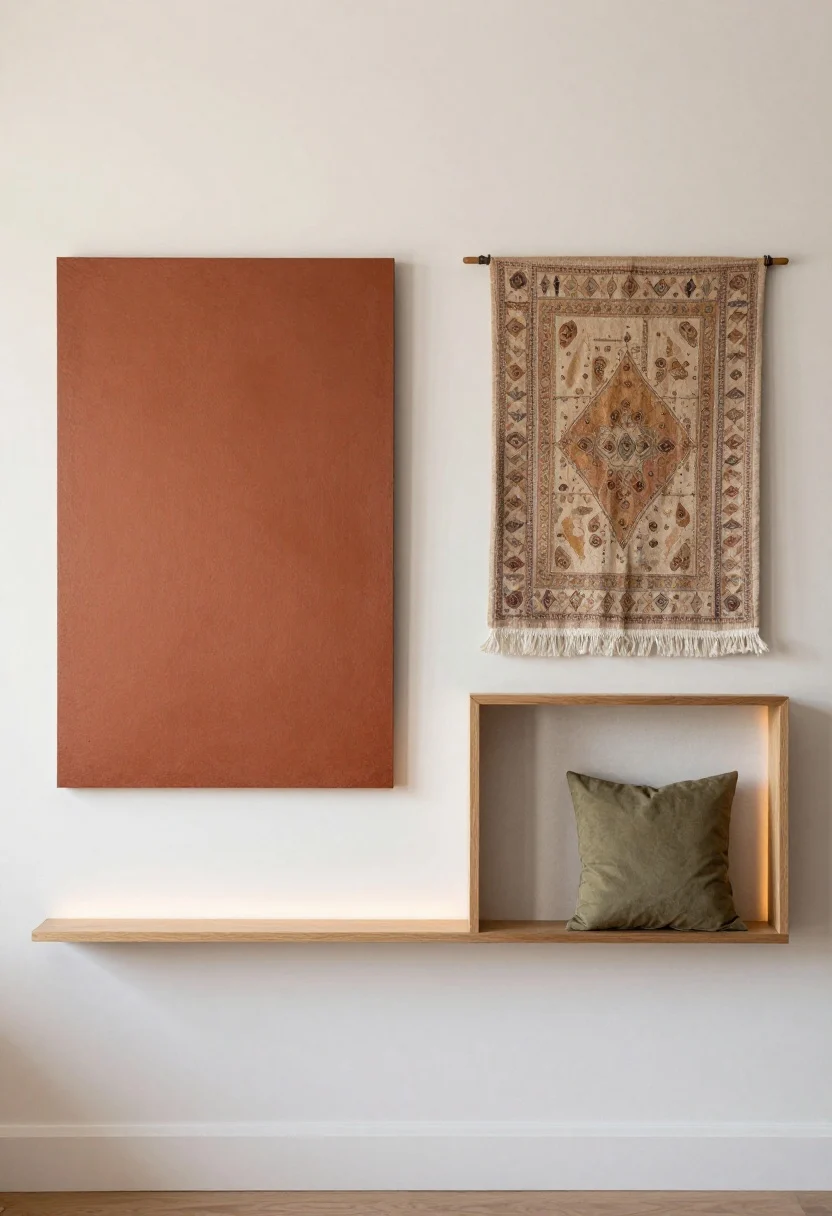
Color sets the tone, light amplifies it. In a low-light space, highly saturated colors can turn muddy, while delicate tones can wash out. Aim for mid-intensity hues and artwork with contrast and movement.
Art And Color Strategies
- Large-scale art: One bold piece can brighten a wall better than a clutter of tiny frames.
- Warm undertones: Terracotta, camel, blush, olive, and ochre thrive in warm lamp light. Cool grays can feel flat—swap for greige or mushroom.
- Backlit moments: LED backlit frames or floating shelves create a gallery glow that reads expensive (but isn’t).
- Textiles as art: A vintage kilim or a textured tapestry absorbs less light than matte paint and adds dimension. Double win.
IMO: pick a 3-color palette and repeat it across rooms. Cohesion makes spaces feel brighter and more intentional.
6. Furniture Placement And Scale: Let The Light Flow
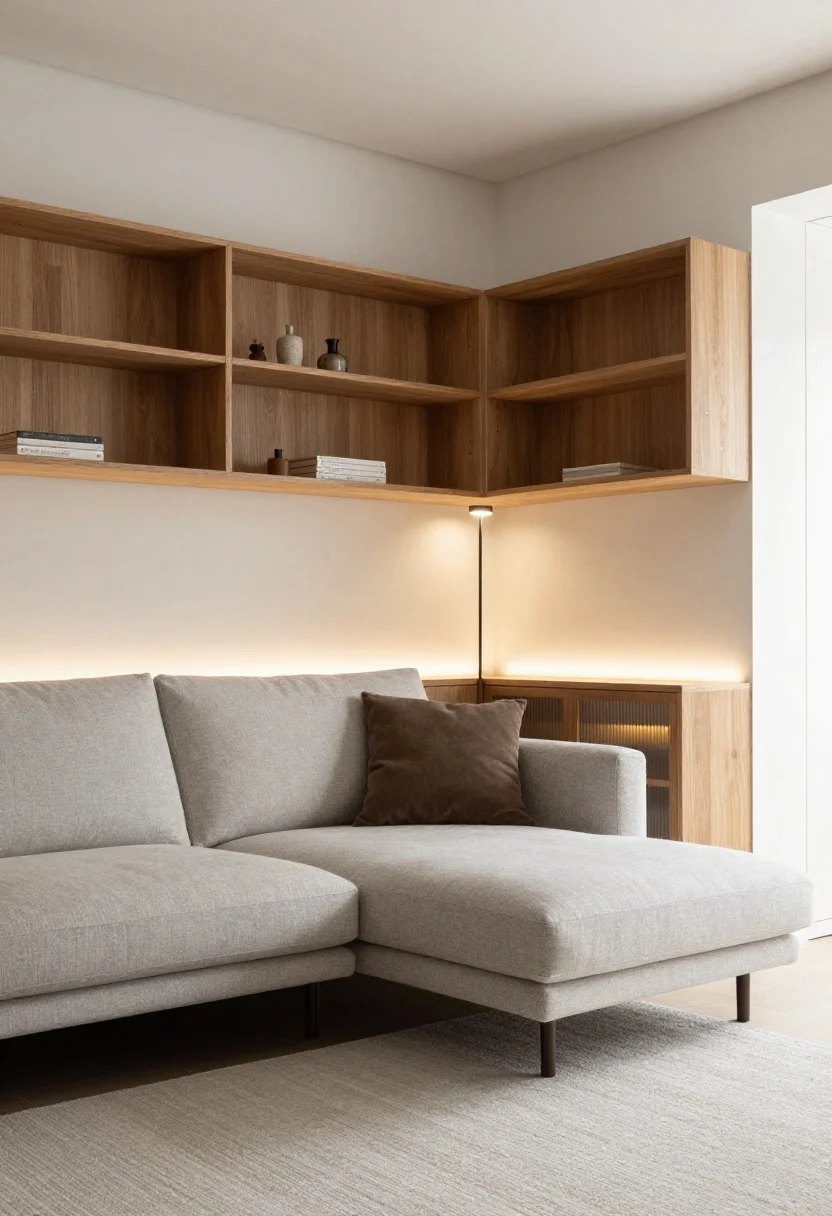
Block a lamp with a bulky sofa and you basically built a light dam. Keep sight lines clean and leave breathing room around your brightest fixtures.
Layout Moves That Brighten
- Float furniture: Pull the sofa a few inches off the wall. Slip an uplight or slim floor lamp behind it for instant halo.
- Low profiles: Choose pieces with legs so light skims under and around. Skirted sofas and heavy armoires darken corners.
- Open storage: Light wood shelves with curated objects reflect better than dark, closed cabinets. Add a small puck light under each shelf.
- Glass doors or ribbed panels: On media units or wardrobes, they scatter light softly and keep things from feeling heavy.
Rug tip: Size up. A larger rug grounds the room and reduces harsh contrast lines that can make dim spaces feel choppy.
7. Smart Tech, Scents, And Finishing Touches That Trick The Senses
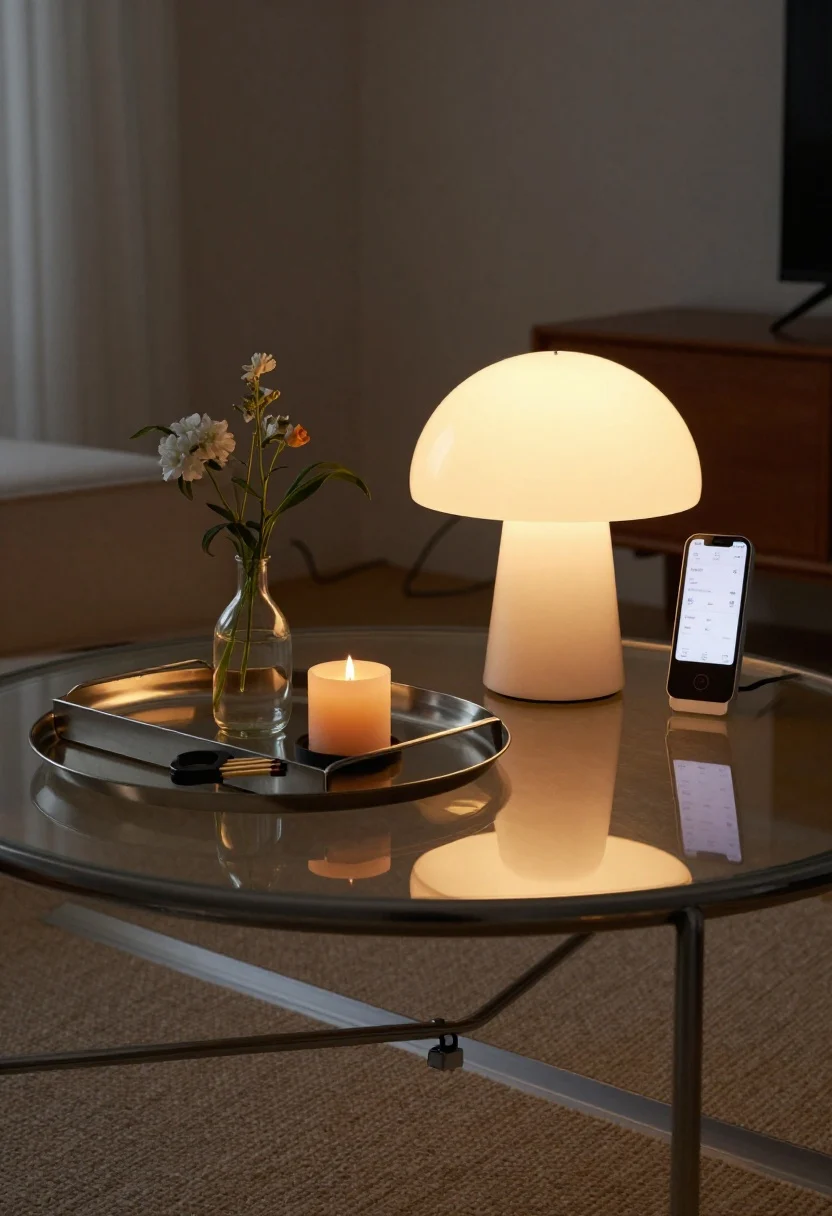
Light isn’t just brightness—it’s rhythm. Mimic the sun’s daily cycle and curate sensory cues so your space feels lively from morning coffee to late-night Netflix.
Design Nerd Extras That Make A Big Difference
- Smart bulbs with schedules: Cool-white in the morning to wake up, warmer in the evening to wind down. Set scenes for “Work,” “Dinner,” and “Movie.”
- Color temperature consistency: Keep bulbs within the same range (2700–3000K for cozy, 3500–4000K for energized spots) so rooms don’t look patchy.
- Scent layering: Fresh citrus or herbal diffusers during the day, soft wood or vanilla at night. It’s an invisible vibe-lift.
- Statement lamp as sculpture: An arc lamp, a pleated shade, or a mushroom lamp doubles as art and sets the tone even when off.
- Cord management: Hide cables with adhesive raceways and furniture placement. Visual clutter “dims” a room faster than a burned-out bulb.
Final polish: Add a metal tray on the coffee table with a candle, match striker, and a small floral stem. It catches light and reads effortlessly styled.
You’ve got this. No windows doesn’t mean no charm. With layered lighting, reflective finishes, tactile textures, and a smart color plan, your apartment will feel bright, cozy, and seriously pulled together. Now dim those lights (strategically) and enjoy your glow-up.

One Comment
Comments are closed.