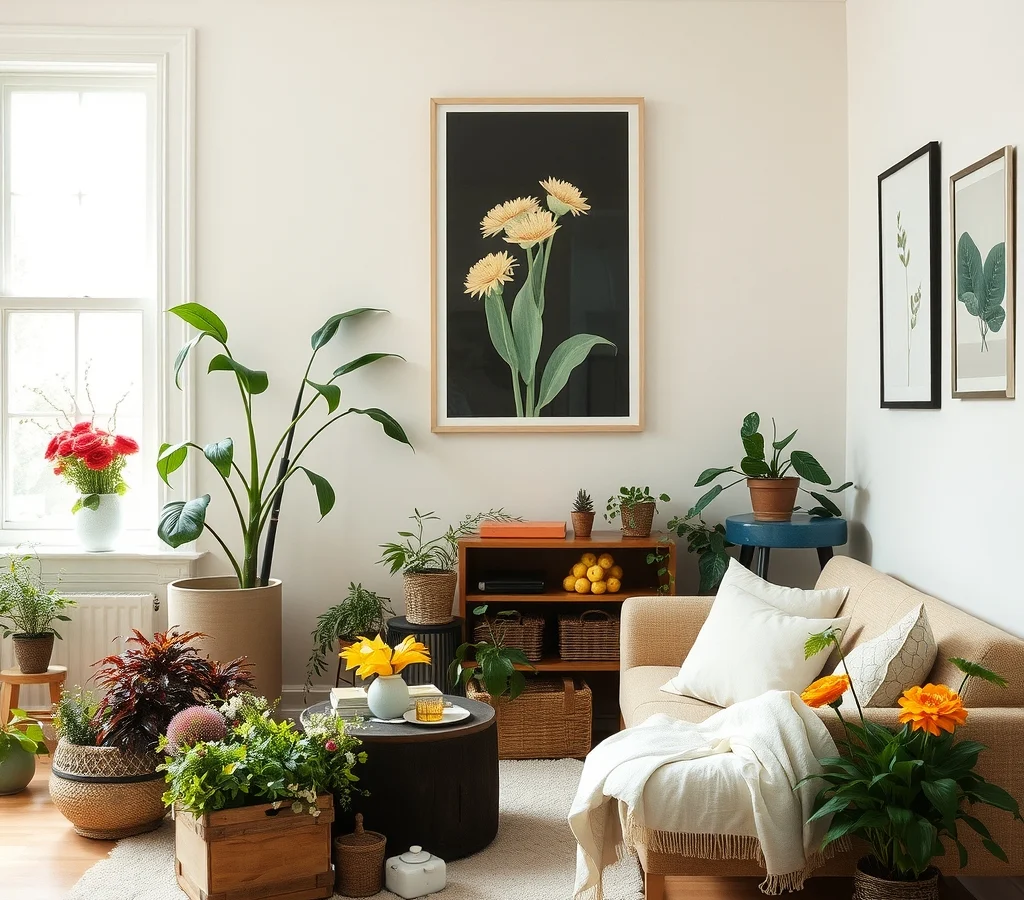
Edible Landscaping Ideas That Combine Beautiful Flowers and Food

When a garden looks as good as it tastes, the space becomes an extension of the kitchen and the living room. Many homeowners want a yard that offers fresh herbs, ripe fruit, and a splash of color without feeling like a traditional vegetable plot. The following ideas show how to weave edible plants and ornamental blooms into cohesive designs that fit a range of homes, from compact balconies to sprawling backyards. Each concept balances aesthetics with practicality, so you can enjoy both the visual appeal and the harvest.
1. Herb Border with Flowering Aromatics
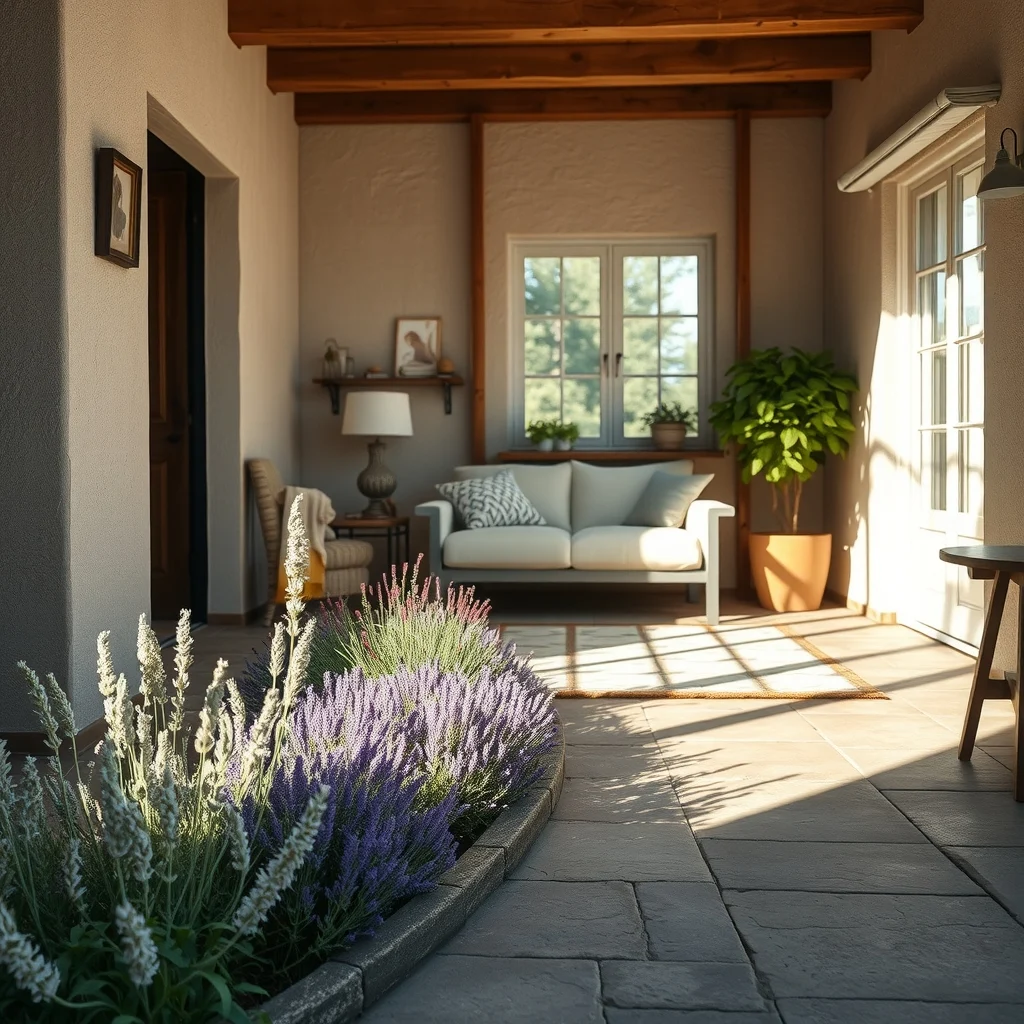
Imagine a low‑lying border along a patio edge, where thyme, rosemary, and sage mingle with lavender and chives that burst into purple spikes. The contrast between the silvery foliage of the herbs and the soft mauve of lavender creates a subtle yet engaging line that frames the outdoor seating area. Because these plants share similar sun and soil preferences, they thrive side by side with minimal extra care. Planting them in a shallow trench allows the herbs to spread, while the lavender’s deeper roots stay contained, reducing competition. Regular trimming of the herbs keeps the border tidy and encourages new growth, while occasional deadheading of lavender maintains its shape. The trade‑off is that lavender can become woody in very humid climates, so choosing a drought‑tolerant variety or providing good air flow is advisable. The result is a fragrant, low‑maintenance edge that supplies seasoning and a gentle fragrance for evenings spent outdoors.
2. Edible Flower Beds with Colorful Blooms
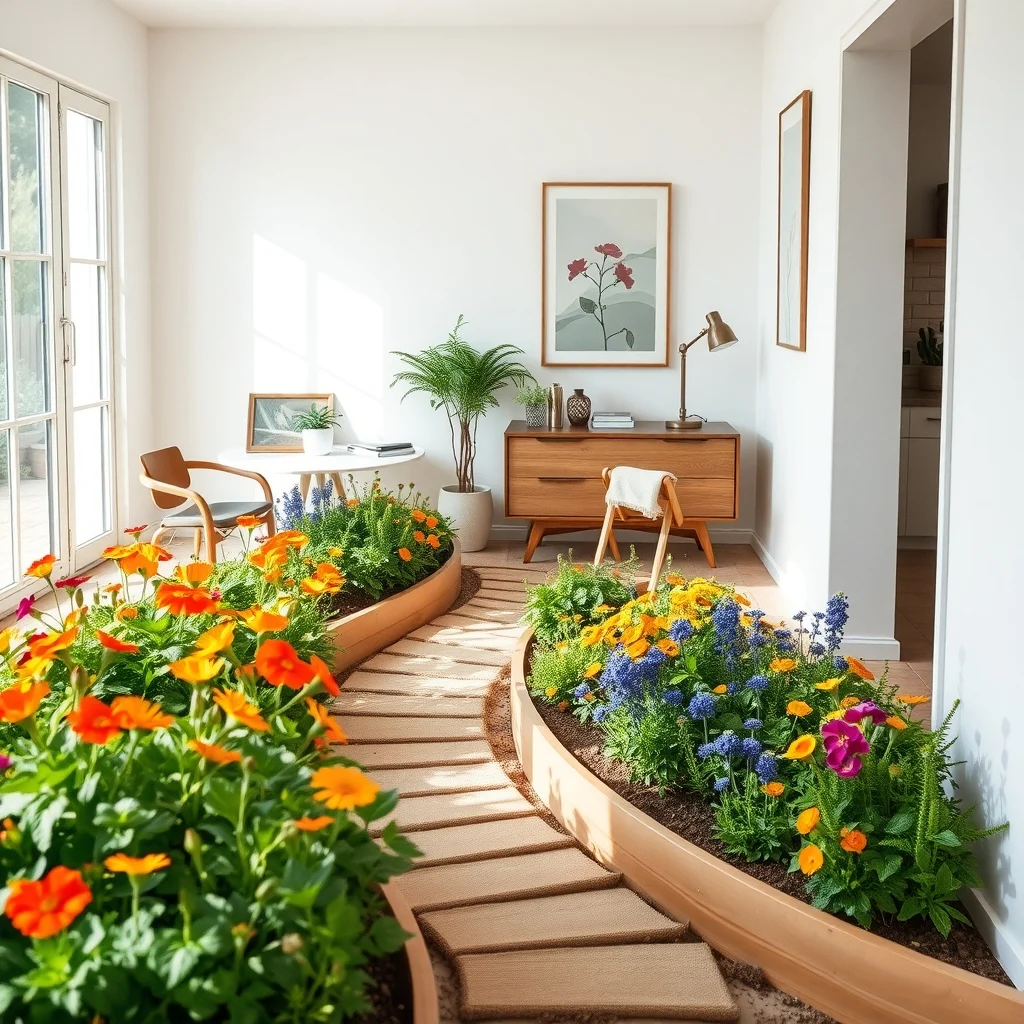
Swapping a purely decorative flower bed for one that yields edible petals adds a surprise element to any garden path. Nasturtiums, calendula, and borage provide bright orange, yellow, and blue flowers that are as pleasing to the eye as they are to the palate. Plant these in a raised bed that receives at least six hours of sunlight; the soil should be well‑drained and enriched with compost to support rapid flowering. As the plants mature, the foliage can be trimmed back to keep the bed tidy, and the blossoms can be harvested continuously for salads, garnishes, or infused waters. One consideration is that nasturtiums can spread quickly, so installing a modest border or using a container can keep them from overtaking neighboring plants. By intermixing the edible flowers with low‑growth ornamental grasses, you add texture and prevent the bed from looking overly uniform.
3. Fruit Trees with Understory Perennials and Shade‑Loving Flowers
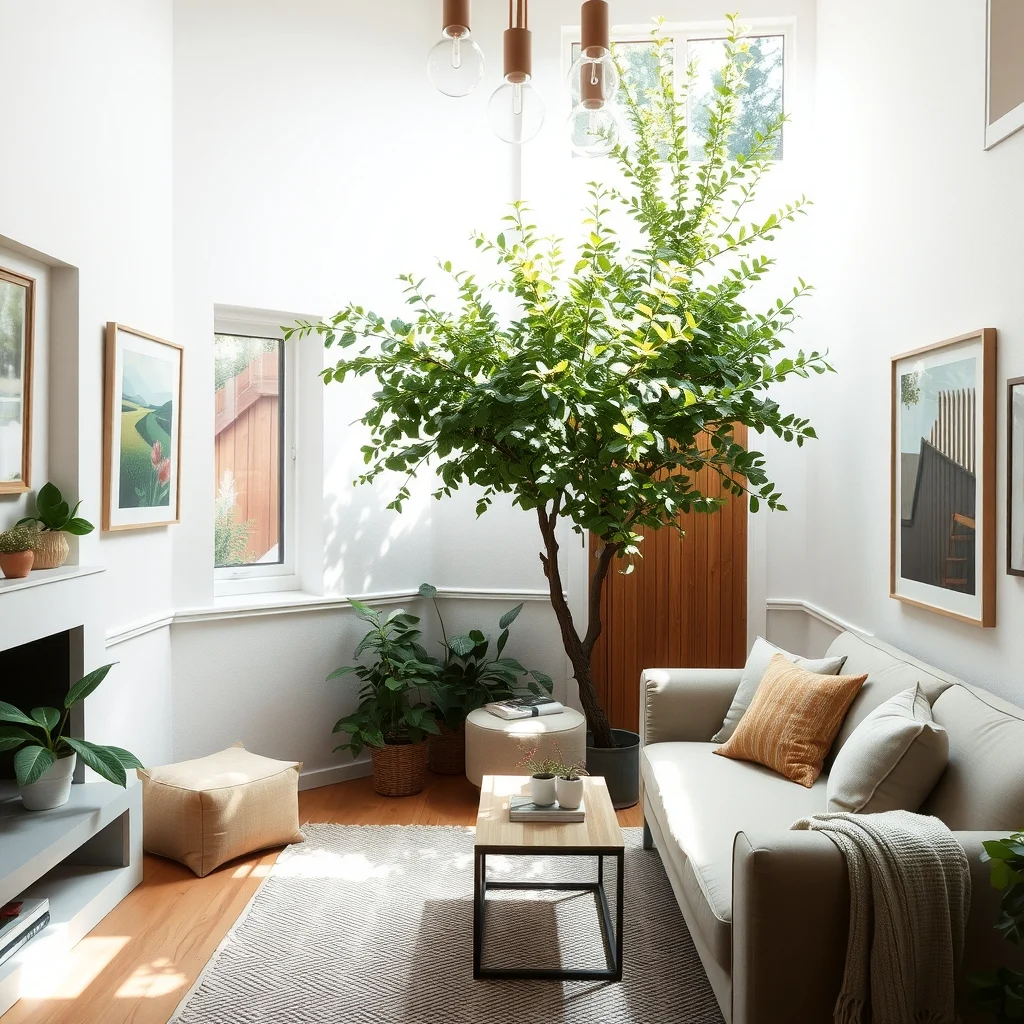
In larger yards, a fruit tree can serve as a focal point while also providing shade for a secondary planting layer. Underneath a dwarf apple or pear tree, plant shade‑tolerant perennials such as hostas, ferns, and creeping thyme. Adding a few shade‑loving flowers like impatiens or begonias introduces color without competing for light. The tree’s canopy creates a microclimate that reduces soil temperature fluctuations, which benefits the understory plants. When selecting the fruit variety, choose one that matches your climate and pollination requirements; self‑fertile varieties simplify the process. A potential downside is that fruit trees shed leaves and fruit, which can increase maintenance if you prefer a clean garden floor. Regular mulching helps manage this debris while retaining moisture for the understory. This layered approach produces a garden that looks cultivated year‑round and yields fresh fruit each season.
4. Raised Garden Boxes with Layered Greens and Blooms
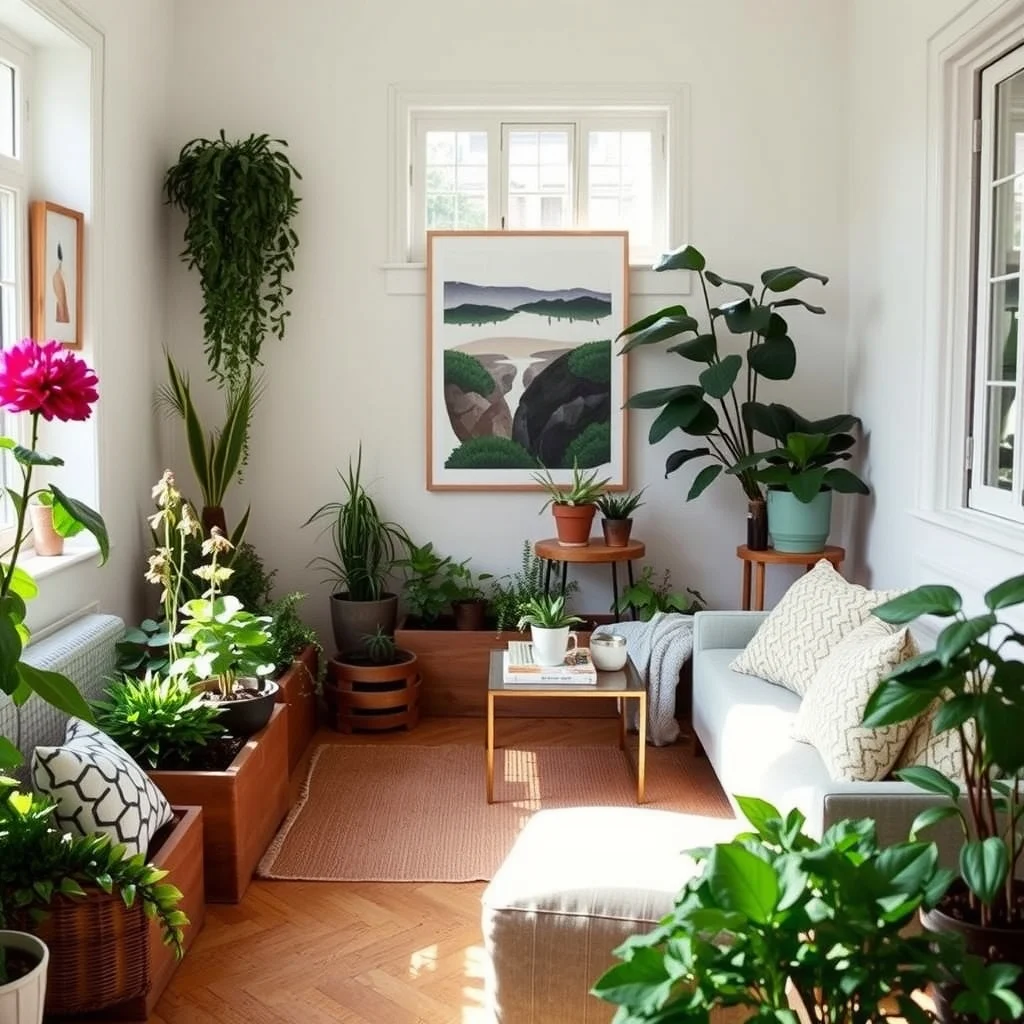
Raised boxes are ideal for patios or small backyards where soil quality may be inconsistent. Fill a box with a base of nutrient‑rich compost, then plant a mix of leafy greens—such as lettuce, arugula, and spinach—along the front where they receive the most light. Behind them, stagger clusters of edible flowers like violas and pansies, whose compact growth fits the limited depth of a box. The greens can be harvested continuously, and the flowers add a splash of color that softens the otherwise utilitarian look. Because the box’s soil warms faster in spring, you can start planting earlier than in ground beds. However, the confined space means water can evaporate quickly; installing a drip irrigation line or a simple soaker hose reduces the need for daily watering. This arrangement delivers fresh salads and decorative appeal in a compact footprint.
5. Kitchen Window Box with Trailing Vines and Blooms
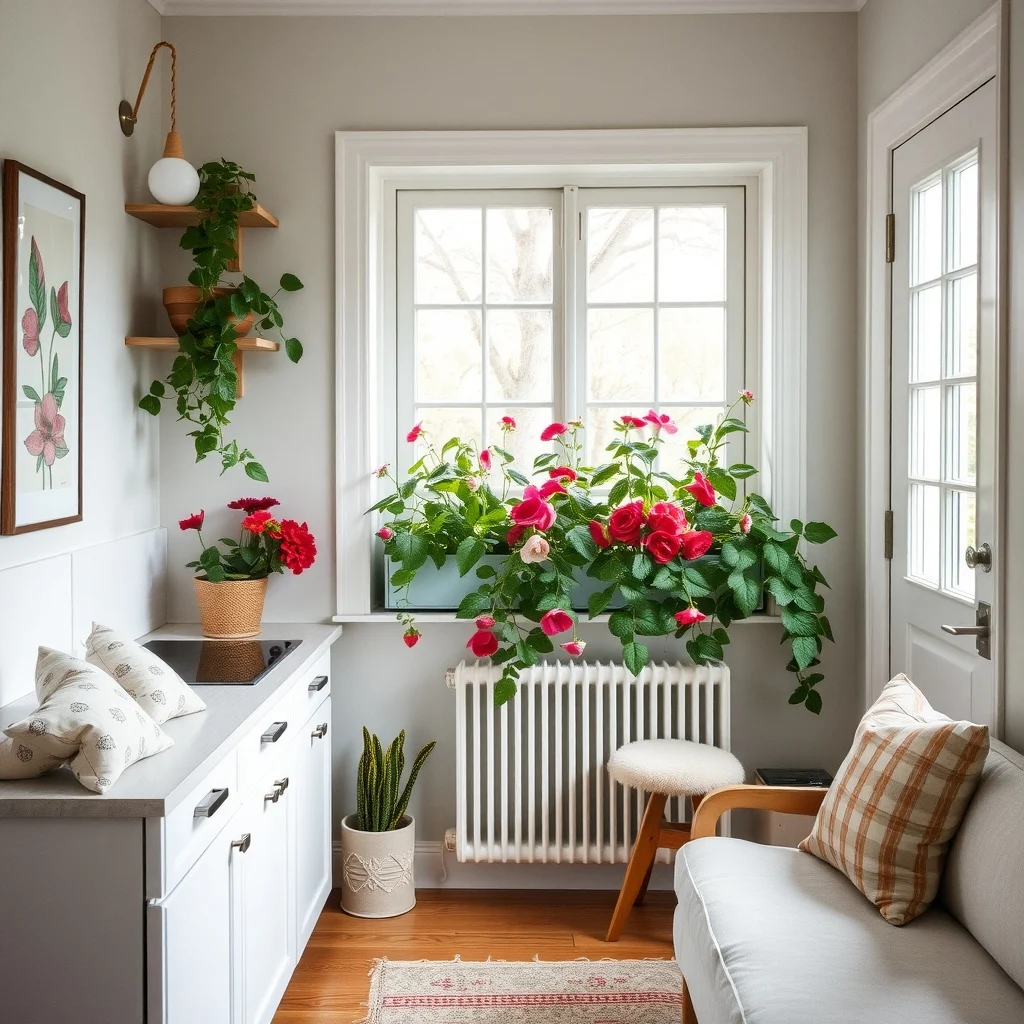
A window box that receives bright, indirect light becomes a living garnish for the kitchen. Plant a trailing vine such as sweet peas or climbing strawberries along the back, allowing the stems to spill over the edge. In front, place compact flowering herbs like basil with pink flowers or rosemary that produces small blue blossoms. The vines provide vertical interest, while the herbs stay within arm’s reach for cooking. Choose a lightweight, weather‑resistant box with drainage holes to prevent waterlogging, and line it with a breathable fabric to keep soil from escaping. One limitation is that heavy vines can become top‑heavy, so occasional pruning keeps the box balanced. The visual connection between the garden and the cooking space encourages frequent use of fresh ingredients.
6. Patio Pot Garden Mixing Herbs, Small Fruit, and Ornamental Blooms
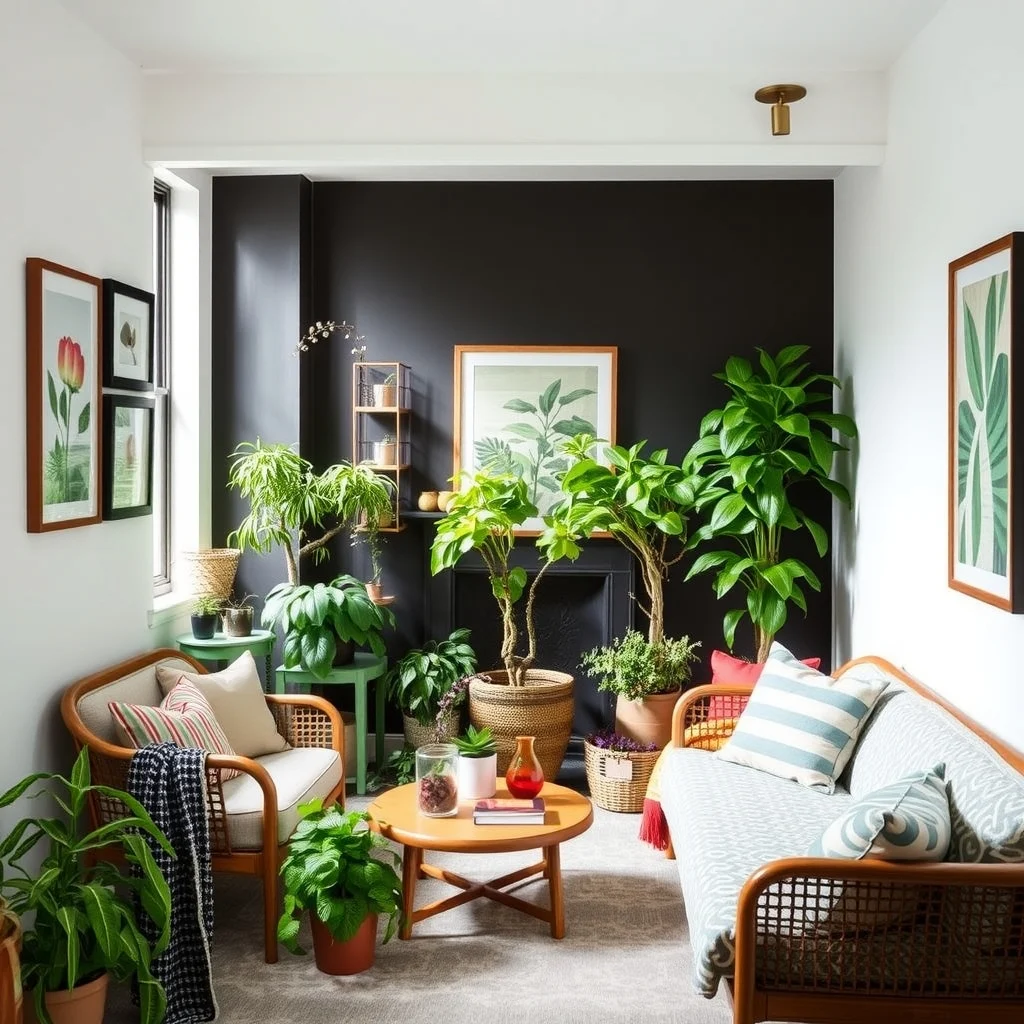
For apartments with limited floor space, a collection of large containers on a patio can mimic a miniature garden. Use a wide, shallow pot for a mix of rosemary, thyme, and oregano, and add a dwarf lemon tree in a taller pot nearby. Between the herb pot and the citrus tree, place a medium‑size container filled with marigolds or petunias that bloom continuously throughout summer. The herbs provide a fragrant backdrop, the lemon tree offers fruit and a focal point, and the ornamental flowers soften the hard edges of the pots. When arranging the pots, consider the sun pattern: herbs and citrus prefer full sun, while marigolds tolerate partial shade. A practical tip is to group pots with similar watering needs together, making irrigation more efficient. The trade‑off is that pots can dry out quickly on hot days, so monitoring moisture levels is essential. This setup turns a modest patio into a lively, productive oasis.
7. Indoor Vertical Garden Using Trellised Vines and Edible Flowers
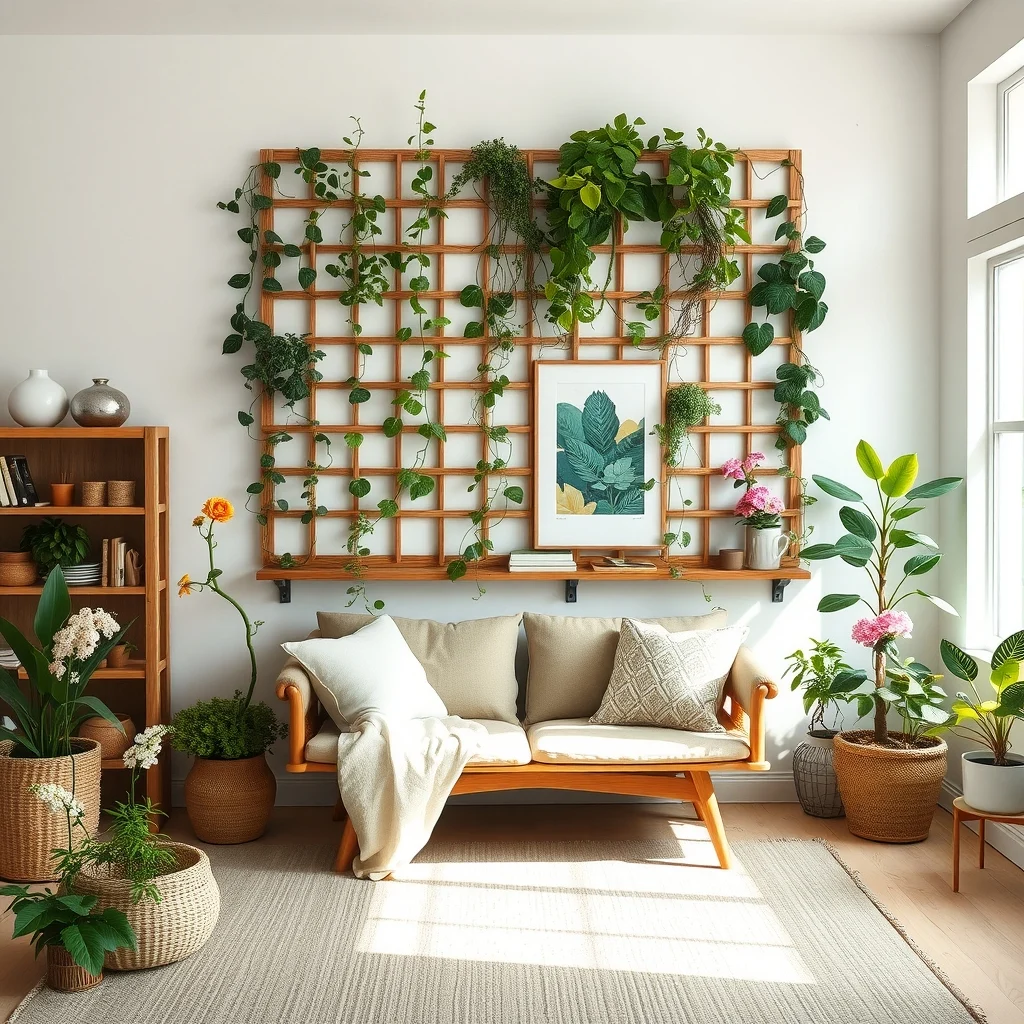
Vertical gardens bring greenery into interiors without sacrificing floor space. Install a wooden or metal trellis on a sunny wall, then train vines such as peas or pole beans to climb upward. Interspersed among the vines, plant edible flowers like nasturtiums or dwarf zinnias that cling to the support. The climbing plants create a living screen, while the flowers add bursts of color at varying heights. Because the garden is indoors, you can control temperature and protect delicate plants from pests. Use a drip system or water the base of the trellis regularly to keep the soil moist but not soggy. A potential challenge is that beans may need a sturdy support structure; choosing a trellis with closely spaced slats prevents the vines from breaking. The result is a dynamic backdrop for a dining area or home office, delivering fresh produce and visual interest year‑round.
FAQ
Can I grow edible flowers indoors?
Yes, many edible flowers thrive in indoor conditions when they receive adequate light. Choose varieties such as nasturtiums, violas, or calendula, and place them near a south‑facing window or under grow lights. Keep the soil consistently moist and provide good air circulation to prevent fungal issues.
Do edible plants attract more pests than ornamental plants?
Edible plants can be slightly more attractive to insects, but proper garden hygiene reduces the risk. Removing spent foliage, using companion plants like marigolds, and inspecting leaves regularly keep pest populations manageable.
How much sunlight do these combinations need?
Most herbs, fruit trees, and edible flowers require at least six hours of direct sunlight daily. In shaded areas, select shade‑tolerant varieties such as hostas, certain lettuce mixes, or low‑light herbs like mint. Adjust plant placement based on the sun pattern of each space.
What are low‑maintenance options for edible landscaping?
Perennial herbs like rosemary and thyme, dwarf fruit trees, and self‑seeding annuals such as nasturtiums offer long‑term returns with minimal upkeep. Using raised beds or containers with quality soil also reduces the need for frequent amendments.
Are there safety concerns with using garden produce in the home?
Only grow varieties that are known to be safe for consumption and avoid ornamental hybrids that may be toxic. Wash all produce thoroughly before use, and keep garden chemicals away from edible plants to prevent contamination.
Final Thoughts
Blending edible plants with ornamental flowers turns a garden into a living pantry and a decorative feature simultaneously. By considering light, soil, and maintenance needs, you can create spaces that delight the eye and the palate. Whether you start with a simple herb border or a full‑scale vertical garden, each idea adds value to your home environment and invites you to harvest beauty and flavor together.