Dark Foliage Garden Ideas for a Dramatic and Modern Outdoor Space

When the garden feels like an afterthought, a bold palette can turn it into a room you actually want to spend time in. Dark foliage, with its rich tones and sculptural presence, offers a way to create depth without relying on large structures or heavy furniture. The following ideas show how you can layer shade‑loving plants, choose complementary materials, and plan lighting that lets the garden feel both contemporary and a little mysterious. By the end of the article you’ll have a roadmap for turning a modest yard into a modern outdoor retreat that feels intentional from every angle.
1. Use deep‑green structural plants as architectural anchors
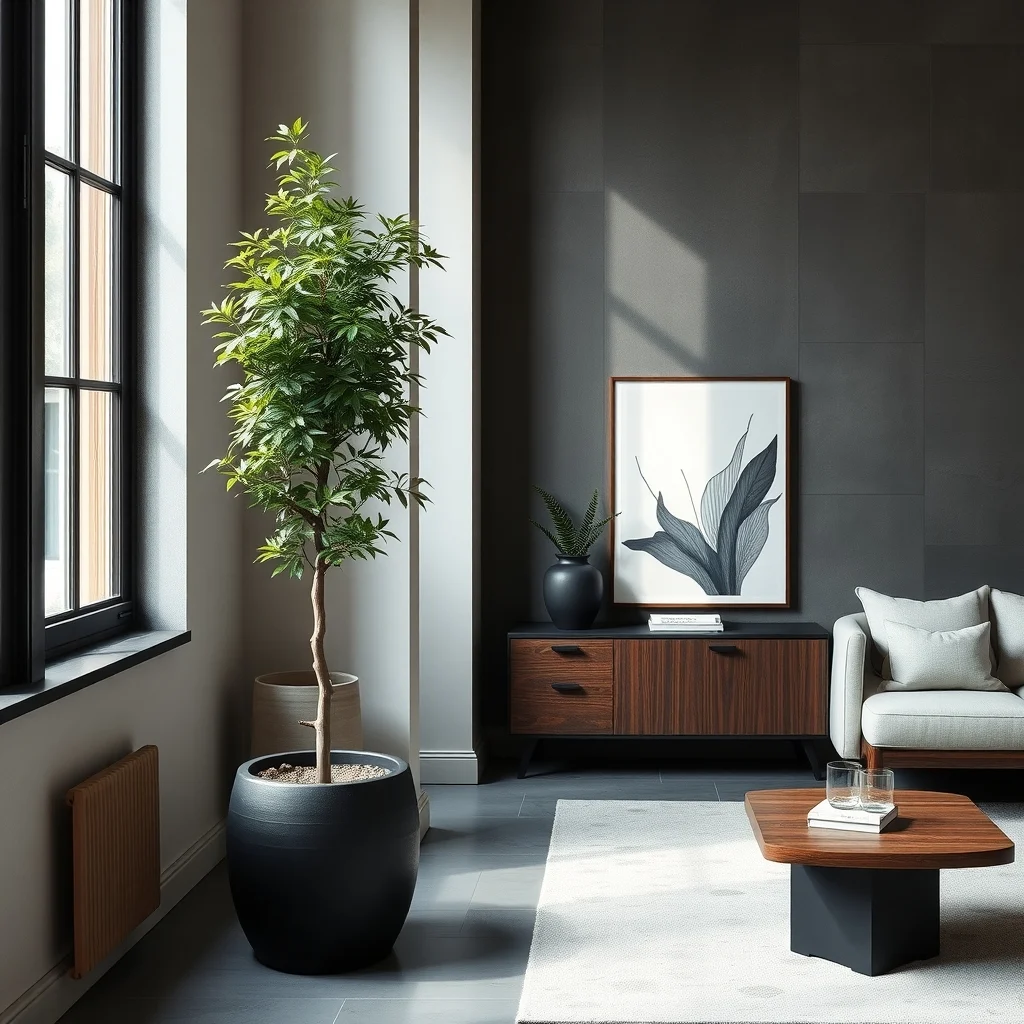
Plants such as Japanese maple, Italian cypress, or dwarf pine provide a vertical line that grounds the garden. Their deep‑green foliage reads almost like a built‑in wall, giving the space a sense of order without adding actual masonry. Position a single specimen near a patio edge or at the end of a pathway so the eye is drawn outward, creating a focal point that feels both natural and designed. Because these plants maintain a strong silhouette year after year, they require minimal pruning—just enough to keep the shape clean. The trade‑off is that a mature specimen can be pricey, so start with a younger plant if budget is a concern and allow it to fill out over time.
2. Layer black‑leafed perennials for texture and seasonal interest
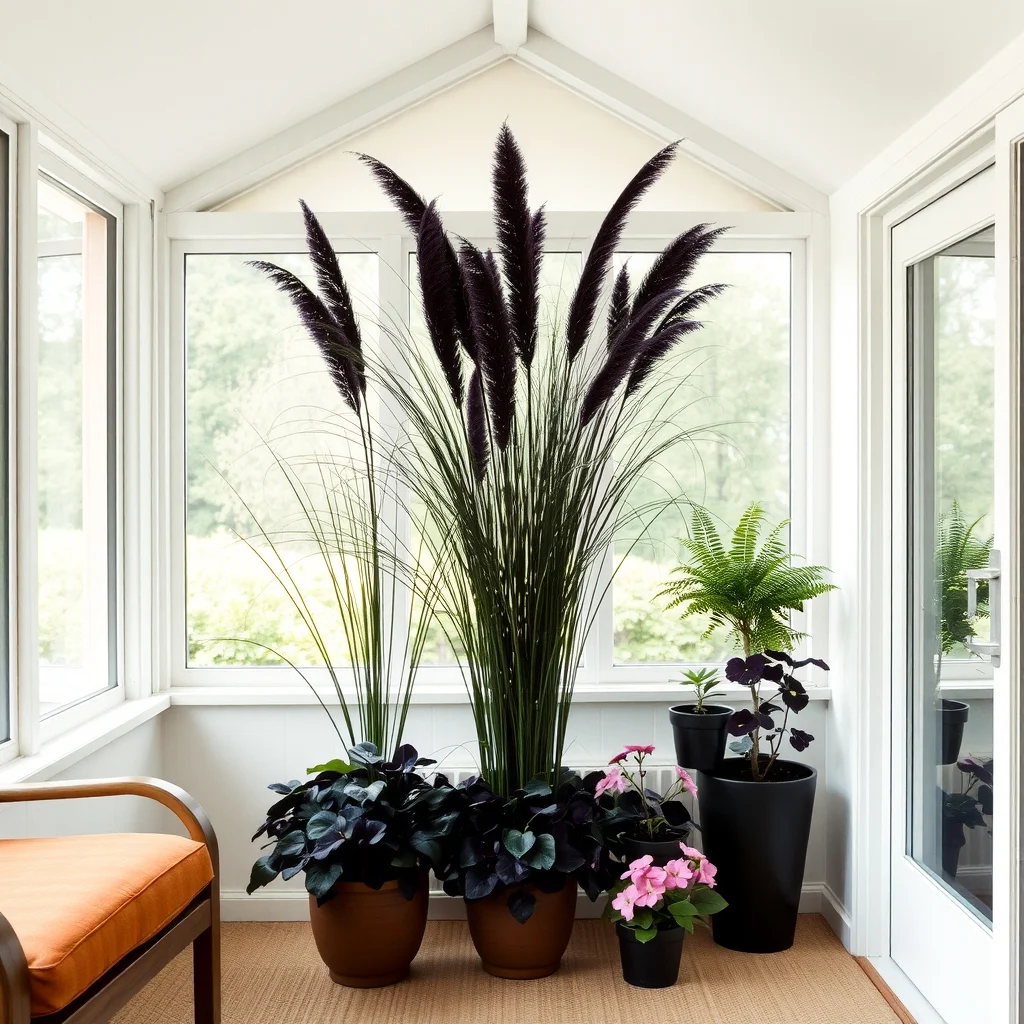
Perennials like black mondo grass, purple heart, and ‘Black Pearl’ petunia introduce a velvety texture that catches the light differently than glossy foliage. Plant them in groups of three to five, allowing the darker leaves to mingle with the structural greens. In spring the stems may show subtle bronze tones, while in late summer the foliage deepens, giving the garden a dynamic quality that changes with the season. These plants are generally low‑maintenance, needing only occasional deadheading and a moderate watering schedule. However, they can be more prone to fungal issues in overly damp climates, so good airflow and well‑drained soil become essential considerations.
3. Choose dark containers and planters to reinforce the palette
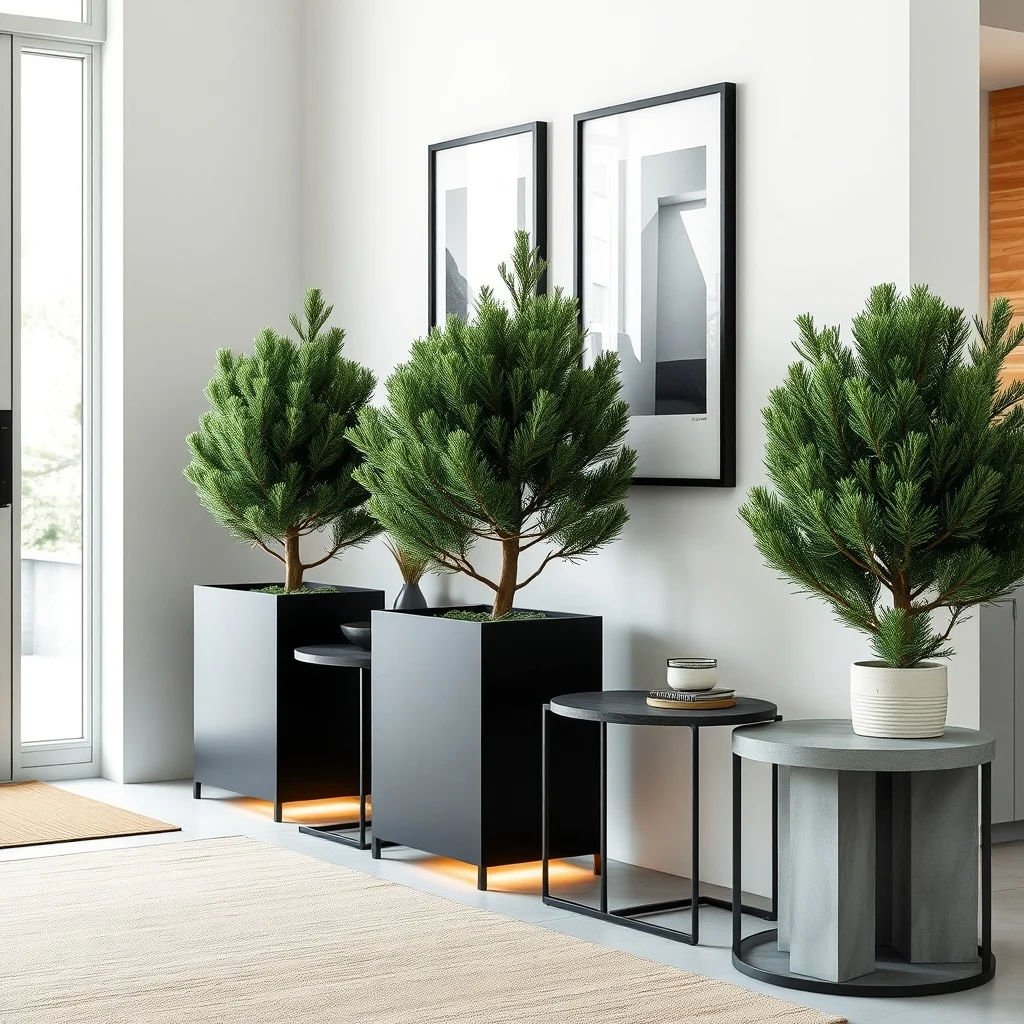
Even the pots you select can amplify the garden’s mood. Matte black ceramic, weathered steel, or deep‑brown terracotta containers echo the darkness of the foliage while providing a clean backdrop for the plants themselves. When arranging containers, vary heights—tall, narrow planters for upright grasses, squat, wide bowls for spreading groundcovers—to create visual rhythm without clutter. The downside of dark finishes is that they can show water stains or mineral deposits, so a quick wipe after watering helps keep the look refined. If you prefer a softer edge, a dark concrete planter with a slight texture can hide imperfections while still delivering the desired tone.
4. Install low‑level lighting that highlights foliage silhouettes
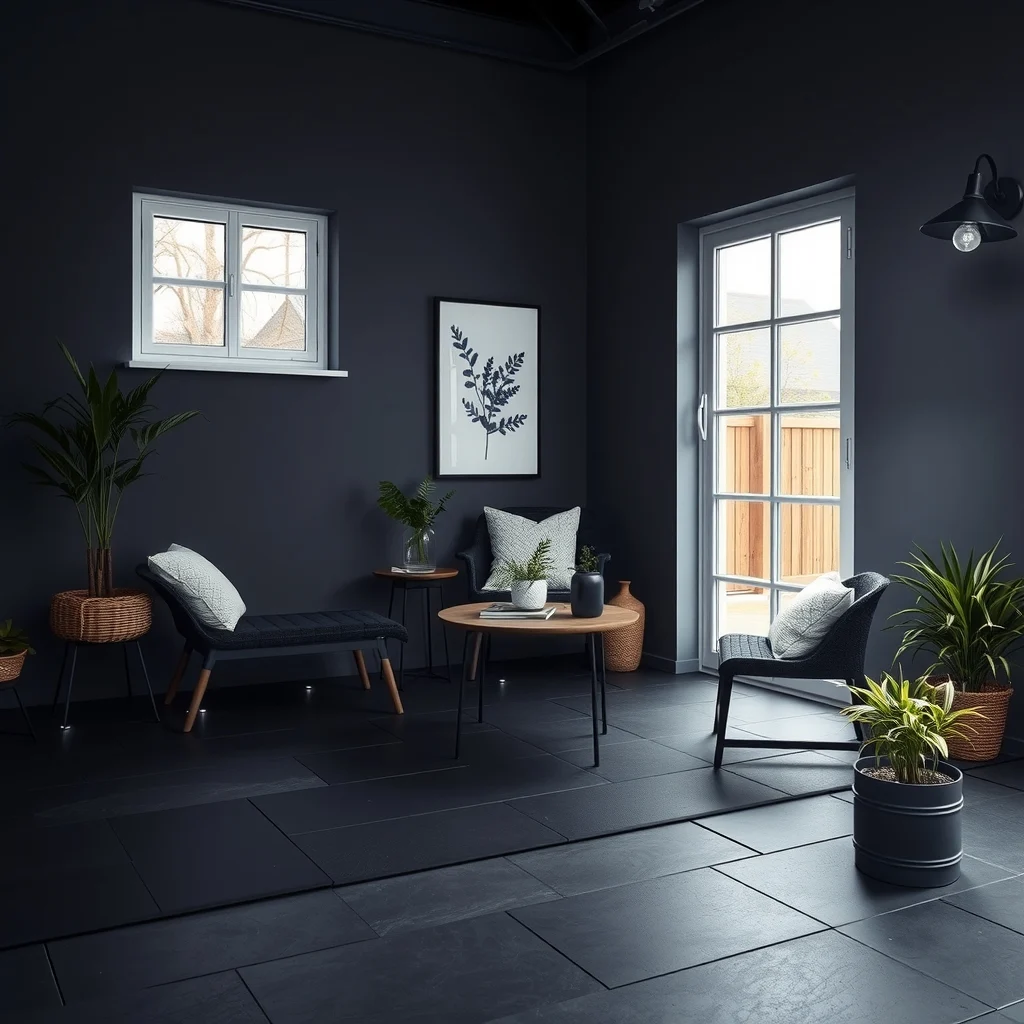
Strategic lighting turns dark foliage into a stage for shadow play after dusk. Small LED uplights placed at the base of a structural plant cast an upward glow, outlining the leaf edges in a subtle halo. Similarly, narrow strip lights hidden behind a low wall or railing can illuminate a row of black‑leafed perennials without overwhelming the scene. Because the garden already leans toward darkness, a modest wattage is sufficient; the goal is to suggest form rather than flood the area with brightness. Be mindful of glare on pathways—position fixtures so the light falls on plant material first, then diffuses onto walking surfaces.
5. Pair the garden with matte black or dark‑tone hardscape
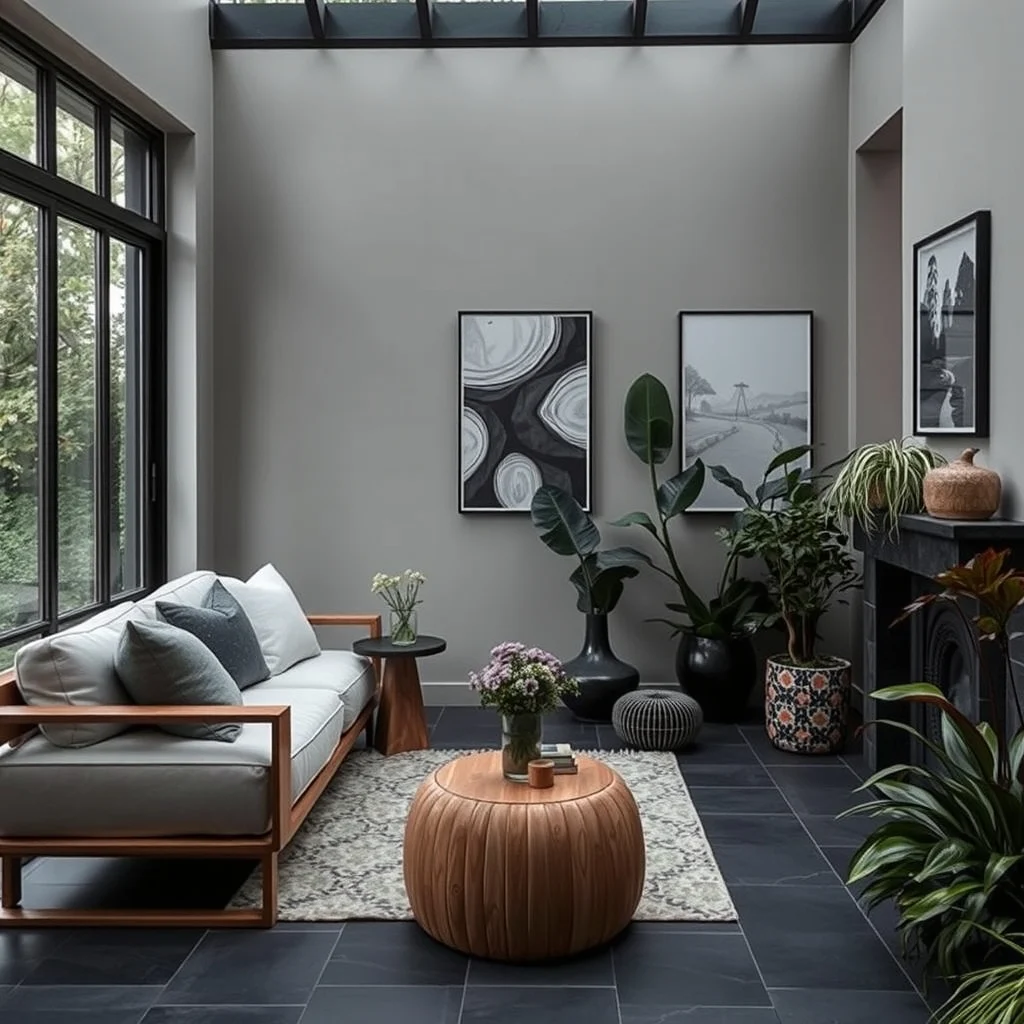
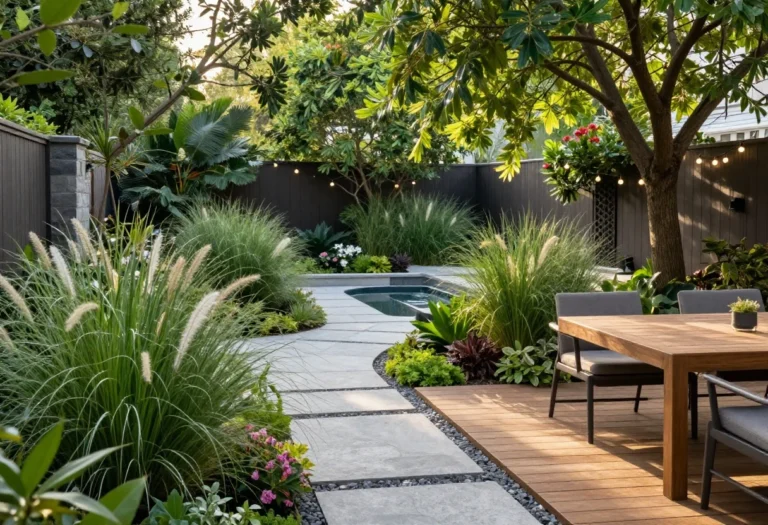
Flooring and edging made from slate, basalt, or reclaimed wood stained dark create a seamless transition between plantings and the surrounding space. A dark stone patio, for example, reflects the surrounding foliage while providing a stable surface for seating. When you choose a material with a slightly rough texture, it adds tactile interest that complements the soft leaf surfaces. One limitation to consider is that very dark surfaces can become hot in full sun, so incorporating shade sails or a pergola can keep the area comfortable for barefoot walks.
6. Add reflective water or dark stone features for depth
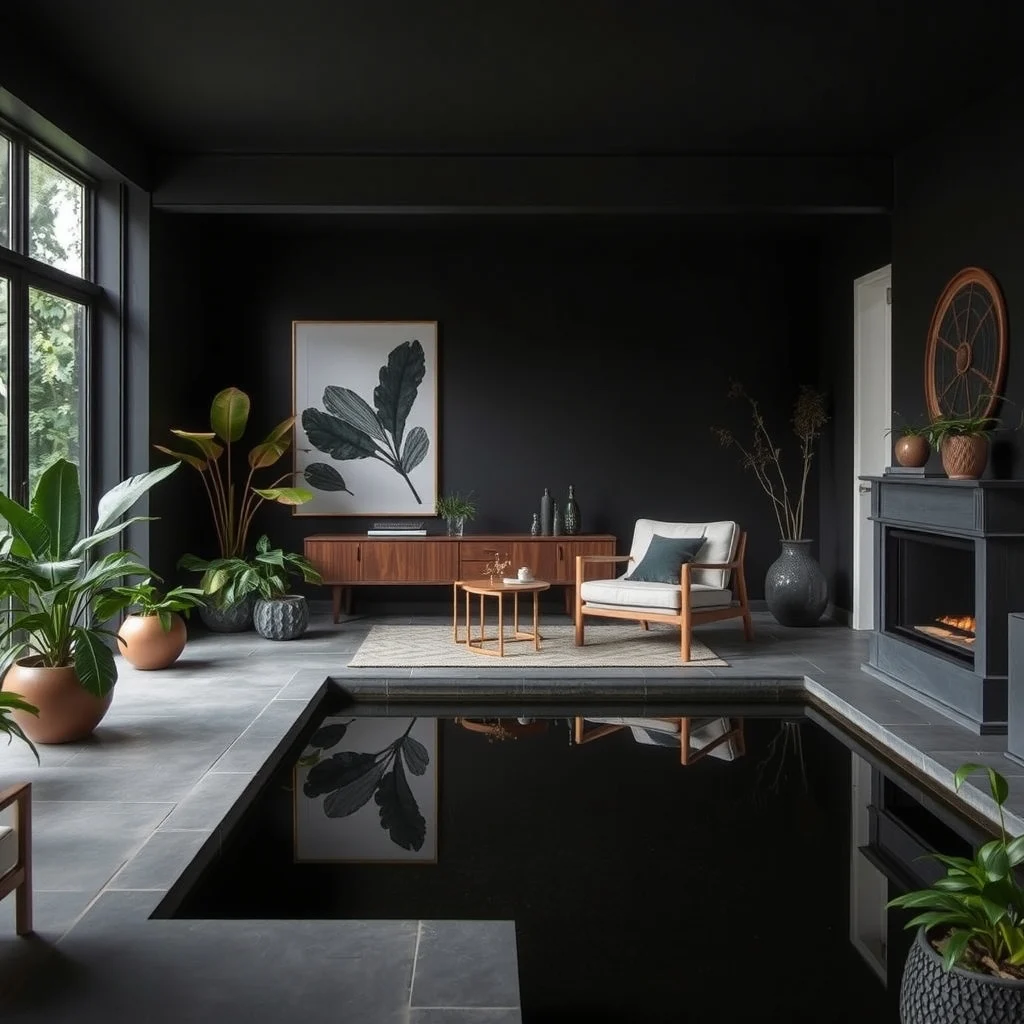
A shallow reflecting pool or a dark basalt boulder can act as a visual anchor that mirrors the garden’s palette. Water catches the surrounding greenery and returns it to the viewer, creating a sense of expanded space without adding more plants. If a water feature feels too maintenance‑heavy, a polished black stone basin filled with river rocks offers a similar reflective quality with far less upkeep. Keep the water level low enough to avoid mosquito breeding, and consider a small solar pump to keep the surface moving, which also reduces algae growth.
7. Introduce subtle accent colors through bark mulch or groundcover
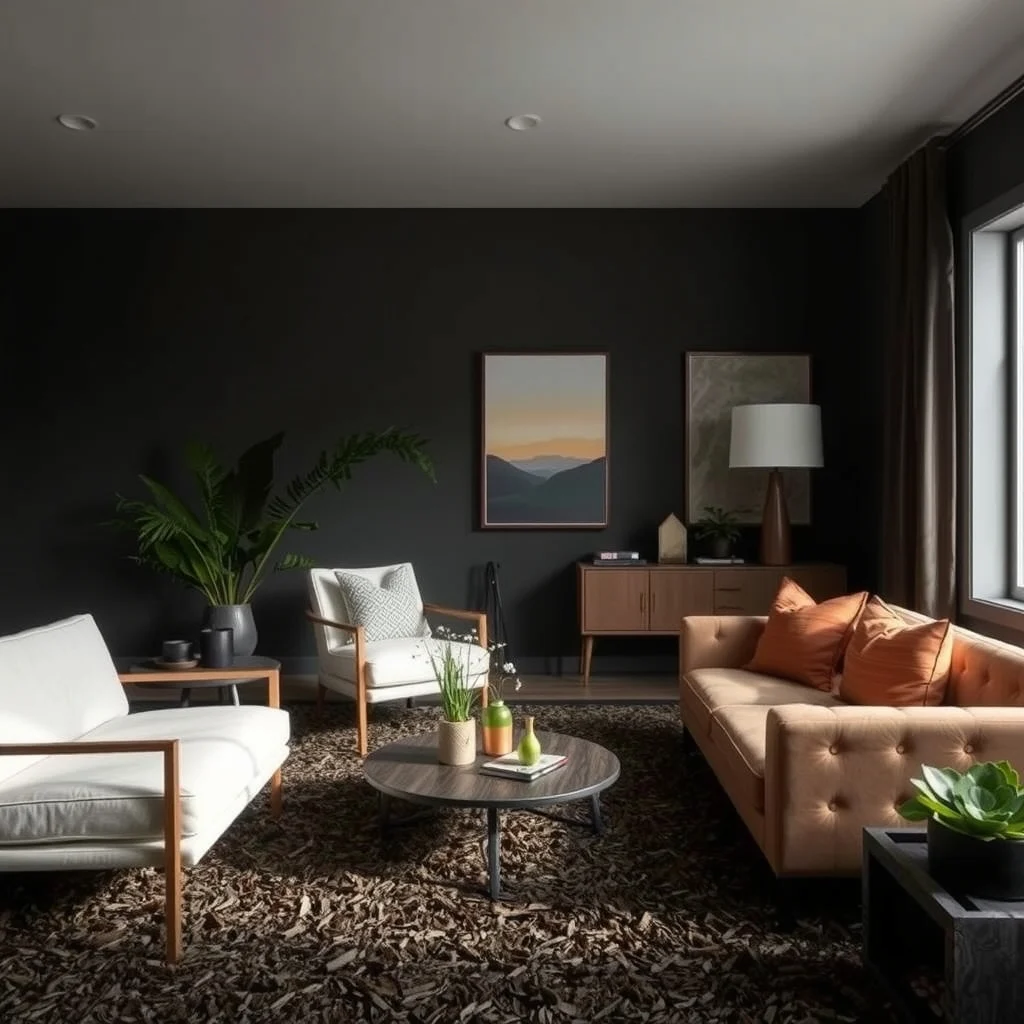
While the primary goal is darkness, a hint of complementary hue prevents the garden from feeling flat. Dark brown shredded bark mulch adds a soft contrast that still reads as part of the overall scheme. For a living accent, low‑grow groundcovers such as creeping thyme in a deep olive shade can provide a gentle pop of color that releases a faint scent when stepped on. The advantage of using mulch is that it suppresses weeds and retains moisture, though it may need replenishing every couple of years as it breaks down. Groundcovers require occasional trimming to keep them from overtaking the darker plants, but the effort is modest compared with the visual payoff.
FAQ
How do I keep dark foliage looking healthy?
Dark foliage thrives on consistent moisture and well‑drained soil; over‑watering can cause leaf rot, while under‑watering leads to dull coloration. Mulching helps regulate soil temperature and retain moisture, which is especially important for plants with deep pigments that can stress in extreme conditions.
Can a dark garden work in a very sunny climate?
Yes, but you’ll need to provide some shade during the hottest part of the day. Planting taller structural species on the sun‑facing side creates natural shade, and adding a pergola with a light fabric canopy can protect more delicate black‑leafed perennials from scorching.
What maintenance does black foliage require?
Most black‑leafed plants need the same care as their greener counterparts: regular watering, occasional fertilizing, and removal of dead material. Because the dark color can hide pest damage, inspect leaves closely for signs of insects or disease and treat early to prevent spread.
Is it okay to mix dark foliage with bright flowers?
Mixing in a few bright blooms can create focal points without disrupting the overall mood. Choose colors that complement rather than clash—soft whites, muted lilacs, or pale yellows work well against deep greens and blacks.
How much light does a dark‑leafed garden need?
Most dark foliage plants prefer partial shade to full sun, depending on the species. A general rule is to provide at least four hours of filtered sunlight daily; too much direct sun can bleach the pigments, while too little light may cause leggy growth.
Final Thoughts
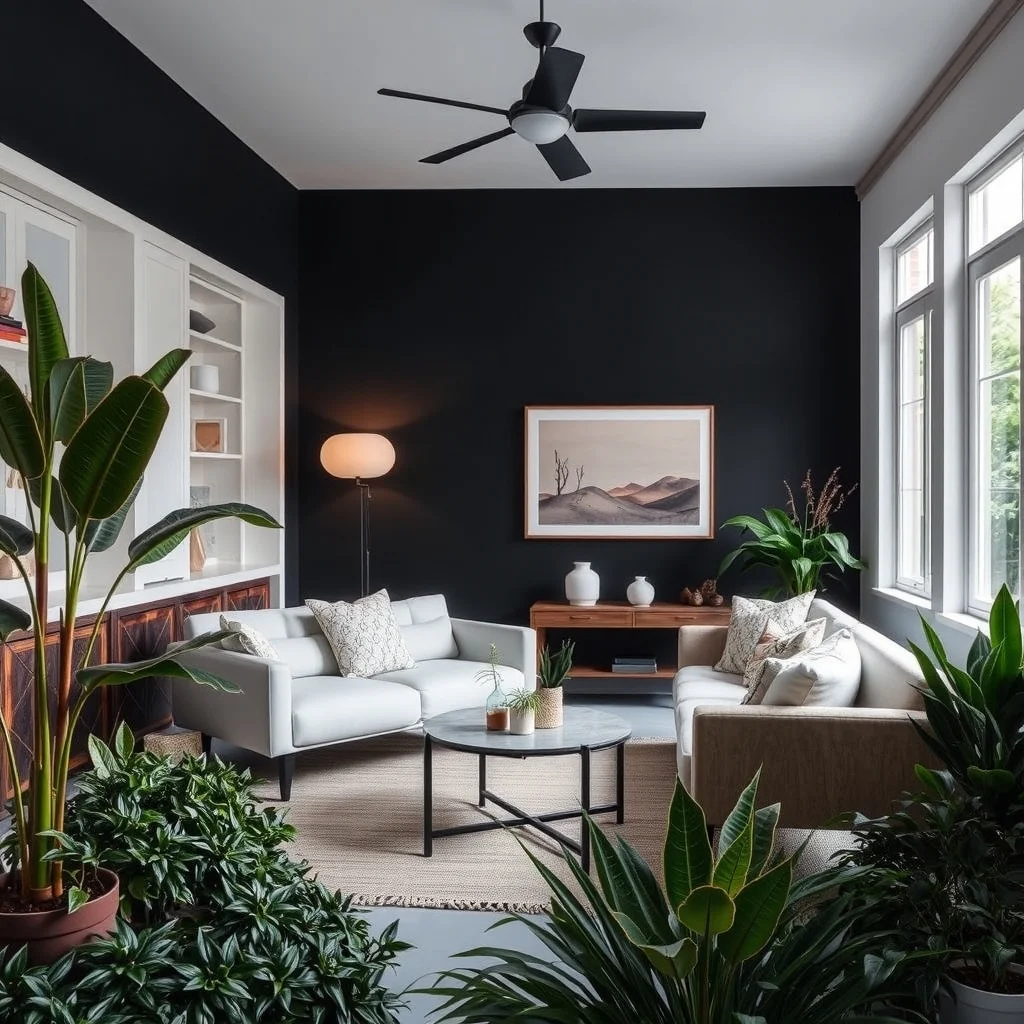
Designing a garden around dark foliage is less about hiding and more about revealing the subtle drama that comes from contrast, texture, and thoughtful lighting. By choosing structural plants, layering perennials, and pairing them with dark hardscape and measured illumination, you create a space that feels modern yet timeless. Remember that each element—soil, water, container, and light—plays a role in how the darkness is perceived, so balance practicality with aesthetics. With these ideas in hand, you can craft an outdoor area that invites quiet contemplation and quiet confidence, night after night.