Blue Flower Garden Ideas for a Beautiful and Calming Spring Landscape

When spring arrives, many homeowners look for a way to bring the outdoors in without overwhelming the senses. A garden dominated by blue blooms can provide just the right amount of colour—soft enough to soothe, bright enough to inspire. Below are seven approaches that blend plant selection, hard‑scape details, and practical considerations so you can shape a garden that feels both welcoming and easy to maintain.
1. Create a Soft Blue Border with Low‑Growing Perennials
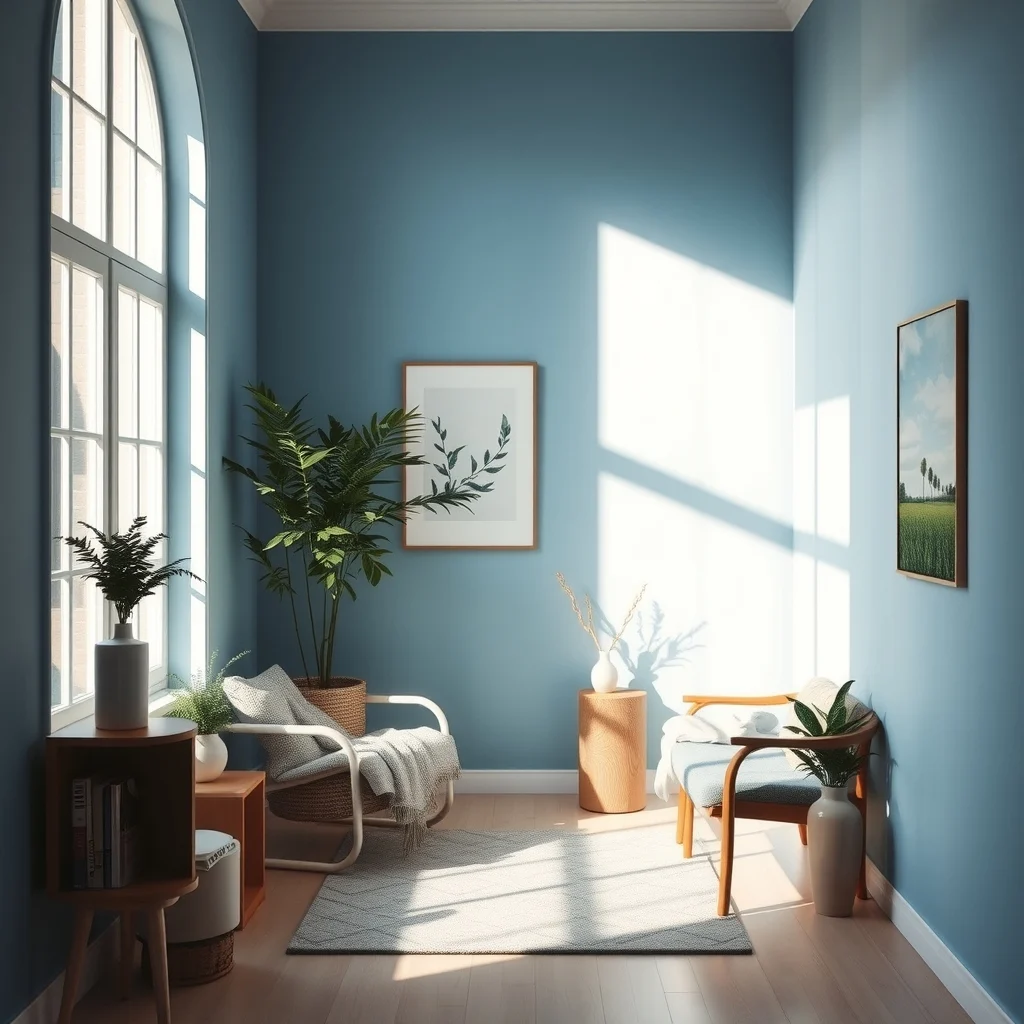
A low border of blue‑toned perennials establishes a visual foundation that frames pathways and patio edges. Species such as creeping thyme (Thymus serpyllum ‘Blue Spice’) and dwarf lavender (Lavandula angustifolia ‘Hidcote’) stay under twelve inches, allowing the border to stay tidy while releasing a gentle fragrance when brushed by foot traffic. The foliage of these plants often carries a silvery hue that softens the intensity of the flowers, making the overall effect feel airy. Planting in a staggered pattern prevents a uniform line and introduces subtle movement as wind ripples through the leaves. Because the border sits close to the ground, it requires only occasional trimming and a light mulch layer to retain moisture. If the garden receives full sun, consider adding a few hardy sedums for texture; they tolerate dry conditions and add a contrasting matte green.
2. Layer Height with Tall Blue Hydrangeas Behind Seating Areas
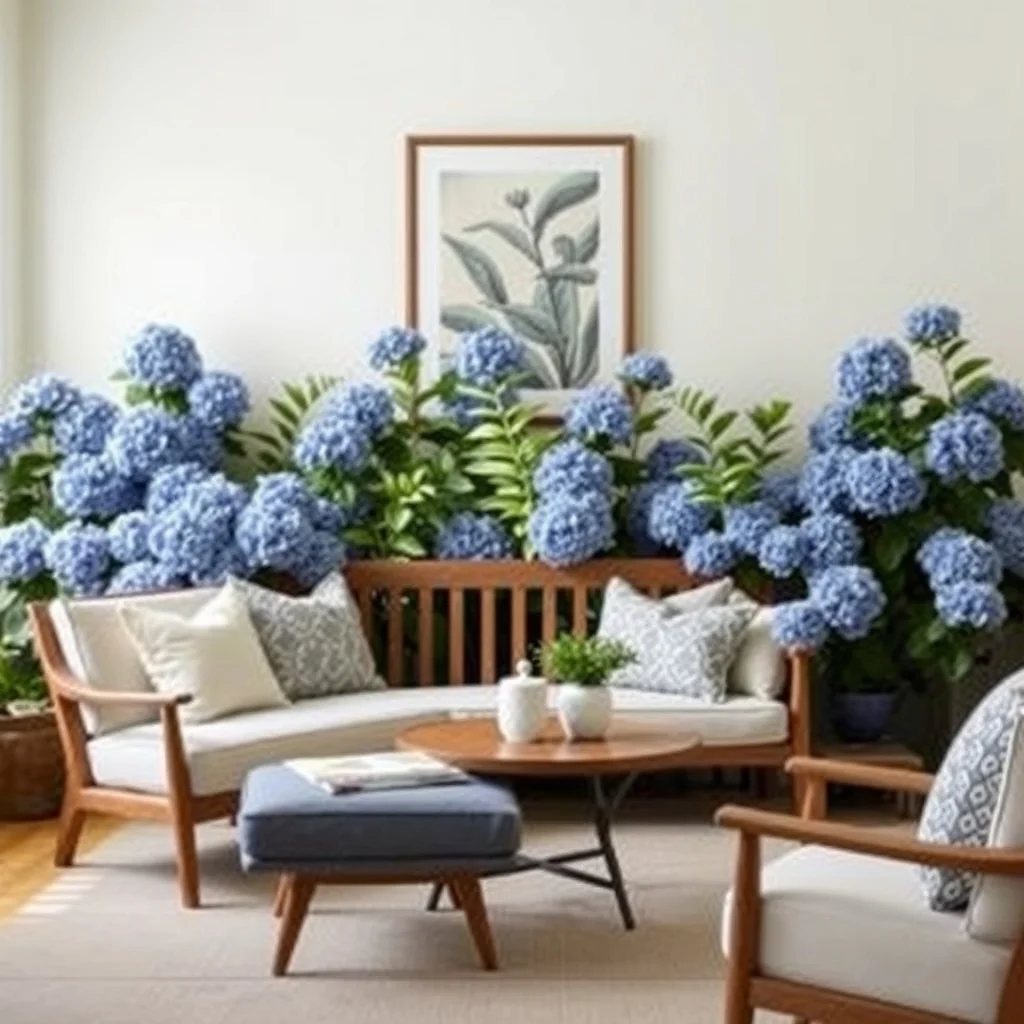
When a garden includes a bench or a small patio set, positioning tall blue hydrangeas (Hydrangea macrophylla ‘Blaue Eleganz’) just behind the furniture creates a natural backdrop that feels both intimate and expansive. The large, rounded flower heads soak up sunlight and reflect it back as a cool shimmer, which can make the surrounding space feel larger on a bright day. Because hydrangeas thrive in moist, well‑drained soil, installing a simple drip‑irrigation line reduces the need for hand watering and prevents leaf scorch. Their seasonal nature—blooms in early summer and fade into soft green foliage—offers a changing palette without demanding constant replanting. A potential drawback is the size of the mature plant; pruning in late winter keeps the shrubs from encroaching on walkways while preserving the desired height.
3. Introduce Blue‑Tinted Water Features for Subtle Reflection
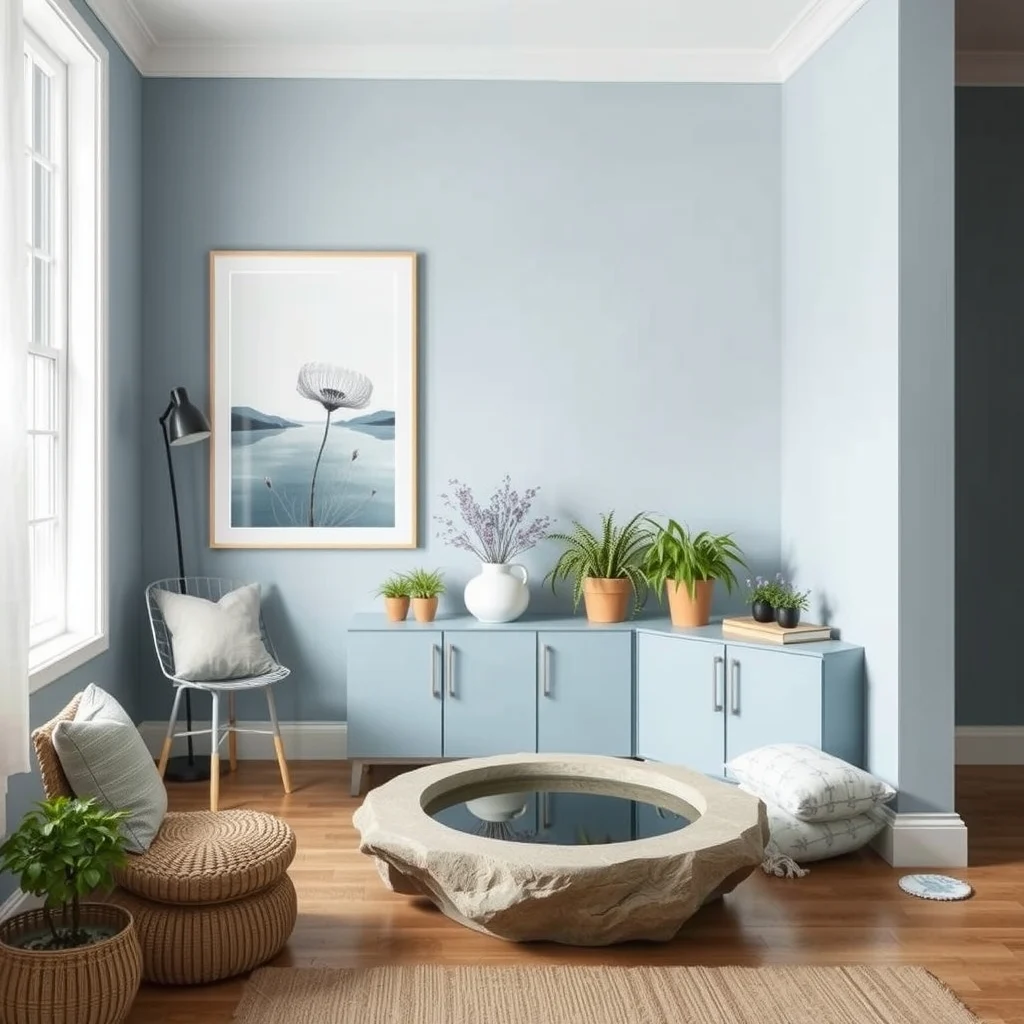
A modest water feature, such as a shallow stone basin painted in a muted teal, adds a reflective surface that doubles the garden’s colour depth. The gentle ripple of water catches the sky and surrounding foliage, turning the blue flowers into part of a larger, moving canvas. When paired with floating water lilies (Nymphaea ‘Blue Star’) the basin becomes a living sculpture that changes with each season. The sound of trickling water also contributes to the calming atmosphere, especially when the garden is situated near a sitting area. Installation should include a small pump concealed beneath the stone to maintain circulation, and a filtered system to keep the water clear without chemical additives. For homes on a tighter budget, a reclaimed ceramic pot can serve as an affordable alternative, though it may require more frequent cleaning.
4. Use Blue‑Hued Ornamental Grasses to Add Movement
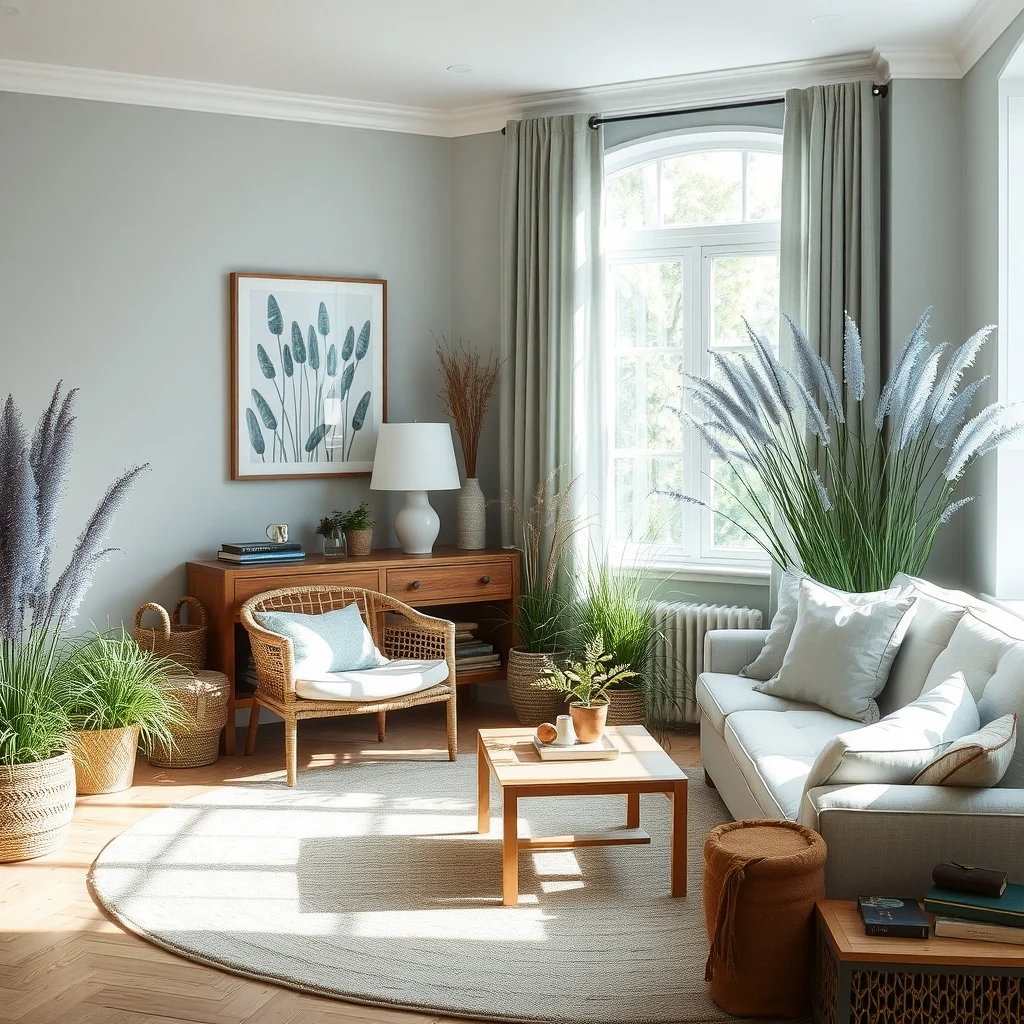
Ornamental grasses like Japanese forest grass (Hakonechloa macra ‘Aureola’) with its blue‑green foliage introduce a soft swaying motion that contrasts nicely with static flower heads. When planted in groups of three to five, the grasses form a low wave that guides the eye toward focal points such as a statue or a garden arch. Their clumping habit means they stay in place and do not spread aggressively, which simplifies long‑term maintenance. In cooler climates the foliage may turn bronze in early fall, offering an additional colour shift before winter dormancy. One consideration is that the grasses prefer partial shade; placing them under a pergola or near taller shrubs protects them from harsh midday sun.
5. Accent Pathways with Blue‑Stained Mulch or Gravel
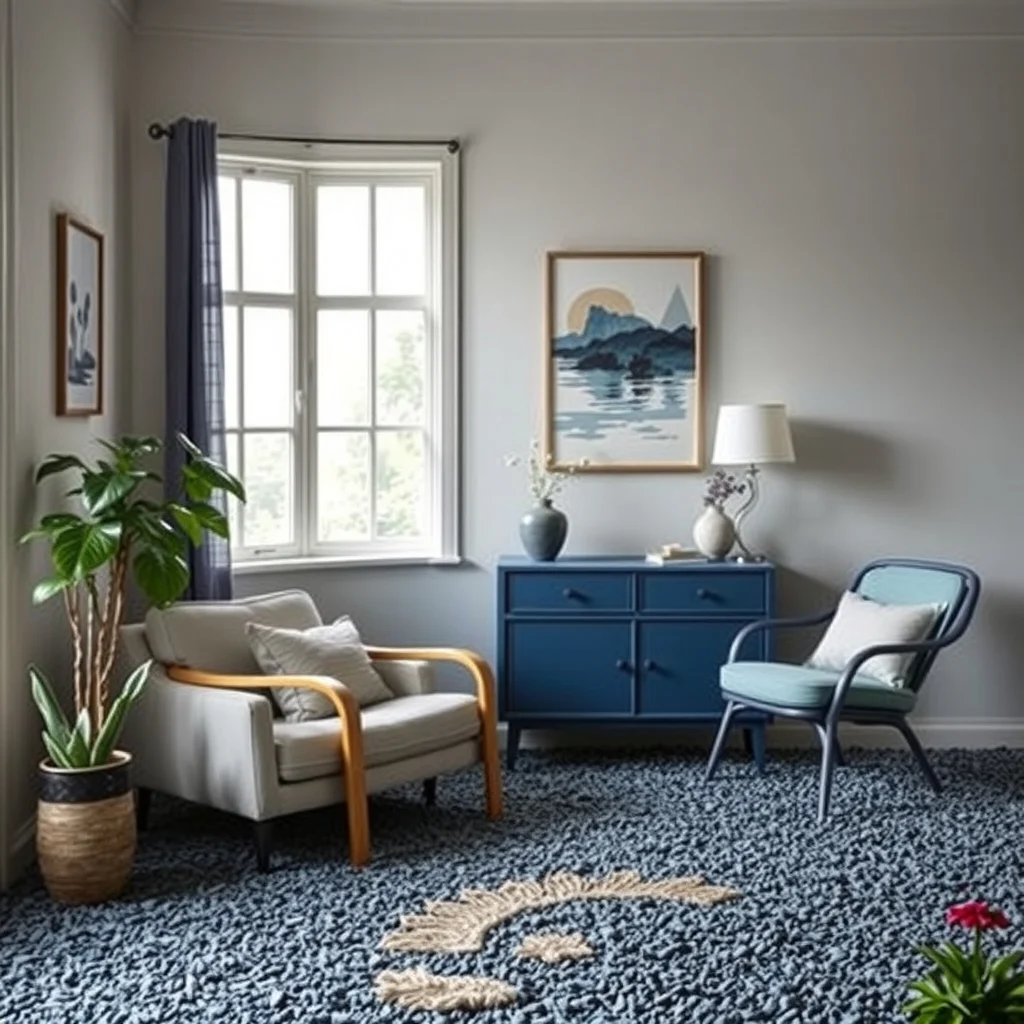
Changing the texture of a walkway can reinforce the garden’s colour story without adding extra planting. Blue‑stained hardwood mulch offers a warm, natural feel underfoot while releasing a faint woody scent as it decomposes. For a more contemporary look, river gravel dyed in a slate‑blue shade reflects light and creates a crisp line that defines the path. Both options improve drainage and reduce weed growth, which means less time spent weeding. Mulch, however, will need to be refreshed annually to maintain its hue, whereas gravel remains stable for several years but may require occasional raking to keep the surface even. Selecting a material that matches the surrounding patio stone helps the garden feel cohesive rather than disjointed.
6. Combine Blue Flowers with Neutral Foliage for Balance
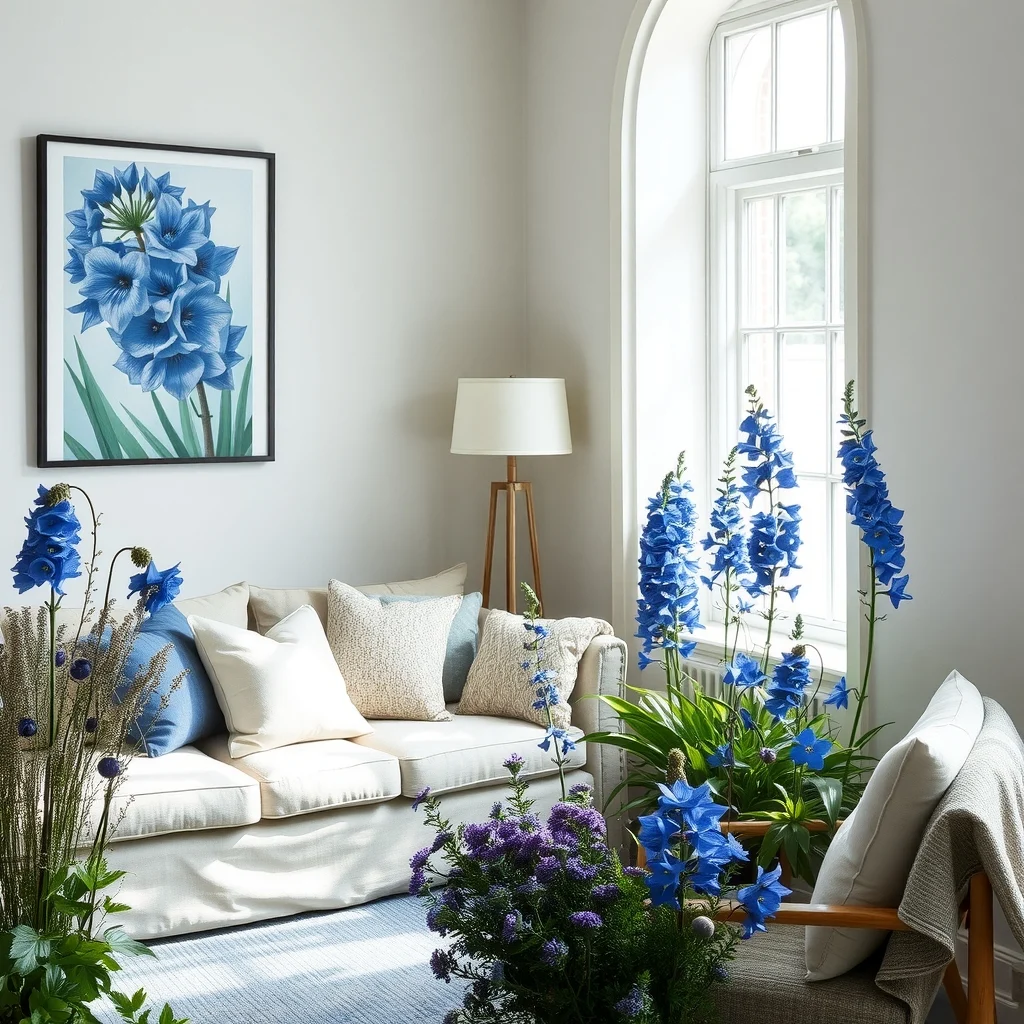
Pairing striking blue blossoms with plants that display neutral foliage prevents the garden from feeling monochromatic. For example, planting blue delphiniums (Delphinium ‘Blue Bird’) alongside silver‑leafed artemisia creates a contrast where the foliage acts as a muted canvas. The silvery leaves also reflect sunlight, enhancing the brightness of nearby blue petals. This strategy works well in borders where height varies; tall delphiniums add vertical interest while low‑growing artemisia fills the space at ground level. The trade‑off is that some neutral plants can become invasive if not managed, so regular division every few years keeps the design tidy. Choosing a mix of evergreen and deciduous foliage ensures that the garden retains structure even after the blue blooms fade.
7. Integrate Comfortable Seating with Blue Accents
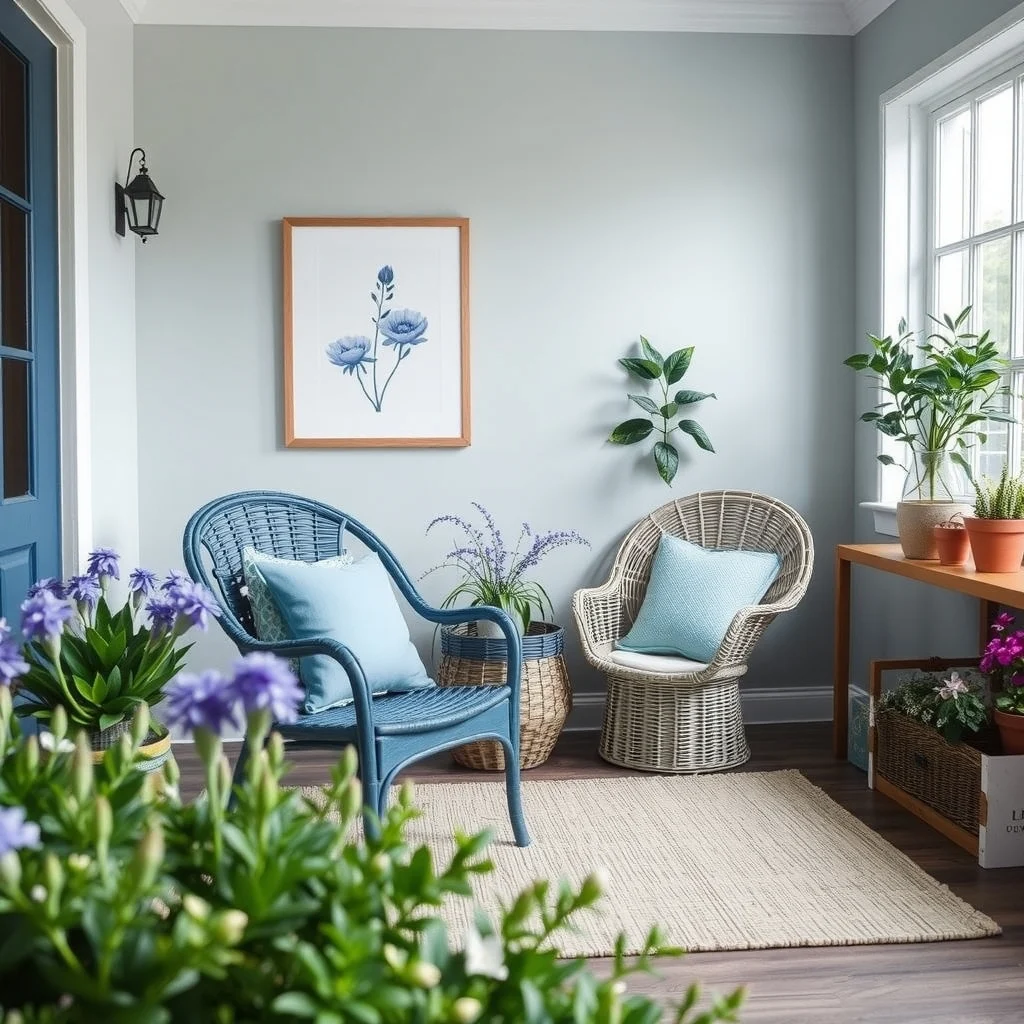
To make the garden feel lived‑in, incorporate seating that echoes the colour palette. A weather‑resistant wicker chair painted in a muted indigo, paired with a cushion in a soft periwinkle, invites lingering without clashing with the plantings. The cushion fabric should be fade‑resistant and quick‑dry, especially if the garden experiences occasional rain. Adding a small side table in brushed brass provides a warm metallic contrast that catches the light without overwhelming the blue theme. Position the seating near the taller hydrangeas so the foliage offers a natural screen, creating a semi‑private nook. Keep the area free of clutter by storing garden tools in a nearby bench that doubles as storage; this maintains the garden’s calm aesthetic while keeping essentials close at hand.
FAQ
How much sunlight do blue‑flowering perennials need?
Most blue‑flowering perennials thrive in full sun to partial shade. Six to eight hours of direct sunlight encourages robust blooming, while a few hours of shade in the hottest part of the day protects delicate foliage.
Can I use blue‑tinted mulch in a vegetable garden?
Blue‑tinted mulch can be used around vegetable beds, but it is best to choose a product free of chemicals that could leach into the soil. Natural wood mulch stained with a non‑toxic dye works well and also improves soil structure.
What is the best way to keep a water feature clean without chemicals?
A simple filtration system paired with regular skimming removes debris and prevents algae growth. Changing a portion of the water each week and using a small amount of natural barley straw can further inhibit algae without adding chemicals.
Are ornamental grasses safe for pets?
Most ornamental grasses are non‑toxic to dogs and cats, but they can be tempting for pets to chew. If you have a curious animal, place grasses in an area that is less accessible or choose a sturdier variety that is less likely to be damaged.
How often should I prune tall hydrangeas?
Pruning tall hydrangeas in late winter, after the stems have hardened, helps maintain shape and encourages new growth. Light shaping each year prevents the plant from overtaking nearby walkways while preserving the desired height.
Final Thoughts
Designing a blue‑focused garden does not require a complete overhaul; thoughtful placement of colour, texture, and functional elements can transform an ordinary yard into a soothing retreat. By layering height, incorporating reflective water, and grounding the space with neutral foliage, you create depth that changes with the seasons. Remember that maintenance is part of the enjoyment—choose plants and materials that match your time commitment, and the garden will reward you with a calm, beautiful landscape year after year.