Herb Garden Ideas for Small Kitchens, Balconies, and Patios

Even a modest amount of fresh herbs can change the flavor of a home‑cooked meal, and the scent of basil or rosemary drifting from a nearby garden can make a compact space feel more inviting. The challenge is fitting a thriving garden into a kitchen countertop, a narrow balcony rail, or a tiny patio without sacrificing style or function. Below are seven ideas that blend practicality with design, so you can grow cilantro, thyme, and mint wherever you have a little room to spare.
1. Slim Window‑Sill Rack
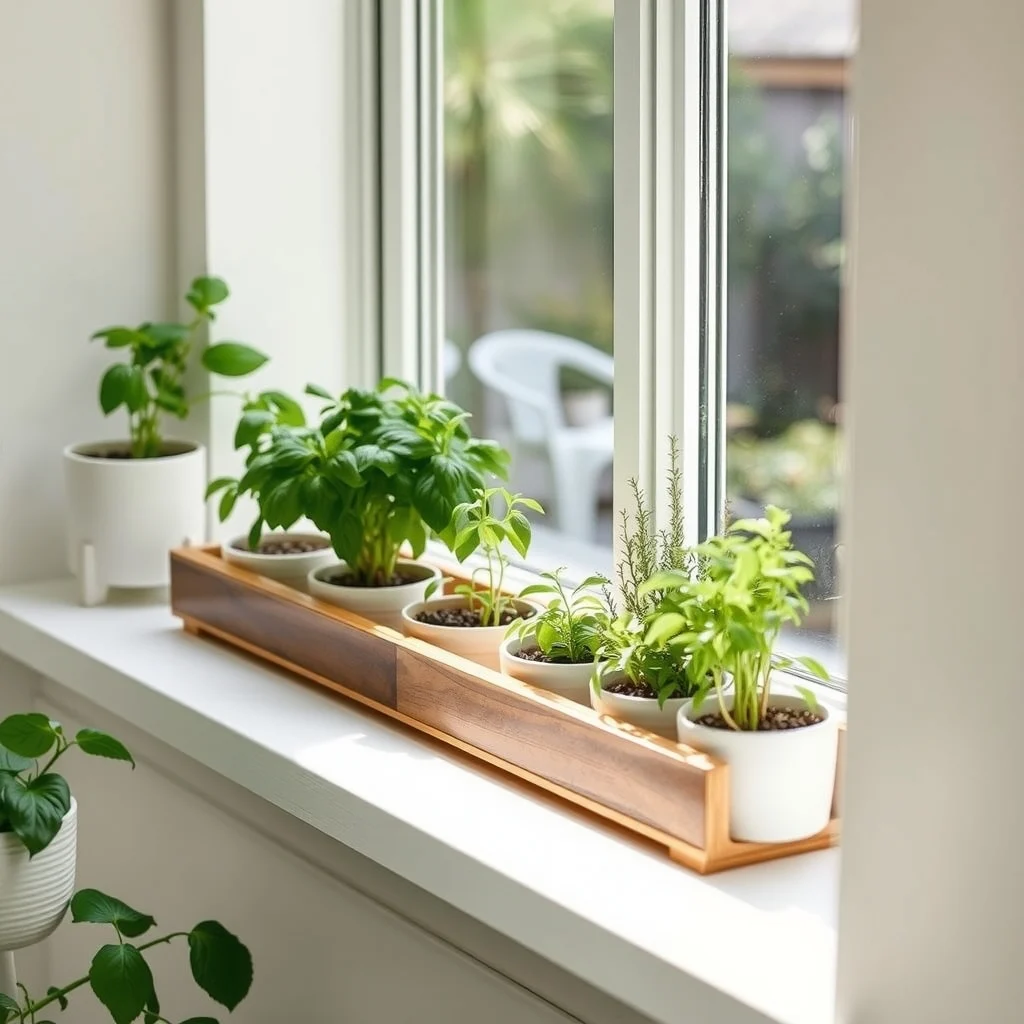
A narrow window‑sill often receives the most natural light in a small kitchen, making it an ideal spot for a dedicated herb rack. Choose a shallow wooden or brushed‑brass frame that fits the width of the sill, then add a few removable trays with drainage holes. The trays keep soil contained while allowing you to pull the whole unit away for watering or seasonal rearrangement. Light‑colored wood reflects sunlight, helping seedlings stay bright even on overcast days. Because the rack sits low, you can pair it with a small decorative jar of kitchen shears or a handwritten list of planting dates, turning a functional piece into a subtle décor accent. The main limitation is depth; very large herb varieties such as rosemary may outgrow the space, so plan for compact or dwarf cultivars.
2. Hanging Mason‑Jar Garden
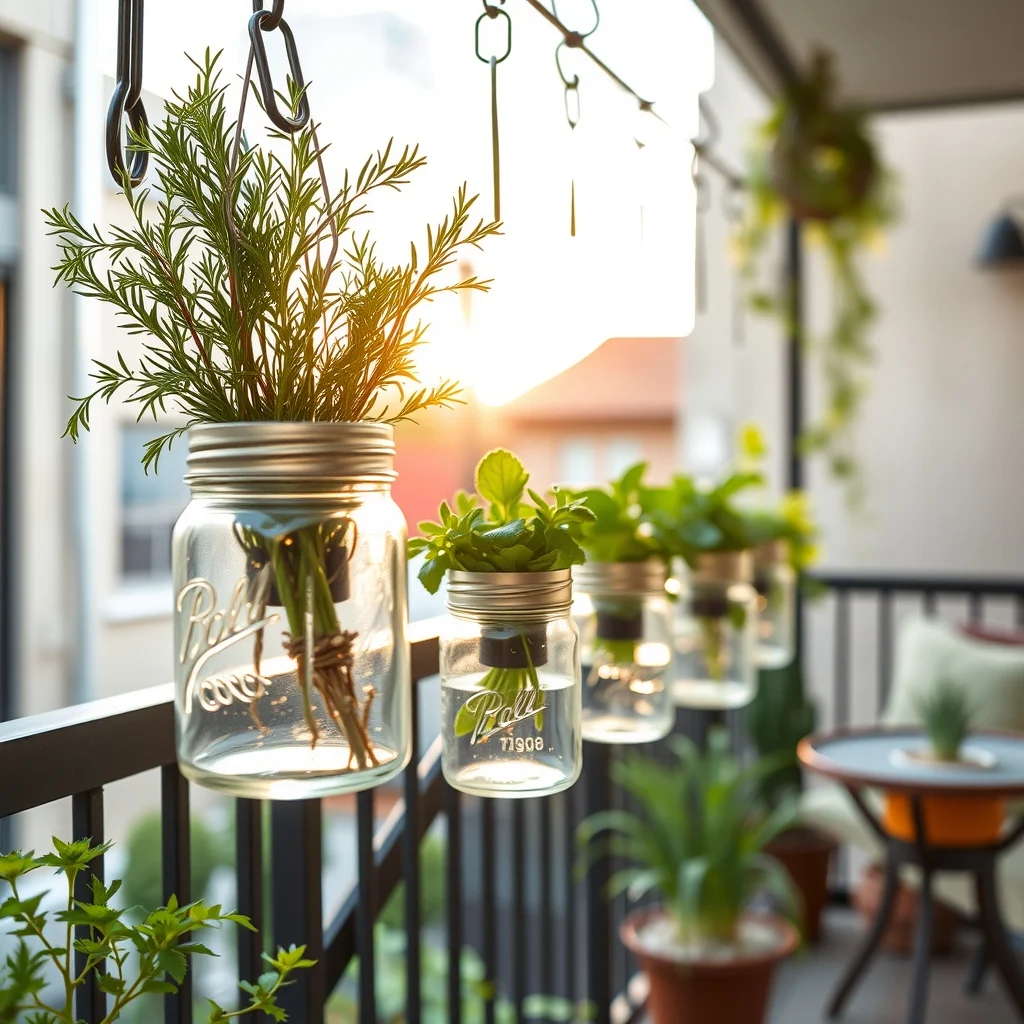
When floor space is at a premium, vertical storage becomes a design ally. A row of mason jars suspended from sturdy hooks creates a garden that hangs just below a balcony railing or kitchen light fixture. Fill each jar with a lightweight potting mix and a single herb, then seal the opening with a breathable cotton cover to keep soil from spilling. The glass offers a clean, modern look that mirrors the transparency of a well‑lit kitchen, while the metal hooks add an industrial touch. Because each jar is independent, you can rotate herbs based on sunlight exposure or harvest needs without disturbing the others. Keep an eye on the weight; a full jar can be heavier than expected, so ensure the hooks are anchored into a stud or a solid balcony post.
3. Tiered Rolling Cart
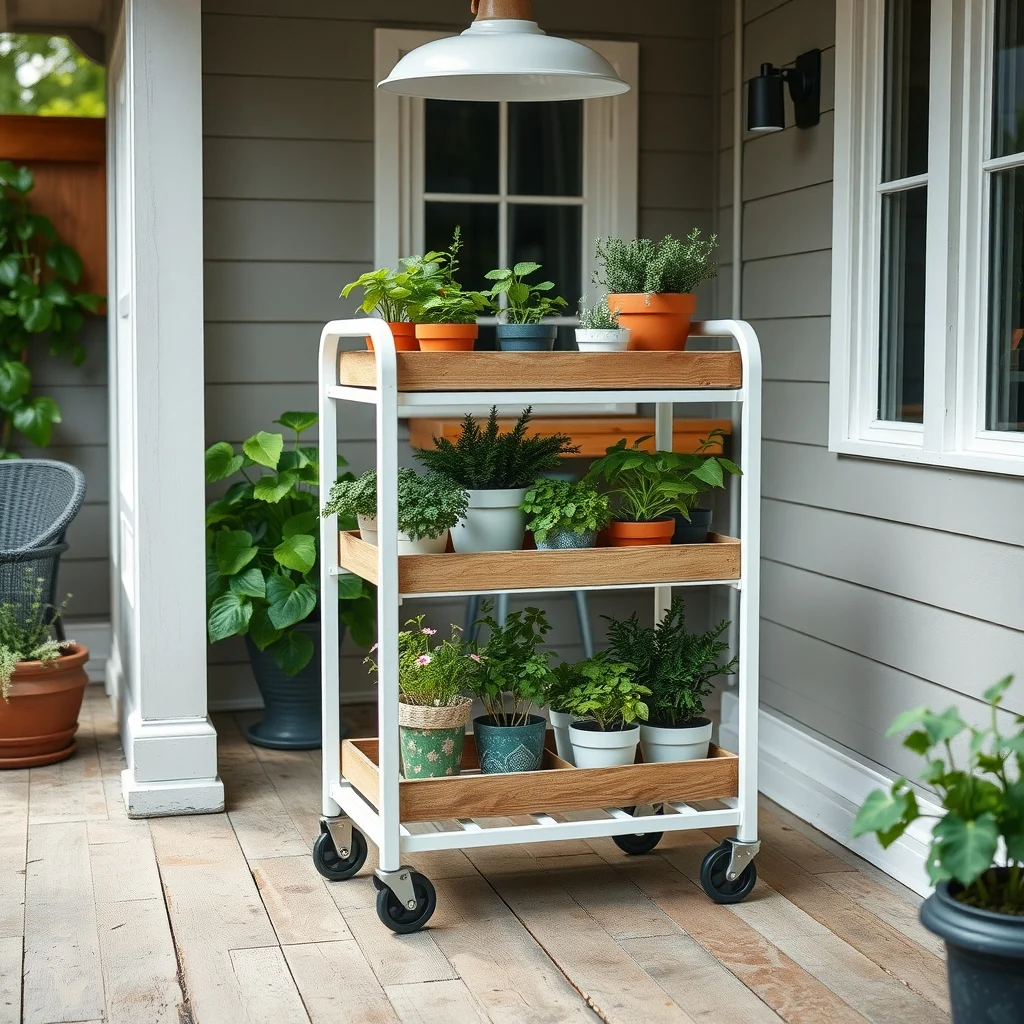
A three‑tier rolling cart brings mobility and storage together, making it perfect for a kitchen that doubles as a dining nook or a balcony that serves as a lounge. Opt for a cart with a metal frame and reclaimed‑wood shelves; the contrast adds visual interest while the wood provides a warm surface for pots. The top tier can host sun‑loving herbs like basil, the middle tier works well for shade‑tolerant varieties such as mint, and the bottom tier can hold larger containers or gardening tools. Wheels let you move the cart to follow the sun’s path, and the narrow footprint fits into tight corners. The trade‑off is that the cart’s legs occupy a small amount of floor space, so measure carefully before purchasing.
4. Repurposed Wooden Ladder
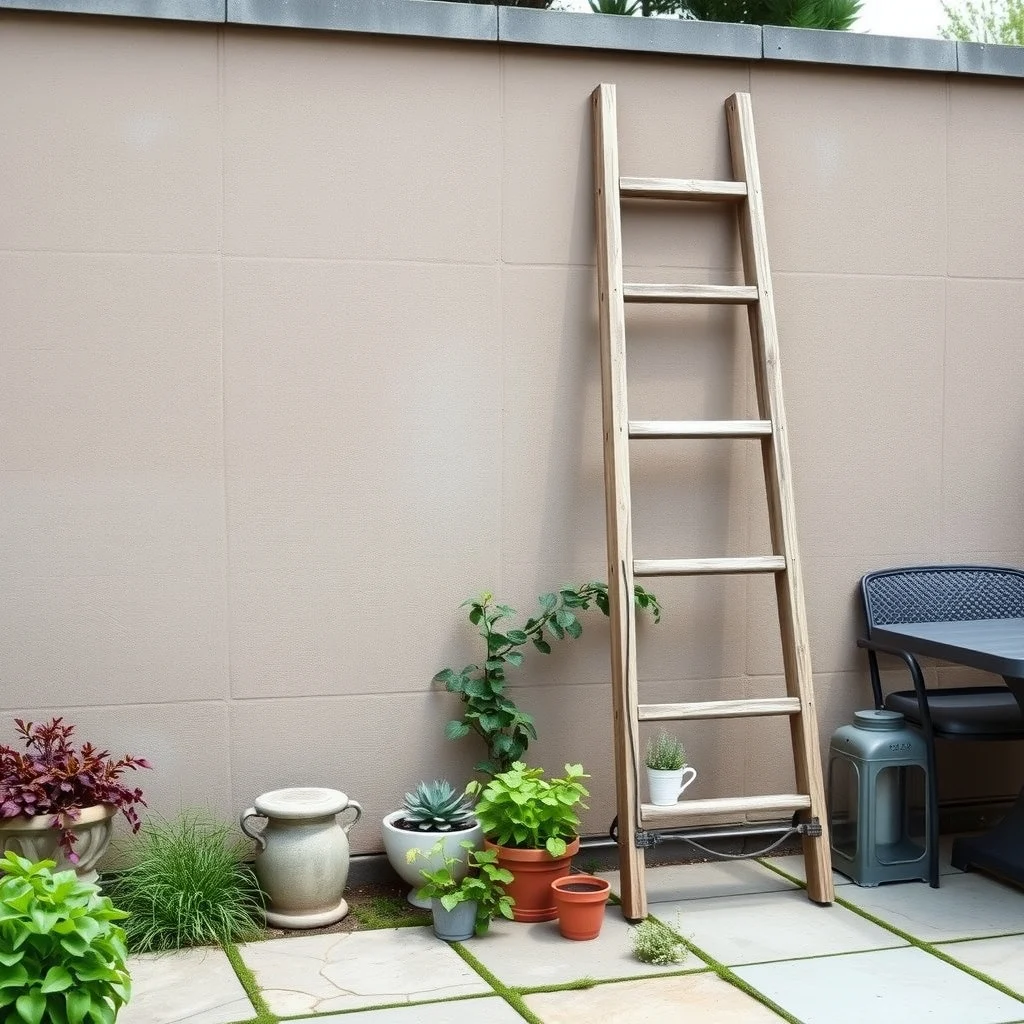
Leaning a simple wooden ladder against a patio wall transforms an ordinary piece of furniture into a vertical garden. The ladder’s rungs act as natural shelves; place small terracotta pots on each step, alternating herbs with decorative stones or a few succulents for texture. A ladder made from reclaimed pine or oak brings a rustic charm that complements outdoor metal furniture or indoor farmhouse décor. Because the ladder is freestanding, you can shift it to catch the best light or store it away during harsh weather. The primary consideration is stability—ensure the ladder is level and, if possible, secure the top to the wall to prevent tipping in windy conditions.
5. Fabric Pocket Planters
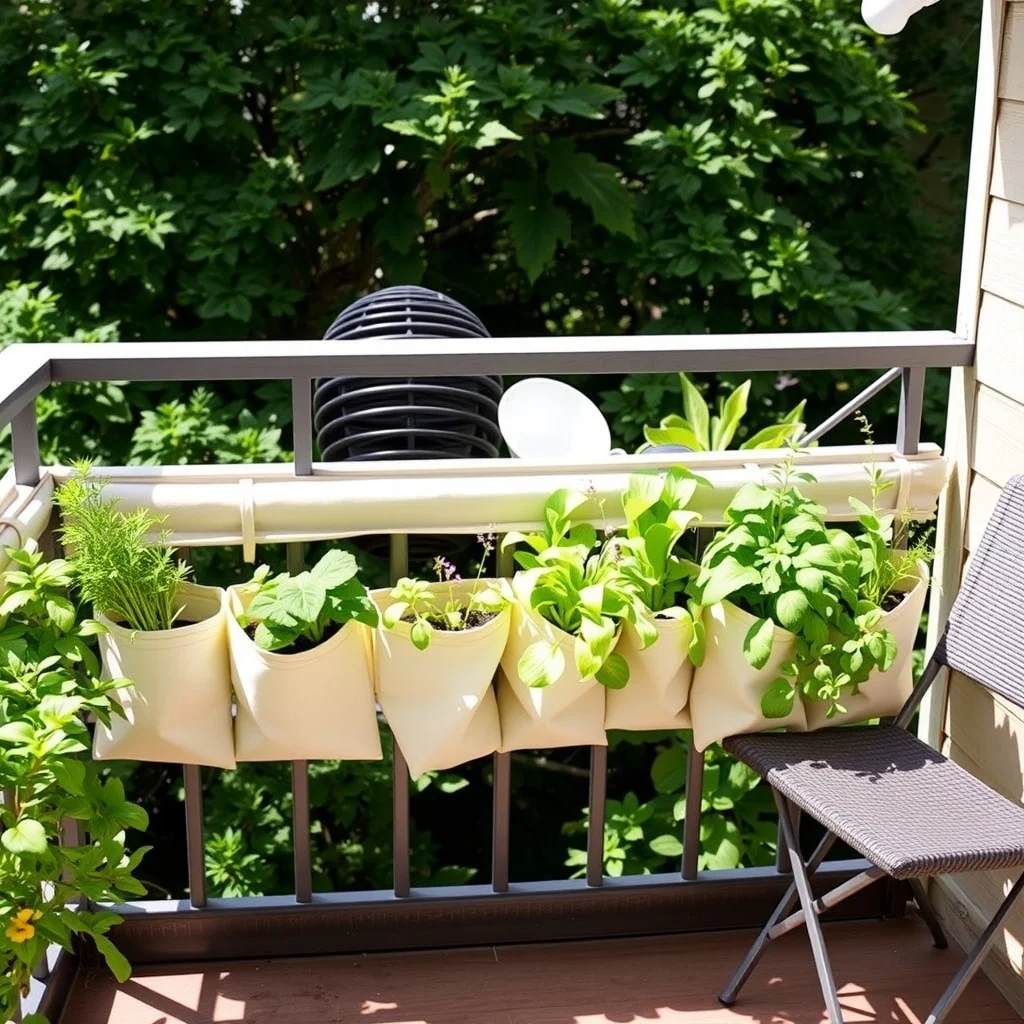
Fabric pockets, often made from sturdy felt or canvas, offer a soft, modular way to grow herbs on a balcony railing or kitchen backsplash. Each pocket folds over a thin wooden frame, creating a shallow basin that holds soil while allowing excess water to drain through the fabric. The material breathes, which reduces the risk of root rot, and the muted earth tones blend nicely with concrete or tile surfaces. By arranging the pockets in a staggered pattern, you introduce visual rhythm without crowding the space. The main limitation is that the pockets hold only a few inches of soil, so they suit shallow‑rooted herbs like chives or parsley rather than deep‑rooted rosemary.
6. Compact Raised Bed for Balconies
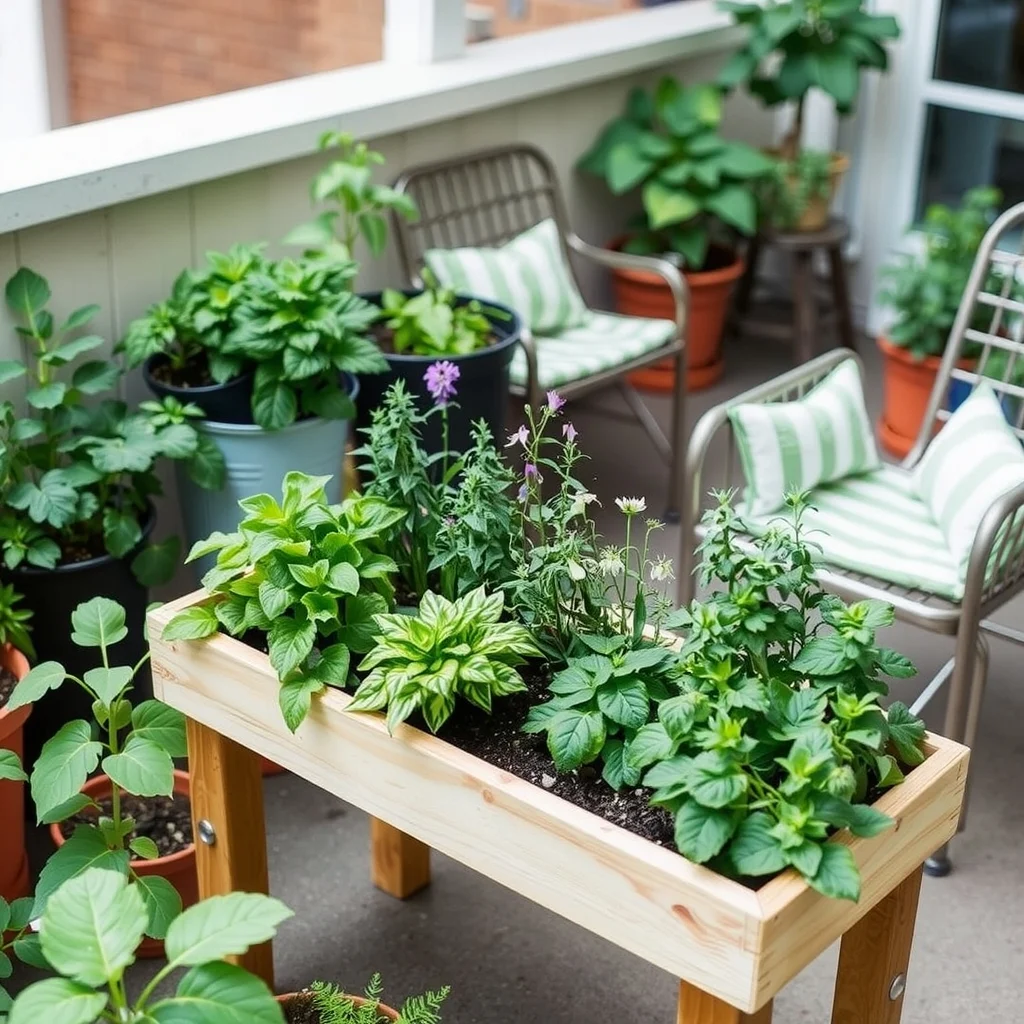
A miniature raised bed, no larger than a coffee table, can sit on a balcony floor or even on a sturdy kitchen island. Construct the box from weather‑treated cedar or recycled plastic; both materials resist rot while adding a natural or contemporary aesthetic. Fill the bed with a high‑quality, lightweight potting mix, then plant a mix of herbs that share similar water needs—perhaps a trio of thyme, oregano, and sage. The raised height keeps pots off a cold concrete slab, protecting roots from temperature fluctuations. Because the bed is self‑contained, you can add a small trellis at the back for climbing varieties like lemon balm. The drawback is the weight when the soil is saturated, so be sure the balcony’s load limit can accommodate the filled bed.
7. Built‑In Herb Wall on the Patio
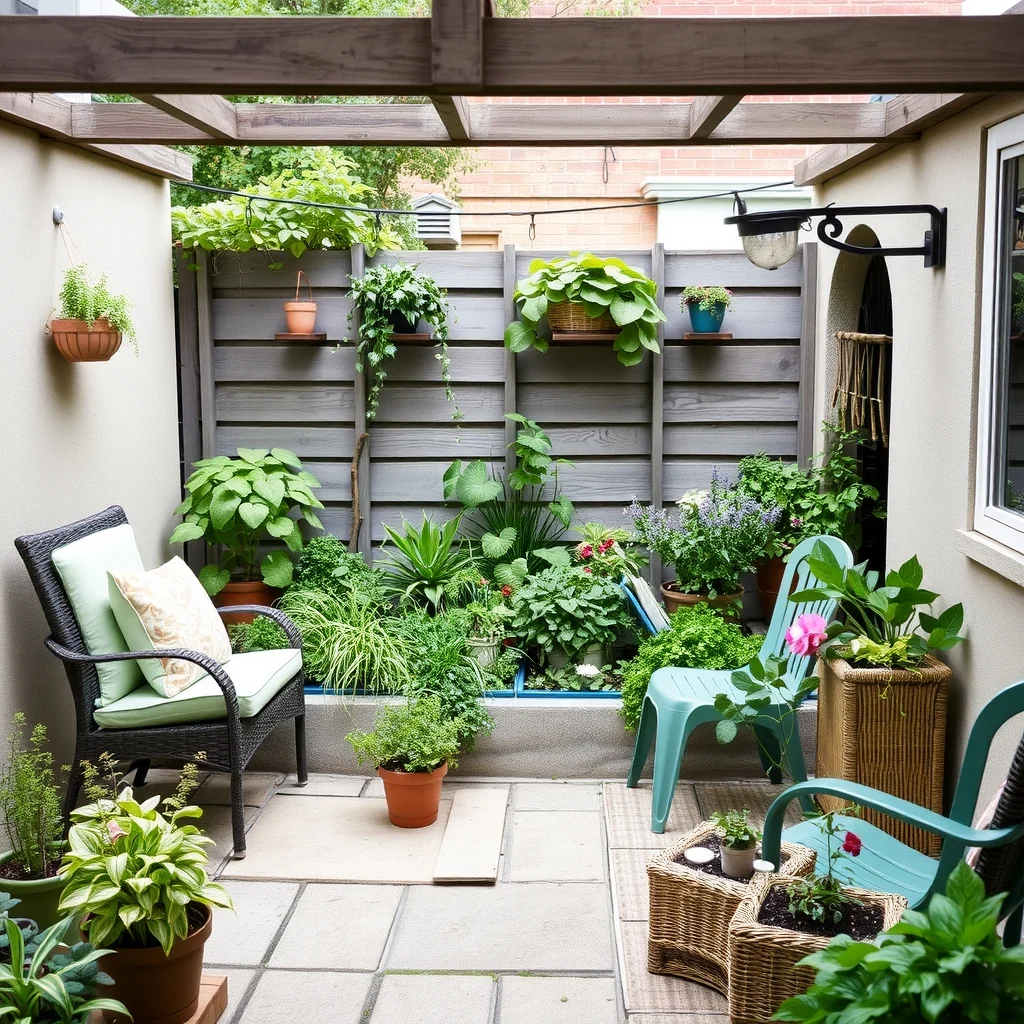
For a patio that serves as an outdoor living room, integrating a low herb wall into the seating area creates a functional focal point. Construct a shallow recessed frame along one side of a concrete slab, then line it with a waterproof membrane and a layer of gravel for drainage. Plant herbs in individual modules that slide into the frame, allowing you to rearrange the garden as seasons change. The surrounding seating—perhaps a set of woven rattan chairs—offers a place to enjoy the aroma of fresh herbs while you dine al fresco. The built‑in design looks intentional, turning gardening into an architectural element. Installation does require basic carpentry and an understanding of waterproofing, so consider hiring a professional if you’re not comfortable with those steps.
FAQ
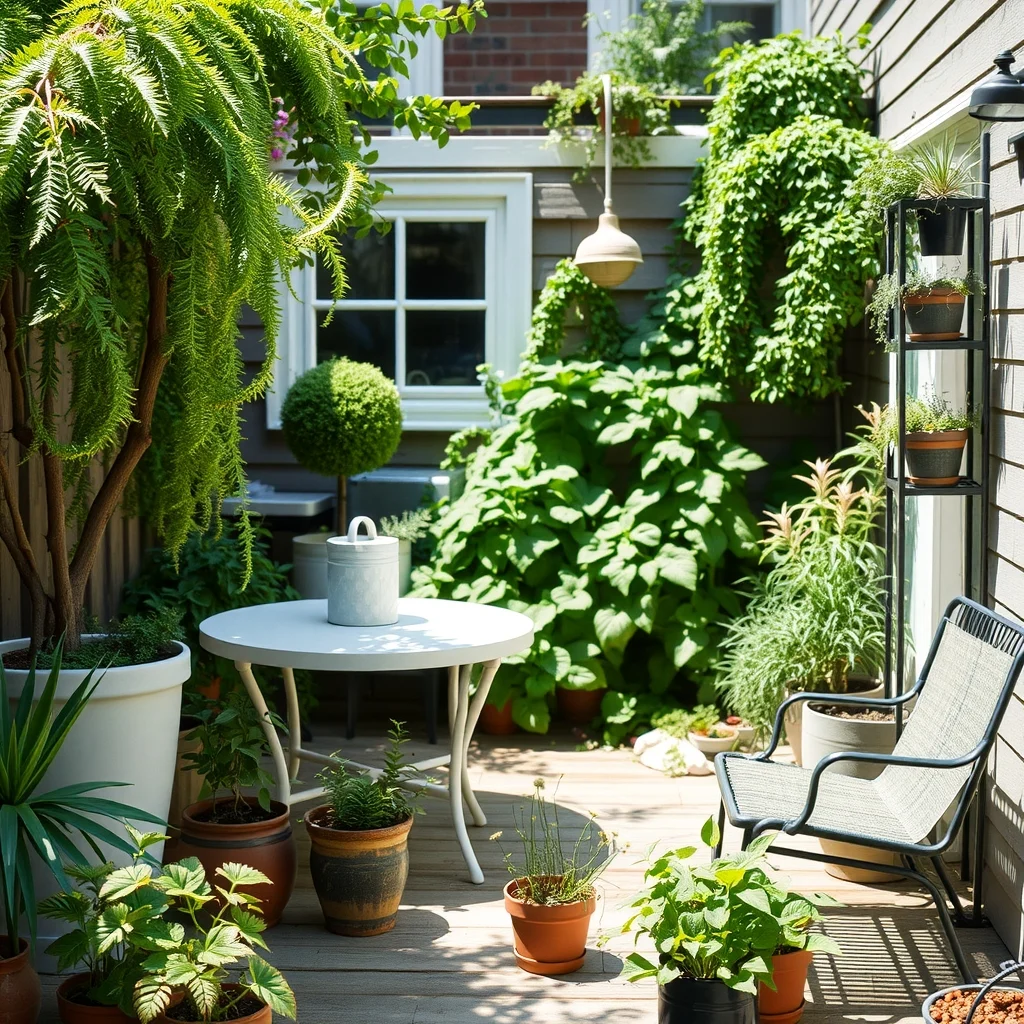
How much sunlight do kitchen herbs need?
Most culinary herbs thrive with at least four to six hours of direct sunlight each day. If your kitchen receives limited natural light, choose shade‑tolerant varieties such as mint, parsley, or chervil, and supplement with a low‑intensity LED grow light positioned a few inches above the plants.
Can I use regular garden soil for balcony herb containers?
Regular garden soil is too dense for containers and can retain excess moisture, leading to root rot. Instead, use a lightweight potting mix that contains peat, perlite, and vermiculite; this blend drains well while holding enough moisture for herbs.
What’s the best way to water herbs in a hanging jar garden?
Water each jar from the bottom by placing the jar in a shallow tray of water for a few minutes, allowing the soil to absorb moisture through capillary action. This method prevents water from spilling onto surrounding surfaces and ensures an even soak.
Are there herbs that should never be grown together?
Some herbs release chemicals that can inhibit the growth of neighboring plants; for example, rosemary can suppress basil. Group herbs with similar water and light requirements together, and keep strong‑scented, allelopathic varieties separated from more delicate ones.
How do I protect my balcony herb garden during winter?
Move portable containers to a sheltered spot, such as a garage or sunny windowsill, and wrap larger planters with horticultural fleece to shield roots from freezing temperatures. For built‑in beds, add a layer of mulch and consider a portable cold frame to retain heat.
Final Thoughts
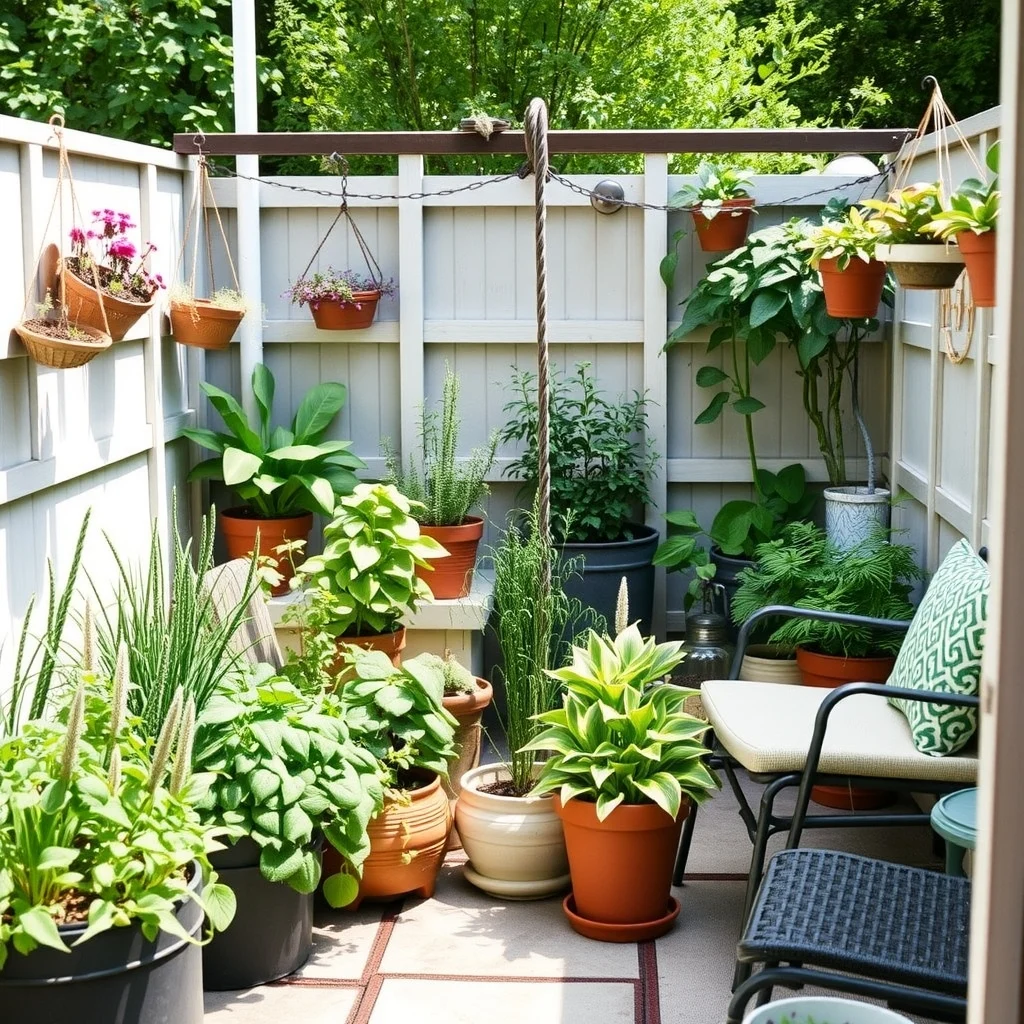
Integrating herbs into a small kitchen, balcony, or patio does not require a massive overhaul; a thoughtful selection of containers, placement, and materials can turn limited space into a productive, fragrant extension of your home. By matching each idea to the light, weight, and style constraints of your environment, you’ll enjoy fresh flavor at your fingertips while adding a subtle, living accent to your décor. Start with one of the concepts above, adapt it to your own layout, and let the garden grow alongside your everyday routines.