

January Home Reset Ideas to Organize Your Entire House

January feels like a natural pause after the holiday rush. The house is still full of leftover decorations, misplaced gifts, and a general sense of clutter that makes even the coziest rooms feel cramped. A thoughtful reset can turn the new year into a fresh canvas without the need for a major renovation. Below are seven ideas that guide you through each part of the home, showing what the change looks like, why it works, and how you can apply it with everyday items and a bit of planning.
1. Start with a Room‑by‑Room Declutter Zone
© 2026 AI Illustrator — Inspiration Only
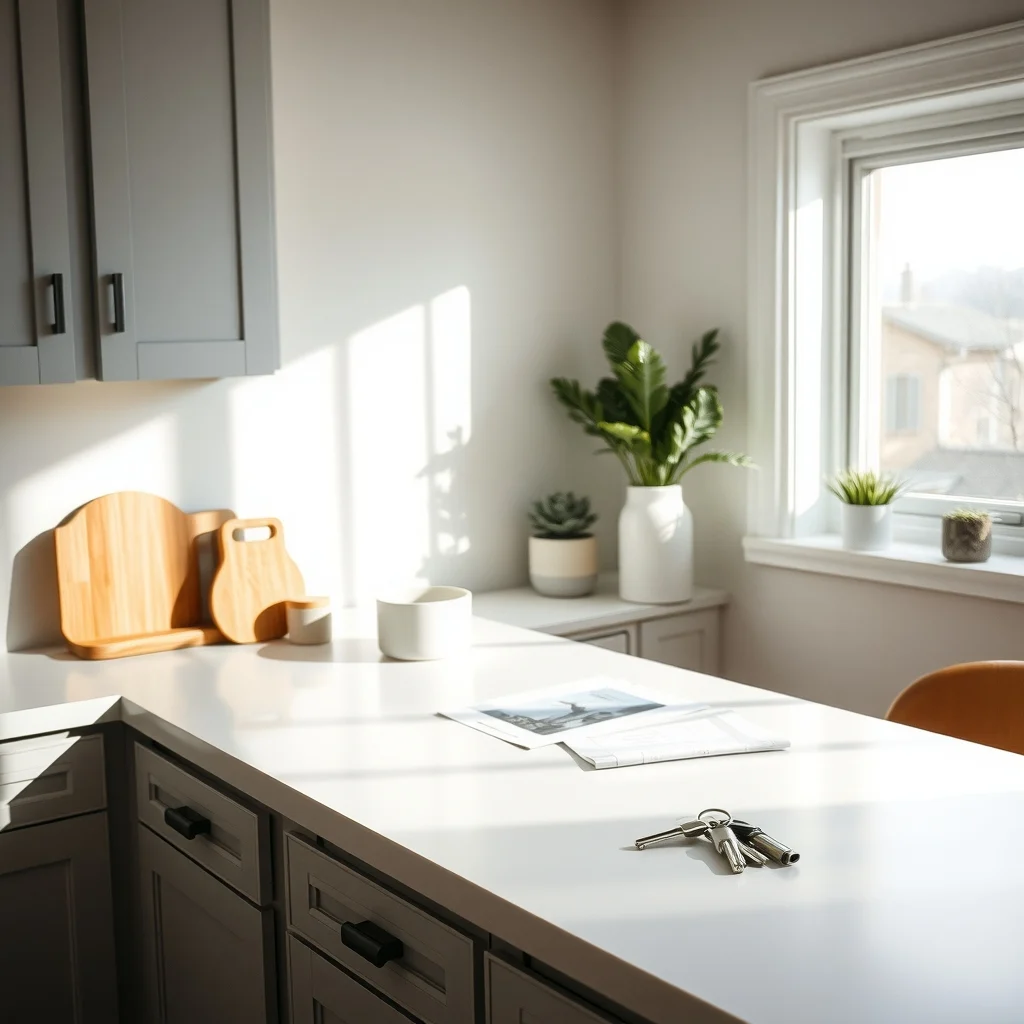
When the first light of January filters through the kitchen window, it highlights the surfaces that have collected mail, take‑out menus, and stray keys. Begin by selecting a single zone in each room—perhaps the countertop in the kitchen, the nightstand in the bedroom, or the coffee table in the living room. Pull everything away, sort into keep, relocate, and discard piles, then return only the items that truly belong. This visual reset instantly creates breathing room and makes it easier to see how each piece contributes to the overall flow. The process also reveals hidden storage opportunities, such as the space under a sink cabinet that can accommodate a slim pull‑out organizer for cleaning supplies. By treating each zone as a miniature project, the larger task of whole‑house organization feels manageable and less overwhelming.
2. Reassess Your Storage Solutions
© 2026 AI Illustrator — Inspiration Only

A common stumbling block is using storage that doesn’t match the shape or volume of the items it holds. Swap a generic plastic bin for a set of woven baskets that fit neatly on a bookshelf, allowing you to see the contents at a glance while adding texture to the room. In the hallway, a narrow console with built‑in drawers can replace a pile of shoes on the floor, keeping footwear organized without sacrificing style. When you match the storage form to the object—like a tiered tray for mail and bills—you reduce the visual noise that comes from mismatched containers. Consider the weight of the material as well; a lightweight acrylic box looks modern but may tip over if overloaded, whereas a sturdy oak chest provides stability and a warm tone that grounds the space.
3. Refresh Textiles for Comfort and Cohesion
© 2026 AI Illustrator — Inspiration Only

Soft surfaces often bear the brunt of winter wear, and a quick swap can make a room feel both cleaner and more inviting. Replace a faded throw pillow with one in a muted terracotta or soft greige, which ties together the neutral walls and the deeper hues of a wool rug. A set of linen curtains in a light almond shade lets the low winter sun filter gently, brightening the room without the harsh glare of sheer fabrics. Updating the bedding with a higher thread‑count sheet set not only improves sleep quality but also adds a subtle sheen that catches the eye. Keep an eye on durability; a plush velvet cushion looks luxurious but may attract pet hair, so a performance‑blend fabric offers a practical alternative while maintaining a refined look.
4. Layer Lighting to Counter Winter Dimness
© 2026 AI Illustrator — Inspiration Only

Winter mornings can feel dim, which makes layered lighting essential for both function and mood. Start with a warm overhead fixture that provides even illumination for daily tasks, then add a floor lamp with a brushed brass shade near a reading chair to create a softer pool of light. A small table lamp on a sideboard can highlight decorative objects without overwhelming the space. The key is to use bulbs with a color temperature around 2700‑3000 K; they mimic the gentle glow of candlelight and avoid the harsh blue of daylight LEDs, which can feel clinical in a living room. If you have a dimmer switch, experiment with lower settings in the evening to promote relaxation, remembering that overly bright lighting can make a room feel sterile.
5. Create a Dedicated Entryway Drop Zone
© 2026 AI Illustrator — Inspiration Only
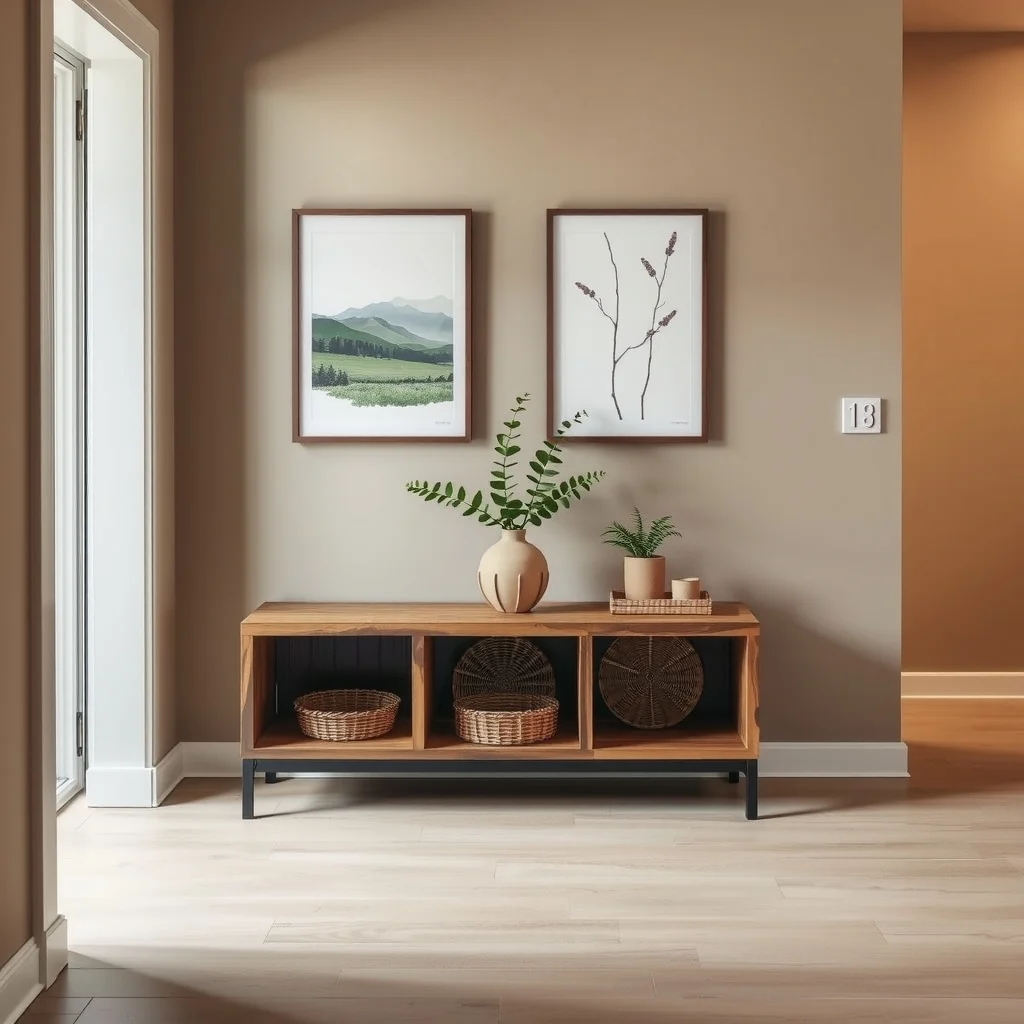
The front door is the first visual cue visitors receive, and a cluttered entry can set a chaotic tone for the rest of the home. Install a low console table with a few open cubbies for mail, a small tray for keys, and a hook rack for coats. Choose a material like reclaimed wood for the table to add character, while matte black metal hooks provide a modern contrast that resists fingerprints. A woven rug under the console not only defines the space but also traps dirt before it reaches the hardwood floor. If space is limited, a narrow wall‑mounted shelf with a basket can serve the same purpose, though it may require more frequent decluttering because items tend to accumulate quickly on open surfaces.
6. Reorganize the Home Office for Productivity
© 2026 AI Illustrator — Inspiration Only
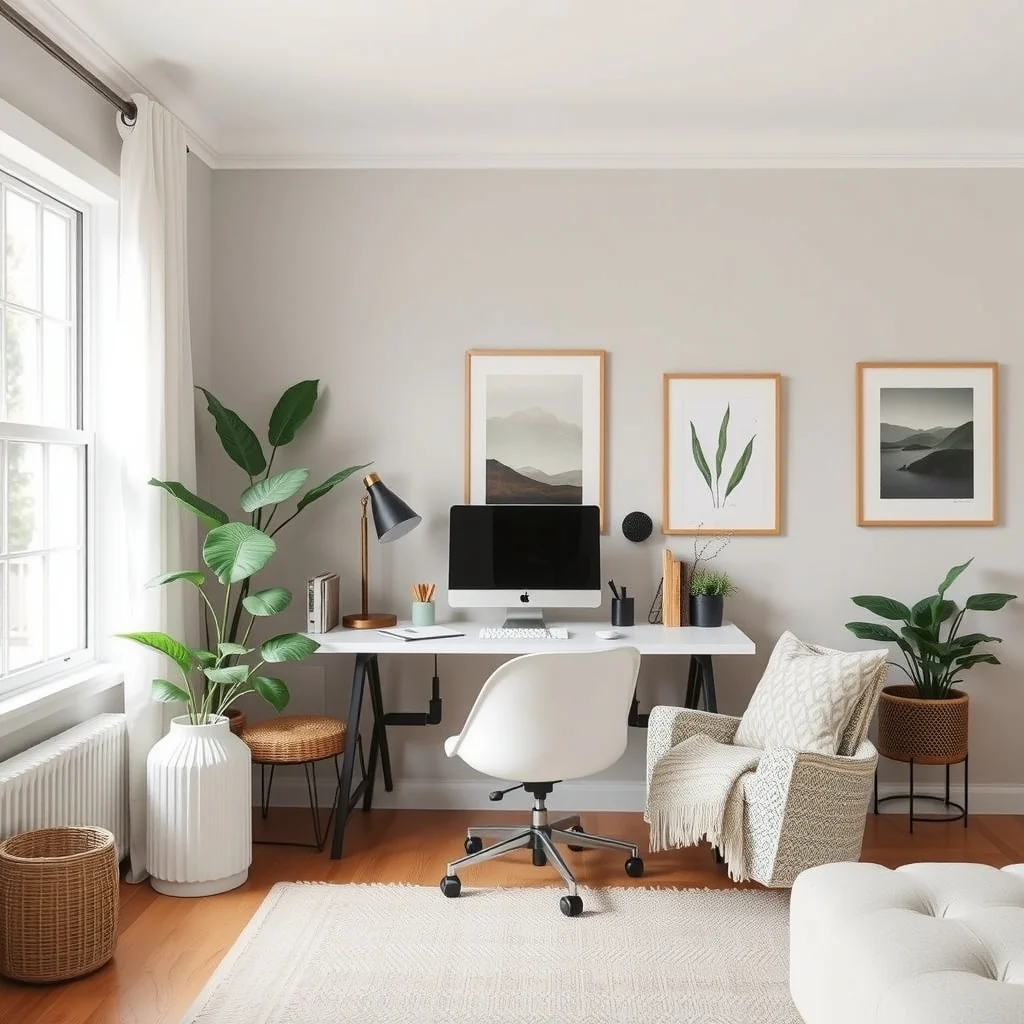
With resolutions to be more productive, the home office often becomes a focal point of the January reset. Begin by clearing the desk surface, keeping only the computer, a notepad, and a single decorative object such as a small potted succulent. Store reference books in a vertical filing system that runs along the wall, using metal brackets that keep the spines visible and accessible. A cable management box under the desk hides power strips and prevents tangled cords, reducing visual distraction. If the room feels cramped, consider a wall‑mounted floating desk that frees floor space for a comfortable chair with ergonomic support. Remember that a brighter workspace—enhanced by a daylight‑simulating lamp—can improve focus, but avoid positioning the screen directly opposite a window to reduce glare.
7. Establish a Seasonal Maintenance Calendar
© 2026 AI Illustrator — Inspiration Only

A tidy space stays tidy when upkeep becomes a habit rather than an occasional project. Draft a simple calendar that assigns a 15‑minute task to each weekend: dusting ceiling fans in January, checking window seals in February, and rotating mattress protectors in March. Use a pastel‑colored wall planner near the kitchen to keep the schedule visible; the soft hue blends with most décor while still standing out enough to catch your eye. Pair each task with a specific tool—a microfiber cloth for fan blades or a vacuum attachment for upholstery—to streamline the process. While a calendar adds structure, it can feel restrictive if you miss a slot; treat the schedule as a guide, not a rule, and allow flexibility for busy weeks.
FAQ
© 2026 AI Illustrator — Inspiration Only

How often should I declutter each room?
Decluttering once a month keeps surfaces manageable and prevents buildup. A quick visual scan of high‑traffic areas, followed by a five‑minute tidy, can maintain order without a major overhaul.
What’s the best material for storage baskets?
Woven natural fibers like seagrass or rattan provide an airy look and are sturdy enough for everyday items. They also allow airflow, which helps prevent moisture buildup in damp climates.
Can I use LED bulbs for warm lighting?
Yes, LED bulbs with a warm white rating (2700‑3000 K) deliver a cozy glow while being energy‑efficient. Look for bulbs labeled “soft white” to achieve the desired ambiance.
How do I keep my entryway organized with kids?
Low hooks placed at child height encourage kids to hang coats themselves, and labeled bins make it easy for them to return toys or shoes to the right spot. Consistent routine reinforces the habit.
Is a standing desk worth the investment for a home office?
A standing desk can improve posture and reduce fatigue during long work sessions. If space is limited, a convertible desk that shifts between sitting and standing positions offers similar benefits without requiring a permanent footprint.
Final Thoughts
© 2026 AI Illustrator — Inspiration Only
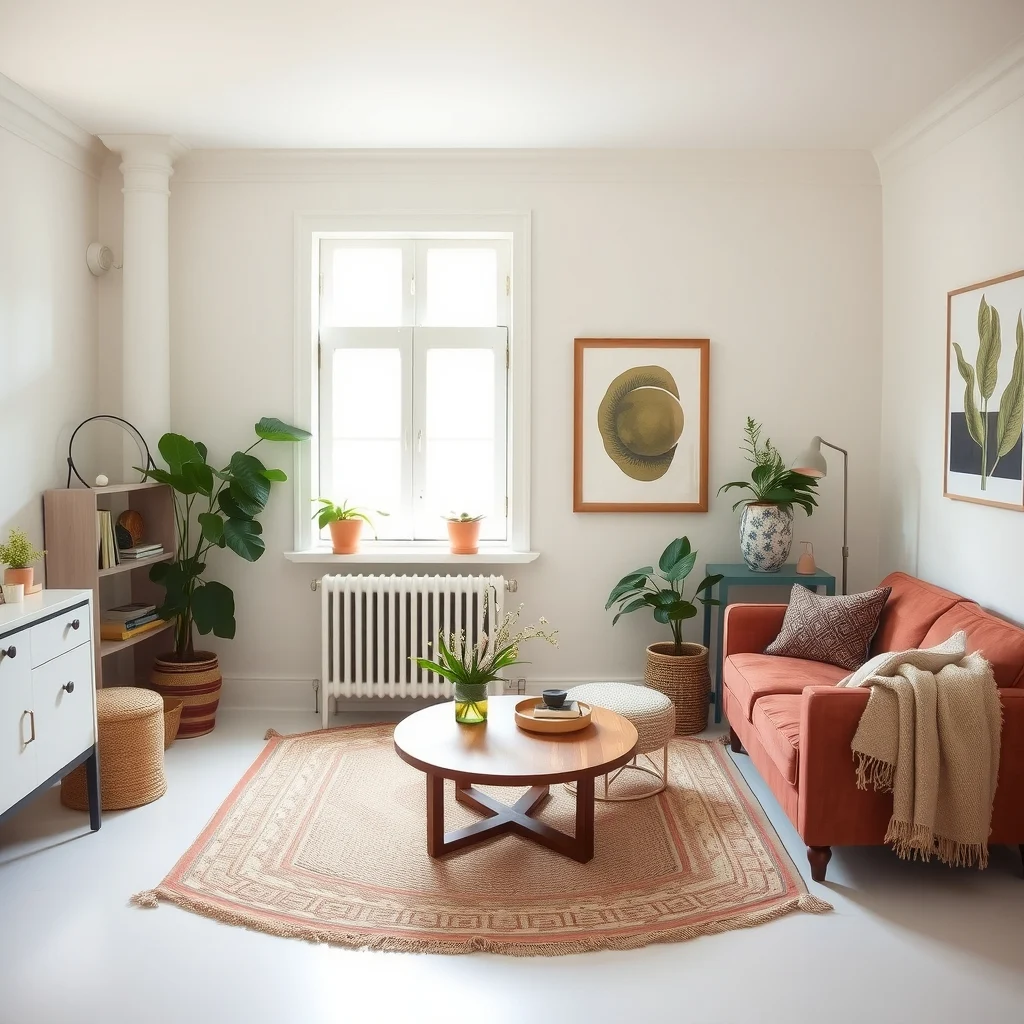
A January reset is less about sweeping changes and more about intentional tweaks that align function with style. By tackling each room with a clear purpose—whether it’s refining storage, refreshing textiles, or layering light—you create a home that feels orderly and welcoming throughout the winter months. The ideas presented here are adaptable; feel free to modify them to suit your layout, budget, and personal taste. When the next season arrives, you’ll already have a solid foundation of organization that makes any future refresh feel effortless.