Wildlife‑friendly Garden Ideas to Support Birds and Beneficial Insects

When the spring sun begins to warm a quiet backyard, many of us wish the space could feel more alive without adding a lot of extra work. A garden that welcomes songbirds, pollinating bees, and predatory insects can become a living extension of the living room, offering color, movement, and gentle sound. The following ideas show how you can blend practical landscaping with the aesthetic choices you already make for your home, turning a simple yard into a refuge that looks intentional and feels welcoming.
1. Choose Native Flowering Perennials for Color and Nectar
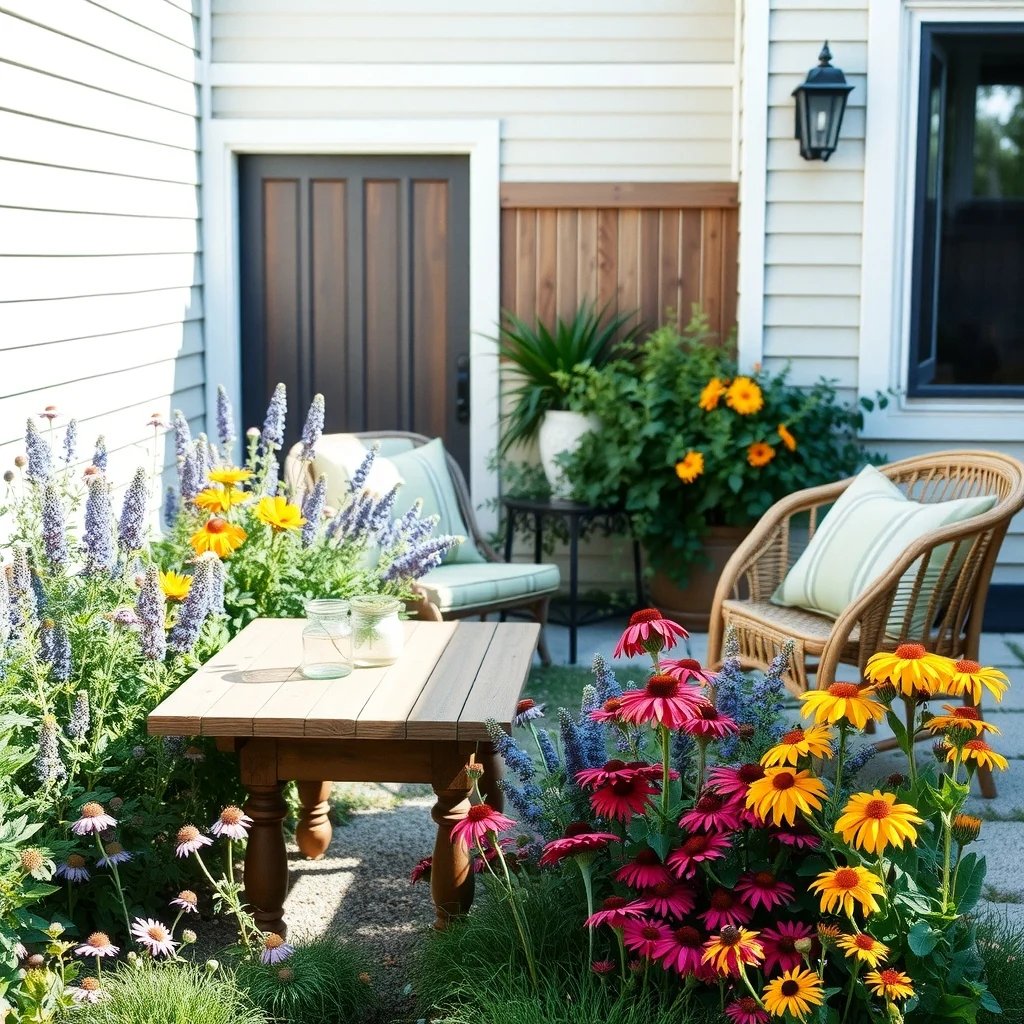
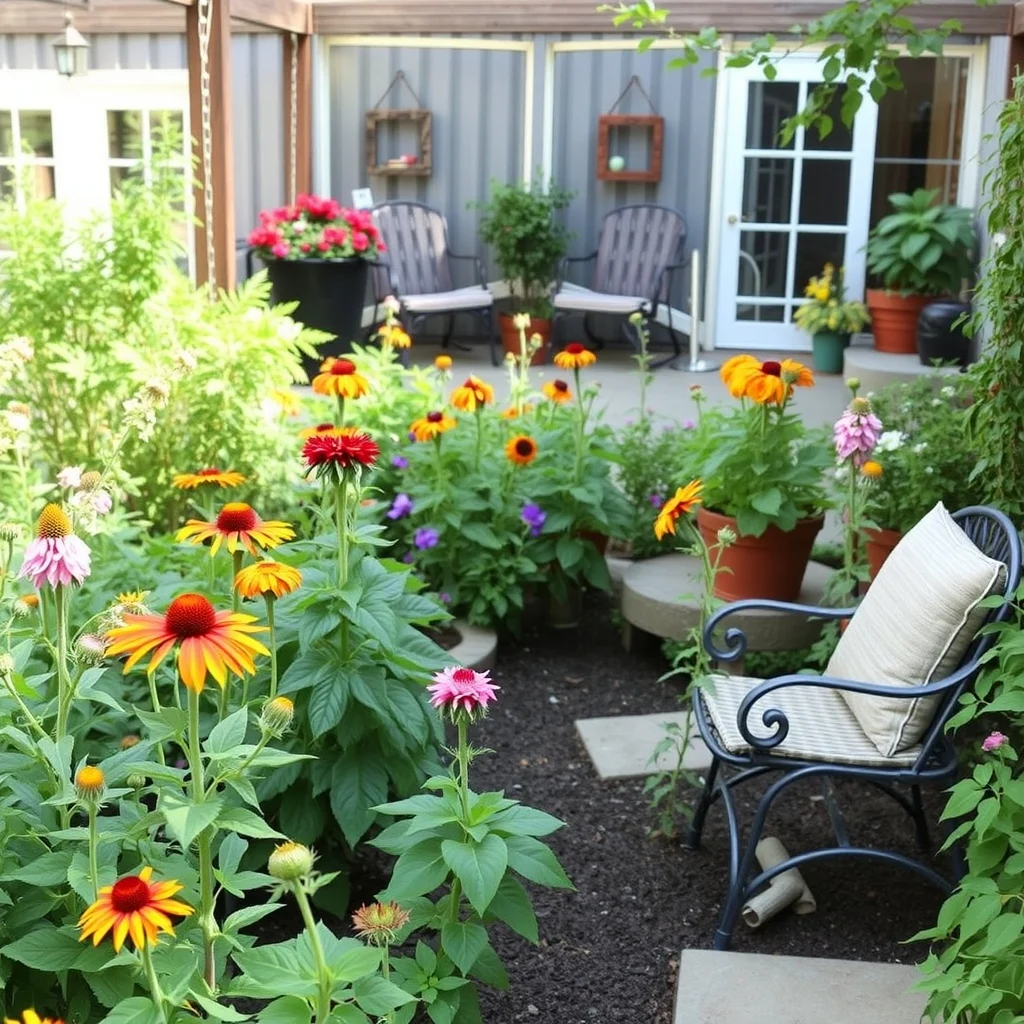
Planting a mix of native perennials such as coneflower, bee balm, and black-eyed Susan creates a palette of soft blues, deep magentas, and sunny yellows that echo the tones of a well‑styled patio. These plants bloom at different times, providing a steady supply of pollen and nectar from early summer through fall. Because they are adapted to local soil and climate, they require less water and fertilizer, which means the garden stays tidy and low‑maintenance—an advantage when you have a stone bench or a woven rattan chair set that you want to keep free of excess debris. When arranging the beds, consider a gentle curve that mirrors the flow of a nearby sofa line, allowing the eye to travel from the house to the garden without a jarring break. If space is limited, a container garden of native herbs and grasses can sit on a teak side table, offering the same ecological benefits while staying portable for seasonal rearrangement.
2. Install a Layered Water Feature That Serves Both Birds and Insects
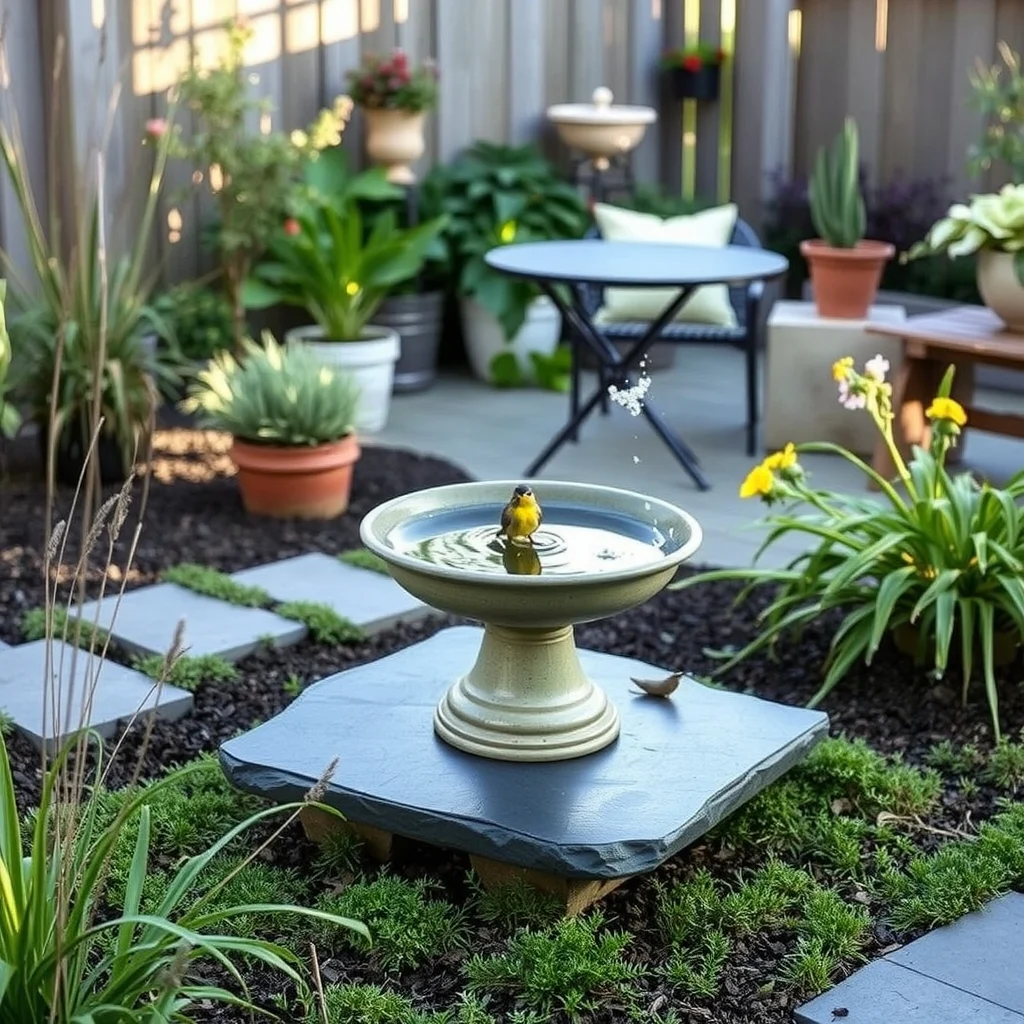
A shallow birdbath set on a slate slab provides a reflective surface that catches the late‑afternoon light, adding a subtle sparkle akin to a glass coffee table in a living area. Surround the basin with a ring of smooth river stones; the stones create a gentle slope for insects to land and sip without drowning. For added depth, a small tiered fountain can be placed a few feet away, offering a louder sound that masks neighborhood traffic while drawing hummingbirds that prefer moving water. Choose materials such as copper or brushed steel for the fountain’s pump housing to echo the metal accents of an outdoor lantern. Keep the water clean by topping it up weekly and rotating the stones to prevent algae buildup, ensuring the feature remains both decorative and functional throughout the season.
3. Use Mulch and Leaf Litter to Provide Ground Habitat
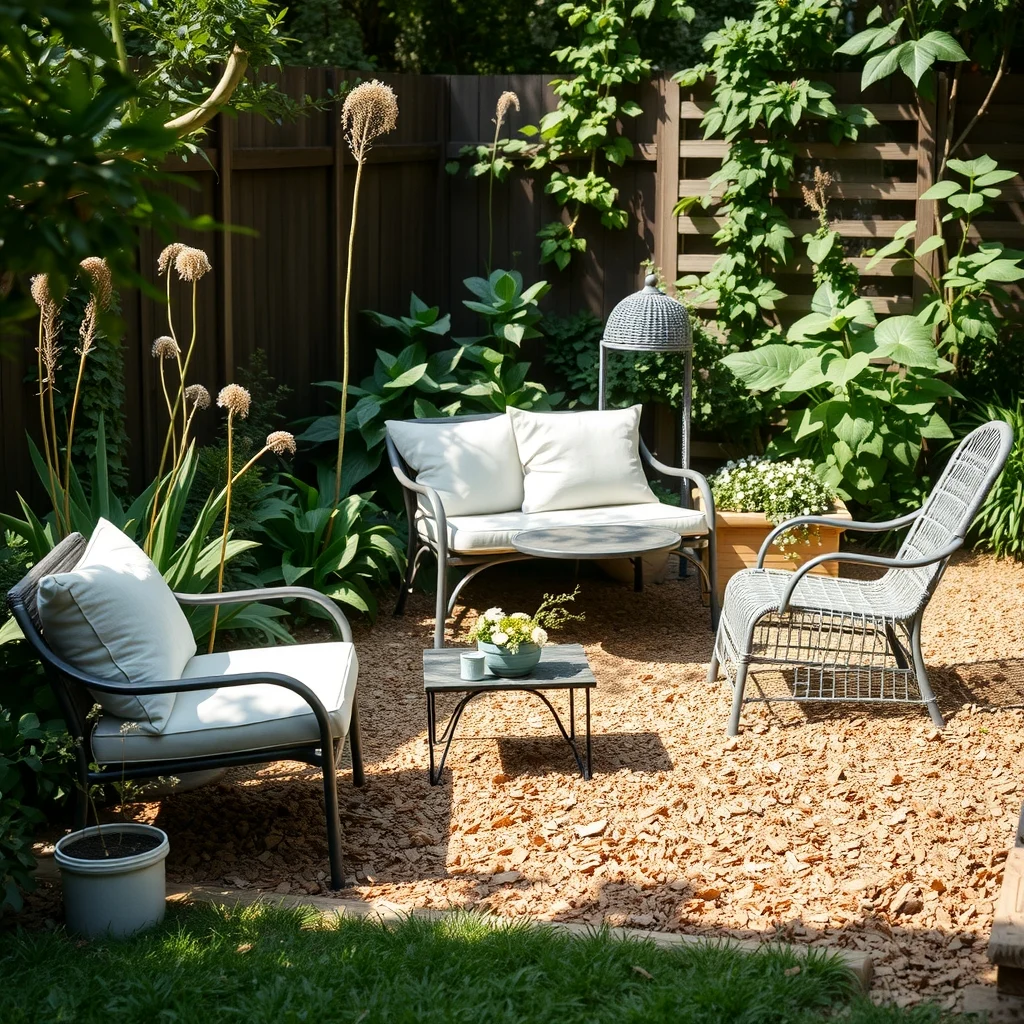
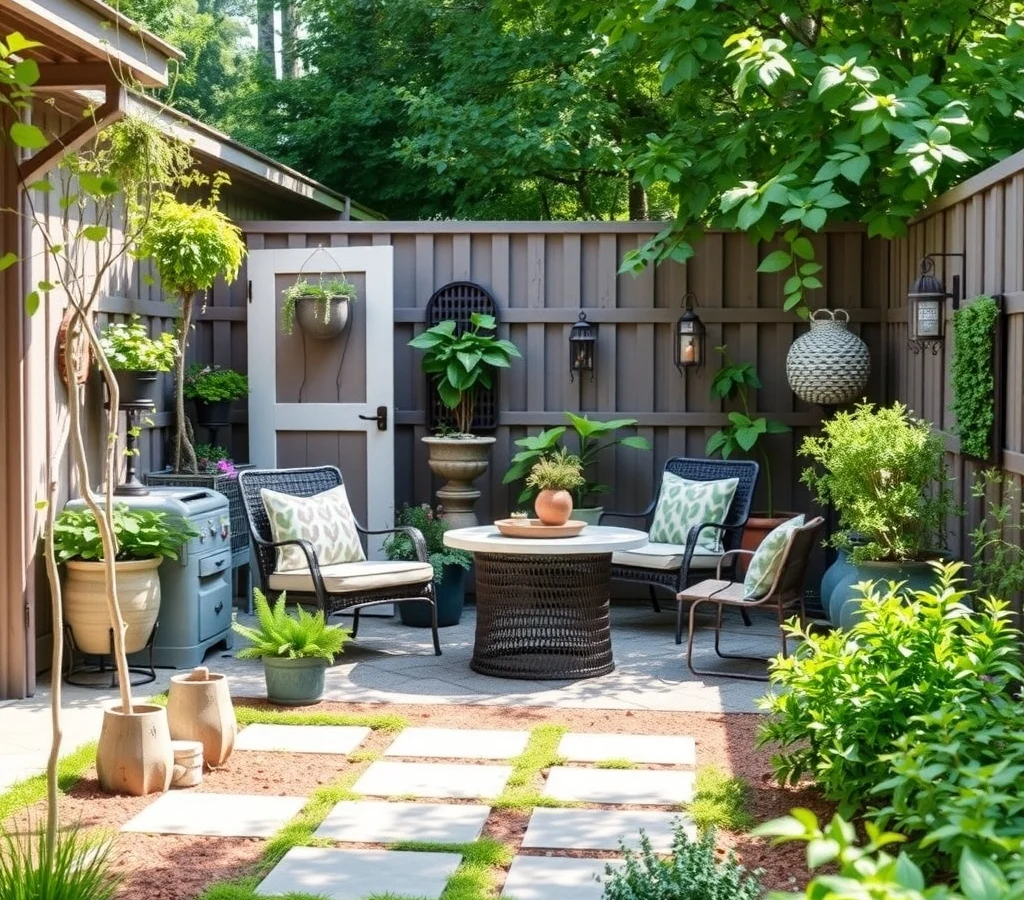
Instead of a pristine, weed‑free lawn, a layer of shredded bark mulch or a natural leaf blanket creates a soft, earthy texture reminiscent of a woven rug in a lounge. This substrate offers shelter for ground‑nesting bees, ladybugs, and spiders that help control aphids on nearby shrubs. When selecting mulch, opt for a dark walnut tone that contrasts nicely with the green foliage, adding visual depth similar to a dark‑stained coffee table against a lighter wall. Refresh the mulch annually to maintain its structure and prevent it from becoming compacted. If you have a garden path of reclaimed brick, allow the mulch to spill slightly onto the edges, softening the transition between hardscape and planting beds while providing a continuous habitat corridor.
4. Build Structured Shelter with Log and Brush Piles
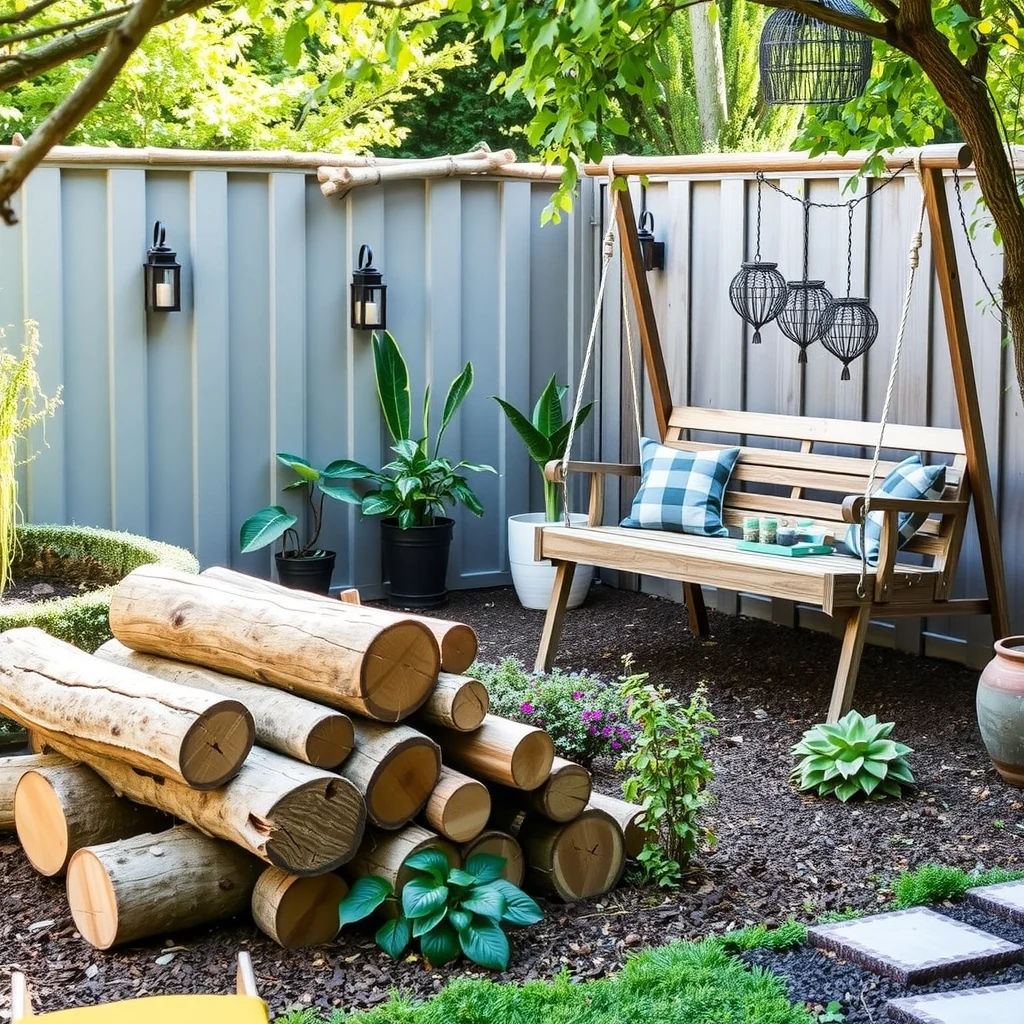
A modest stack of fallen logs placed near a wooden swing or a weathered bench offers a rustic silhouette that balances modern outdoor furniture. The crevices between the logs become nesting sites for beetles and small reptiles, which in turn attract insect‑eating birds like wrens and chickadees. Complement the log pile with a brush heap of twigs and dried grasses tucked into a corner of the garden; this adds vertical texture that mirrors the layered curtains inside a living room. When arranging these elements, keep them away from high‑traffic walkways to avoid tripping hazards, and consider a low‑grade edging of slate to define the area without breaking the natural feel.
5. Add Vertical Habitats Using Trellises and Vines
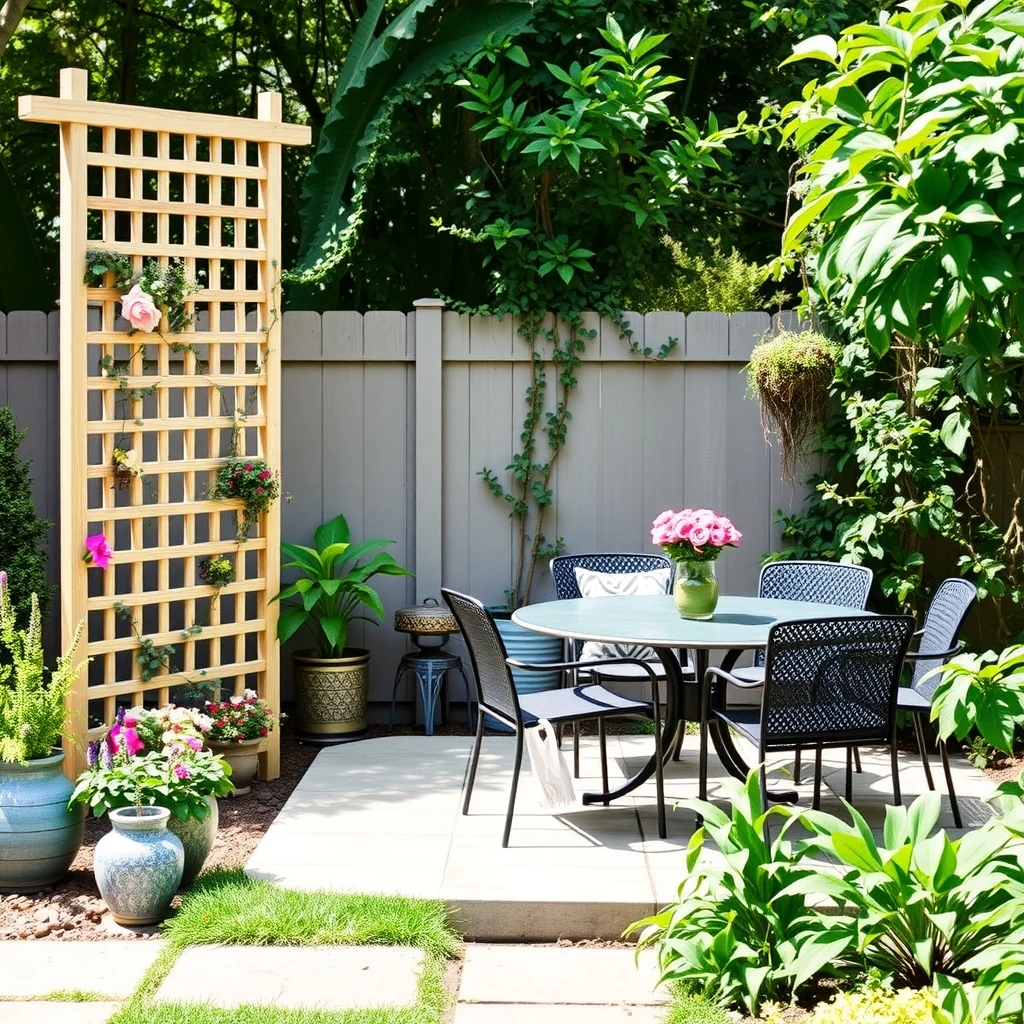
A tall, lattice‑style trellis positioned beside a patio table introduces a vertical line that draws the eye upward, much like a floor‑to‑ceiling bookshelf. Climbing vines such as clematis or trumpet vine provide fragrant blooms that attract butterflies and hummingbirds, while the lattice itself offers perching spots for sparrows. Choose a trellis finished in matte black or weathered oak to complement the metal or wooden frames of your outdoor seating. For a more flexible solution, install a series of narrow, freestanding bamboo poles that can support hanging insect hotels, allowing you to rearrange the vertical garden as your plant growth changes throughout the year.
6. Thoughtfully Place Garden Lighting to Extend Activity Hours
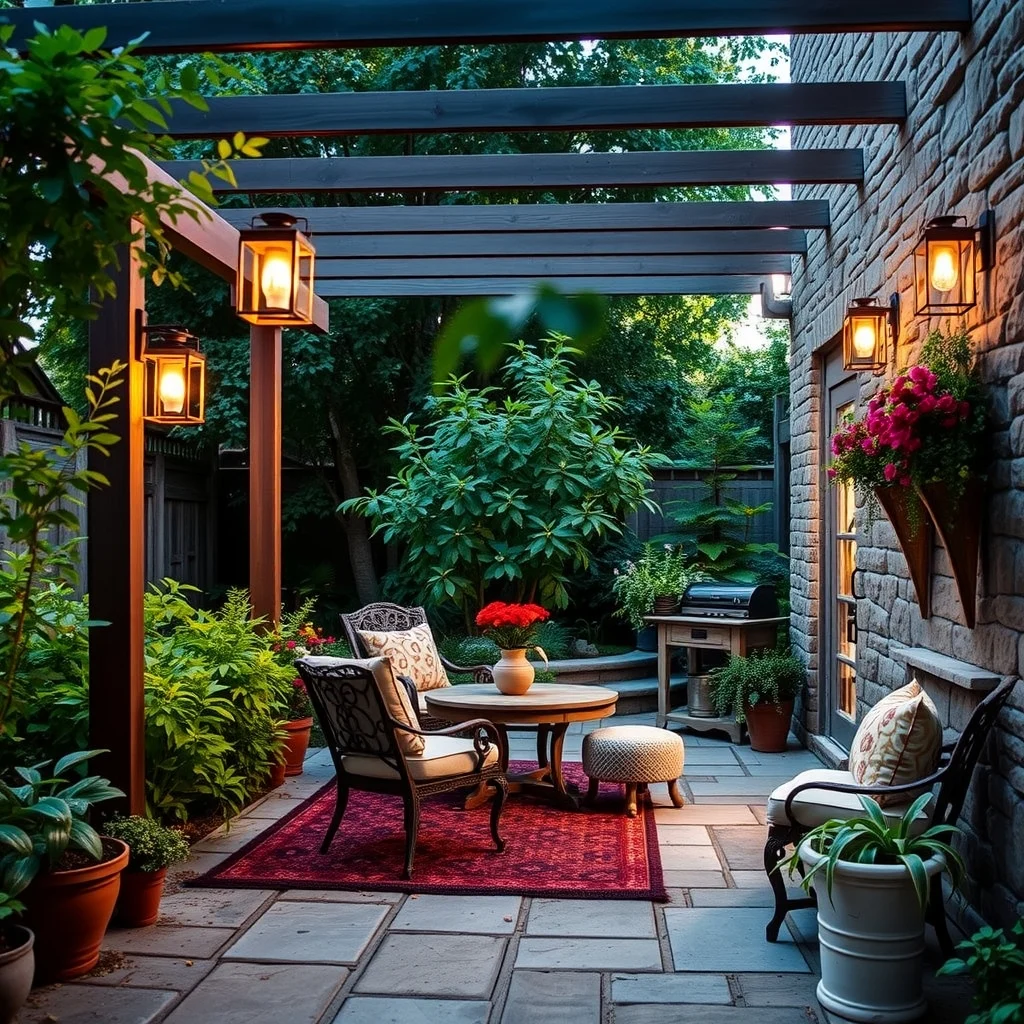
Soft, amber LED lanterns hung on a pergola or mounted on a low stone wall create a warm glow that mimics the golden hour, encouraging birds to linger after dusk. Position a few fixtures near a water feature and a bird feeder; the subtle illumination helps you observe wildlife while keeping the overall ambiance gentle enough not to startle shy species. When choosing fixtures, look for those with a brushed brass finish that echoes the hardware of your patio table, ensuring a cohesive visual language across indoor and outdoor spaces. Use motion‑sensor lights sparingly, as constant illumination can disrupt nocturnal insects that are vital for pollination.
7. Plan Seasonal Plant Rotations and Simple Maintenance Routines
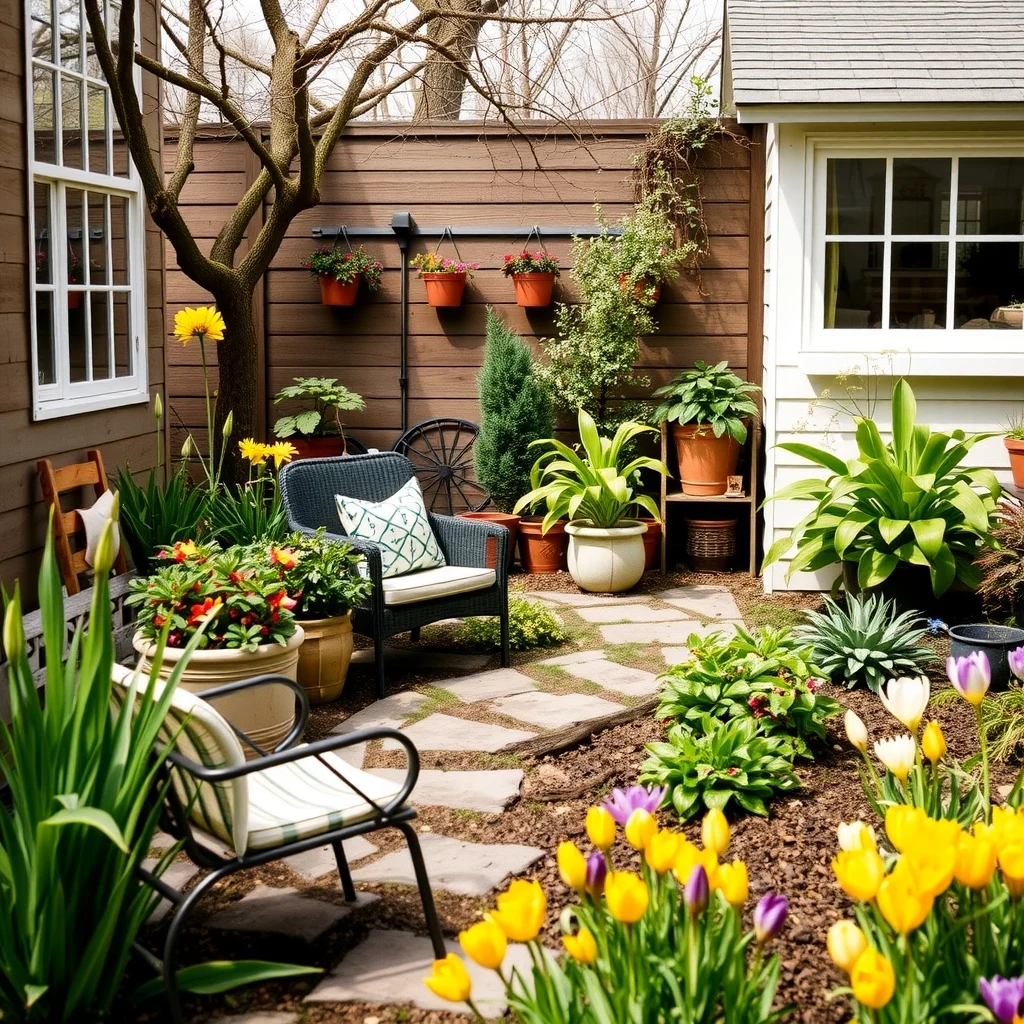
Just as you might rotate cushions or throws to keep a living room feeling fresh, swapping out a few annuals each season maintains both visual interest and ecological value. In early spring, plant early‑blooming crocuses and snowdrops to provide the first nectar source for emerging bees. Replace them in midsummer with heat‑tolerant asters that attract butterflies, and finish the year with seed heads of goldenrod that feed overwintering birds. Keep a small garden caddy stocked with a hand rake, pruning shears, and a bucket of water; this makes routine upkeep feel like a quick tidy‑up after a coffee on the deck. By aligning planting schedules with your home’s decorative rhythm, the garden becomes a seamless extension of your interior style.
Frequently Asked Questions
What native plants are best for attracting both birds and beneficial insects?
Plants such as coneflower, bee balm, and black-eyed Susan provide nectar for pollinators and seeds for birds. Their varied bloom times ensure a continuous food source throughout the growing season.
How often should I clean my birdbath to keep it safe for wildlife?
Refresh the water at least once a week and scrub the basin with a soft brush monthly to prevent algae. Regular cleaning also reduces the risk of disease transmission among birds.
Can I use decorative rocks as part of a wildlife‑friendly garden?
Yes, smooth river stones create landing platforms for insects and can be arranged to complement the texture of a stone patio. Just ensure the rocks are stable and not placed where they could cause tripping.
Is it safe to install lighting near insect habitats?
Soft, low‑intensity lights are generally safe and can extend observation time. Avoid bright, white lights that may disorient nocturnal insects and disrupt natural behaviors.
How do I prevent my garden from becoming overgrown while still providing habitat?
Implement a light maintenance schedule that includes seasonal pruning and occasional mulching. This keeps the space tidy without removing the structural elements that wildlife rely on.
Final Thoughts
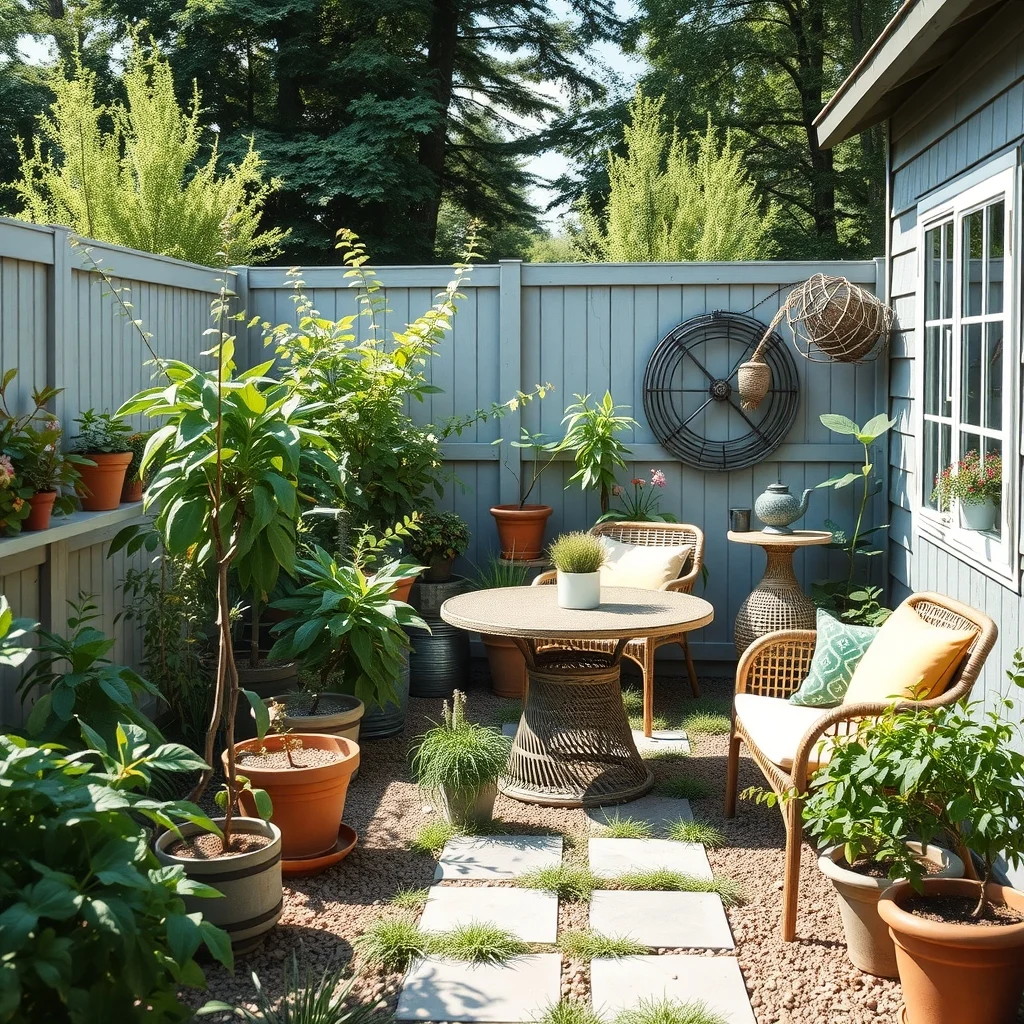
Integrating wildlife‑friendly features into a garden does not require a complete redesign; it is about choosing plants, materials, and layouts that serve both aesthetic and ecological purposes. By thinking of your outdoor space as an extension of your home’s decor—considering color harmony, texture, and functional furniture—you create a sanctuary that supports birds and beneficial insects while enriching the everyday experience of your living environment. Small, thoughtful steps taken now will reward you with the gentle hum of pollinators and the soft song of birds for seasons to come.