Modern Cottage Garden Ideas for a Natural and Relaxed Outdoor Look

Finding the balance between a polished garden and a lived‑in cottage feel can feel like a puzzle, especially when you want the space to invite quiet evenings and weekend brunches without looking over‑styled. Below are seven ideas that blend contemporary simplicity with the soft, unpretentious charm of a cottage garden. Each concept includes material suggestions, layout hints, and practical considerations so you can adapt the look to a small patio, a sloping yard, or a sprawling backyard.
1. Layered Perennial Borders with Soft Textures
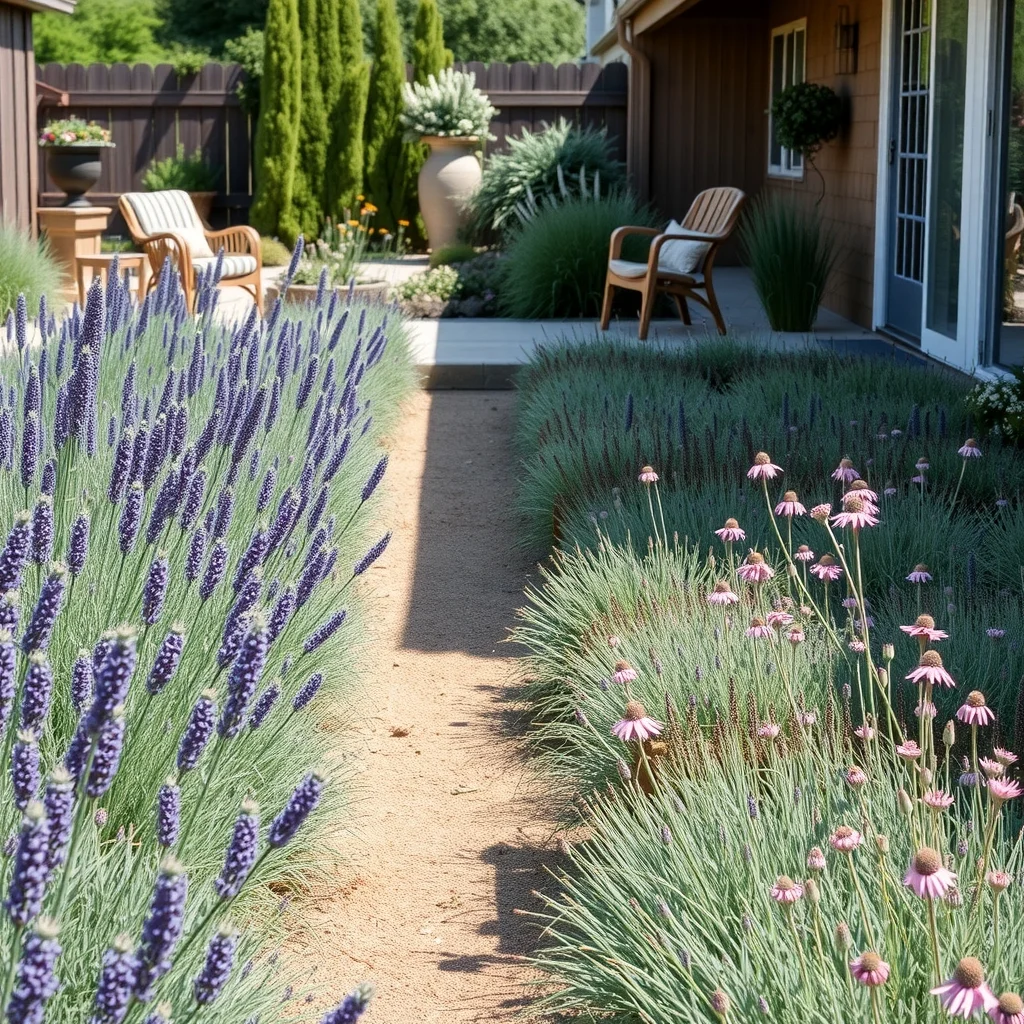
Perennials such as lavender, sage, and coreopsis create a low‑maintenance backbone that returns year after year, while their muted greens and dusky purples keep the palette grounded. Plant them in slightly staggered rows so taller stems peek over the shorter foliage, giving the border a sense of depth without the need for formal hedging. Adding a handful of ornamental grasses like feather reed provides a subtle movement that catches breezes and softens the edges of the planting beds. The mix of woody stems and airy plumes works well on both sun‑flooded and partially shaded sections, though you’ll want to ensure the grasses receive at least a few hours of direct light to stay upright. A light layer of mulch keeps the soil temperature steady and reduces the frequency of watering, which is especially helpful during dry spells.
2. Reclaimed Wood Seating Nooks
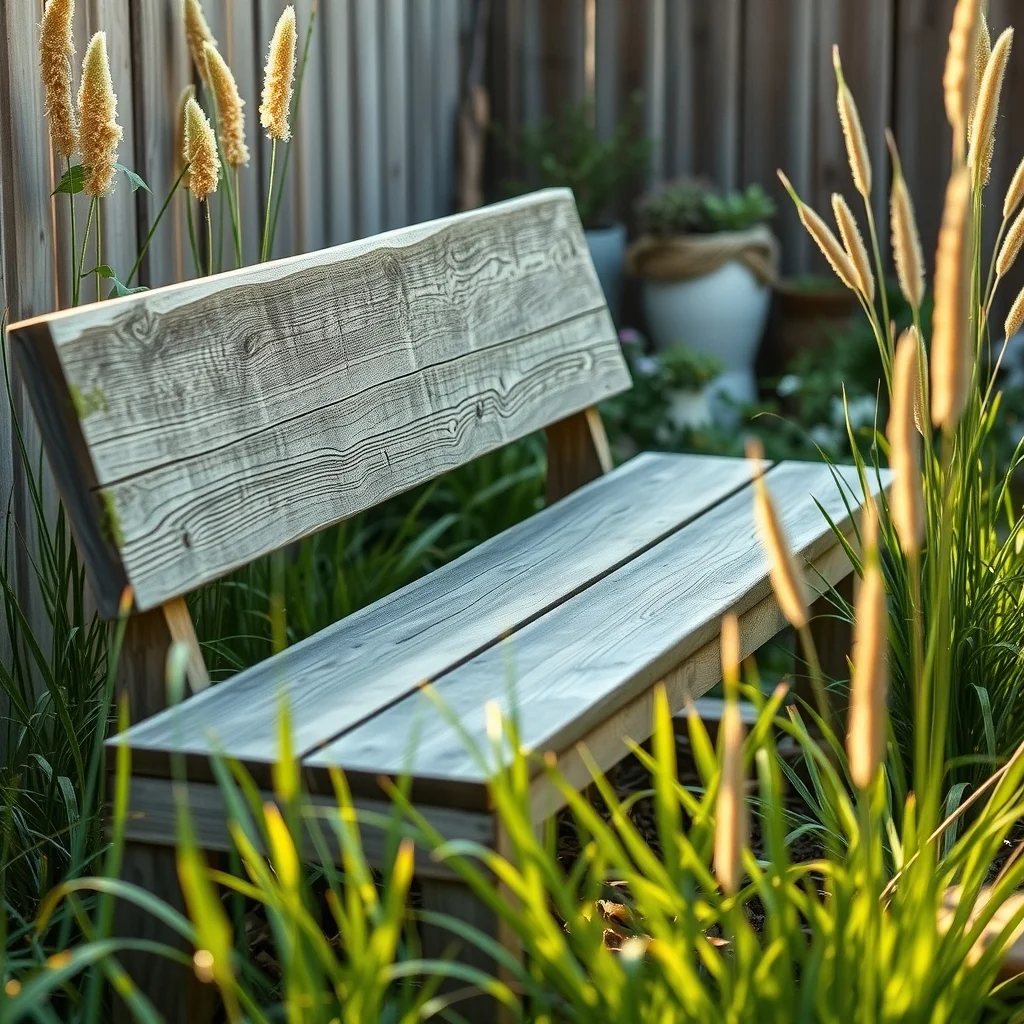
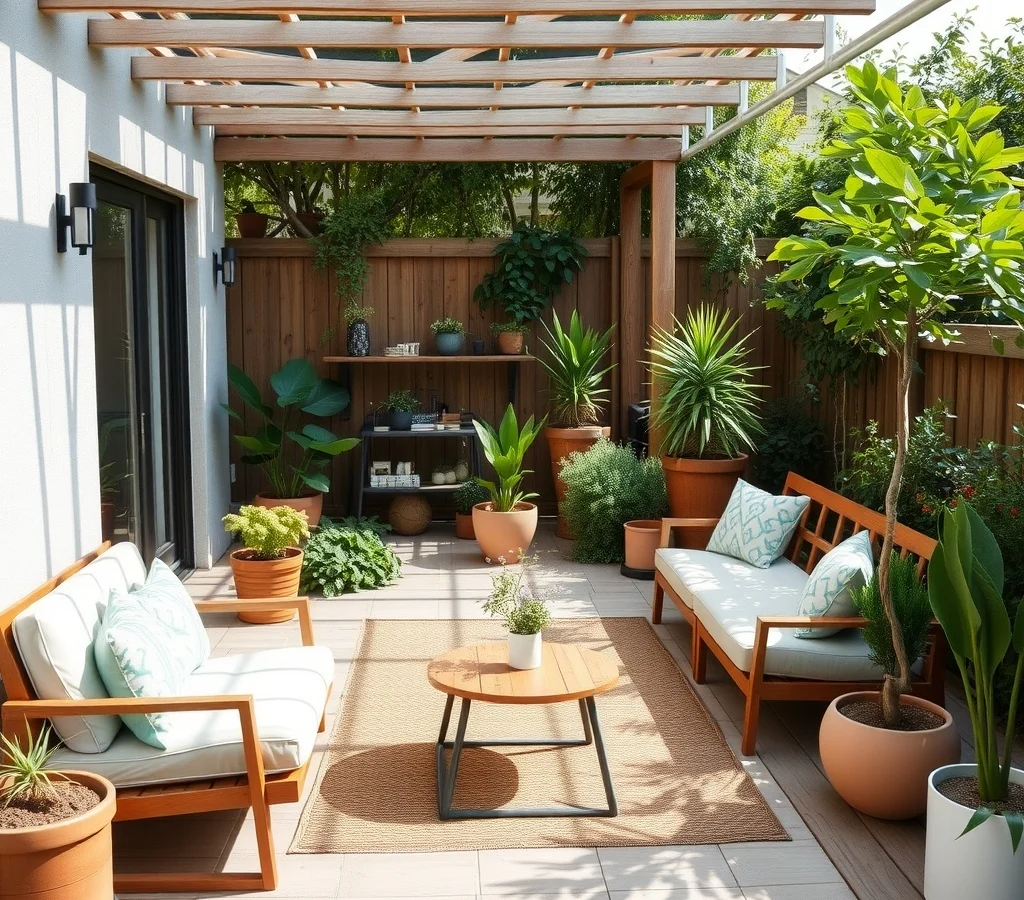
A modest bench made from reclaimed barn planks offers a tactile reminder of rural craftsmanship while fitting neatly into a corner of a garden path. The weathered surface accepts a protective oil finish that brings out the natural grain without hiding the history of the wood. Pair the bench with a few oversized floor cushions in a linen‑blend fabric dyed a gentle sage or warm greige; the cushions add comfort for longer stays and can be swapped out seasonally. Because reclaimed wood can be heavier than new lumber, position the bench on a compact concrete pad or a compact stone slab to prevent sinking into softer soil. One trade‑off is that the wood may need occasional resealing to guard against moisture, but the character it adds far outweighs the maintenance routine.
3. Simple White‑Washed Pergola with Climbing Roses
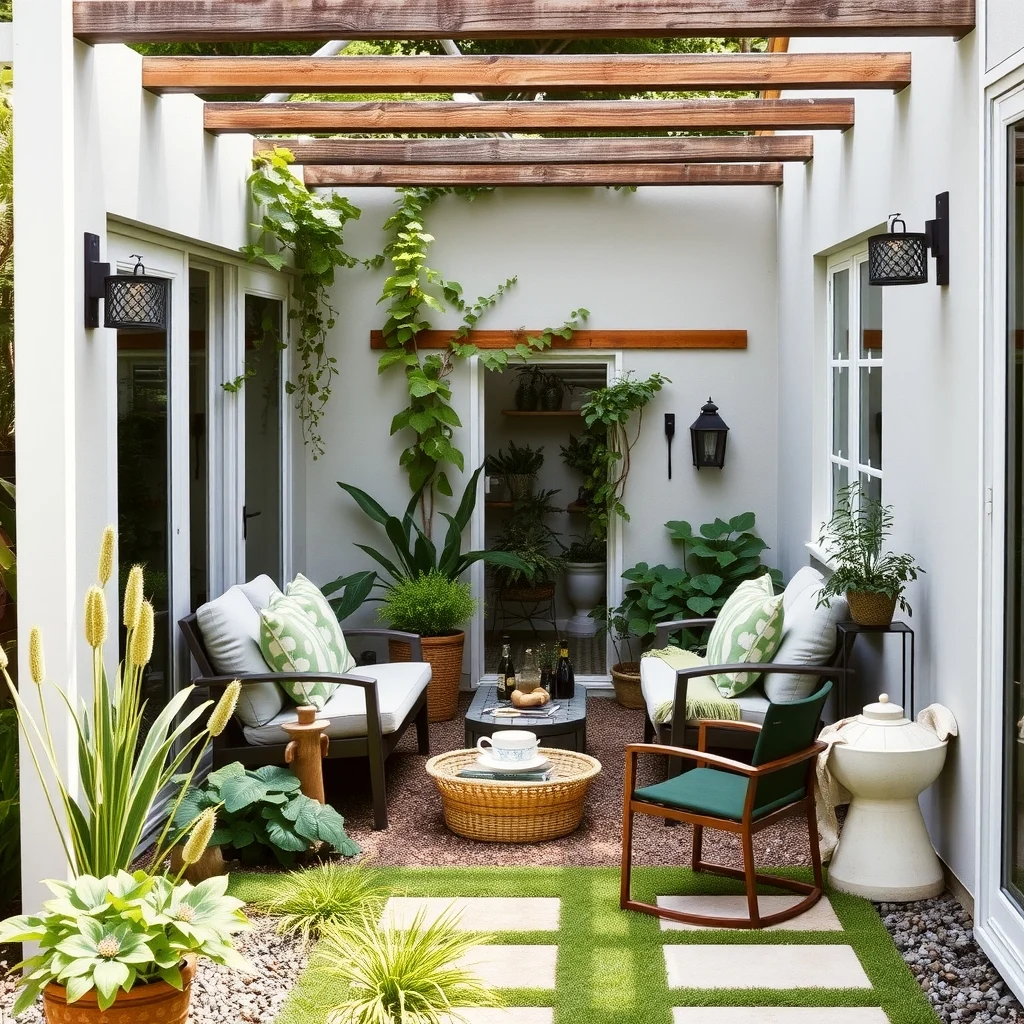
A modest pergola painted in a white‑wash finish creates a light, airy canopy that frames the garden without overwhelming it. Training a handful of climbing roses—preferably a hardy, disease‑resistant variety—along the rafters adds fragrance and a splash of muted pink or creamy blush that softens the structure. The pergola’s open design allows dappled sunlight to filter through, which is ideal for a reading corner or a small dining set. When selecting the pergola’s dimensions, keep the span under ten feet to avoid the need for additional support posts that could clutter the space. If roses prove too demanding, consider a faster‑growing clematis that requires less pruning, though the scent will be less pronounced.
4. Mixed‑Material Pathways Using Gravel and Flagstones
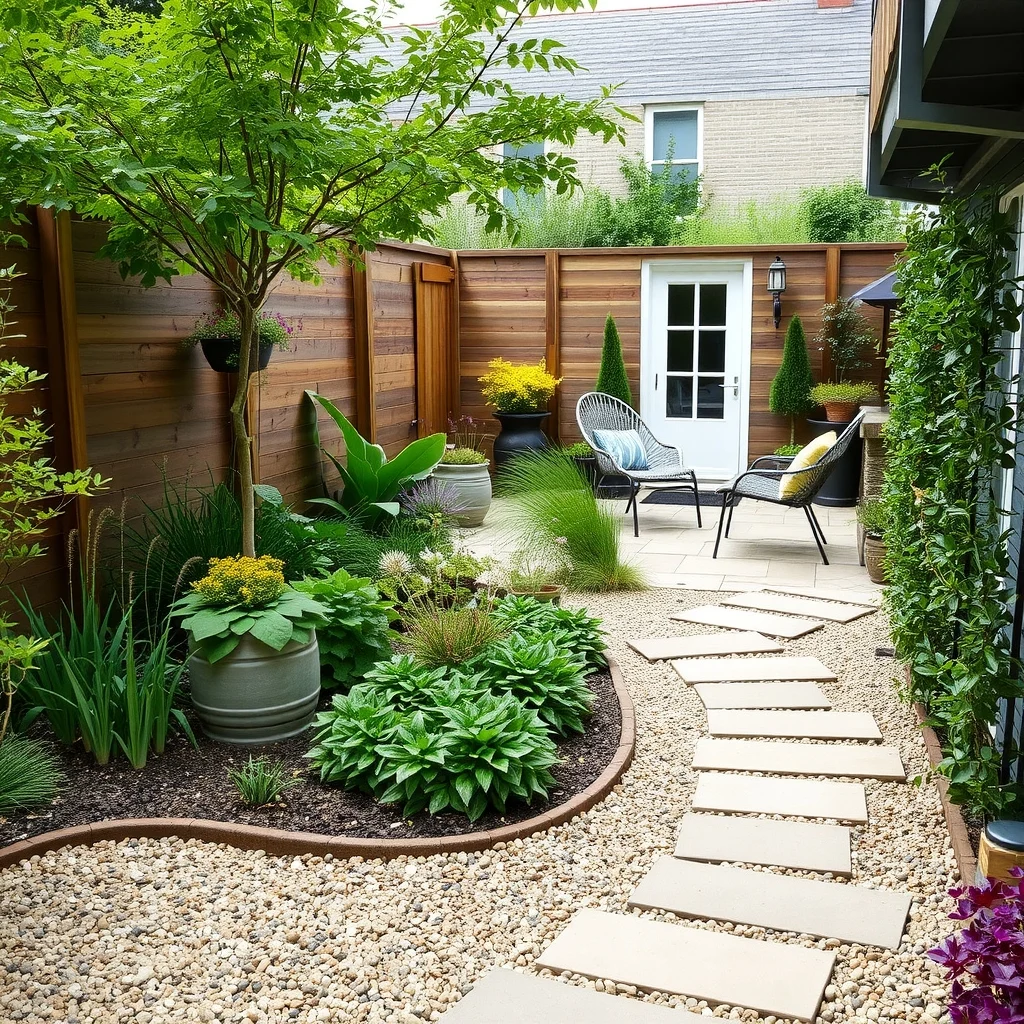
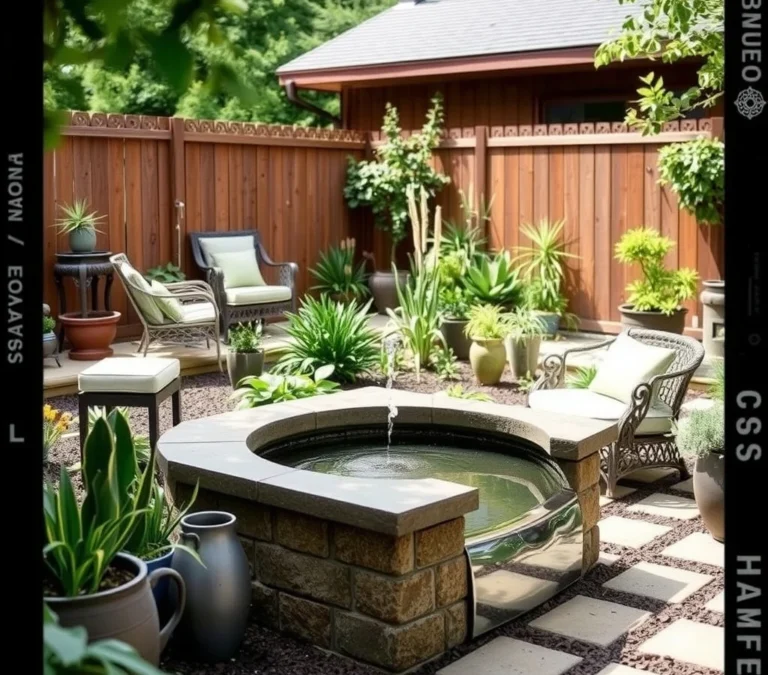
A winding path that alternates between smooth river gravel and irregular flagstones guides the eye and invites exploration. Gravel offers excellent drainage and a soft crunch underfoot, while flagstones provide occasional solid footing for wheelchairs or garden carts. Lay the flagstones with a slight offset to create a natural, un‑grid pattern; this avoids the rigidity of a formal layout and complements the cottage aesthetic. The edges of the path can be edged with low metal or timber strips to keep the materials from spilling, though these borders should be low‑profile to preserve the relaxed vibe. One consideration is that gravel can be displaced by wind or heavy foot traffic, so a simple garden border or a line of low‑growing thyme can help keep it contained.
5. Weathered Metal Planters with Herb Gardens
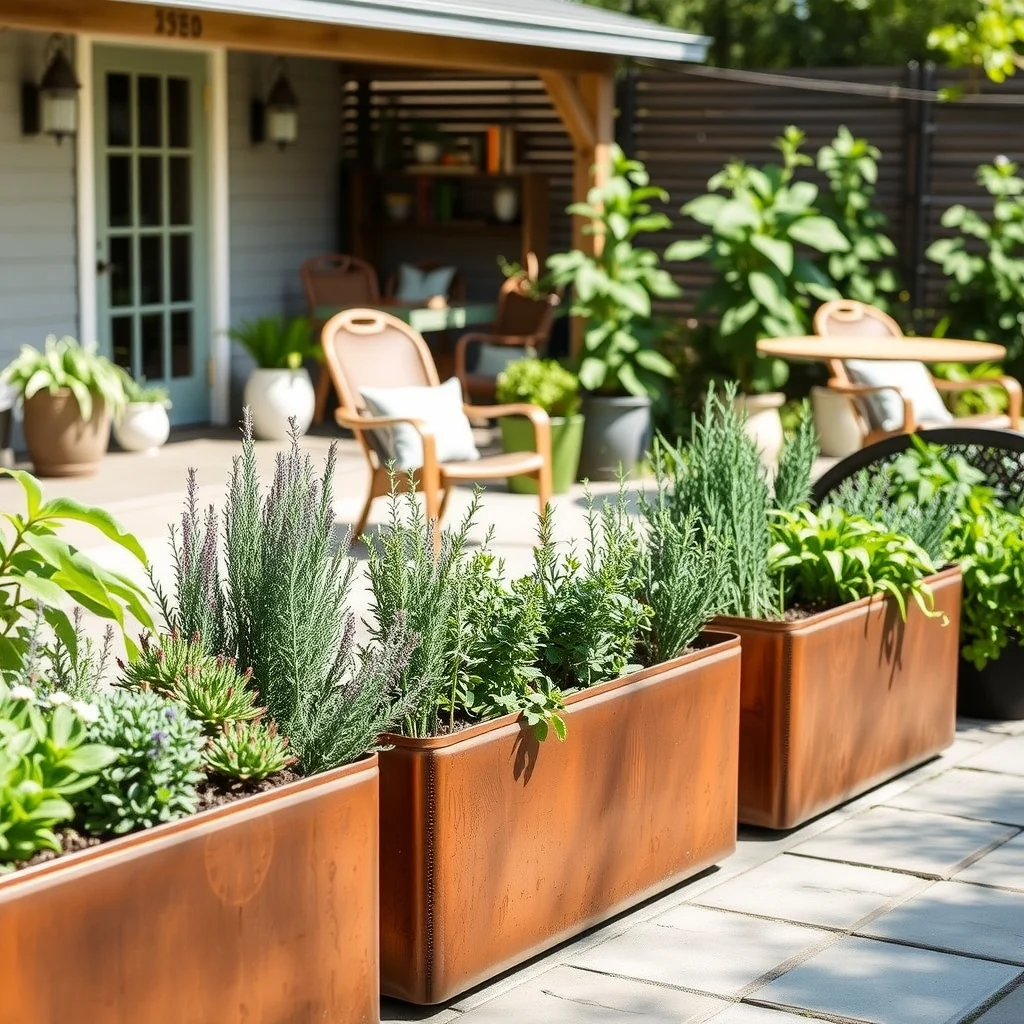
Rectangular planters crafted from brushed copper or aged steel bring a subtle industrial note that contrasts nicely with the softer garden elements. Fill them with a selection of culinary herbs—such as thyme, rosemary, and chives—planted in a well‑draining potting mix. The metal’s natural patina deepens over time, adding visual interest without the need for repainting. Position the planters near a kitchen window or a patio table so you can reach fresh herbs while cooking. Because metal can heat up in direct sun, place the planters on a wooden pallet or a stone slab to create a buffer that protects the roots from temperature spikes. If the metal finish is too bold for your taste, a powder‑coated version in matte black or deep olive can tone it down.
6. Soft Lighting with Solar Lanterns and String Lights
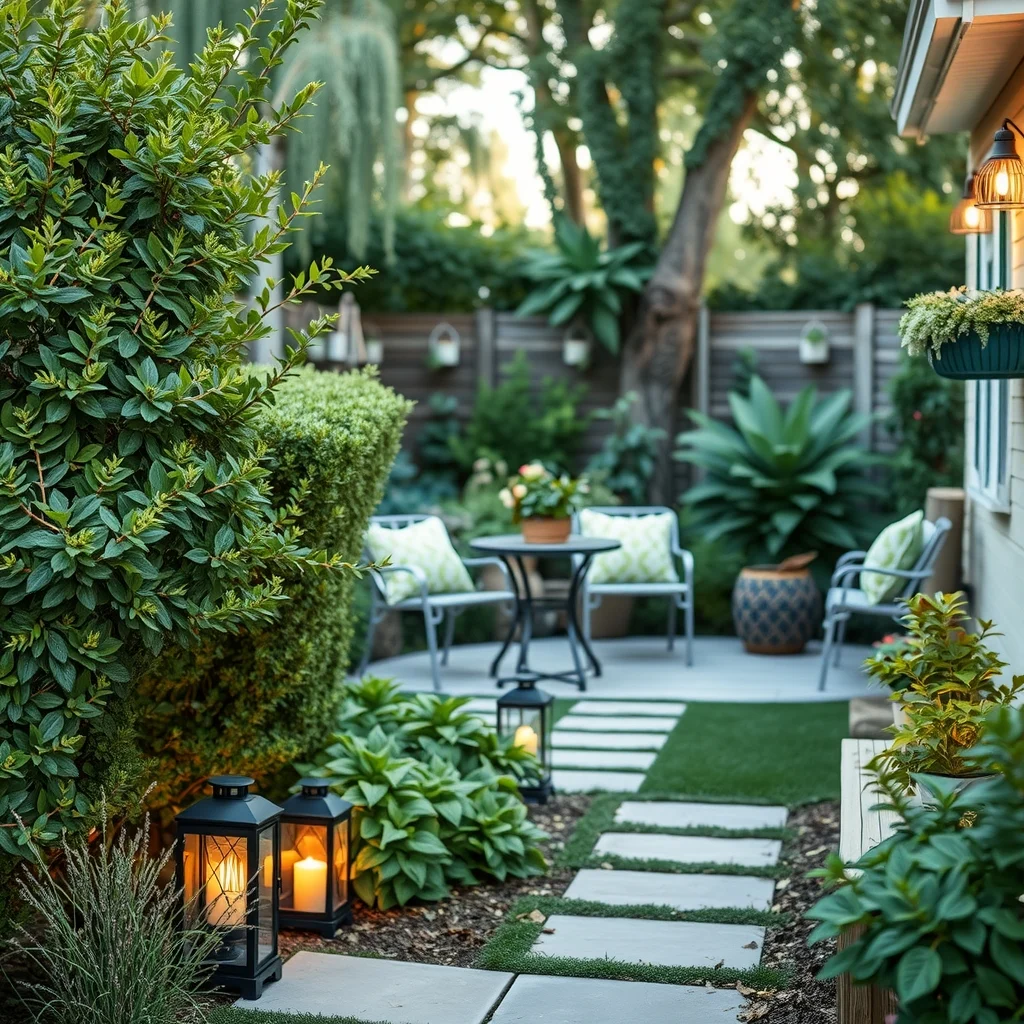
Gentle illumination is essential for extending the garden’s usability into evening hours. Solar lanterns placed at the base of larger shrubs provide a low, amber glow that highlights foliage without overwhelming the scene. Complement them with a modest strand of warm‑white LED string lights draped along the pergola or a low fence; the flexible wire allows you to adjust the spacing to suit the size of the area. Because solar panels need several hours of direct sunlight, position the lanterns where they receive unobstructed exposure during the day. The downside is that cloudy weather can reduce charge, so keeping a small battery‑operated backup lamp nearby ensures you’re not left in the dark during a sudden rainstorm.
7. Integrated Storage with Cedar Garden Sheds
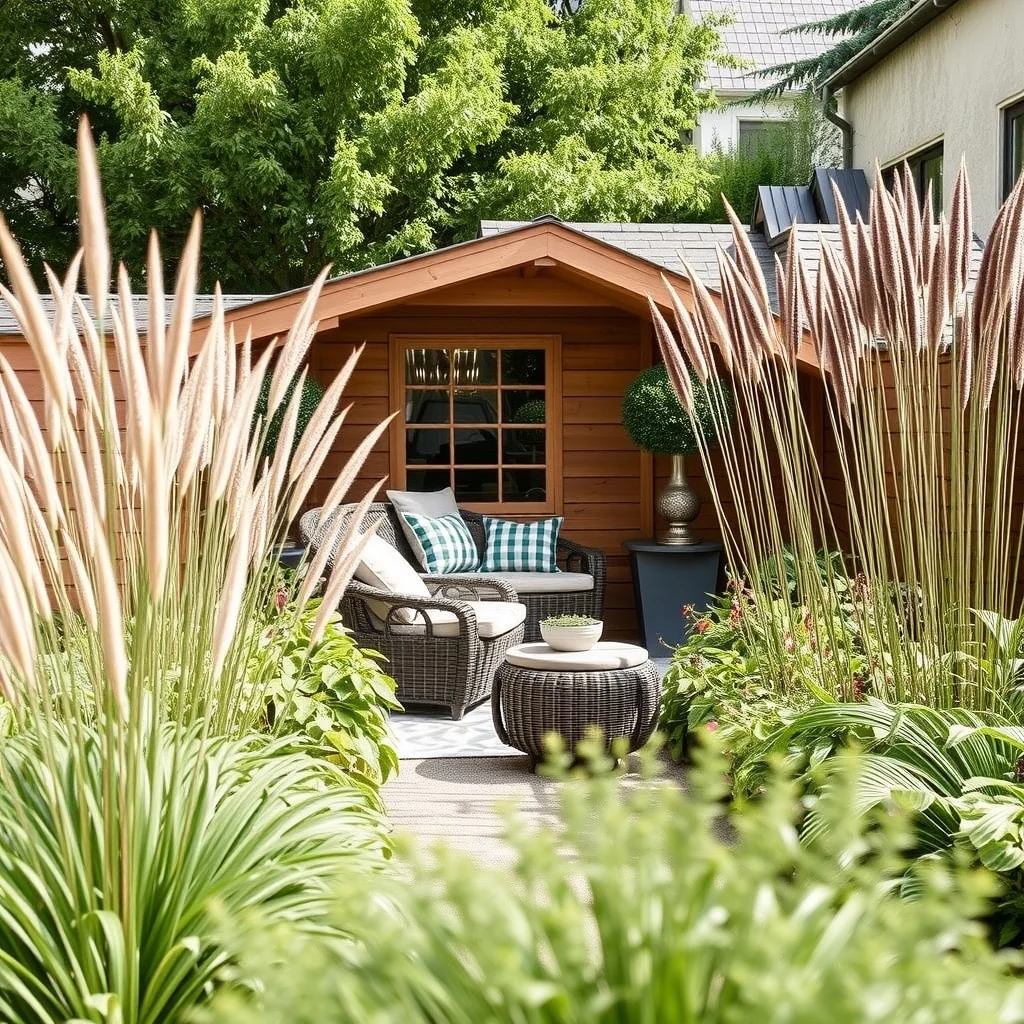
A compact cedar shed tucked behind a row of ornamental grasses offers a discreet place to store garden tools, cushions, and seasonal décor. Cedar’s natural oils repel insects and resist rot, meaning the structure can last for years with minimal upkeep. Adding a simple bench lid that doubles as a seating surface maximizes the footprint without adding extra furniture. The shed’s slatted doors allow airflow, which helps keep stored items dry, though you’ll want to line the interior with a breathable fabric liner to protect delicate items from dust. If the garden’s layout limits space for a full‑size shed, a lean‑to style with a single wall can serve the same purpose while preserving an open feel.
FAQ
How do I choose plants that thrive in both sun and shade?
Select hardy perennials that tolerate a range of light conditions, such as hostas for shade and coneflowers for sun. Mixing varieties ensures visual interest throughout the day and reduces the risk of dead zones.
Can I use reclaimed wood if I live in a high‑humidity area?
Reclaimed wood can perform well in humid climates if it is sealed with a breathable oil finish. Regularly check for signs of swelling and reapply the sealant annually to maintain stability.
What is the best way to keep gravel paths from spreading?
Install low‑profile edging made of metal, timber, or compacted soil to contain the gravel. A narrow border of ground‑cover plants like thyme also helps trap the stones while adding fragrance.
Are solar lanterns reliable during winter months?
Solar lanterns collect less energy in winter due to shorter daylight hours, so their brightness may diminish. Pairing them with a small rechargeable battery backup can ensure consistent lighting throughout the season.
Final Thoughts
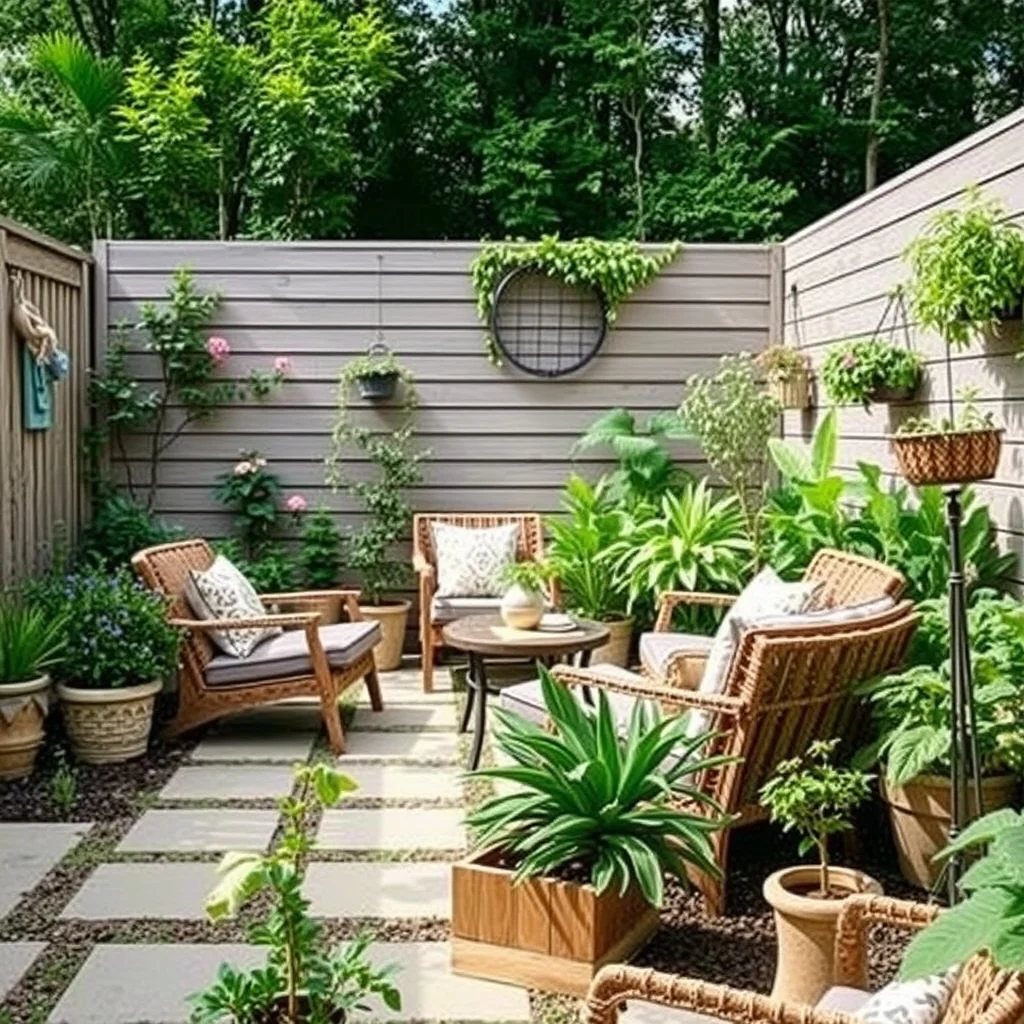
Blending modern simplicity with cottage warmth is less about strict rules and more about layering textures, materials, and light in a way that feels lived‑in yet intentional. By choosing resilient plants, repurposed furnishings, and subtle illumination, you can craft an outdoor space that invites relaxation without demanding constant attention. Each of the seven ideas above offers a point of entry—whether you’re starting with a small patio or a larger backyard—and can be mixed, matched, or scaled to suit your personal style and the practical realities of your garden.