Small Front Yard Landscaping Ideas for Better Curb Appeal

When a house sits behind a narrow strip of grass, the first impression often hinges on how that space feels as you approach the front door. A well‑planned front yard can turn a cramped entry into a welcoming prelude, guiding the eye and inviting a pause before stepping inside. Below are seven ideas that balance visual interest, easy upkeep, and modest budgets, each explained with enough detail to help you adapt the concept to your own lot.
1. Create a Defined Entry Path
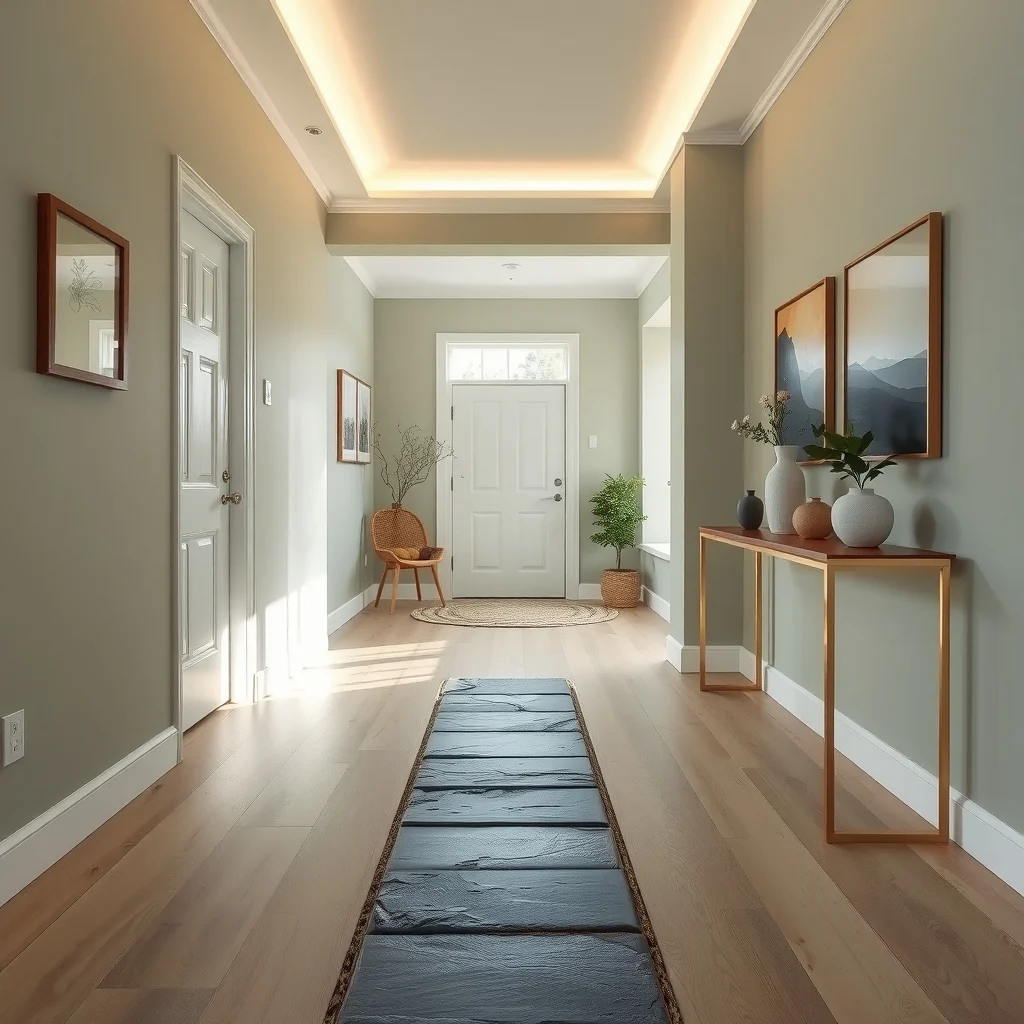
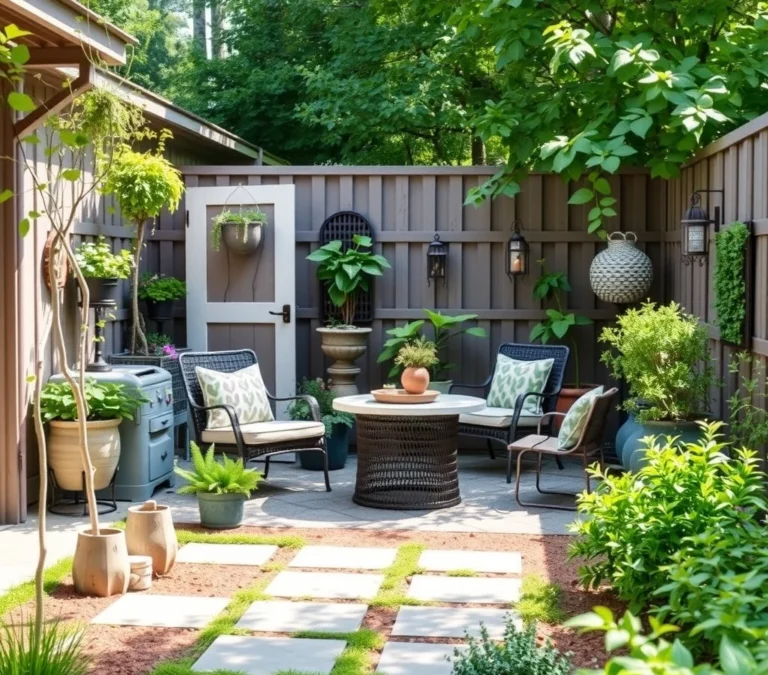
A clear pathway does more than tell guests where to walk; it establishes a visual line that pulls the eye toward the entryway. Choose stepping stones or narrow pavers in a material that contrasts gently with the surrounding lawn—perhaps slate slabs edged with a low brick border. Keep the width comfortable for two people, typically three to four feet, and consider a gentle curve to soften the hard edge of a straight line. Adding a simple edging of metal or stone helps keep weeds at bay and maintains a crisp line over time. The trade‑off is that a curved path uses a bit more material, but the softer silhouette often feels more inviting on a small lot.
2. Add Low‑Maintenance Evergreen Borders
Evergreens provide structure when other plants go dormant, ensuring the yard looks intentional year after year. Dwarf varieties of boxwood, Japanese holly, or blue‑green juniper can be trimmed to a neat hedge that frames the path without overwhelming the space. Their deep green foliage offers a backdrop that makes seasonal colorings stand out, and they require only occasional pruning and minimal watering once established. Because mature shrubs can be pricey, start with a few starter plants and let them fill in over a season, or use a mix of inexpensive groundcovers like creeping thyme for the lower layer. The main limitation is that these plants need space to spread, so choose a compact cultivar if the lot is very narrow.
3. Use Container Gardens for Seasonal Color
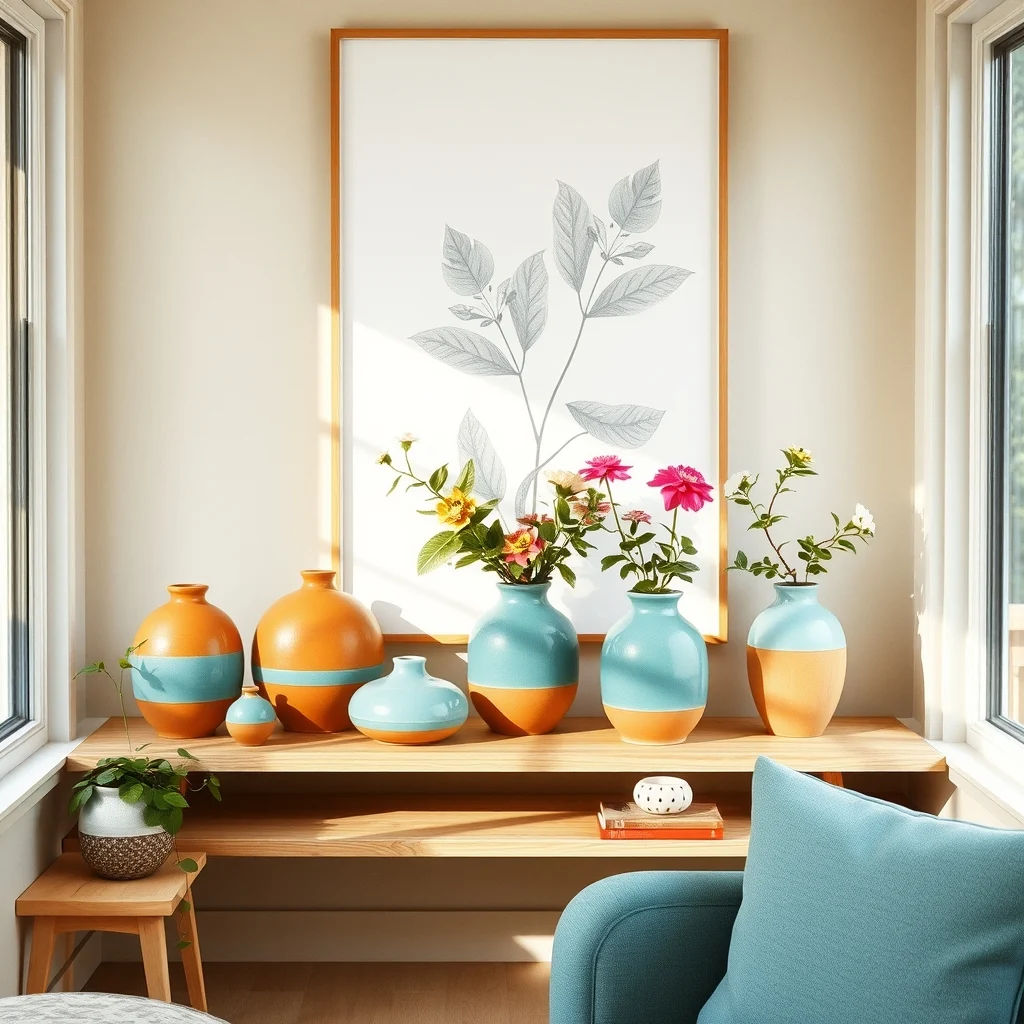
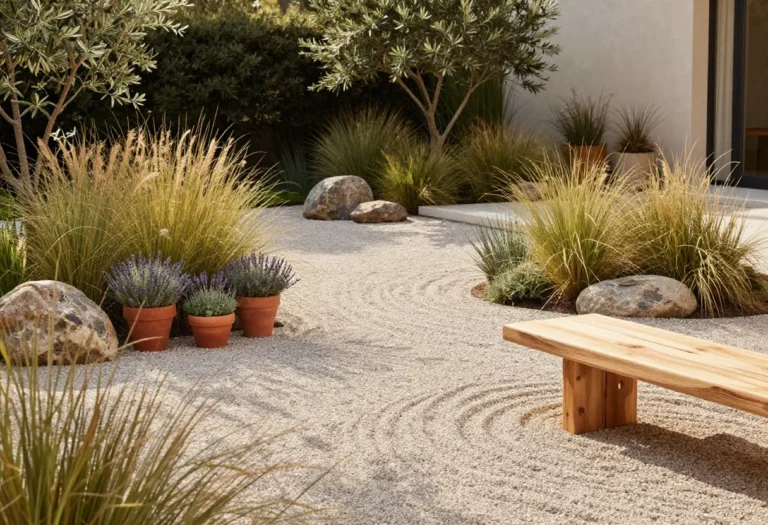
Containers give you the flexibility to change palettes without replanting the entire yard. Opt for medium‑sized terracotta or glazed ceramic pots that complement the hardscape, and fill them with a mix of perennials such as coneflower, salvias, and ornamental grasses. By rotating the plantings each spring and fall, you keep the front yard fresh while staying within a modest budget. Position the pots near the entry path or on either side of the doorway so the colors catch the eye from the street. A practical note: heavy pots can become difficult to move when wet, so consider using a lightweight resin pot with a sturdy base if you anticipate frequent rearranging.
4. Incorporate Soft Lighting Along the Walkway
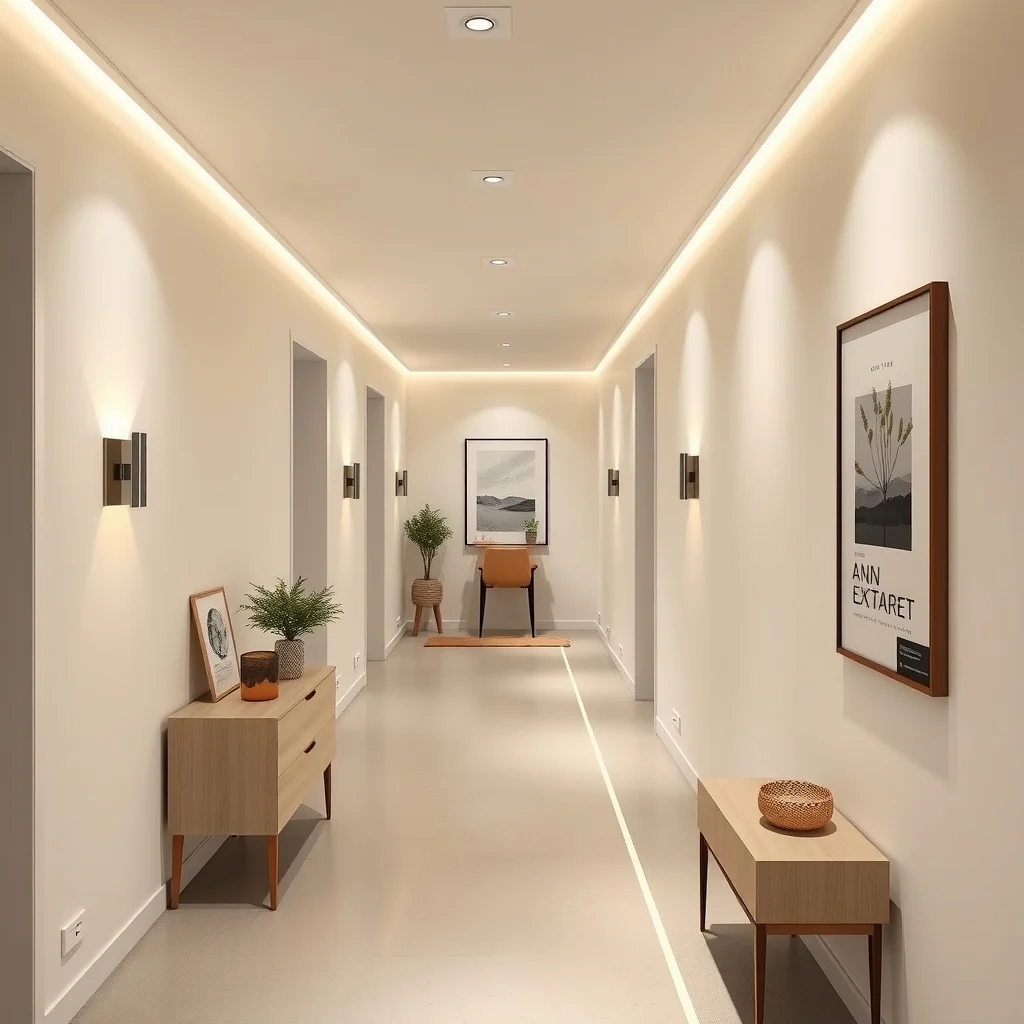
Low‑voltage LED stake lights or solar‑powered bollard fixtures add safety and a gentle glow after dusk. Warm‑white tones mimic the look of traditional lanterns without the need for wiring, and placing a light every few steps ensures the path remains visible without overwhelming brightness. If you prefer a more decorative touch, choose fixtures with brushed brass or matte black finishes that echo the material palette of the hardscape. Solar options eliminate electricity costs, but they rely on sufficient sun exposure, so test a few units before committing to a full line. The main compromise is that solar lights may dim on overcast days, so a hybrid approach with a few wired lights can provide consistency.
5. Install a Simple Water Feature or Fountain
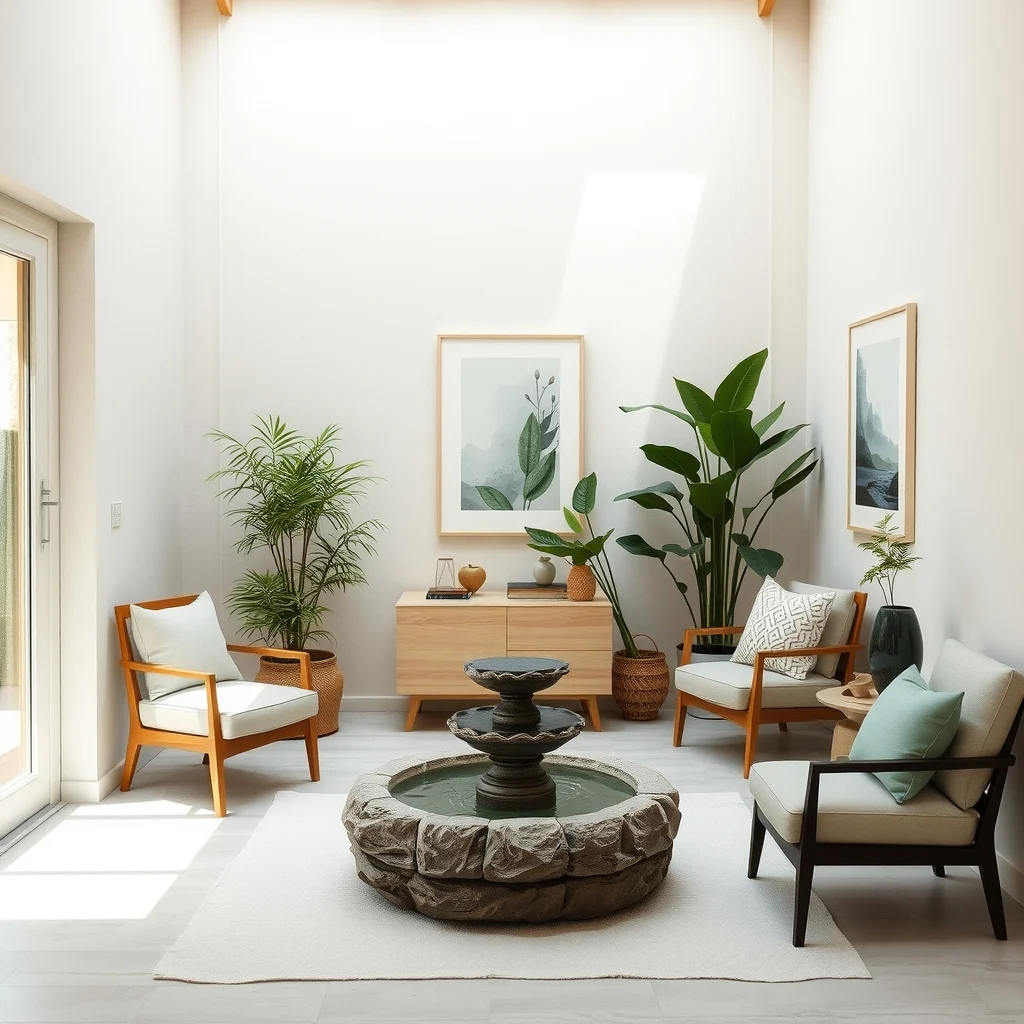
A modest stone fountain introduces the soothing sound of moving water, turning a small front yard into a quiet retreat. Look for a tiered design that fits within a one‑to‑two‑foot footprint, using a recirculating pump that can be hidden beneath a decorative stone base. The gentle trickle masks street noise and adds a focal point that draws attention away from limited square footage. Maintenance involves occasional cleaning of the pump and topping off water, tasks that are manageable for most homeowners. Keep in mind that a water feature requires a reliable power source and may attract insects, so placement away from the door and regular upkeep are advisable.
6. Choose Textured Hardscape Materials
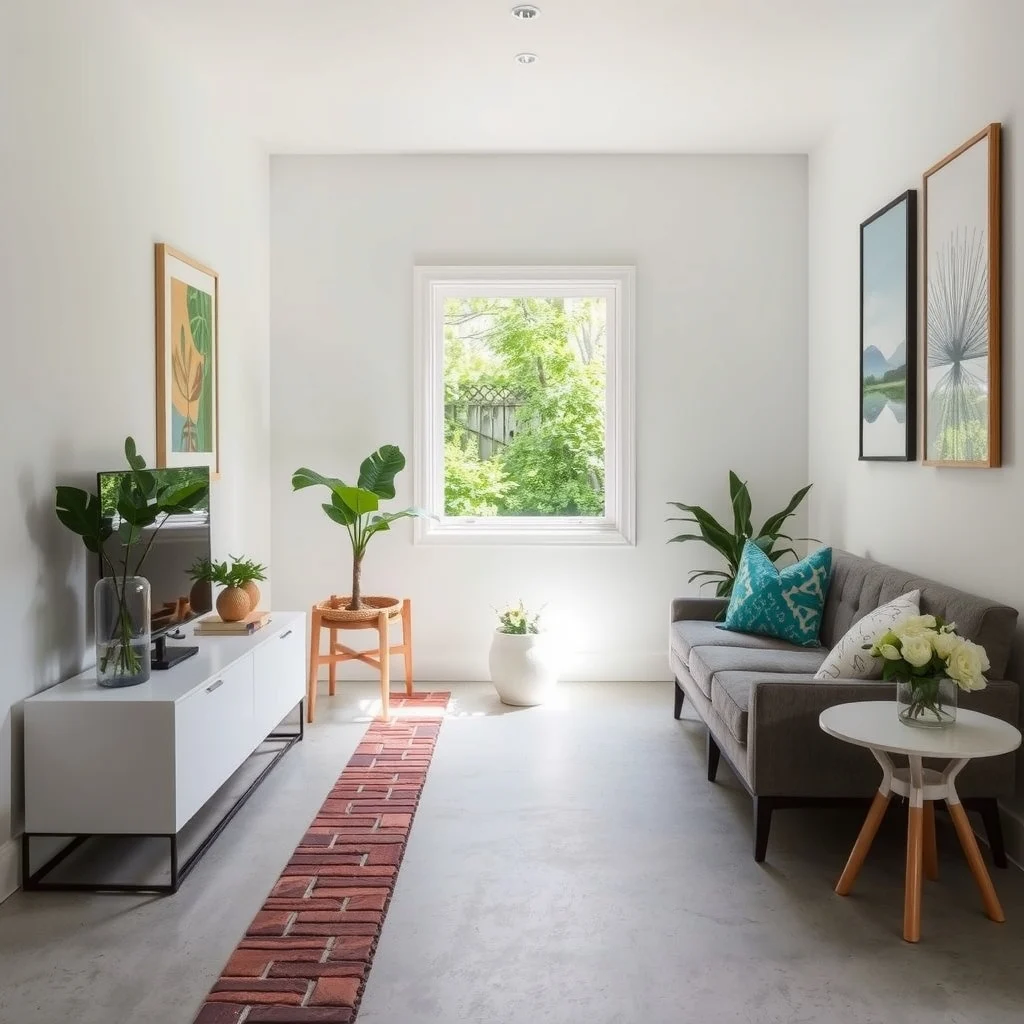
Mixing textures adds depth without consuming space. A narrow strip of reclaimed brick paired with a smooth concrete slab creates a subtle pattern that guides foot traffic while offering visual intrigue. The irregular surface of reclaimed brick softens the rigidity of concrete, and the contrast can be highlighted with a thin line of gravel or pea‑stone between them. These materials are durable and require little maintenance beyond occasional sweeping. The downside is that reclaimed brick can be more expensive than standard pavers, so budgeting for a limited area or sourcing locally can keep costs reasonable.
7. Integrate Functional Seating or a Small Patio
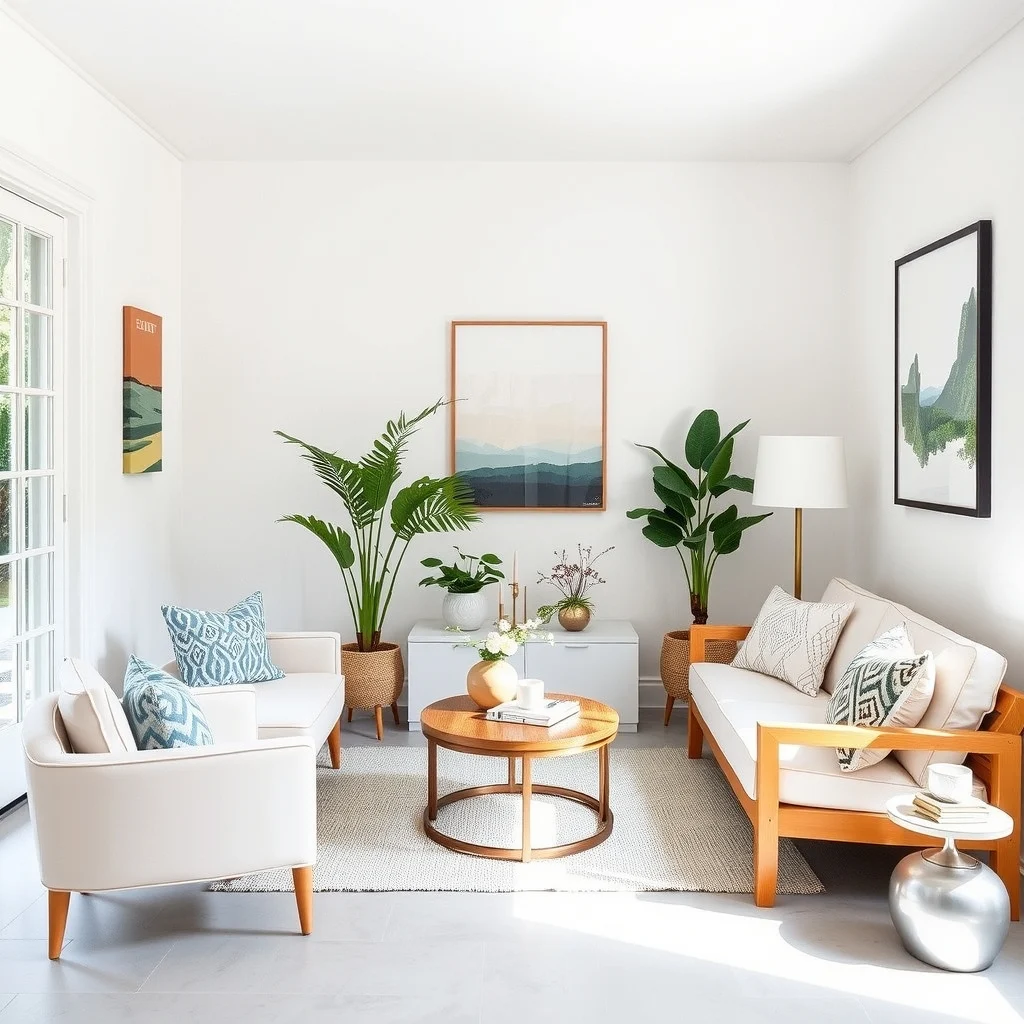
Even a modest bench or a pair of weather‑resistant chairs provides a place to linger, turning the front yard from a pass‑through to a destination. Choose a bench with a simple rectangular profile made from cedar or powder‑coated aluminum; the natural wood grain adds warmth, while the coating protects against rain. Adding a few outdoor cushions in a muted terracotta or soft greige introduces comfort and a hint of color that ties together the surrounding plantings. Position the seating near the edge of the lawn, perhaps under a small pergola or a shade sail, to create a defined nook without encroaching on the path. The trade‑off is that seating occupies square footage, so keep the footprint minimal and ensure it does not obstruct traffic flow.
How do I choose the right plants for a small front yard?
Select plants that stay compact and have a clear growth habit. Dwarf evergreens, compact perennials, and groundcovers that spread slowly give structure without overwhelming the space. Consider the amount of sunlight the area receives—full sun favors lavender and ornamental grasses, while partial shade works well for hostas and ferns. Soil quality and drainage should also guide your choices; amend heavy clay with compost to improve root health.
Can I add lighting without hiring an electrician?
Yes, solar‑powered stake lights and battery‑operated LED fixtures can be installed without wiring. Choose units with a built‑in rechargeable battery and position them where they receive direct sunlight for several hours each day. For a more permanent look, low‑voltage plug‑in lights can be run from an outdoor‑rated outlet, but always follow the manufacturer’s safety instructions and use weather‑proof connections.
What is the most budget‑friendly way to add curb appeal?
Start with inexpensive hardscape updates such as a fresh layer of mulch, a cleanly edged pathway, and a few well‑placed containers. Low‑cost plants like lavender, ornamental grasses, and dwarf boxwood provide structure and color without a large price tag. Adding simple solar lights and a modest bench made from reclaimed wood can further elevate the look without breaking the bank.
How often should I maintain a front‑yard garden?
Routine maintenance can be kept to a weekly schedule during the growing season. Tasks include deadheading spent blooms, trimming overgrown foliage, and checking irrigation or watering levels. A quick sweep of the pathway and removal of fallen leaves helps preserve a tidy appearance, while a deeper clean of any water feature should be done monthly.
Final Thoughts
Even a narrow front yard offers plenty of opportunities to make a strong first impression. By defining a clear path, adding evergreen structure, playing with containers, and introducing subtle lighting and texture, you create layers that feel intentional and welcoming. Each idea balances visual impact with practical upkeep, allowing you to enjoy a polished streetscape without spending countless hours in the garden. Choose the elements that resonate most with your style and budget, and watch your small entry transform into a thoughtful invitation.