Beginner Vegetable Garden Layout Ideas for a Productive Spring

When the first warm days arrive, many of us look for a way to bring fresh flavors into the kitchen while adding a touch of green to our living space. A well‑thought‑out garden can become an extension of the home, offering visual interest, easy access to herbs, and a sense of accomplishment. The following ideas show how to arrange vegetables and herbs in a way that feels both functional and harmonious with everyday décor, even if you’re starting from scratch.
1. Raised‑bed rectangle along the kitchen wall
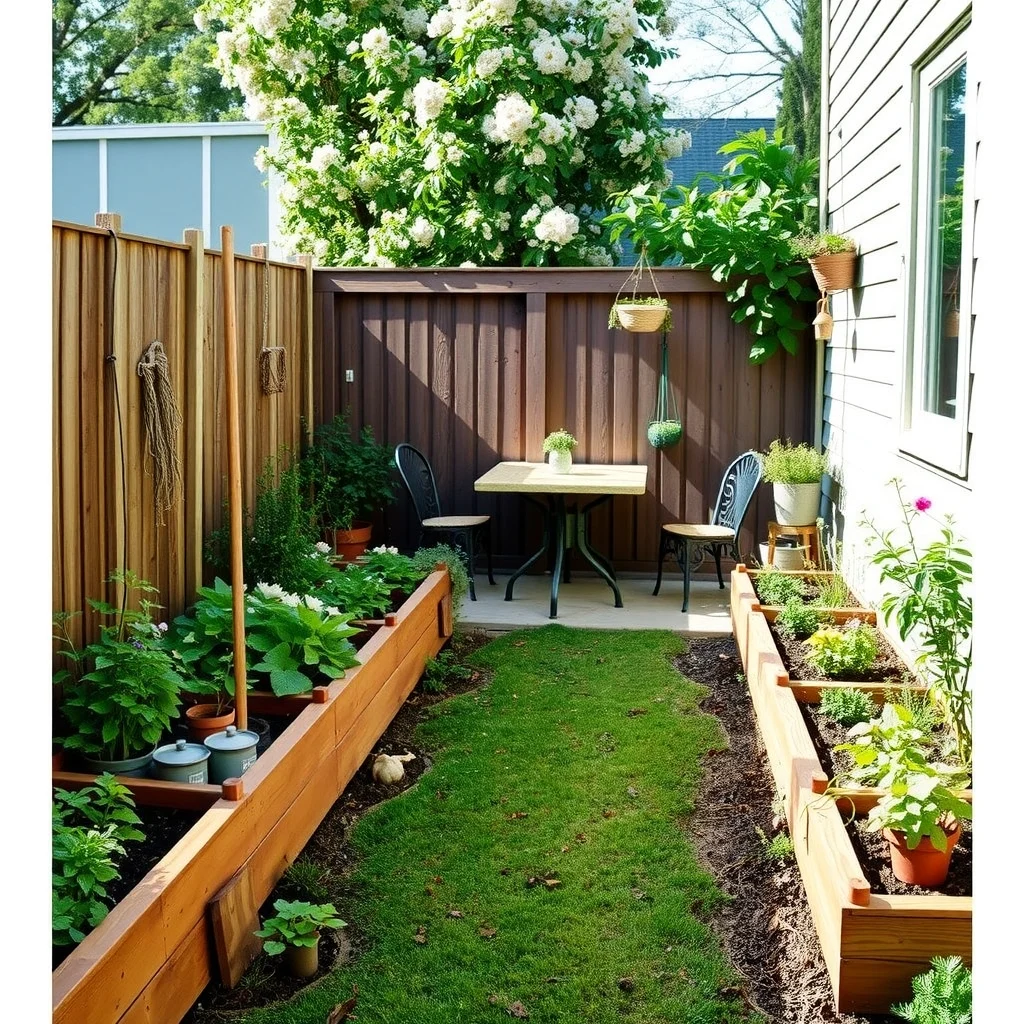
Positioning a shallow raised bed directly against the back wall of the kitchen creates a seamless transition between cooking and harvesting. The bed can be built from untreated cedar or reclaimed pine, materials that age gracefully and resist rot. A height of about twelve inches keeps the soil warm in early spring and reduces the need to bend, which is a subtle ergonomic benefit. By aligning the bed with the wall, you can run a low‑profile drip‑irrigation line that stays hidden behind a row of potted herbs, preserving the clean look of the space. The visual continuity of the wooden frame mirrors the kitchen’s cabinetry, so the garden feels like an intentional design element rather than an afterthought.
2. Tiered corner garden near the patio
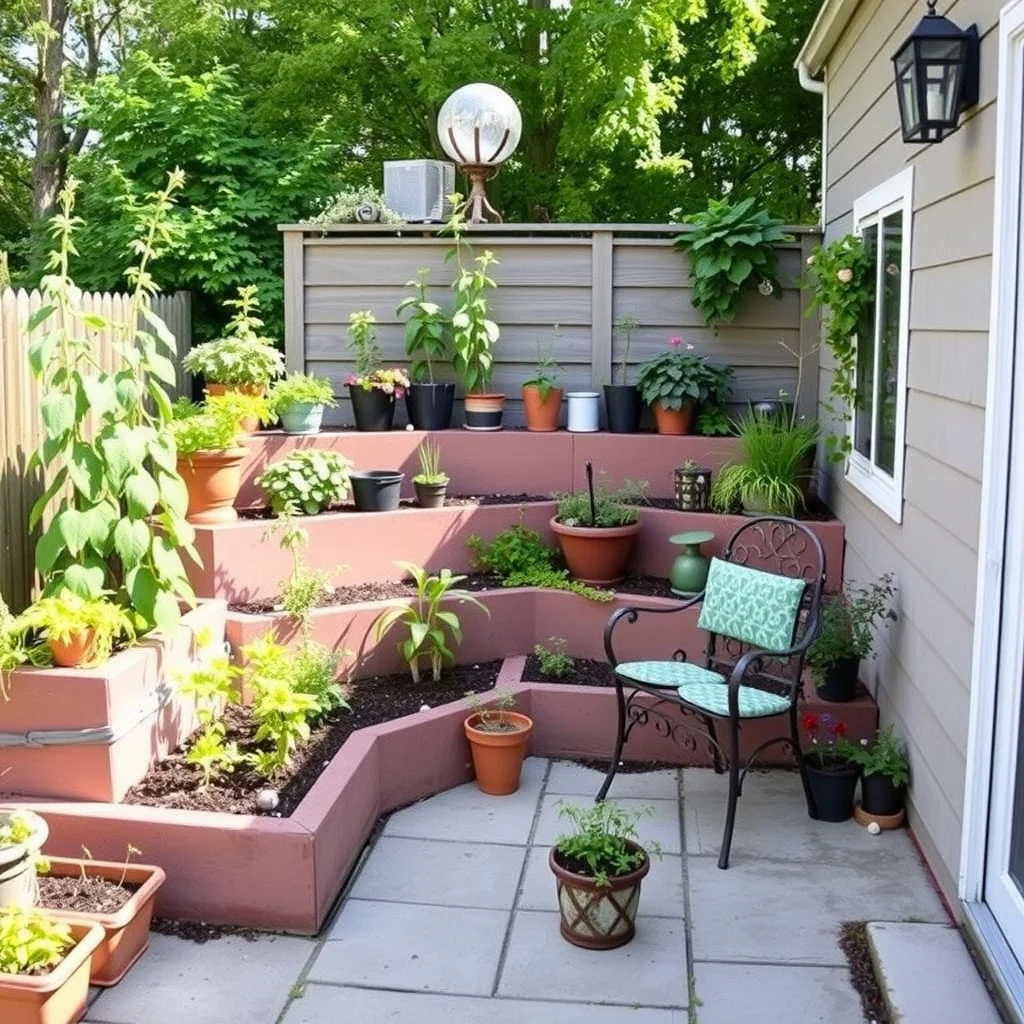
A corner that receives morning sun but is otherwise underused can be transformed with a three‑tiered garden. Each tier steps back a foot, allowing taller plants such as tomatoes to occupy the rear while low‑growing lettuce enjoys the front. Construct the tiers from powder‑coated steel for durability, then finish with a light gray powder that complements most patio flooring. The stepped arrangement creates a gentle slope that encourages water to flow toward a discreet drainage channel, reducing the chance of soggy soil. The visual rhythm of the layers adds depth to the patio, and the varying heights make it easy to reach every plant without crowding the limited space.
3. Vertical herb wall beside a sunny window
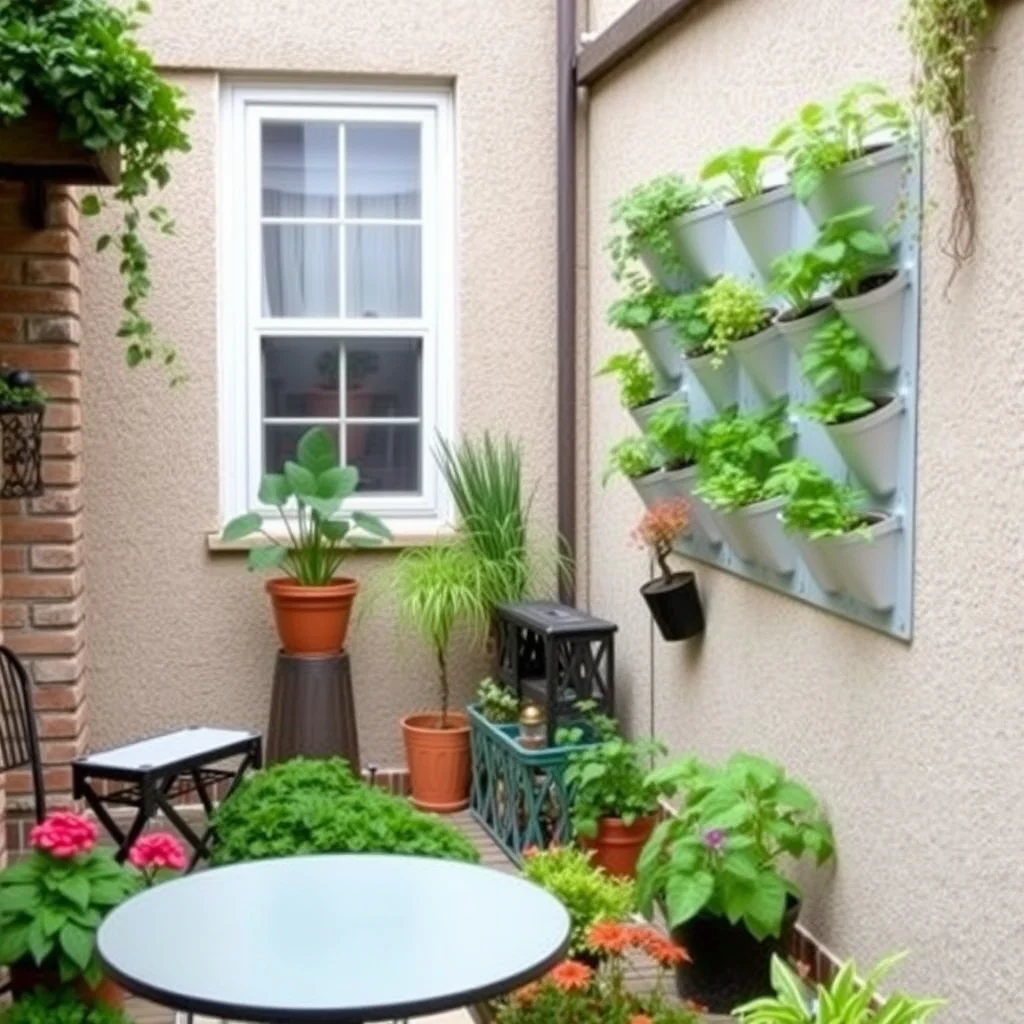
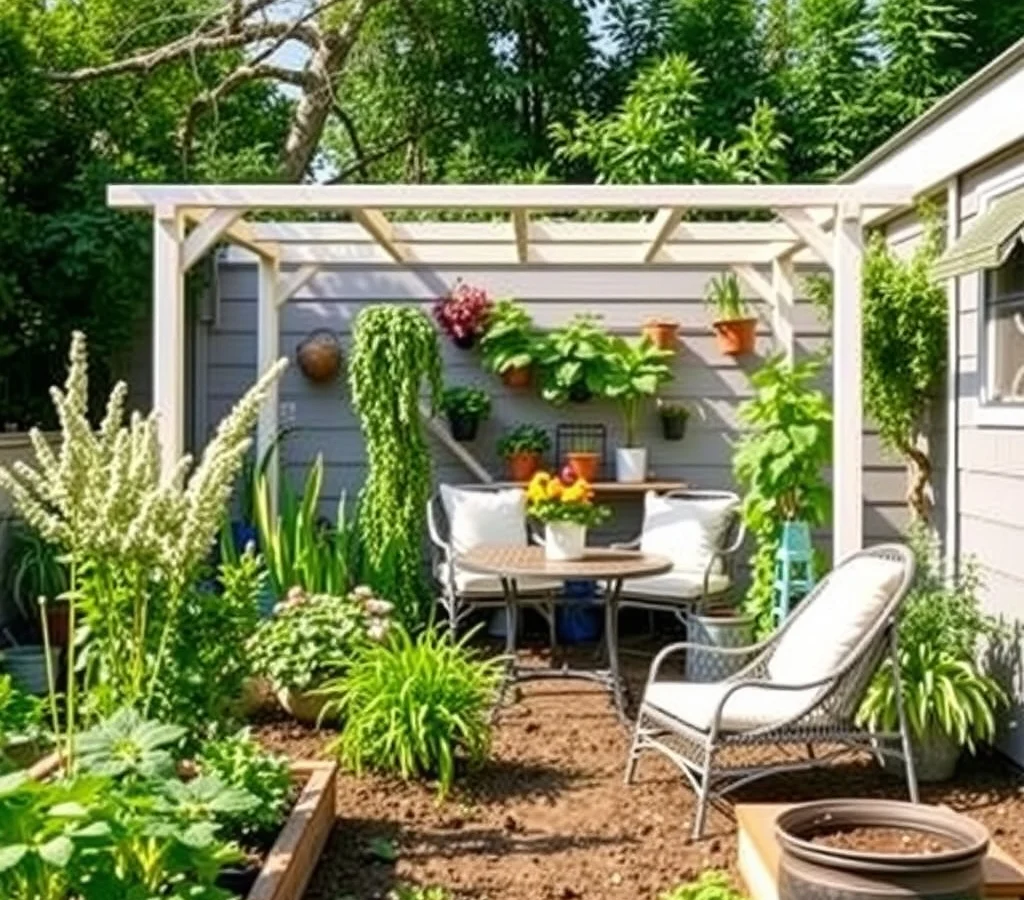
When floor space is at a premium, a vertical garden mounted on a wall near a south‑facing window can supply a year‑round herb supply. Use a modular pocket system made of UV‑stable polypropylene; the pockets can be arranged in a staggered pattern that mimics the irregularity of a natural wall. The clear pockets allow you to see soil levels, making watering straightforward. Pair the herb wall with a narrow, adjustable LED grow light that blends into the window frame, ensuring consistent light during overcast days. The arrangement adds a splash of green that echoes the window’s view while keeping the herbs within arm’s reach for quick seasoning.
4. Mixed‑row border with alternating mulch colors
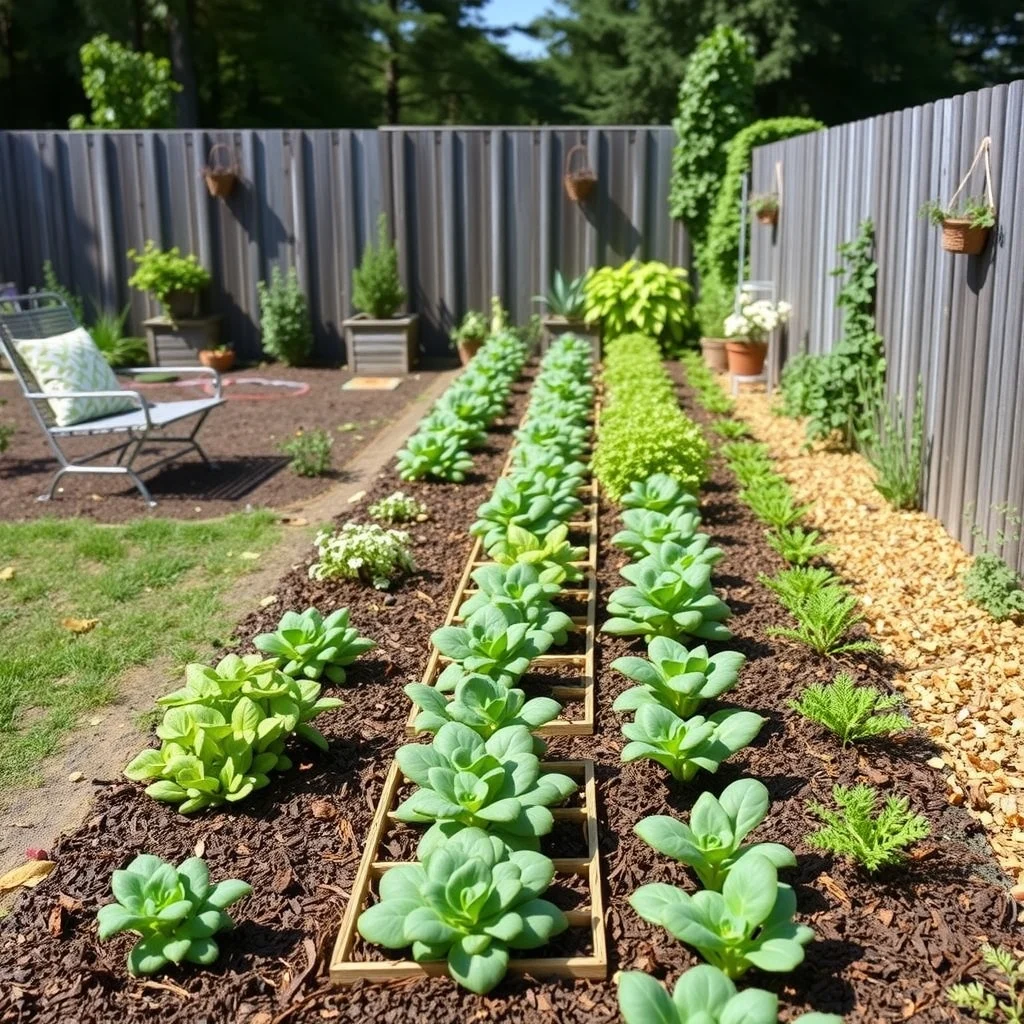
Creating a simple border that runs along a sunny fence can become a visual anchor for the garden. Plant rows of quick‑growing greens such as arugula and radish beside slower‑maturing beans, arranging them so that taller varieties provide a light shade for the more delicate crops. Alternate between dark walnut bark mulch and light river stone every two feet; the contrast defines each planting zone without the need for physical dividers. The darker mulch retains moisture, benefiting the beans, while the lighter stone reflects heat, helping the greens stay cool. This pattern adds texture to the garden and makes it easy to locate specific plants at a glance.
5. Portable container cluster on the balcony rail
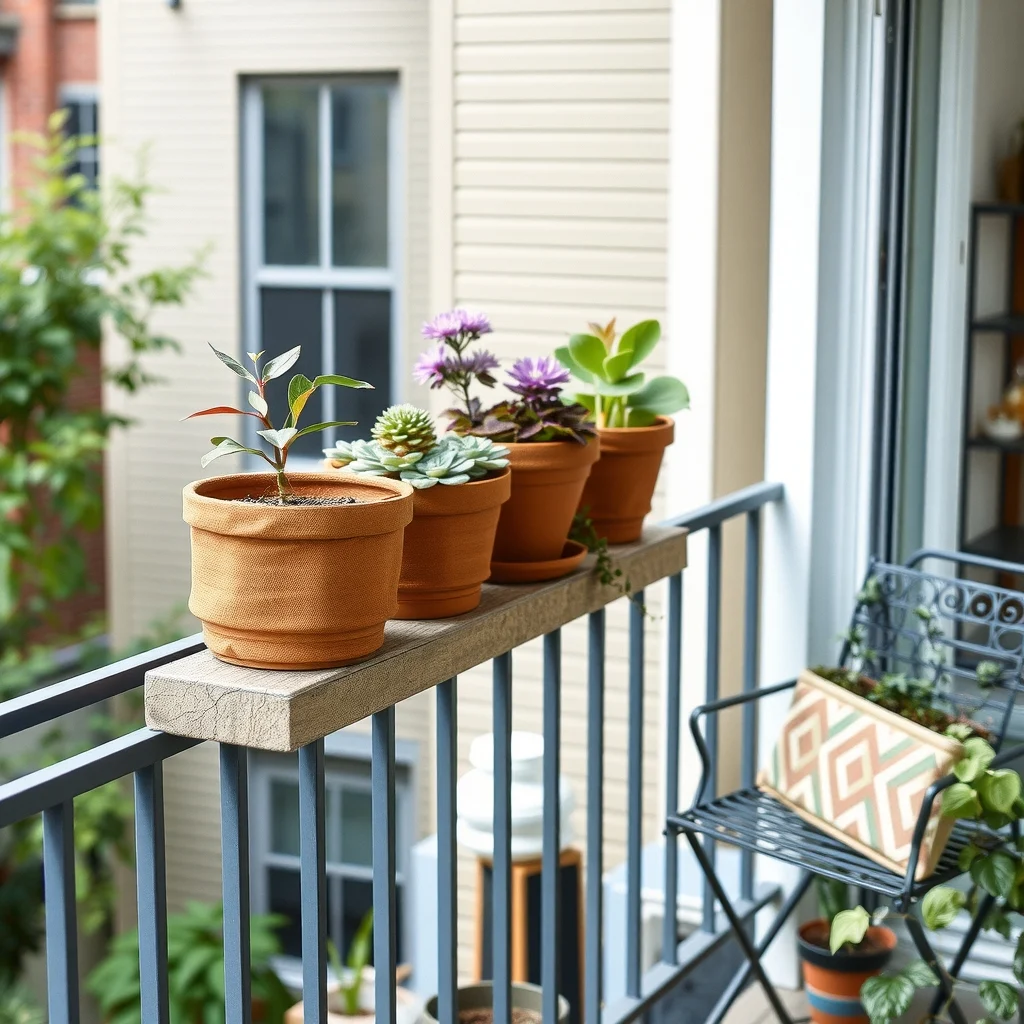
Balconies often have limited floor area but generous rail space that can support a series of sturdy containers. Choose three medium‑size fabric pots with a breathable weave, each painted a muted terracotta that coordinates with typical balcony rail colors. Arrange the pots in a loose triangle, allowing each plant—perhaps a dwarf pepper, a basil bush, and a compact zucchini—to receive unobstructed sunlight. The fabric pots promote healthy root development and can be moved easily if wind or weather conditions change. Adding a narrow, weather‑proof tray beneath the cluster catches excess water, keeping the balcony floor dry and safe.
6. Low‑profile edging path for easy access
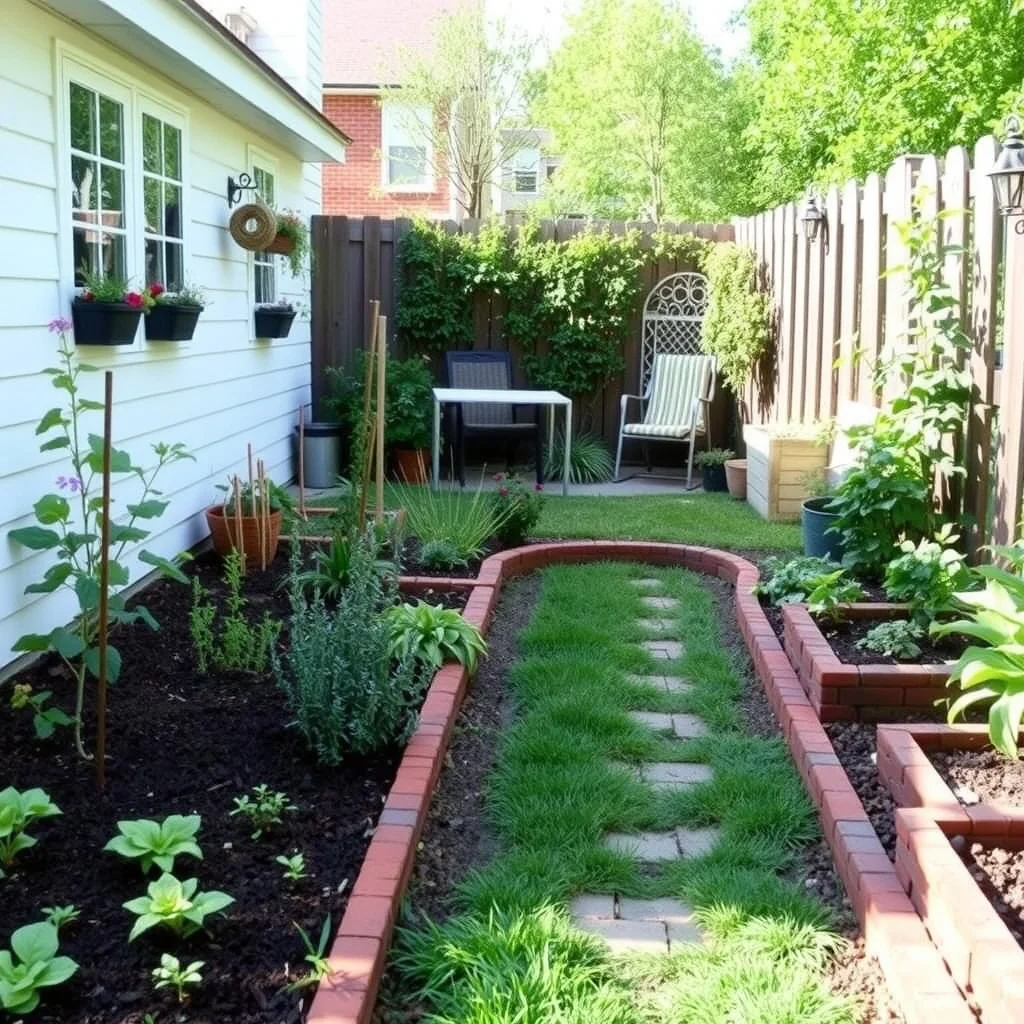
A narrow path made of reclaimed brick or smooth concrete pavers can be laid between planting zones to provide a stable walking surface. Keep the path no wider than eighteen inches so it does not dominate the garden, but wide enough for a garden cart or a sturdy pair of shoes. The low profile ensures the path does not cast shadows over nearby crops, while the natural color of the pavers blends with the surrounding soil. Installing a simple edging strip of stainless steel or brushed aluminum helps keep the soil contained and gives the garden a tidy, intentional appearance.
7. Decorative compost bin that doubles as a bench
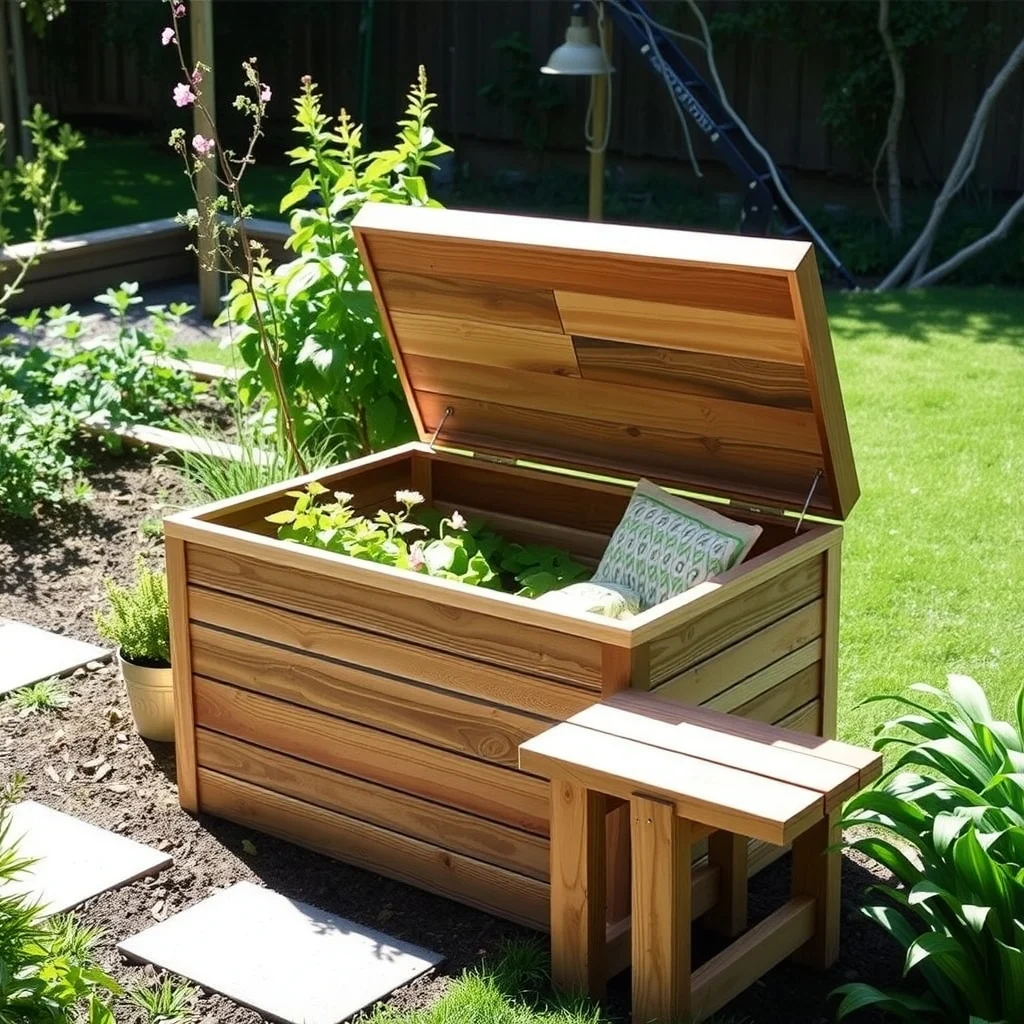
Integrating composting into the garden does not have to look industrial. A wooden compost bin constructed from reclaimed barn wood can be capped with a removable lid that serves as a seat. The bench height—about sixteen inches—allows you to sit while you tend to seedlings, and the lid’s slatted design promotes airflow, speeding up the decomposition process. The warm interior of the bin creates an ideal environment for breaking down kitchen scraps, which later become rich soil for the vegetable beds. By choosing a finish that matches other garden furniture, the compost station feels like a cohesive part of the overall design.
FAQ
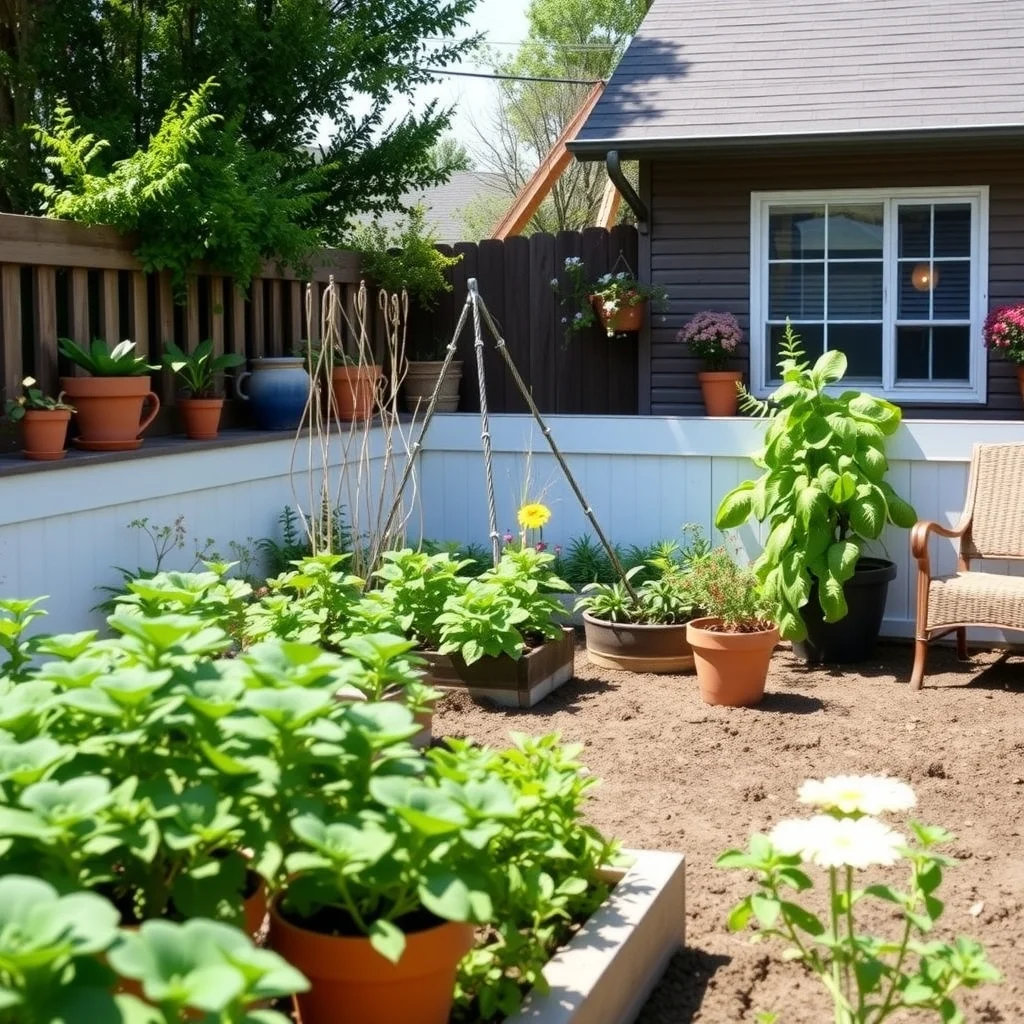
How much sunlight does a beginner vegetable garden need?
Most vegetables require at least six hours of direct sunlight each day. Position beds, containers, or vertical systems where they receive morning light, and consider supplemental LED lighting for cloudy periods.
Can I use decorative mulch without harming the plants?
Decorative mulch, such as colored bark or stone, is safe as long as it is applied a few inches away from plant stems. It helps retain moisture and suppress weeds while adding visual interest.
What is the best way to water a raised‑bed garden?
Drip irrigation lines run along the base of the bed provide consistent moisture and reduce evaporation. A timer can automate watering, ensuring the soil stays evenly moist without daily attention.
Do I need a separate compost bin if I have a small balcony garden?
A compact compost bin that doubles as a bench works well for limited spaces. It allows you to recycle kitchen scraps and creates a convenient source of nutrient‑rich soil for balcony containers.
How can I keep pests away without using chemicals?
Planting herbs such as rosemary and mint near vegetables creates a natural deterrent, while copper tape around the edges of beds can discourage slugs. Regularly inspecting leaves for signs of damage helps you catch problems early.
Final Thoughts
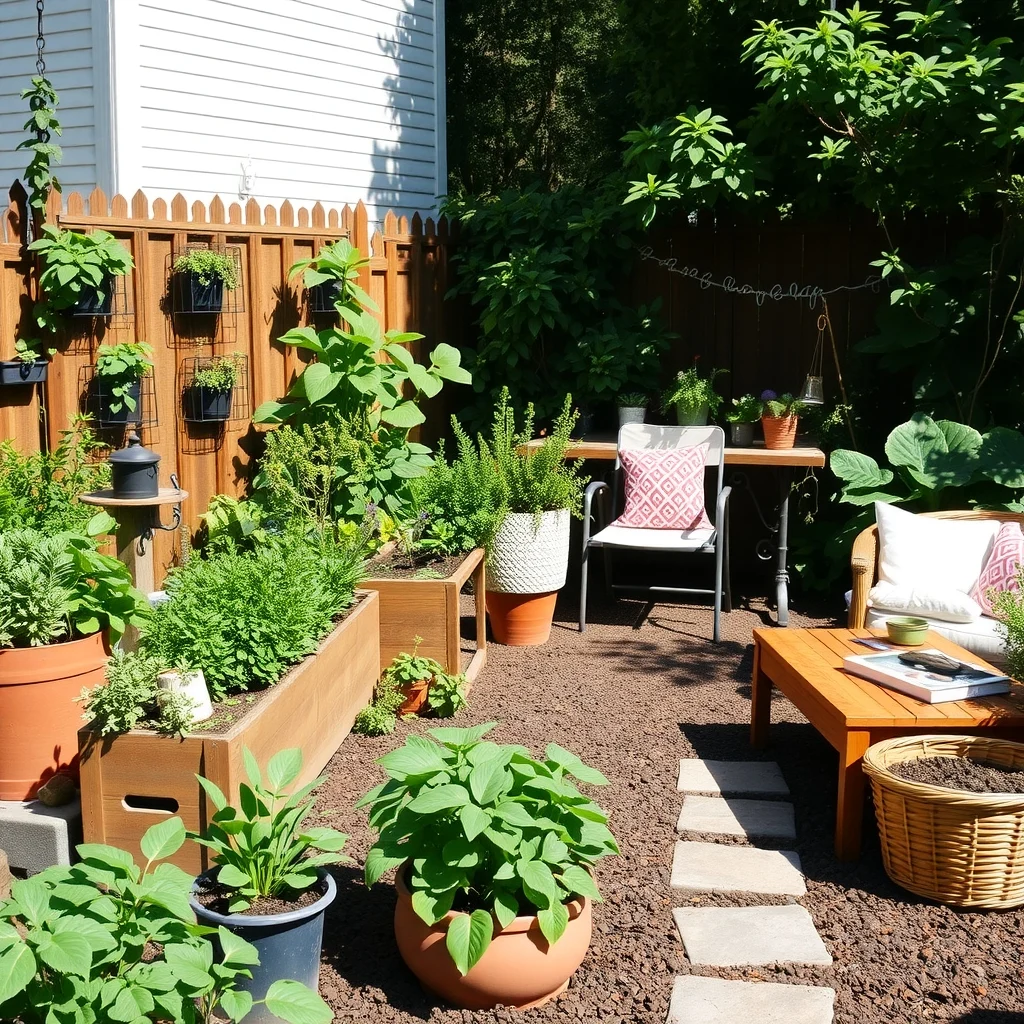
Designing a vegetable garden that feels like an extension of your home does not require extensive landscaping experience. By arranging raised beds, tiered corners, vertical walls, and thoughtful pathways, you can create a space that feeds both the palate and the eye. Each of the ideas above balances practicality with aesthetic considerations, allowing you to enjoy fresh produce while maintaining a cohesive look throughout your living environment. As the season progresses, let the garden evolve—swap out crops, adjust lighting, and refine pathways—to keep the space productive and inviting year after year.