Garden Trellis Ideas for Climbing Plants and Beautiful Vertical Displays

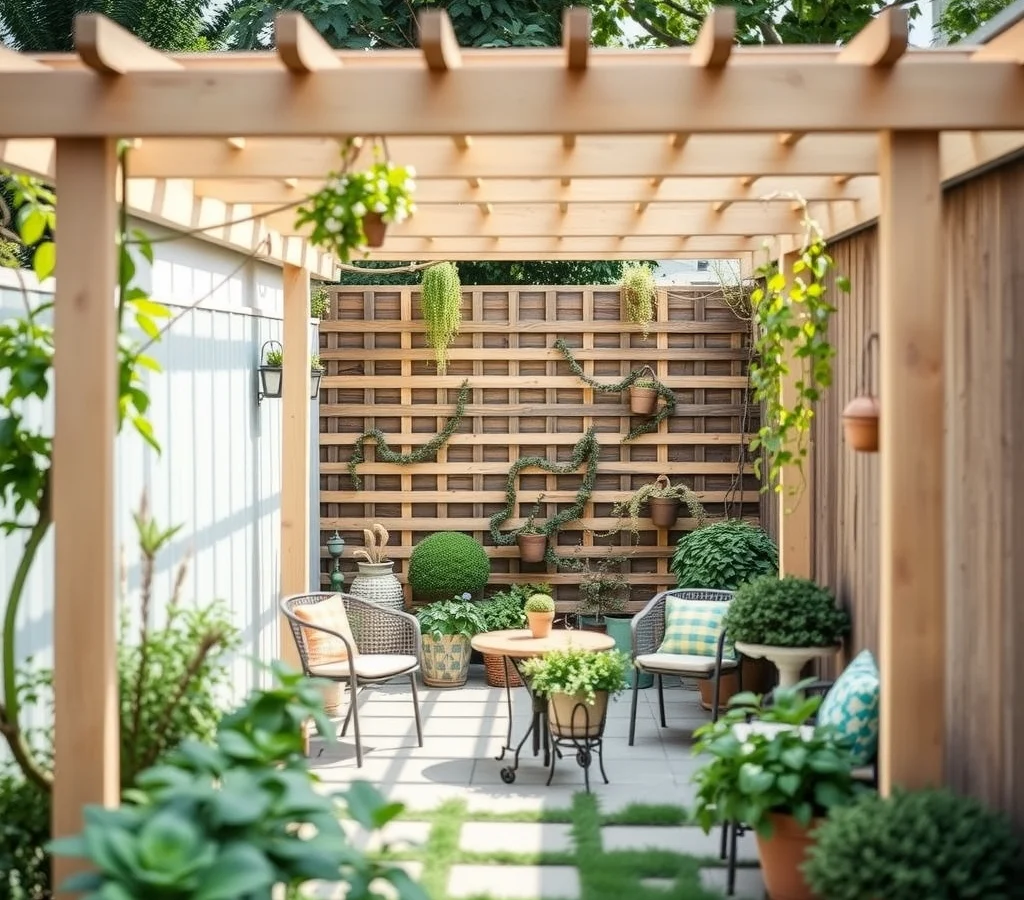
When a garden wall feels empty, a trellis can turn that blank canvas into a living artwork. The right structure not only guides vines, roses, or beans upward, it adds texture, shade, and a sense of depth that changes with the seasons. Below are seven thoughtfully designed trellis concepts that blend function with style, each paired with practical tips for installation, upkeep, and integration into the surrounding décor.
1. Rustic Wooden Lattice with Weathered Finish
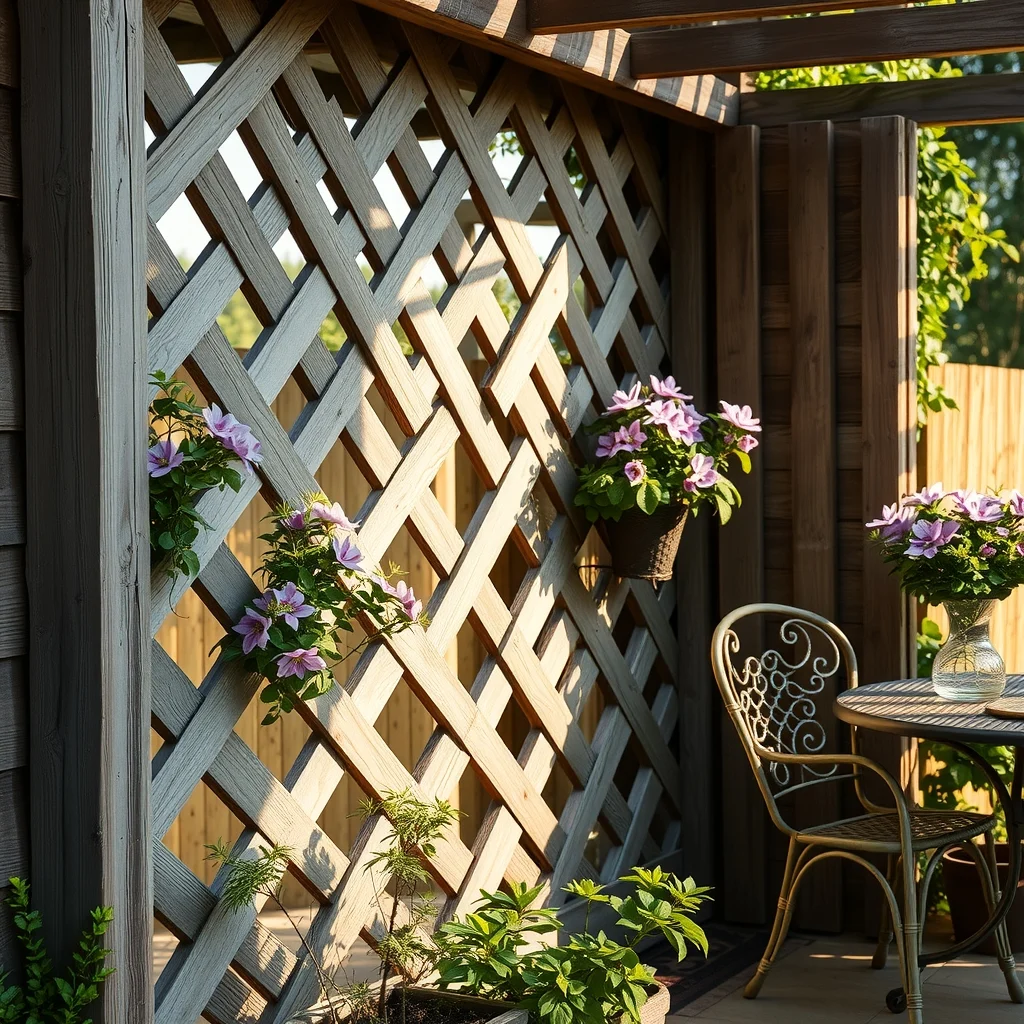
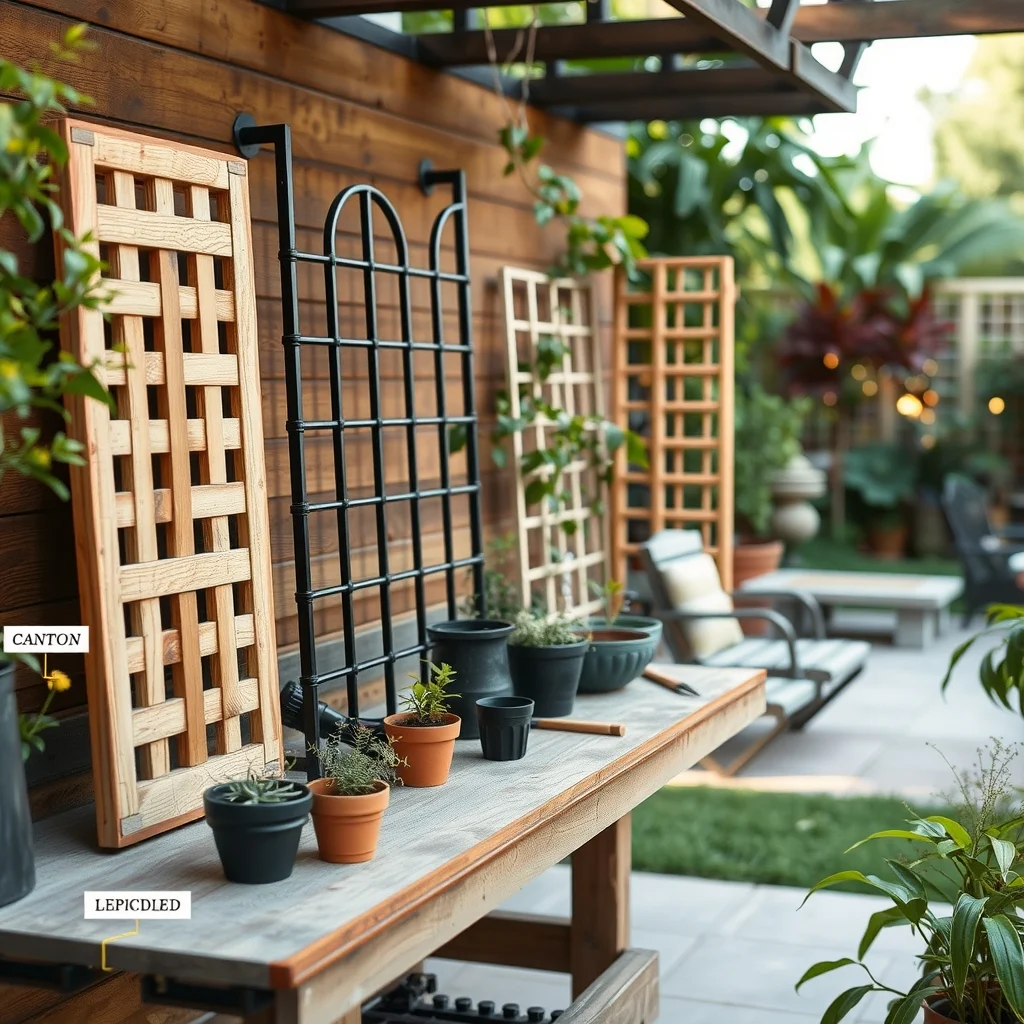
A classic wooden lattice, built from reclaimed pine or cedar, brings a touch of countryside charm to a patio wall or garden fence. The open diamond pattern offers ample space for clematis, honeysuckle, or morning glory to drape, while the natural grain softens hard edges. Choosing a weathered finish—either a low‑sheen oil or a matte chalk paint—helps the wood blend with surrounding stone or brick, and it resists moisture without forming a glossy barrier.
Installation is straightforward: attach the lattice with stainless‑steel brackets spaced every twelve inches to prevent warping. Because wood expands in humidity, allow a small gap at the top for airflow. Regularly sweep off dead foliage and reapply a thin coat of oil each spring to keep the timber from drying out. This approach works well when you prefer an organic look, though it may require more maintenance than metal alternatives.
2. Minimalist Metal Grid in Black Powder Coat
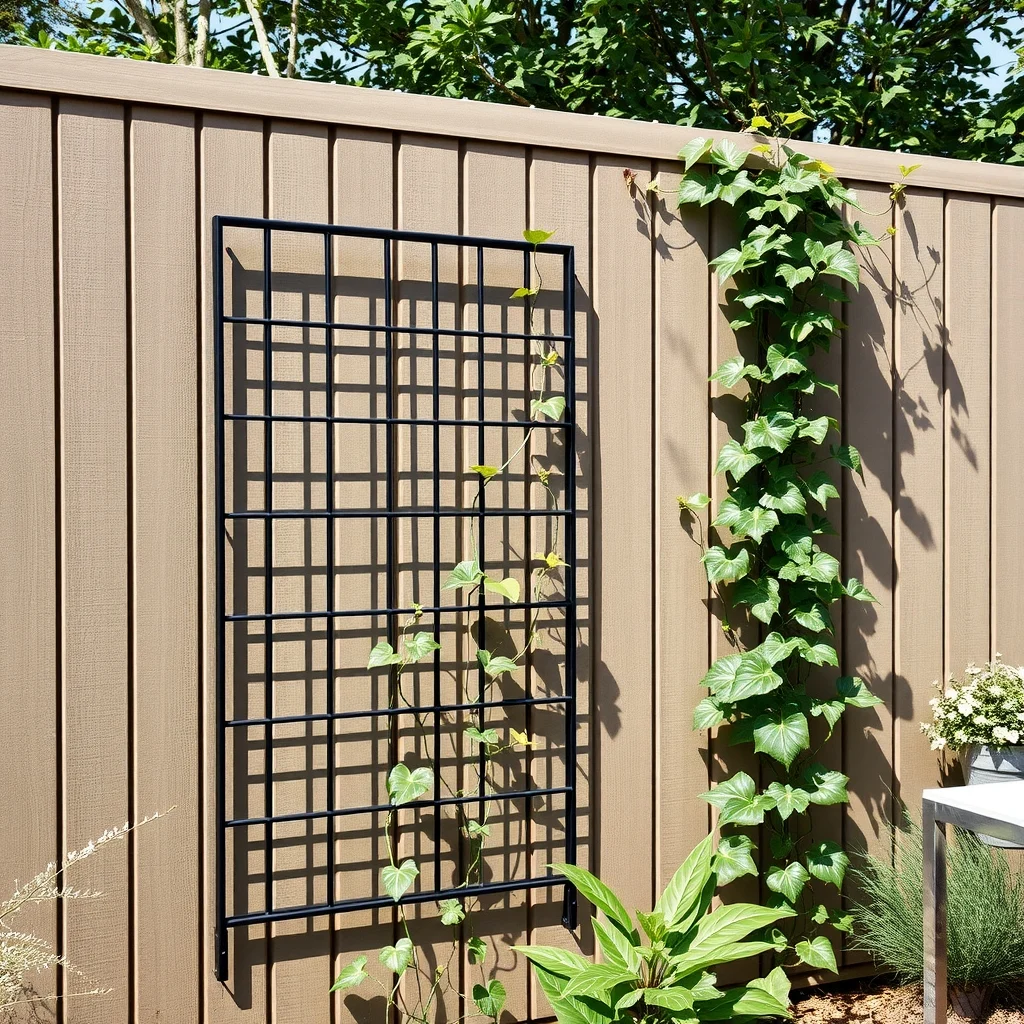
A sleek metal grid, finished in matte black powder coating, creates a contemporary backdrop for climbing ivy or thin‑leafed vines such as jasmine. The thin, intersecting bars produce a subtle shadow pattern that shifts as the plant grows, adding visual interest without overwhelming the space. Powder coating protects the steel from rust, making it suitable for humid climates or coastal gardens.
Mount the grid directly onto a stucco surface using concealed anchors, ensuring the frame sits flush to avoid gaps where vines could escape. Because metal conducts heat, position the trellis where it receives morning sun and afternoon shade to prevent leaf scorch. While the minimalist aesthetic pairs nicely with modern outdoor furniture, the rigidity of the grid can limit the size of larger climbers, so select species with a lighter growth habit.
3. Freestanding Bamboo Arbor with Curved Arch
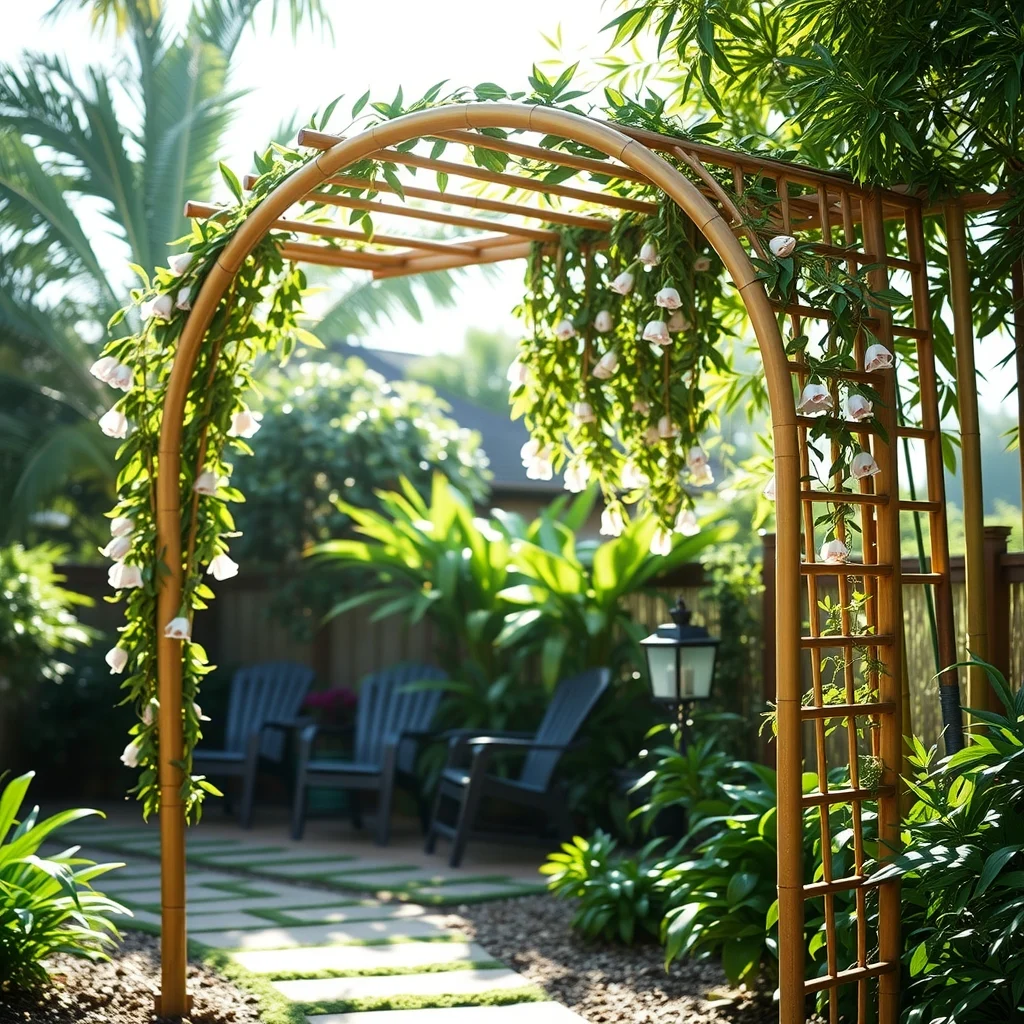
Bamboo arbors introduce a natural, tropical vibe to a garden pathway or seating area. The curved arch invites visitors to walk under a canopy of trailing plants such as sweet peas or black-eyed susans. Bamboo’s segmented poles are lightweight yet sturdy, and the natural hue complements earth tones found in stone pavers or terracotta pots.
To assemble, secure the vertical posts in concrete footings at least six inches deep, then attach the curved top with galvanized brackets. Adding a simple drip irrigation line along the base ensures consistent moisture for thirsty vines. Bamboo can be prone to splintering over time, so treat the surface with a clear sealant if the arbor will bear frequent foot traffic. The structure works best in open spaces; cramped corners may restrict the arch’s visual impact.
4. Reclaimed Window Frame Trellis
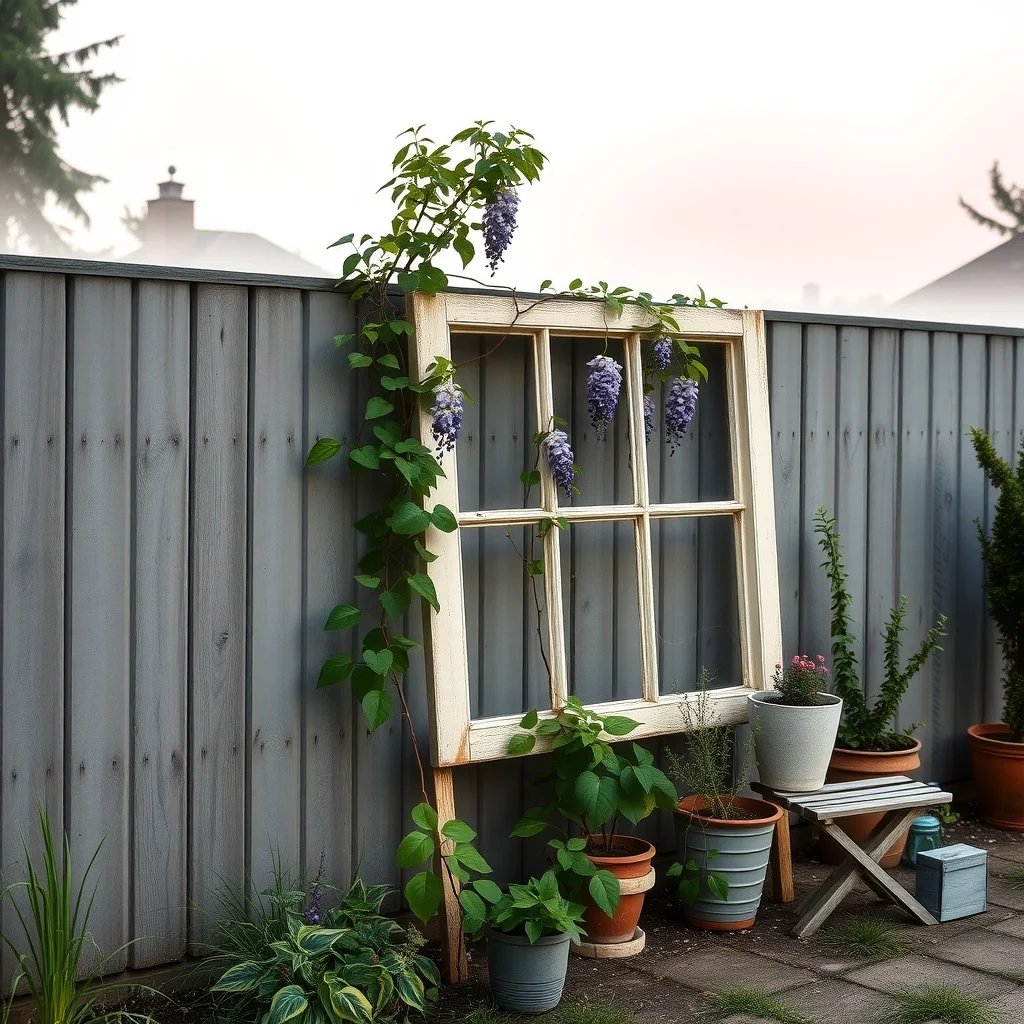
Transforming an old window frame into a trellis adds a sense of history and a built‑in frame for plant displays. The sash’s rectangular shape naturally guides vines like wisteria or climbing roses, while the surrounding glass panes—if retained—catch morning light and create a luminous effect. Using reclaimed wood reduces waste and offers a palette of distressed finishes that can be painted to match existing exterior colors.
Install the frame against a solid wall using lag bolts that pass through the sash and into studs for stability. If the glass is kept, seal the edges with silicone to prevent water ingress. Because the frame’s depth is limited, choose climbers that do not require thick support, and prune regularly to avoid excessive weight on the glass. This option is ideal for small courtyards where a decorative focal point is needed without occupying floor space.
5. Living Wall Panel with Integrated Drainage
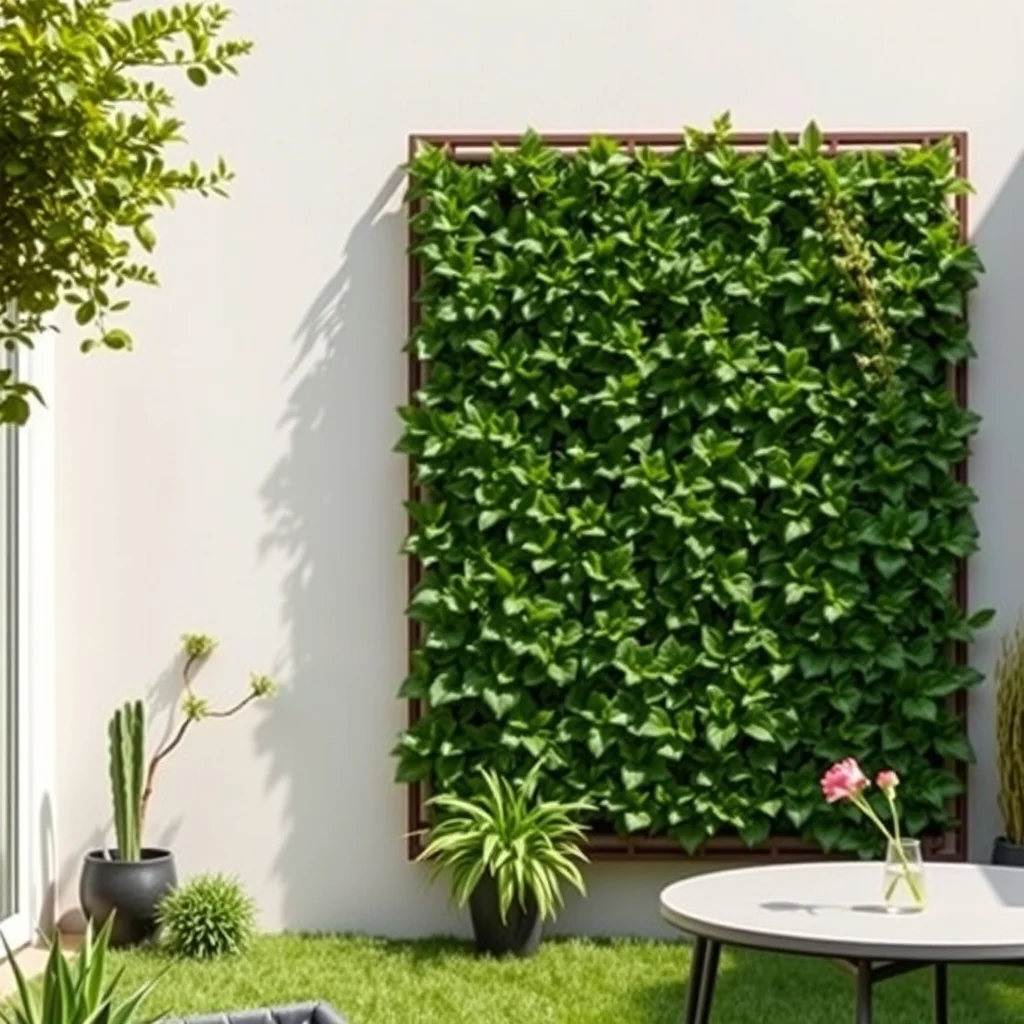
A modular living wall panel combines a trellis with built‑in watering channels, allowing a dense carpet of foliage to cover a vertical surface. Panels made from rust‑proof aluminum and plastic mesh support a variety of plants, from succulent succulents to fern fronds, creating a lush backdrop that also improves microclimate by cooling surrounding air.
Mount the panels on a sturdy frame attached to the house’s exterior, ensuring a slight tilt toward the ground for water runoff. Connect the panels to a drip‑irrigation system that delivers moisture directly to the root zone, reducing evaporation. While the system offers a dramatic effect, it requires periodic inspection of the drainage pathways to prevent clogging, and the initial cost can be higher than a simple wooden trellis.
6. Stone‑Embedded Trellis with Mosaic Accents
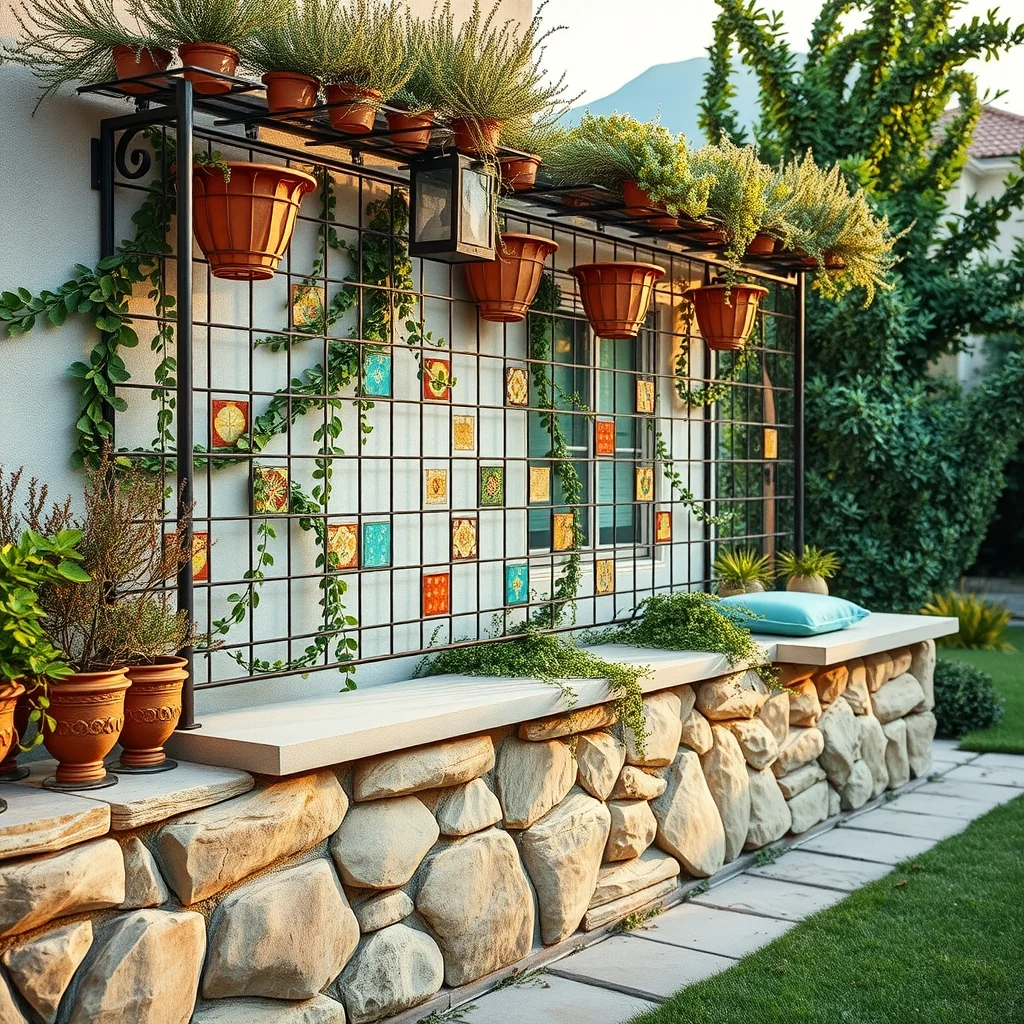
Embedding a metal trellis within a low stone wall creates a hybrid feature that doubles as a seating ledge and a plant support. The stone provides a solid, cool surface for herbs like thyme or oregano to grow, while mosaic tiles—perhaps in muted teal or soft amber—add a subtle splash of color that catches sunlight. The combination of hardscape and greenery anchors the garden’s visual flow.
Construct the wall with a core of concrete blocks, then insert a stainless‑steel trellis at the desired height before applying a veneer of natural stone. Secure the trellis with epoxy to prevent movement. Plantings should be limited to low‑growth varieties to keep the wall’s walking surface clear. This design works well in formal gardens where structure and ornamentation coexist, though the heavier construction demands a stable foundation.
7. Hanging Rope Net for Flexible Vertical Gardens
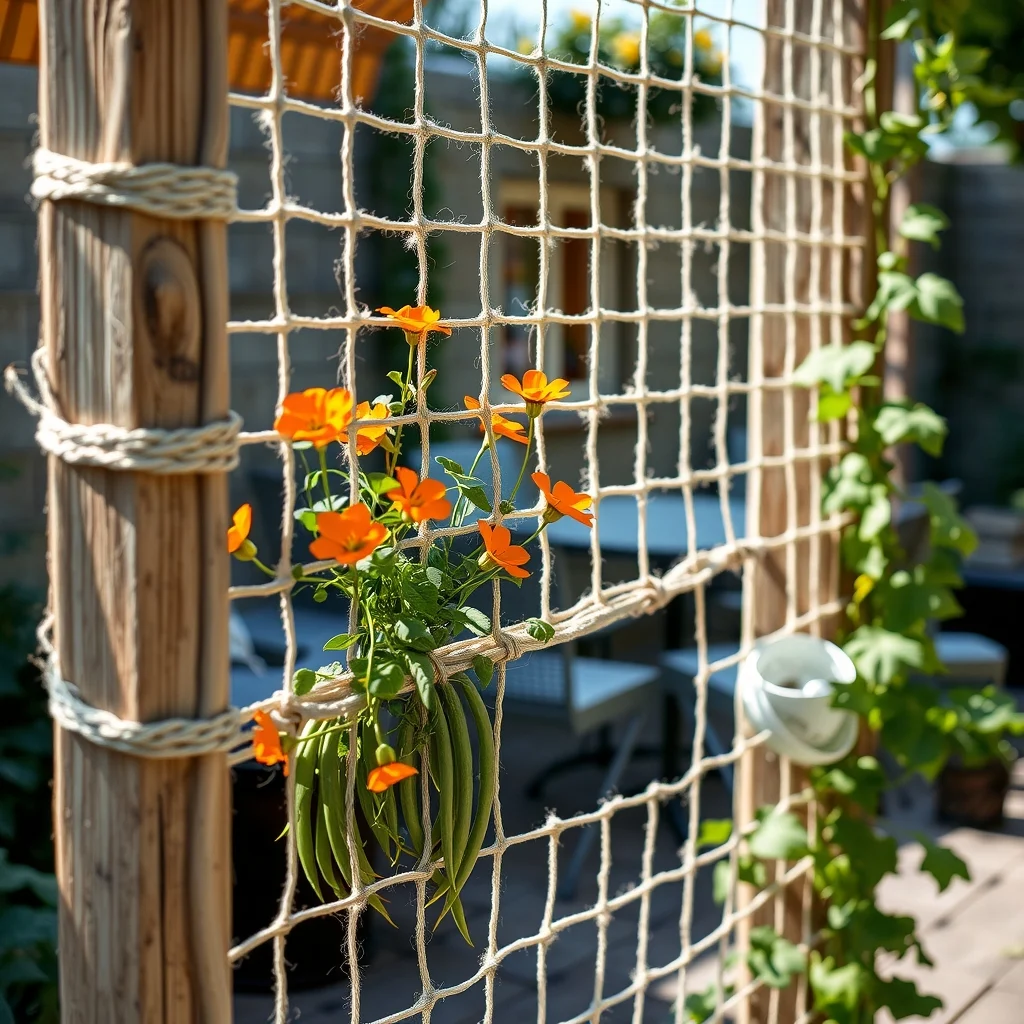
A simple net of natural hemp rope stretched between two posts creates a flexible canvas for a variety of climbers, from delicate nasturtiums to hardy beans. The net’s open weave allows air to circulate, reducing the risk of mildew, while the rope’s earthy texture complements wooden decks or metal pergolas. Because the net can be moved, it offers seasonal adaptability.
Secure the rope at the top and bottom with tensioning clamps, ensuring a taut surface that can support the plant’s weight. When planting, weave seedlings through the gaps and guide new growth with soft ties. The net may sag over time, so check tension quarterly and adjust as needed. This solution is perfect for gardeners who enjoy experimenting with different species, though it provides less structural support for heavy vines.
Frequently Asked Questions
How do I choose the right trellis material for my climate?
Select a material that can withstand local weather patterns; cedar and treated wood resist rot in damp areas, while powder‑coated steel is ideal for salty coastal air. Consider the amount of sun exposure and humidity, and match the material’s durability to those conditions.
Can I install a trellis on a brick wall without drilling?
Yes, you can use heavy‑duty adhesive brackets designed for masonry, which spread the load and avoid penetrating the brick. For larger structures, drilling with masonry anchors provides a more secure attachment, but be sure to seal any holes to keep moisture out.
What vines are best for small balconies?
Compact climbers such as sweet peas, dwarf clematis, and trailing rosemary thrive in limited spaces. They require less vertical growth and can be trained along a narrow trellis without overwhelming the balcony’s railings.
How often should I prune climbing plants on a trellis?
Prune in early spring to remove dead wood and shape the plant, then perform light trimming after each bloom cycle to encourage new growth. Regular pruning keeps the vines from becoming too heavy for the trellis and maintains an attractive appearance.
Is a living wall safe for pets?
Most living walls are safe if you choose non‑toxic plants and secure the panels properly. Avoid species like oleander or nightshade, and ensure the mounting hardware cannot be easily pulled down by curious animals.
Final Thoughts
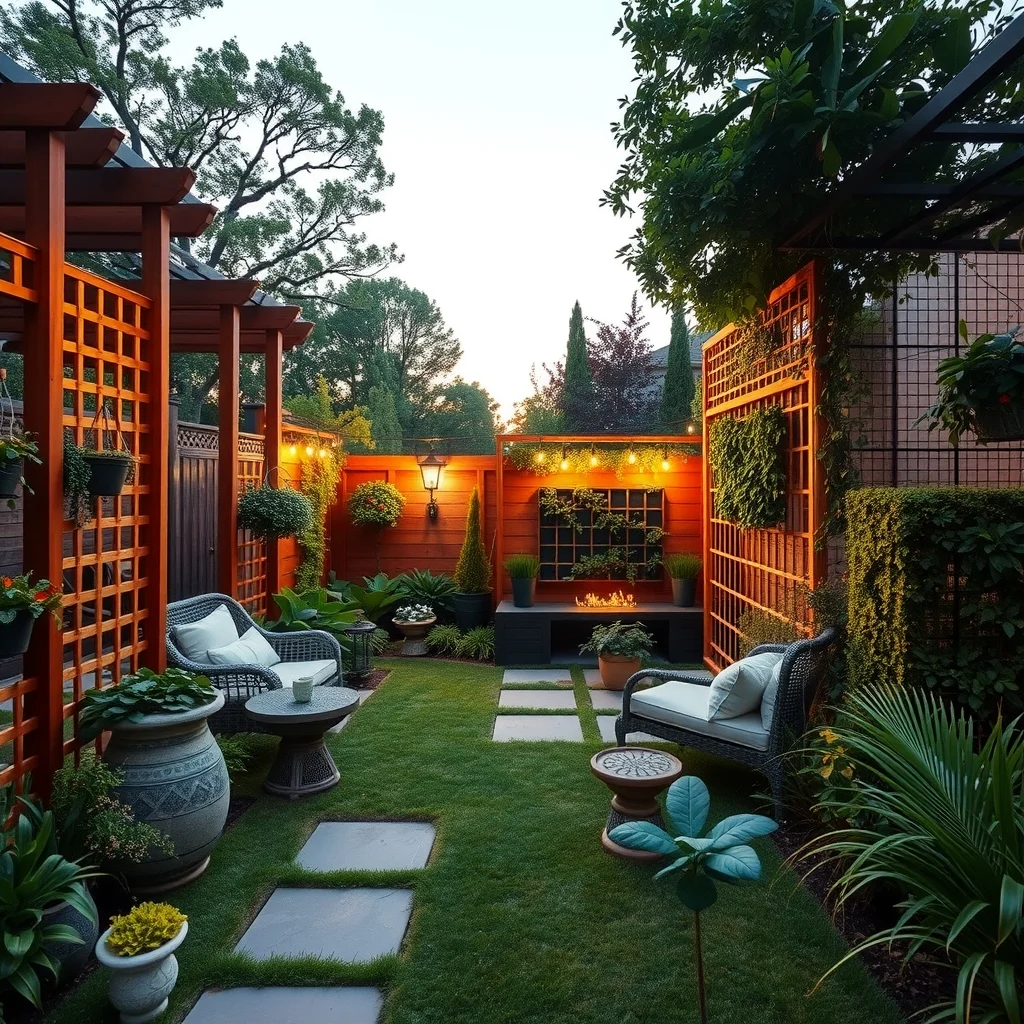
Choosing a trellis is as much about the plants you love as it is about the visual language of your outdoor space. Whether you favor the weathered warmth of reclaimed wood, the crisp geometry of a metal grid, or the sculptural presence of a bamboo arch, each option offers a unique way to turn vertical surfaces into thriving displays. By considering material durability, plant habit, and maintenance needs, you can create a garden feature that feels both purposeful and inviting for years to come.