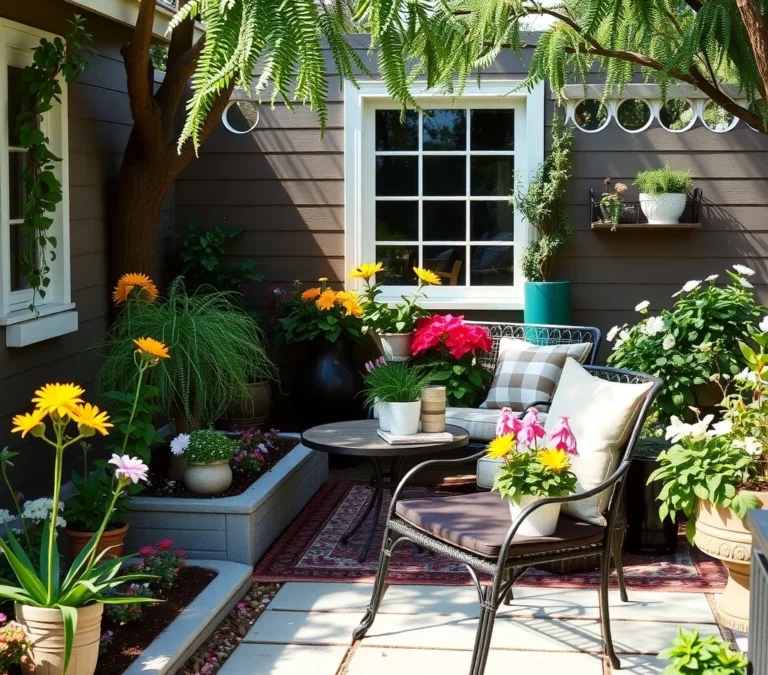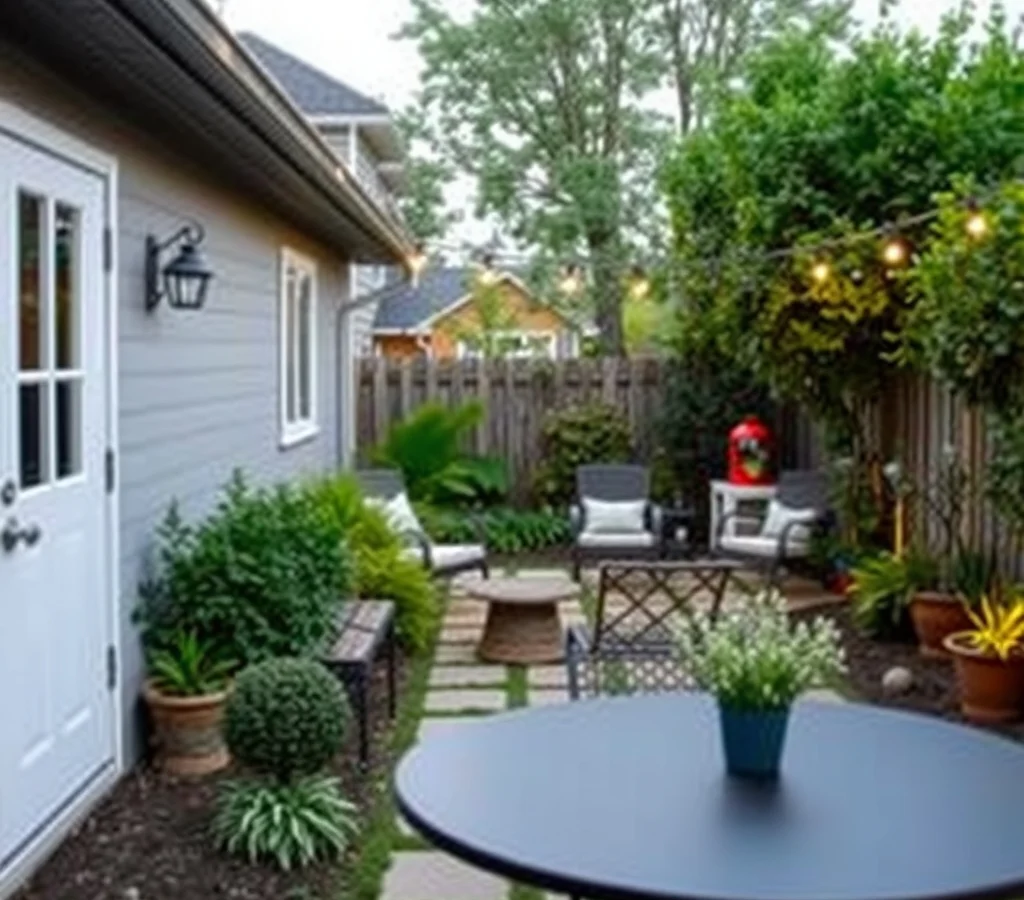
Outdoor Lighting Ideas That Make a Backyard Feel Magical at Night

When twilight settles and the last rays of sun fade, a backyard can either disappear into darkness or become a stage for quiet wonder. The right lighting transforms ordinary patio furniture, garden paths, and surrounding trees into a welcoming retreat that feels both intimate and expansive. Below are seven thoughtfully curated ideas that balance aesthetics, practicality, and a touch of enchantment, giving you a roadmap for a night‑time oasis without the need for a professional designer.
1. Soft Glow from String Lights
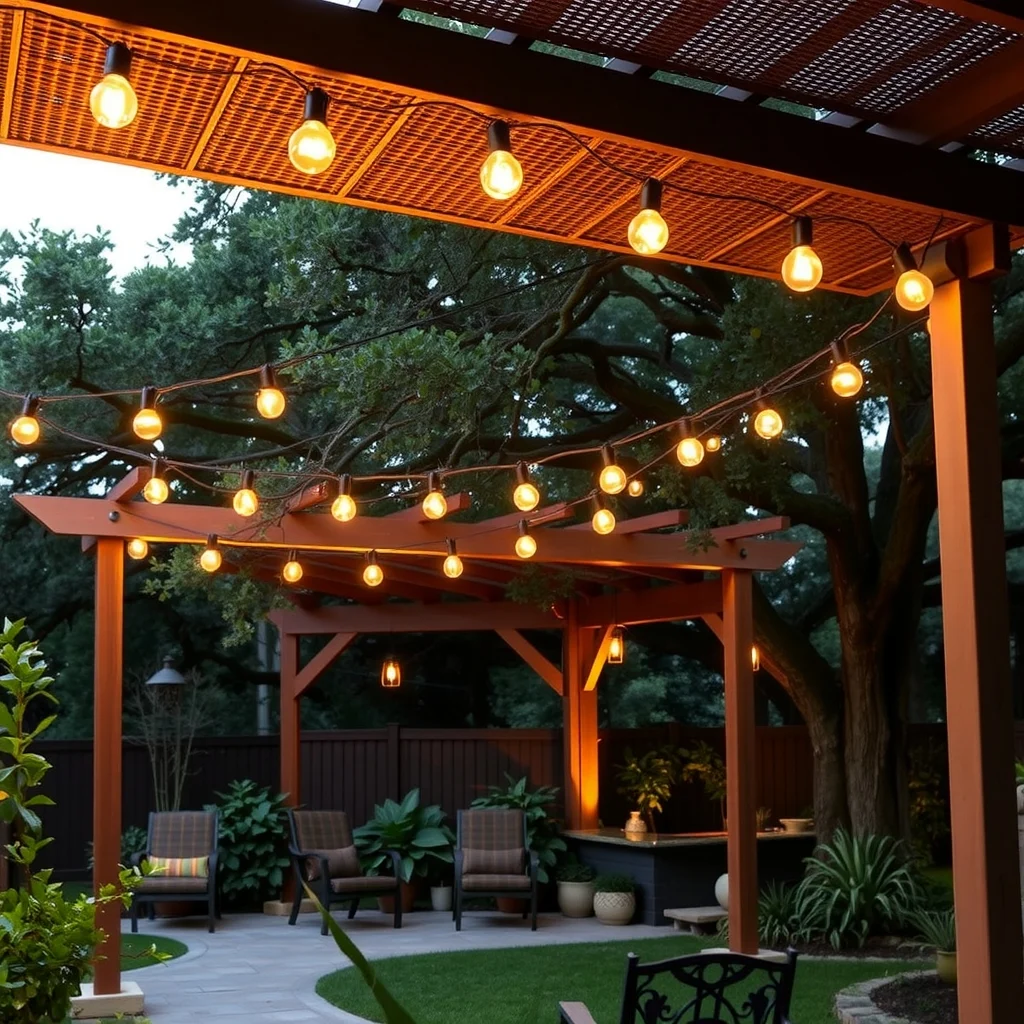
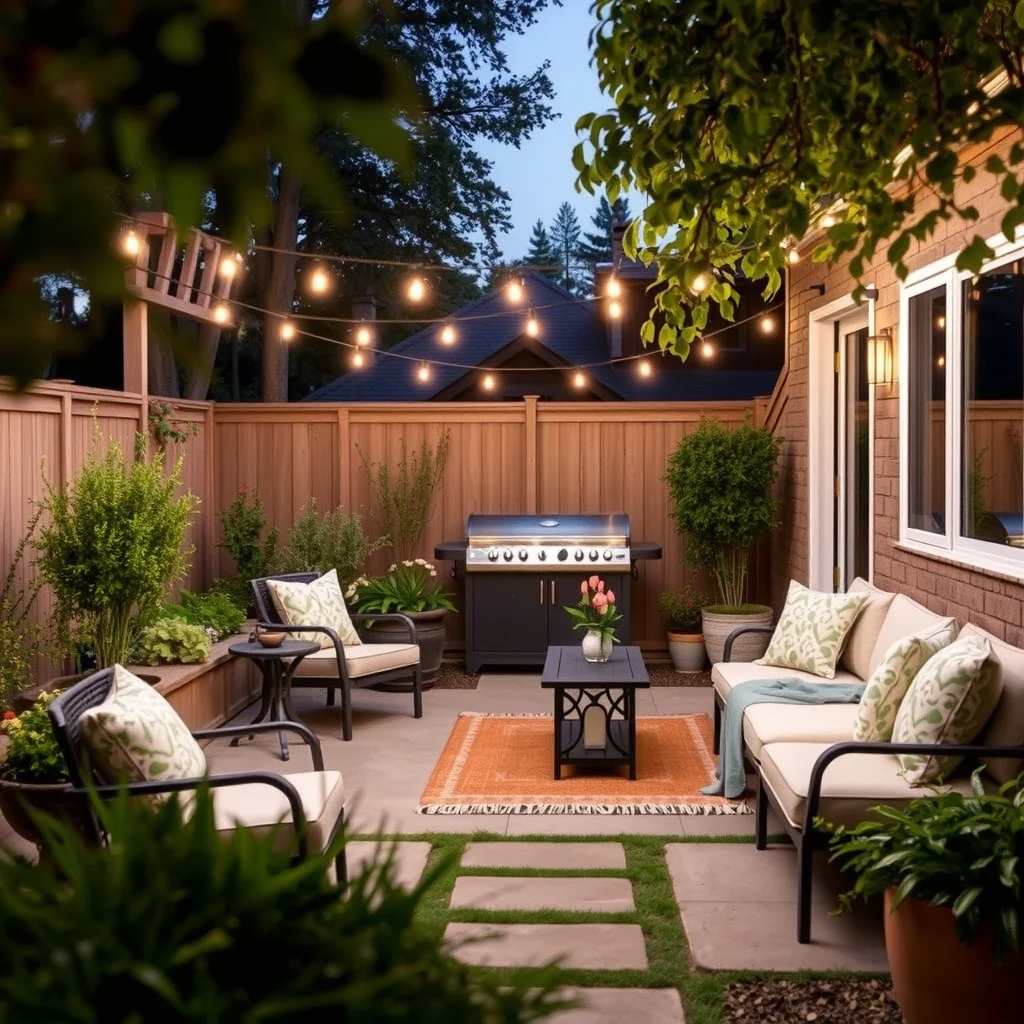
String lights have a way of turning a simple pergola or a row of mature trees into a constellation of gentle illumination. By opting for warm‑white LEDs encased in weather‑resistant glass or fabric covers, the light diffuses softly, avoiding harsh glare while still defining the space. Installation is straightforward: run the cords along the pergola’s rafters, securing them with zip ties or small clips, then drape the bulbs in a loose, irregular pattern for a relaxed feel. Because the fixtures are low voltage, they can be plugged into an outdoor‑rated outlet or linked to a timer, ensuring the lights turn on automatically at dusk. One trade‑off to consider is that overly dense arrangements can create a cluttered look, so spacing the bulbs about a foot apart usually yields the most balanced effect.
2. Up‑Lighting to Highlight Architecture
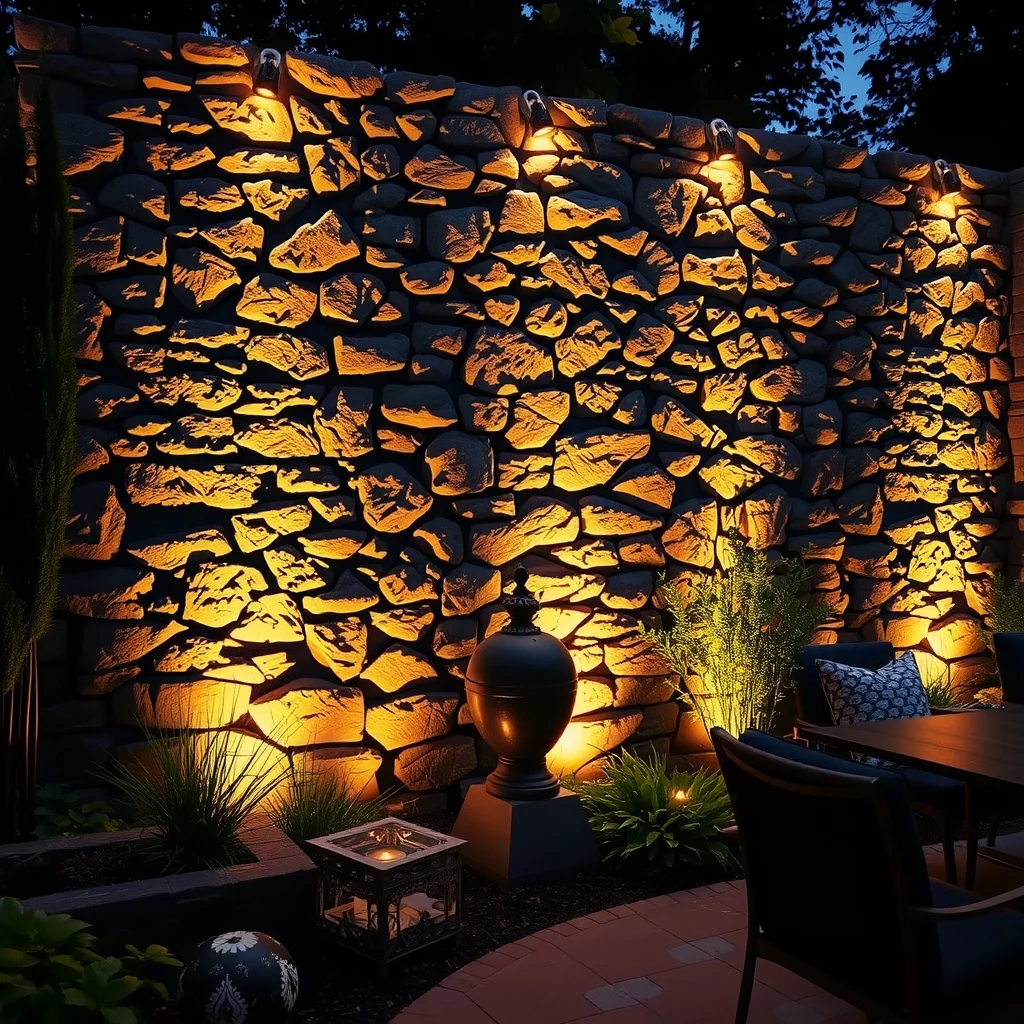
Directing focused beams upward against trunks, stone walls, or a garden sculpture adds depth and drama after dark. Spot‑style fixtures with a narrow beam angle accentuate texture, casting subtle shadows that emphasize the natural grain of a cedar fence or the roughness of a retaining wall. Position the lights a few feet from the base, angling them so the light grazes the surface rather than blasting it directly. Using fixtures with a matte black finish reduces visual intrusion during the day, while a dimmable driver lets you adjust intensity for a more subdued ambiance on intimate evenings. The main limitation is the need for a reliable power source; planning conduit routes before planting can prevent later disruptions.
3. Guiding Path Lights
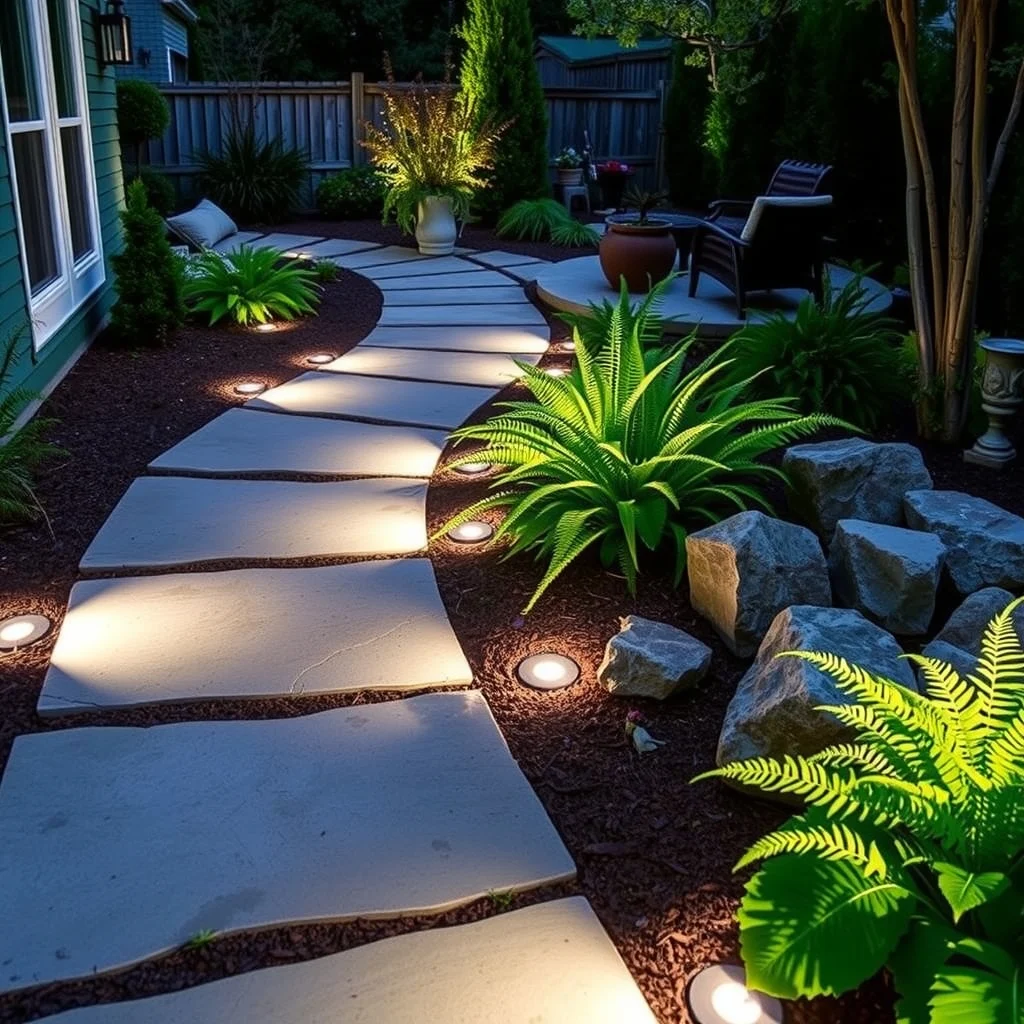
A well‑lit walkway not only improves safety but also invites guests to explore hidden corners of the garden. Low‑voltage step lights that sit flush with the ground or are recessed into a stone pathway create a subtle line of illumination without overwhelming the surrounding foliage. Choose fixtures with a soft amber hue; the warm tone complements the earthy colors of mulch, pavers, and leaf litter. Installing a series of these lights at regular intervals—typically every two to three feet—maintains an even glow that guides the eye forward. Because they are often solar‑charged, maintenance is minimal, but you’ll need to ensure each unit receives adequate sunlight during the day, which may require occasional trimming of nearby overhanging branches.
4. Lanterns and Candle Clusters
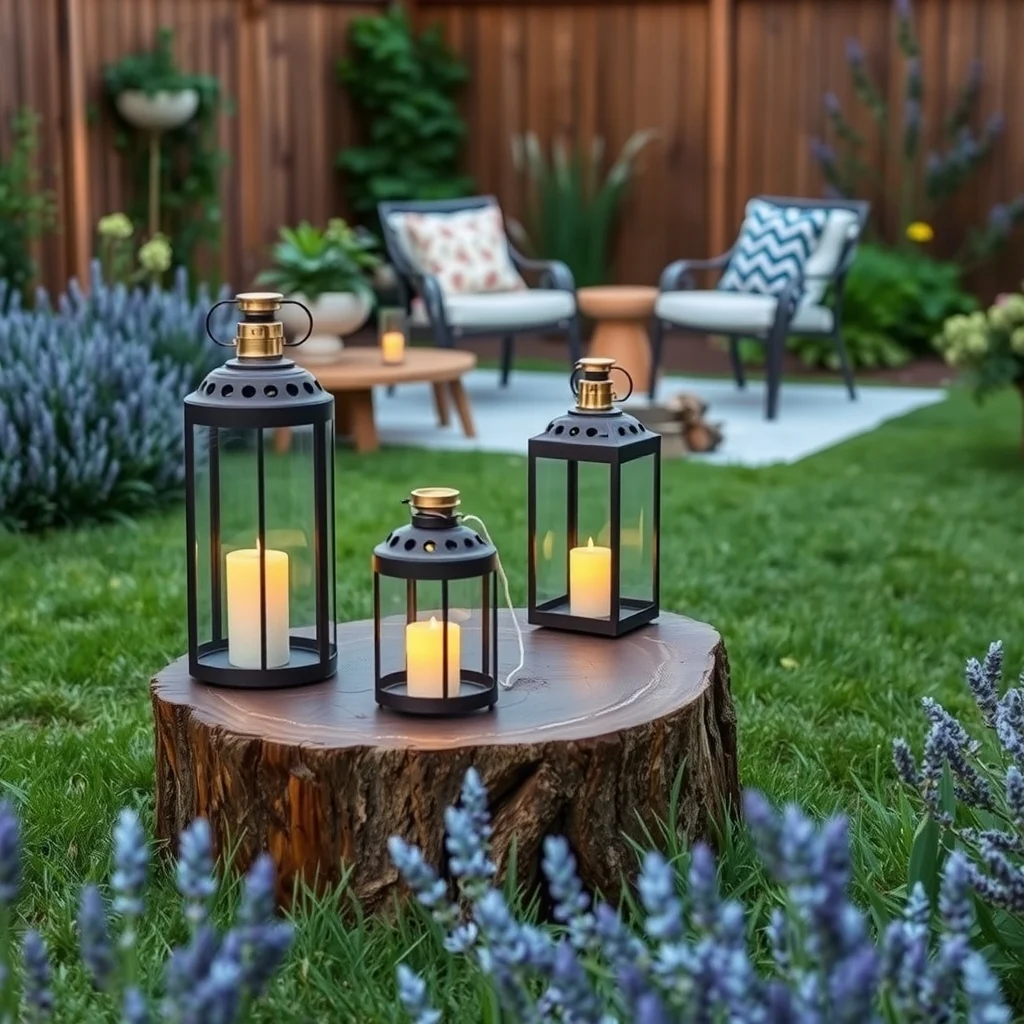
For a more organic, flickering effect, arrange weather‑proof lanterns and LED candles on low tables, benches, or directly on the grass. Metal lanterns with a brushed brass finish or rustic iron frames add a tactile contrast to soft cushions and woven rugs, while the gentle flicker mimics the comforting presence of a fire without the smoke. Position the lanterns at varying heights—some on the ground, others on a short stool—to create layers of light that draw attention to seating areas and dining sets. When using real candles, opt for citronella varieties to deter insects, but always place them in sturdy holders to prevent tipping in breezy conditions. The downside is that open flames require constant supervision, so LED replicas are a safer alternative for frequent gatherings.
5. Integrated Deck Recessed Lighting
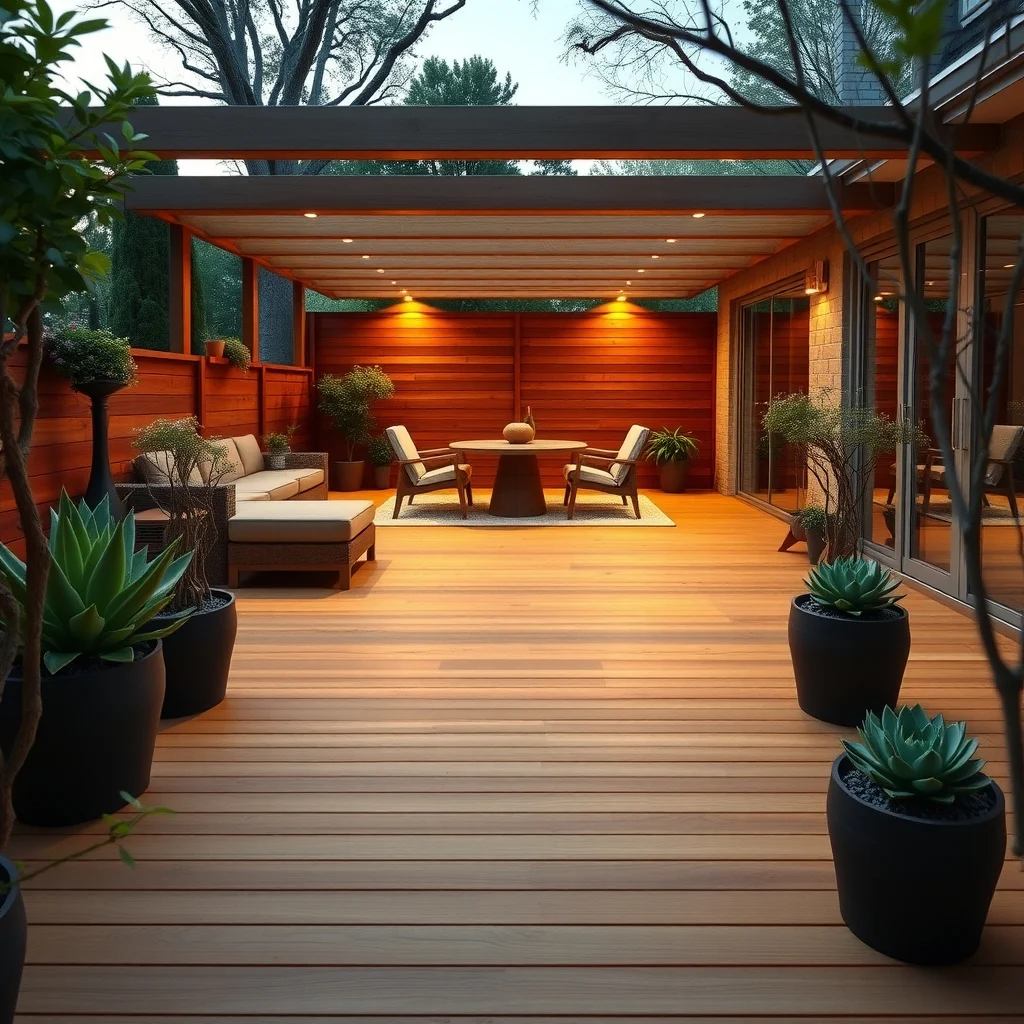
Recessed lights installed directly into the deck surface provide a sleek, unobtrusive source of illumination that highlights the grain of the wood while keeping the visual clutter low. These fixtures are typically installed during deck construction, but retrofit kits are available that cut a shallow cavity into existing boards. By pairing the recessed lights with a dimmer switch, you can transition from bright functional lighting for evening meals to a soft wash that accentuates the deck’s lines for a relaxed lounge setting. Because the fixtures sit flush, they are less likely to collect debris or become a tripping hazard. However, retrofitting may involve cutting into the deck, which could affect the board’s structural integrity if not done carefully; consulting a carpenter is advisable for older decks.
6. Submersible Water Feature Lighting
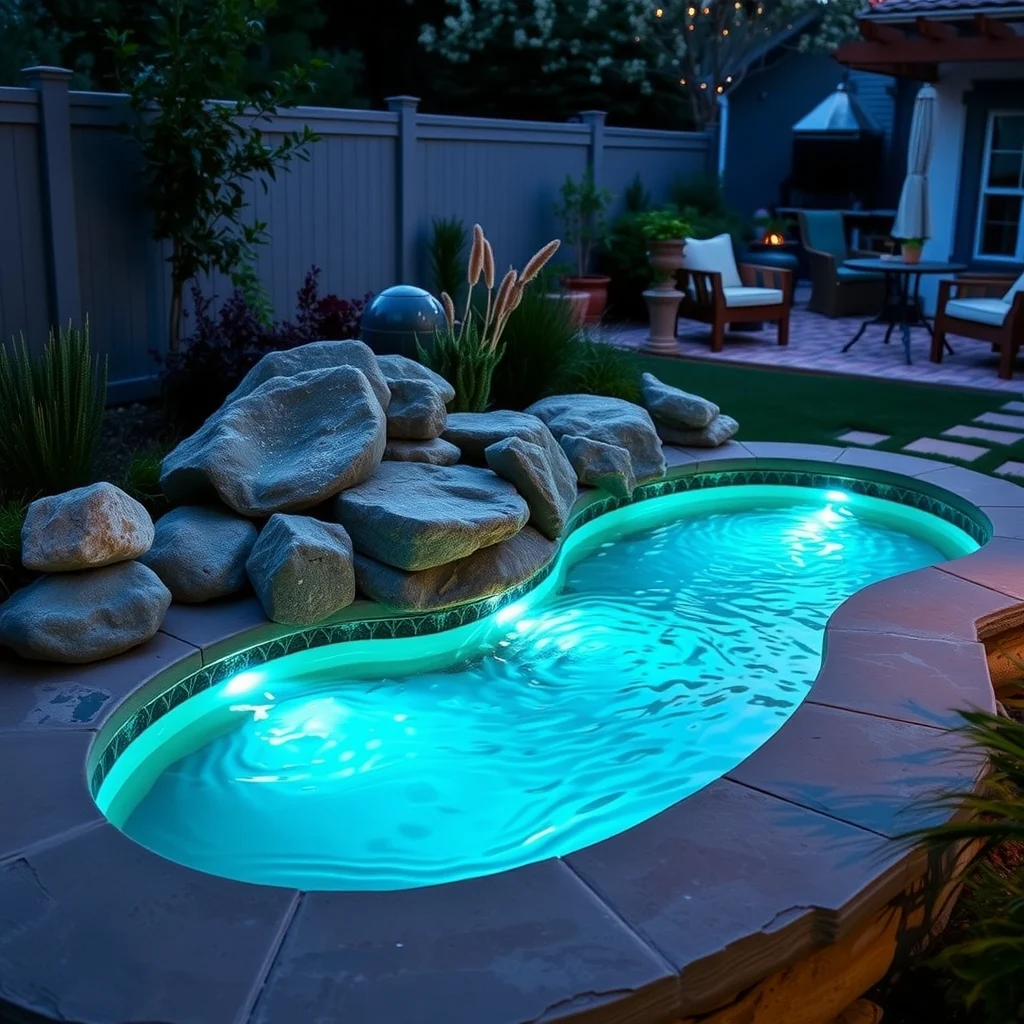
Adding a water element—whether a modest fountain or a larger pond—creates a natural focal point, and illuminating the water brings an extra layer of intrigue. Submersible LED lights come in waterproof housings that can be placed at the base of a fountain or hidden among rocks in a pond. The refraction of light through moving water produces a shimmering effect that can be enhanced with color‑changing modules for special occasions. Installation typically requires a low‑voltage transformer placed near the water feature, with the cable concealed under a stone border or within a decorative planter. The main consideration is ensuring all electrical components have a proper ground‑fault circuit interrupter (GFCI) and that the lights are rated for continuous submersion to avoid premature failure.
7. Solar‑Powered Bollard Lights
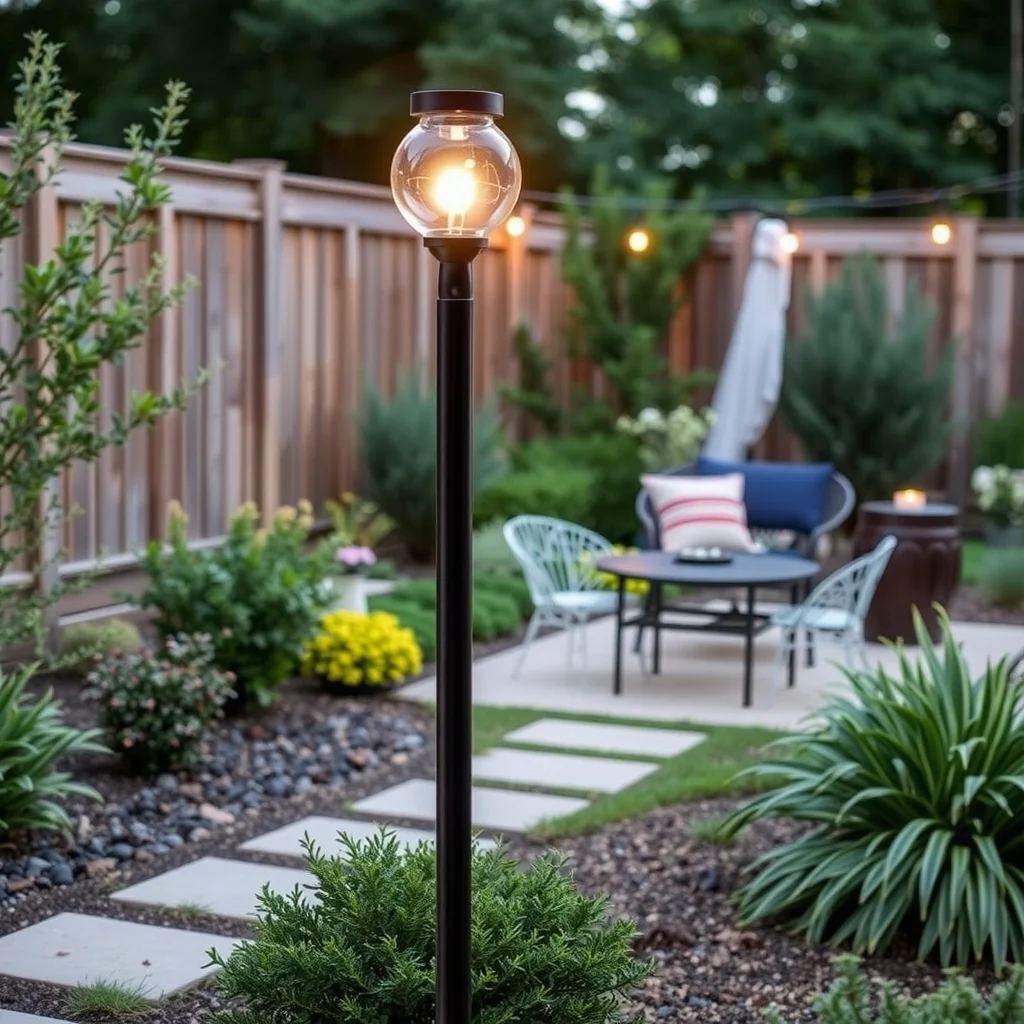
Bollard lights—tall, narrow posts with a globe or lantern at the top—provide a classic, structured look while delivering functional illumination along garden edges or driveways. Modern solar versions charge during daylight through an integrated panel, storing enough energy to light the globe for several hours after sunset. Selecting models with a copper or powder‑coated finish helps them blend with natural surroundings, and the warm glow they emit complements the earthy tones of stone pathways. Because they rely on sunlight, placement in a shaded corner can reduce brightness, so positioning them where they receive at least six hours of direct sun is essential. While they are low‑maintenance, the trade‑off is that output may vary with weather patterns, making them best suited for decorative rather than primary safety lighting.
FAQ
What color temperature works best for outdoor lighting?
Warm white (around 2700‑3000 K) generally creates a cozy atmosphere, while cooler daylight tones (4000‑5000 K) are better for task lighting near a grill or work area. Choose warm tones for relaxing zones and cooler tones where visibility is a priority.
Can I install these lighting ideas myself?
Most of the suggestions—string lights, lanterns, solar bollards, and path lights—are DIY‑friendly and require only basic tools. Fixtures that involve wiring, such as recessed deck lights or up‑lighting, should be installed by someone familiar with outdoor electrical codes or a qualified electrician.
Which options need the least maintenance?
Solar‑powered bollard lights and LED‑based path lights have minimal upkeep because they contain no bulbs to replace and are sealed against the elements. Regularly clearing debris from the panels or fixtures will keep them operating at peak efficiency.
How do I protect outdoor lights from rain?
Look for fixtures rated at least IP44, which indicates protection against splashing water. For additional peace of mind, install a small overhang or use a weather‑proof cover on wall‑mounted lights, and always seal any cable connections with outdoor‑rated silicone.
Is mixing different lighting styles advisable?
Combining several layers—ambient string lights, functional up‑lights, and accent lanterns—creates depth and visual interest. Just be sure the overall brightness stays balanced; too many high‑intensity sources can overwhelm the space, while a thoughtful mix enhances the magical feel.
Final Thoughts
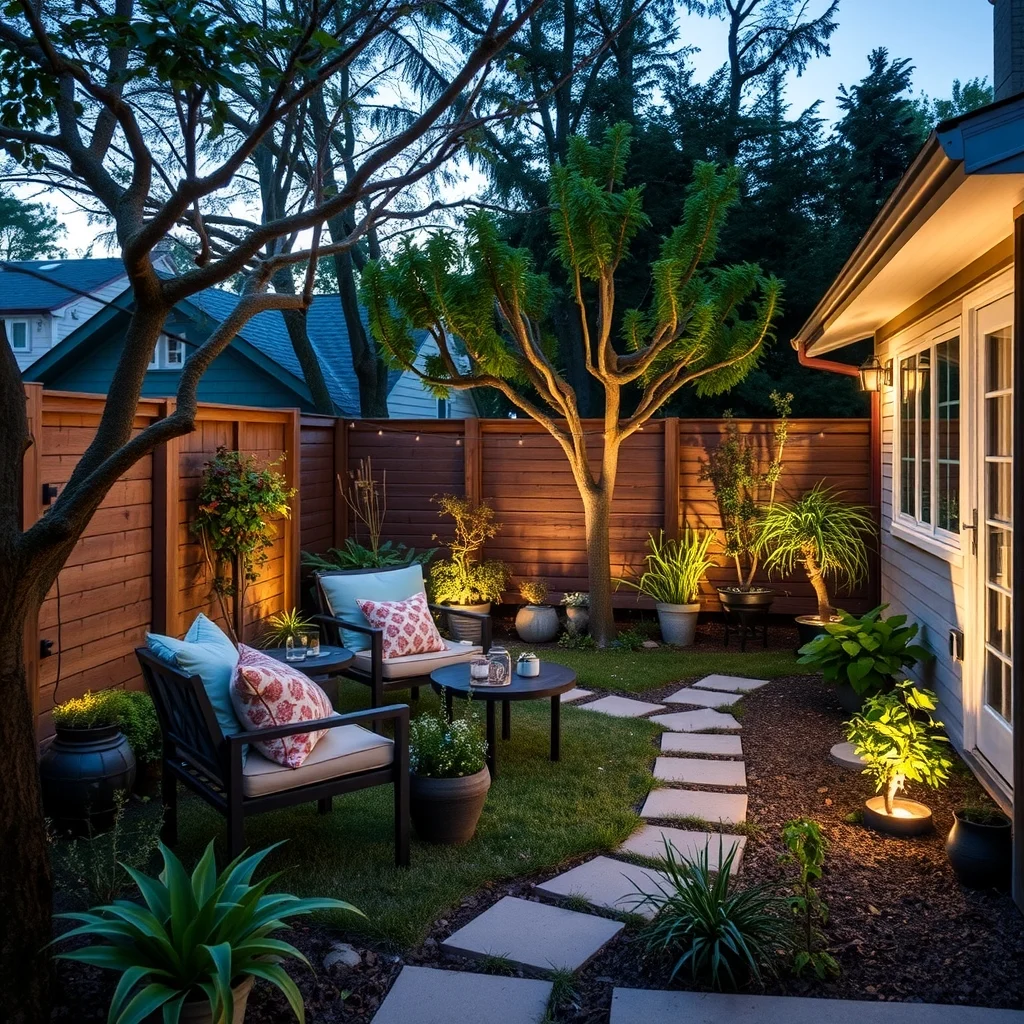
Crafting a night‑time backyard that feels magical is less about flashy gadgets and more about intentional layers of light that respond to the landscape’s natural shapes. By selecting fixtures that complement your existing materials, respecting the practical needs of safety and durability, and allowing a few moments for the glow to settle, you’ll end up with an outdoor room that invites lingering conversations, quiet reading, or simply a pause to watch fireflies dance. Start with one or two of the ideas above, observe how the light interacts with your space, and let the rest follow organically—your backyard’s new personality will shine through.