Spring Porch Decorating Ideas for a Fresh and Welcoming Entrance

Spring brings a gentle shift in light, temperature, and the desire to spend a little more time outdoors. Your porch, as the first point of contact between home and street, can reflect that seasonal optimism without requiring a full remodel. Below are seven ideas that balance style, durability, and comfort, allowing you to curate a porch that feels both inviting and practical for the months ahead.
1. Refresh the floor with weather‑friendly rugs
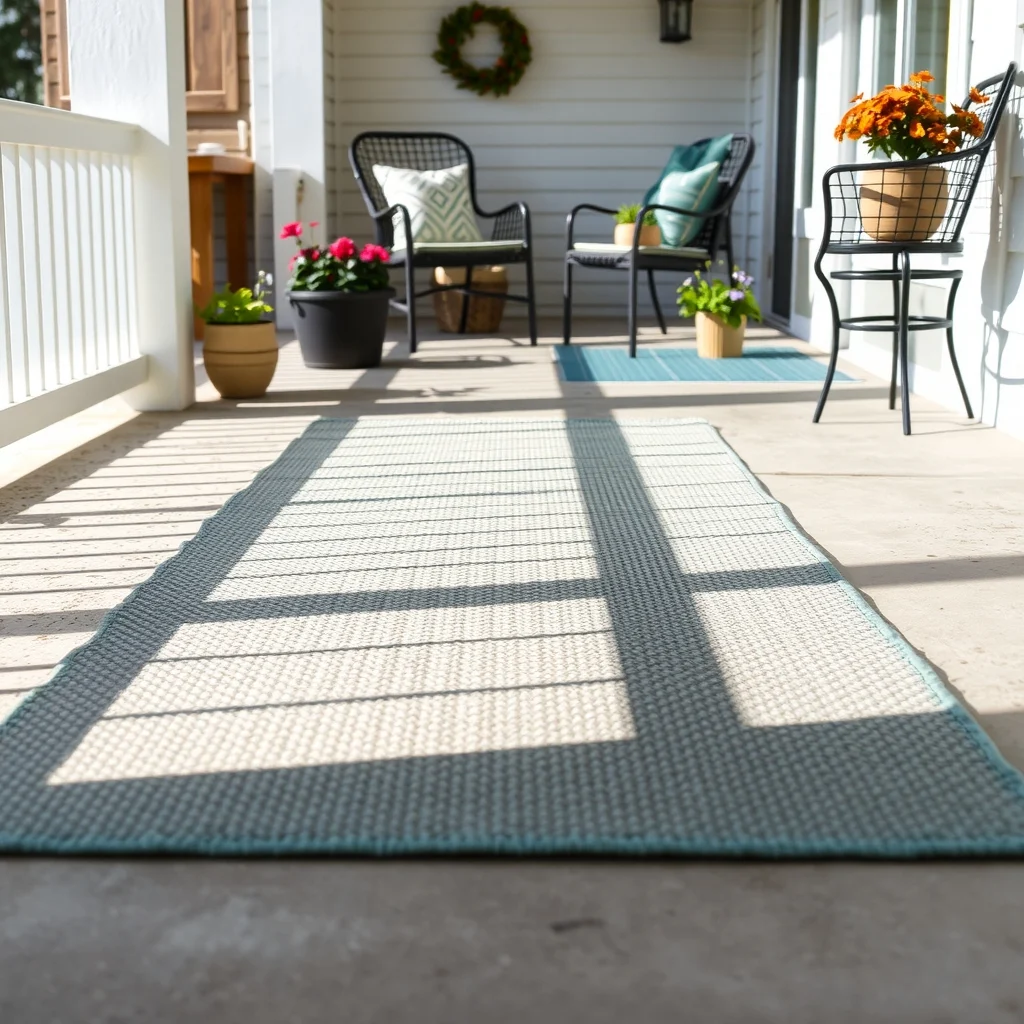
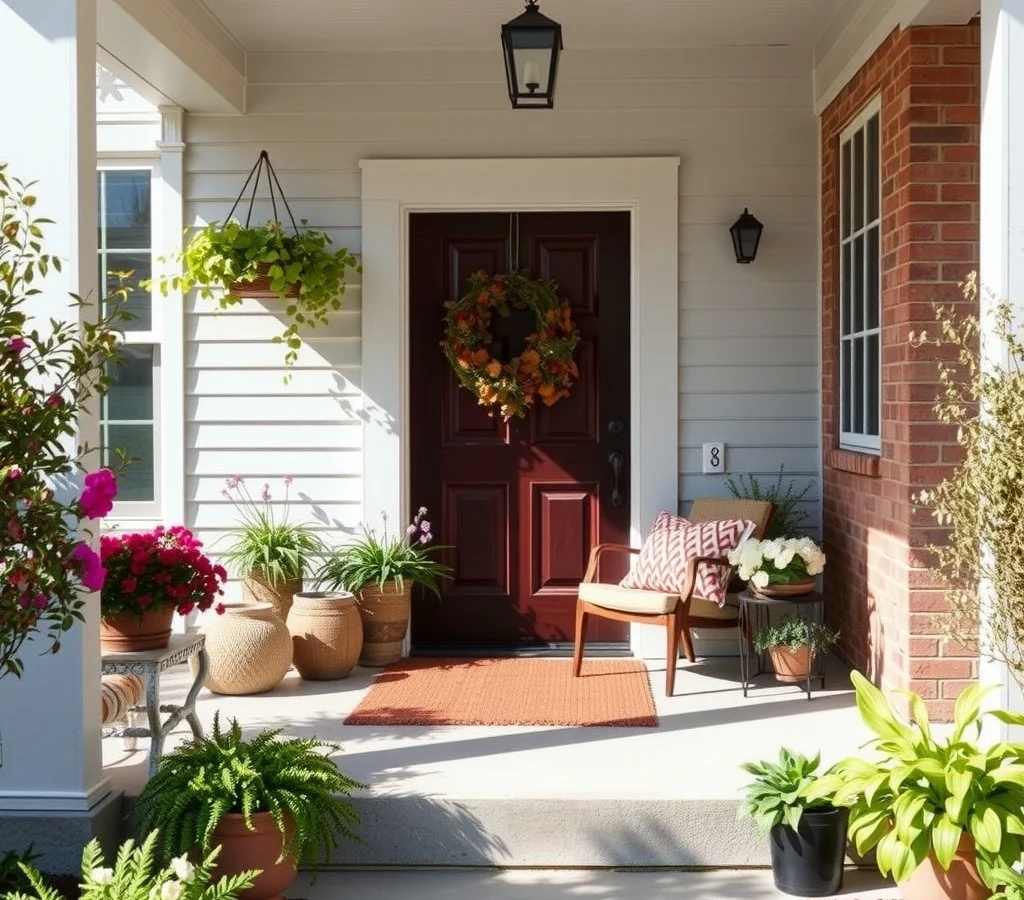
A rug can soften a concrete slab or wooden deck while introducing a hint of pattern that signals the season. Look for low‑pile, indoor‑outdoor fibers such as polypropylene or recycled polyester; these materials resist moisture, fade slowly, and can be rolled up for storage if a sudden rainstorm arrives. Choose a design that incorporates soft greens, pale blues, or muted yellows—colors that echo budding foliage without overwhelming the space. Lay the rug centered beneath a small coffee table or a pair of chairs to define a gathering zone. Keep a small hand‑vacuum nearby for quick clean‑ups, and remember that a rug with a rubber backing will stay in place on slick surfaces.
2. Add layered seating for casual gatherings
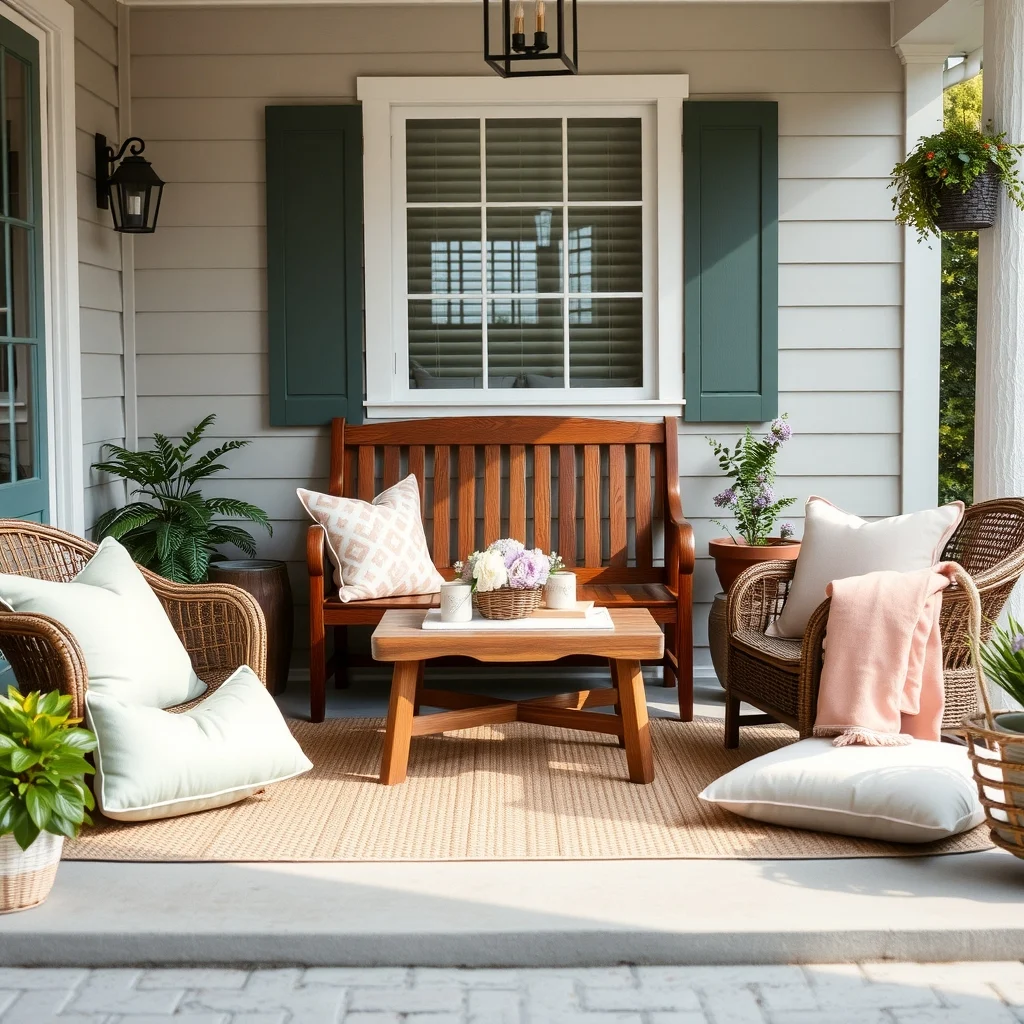
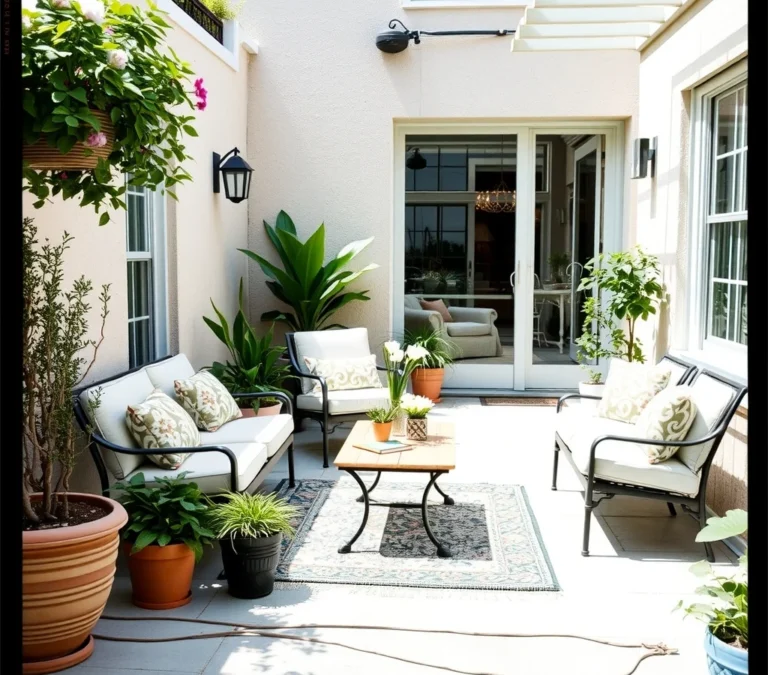
A single bench can feel stark, but a mix of seating options invites guests to linger. Pair a weather‑treated wooden bench with a couple of wicker armchairs and a few oversized floor cushions. The varied heights create visual interest, while the cushions add comfort for longer stays. Opt for cushions covered in quick‑dry, fade‑resistant fabric; zippered covers make laundering simple. If space permits, place a low side table between the seats to hold drinks or a small vase of spring flowers. The trade‑off is that more pieces require occasional rearrangement to keep the flow uncluttered, but the flexibility they provide outweighs the extra effort.
3. Introduce a soft color palette through accessories

Changing the entire color scheme of a porch can be costly, yet accessories offer an easy way to shift the mood. Swap out old throw pillows for ones in pastel shades such as sage, blush, or sky blue, and add a lightweight throw draped over the back of a bench. A set of ceramic or glass lanterns in muted tones can double as decorative accents and functional light sources once evening falls. These items are inexpensive, replaceable, and allow you to experiment with different combinations each season. Be mindful that too many bright hues can compete with each other; limiting the palette to two or three complementary shades maintains harmony.
4. Incorporate natural greenery in low‑maintenance ways
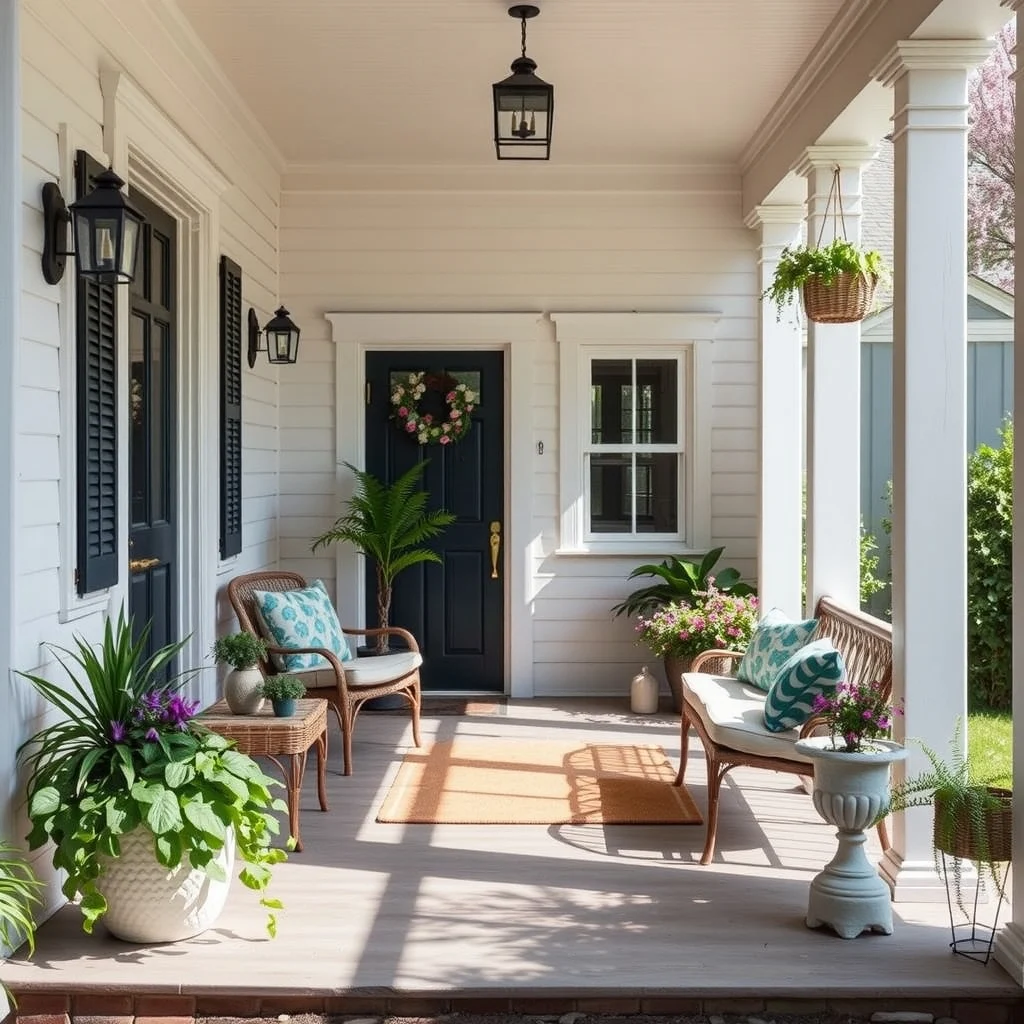
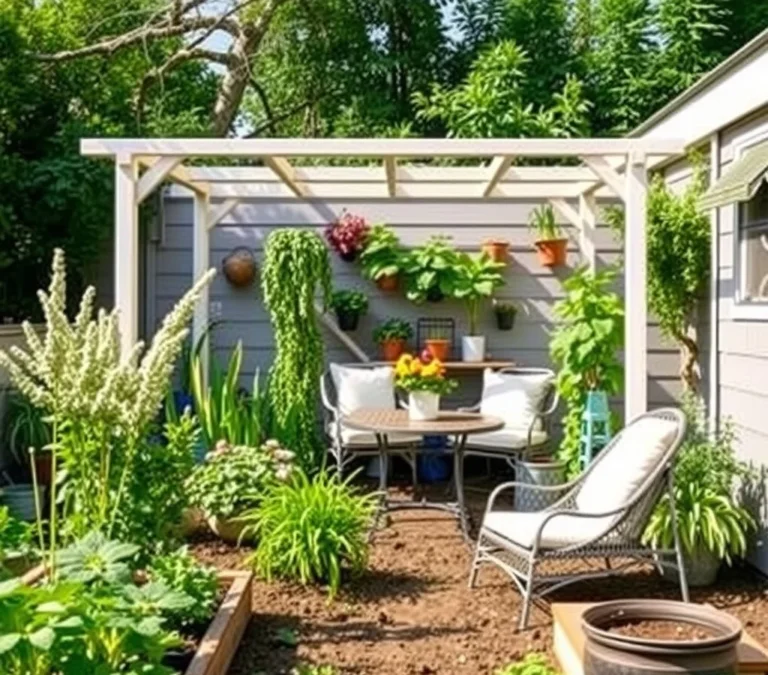
Plants instantly convey the arrival of spring, but not every homeowner has the time for high‑maintenance gardening. Consider a few hardy, drought‑tolerant options such as lavender, ornamental grasses, or small succulents placed in shallow, weather‑proof containers. Position the pots near the entrance where they receive morning sun and afternoon shade, which helps prevent scorching. Grouping containers of varying heights creates a tiered effect that draws the eye upward toward the roofline. If you lack a permanent spot, a rolling cart with wheels lets you move the plants as sunlight patterns shift. Keep in mind that heavier pots may need a stable surface to avoid tipping in windier conditions.
5. Highlight the entry with subtle lighting fixtures
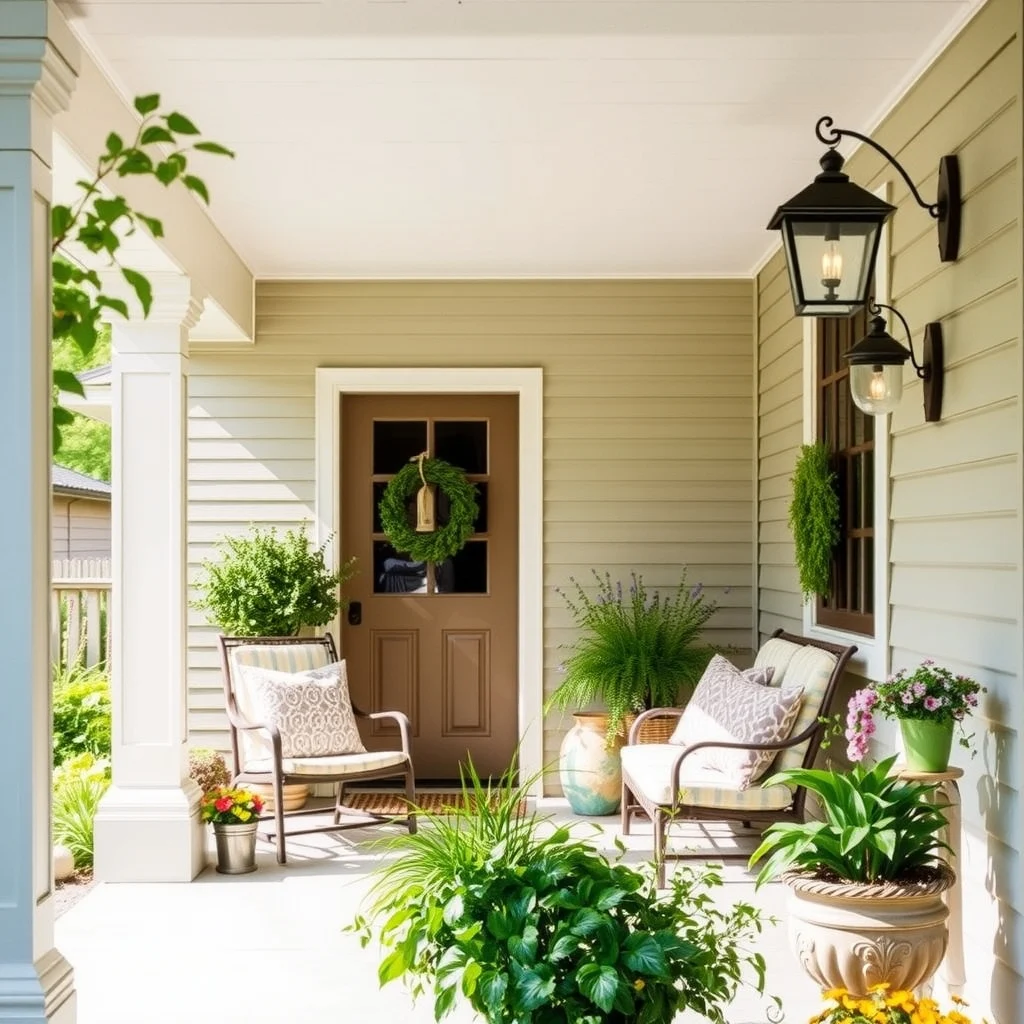
As daylight wanes, a well‑chosen light fixture can turn a porch from functional to inviting. A pair of wall‑mounted sconces with frosted glass diffusers offers a warm glow without harsh glare, while a solar‑powered lantern placed on a side table adds a touch of sustainability. Choose fixtures with a matte black or brushed brass finish to complement the spring palette without clashing with existing hardware. Wiring for permanent lights should be handled by a qualified electrician, and all outdoor-rated fixtures must be rated for damp locations. The downside of solar options is that they rely on sufficient sunlight during the day, so having a backup plug‑in source can prevent disappointment on cloudy evenings.
6. Create functional storage that doubles as decor
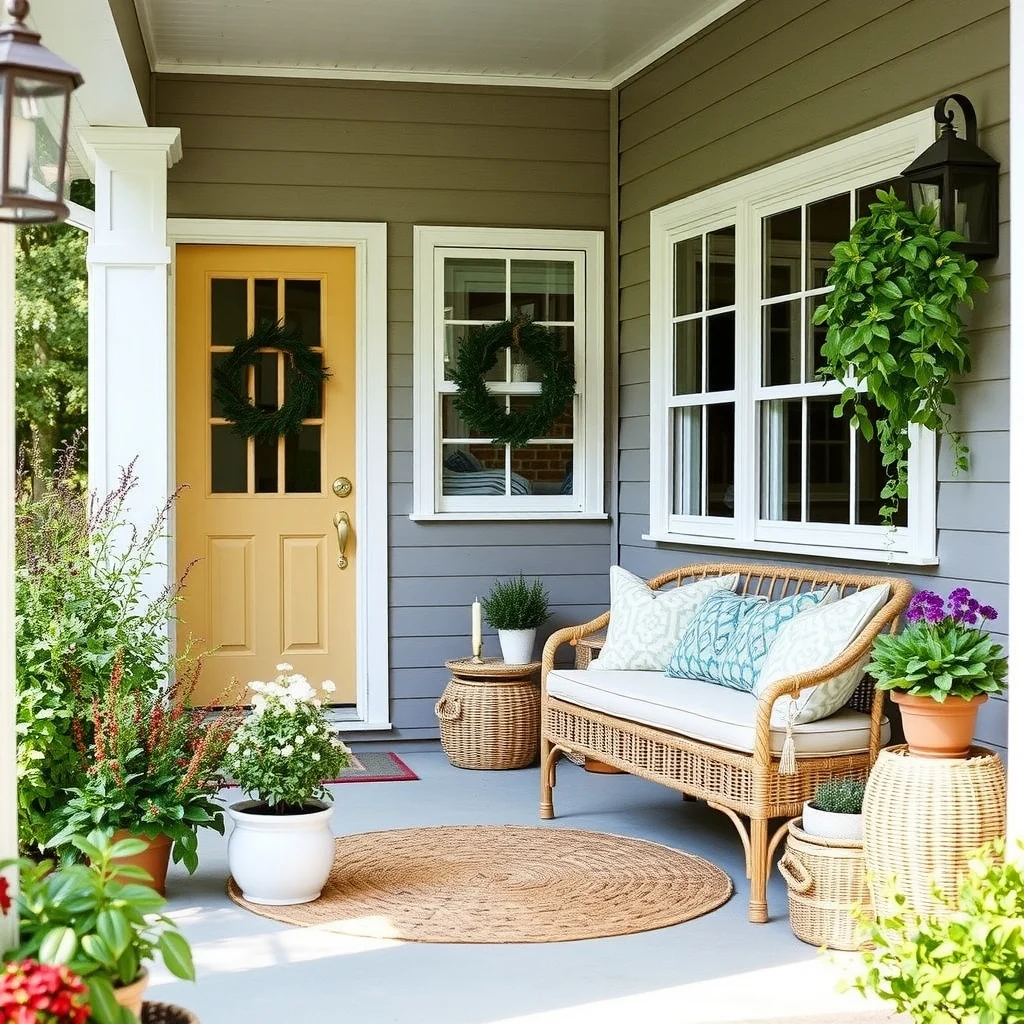
Porches often become catch‑all zones for shoes, umbrellas, and gardening tools. A stylish storage bench or a set of woven baskets can tidy the area while adding texture. Select a bench with a lift‑top; the hidden compartment stores items out of sight, and the top surface serves as additional seating when needed. Baskets made from natural rattan or seagrass blend well with spring motifs and can be painted in a soft hue to match the overall color scheme. Ensure that any wooden storage pieces are treated with a sealant suitable for outdoor exposure, otherwise moisture may cause swelling over time. While storage improves organization, it can also reduce open floor space, so choose pieces that fit the scale of your porch.
7. Frame the doorway with seasonal artwork or signage
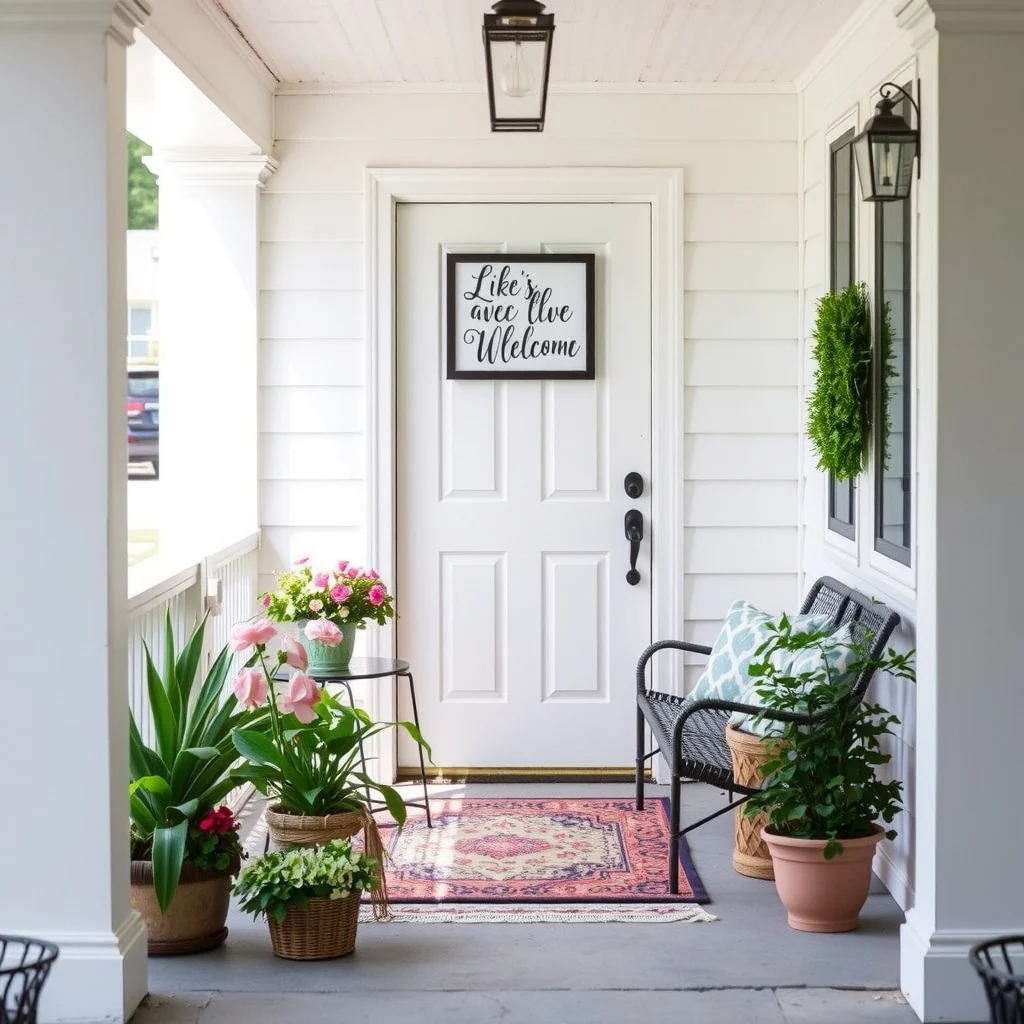
A small piece of outdoor‑rated art can act as a visual welcome without dominating the façade. Consider a weather‑proof metal plaque with a simple greeting, a set of framed botanical prints protected by UV‑coated glass, or a decorative wreath made from dried grasses and pastel ribbons. Position the piece just above or beside the front door, allowing it to be the focal point for visitors arriving. Rotate the artwork each season to keep the look fresh; for spring, opt for motifs that feature blossoms or leaf patterns. The main consideration is durability—materials should withstand occasional rain and sun exposure to avoid premature fading.
FAQ
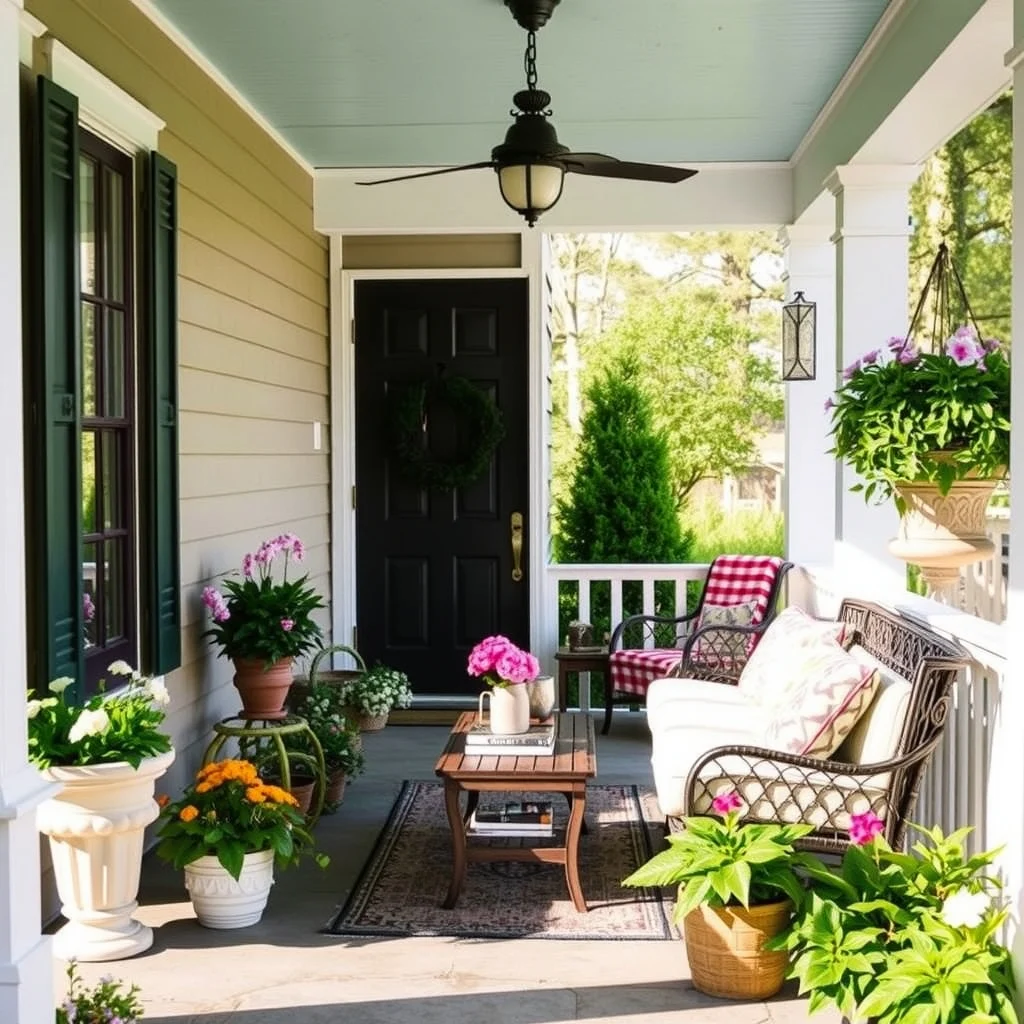
How can I protect outdoor cushions from rain?
Use cushions with a water‑resistant core and zippered, UV‑protected covers; storing them in a small shed or under a porch roof during storms adds extra protection.
Is it safe to install electric lighting on a DIY basis?
Electrical work in damp areas should be performed by a licensed professional; ensure all fixtures carry a “wet location” rating to meet safety standards.
What are the best low‑maintenance plants for a sunny porch?
Lavender, ornamental grasses, and succulents thrive in bright light and require minimal watering, making them ideal choices for a spring porch.
Can I use indoor paint on exterior wood?
Indoor paint lacks the additives needed to resist moisture and UV damage, so it’s best to choose a paint formulated for exterior use to protect the wood.
How often should I clean an outdoor rug?
A light vacuum or sweep once a week keeps debris at bay; a deeper clean with a hose and mild detergent can be done monthly, allowing the rug to dry fully before rehanging.
Final Thoughts
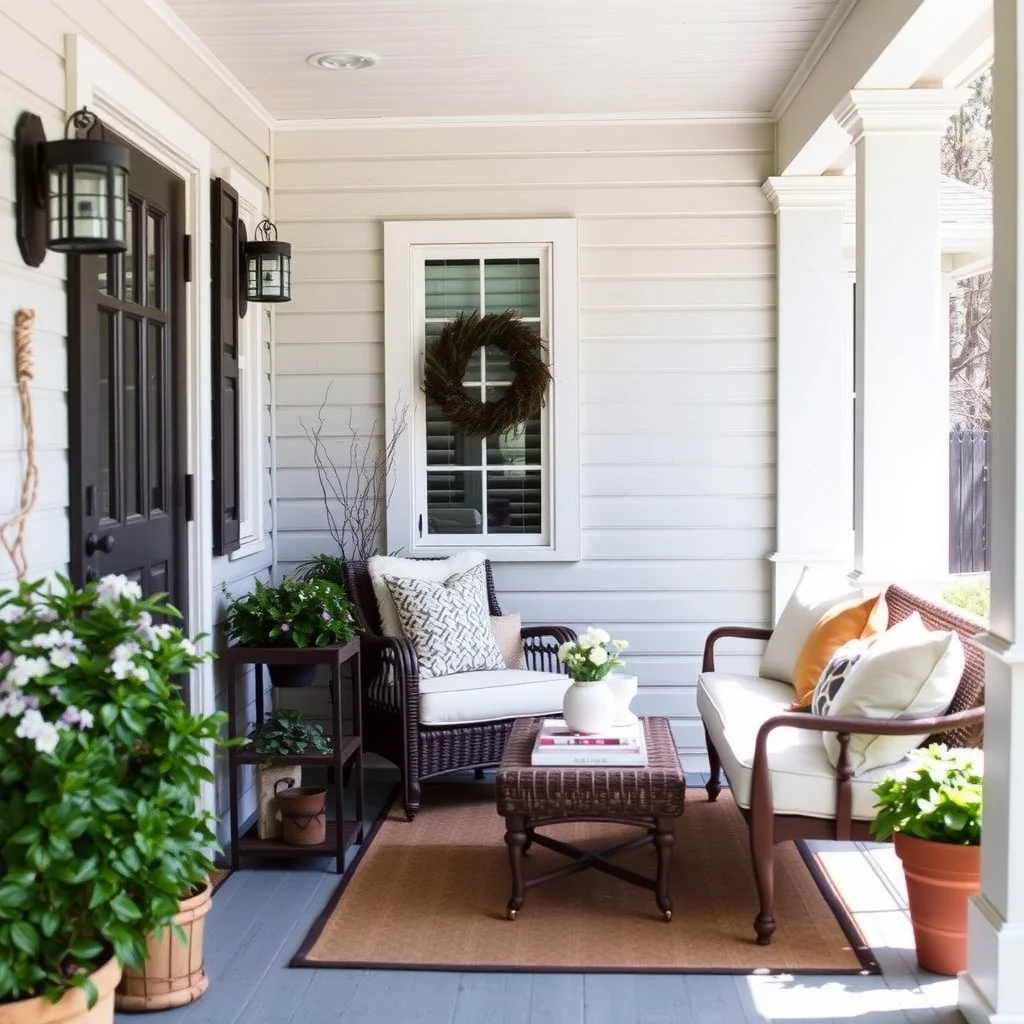
A porch does not need a complete overhaul to feel seasonally refreshed. By focusing on a few strategic updates—soft flooring, layered seating, thoughtful accessories, modest greenery, appropriate lighting, discreet storage, and a welcoming focal point—you can create an entrance that reflects spring’s gentle energy while remaining functional year after year. Small, intentional choices often have the biggest impact, and the result is a porch that greets both residents and guests with calm, understated charm.