Natural Garden Design Ideas Using Rocks, Grasses, and Native Plants

When a backyard feels more like a patch of lawn than an outdoor living room, the solution often begins with the ground itself. By swapping uniform turf for a thoughtful mix of stone, meadow‑style grasses, and plants that belong to the local ecosystem, you can create a garden that feels both cultivated and effortless. The following ideas show how to layer texture, color, and seasonal interest while keeping maintenance realistic for a busy household.
1. Create a Stone Base that Defines Space
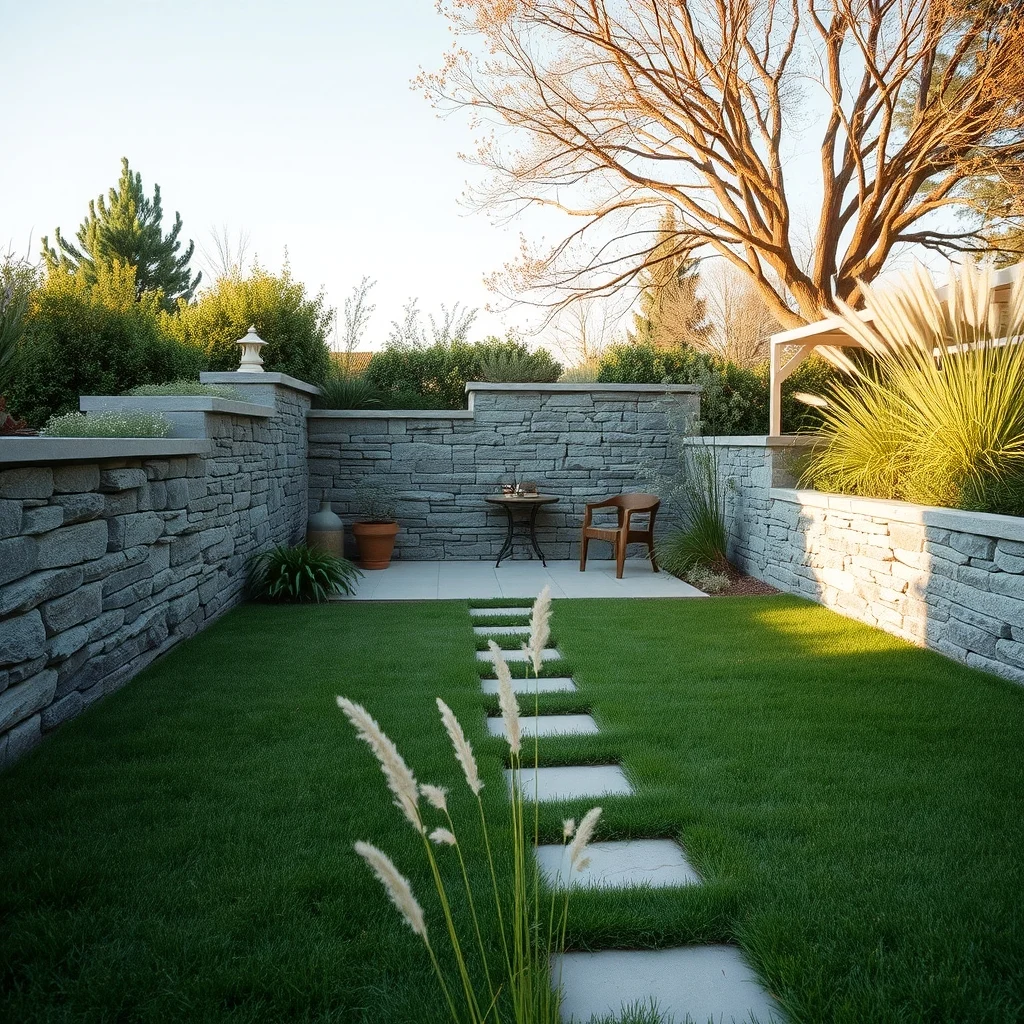
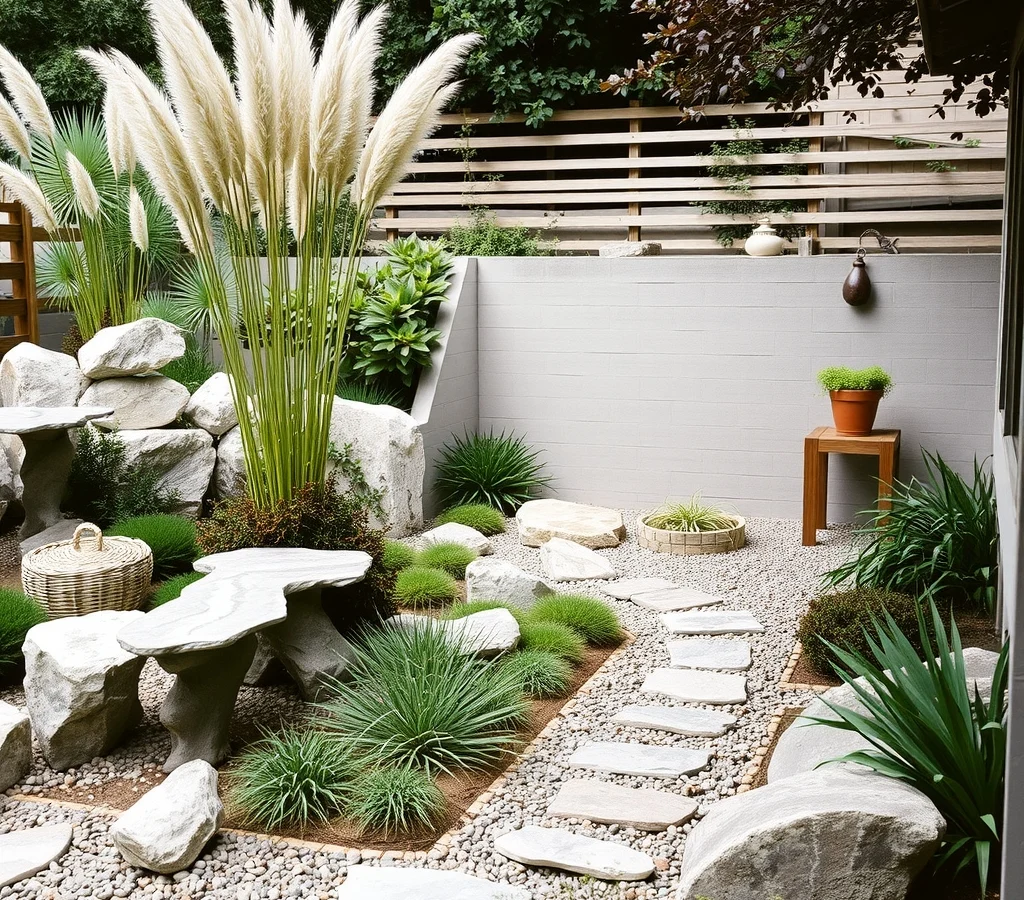
Begin with a low wall or a series of large flagstones arranged in a loose, irregular pattern. The stones act as a visual anchor, separating a seating nook from a planting bed without the need for a fence. Choose materials that echo the surrounding geology—smooth river rocks for a gentle feel or rough fieldstone for a more rugged look. The natural variation in size and shade adds depth, and the gaps between stones become perfect channels for water‑saving mulch.
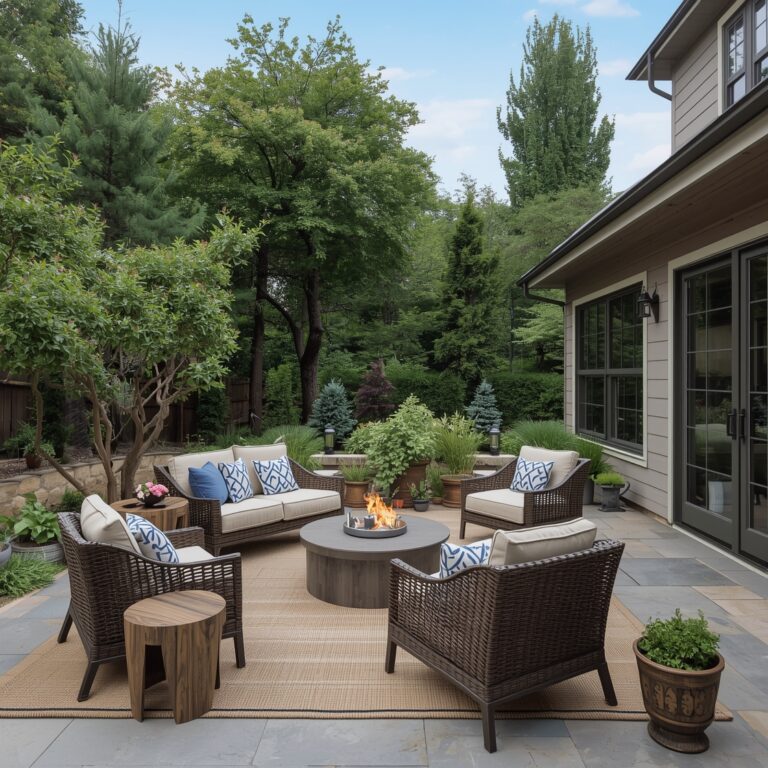
Because stone retains heat, placing it where the sun lingers can create a warm surface for a small fire pit or a set of outdoor cushions. However, be aware that heavy stones can be difficult to reposition once set, so sketch the layout on paper first. A simple sand‑and‑gravel base under the stones ensures drainage and reduces the chance of weeds pushing through.
2. Introduce Native Grasses for Soft Movement
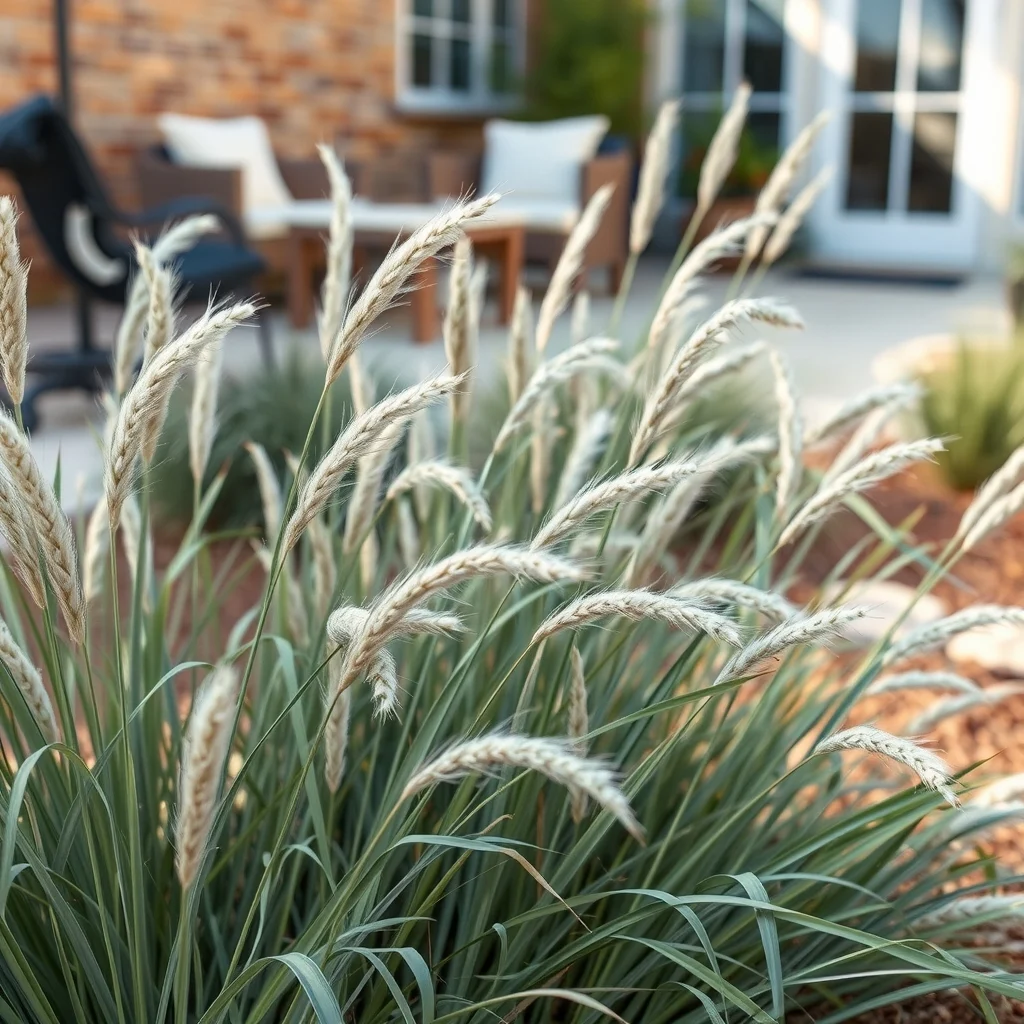
After establishing the stone foundation, plant clumps of native grasses such as little bluestem, switchgrass, or fountain grass. These species sway with the breeze, providing a subtle soundtrack that complements the solidity of rock. Their foliage ranges from fine, airy blades to broader, arching leaves, creating a layered texture that changes with the seasons.
Grasses thrive in well‑drained soil, so the gaps around the stones are ideal for their root systems. They also require less watering once established, which aligns with a low‑maintenance ethos. One trade‑off is that some grasses can become invasive if left unchecked; a yearly trimming in early spring keeps them tidy and prevents encroachment on pathways.
3. Plant a Core of Low‑Growing Native Perennials
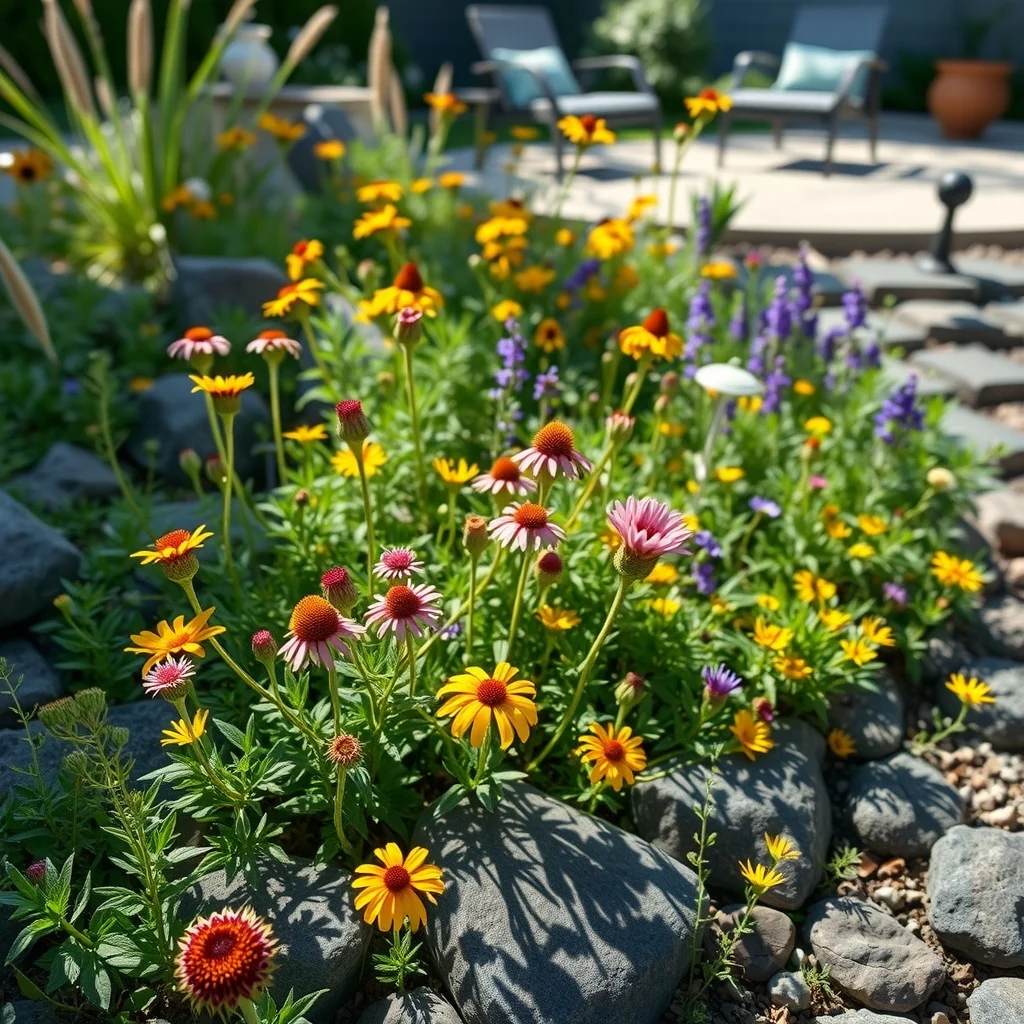
To soften the hard edges of rock and add color without overwhelming the space, select low‑growing perennials like purple coneflower, black-eyed Susan, or prairie clover. These plants typically stay under twelve inches tall, allowing them to sit comfortably among the grasses and stones. Their blooms appear at different times, ensuring that the garden offers visual interest from early summer through fall.
Because these species are adapted to local soil and climate, they demand minimal fertilization. A practical tip is to group plants with similar water needs together, which simplifies irrigation. If you have a sunny spot, choose drought‑tolerant varieties; for shadier corners, opt for native asters that thrive in filtered light. The downside is that some perennials may need occasional division every few years to maintain vigor.
4. Use Rock‑Embedded Pathways to Guide Movement
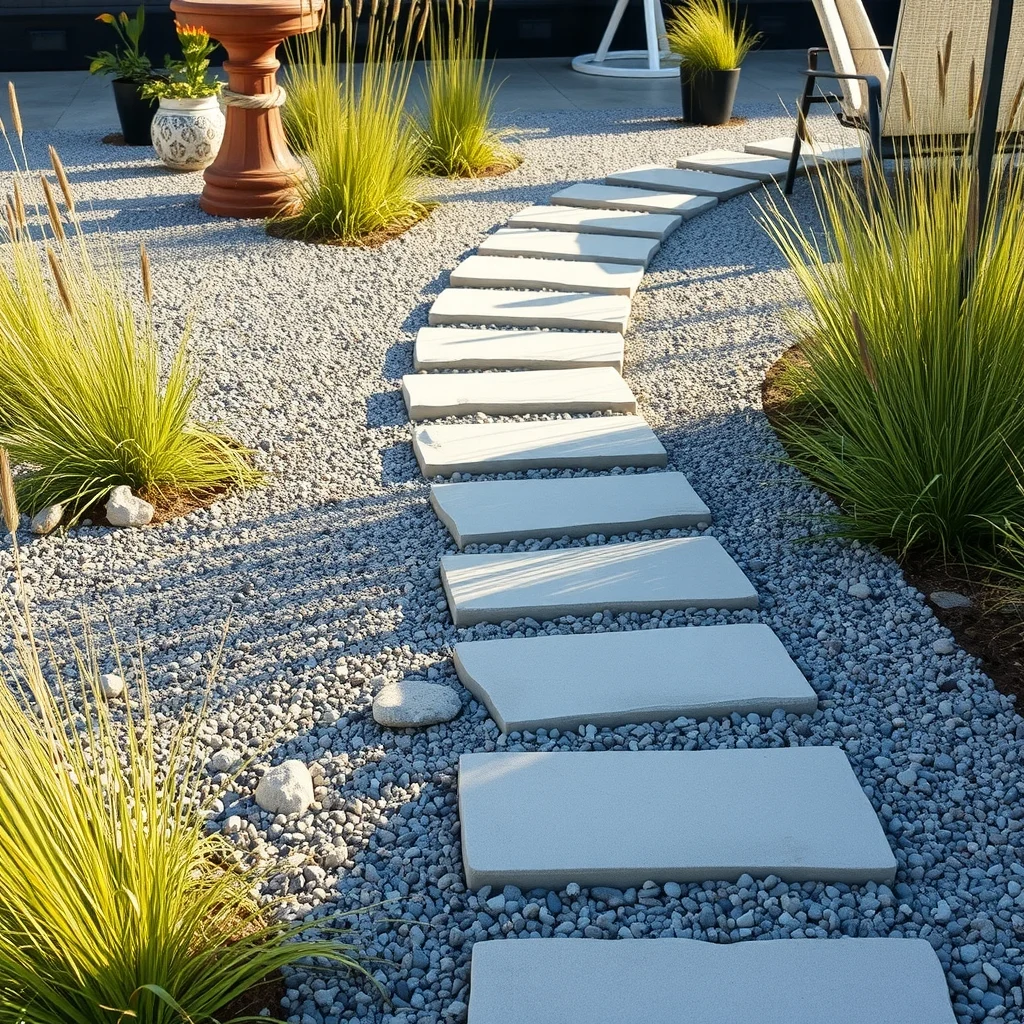
Design a winding path that weaves between planting zones, using flat stepping stones set into a bed of crushed gravel. The path should be wide enough for two people to pass comfortably, typically twelve to eighteen inches. Embedding a few larger rocks along the edges adds a natural feel and reduces the risk of tripping on uneven ground.
Lighting can be incorporated by placing low‑profile LED fixtures at the base of select stones, casting a soft glow that highlights the texture of the surrounding grasses. This approach extends the garden’s usability into the evening while maintaining a discreet aesthetic. Keep in mind that a path will collect leaf litter, so a quick sweep each week keeps it looking intentional.
5. Add Seasonal Interest with Bulb and Seed Mixes
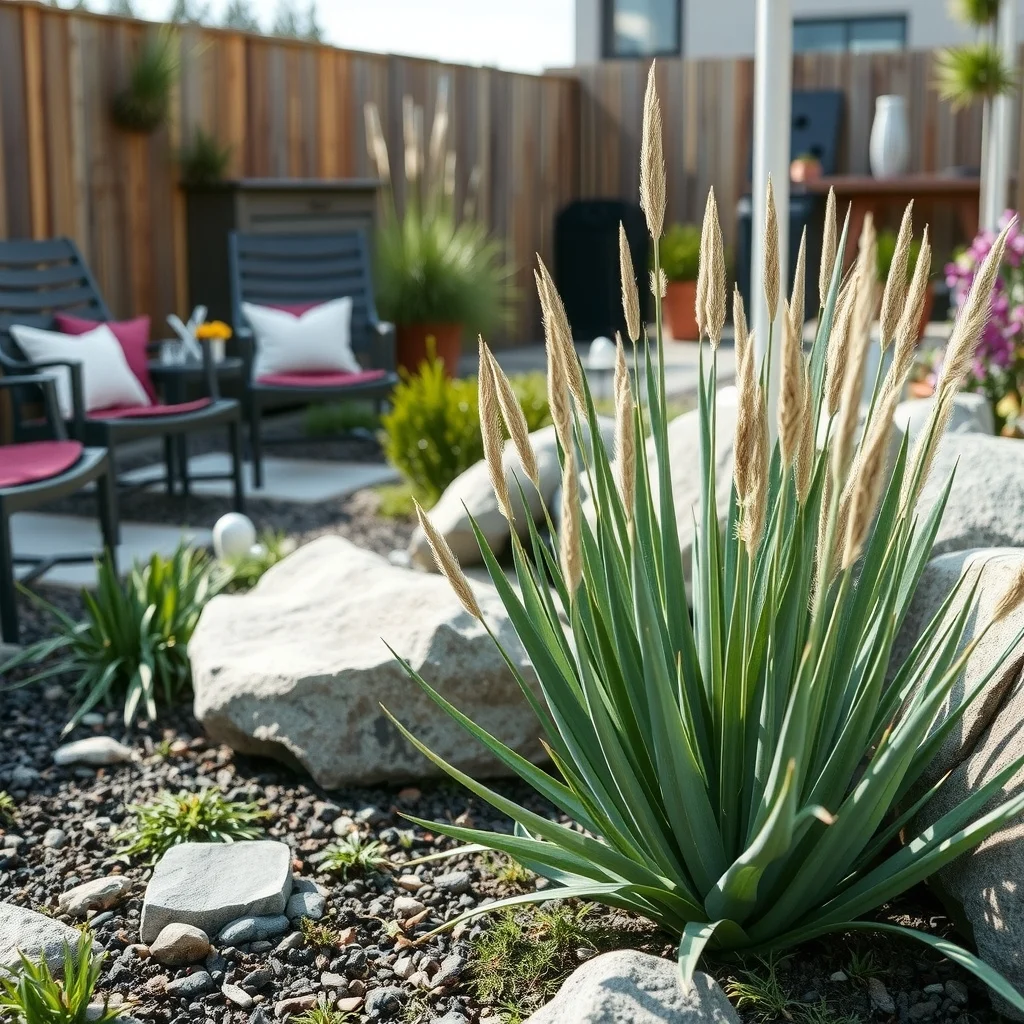
For bursts of color in the shoulder seasons, scatter a mix of native bulbs and seed‑ready grasses in open areas of the garden. Early‑spring crocuses or prairie lupines push through the remaining frost, while late‑summer coneflower seed heads provide visual texture after the blooms fade. These plantings require little more than a thin layer of mulch to protect them through winter.
Because the seeds are low‑cost and easy to sow, you can experiment with different densities to achieve a natural meadow look. A potential drawback is that some seeds may germinate unevenly, leaving patches that need occasional reseeding. Patience and a willingness to let nature fill in the gaps are part of the charm.
6. Incorporate Water‑Smart Mulch and Groundcover
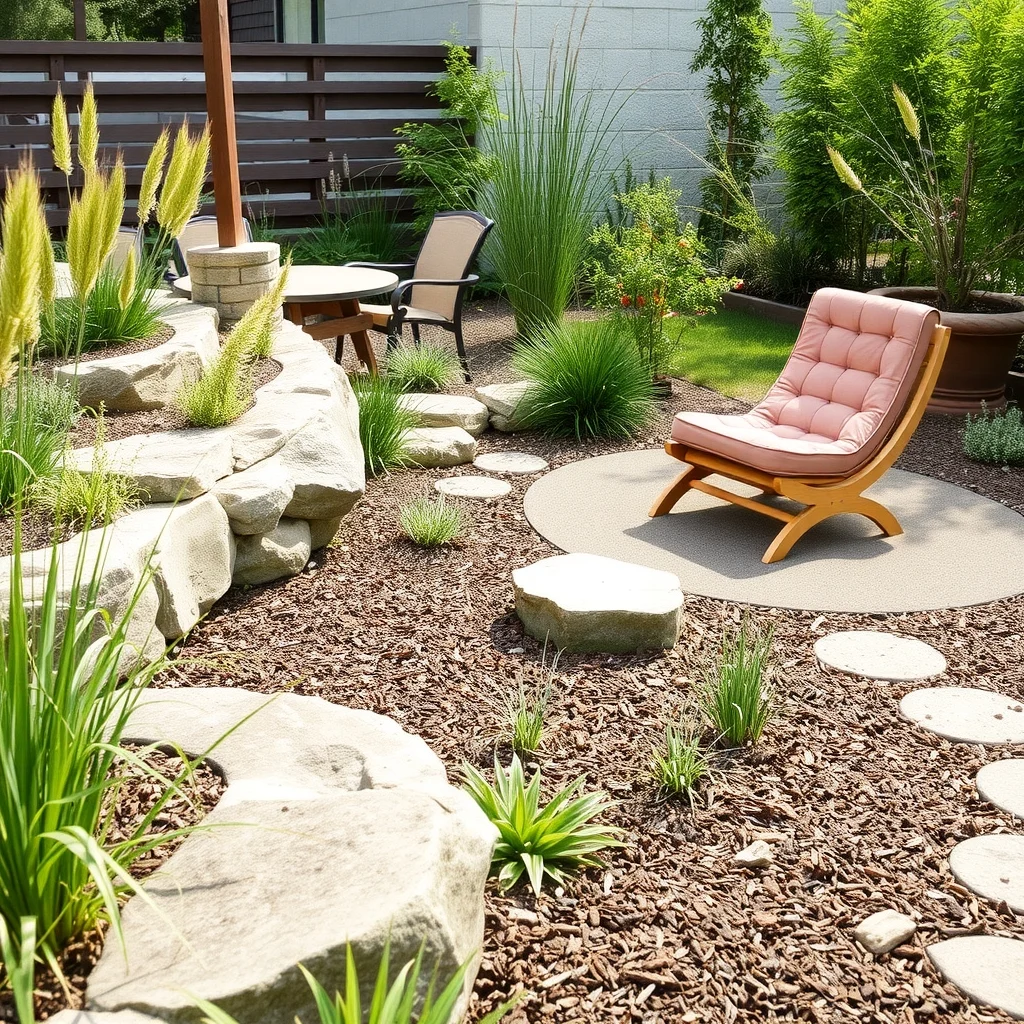
Around the base of each stone and between plantings, lay a generous layer of organic mulch such as shredded bark or pine needles. Mulch conserves moisture, moderates soil temperature, and suppresses weeds, which is especially valuable in a garden that relies on native species adapted to less frequent watering.
For areas where you prefer a living carpet rather than a dead mulch, consider low‑growth groundcovers like creeping thyme or wild ginger. These plants spread quickly, tolerate foot traffic, and release a faint scent when stepped on—a pleasant surprise for guests. The trade‑off is that groundcovers can compete with seedlings if not managed, so a thin mulch overlay can balance the two.
7. Frame the Garden with Native Shrubs for Structure
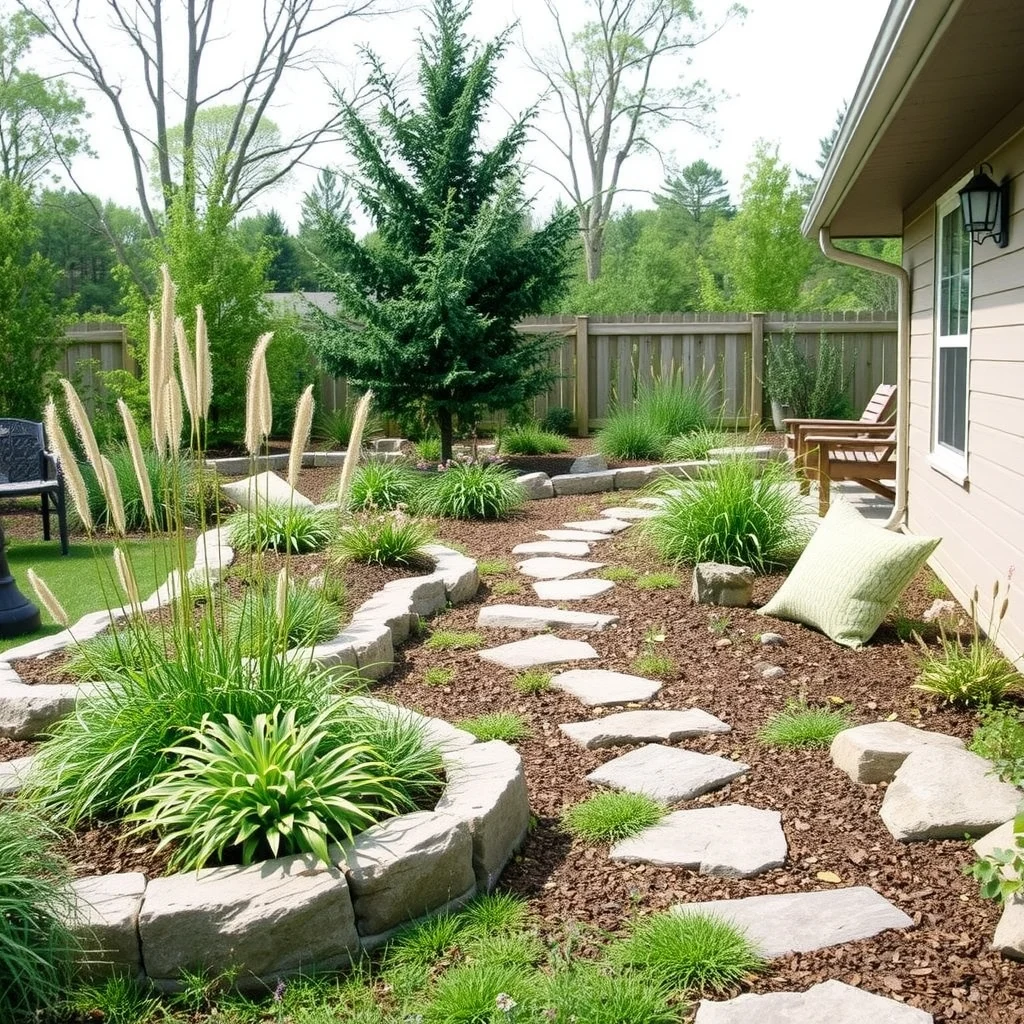
Finally, place a few native shrubs such as red twig dogwood, ninebark, or serviceberry at the perimeter of the garden. Their bark, foliage, and occasional fruit provide year‑round structure that frames the stone and grass composition. Shrubs also attract pollinators and birds, adding a subtle layer of wildlife activity.
When selecting shrub size, keep in mind the mature spread to avoid crowding the pathways. A smaller, columnar form works well beside a stone wall, while a broader, rounded shrub can soften a straight fence line. Pruning once a year after flowering maintains shape without compromising the natural look. The main consideration is that larger shrubs may need occasional deep watering during prolonged dry spells, which can be mitigated with a drip‑irrigation system.
Frequently Asked Questions
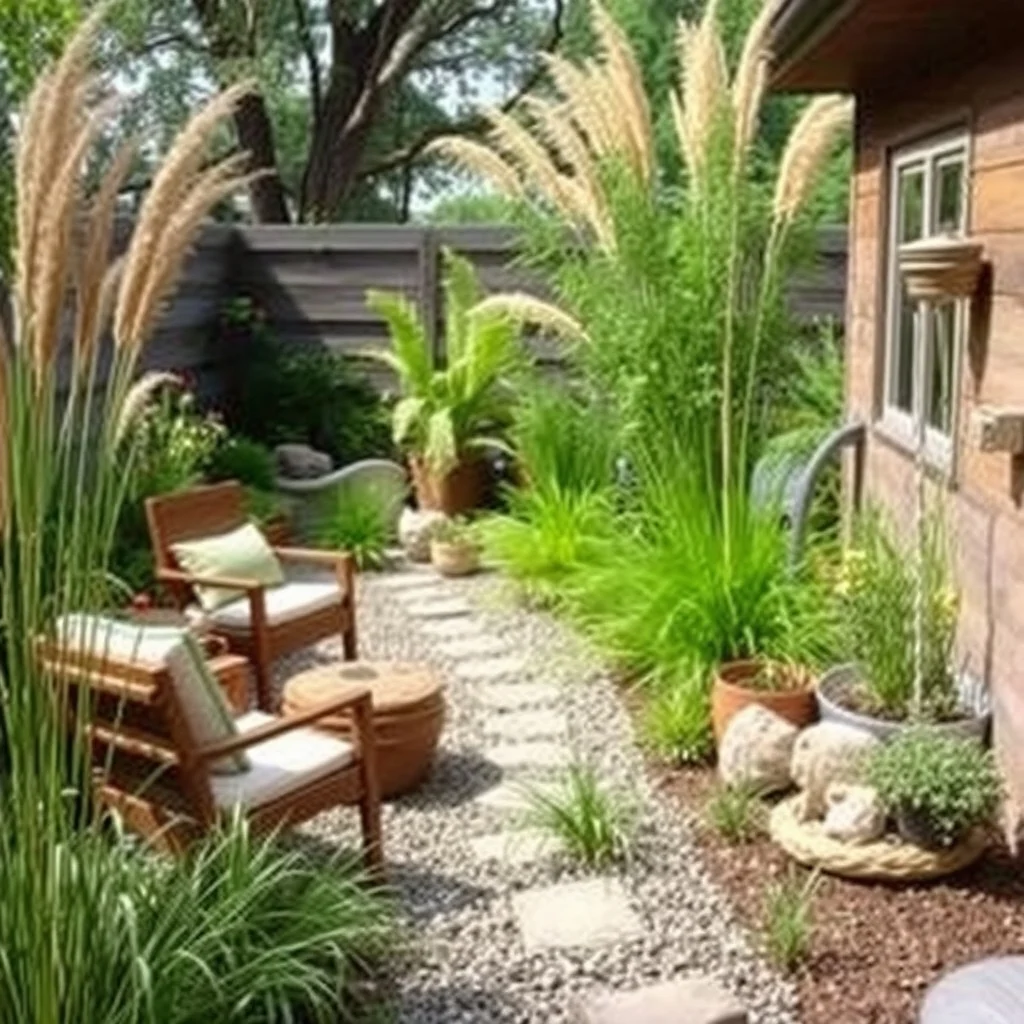
How do I choose rocks that will blend with my existing landscape?
Select stones that match the color and texture of nearby natural features, such as the hue of a nearby creek bed or the tone of a existing patio. A cohesive palette helps the garden feel integrated rather than added on.
Can I use ornamental grasses that are not native?
Ornamental grasses can work, but they often require more water and may become invasive. Sticking with native grasses ensures better adaptation to local climate and reduces maintenance.
What is the best way to prevent weeds from growing between rocks?
Lay a geotextile fabric under the stones and cover it with a layer of gravel or mulch. This barrier blocks light while still allowing water to drain, keeping most weeds at bay.
How often should I water newly planted native perennials?
During the first growing season, water deeply once a week if rainfall is insufficient. After the plants are established, most natives survive on natural precipitation alone.
Is it safe to install lighting in stone pathways myself?
Low‑voltage LED fixtures are generally safe for DIY installation, but you should follow the manufacturer’s instructions and ensure all connections are rated for outdoor use. If you are uncertain, consult a licensed electrician.
Final Thoughts
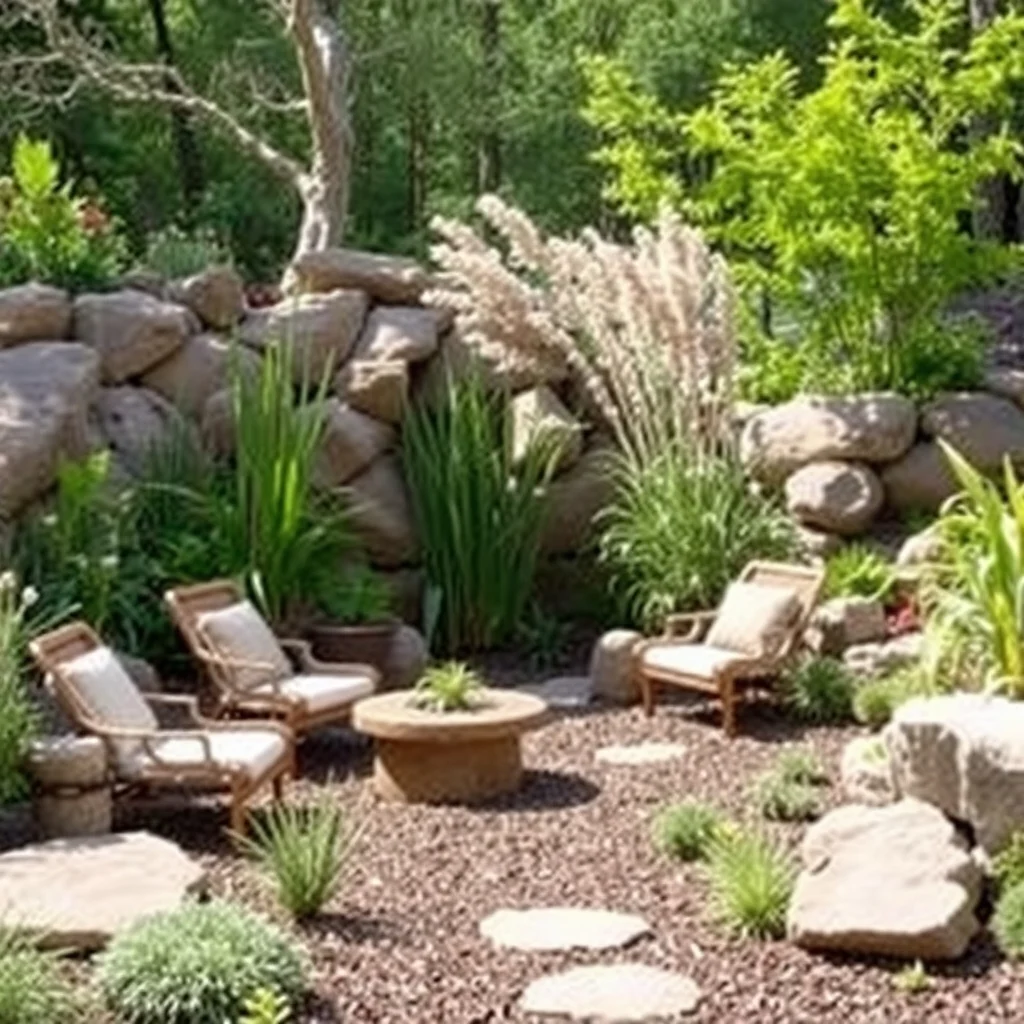
Designing a garden with rocks, grasses, and native plants is less about imposing a strict plan and more about coaxing the land into a balanced composition. By anchoring the space with stone, adding movement through grasses, and filling in color and structure with native perennials and shrubs, you create a setting that feels both intentional and wild. The key is to respect the natural rhythms of the site—allowing soil, light, and water to guide your choices—while providing enough structure to keep the garden usable and attractive year after year.