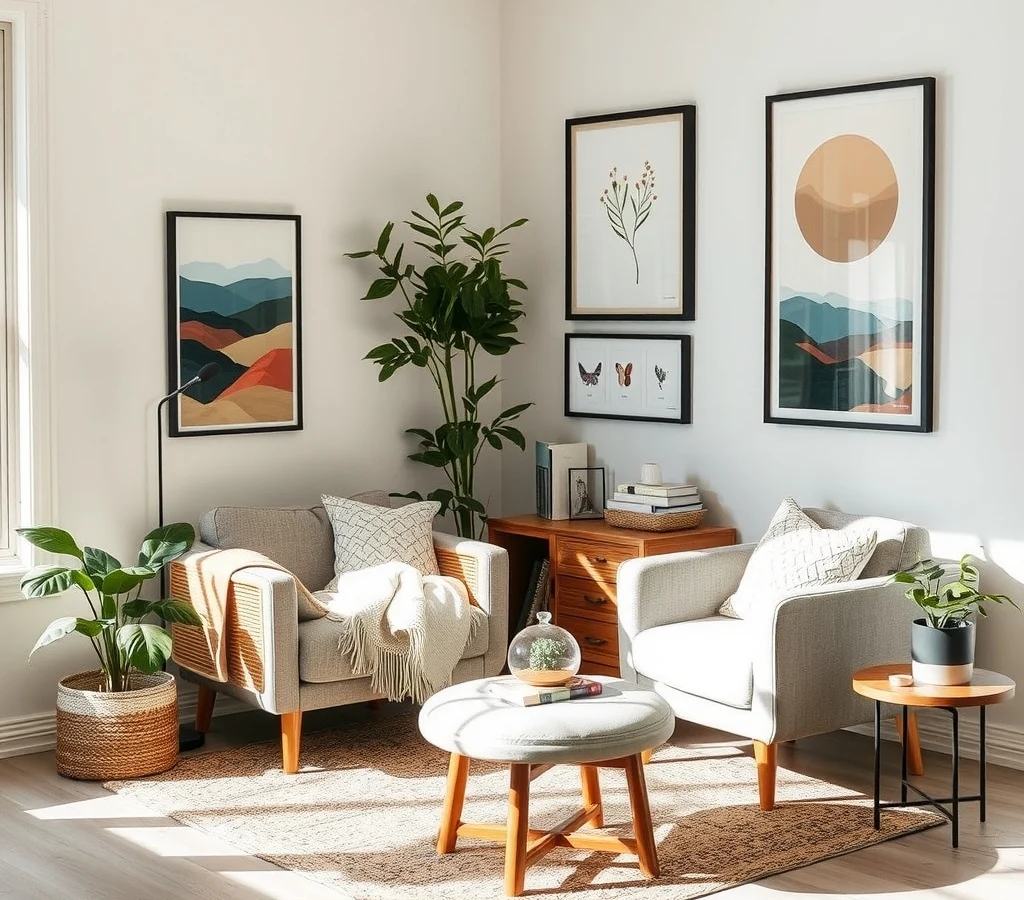
Cozy Reading Nook Ideas for Small Spaces and Quiet Evenings

Finding a place to unwind with a good book can feel impossible when square footage is limited and the living room is already crowded with daily activities. Yet a thoughtfully arranged corner can become a private retreat without demanding a whole room. Below are seven ideas that turn modest nooks into inviting sanctuaries, each with a focus on comfort, lighting, and practical storage. Whether you are living in a studio apartment or simply need a quieter spot in a busy household, these suggestions will help you carve out a reading haven that feels both purposeful and welcoming.
1. Embrace a Built‑In Window Seat
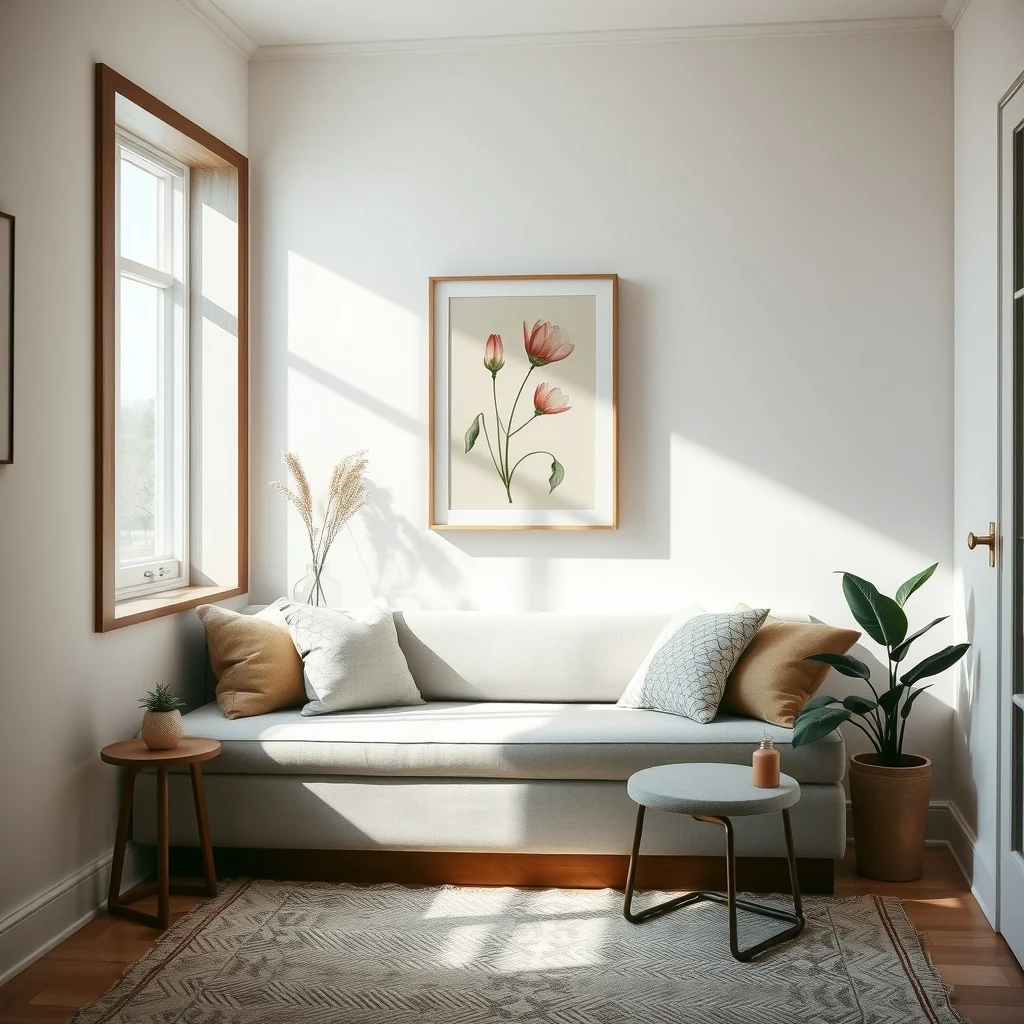
When a window offers natural light, a built‑in seat can transform the view into a reading perch. A low, upholstered bench that follows the window’s contour creates a seamless integration with the wall, reducing the need for additional furniture. Soft, washable linen cushions in a muted greige or warm olive add comfort while keeping the look understated. Because the bench is recessed, floor space remains open, which is crucial in a compact layout. Adding a narrow shelf above the seat provides a place for current reads and a few decorative objects, turning the area into a functional library without clutter. The main trade‑off is the need for precise carpentry; if a custom build feels daunting, a ready‑made window bench with a simple back panel can achieve a similar effect with less installation effort.
2. Use a Compact Armchair Paired with a Side Table
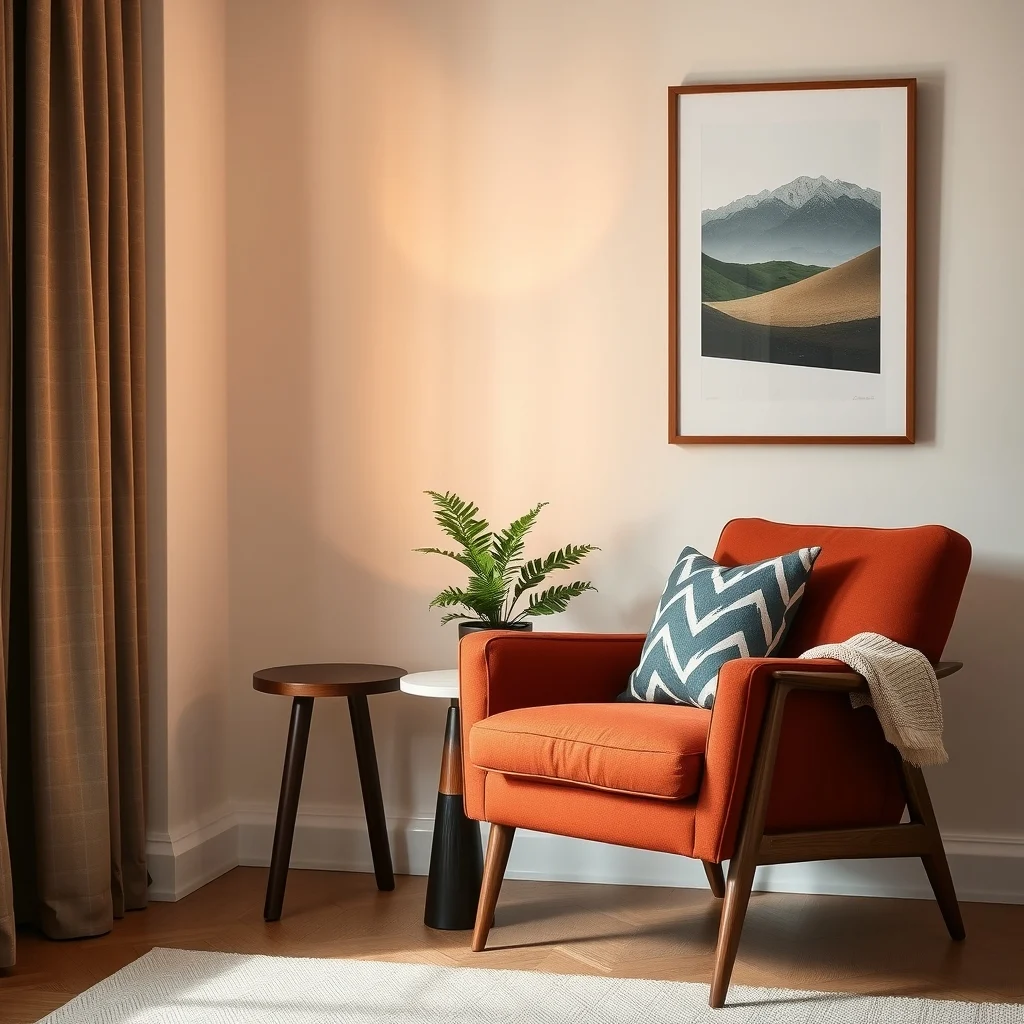
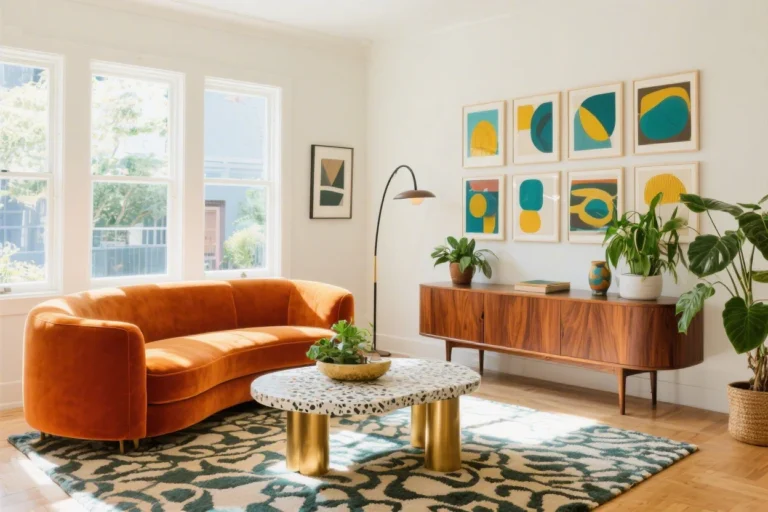
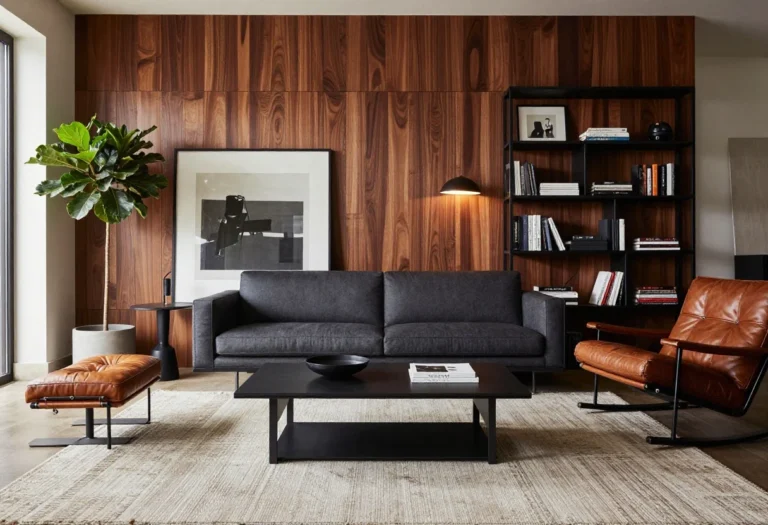
A single, well‑chosen armchair can anchor a tiny nook without overwhelming the room. Look for a chair with a modest footprint—perhaps a mid‑century silhouette in walnut or a soft, rounded form in a deep terracotta fabric. Position the chair at an angle that faces the wall rather than directly toward the window; this arrangement captures both natural light and ambient illumination from a nearby floor lamp. A narrow side table, preferably in a material that complements the chair—such as a brushed brass metal or a reclaimed oak slab—offers a stable surface for a steaming mug of tea and a reading lamp. The compact size ensures you can slide the chair away when you need the floor for other activities. One limitation is that a single chair may not accommodate more than one person, so it works best for solitary reading sessions.
3. Incorporate a Floating Shelf for Books and Accessories
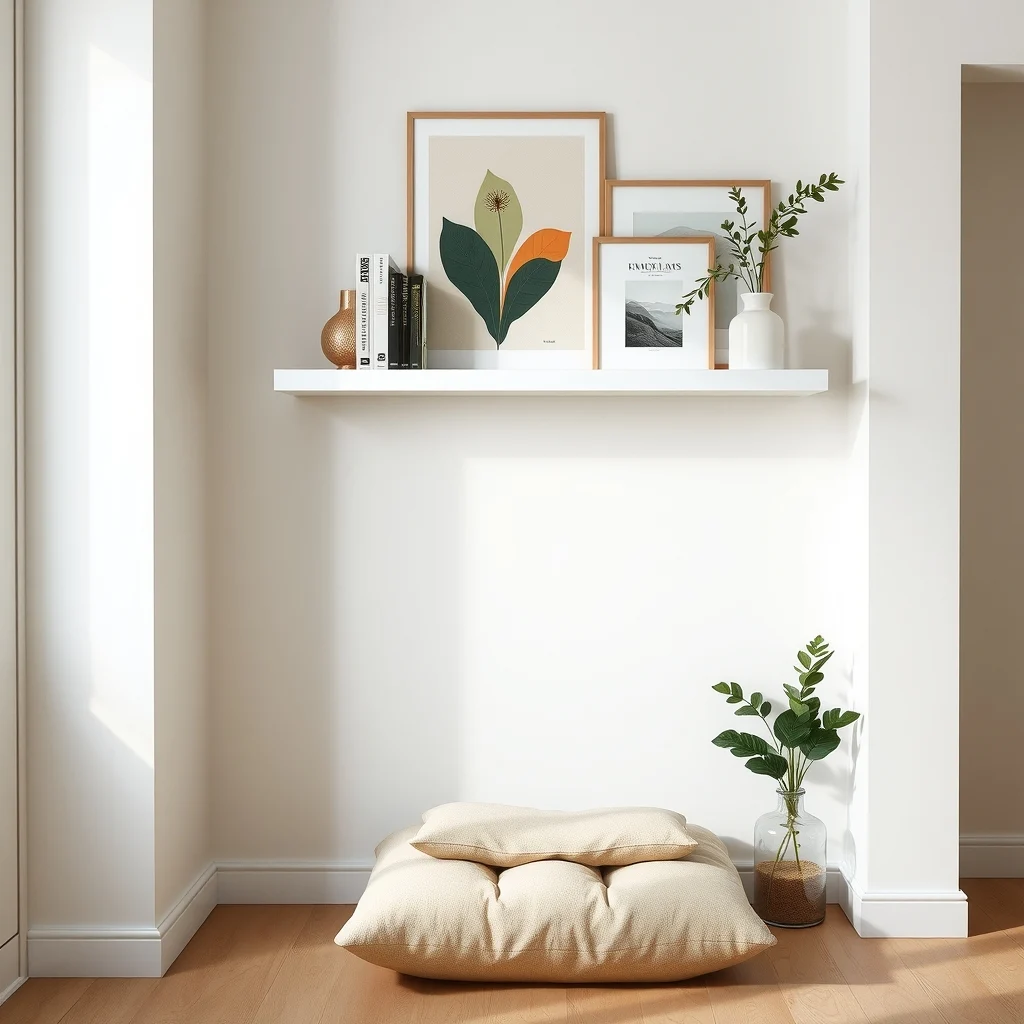
Vertical storage solves the problem of limited floor area while keeping your favorite titles within arm’s reach. A floating shelf installed at eye level above a small chair or floor cushion creates a tidy display that doubles as a decorative element. Choose a shelf made of light oak or painted in a soft pastel to blend with the surrounding walls. By arranging books both vertically and horizontally, you add visual interest and avoid a rigid, uniform look. Adding a small potted fern or a ceramic vase breaks up the spines and introduces a hint of nature. The main consideration is the weight capacity of the brackets; heavy volumes require sturdy anchors, especially in drywall. If the wall cannot support a deep shelf, a slim metal rail with individual hooks can hold a few books and keep the visual line clean.
4. Layer Lighting for Adjustable Ambiance
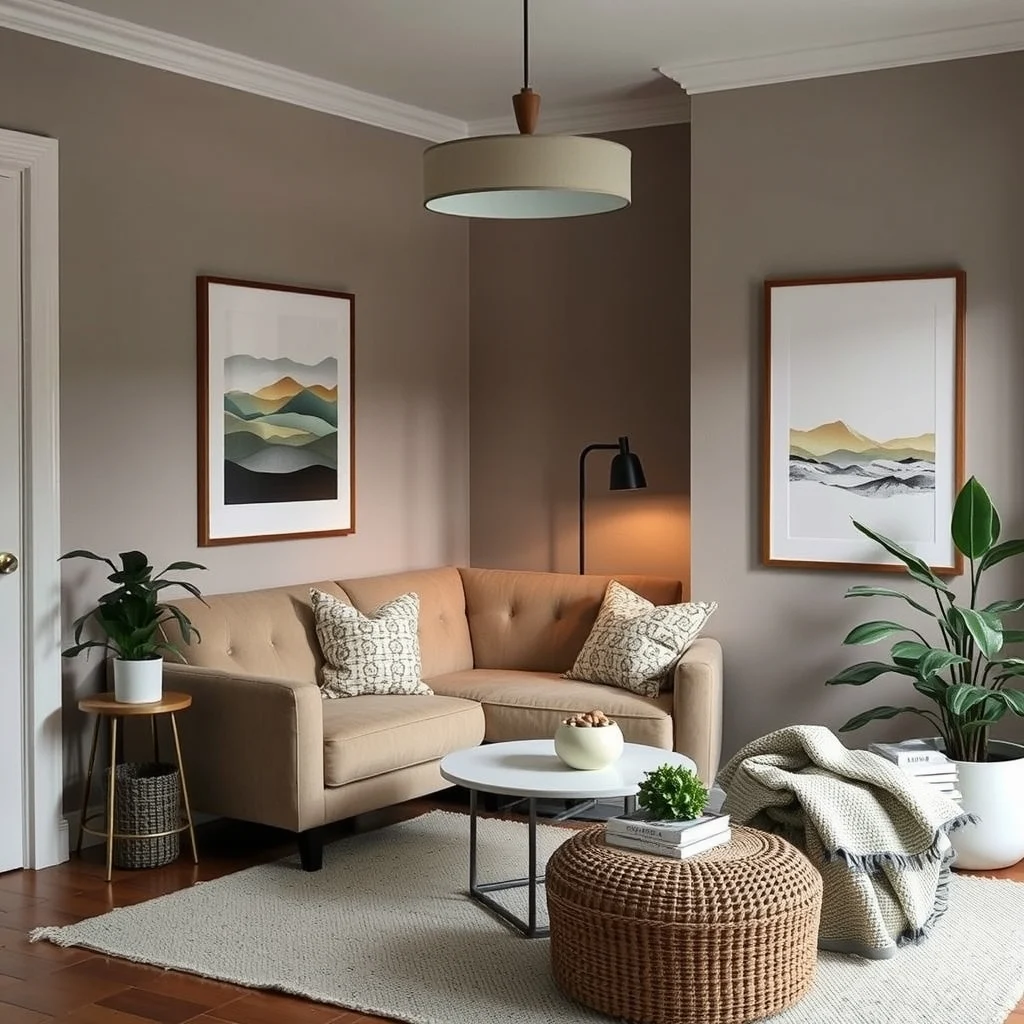
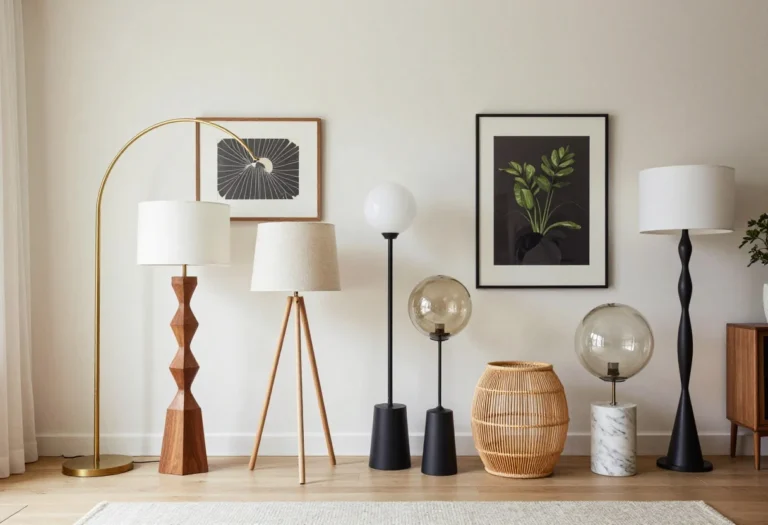
Good lighting is the cornerstone of a cozy reading environment, and layering different sources allows you to tailor the mood for any hour. Start with a soft overhead fixture that provides general illumination, then add a dedicated reading lamp—such as an adjustable brass swing arm or a sleek LED torchiere—positioned beside the seating. The lamp should emit a warm color temperature around 2700‑3000 K, which reduces eye strain without harsh glare. For evenings, a string of dimmable fairy lights draped along the top of a shelf adds a gentle glow that feels inviting without overwhelming the space. While multiple light sources enrich the atmosphere, be mindful of electrical safety; use outlets with surge protection and avoid overloading circuits, especially in older apartments.
5. Choose Soft Textiles to Invite Relaxation
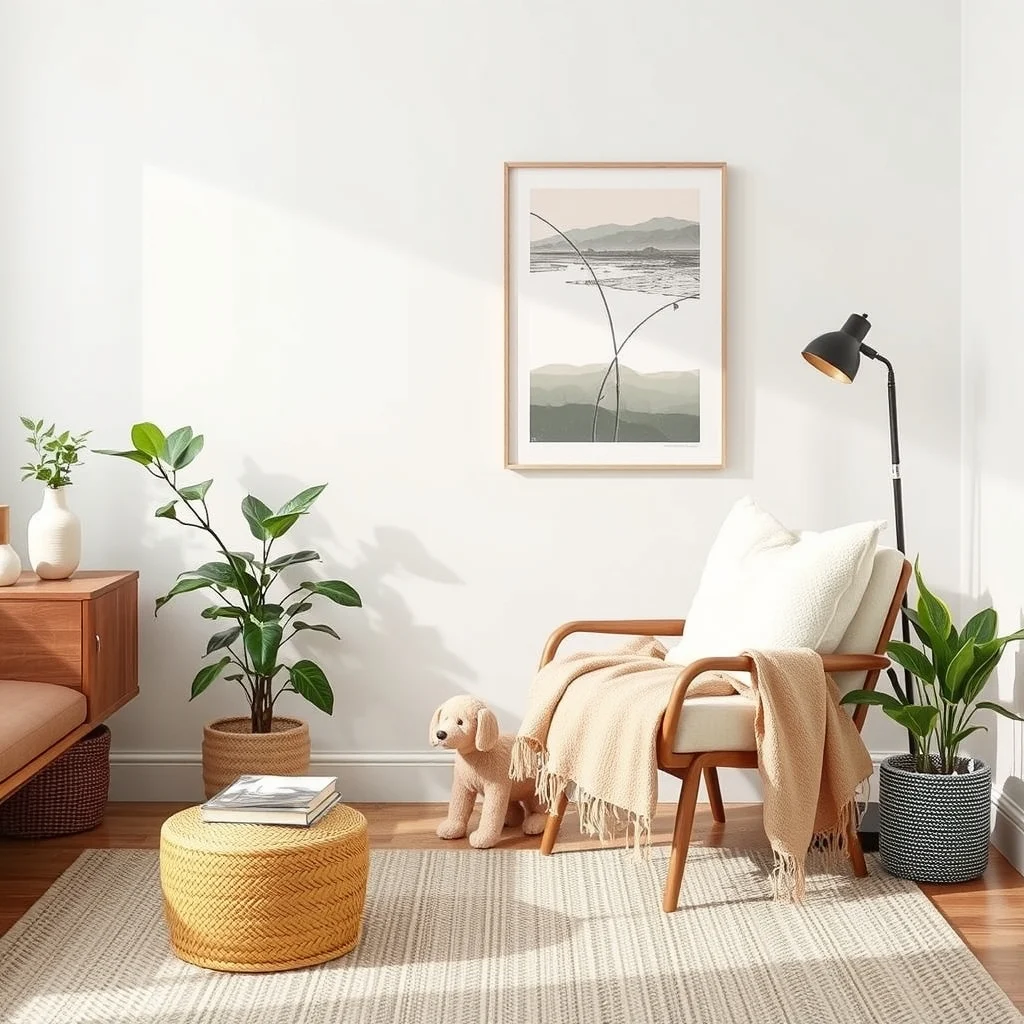
Texture plays a quiet but powerful role in making a nook feel inviting. A plush throw in a natural fiber like alpaca or a brushed boucle adds warmth to a chair’s backrest, while a low‑pile rug in a muted terracotta or soft sage anchors the floor. These textiles not only enhance comfort but also absorb sound, creating a quieter environment for focused reading. Selecting fabrics that are easy to clean—such as a machine‑washable cotton blend for the throw—ensures the space stays fresh over time. The downside is that overly thick rugs can make a small room feel heavier, so keep the pile low and the color palette cohesive with the surrounding décor.
6. Add a Portable Storage Ottoman
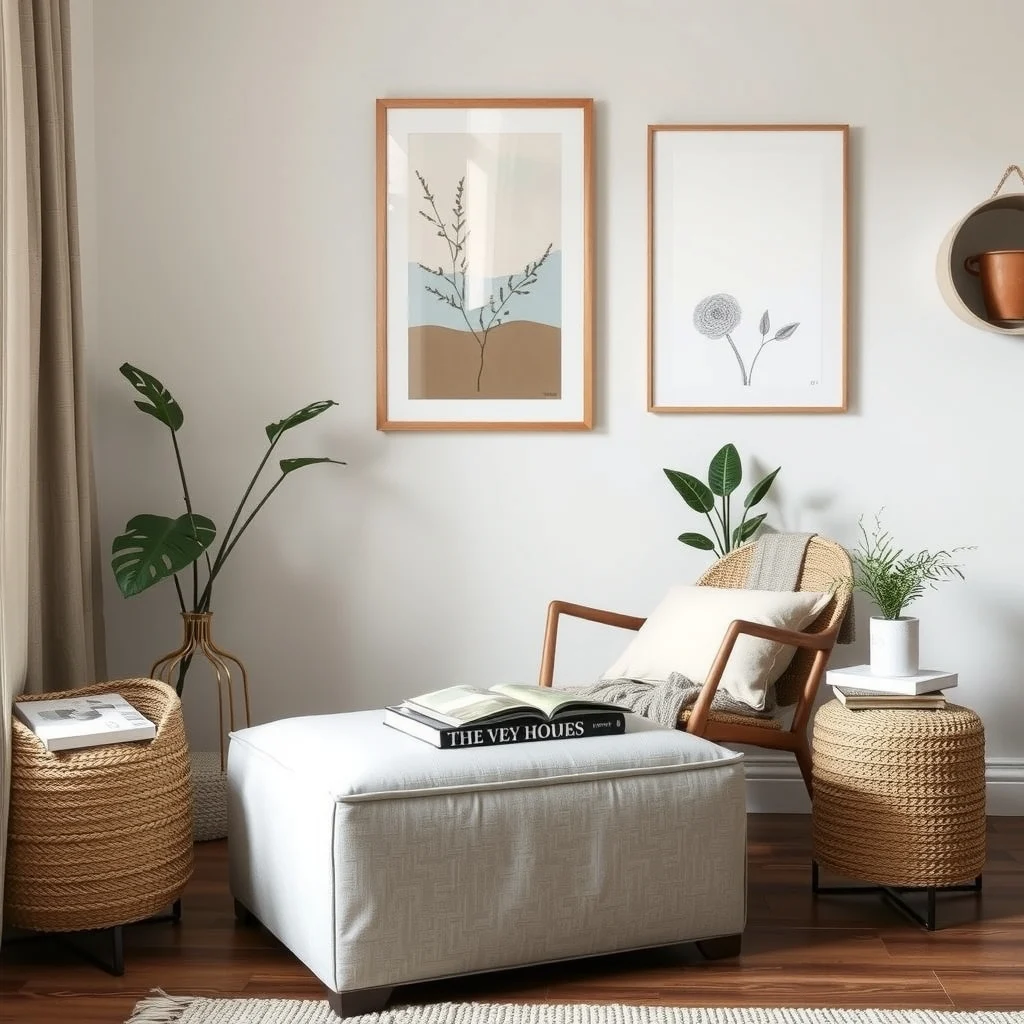
An ottoman that doubles as hidden storage provides seating, footrest, and a place to stash blankets or extra books. Opt for a rectangular shape in a neutral linen upholstery that matches the chair or cushion palette. The interior compartment can hold a stack of novels, a cozy blanket, or a small basket of tea accessories, keeping the nook tidy without visible bins. Because the ottoman can be moved, you retain flexibility—push it against a wall when you need more floor space for yoga or rearrange it for a casual gathering. One limitation is the weight of the filled ottoman; ensure the floor can support it, especially on older hardwood that may be prone to dents.
7. Create a Miniature Beverage Station
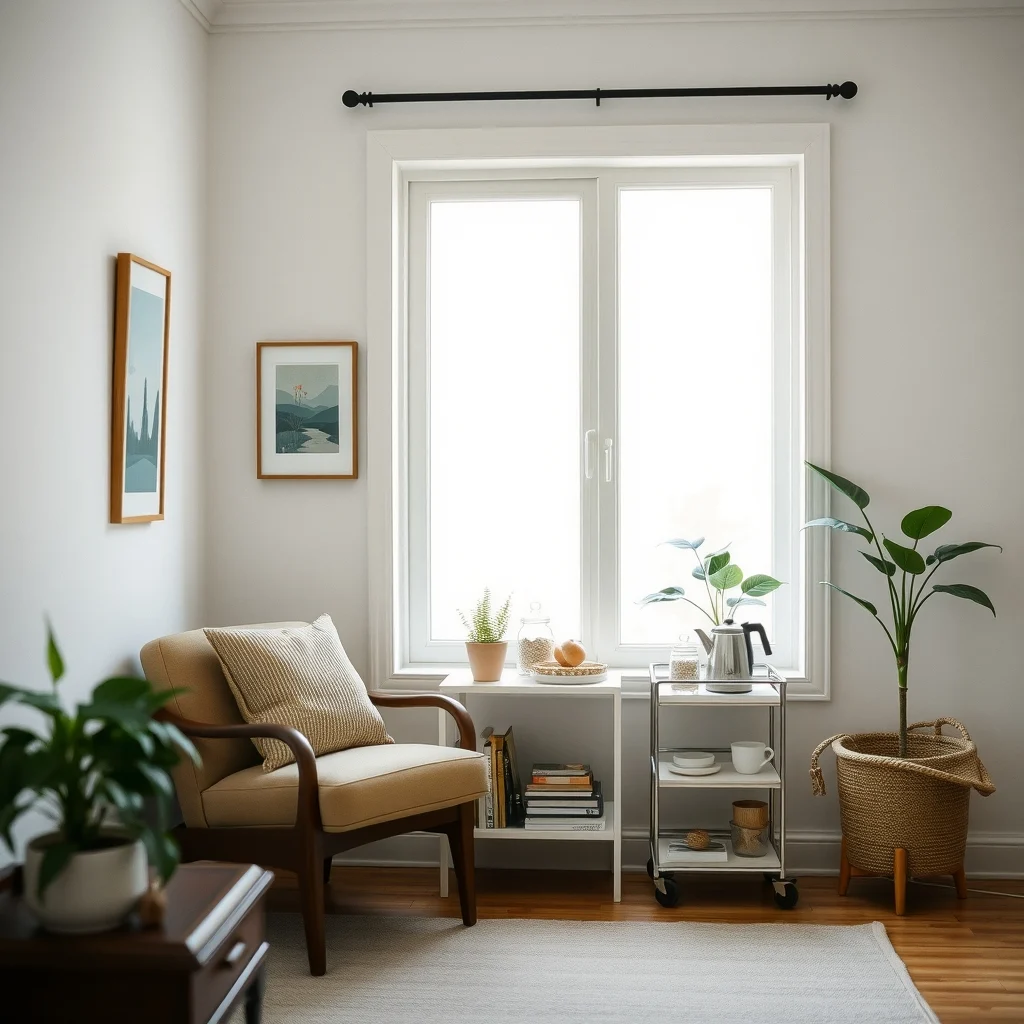
Having a cup of tea or coffee within arm’s reach encourages longer reading sessions. A narrow wall‑mounted rail or a small rolling cart can hold a kettle, a mug rack, and a jar of loose‑leaf tea. Choose materials that echo the rest of the nook—perhaps a reclaimed pine rail with brass hooks or a compact metal cart with a matte black finish. Position the station near the seating but away from direct sunlight to protect the tea leaves. While this addition adds convenience, it also introduces a small amount of clutter; limit the items to essentials and store spare supplies in a nearby pantry to maintain a clean aesthetic.
FAQ
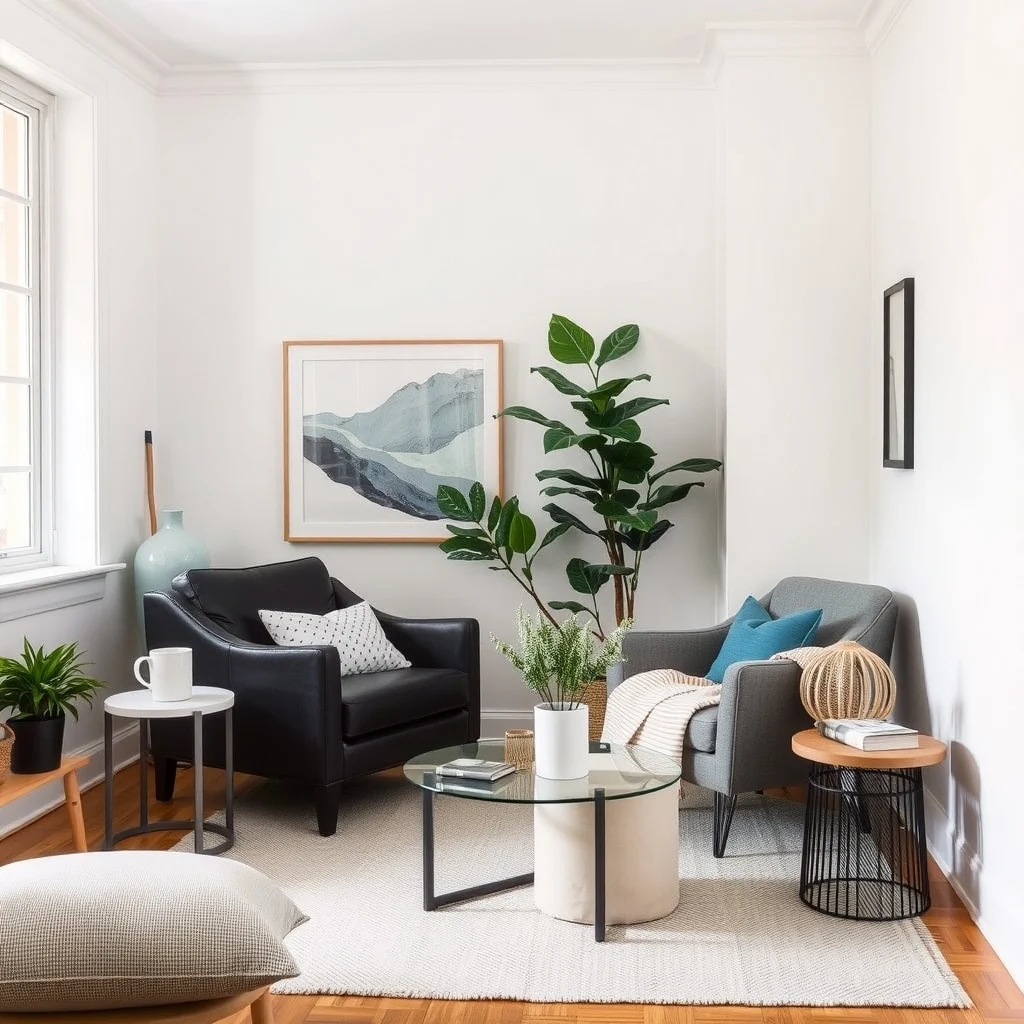
How can I make a reading nook feel larger in a studio apartment?
Use light‑colored walls, reflective surfaces such as a glass side table, and keep furniture low to the ground. These choices open the visual field and prevent the nook from dominating the space.
What type of lamp is best for nighttime reading?
A lamp that offers adjustable brightness and a warm color temperature works best. An LED swing‑arm lamp with a dimmer allows you to lower the light level as the evening progresses while maintaining clear visibility.
Is it okay to place a reading nook near a radiator?
Yes, as long as the furniture is at least a few inches away from the heat source. This distance prevents fabric from overheating and maintains a comfortable temperature for extended sitting.
Can I use a bookshelf as a room divider for a reading area?
A low bookshelf can separate a nook without cutting off natural light. Choose a piece that is no higher than the ceiling line of the room to keep the space feeling open.
Final Thoughts
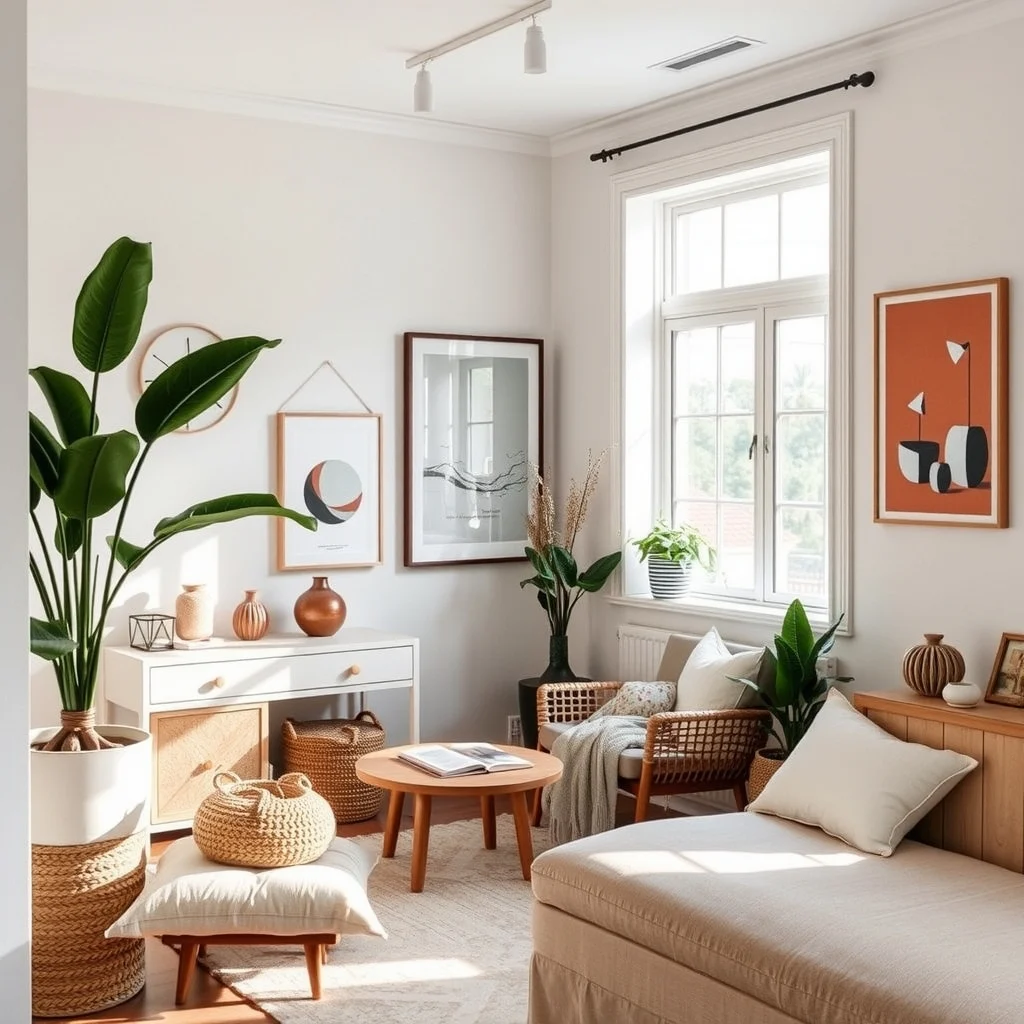
Designing a cozy reading nook in a small space is less about the amount of square footage and more about thoughtful arrangement, layered lighting, and tactile comforts. By selecting a single anchor piece—whether a window seat, a compact armchair, or an adaptable ottoman—and surrounding it with purposeful storage, soft textiles, and a modest beverage station, you create a pocket of calm that invites you to linger with a book. Small compromises, such as choosing lightweight shelving or keeping the palette restrained, ensure the nook remains functional without overwhelming the room. With these ideas in place, even the tiniest corner can become a cherished retreat for quiet evenings.