Vintage Kitchen Decor Ideas That Make Your Home Feel Unique

Walking into a kitchen that feels lived‑in yet carefully curated can be a quiet delight. Many homeowners reach for the latest glossy cabinets or sleek appliances, only to find the space lacks personality. A vintage approach lets you blend history with everyday function, creating a room that tells a story while serving modern needs. Below are seven ideas that show how you can weave antique charm into a kitchen without sacrificing practicality.
1. Reclaimed Wood Shelving as a Focal Point
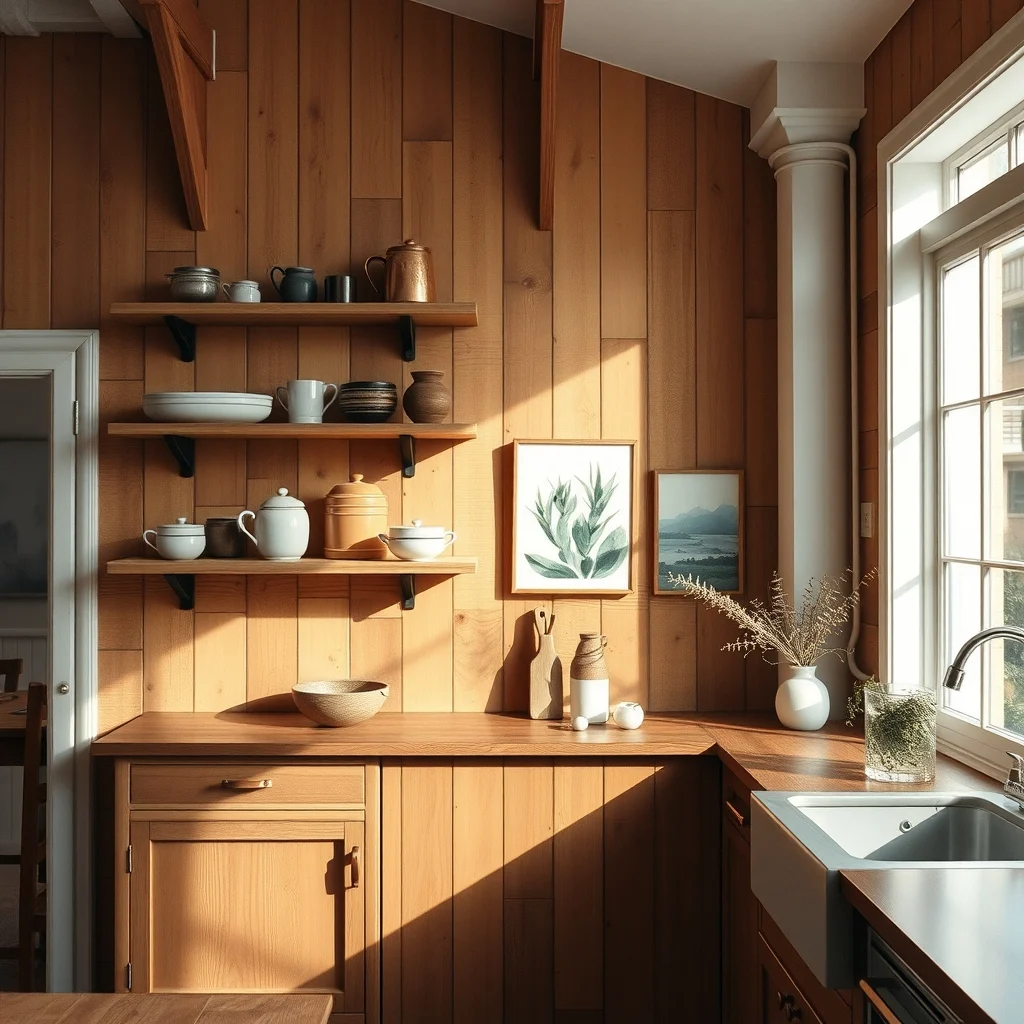
Imagine a wall of open shelving built from reclaimed barn planks, each board bearing the patina of decades of use. The rough texture and warm, honey‑toned hues draw the eye and provide immediate storage for dishes, jars, and cookbooks. Because the shelves are open, you can display a mix of vintage copper pots and contemporary glassware, balancing old and new. Installing sturdy brackets in a brushed‑brass finish adds a subtle metallic accent that ties the look together. When planning the layout, keep the shelf height within comfortable reach—around 48 inches from the floor—to avoid strain. A downside to consider is that reclaimed wood may need periodic sealing to protect against moisture, especially in a kitchen environment. Choosing a low‑VOC sealant helps preserve the wood’s character while keeping indoor air quality safe.
2. Classic Subway Tiles with a Twist
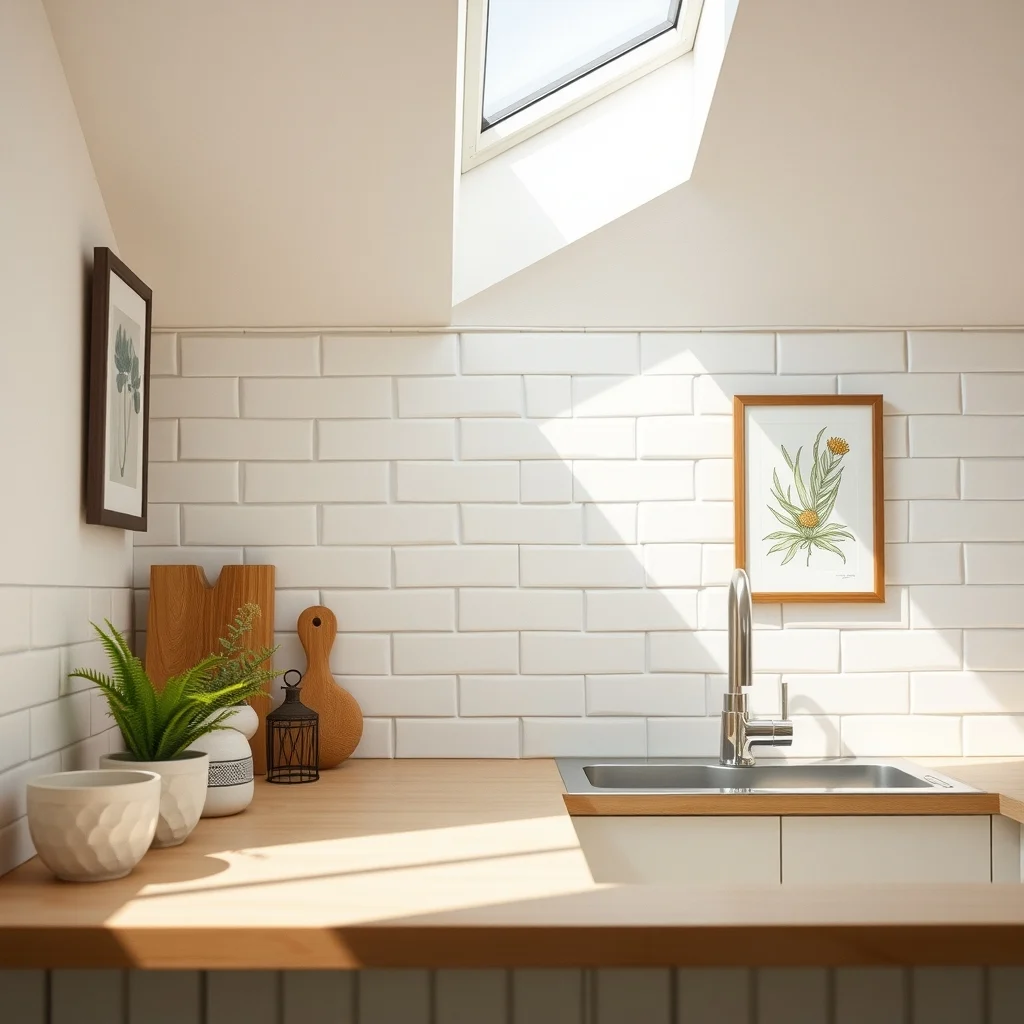
Subway tiles are a timeless choice, but you can give them a vintage spin by opting for matte, slightly uneven bricks in a soft cream or muted sage. The subtle variation in glaze mimics tiles that have been fired by hand, adding depth without overwhelming the space. Laid in a staggered, “running bond” pattern, the tiles guide the eye along the backsplash, making the area feel larger. Pairing the tile with a simple brass faucet and a wooden countertop creates a balanced palette. If you have a smaller kitchen, a half‑height backsplash can keep the wall feeling airy while still delivering the vintage texture. The main consideration is grout maintenance; darker grout can hide stains better, but lighter grout highlights the tile’s imperfections, which some may prefer for an authentic look.
3. Retro Appliance Color Palettes
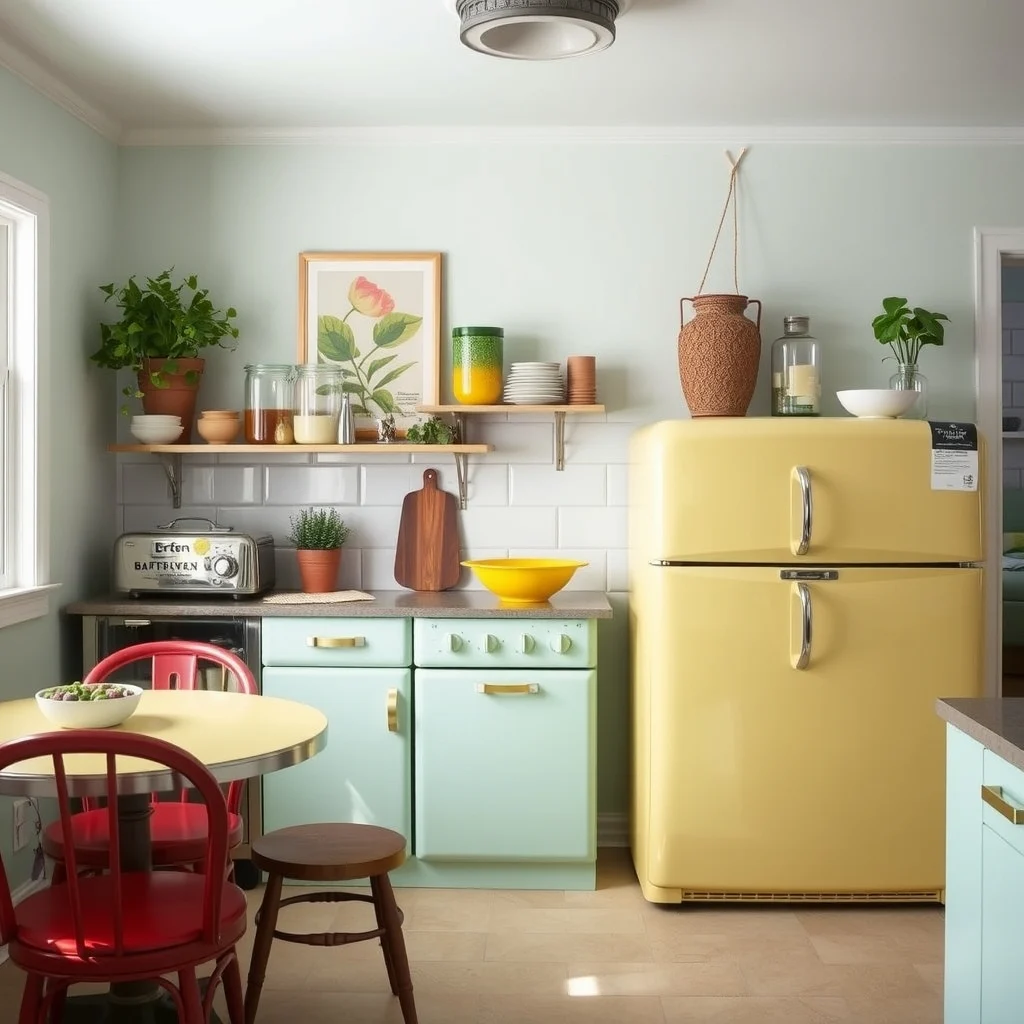
Modern appliances are often finished in stainless steel, but a pastel hue can instantly evoke the 1950s diner vibe. A mint‑green refrigerator or a buttery‑yellow range adds a playful splash of color without dominating the room. To keep the look cohesive, limit the retro palette to one or two pieces and let the surrounding cabinetry remain neutral—think warm greige or soft white. The contrast highlights the vintage pieces while preserving a calm backdrop for daily cooking. Keep in mind that colored appliances may show fingerprints more readily, so a routine of quick wipes with a microfiber cloth helps maintain their charm. If budget is a concern, consider applying a high‑quality paint designed for appliances rather than purchasing new units.
4. Vintage Light Fixtures Over the Island
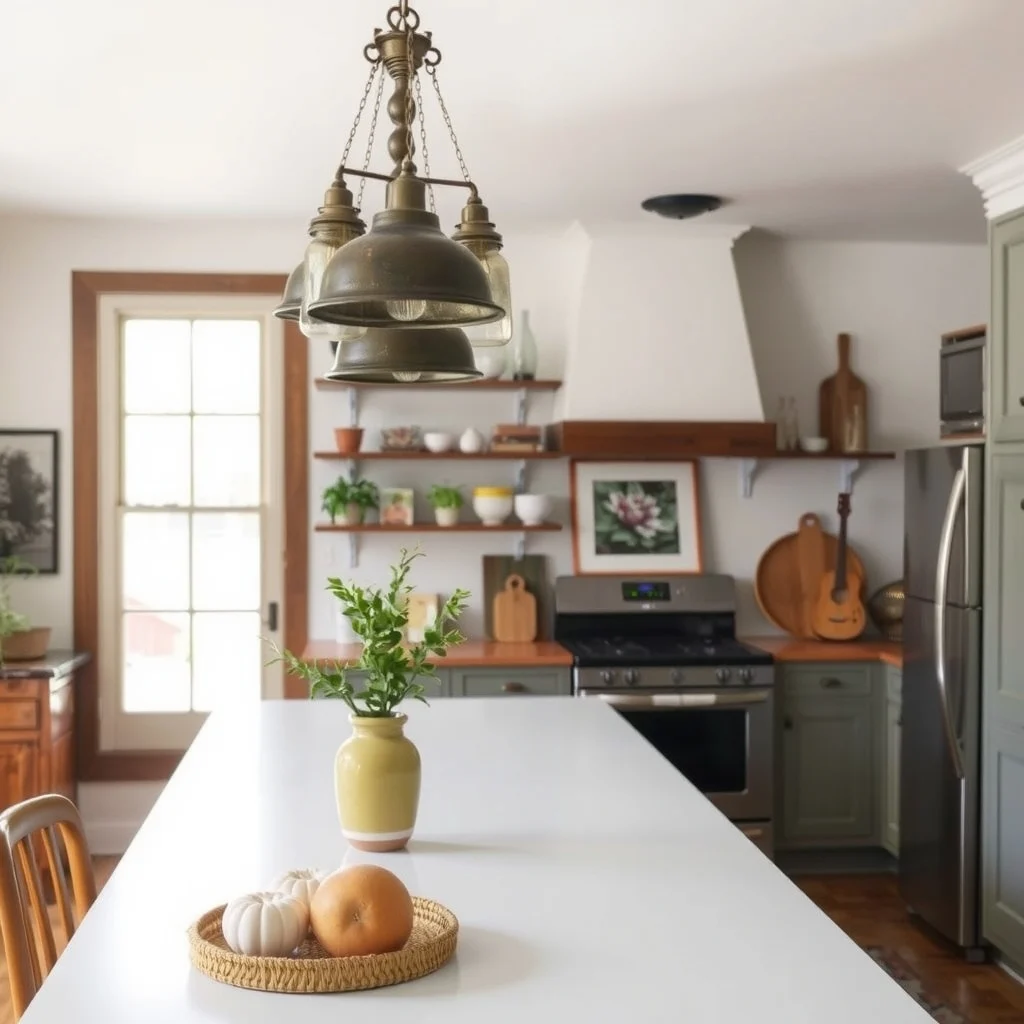
A pendant cluster made from aged metal shades or repurposed mason jars can become the centerpiece of a kitchen island. The soft, diffused glow they emit is perfect for evening meals and adds a nostalgic ambience. Position the fixtures at a height of about 30 inches above the countertop to provide adequate task lighting without causing glare. Because the fixtures are often handcrafted, each piece carries slight variations that reinforce the vintage feel. When installing, ensure the wiring complies with local electrical codes and, if you’re unsure, enlist a qualified electrician. The trade‑off is that vintage fixtures may consume more energy than modern LED options, so pairing them with LED bulbs can preserve the look while improving efficiency.
5. Antique-Style Hardware on Modern Cabinets
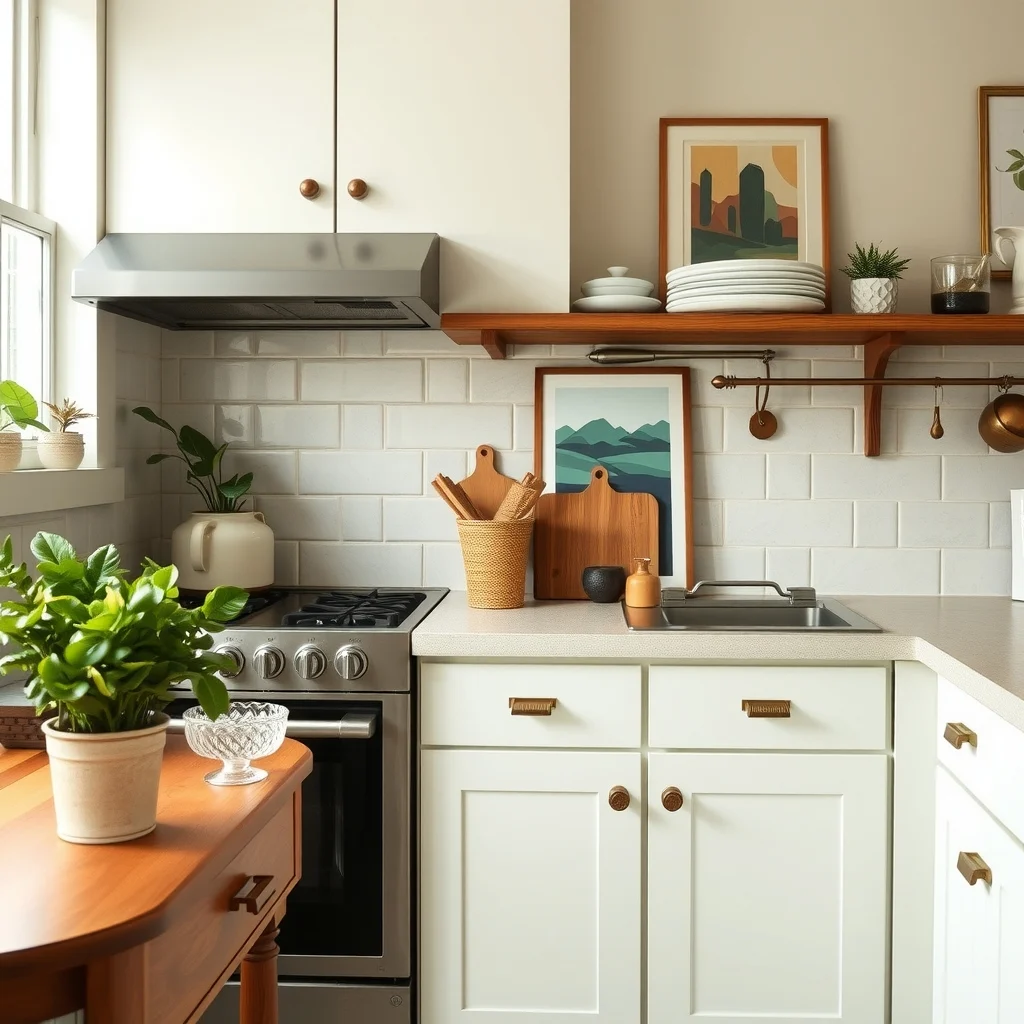
Swapping contemporary knobs for brass or oil‑rubbed bronze pulls instantly changes the character of sleek cabinets. The tactile experience of turning an aged handle adds a subtle, satisfying moment to everyday use. Choose hardware with a slightly worn finish—perhaps a brushed texture with a hint of patina—to avoid a brand‑new appearance. When selecting sizes, larger pulls work well on drawer fronts, while smaller knobs suit cabinet doors, maintaining visual harmony. Installing the hardware yourself is straightforward: a screwdriver, a drill for pilot holes if needed, and a steady hand are all that’s required. One limitation is that older hardware may loosen over time, so checking the screws periodically can prevent accidents.
6. Open-Plan Kitchen with Vintage Seating Nook
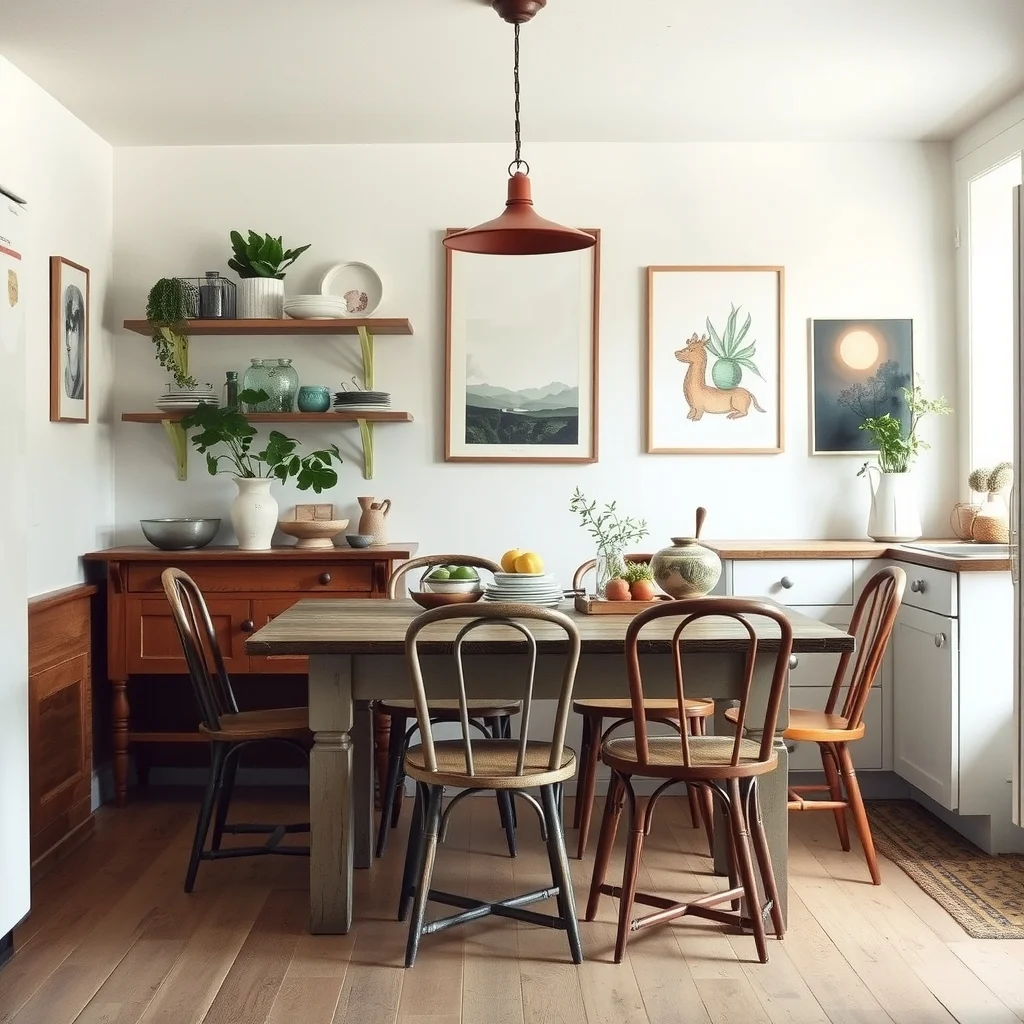
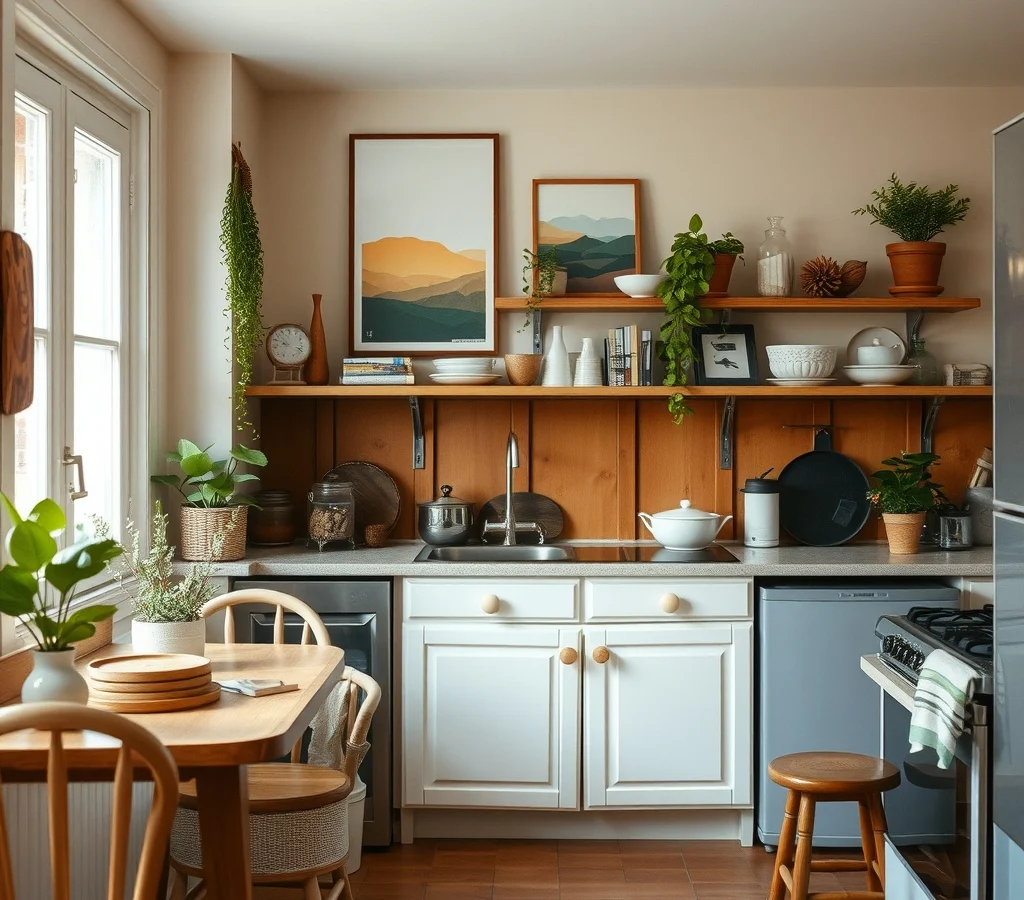
Carving out a small seating area using a reclaimed farmhouse table and mismatched chairs creates a gathering spot that feels both intimate and historically rooted. The table’s distressed surface invites casual meals, while the chairs—perhaps a mix of bent‑wood and metal frames—add visual interest. Position the nook near a window to capture natural light, which highlights the textures of the wood and softens the room’s overall tone. Adding a simple runner in a faded linen fabric introduces color without competing with the vintage elements. If space is limited, consider a bench with a built‑in cushion that can slide under the table when not in use. The main challenge is ensuring the seating area does not obstruct the kitchen’s workflow; keeping a clear path of at least three feet between the island and the nook maintains safety.
7. Curated Vintage Accessories and Functional Art
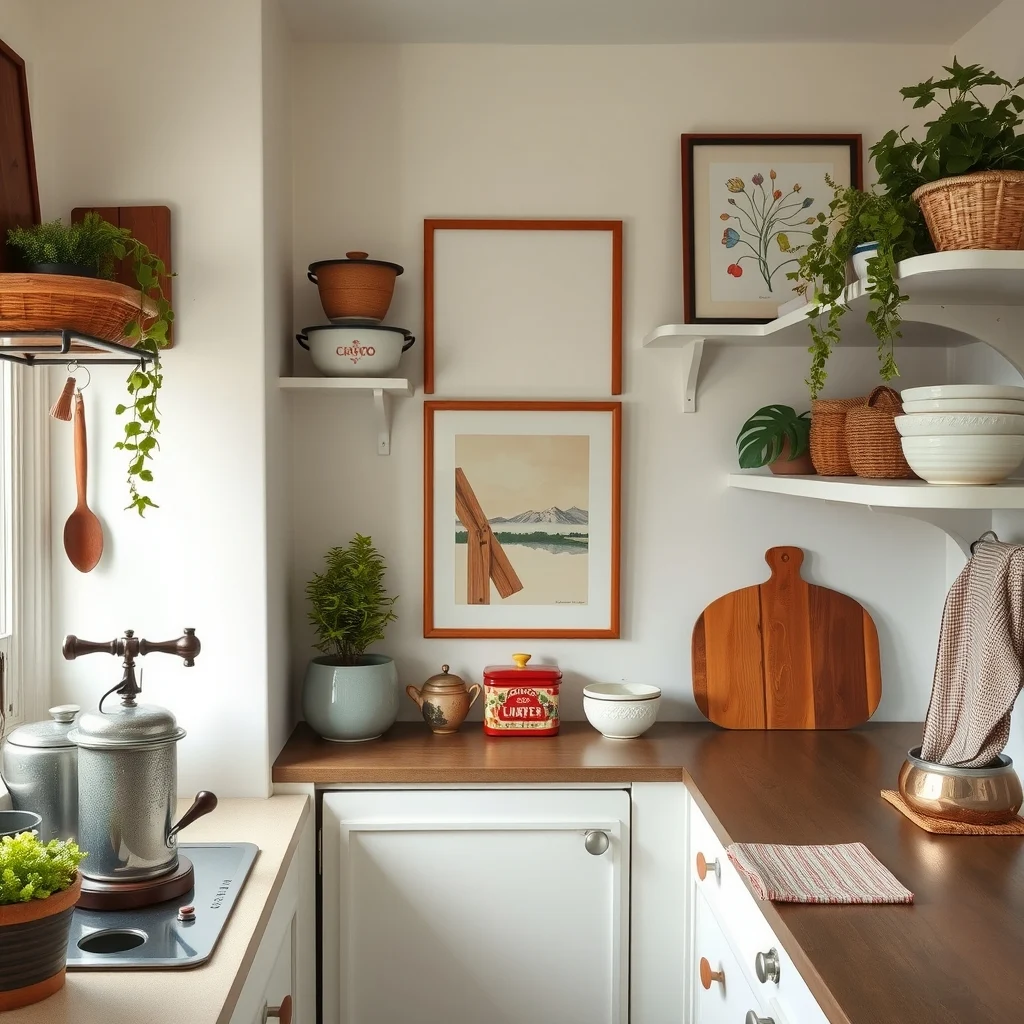
Small items such as an old-fashioned hand‑crank coffee grinder, a set of enamelware mixing bowls, or a copper pot rack can serve both decorative and functional purposes. Placing these objects on open shelves or hanging them from sturdy hooks adds layers of interest that evolve as you add or rotate pieces. For example, a copper pot rack not only displays cookware but also provides easy access while the metal’s natural sheen reflects light, brightening the room. When selecting accessories, prioritize pieces that are still usable; this approach reduces clutter and ensures each item contributes to daily life. A possible downside is that some vintage items may require gentle cleaning methods—avoid abrasive scrubbers on enamel or copper to preserve their finish.
FAQ
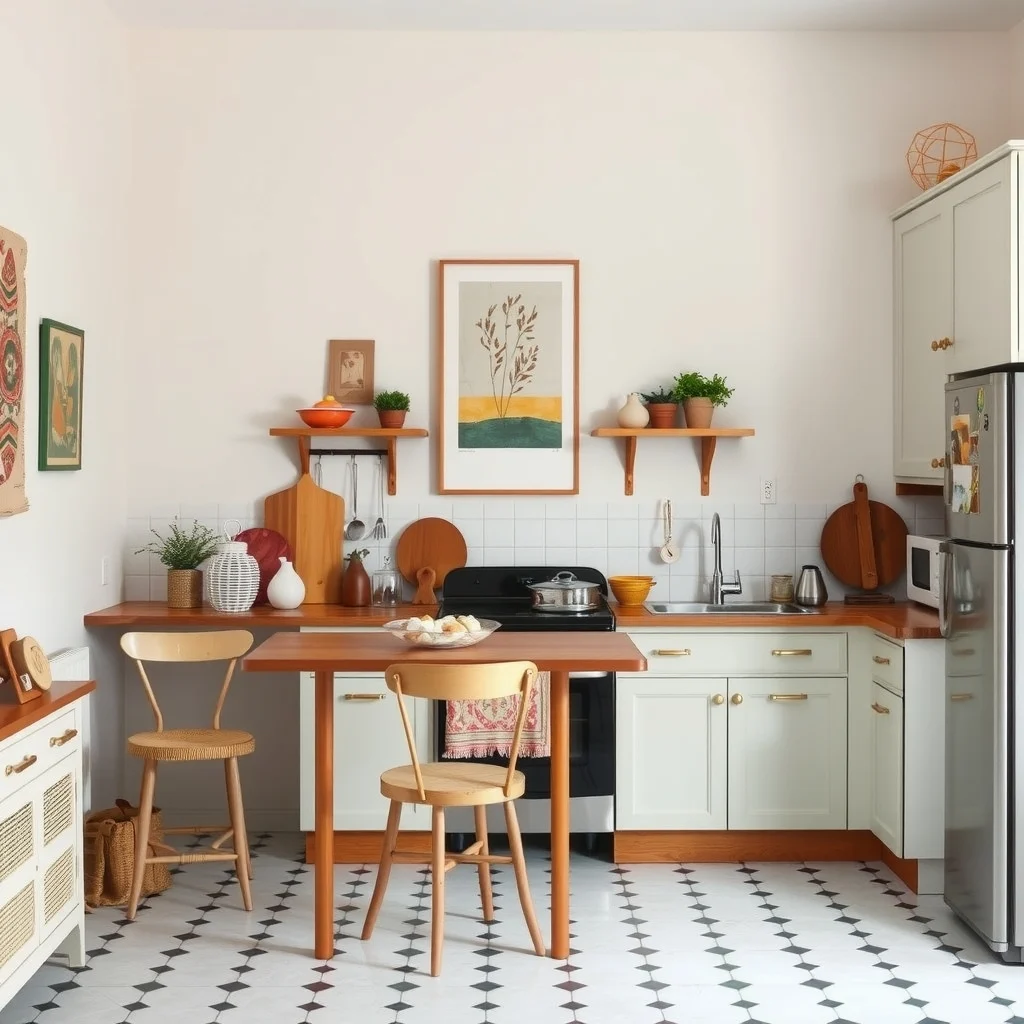
Can I mix vintage and modern elements without the kitchen looking disjointed?
Yes, balance is achieved by anchoring the space with a neutral base—such as simple cabinetry or understated walls—and letting vintage pieces serve as accents. This contrast creates cohesion while allowing each element to shine.
What is the best way to protect reclaimed wood in a kitchen?
Apply a water‑based polyurethane sealant that is low in volatile organic compounds. Re‑apply every few years, especially in high‑traffic areas, to maintain protection against spills and humidity.
Are retro‑colored appliances practical for everyday cooking?
They are functional, but they may show fingerprints more clearly than stainless steel. Regular cleaning with a soft cloth keeps them looking fresh, and using LED bulbs in any accompanying lighting reduces overall energy consumption.
How can I ensure vintage light fixtures meet current safety standards?
Choose fixtures that are UL‑listed or certified for residential use, and have the wiring inspected or installed by a licensed electrician. Pairing the fixture with LED bulbs also reduces heat output, enhancing safety.
Is it worth investing in authentic antique hardware?
Authentic pieces add genuine character, but high‑quality reproductions can achieve a similar look at a lower cost and with more consistent durability. Consider your budget and the level of patina you desire before deciding.
Final Thoughts
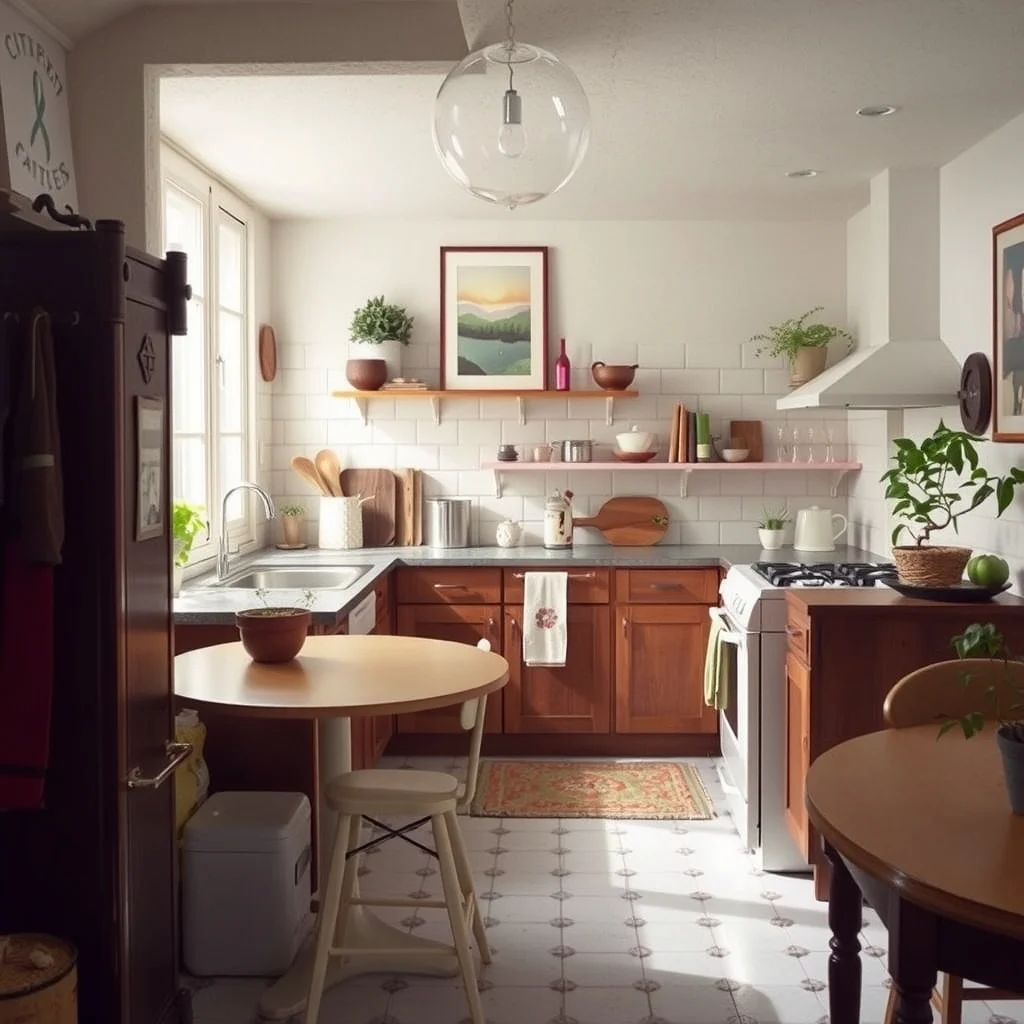
Integrating vintage elements into a kitchen is less about strict adherence to a period and more about curating pieces that resonate with you. By combining reclaimed wood, subtle tile variations, pastel appliances, thoughtful lighting, period hardware, cozy seating, and purposeful accessories, you can craft a space that feels both lived‑in and lovingly designed. Remember to balance aesthetic choices with practical considerations such as maintenance, safety, and workflow. When each element serves a purpose beyond decoration, the kitchen becomes a room that not only looks unique but also supports the rhythms of daily life.