Vintage Gallery Wall Ideas That Make Blank Walls Feel Collected

Empty walls often feel like unfinished sketches waiting for a story. A well‑curated gallery can turn a plain surface into a visual narrative that reflects your personality without overwhelming the room. Below are seven distinct approaches to arranging vintage pieces, each with its own rhythm and texture. Whether you’re working with a modest hallway or a spacious living room, these ideas show how to blend old‑world charm with modern comfort, creating a wall that feels thoughtfully gathered rather than haphazardly hung.
1. Mix Frame Styles for a Curated Museum Look
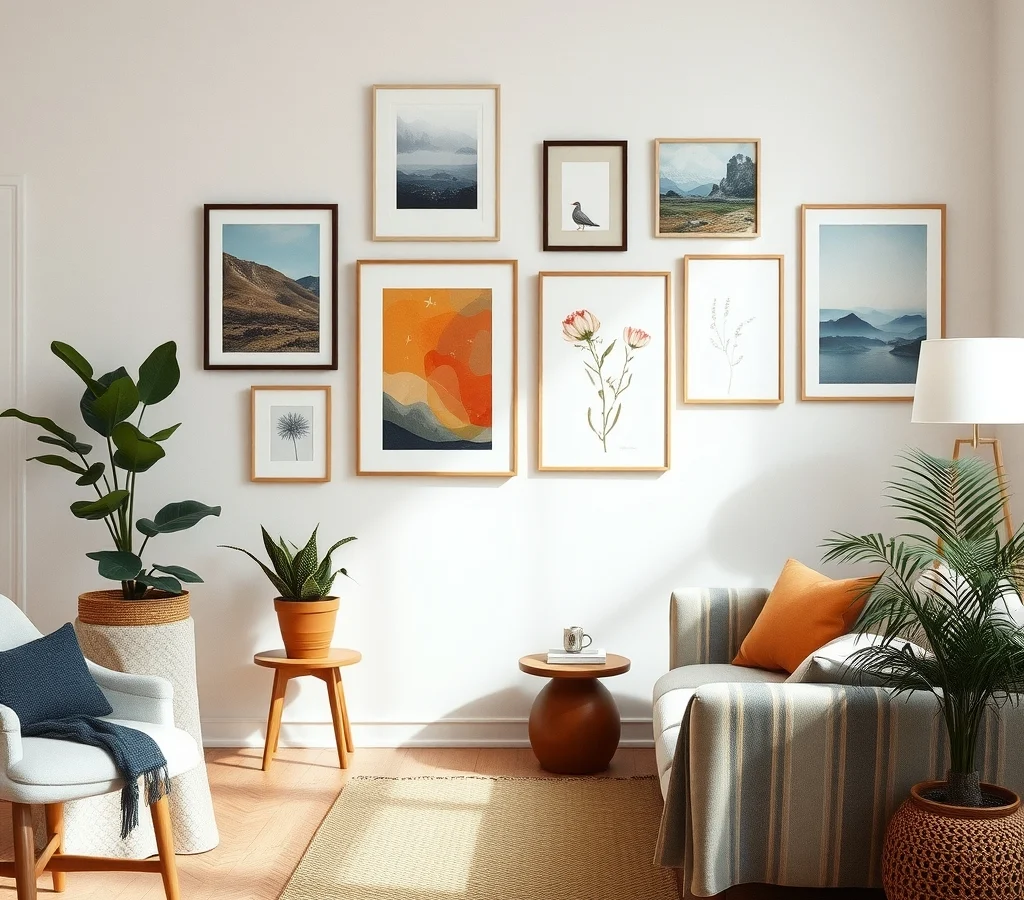
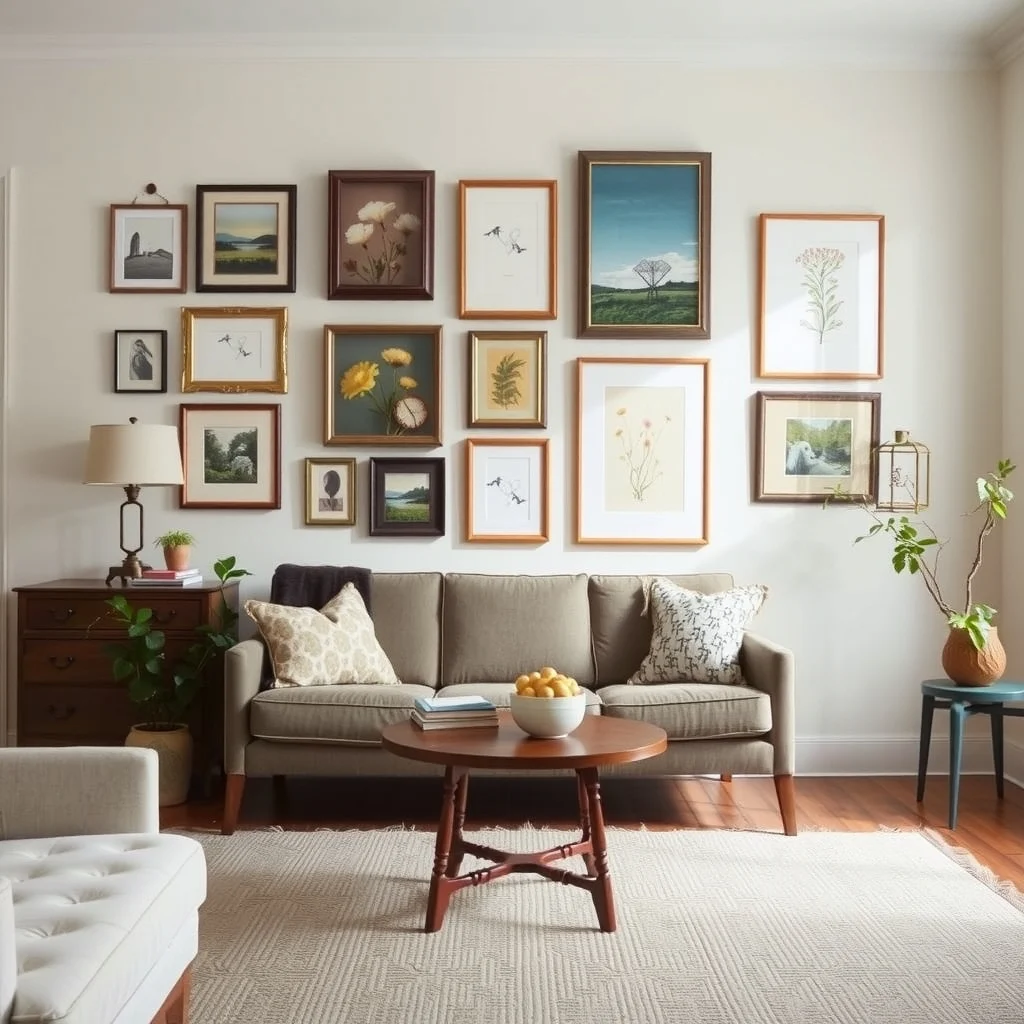
Start by gathering frames that span different eras—perhaps a brass‑leafed one from the 1920s, a simple walnut frame from the 1960s, and a distressed white‑painted border that recalls a mid‑century office. The variety of materials and finishes adds depth, while the consistent spacing between each piece keeps the composition from feeling chaotic. Arrange the frames on the floor first, experimenting with a loose grid that allows a few larger frames to anchor the center and smaller ones to fill the gaps. Once you’re satisfied, mark the nail positions with a pencil, ensuring the top row sits at eye level for comfortable viewing. This method works well above a sofa or a console, where the surrounding furniture provides a visual anchor. A trade‑off to consider is the extra time needed to source matching hardware; however, the payoff is a wall that feels like a personal exhibition.
2. Anchor the Arrangement with a Large Vintage Map
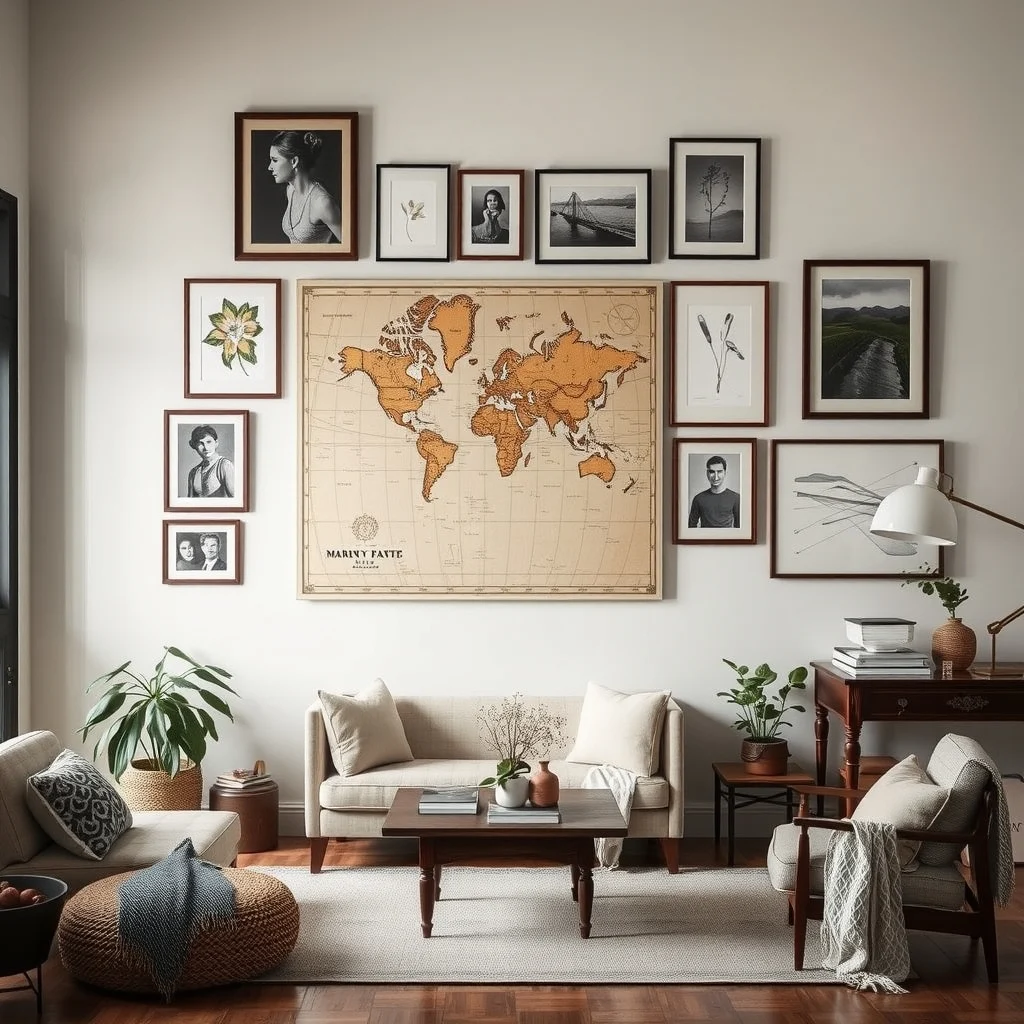
A single, oversized map—whether a faded nautical chart or an antique city plan—creates a focal point that instantly draws the eye. Position the map centrally, letting its muted tones and intricate lines set the stage for surrounding artworks. Smaller prints, botanical illustrations, or black‑and‑white photographs can then be placed around the map, echoing its color palette and scale. The map’s weight in the composition balances lighter pieces, preventing the wall from feeling scattered. When hanging, use picture‑hanging strips that can support the map’s size without damaging the wall, especially if you’re renting. The downside is that a map can dominate the visual field, so choose surrounding items that complement rather than compete. This approach shines in a dining area where the map can also serve as a conversational piece during meals.
3. Create a Linear Timeline with Chronological Art
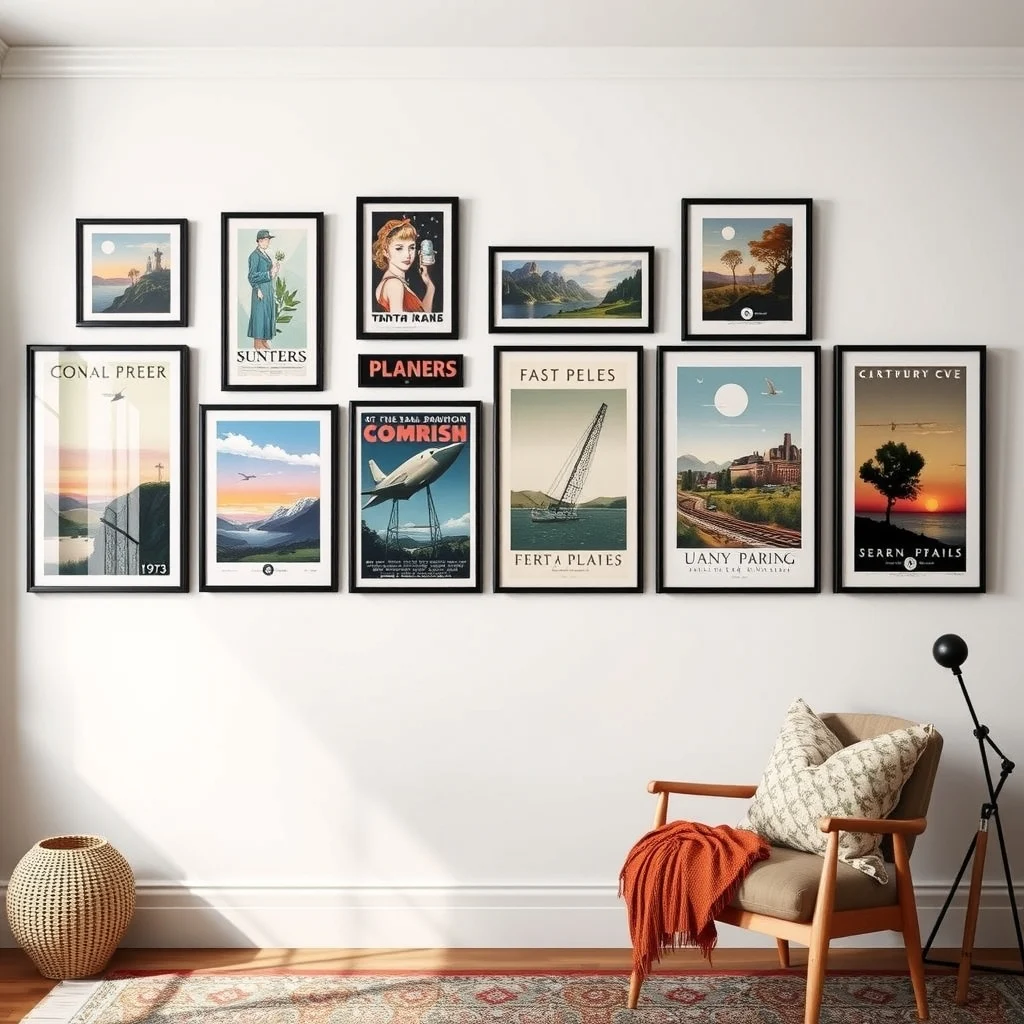
Arrange vintage prints in a horizontal line that tells a story through time—perhaps a series of travel posters from the 1930s progressing to modern retro advertisements. By aligning the tops of the frames, you establish a clean line that guides the viewer’s eye across the wall. The chronological order invites guests to linger, noticing subtle shifts in color, typography, and subject matter. This technique works especially well in hallways where the wall naturally stretches from one end to the other. Keep the spacing uniform, about two inches apart, to maintain cohesion. One limitation is that the wall must be wide enough to accommodate the sequence without crowding; if space is limited, consider a vertical stack that still respects the timeline concept.
4. Use a Vintage Textile as a Backdrop
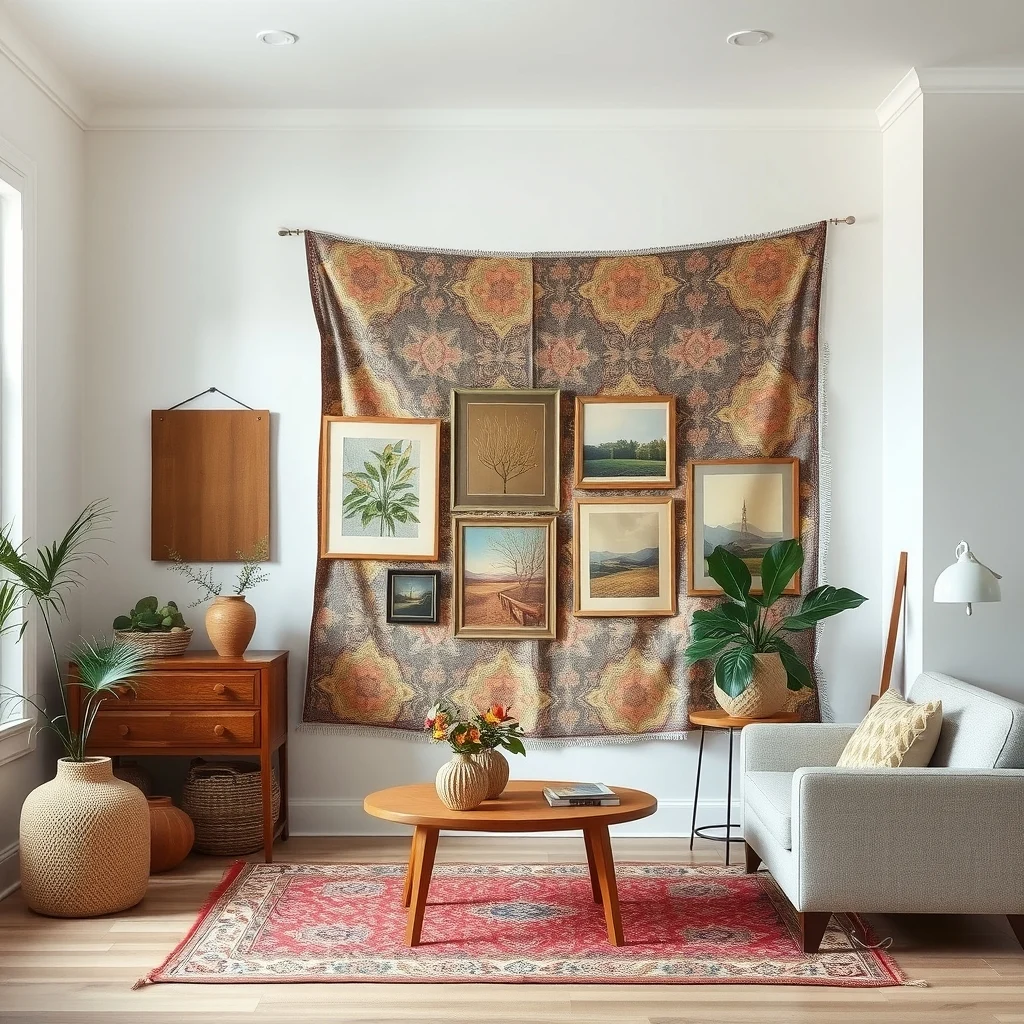
Instead of a plain paint finish, drape a large, reclaimed tapestry or a faded kilim over the wall, securing it with discreet mounting strips. The textile’s pattern—perhaps a muted paisley or geometric motif—adds texture and a subtle color wash that unifies the surrounding frames. Once the fabric is in place, hang smaller vintage photographs, postcards, or pressed botanical prints directly onto it, allowing the fabric’s weave to show through the edges. This layered effect creates a tactile backdrop that softens the visual impact of the gallery. Be mindful of the fabric’s care needs; a low‑pile material is easier to clean than a high‑pile rug. The approach works beautifully in a reading nook, where the softness of the textile complements a comfortable armchair and a floor lamp.
5. Incorporate Shadow Boxes for Three‑Dimensional Interest
Adding a few shadow boxes introduces depth that flat frames cannot achieve. Choose boxes with a vintage patina—perhaps an old jewelry case repurposed for display. Inside, arrange small curiosities such as antique keys, dried flowers, or handwritten letters, each piece telling a micro‑story that enhances the larger narrative of the wall. Position the shadow boxes at varying heights, interspersed with traditional frames, to break the monotony of a single plane. The added dimension catches light differently throughout the day, creating shifting highlights that keep the wall dynamic. However, shadow boxes are heavier, so ensure your wall anchors can support the weight, and avoid placing them too high where reaching for adjustments becomes difficult.
6. Play with Asymmetrical Balance Using a Single Large Piece
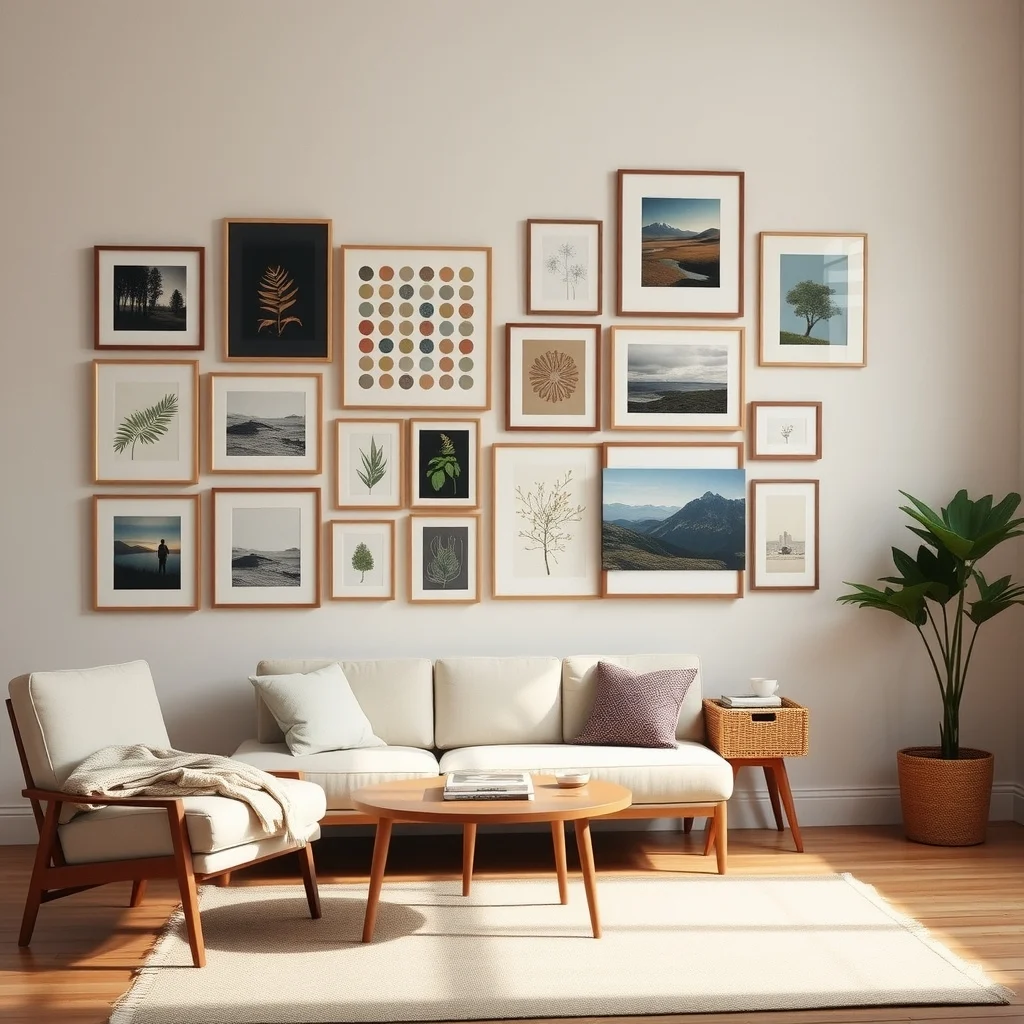
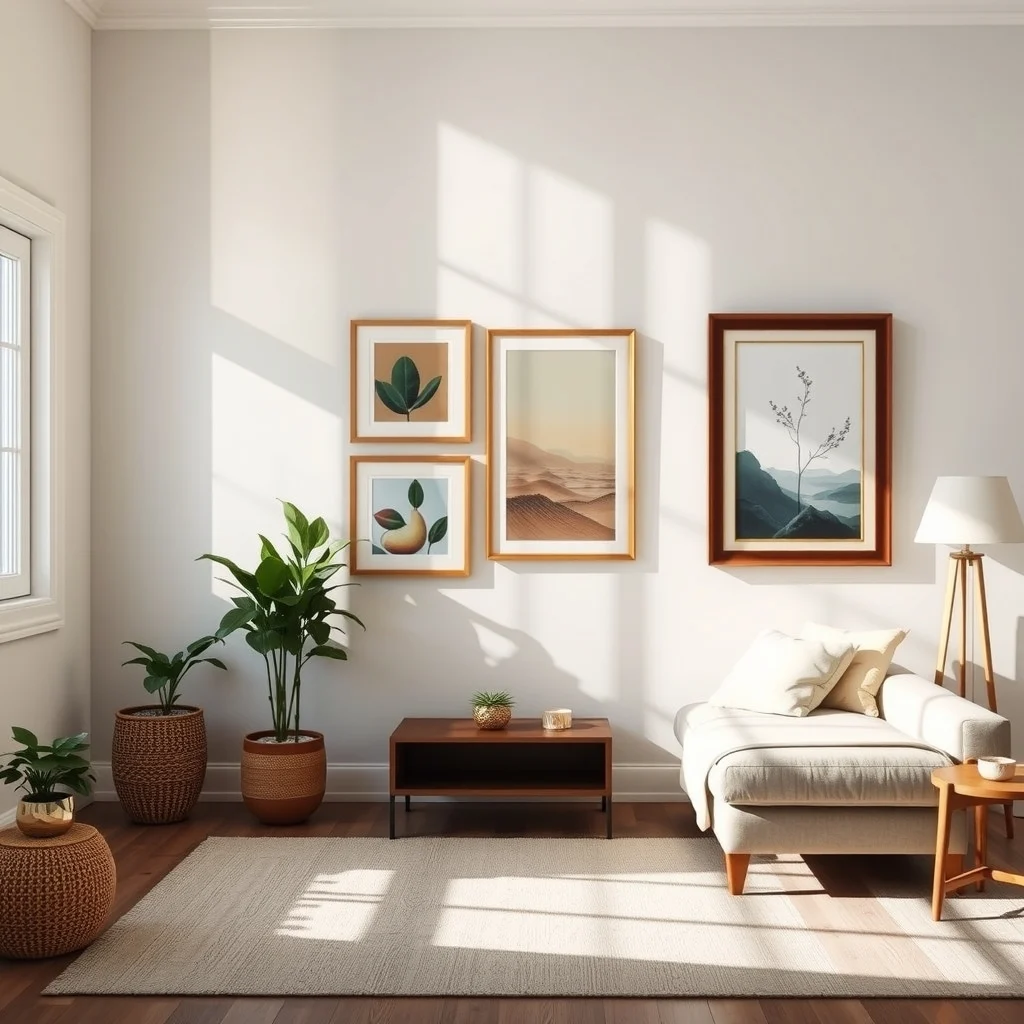
Instead of a tightly packed grid, let a single oversized vintage poster or a panoramic photograph dominate one side of the wall, leaving the opposite side more open. Fill the empty space with a few smaller, complementary pieces that echo the large artwork’s color scheme. This asymmetrical arrangement feels intentional, as the visual weight of the large item is counterbalanced by the negative space, preventing the wall from feeling cluttered. It works particularly well in rooms with a strong architectural feature, such as a fireplace or a built‑in bookshelf, where the gallery can enhance rather than compete with the structure. The main consideration is to choose a large piece with a subdued palette; a bold, high‑contrast image could overwhelm the room.
7. Frame Vintage Ephemera in Uniform Mats for Cohesion
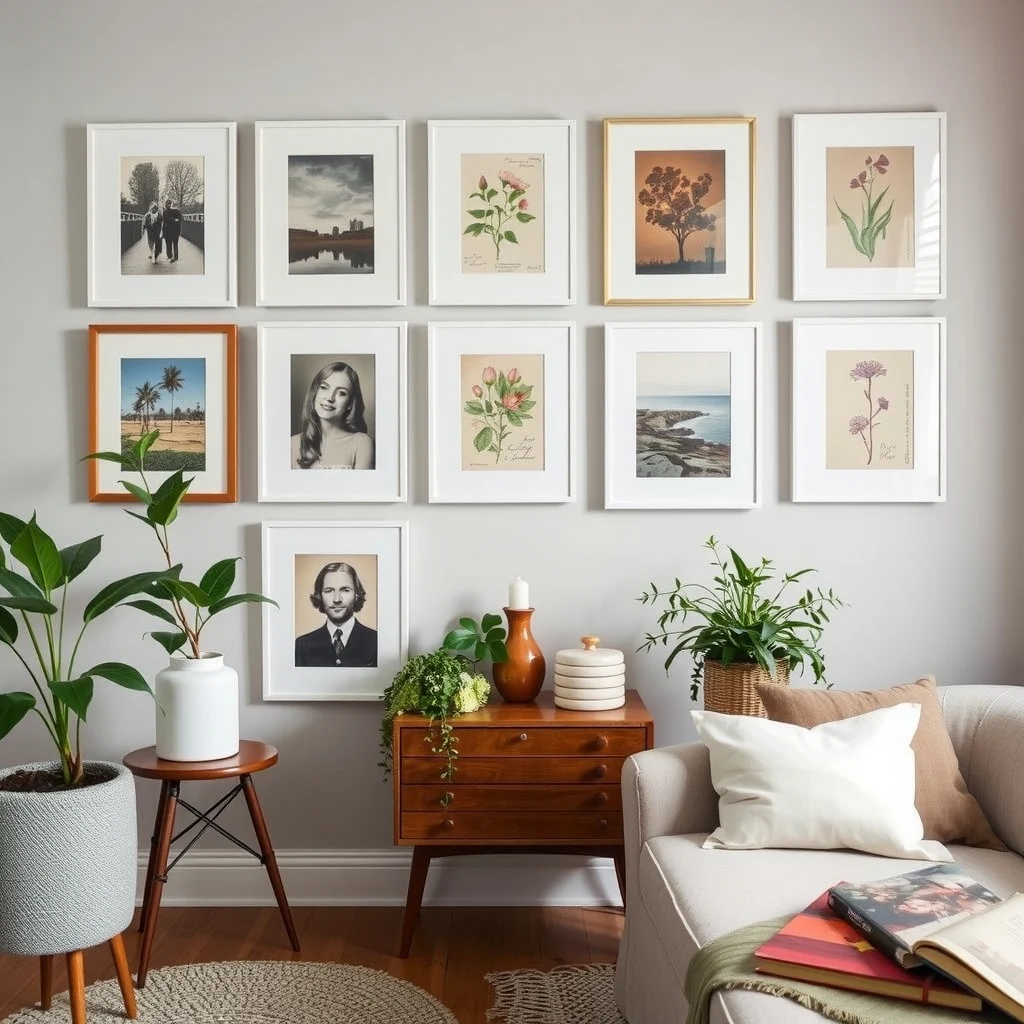
Collect items like old concert tickets, handwritten recipes, and vintage postcards, and place each within the same mat size—perhaps a 5×7 inch white mat with a thin gold border. The uniform matting creates a sense of order, while the differing content preserves the eclectic feel. Arrange these framed ephemera in a loose cluster, allowing the edges to align loosely rather than forming a strict row. The consistent mat size ties the pieces together, making the collection appear intentional. This method is especially suited for a kitchen wall, where recipes and culinary memorabilia add relevance. A potential drawback is the limited space for each item; very detailed ephemera may need a larger mat to be fully appreciated.
FAQ
How do I choose the right size frames for a small wall?
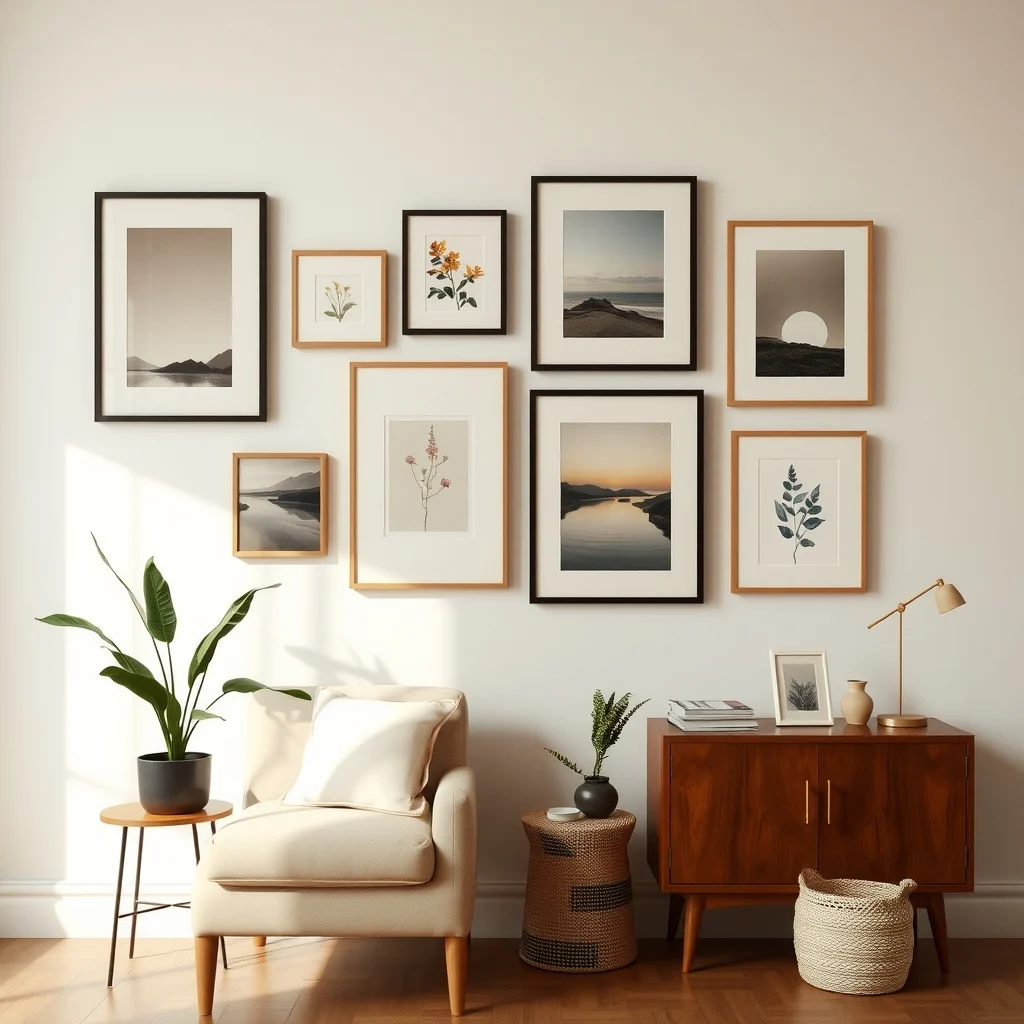
Select frames that are proportionate to the wall’s dimensions, generally keeping the total width of the arrangement under two‑thirds of the wall’s length. Smaller frames prevent the space from feeling overcrowded, and a narrow horizontal layout can make the wall appear wider.
Can I hang a vintage gallery wall in a high‑traffic area?
Yes, but use secure mounting hardware and consider frames with protective glass to guard against bumps. Light‑weight materials like acrylic can reduce the risk of damage, and placing the gallery at a height that avoids accidental knocks helps preserve the pieces.
What lighting works best for highlighting vintage prints?
Soft, directional lighting such as an adjustable track light or a wall‑sconce with a warm LED bulb brings out the subtle tones of aged paper without creating harsh glare. Position the light source at a 30‑degree angle to minimize reflections on glass.
Is it okay to mix different vintage eras on the same wall?
Mixing eras can create a rich narrative, as long as there is a unifying element—color, frame style, or matting—that ties the pieces together. Without a common thread, the wall may look disjointed, so choose a subtle link to maintain cohesion.
Final Thoughts
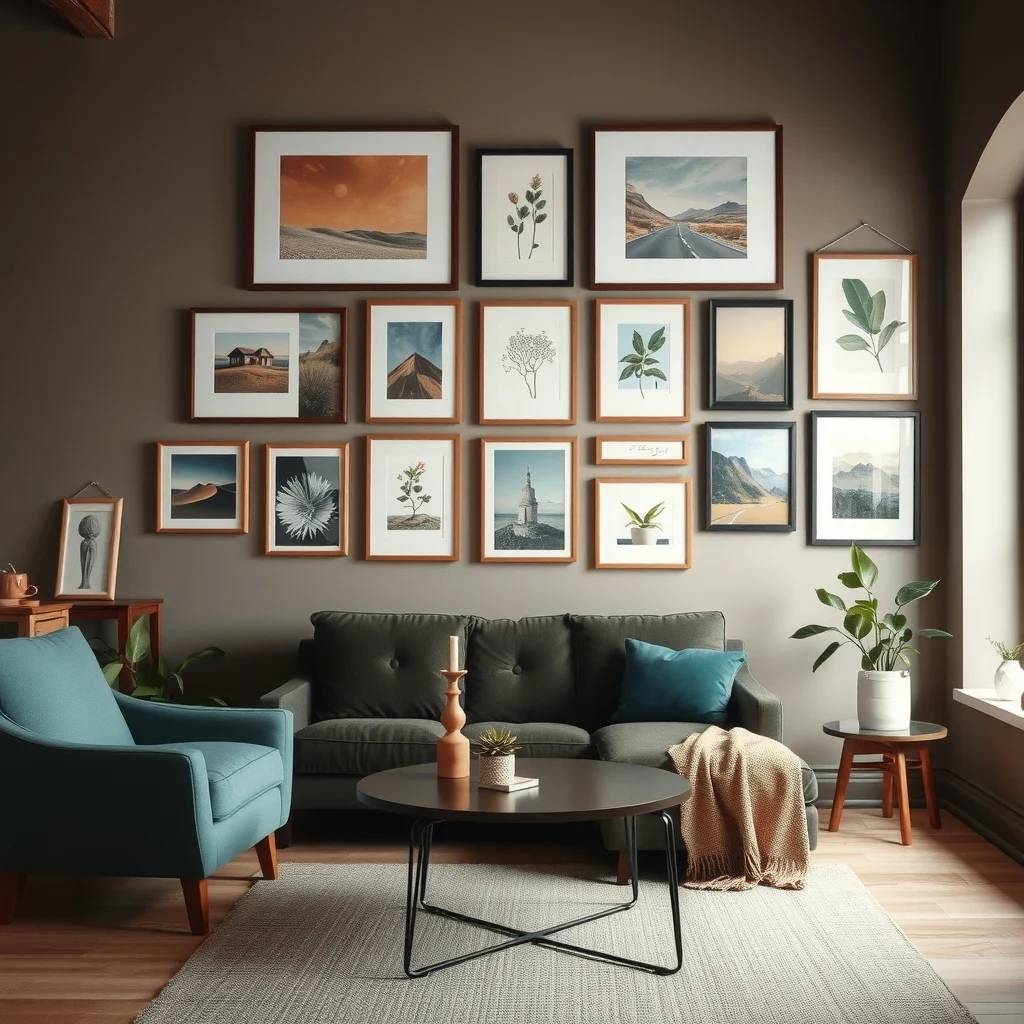
Transforming a blank wall into a vintage gallery is less about amassing objects and more about curating a story that resonates with your everyday life. By considering frame variety, focal points, chronology, texture, depth, balance, and uniformity, you can compose a wall that feels collected, lived‑in, and thoughtfully arranged. Take the time to plan, test layouts on the floor, and adjust for lighting and traffic patterns. The result will be a space that welcomes the eye, invites conversation, and quietly celebrates the charm of bygone eras.