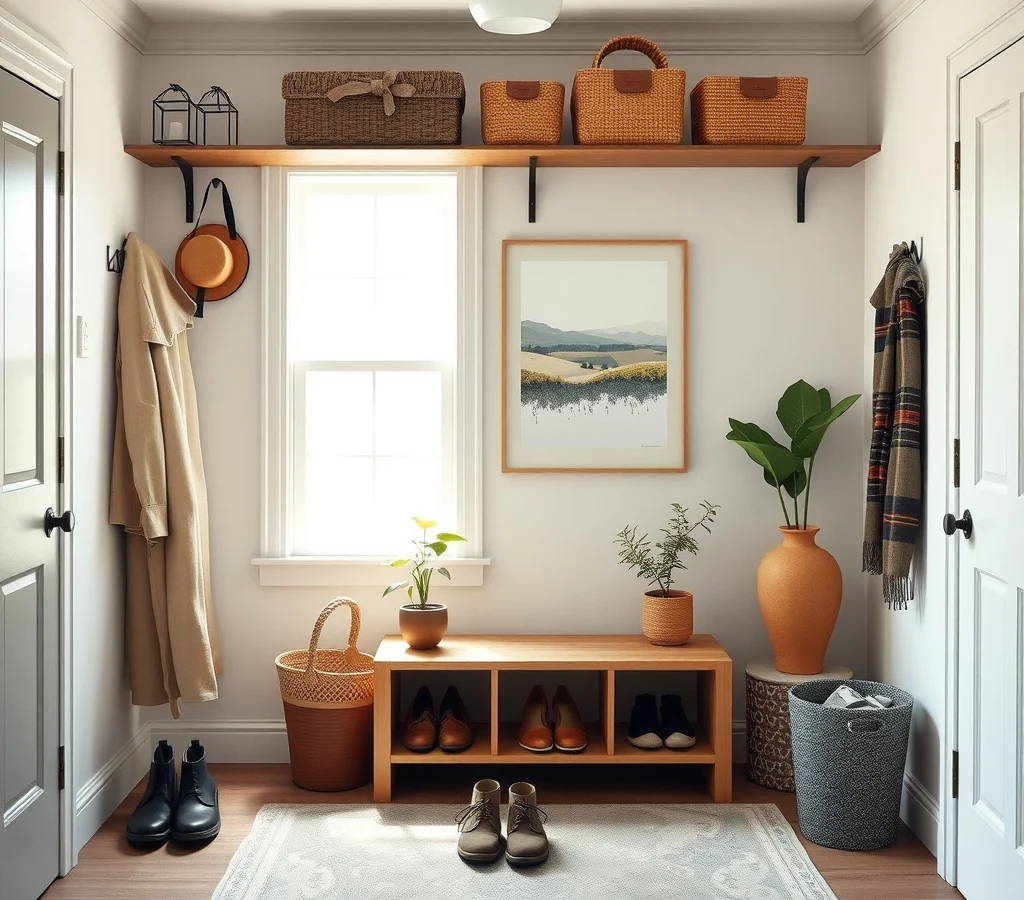
Mudroom Organization Ideas for Shoes, Coats, Bags, and Winter Gear

When the first snow of the season arrives, the mudroom becomes the front line of household traffic. Boots, scarves, backpacks, and frozen mittens pile up, and without a clear plan the space can quickly feel chaotic. The good news is that a few thoughtful design choices can turn that high‑traffic zone into a welcoming, functional entry that keeps everything in its place. Below are seven ideas that address shoes, coats, bags, and winter accessories while respecting the look and feel of the rest of your home.
1. Built‑in Bench with Shoe Cubbies
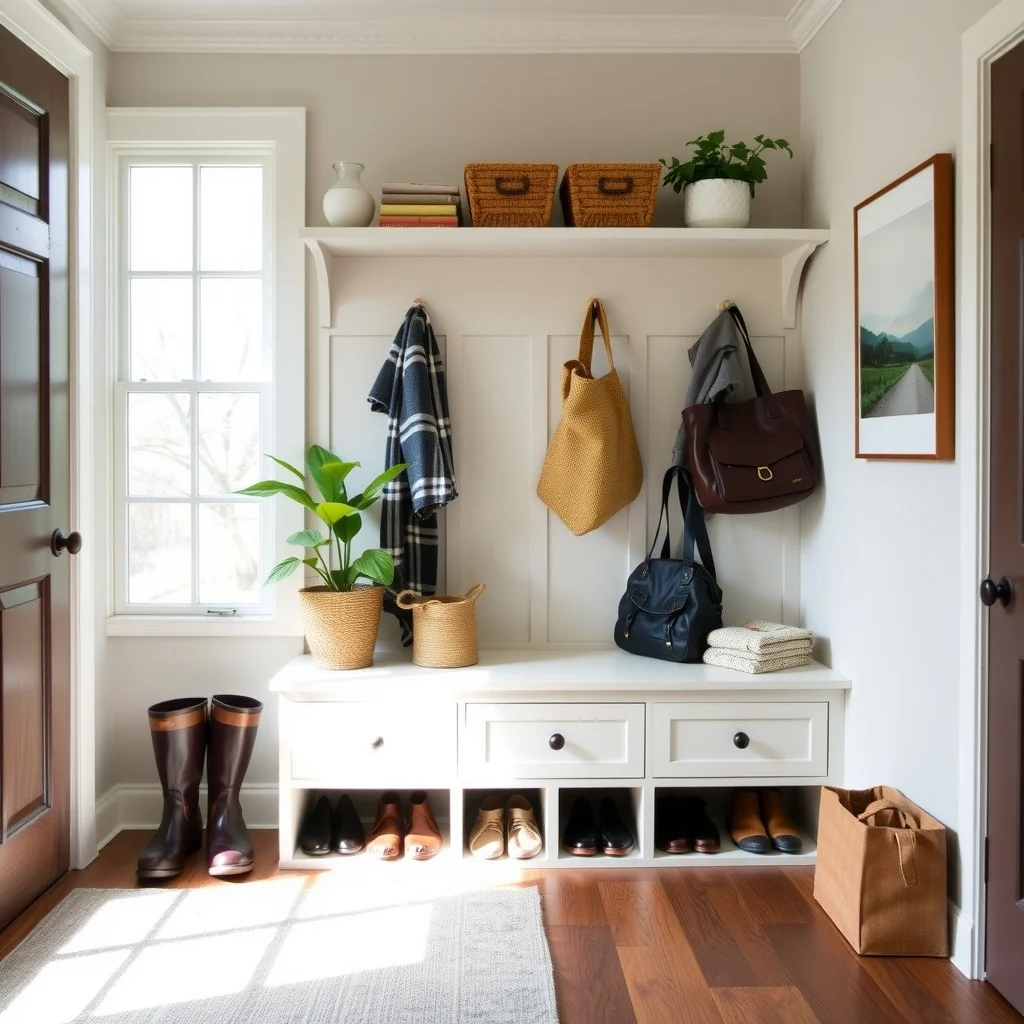
A low bench anchored to the wall provides a natural spot to sit while slipping on boots, and the space underneath can be divided into shallow cubbies for each pair of shoes. By using a solid wood frame finished in a warm walnut or a painted soft greige, the bench blends with both traditional and modern interiors. The cubbies keep footwear upright, which reduces creasing and makes it easier to spot the pair you need. Adding a thin rubber mat at the bottom of each compartment protects the floor from moisture and helps contain any stray dirt. The trade‑off is that a built‑in bench requires a bit of carpentry work or a prefabricated unit, but the long‑term convenience often outweighs the initial effort.
2. Open‑Frame Coat Rack with Adjustable Hooks
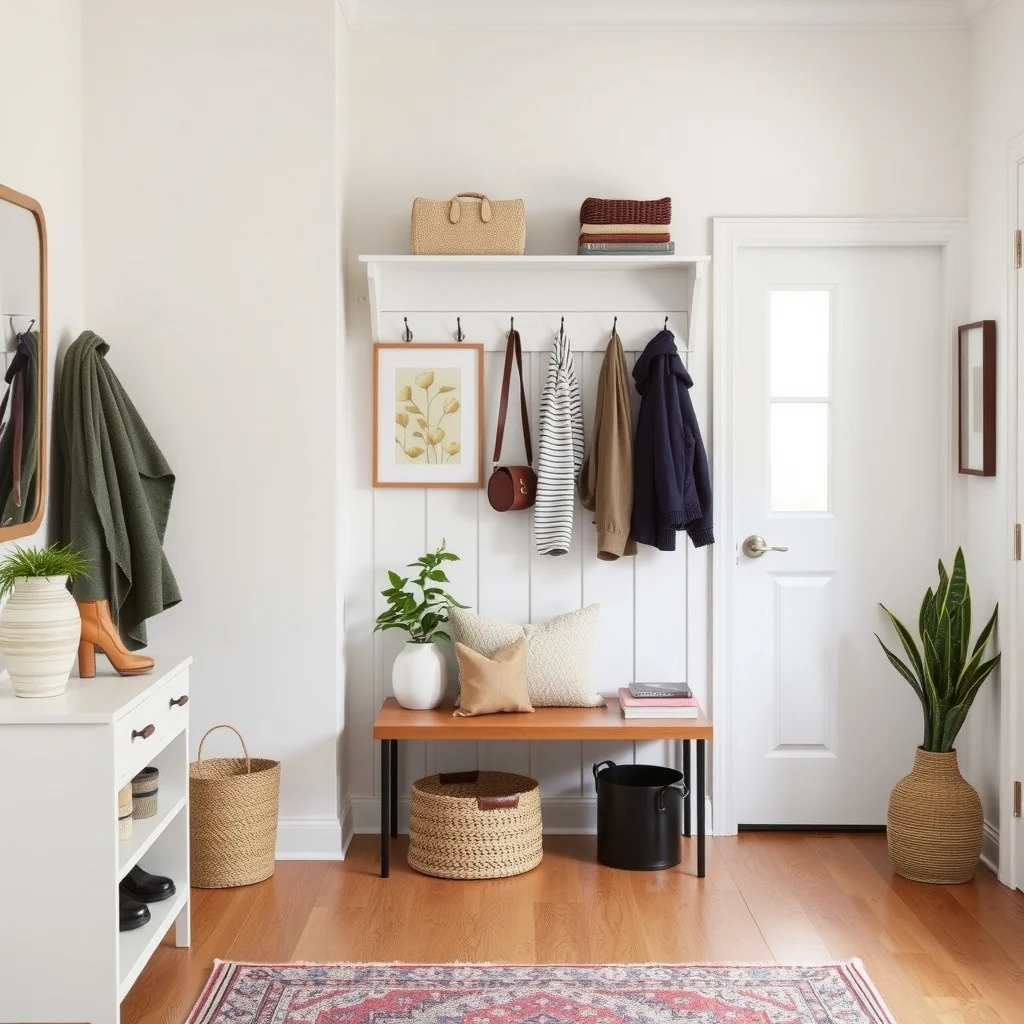
Instead of a fixed row of hooks, consider an open‑frame rack where each hook slides along a vertical rail. This flexibility lets you accommodate long winter coats, short jackets, and even umbrellas without crowding the wall. A powder‑coated steel finish in matte black or brushed nickel adds a subtle industrial touch that works well with wood flooring or tile. The open design encourages airflow, which helps damp coats dry faster after a snowy walk. One downside is that an open rack offers no protection from dust, so a quick wipe down each week keeps it looking fresh.
3. Wall‑Mounted Bag Shelf with Integrated Lighting
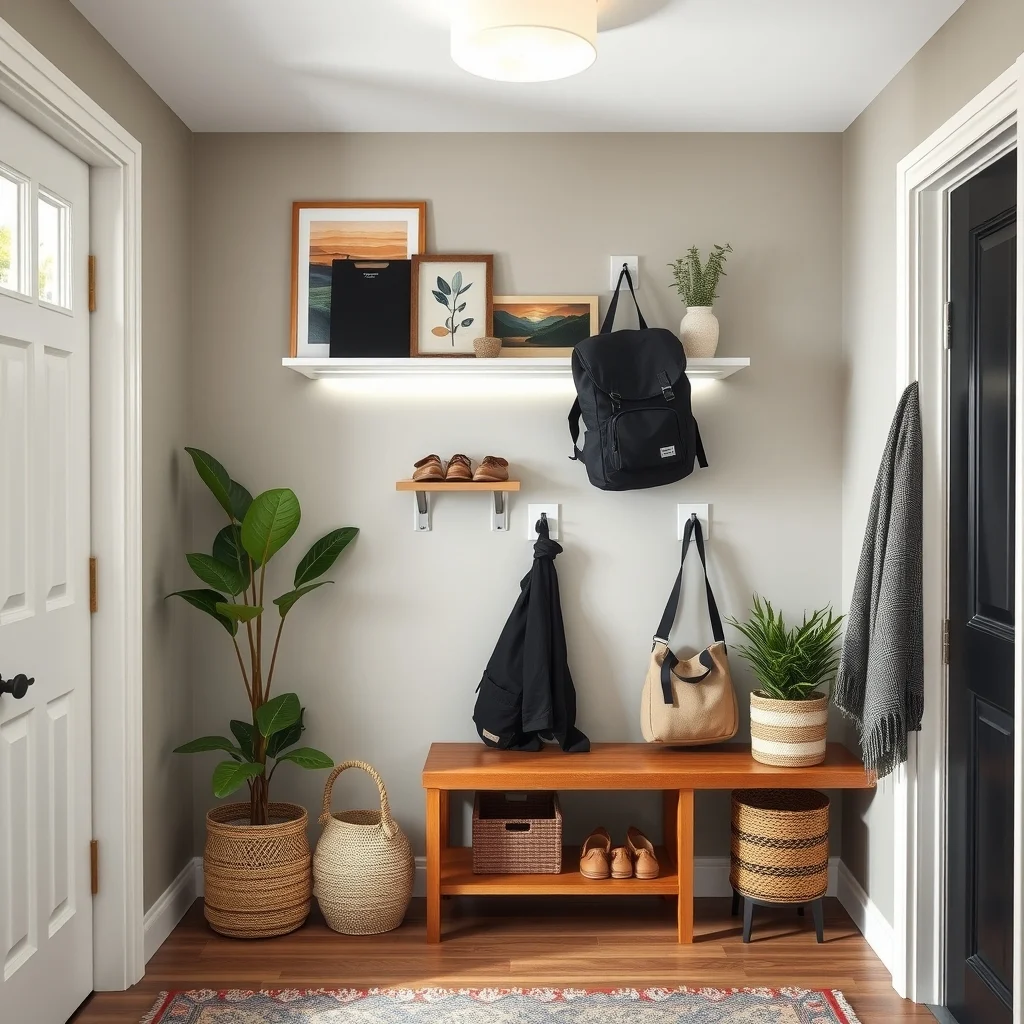
A shallow shelf positioned at eye level provides a tidy home for backpacks, tote bags, and messenger bags. Installing a thin LED strip behind the shelf creates a soft glow that highlights the items and adds a welcoming ambience to the mudroom. Choosing a natural bamboo shelf adds warmth, while a white acrylic version keeps the space feeling airy. The lighting not only looks inviting but also makes it easier to locate a bag in the dim light of early morning. The main consideration is that the shelf must be securely anchored to support the weight of heavier bags, especially when packed with books or groceries.
4. Pull‑Out Bin System for Seasonal Gear
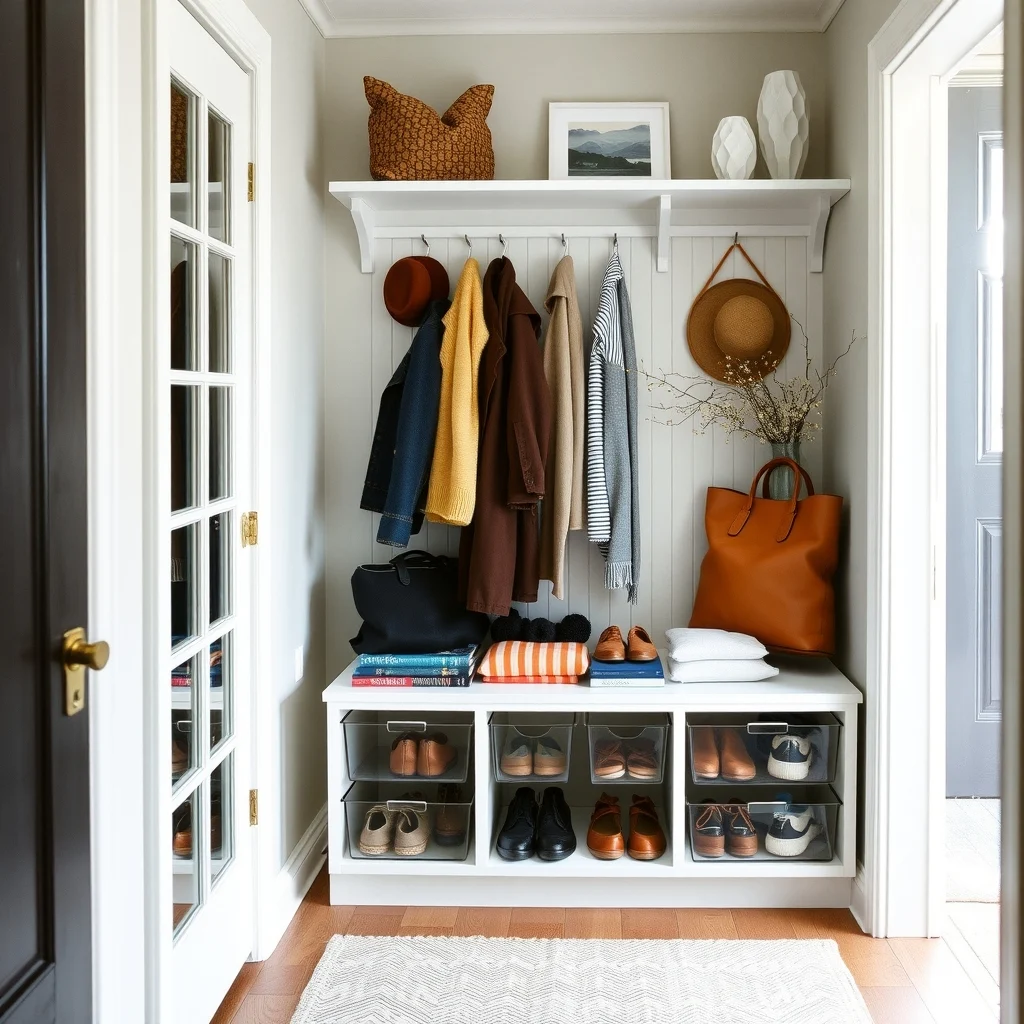
Winter gear such as gloves, hats, and scarves can be corralled in a series of pull‑out bins that slide out from a low cabinet. Clear acrylic bins let you see the contents at a glance, while fabric‑lined bins protect delicate items from snagging. Placing the cabinet against a wall that receives natural light helps keep the space bright and reduces the need for additional fixtures. Because the bins are hidden when not in use, the mudroom retains a clean silhouette. The system does require a bit of floor space, so it works best in mudrooms that are at least six feet wide.
5. Mud‑Resistant Floor Mat with Overlap Design
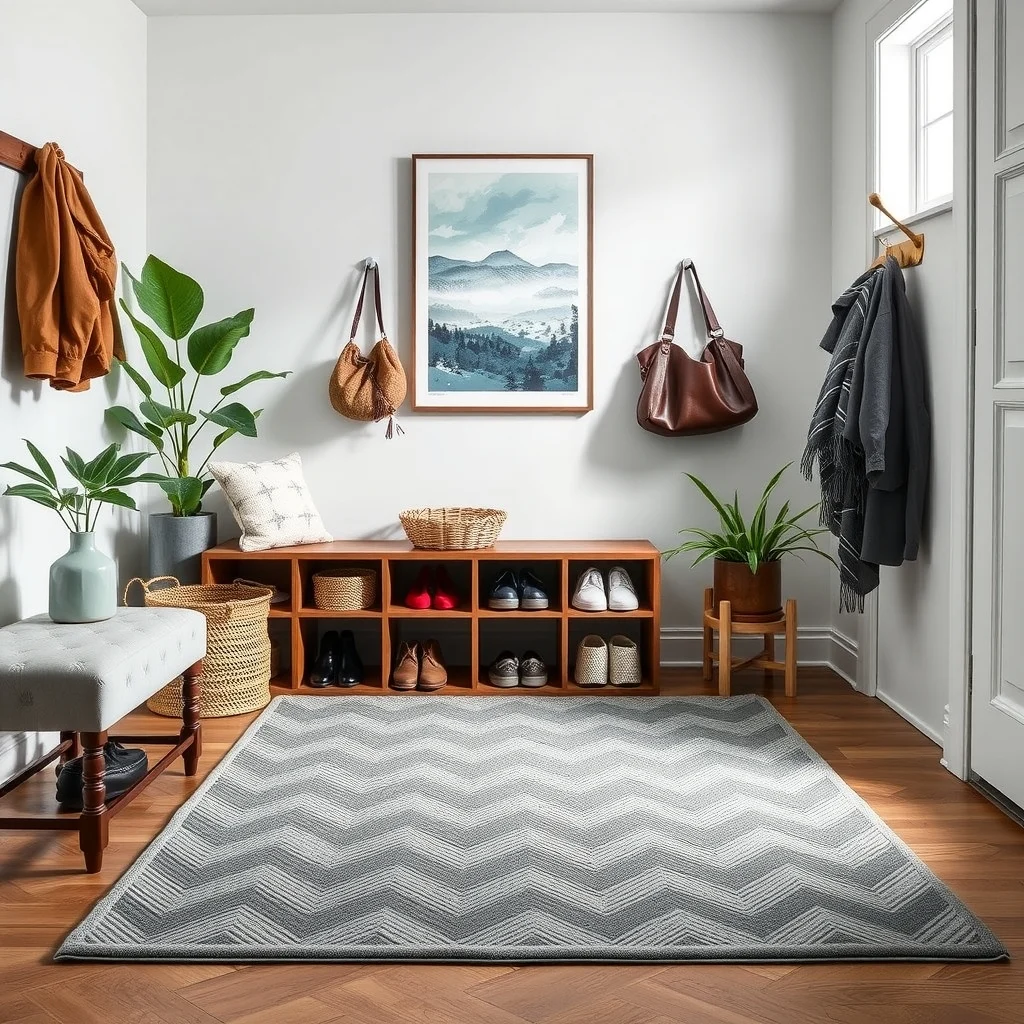
A large, low‑pile rug made from polypropylene or recycled polyester serves as the first barrier against snow and slush. Selecting a mat with a subtle pattern—such as a muted chevron in slate gray—adds visual interest without competing with other décor elements. Overlap the mat with a smaller runner that leads directly to the door; this creates a defined pathway that guides foot traffic and reduces tracking of moisture onto the rest of the house. The material is easy to shake out and hose down, but it does need occasional vacuuming to keep lint from building up.
6. Vertical Storage Tower for Small Items
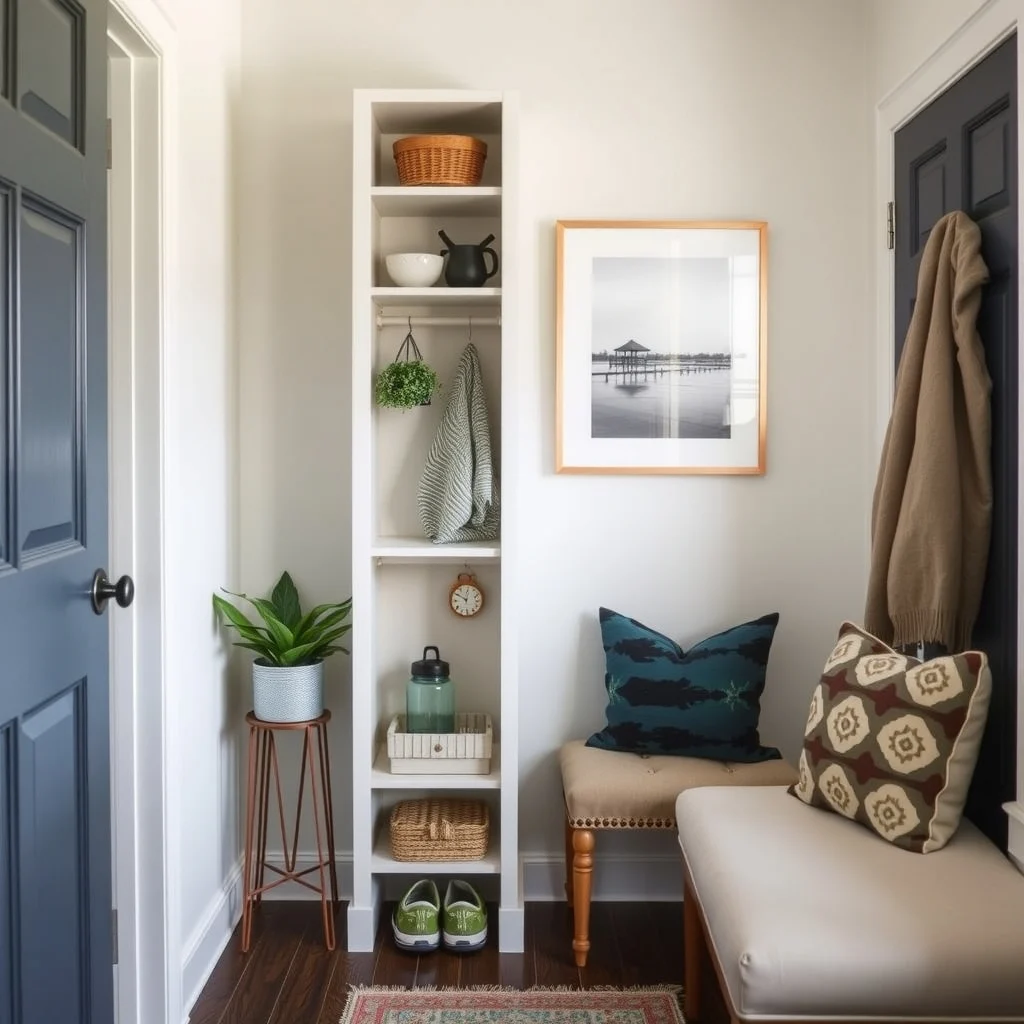
A narrow, freestanding tower can hold items that often get lost in the shuffle: key hooks, a bowl for loose change, a small tray for sunglasses, and a slot for a reusable water bottle. Choosing a tower with a mix of wood and metal elements adds texture, while a coat of matte white paint keeps the piece from feeling heavy. Because the tower stands upright, it occupies only a small footprint, making it ideal for mudrooms with limited wall space. One limitation is that the top shelf is less accessible for children, so placing it higher can keep delicate items out of reach.
7. Hidden Closet Door with Frosted Glass Panels
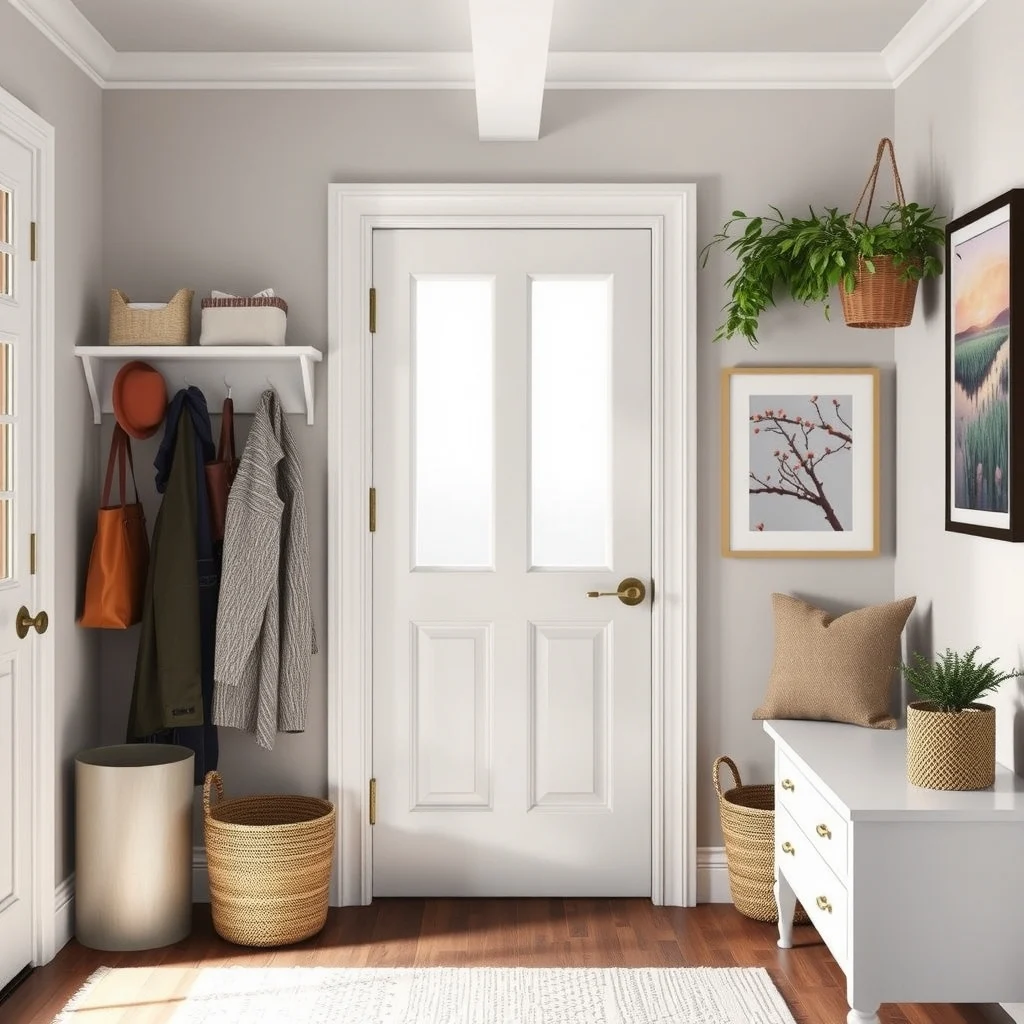
If your mudroom includes a closet, swapping a solid door for a frosted glass panel can brighten the area while still concealing clutter. The diffused light that passes through the glass softens the room’s overall feel, and the door can be fitted with a simple brushed brass handle that complements other hardware. Inside the closet, install a hanging rod for coats and a few sturdy shelves for bulkier winter accessories. The main drawback is that frosted glass may show smudges more readily, so a quick wipe with a microfiber cloth each week keeps it clear.
FAQ
How can I keep mudroom floors from getting slippery in winter?
Choose a low‑pile rug with a non‑slip backing or add a rubber mat underneath a decorative rug. The combination provides traction while still looking polished.
What is the best material for a bench that will see a lot of winter traffic?
Solid hardwood with a protective sealant or a sturdy metal frame with a padded cushion works well. Both options resist moisture and are easy to clean.
Can I use the same storage ideas in a small entryway?
Many of the concepts, such as pull‑out bins and vertical towers, can be scaled down. Opt for slimmer profiles and lighter colors to keep the space feeling open.
How often should I clean the lighting in a mudroom?
Wipe LED strips and glass fixtures with a dry cloth every few weeks. If you notice dust buildup, a gentle vacuum with a brush attachment will keep the light clear.
Is it okay to store wet boots inside the mudroom?
It’s better to let wet boots dry on a ventilated rack before placing them in the bench cubbies. This prevents moisture from seeping into surrounding wood or carpet.
Final Thoughts
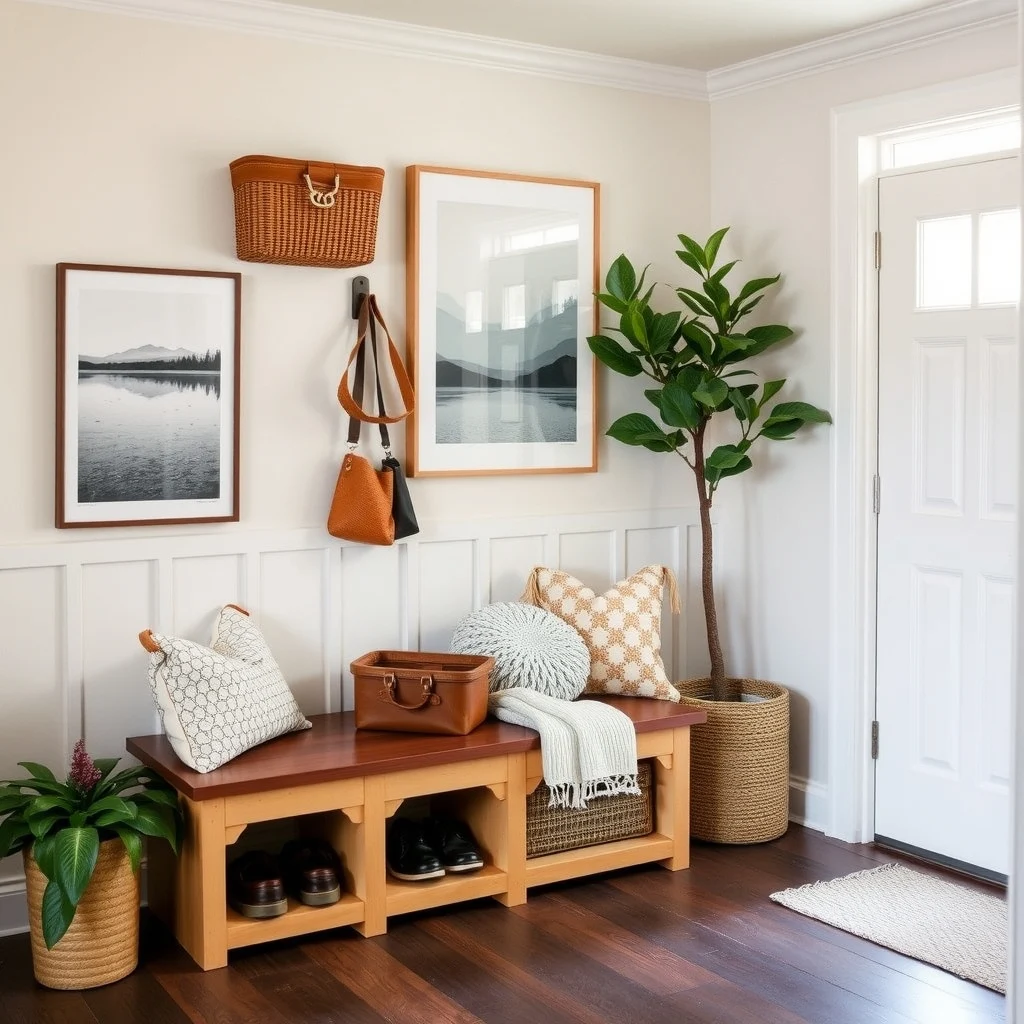
Organizing a mudroom is less about adding more furniture and more about arranging what you already have in a way that respects traffic flow and seasonal demands. By integrating a bench with cubbies, a flexible coat rack, illuminated shelves, and thoughtful flooring, you create a space that welcomes you home and keeps winter clutter at bay. Each idea offers a balance of practicality and style, and the small trade‑offs are easy to manage with a little planning. With these strategies in place, the mudroom can become a calm transition zone rather than a source of daily frustration.