Colorful Maximalist Living Room Ideas for a Personality‑filled Home

Living rooms often become the visual centerpiece of a house, yet many of us feel constrained by the idea that “too much color” looks chaotic. The truth is that a well‑curated burst of hue can make a space feel alive without overwhelming the eye. Below are seven ideas that let you layer color, texture, and personality while keeping the room functional and welcoming. Each concept includes practical tips, material choices, and a note on where the approach might need a little adjustment.
1. Layered textiles in bold hues
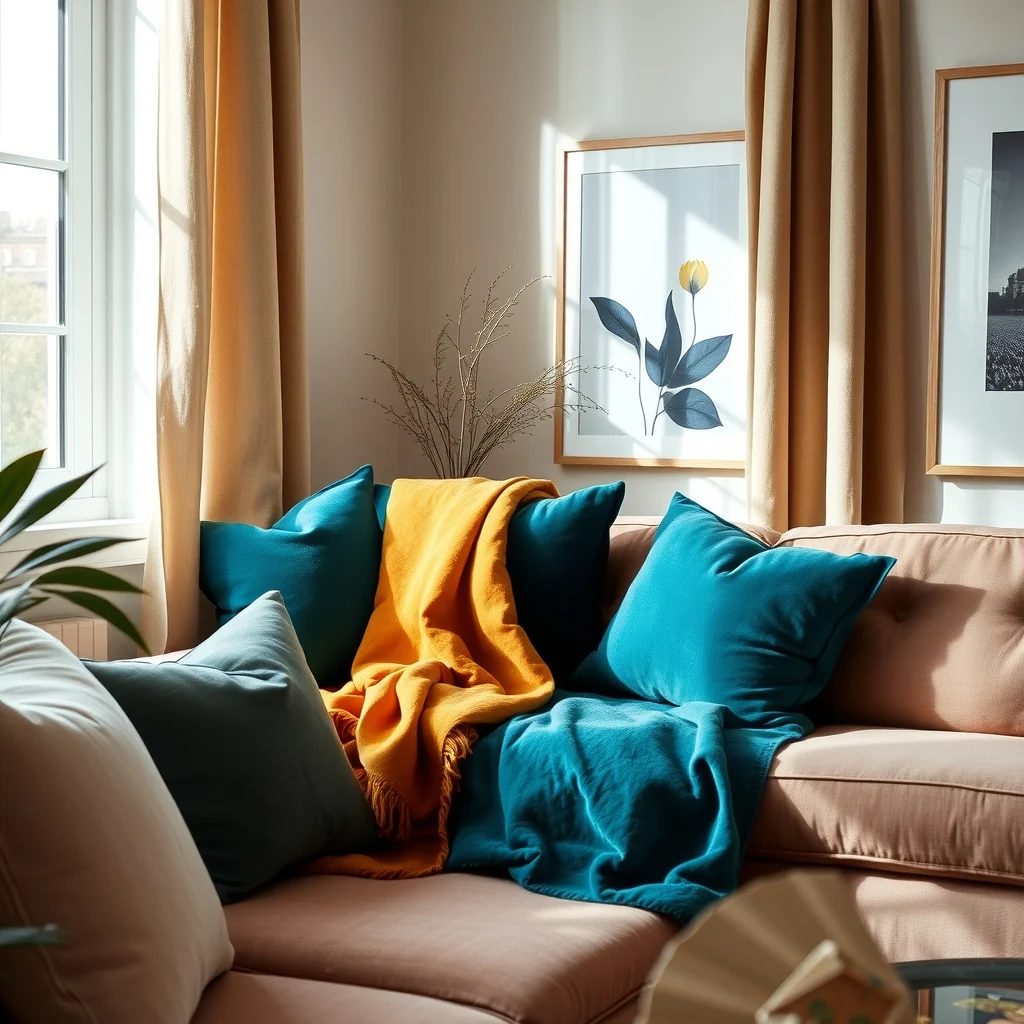
Start with the soft elements—cushions, throws, and curtains—in a palette that pulls from a favorite artwork or a travel memory. A deep teal velvet pillow paired with a mustard‑colored linen throw can create a tactile conversation that invites you to linger. Because fabrics absorb light differently, a glossy silk cushion will catch evening glow while a matte cotton square stays grounded during daylight. When arranging the layers, keep the largest piece, such as a rug or sofa slipcover, as a neutral anchor; then add smaller accents that echo the chosen hues. The downside is that high‑contrast textiles can show wear faster, so selecting easy‑care blends for the most used pieces helps preserve the look over time.
2. Statement wall with patterned paint or wallpaper
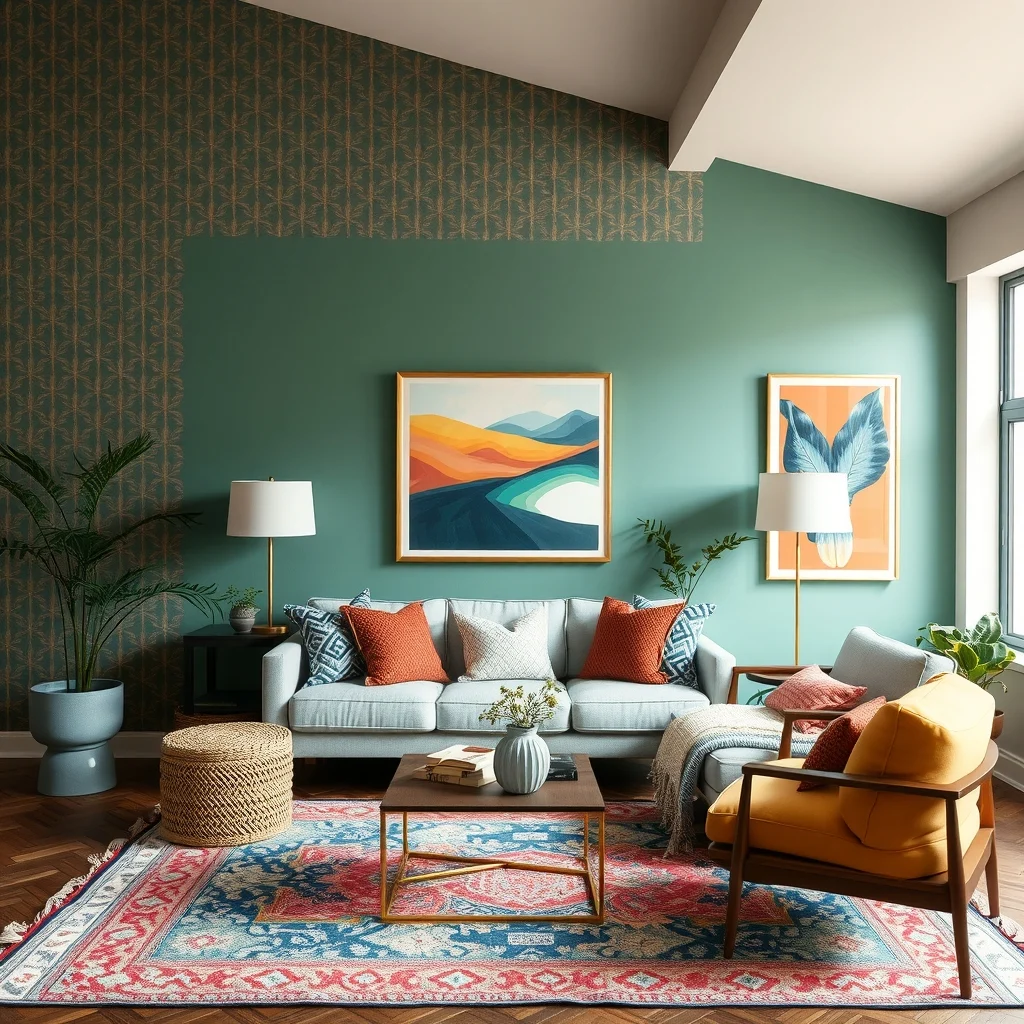
A single wall treated with a daring pattern instantly sets the tone for the entire room. Choose a design that incorporates several of the colors you’ve introduced elsewhere—perhaps a geometric motif in teal, rust, and ivory. Applying the pattern to a wall behind the main seating area creates a backdrop that frames the furniture rather than competes with it. If you’re hesitant about permanent changes, a removable wallpaper made from paper‑based material offers the same visual impact and can be swapped out when your taste evolves. Be mindful of the wall’s exposure to sunlight; darker pigments may fade, so a UV‑protective finish or positioning the wall away from direct sun helps maintain vibrancy.
3. Mixed‑material seating cluster
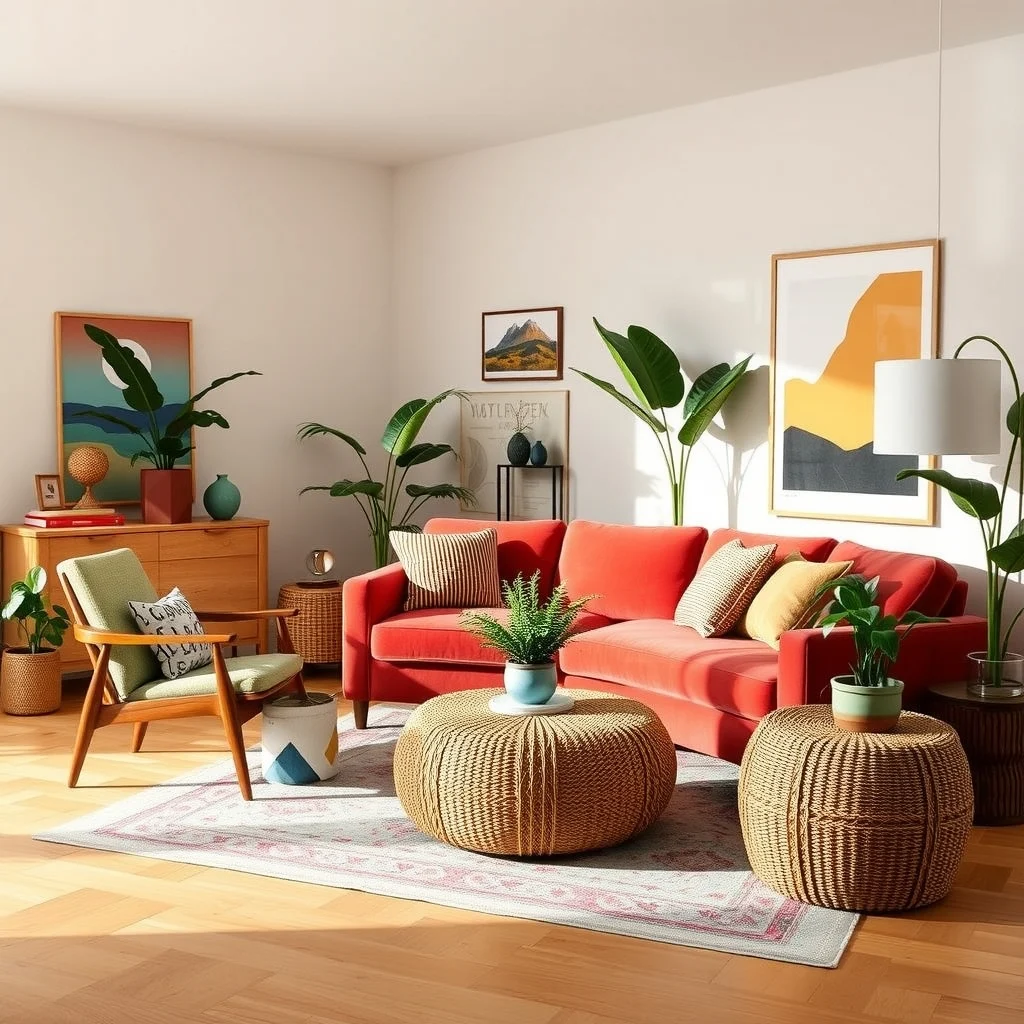
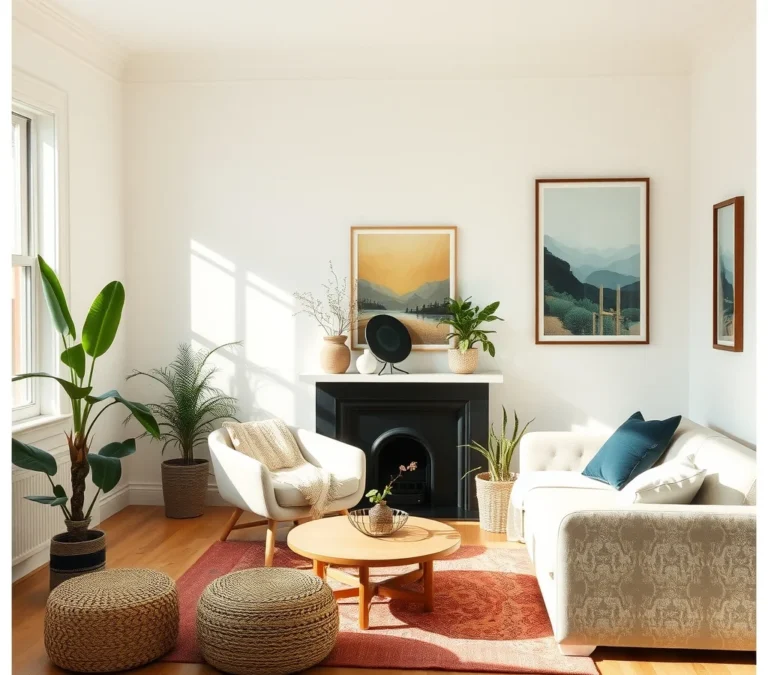
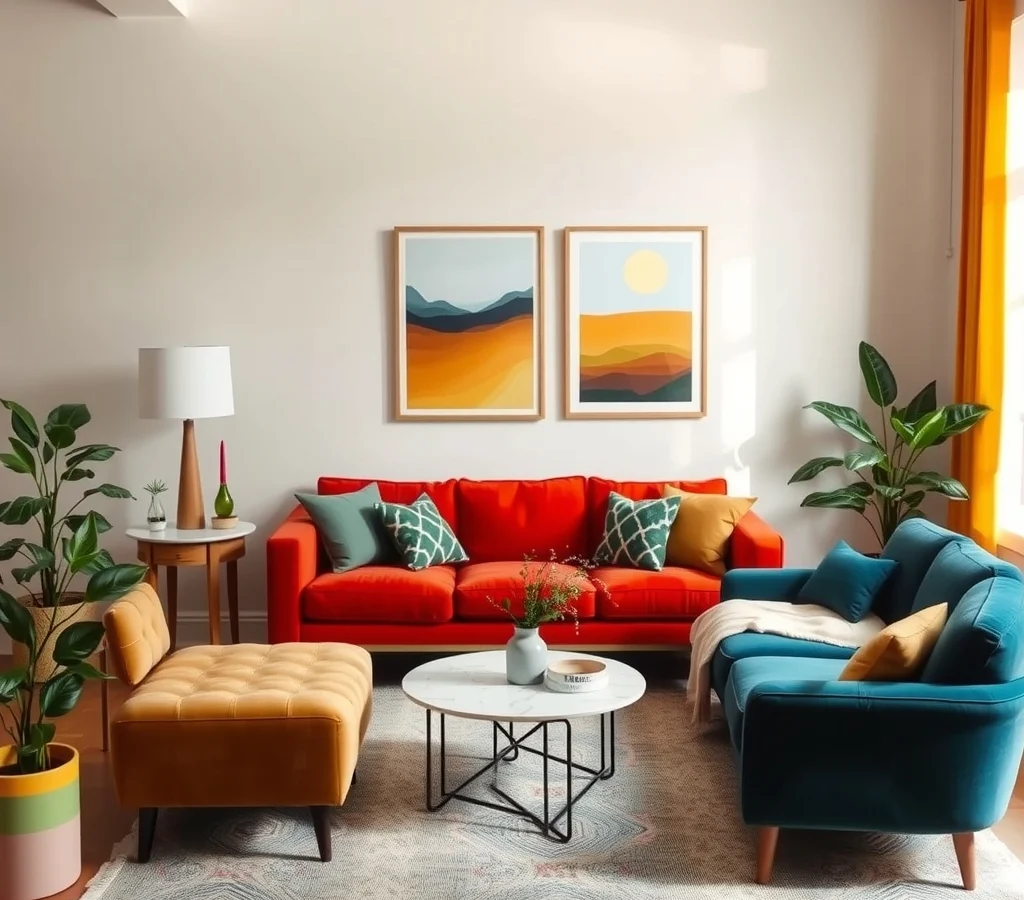
Combine a mid‑century walnut armchair, a plush velvet sofa, and a woven rattan pouf to give the room depth and a sense of curated collectability. Each piece brings its own color undertone—warm wood, cool velvet, and natural straw—while the varied textures keep the eye moving. Arrange the seating in a loose “U” shape to promote conversation and to allow a central coffee table to act as a stage for decorative objects. The trade‑off lies in the need for cohesive scale; an oversized armchair can dominate a modest room, so measuring the floor plan before purchasing ensures the cluster feels balanced rather than cramped.
4. Curated gallery of art and objects
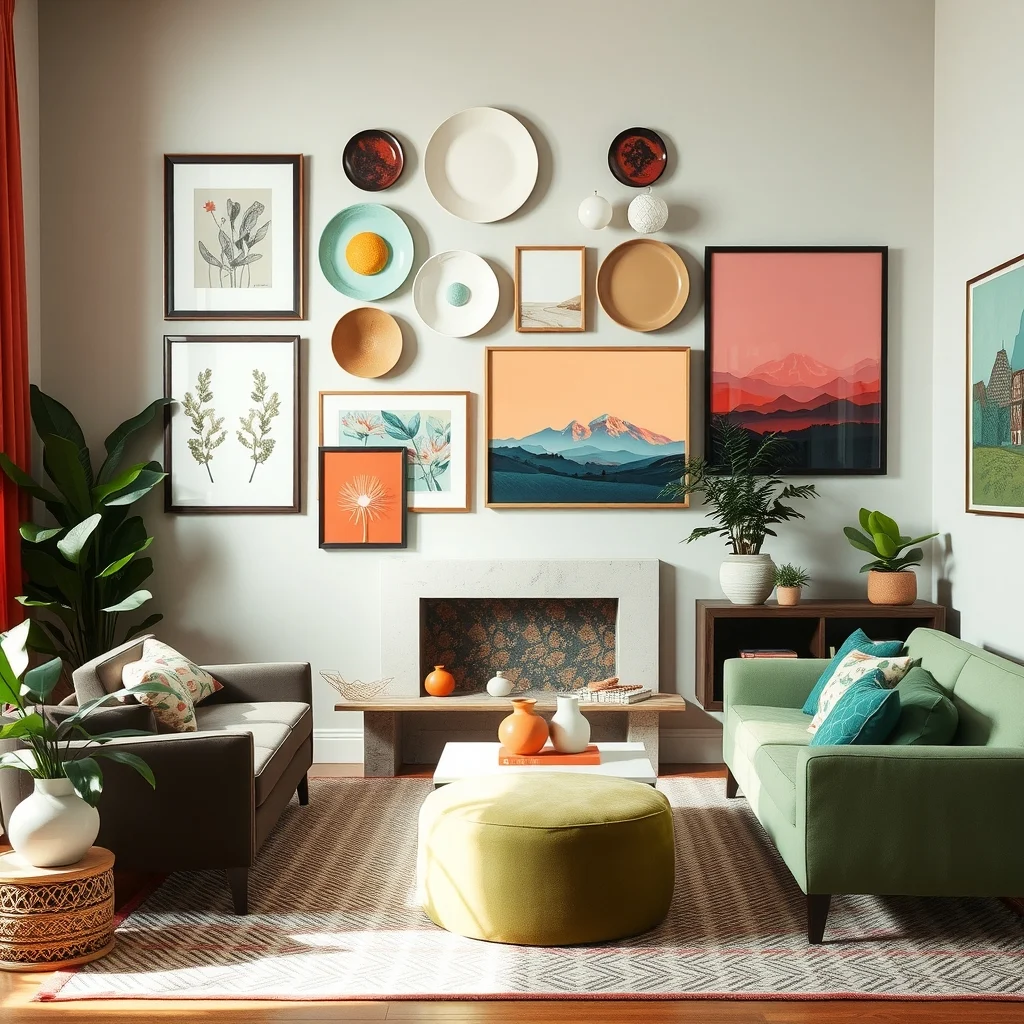
Walls become personal narratives when you hang a collection of framed prints, hand‑painted plates, and ceramic vases that share a color thread. Group items in odd numbers—three, five, or seven—to create visual rhythm. Mixing frame finishes—brass, reclaimed wood, and black metal—adds depth, while keeping the matting neutral prevents the display from becoming too busy. Because objects can collect dust, choose pieces that are easy to clean or place them behind glass. If you’re concerned about the gallery feeling cluttered, step back regularly and remove any item that does not contribute to the overall story you’re telling.
5. Playful lighting fixtures
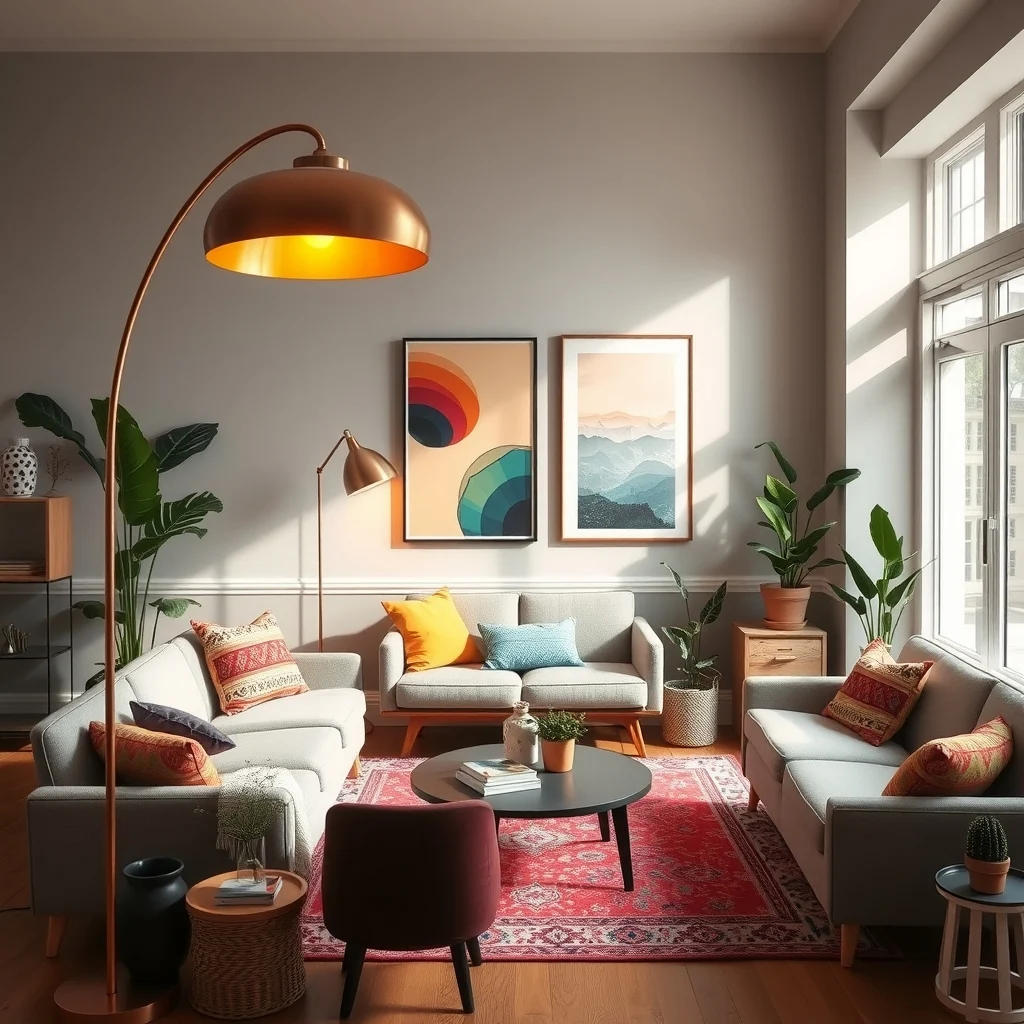
Lighting is an often‑overlooked tool for injecting personality. A brushed‑copper floor lamp with a wide, amber shade can cast a warm pool of light that highlights a corner rug. Pair this with a series of small pendant lights in pastel glass—perhaps a soft pink and a muted sage—hung at varying heights above the coffee table. The layered illumination creates zones for reading, relaxing, and entertaining without the need for harsh overhead bulbs. One consideration is the electrical load; ensure the circuit can handle multiple fixtures or consult an electrician to add a dedicated line.
6. Colorful storage solutions
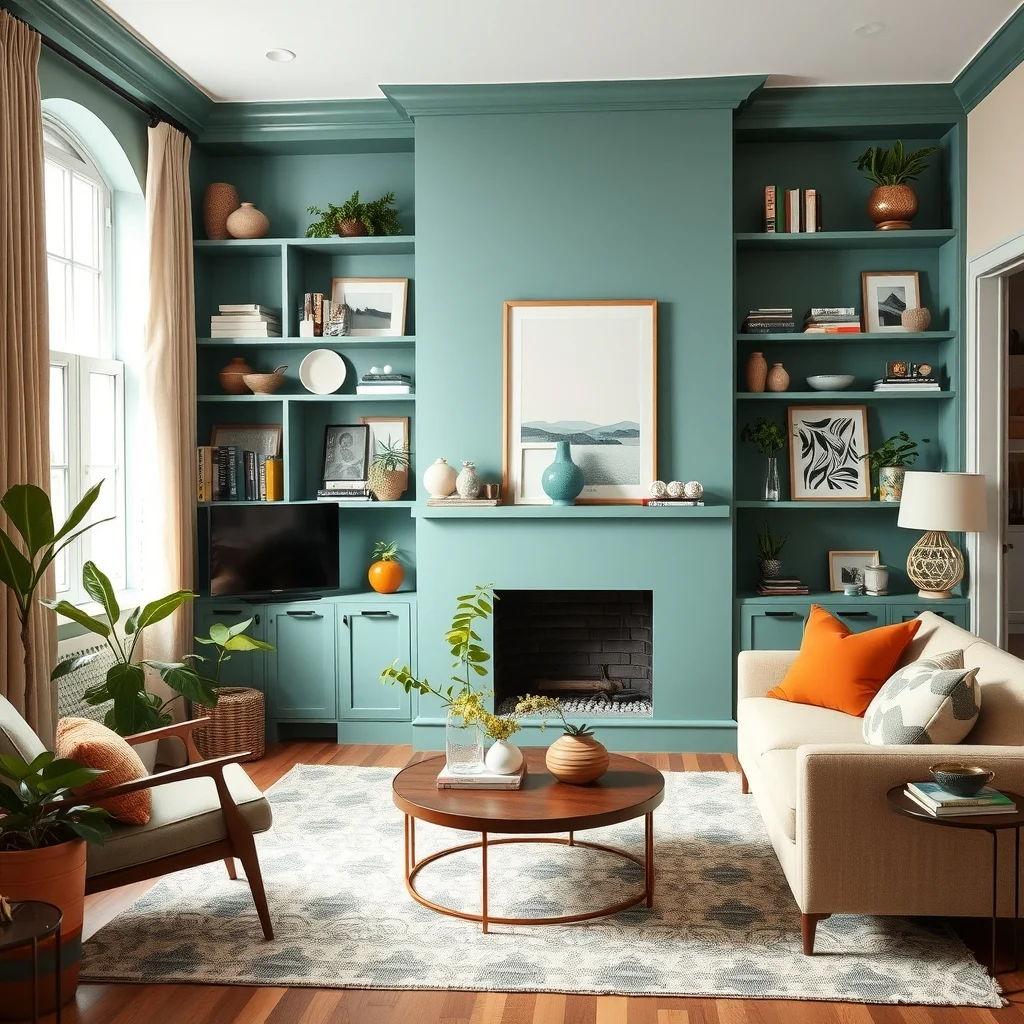
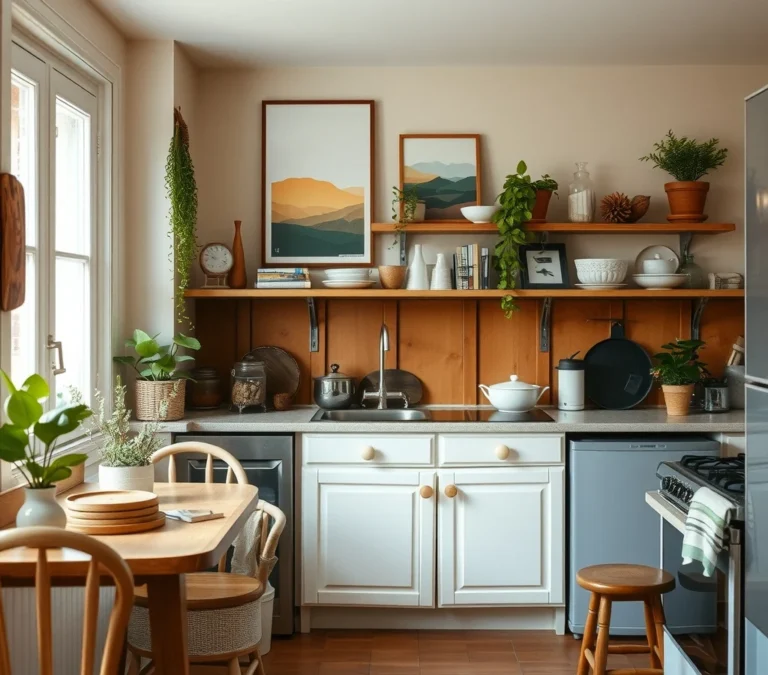
Open shelving painted in a muted teal provides a place to display books, plants, and decorative bowls while keeping the room organized. To avoid visual overload, limit the number of items per shelf and vary the heights of objects so the eye can travel upward. For concealed storage, choose a media console finished in a warm terracotta that complements the teal and adds a grounding element. The downside of bright cabinetry is that it can show scratches more readily; opting for a durable laminate surface can mitigate everyday wear.
7. Floor treatment with patterned rugs and tiles
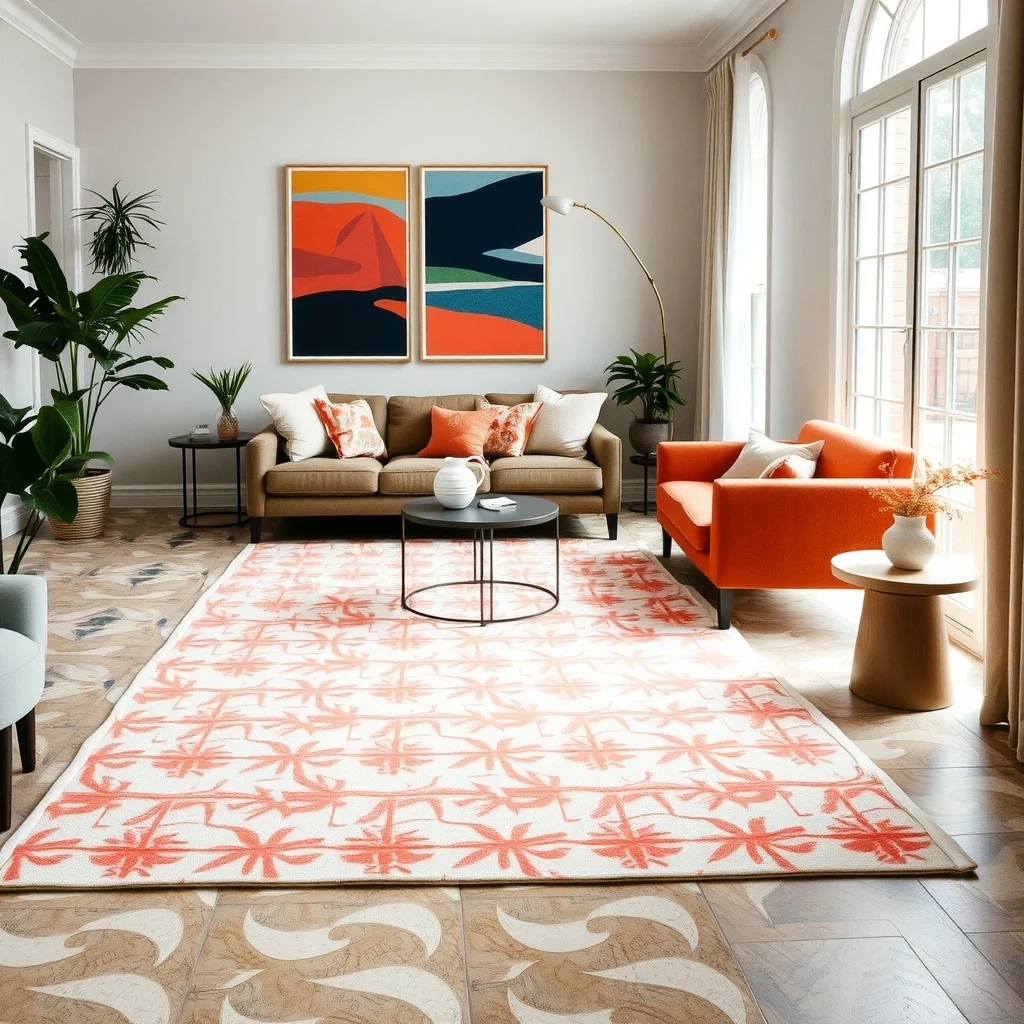
A large rug featuring a subtle, repeating motif in shades of coral, navy, and ivory can anchor the seating area and soften hardwood or concrete. If the room has a high‑traffic entry, consider a patterned cement tile runner that introduces color while standing up to wear. Layering a smaller accent rug in front of the larger piece adds dimension, especially when the textures differ—think a low‑pile cotton rug atop a plush wool base. The main caution is to keep the scale appropriate; a rug that is too small will make the furniture appear floating, while an oversized piece can dominate the space and limit floor visibility.
FAQ
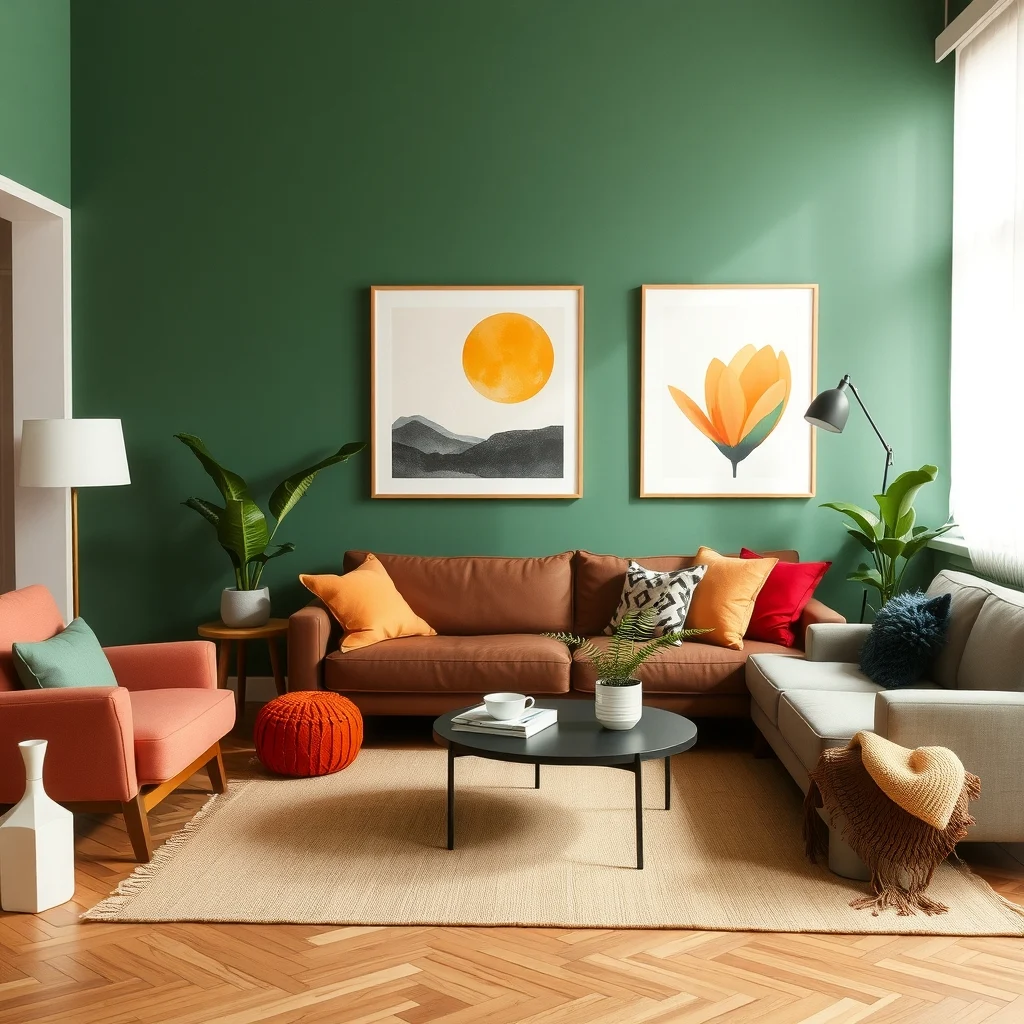
How much color is too much in a living room?
A living room feels balanced when the dominant color occupies about 60 % of the visual field, with accent hues filling the remaining 40 %. This ratio helps maintain energy without creating visual fatigue.
Can I use bold patterns if I have limited natural light?
Yes, but choose patterns with lighter backgrounds to reflect what light is available. Dark bases can make a room feel smaller, whereas a pale backdrop lets colors pop without absorbing too much light.
What are low‑maintenance fabrics for maximalist décor?
Blends of cotton with a small percentage of polyester or linen with a protective finish resist staining and wrinkle less, making them practical for high‑use cushions and throws.
Is removable wallpaper a good option for renters?
Removable wallpaper offers the visual impact of traditional wallcoverings while allowing you to restore the wall to its original condition when you move out, making it renter‑friendly.
How do I keep a colorful room from feeling chaotic?
Establish a unifying element—such as a common metal finish, a recurring color, or a consistent texture—to tie disparate pieces together, creating cohesion amid variety.
Final Thoughts
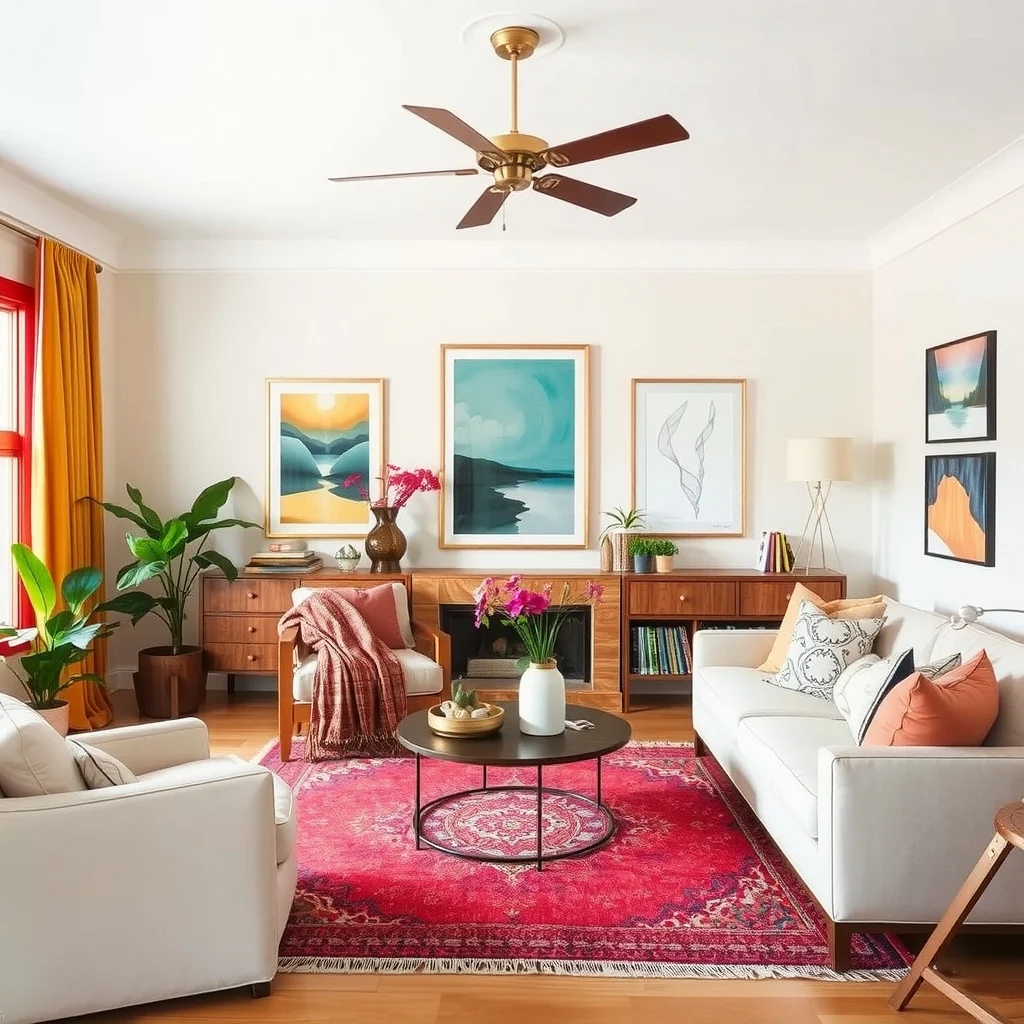
Embracing color in a maximalist living room is less about filling every surface and more about curating a dialogue between hues, textures, and personal objects. By thoughtfully layering textiles, choosing a statement wall, mixing materials, displaying a purposeful gallery, playing with light, integrating vibrant storage, and grounding the floor, you can create a space that feels both lively and inviting. Remember to consider durability, scale, and maintenance as you select each element; the result will be a personality‑filled room that welcomes you home day after day.