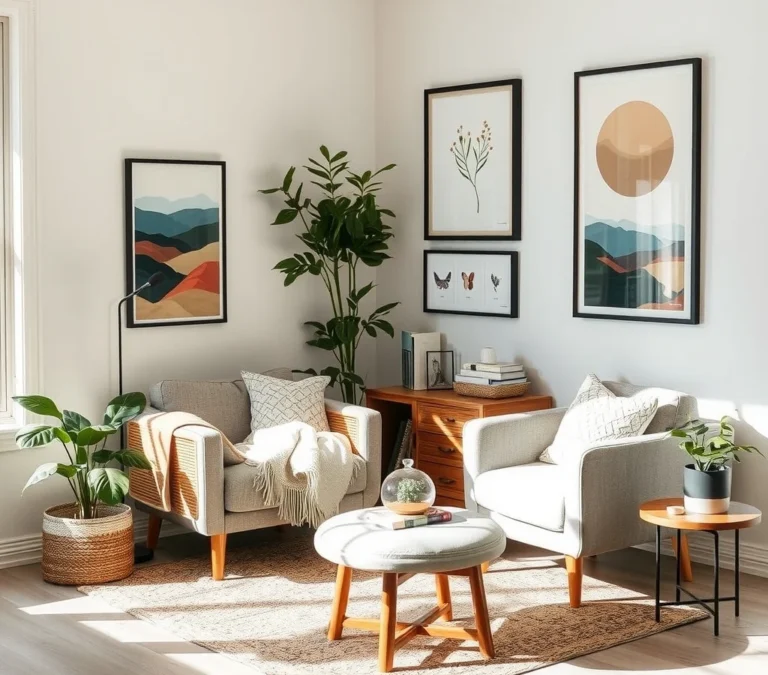
Small Apartment Zoning Ideas to Separate Living and Sleeping Areas
Living in a small apartment can feel cramped when the bedroom and living room share the same space. A clear zone helps you relax at night and stay productive by day. You don’t need walls or big furniture to make the split. Simple tricks can turn a studio into two comfy areas.
In this guide you’ll find seven easy zoning ideas that work in tight floor plans. Each idea uses a mix of color, light, and smart storage to mark a sleeping spot. You can pick the ones that fit your style and budget. The tips also note a downside so you can avoid common mishaps.
1. Use a Tall Bookcase Divider
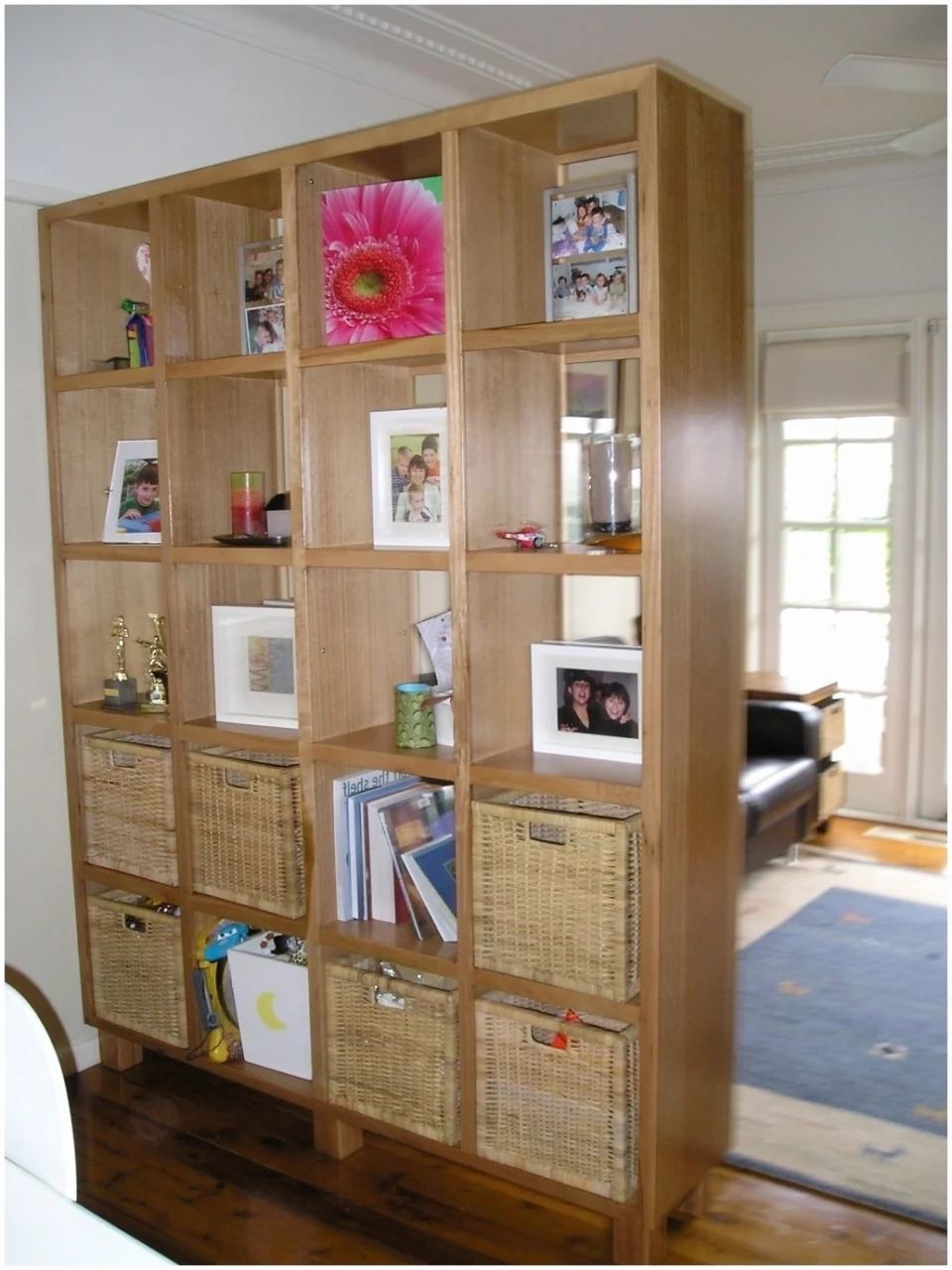
Place a tall, open‑back bookcase between the couch and the mattress to act as a visual wall. A light oak finish keeps the piece airy while still offering solid height of about seven feet. Shelves can hold books, plants, or baskets that store blankets and spare linens. The open gaps let light pass, so the room stays bright even with the divider.
A drawback is that a full‑height case can block airflow, making the sleeping side feel warm. If you live in a hot climate, choose a shorter piece or add a ceiling fan above the bed. Also, renters should check lease terms before drilling into walls for anchoring. A simple floor‑standing version can work without permanent fixes, though it may wobble on uneven floors.
2. Hang a Curtain Rail
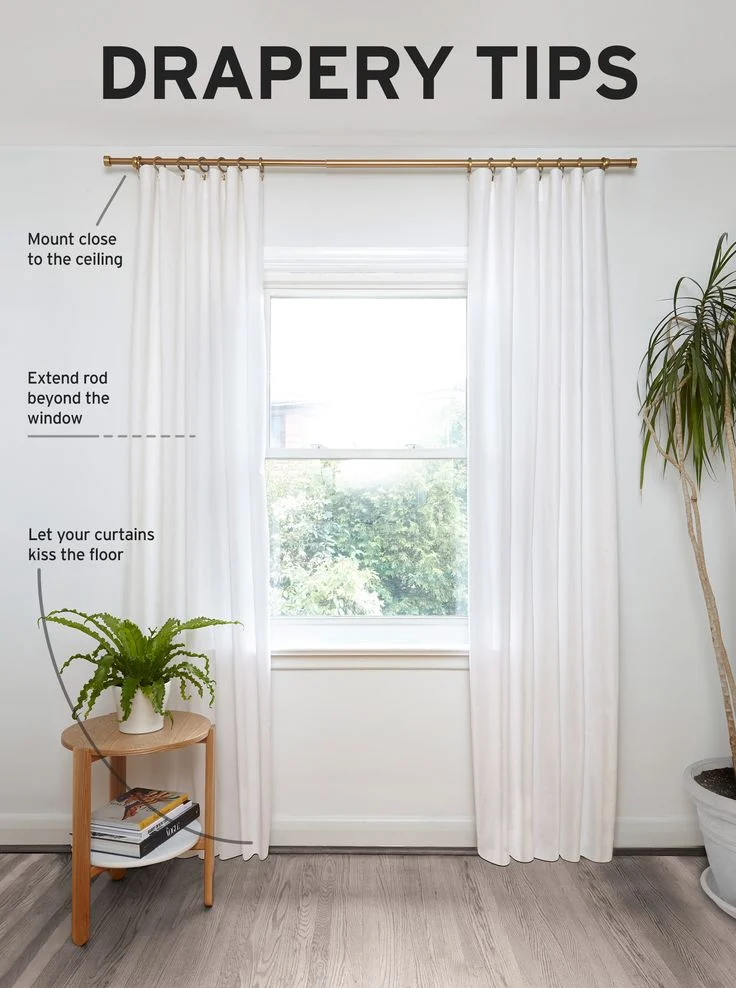
Hang a ceiling‑mounted curtain rail above the sleeping platform to pull a soft fabric barrier. Choose a lightweight linen in a muted teal to add a hint of color without overwhelming the space. When drawn, the curtain creates a cozy nook and hides the mattress from daytime view. A simple rod with a single pleat keeps the look clean and easy to slide.
The downside is that fabric can collect dust, so you’ll need to wash it regularly. Heavy curtains may pull down on the rod, requiring a sturdier ceiling mount. If your ceiling is low, the hanging fabric might lower the headroom near the bed. In that case, opt for a shorter panel that stops just above the mattress top.
3. Define Zones with Rugs

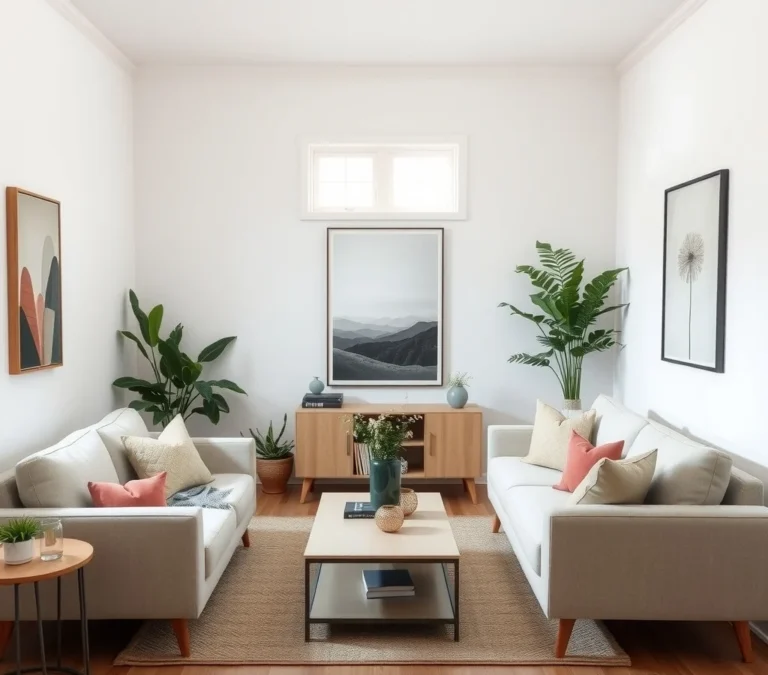
Lay a large, low‑pile rug under the sofa and coffee table to mark the living area. Choose a deep olive hue that contrasts with a light‑gray floor, creating visual separation. Place a smaller, softer rug beside the bed to cue the sleeping zone without a wall. The two textures let you step onto a different surface, reinforcing the mental shift from work to rest.
One issue is that rugs can slip on smooth floors, posing a safety risk. A non‑slip pad adds grip but may raise the floor slightly, which can affect door clearance. If you have pets, choose a material that resists stains and easy to vacuum. Heavy rugs may also make the room feel smaller, so keep the size proportional to the space.
4. Install a Low Platform Bed
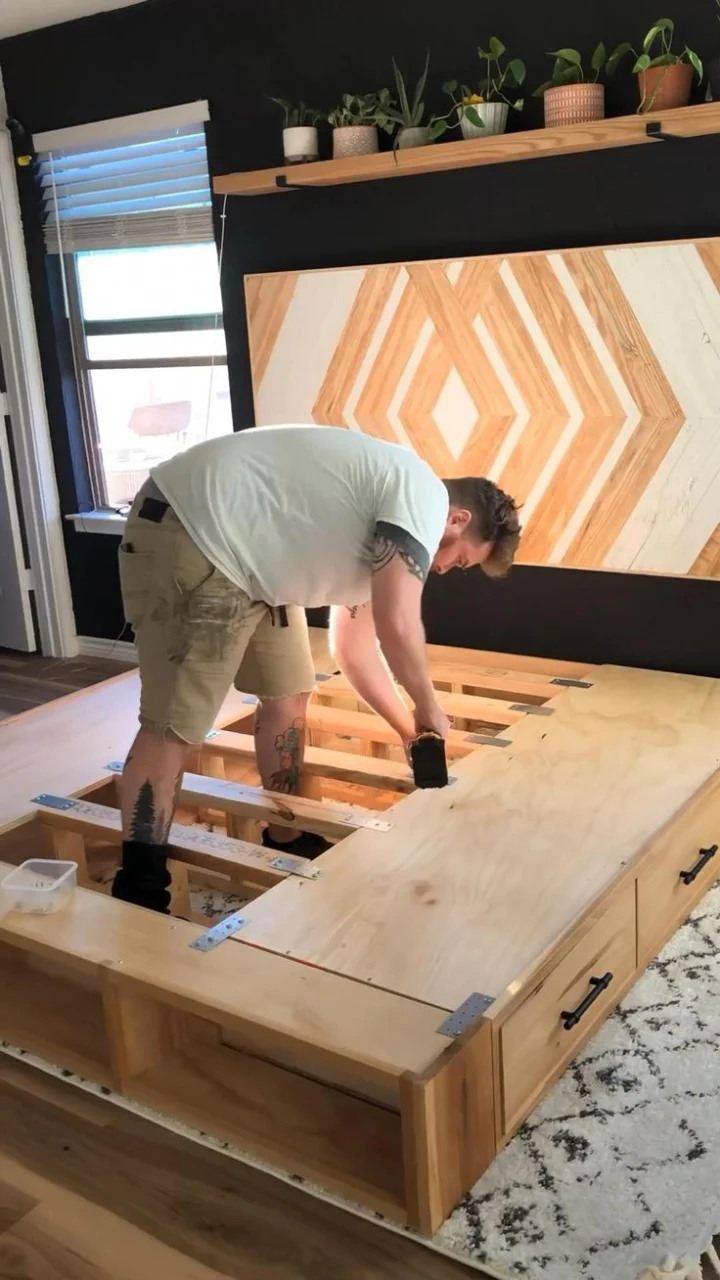
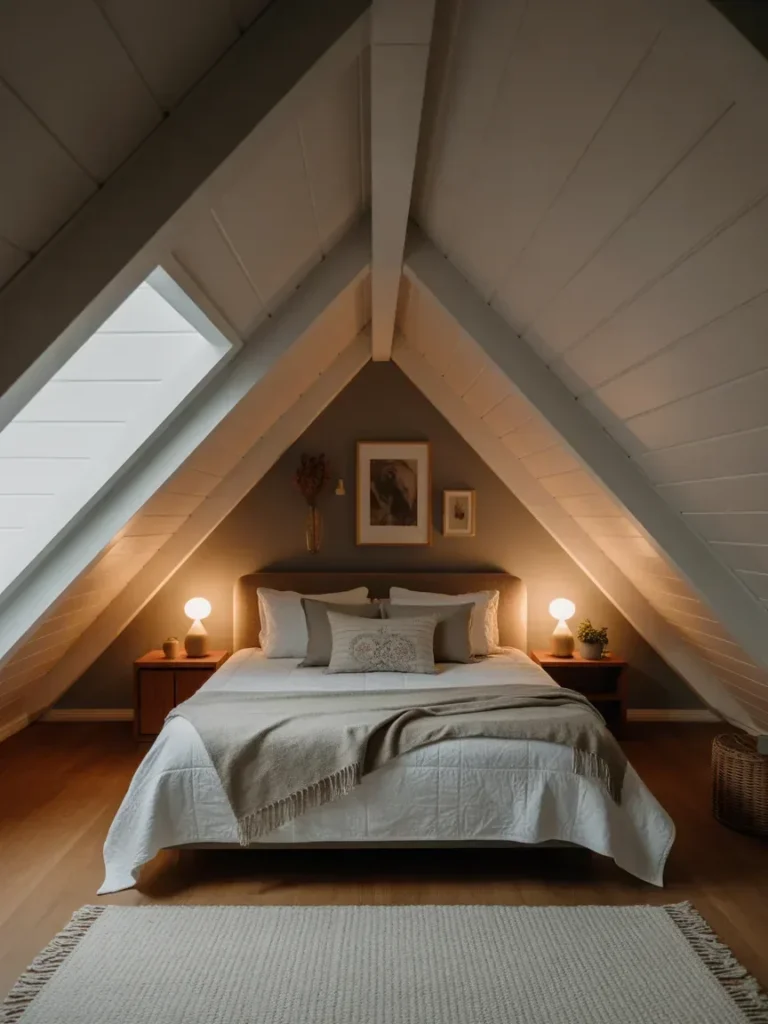
Raise the mattress on a low wooden platform that sits a few inches off the floor. A light‑colored pine finish blends with most palettes and leaves space underneath for storage bins. The platform acts as a subtle boundary because the living area stays at floor level. Add a short runner rug at the foot to further signal the transition.
A downside is that a platform can feel hard for those who like a soft mattress base. You may need a mattress topper to add extra cushioning. If your ceiling is low, the raised bed may reduce headroom, so measure first. Renters should use a non‑permanent platform made of interlocking wood panels to avoid wall damage.
5. Add a Folding Screen
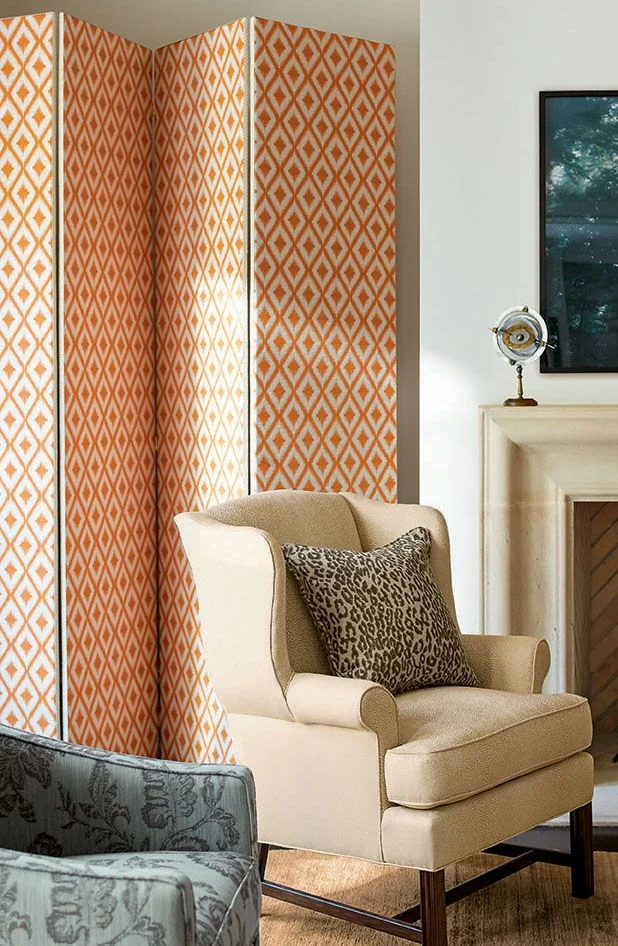
Position a freestanding folding screen made of bamboo slats behind the sofa to carve out a bedroom nook. The natural weave adds texture and lets light filter through, keeping the area bright. Choose a screen about six feet tall so it blocks the view but does not dominate. Place a small nightstand and a lamp on the screen side to complete the sleeping corner.
The screen can collect dust on its folds, requiring regular wiping with a dry cloth. If the room is very narrow, the screen may make the space feel tighter. In that case, opt for a slimmer panel or a tall bookshelf instead. Make sure the base is stable; a wobbly screen can be a safety hazard.
6. Create Lighting Zones
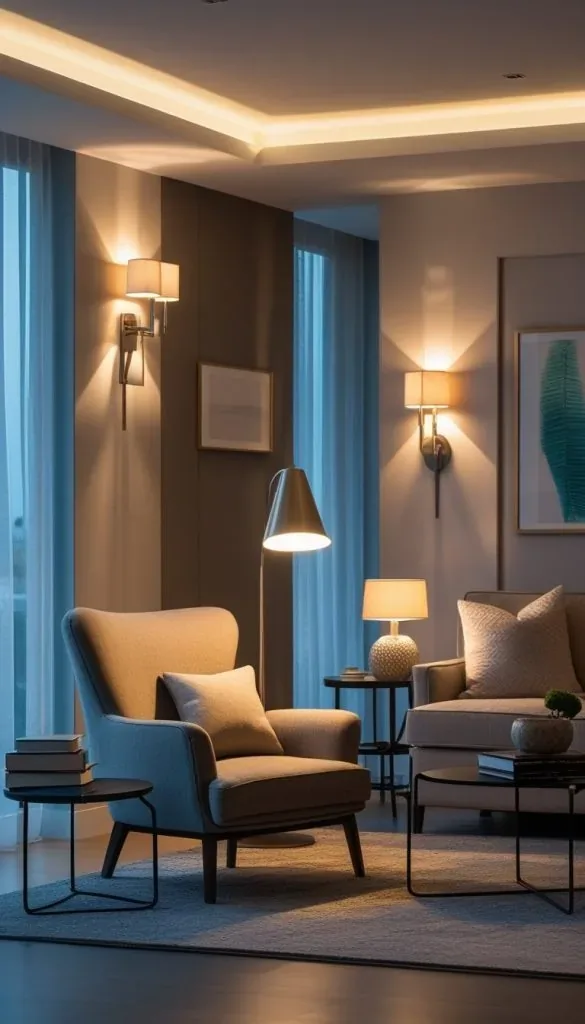
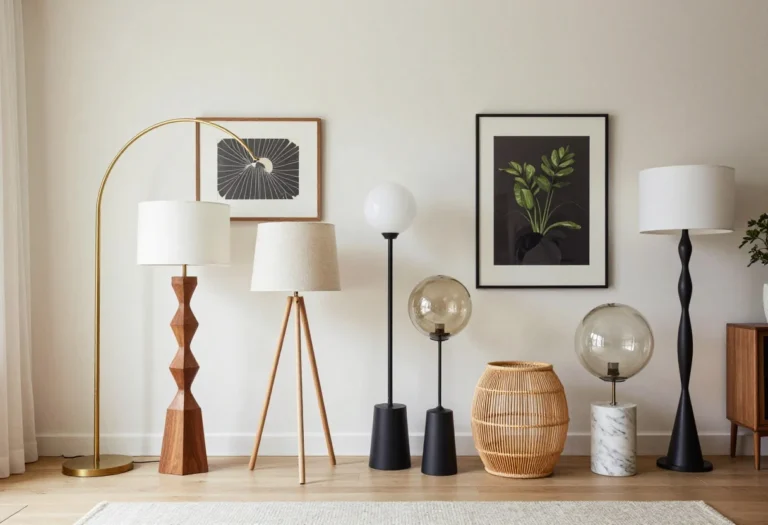
Install a pair of wall‑mounted sconces on opposite sides of the room to signal different functions. Warm‑white bulbs over the sofa create a relaxed vibe, while cooler light above the bed encourages rest. Use dimmer switches so you can lower the brightness at night for a softer feel. A narrow LED strip under the bed frame adds subtle glow without breaking the sleep atmosphere.
Too many light sources can clutter the visual field, making the room feel chaotic. Keep the number of fixtures low and choose simple designs to avoid visual noise. If you rent, opt for plug‑in sconces that attach with adhesive pads instead of hard wiring. Remember that bright lights near bedtime can interfere with sleep, so dim them well before rest.
7. Use a Multi‑Purpose Divider with Storage
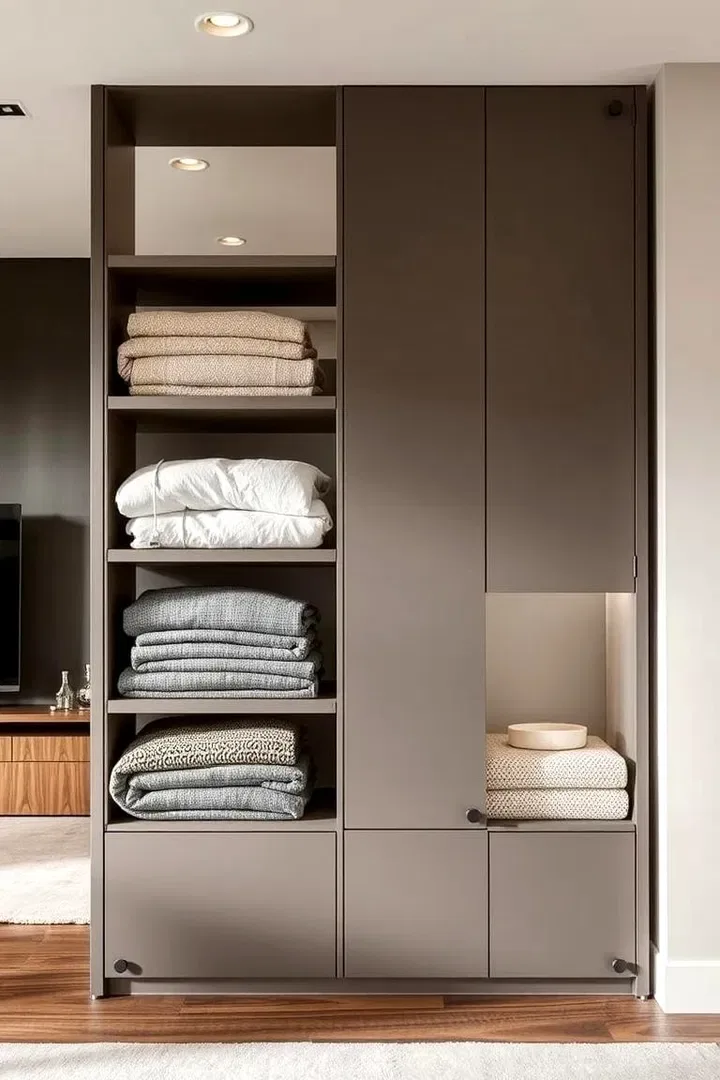
Choose a folding divider that includes shelves and hooks on the interior side for clothes and books. A neutral gray fabric cover hides the metal frame and adds a soft visual break. Place it behind the couch so the living side stays open while the sleeping side gets hidden storage. The built‑in shelves can hold a lamp, a few plants, and a small basket for pajamas.
A potential downside is that the divider can look bulky in very small rooms. If space is tight, pick a slimmer model with narrower panels to keep the flow. Heavy fabrics may attract dust, so choose a washable cover or clean it often. Renters should avoid permanent brackets and use the built‑in legs that rest on the floor.
FAQ
How can I make a studio feel like it has separate rooms?
Use visual cues like rugs, curtains, or screens to draw clear lines. These elements break up the space without building walls.
What’s the cheapest way to zone a small apartment?
A simple curtain or a folding screen can cost less than a full wall. Look for budget fabrics or second‑hand pieces to keep costs low.
Can I zone my apartment without drilling into the walls?
Yes, choose free‑standing furniture, tension rods, or adhesive hooks for hanging. These options work well in rentals and can be removed easily.
How do I keep the sleeping area quiet in a shared space?
Add soft textiles like rugs, curtains, and a heavy blanket to absorb sound. A small bookshelf or screen also blocks noise from the living side.