High Ceiling Decorating Ideas That Make Rooms Feel Balanced

High ceilings can feel grand, but they can also feel empty. You may notice the space looks too big for the furniture you have. Adding a few thoughtful touches can bring the room back to a comfortable scale. Below are simple ideas that help you enjoy the height without losing balance.
Each idea works with common items you can find at a local store or online. You don’t need a big budget or major construction to try them. The steps are easy to follow, and you’ll see the change right away. Let’s explore how to make tall rooms feel just right.
1. Add a Crown Molding Painted in a Contrasting Color
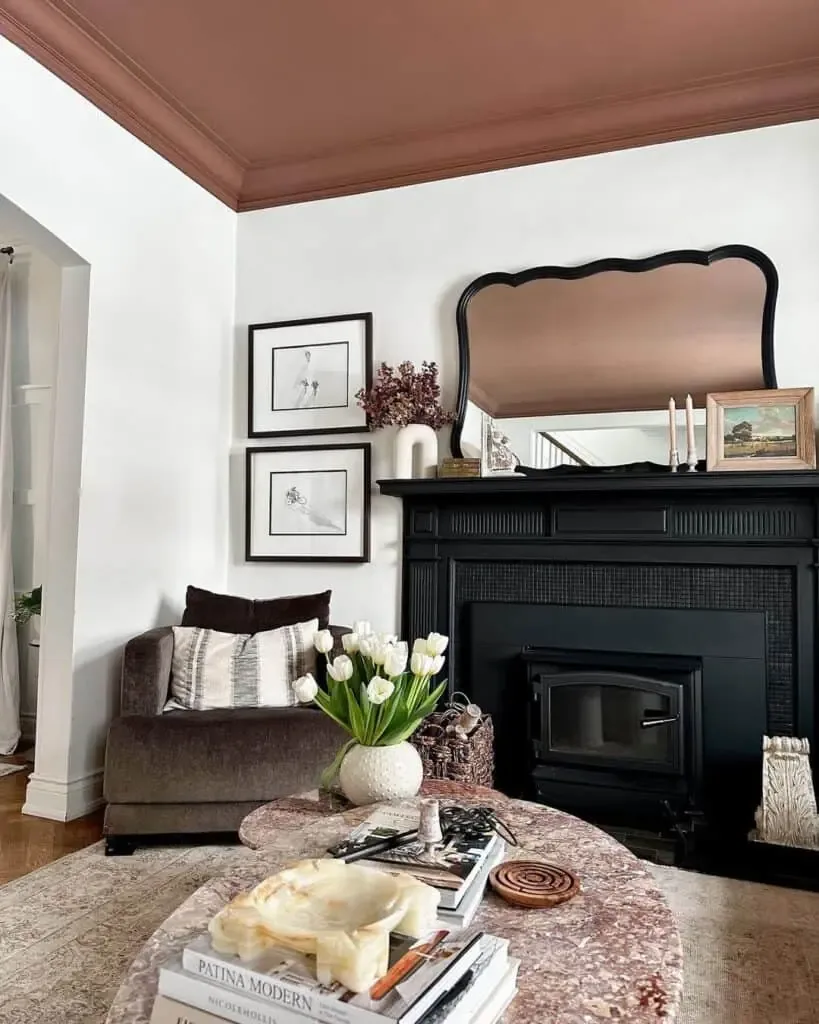
A crown molding draws the eye toward the top of the wall, creating a visual frame for the ceiling. When you paint it a shade that differs from the wall, it adds depth and makes the height feel intentional. The contrast can be a soft gray against white walls or a warm wood tone on a neutral backdrop.
Start by measuring the perimeter of the room and buying molding that fits the length. Use a miter saw to cut the pieces at 45‑degree angles for clean corners. Attach the molding with small nails, then fill any gaps with caulk before painting the chosen color.
Keep in mind that molding needs regular dusting, especially near the ceiling where dust settles. If you rent, you can use removable molding strips that snap on without nails. The added detail looks great, but it does add a bit of extra work when cleaning.
2. Hang One Large Piece of Art or a Statement Mirror
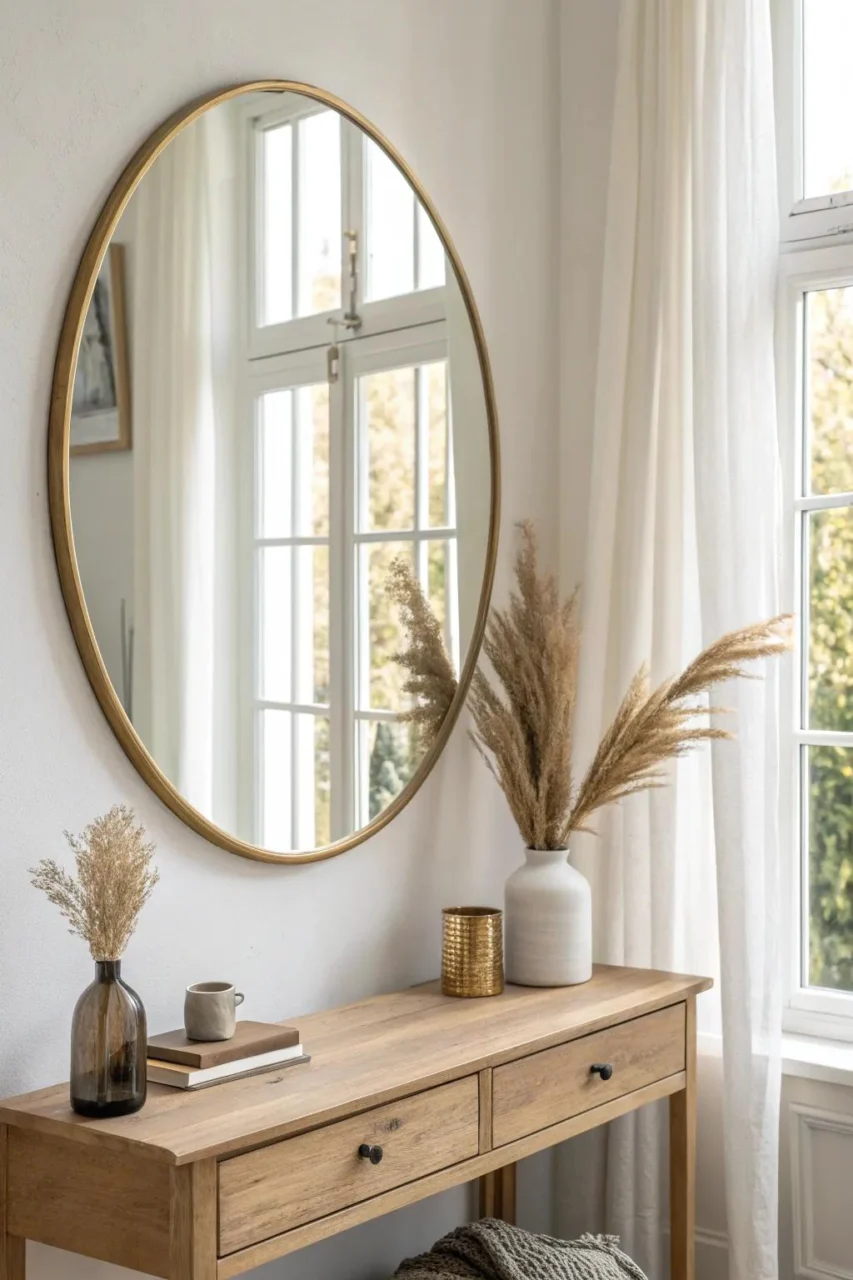
A single large artwork or mirror can anchor the space and give the eye a place to rest. It breaks up the expanse of wall and adds personality without cluttering the room. Choose a piece that reflects the room’s style, such as a calm landscape or a bold abstract in muted tones.
Measure the wall to find a size that fills about two‑thirds of the height. Use a sturdy picture hook rated for the weight of the item. Hang the piece so the center is at eye level when you stand, which typically means about 57 inches from the floor.
Large pieces can be heavy, so be sure the wall can support them, especially on plaster. Mirrors add light but can show fingerprints, so you’ll need to wipe them often. If you have kids, a lower‑placed artwork may be safer.
3. Install a Statement Light Fixture That Extends Downward
A chandelier or pendant that hangs lower than the ceiling draws attention to the middle of the room. This creates a sense of balance by giving the space a focal point at eye level. Look for fixtures with natural materials like brushed brass or woven rattan for a warm feel.
Choose a fixture that is about one‑third the width of the room. Use a professional electrician to mount it securely, especially if the ceiling is very high. Hang the fixture 30‑36 inches above the main seating area for comfortable lighting.
The downside is that a lower fixture can limit headroom in tight spaces, so be careful in small rooms. It also requires occasional cleaning of the bulbs and shades, which can be a bit tricky on a high ceiling. A dimmer switch can help you adjust the light for different moods.
4. Layer Rugs to Define Zones and Add Warmth

Large rooms often feel cold and empty, but a layered rug can soften the floor and create a cozy zone. Place a larger neutral rug first, then add a smaller patterned rug on top to add texture. This trick works well in living rooms and open‑plan areas.
Start with a rug that fits the main furniture layout, leaving at least 12 inches of floor visible around it. Choose a second rug that is at least half the size of the first and position it so the edges line up neatly. Secure both rugs with non‑slip pads to keep them from sliding.
Rugs can collect dust, so vacuum them regularly and rotate them to even out wear. If you have pets, pick rugs with low pile that are easier to clean. Heavy rugs may be difficult to move, so consider lightweight options for rentals.
5. Paint the Ceiling a Soft, Complementary Hue
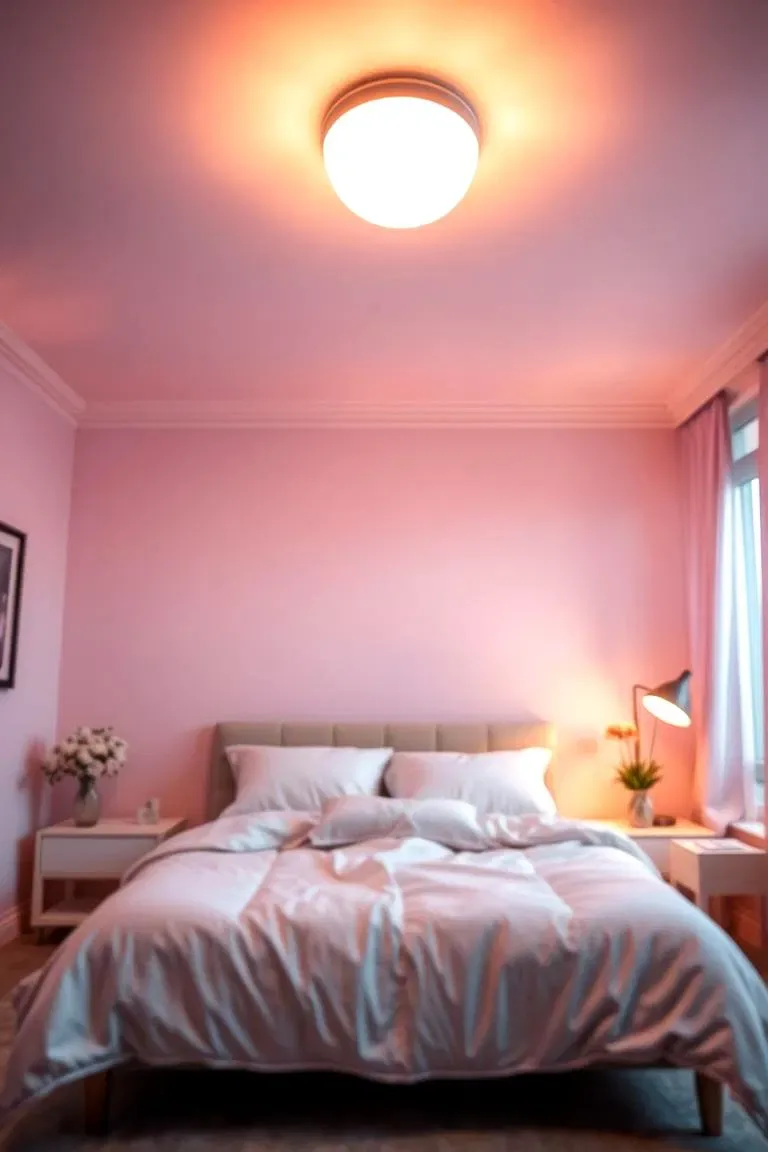
A ceiling painted in a gentle color can make a tall room feel more intimate. Soft shades like pale blue, warm greige, or muted sage add depth without overwhelming the space. The color should echo a tone from the walls or furniture for harmony.
Use a roller with an extendable handle to reach the ceiling easily. Apply a primer if the ceiling has a glossy finish, then two thin coats of the chosen paint. Allow each coat to dry fully before adding the next.
Dark colors can make a room feel lower, which may not be ideal if the space already feels cramped. Light colors can highlight imperfections, so you might need a second sanding before painting. The finish will need occasional touch‑ups in high‑traffic homes.
6. Add a Floating Shelf or Ledge Near the Top
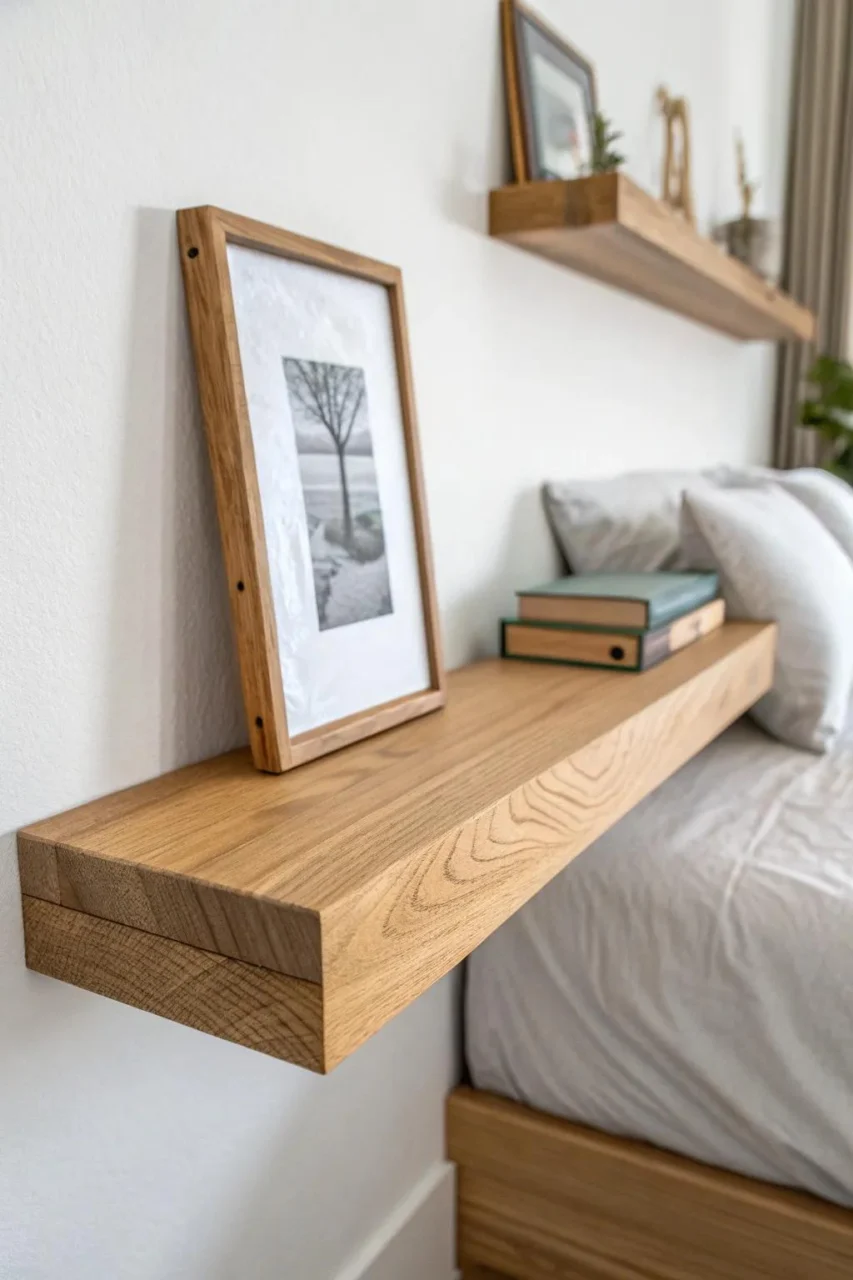
A floating shelf placed a few feet below the ceiling adds visual interest and useful storage. It breaks up the vertical line and lets you display books, plants, or decorative bowls. Choose a shelf in wood or metal that matches other room accents.
Mark the wall at the desired height, usually about 6‑8 feet from the floor. Use a level and a stud finder to locate secure mounting points. Attach the brackets, then slide the shelf onto them and secure it with the provided hardware.
Shelves near the ceiling can collect dust quickly, so you’ll need a long‑handled duster. Heavy items can cause the shelf to sag over time, so keep the load light. If you rent, consider a removable shelf that uses adhesive strips instead of screws.
7. Use Tall, Draped Window Treatments

Floor‑to‑ceiling curtains add height and soften the room’s edges. When the fabric falls all the way to the floor, it visually pulls the walls upward. Choose light fabrics like linen or cotton in neutral tones for a relaxed look.
Install a curtain rod a few inches above the window frame and extend it beyond the window width by at least 6 inches on each side. Hang the curtains so they just skim the floor, and pull them back with simple rings or hooks. This creates a clean line that enhances the ceiling.
Heavy fabrics can be hard to wash, so pick a material that matches your cleaning routine. In sunny rooms, light curtains may fade, so consider a UV‑blocking liner. Long curtains can be a tripping hazard for pets, so keep the floor clear.
How do I choose the right height for a statement light fixture?
Place the fixture about 30‑36 inches above the main seating area. This height provides good light without glare. Adjust the level based on the size of the room and the height of your furniture.
Can I paint my ceiling without damaging the existing texture?
Yes, use a primer that seals the old surface before adding the new color. A smooth roller will help cover any texture. Test a small area first to see how the paint looks on the texture.
What is the best way to keep a large rug clean in a high‑traffic room?
Vacuum the rug weekly and rotate it every few months. Spot‑clean spills right away with a mild detergent. Consider a rug pad to protect both the floor and the rug.
Are floating shelves safe for heavy decorative items?
Floating shelves are best for light to medium items like books or small plants. Heavy objects can cause the shelf to sag over time. Use sturdy brackets and check the weight limit before loading.
How can I make tall windows feel cozier with curtains?
Hang curtains that reach the floor and use light fabrics in soft colors. Pull them back with simple rings to let in natural light. Adding a subtle pattern can add interest without overwhelming the space.