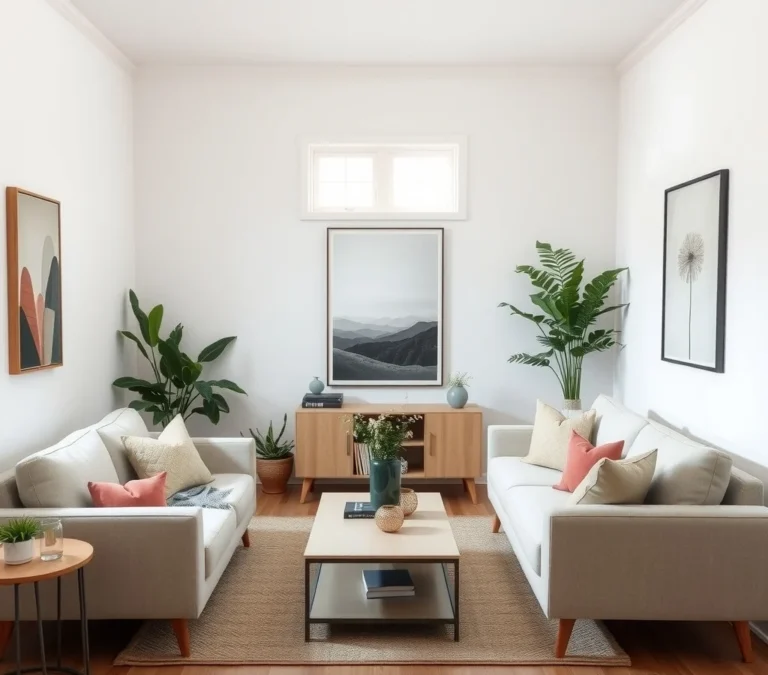
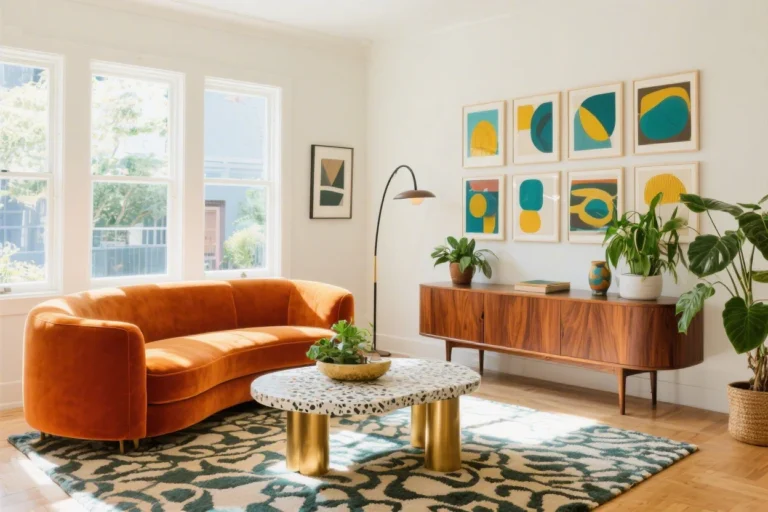
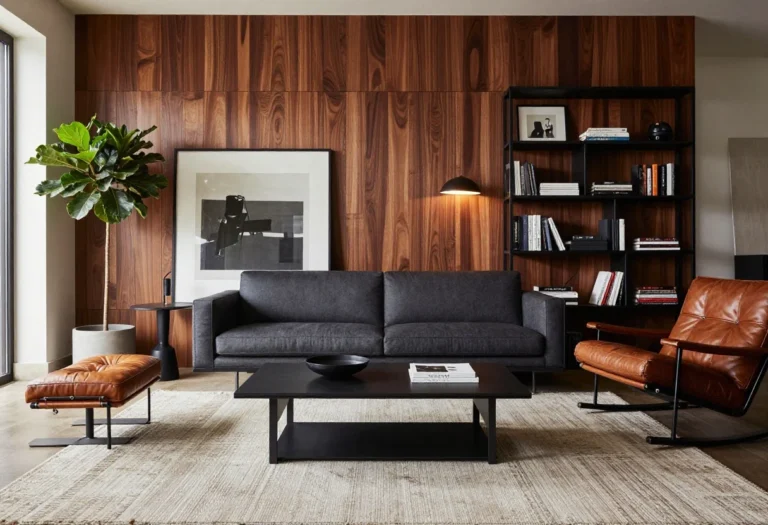
Family Room Layout Ideas for Comfortable Everyday Living
Many families find the family room crowded or hard to use. Toys, cushions, and electronics can block the flow. A clear layout helps everyone feel relaxed.
This article gives you seven simple layout ideas you can try today. Each idea works with common pieces and easy changes. You’ll see how a few tweaks can make the room feel more welcoming.
Before you start, measure the room and note the main traffic paths. Write down the spots where you watch TV, read, or play games. That list will guide where to place new pieces.
1. Build a Central Seating Zone
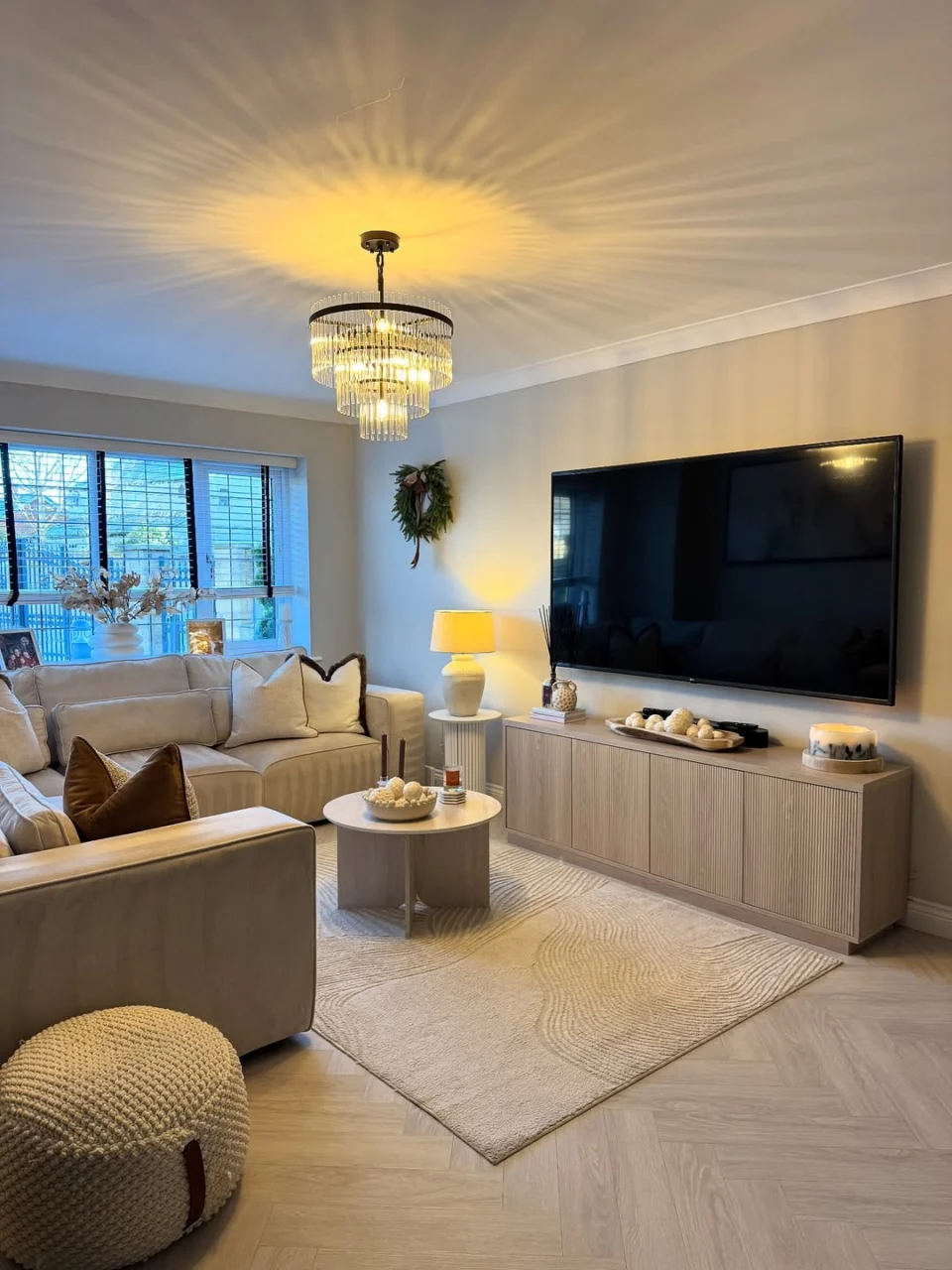
When sofas and chairs are spread out, the room feels split. Guests have to walk around to join a conversation. A single seating cluster can bring people together.
Choose a low‑back sectional or a pair of matching sofas and place them in the middle of the room. Add a soft rug underneath to anchor the group. This creates a clear focus point for TV or games.
Pick a neutral rug in warm greige or soft terracotta. A linen sofa in light gray works well with oak coffee tables. Keep the coffee table low so kids can reach it safely.
The downside is that a large central zone can limit floor space in very small rooms. If your room is under 200 sq ft, try a smaller loveseat instead of a full sectional.
2. Use a Multi‑Function Coffee Table
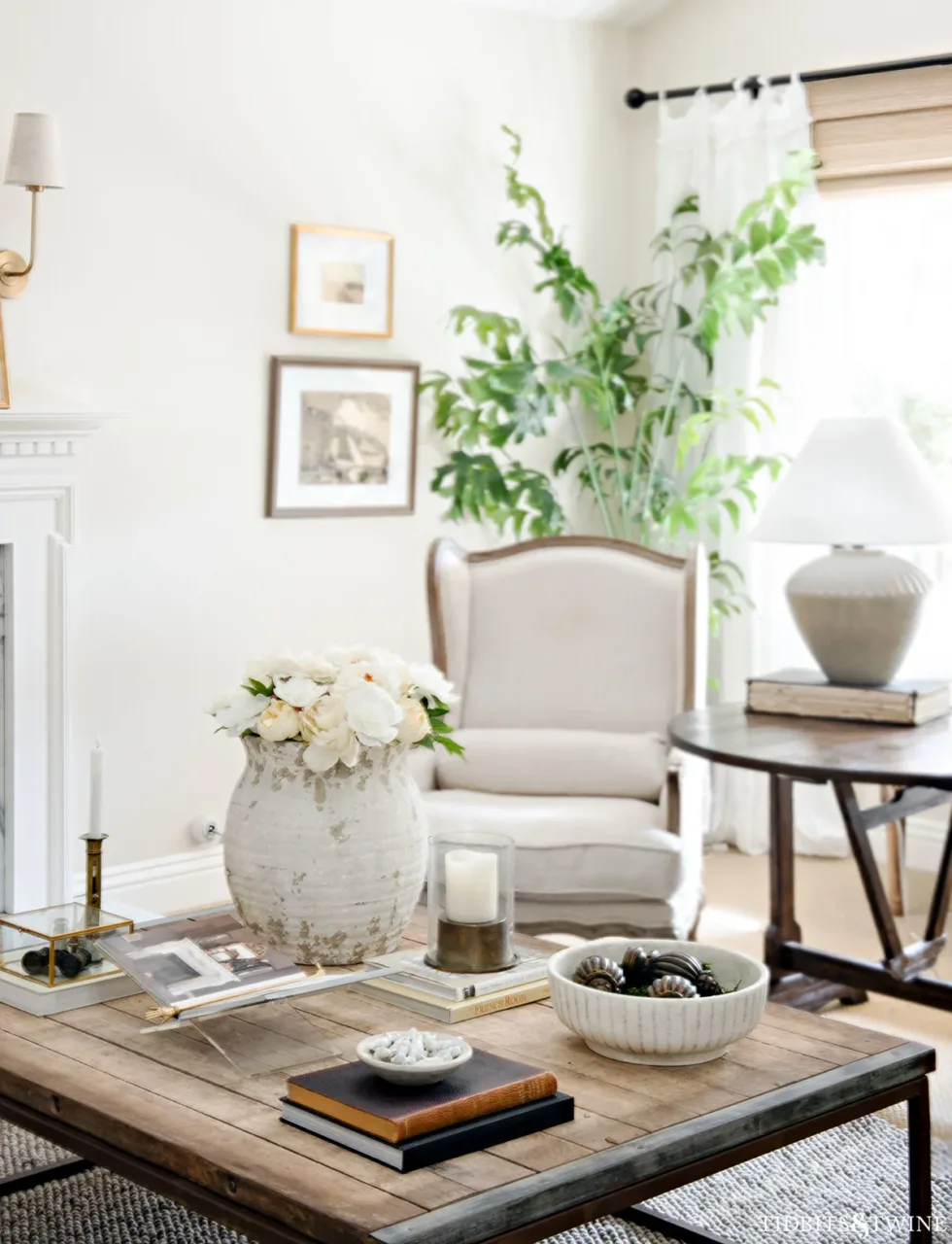
Flat coffee tables often become clutter magnets. Magazines, remote controls, and toys pile up quickly. This can make the room look messy.
Pick a coffee table with built‑in storage, such as a lift‑top or hidden drawers. Store games, blankets, and books inside to keep surfaces clear.
A walnut table with a smooth lift‑top works well with a gray rug. The lift‑top can double as a laptop desk for quick work sessions.
These tables can be heavier than a simple top, so they may be hard to move in rentals. If you need flexibility, choose a table with removable bins instead.
3. Mount a Low Media Console
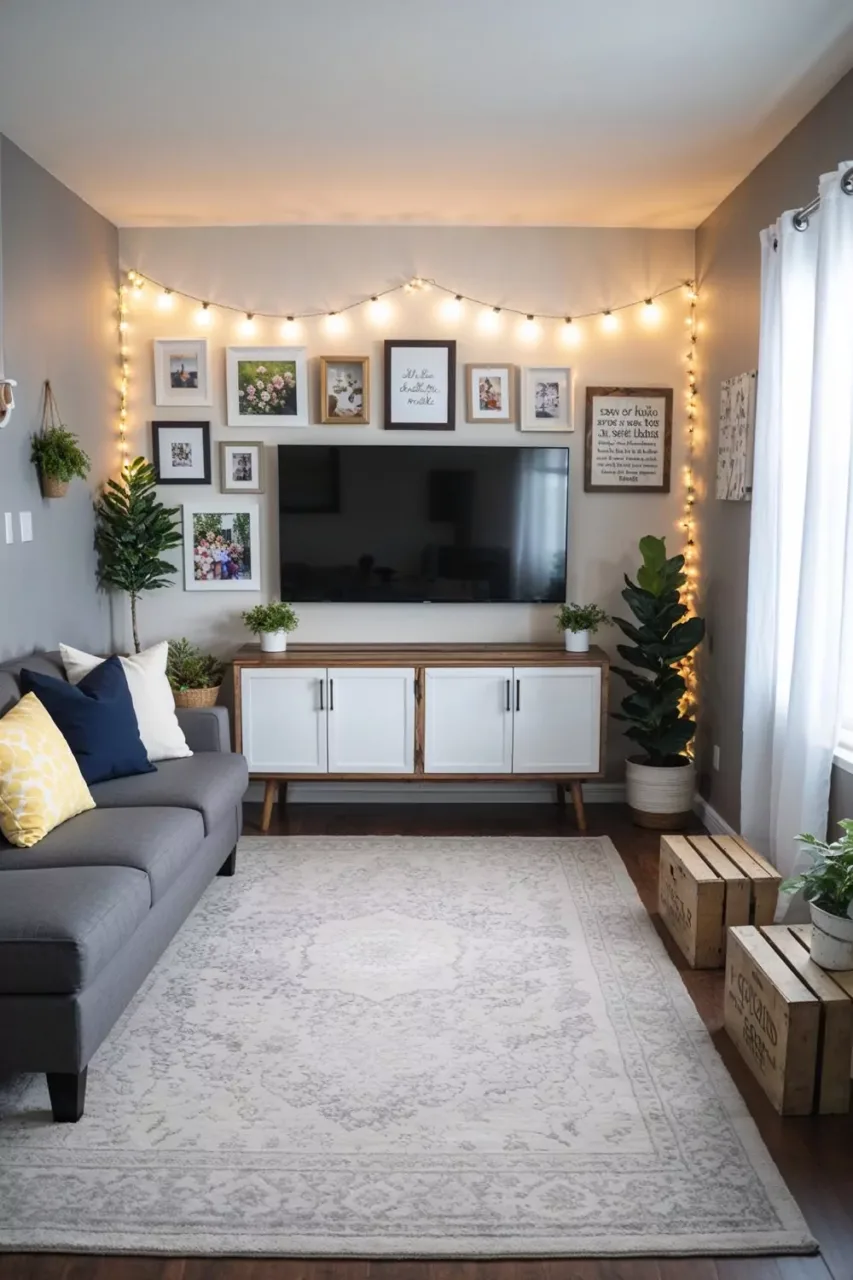
Tall TV stands can take up valuable floor space. They also block sight lines across the room. This can make the layout feel cramped.
Install a wall‑mounted media console that sits just above the floor. It frees up room for a play mat or extra seating.
Choose a brushed‑brass frame with a simple white shelf. The light finish keeps the wall bright and works with most color schemes.
The console must be securely anchored, which may need a professional installer. In a rental, you might opt for a sturdy floating shelf instead.
4. Add a Corner Reading Nook
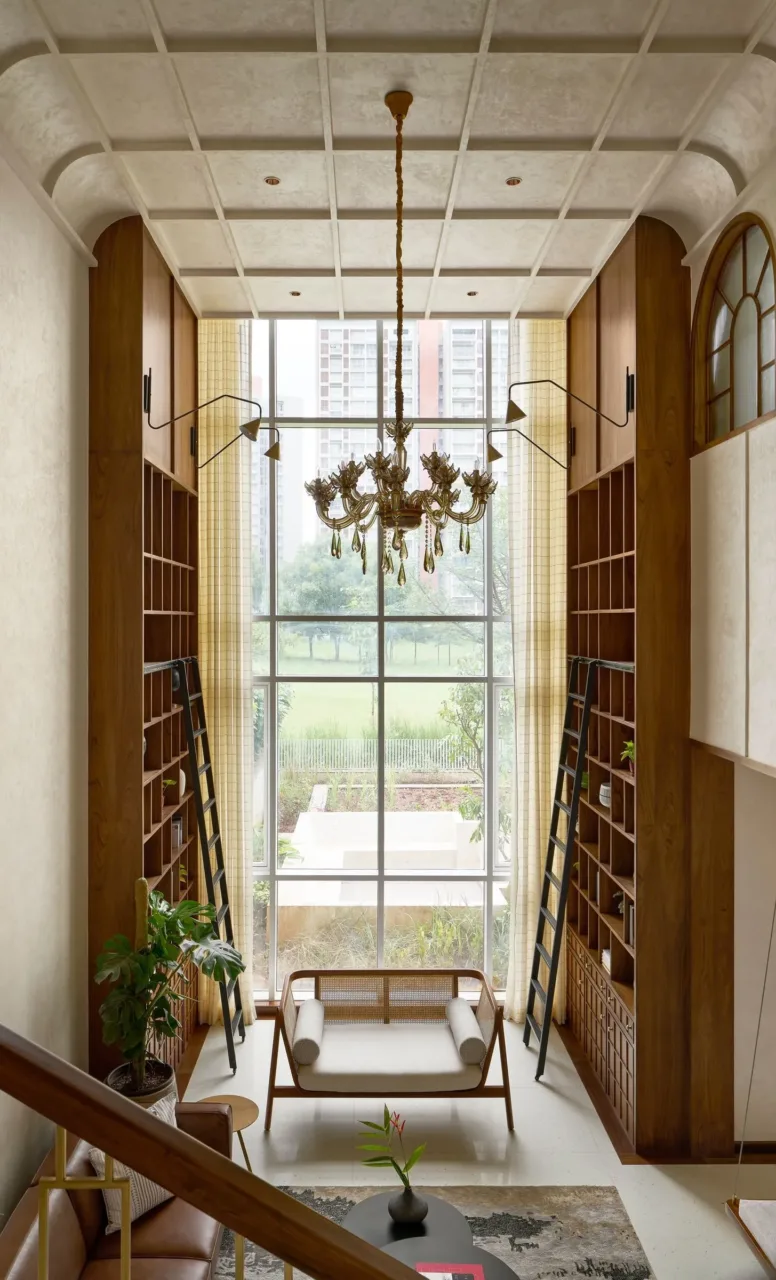
Family rooms often lack a quiet spot for a book. Without a dedicated area, reading gets pushed aside.
Place a comfortable armchair in an empty corner and add a floor lamp. A small side table holds a cup of tea and a lamp.
Pick a chair in deep olive fabric and pair it with a soft, round rug. A lamp with a linen shade gives a warm glow.
If the corner is very tight, the chair may feel cramped. In that case, use a slim floor cushion instead of a full armchair.
5. Define a Play Area with Soft Flooring
Kids often leave toys scattered across the whole room. This creates a tripping hazard and makes cleaning harder.
Lay a large interlocking foam mat or a low‑pile carpet in one side of the room. This marks a clear play zone.
Choose a carpet in a muted teal or soft sand tone. The color can hide small crumbs while still looking fresh.
Foam mats can attract dust, so they need regular vacuuming. If you prefer easy cleaning, a washable rug works better.
6. Install Built‑In Shelving for Books and Toys
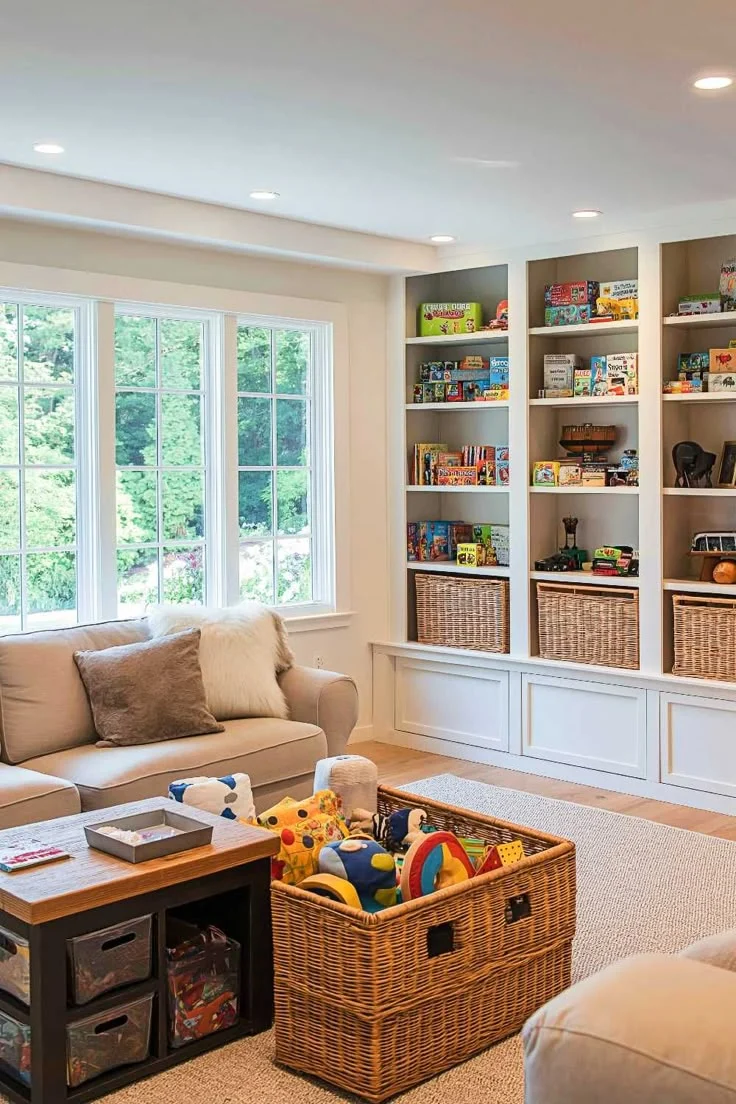
Open shelves can become cluttered quickly, especially with books and games. Without proper storage, the room looks untidy.
Fit low, built‑in shelves along one wall. Store books, board games, and decorative baskets inside.
Use oak panels for a natural look and add white backing for contrast. Place a few woven baskets on the lower shelves for easy grab‑and‑go toys.
The shelves take up wall space that could hold art or mirrors. If wall space is limited, consider a tall but narrow bookshelf instead.
7. Brighten the Room with Sheer Curtains and a Mirror
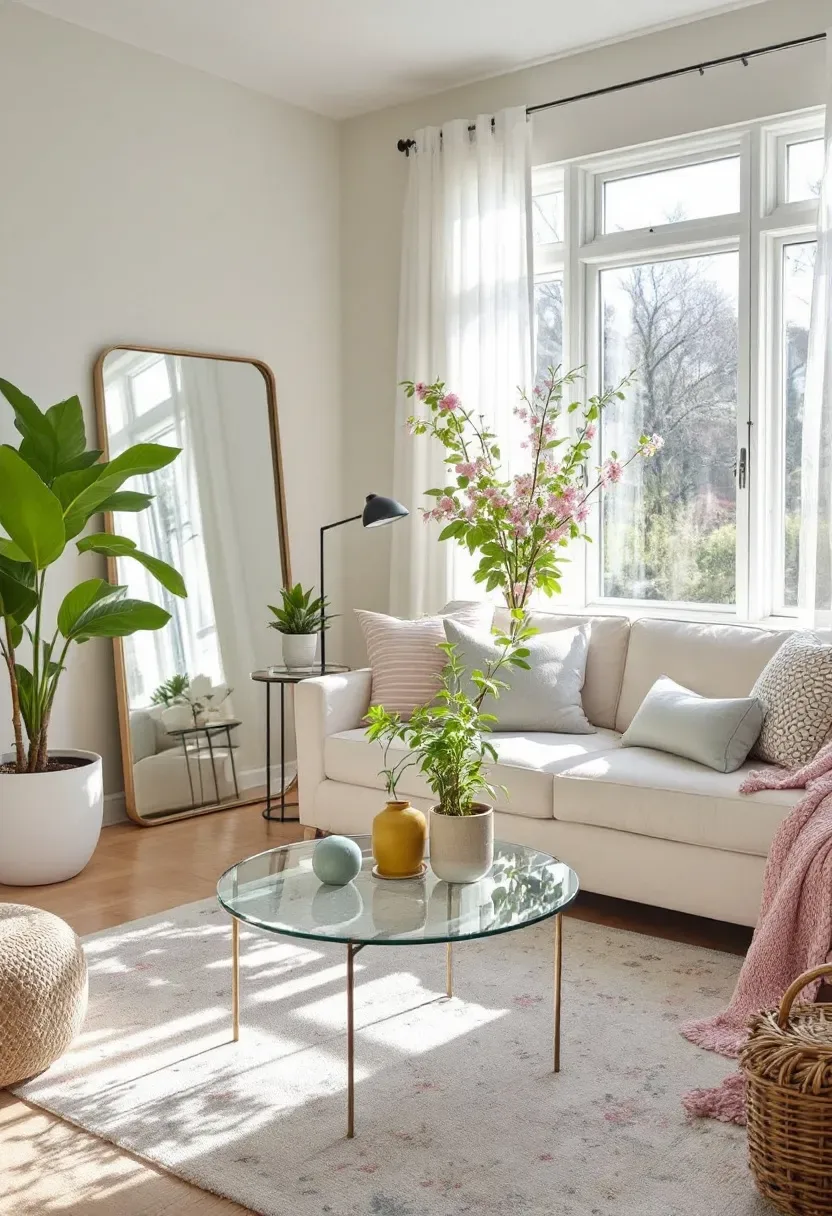
Dark windows can make the family room feel closed in. Heavy drapes block natural light and reduce the sense of space.
Swap heavy curtains for light, sheer panels that let sunlight filter in. Hang a medium‑size mirror opposite the window.
Pick curtains in a soft ivory linen and a simple rectangular mirror with a thin brushed‑nickel frame. The mirror bounces light across the room.
Sheer curtains provide less privacy at night, so you may need a blackout layer for evenings. If privacy is a top concern, use a lightweight blind instead.
FAQ
How can I make a small family room feel bigger?
Use light-colored walls and a low rug to open up the space. Add mirrors to reflect light and avoid bulky furniture that blocks pathways.
What flooring works best for a family room with kids?
Soft, low‑pile carpet or interlocking foam mats are forgiving under feet and toys. Choose a stain‑resistant material that can be vacuumed often.
Can I keep a TV in the family room without losing floor space?
Mount the TV on the wall and use a thin media console. This frees up floor area for seating or play zones.
How do I store toys without making the room look messy?
Use built‑in shelves with woven baskets for quick access. Keep the baskets in a neutral color to blend with the décor.
What lighting should I add for evening family time?
Place a floor lamp near the seating zone and a table lamp on a side table. Soft, warm bulbs create a gentle glow without harsh glare.