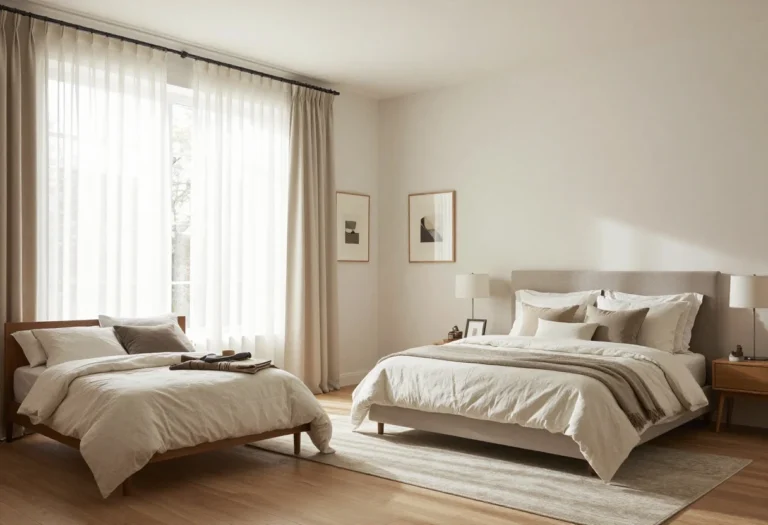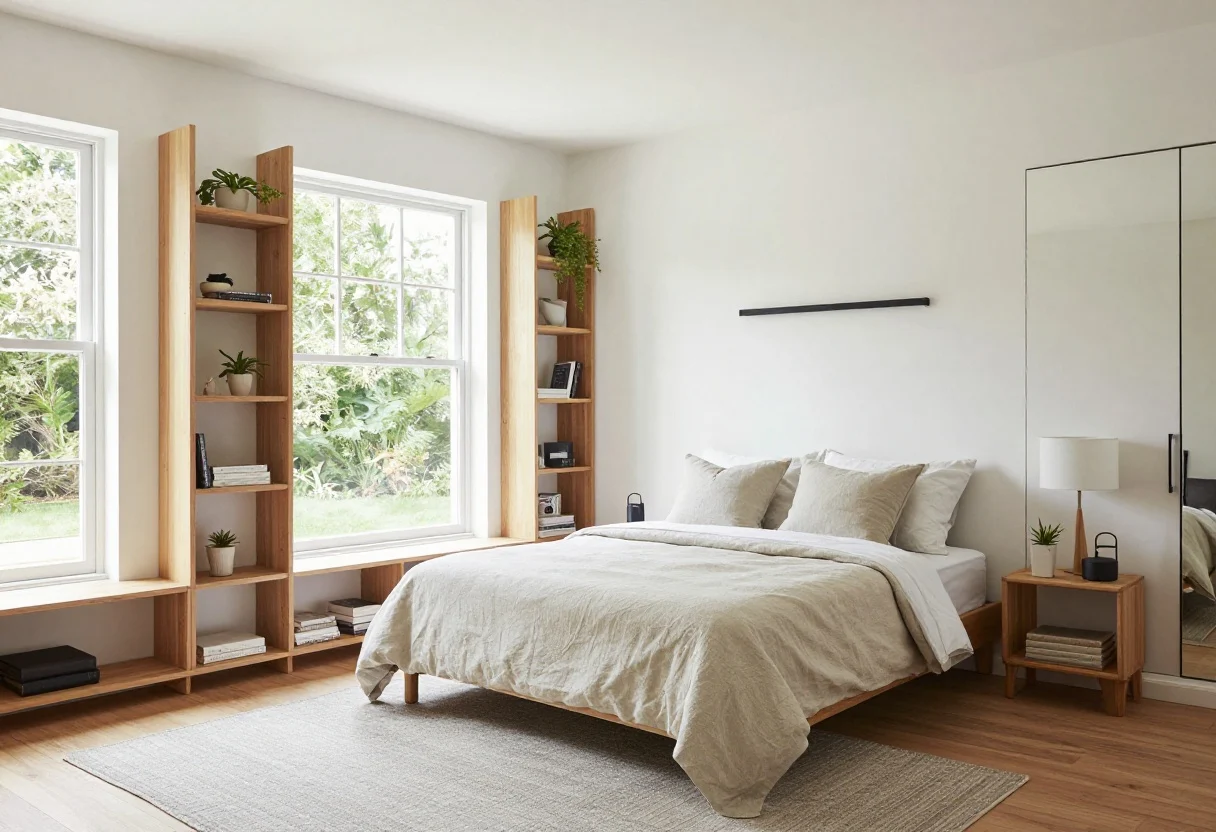
13 Bed Placement Ideas for Small Rooms (designer Tricks) You’ll Wish You Knew Sooner

Your tiny bedroom isn’t the problem—your bed placement is. Give me ten minutes and I’ll give you a layout that actually works (and looks ridiculously chic). We’re talking clever angles, sneaky storage, and serious visual magic. Ready to make your small room feel bigger—without a sledgehammer?
1. Anchor The Bed On The Longest Wall
© 2025 AI Illustrator — Inspiration Only
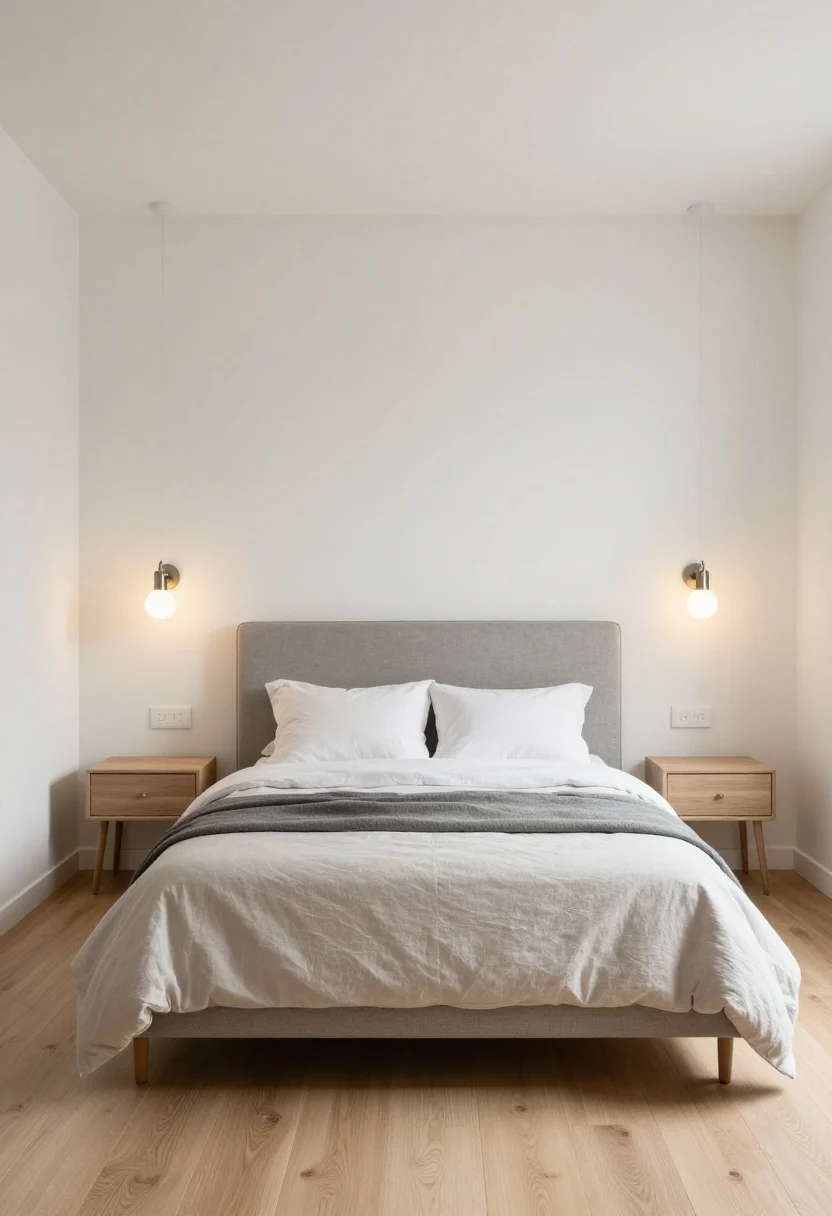
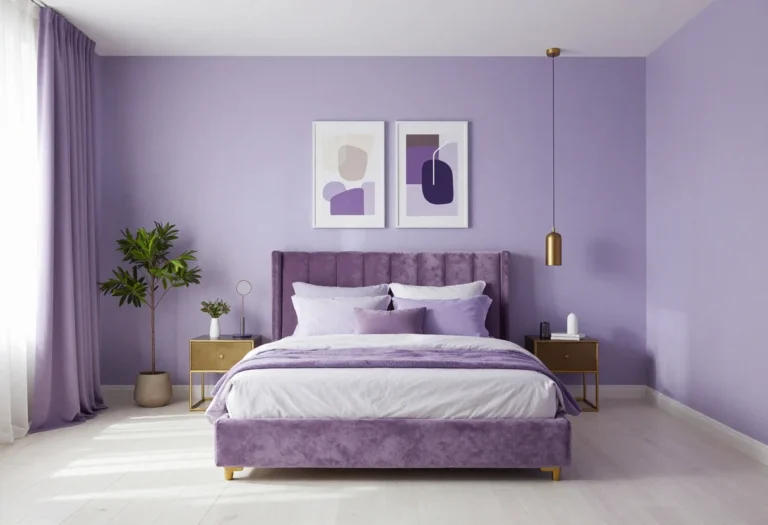
Let’s start classic. Placing your bed centered on the longest uninterrupted wall instantly makes the room feel intentional, not cramped. It creates symmetry and leaves clear walking lanes on both sides, which your shins will appreciate at 2 a.m.
If your room is narrow, choose a low-profile headboard so it doesn’t visually crowd the space. Keep nightstands slim and match their heights to the mattress for a tidy, streamlined look.
- Pro tip: Leave at least 22–24 inches on each side for comfortable access.
- Lighting hack: Use wall sconces instead of table lamps to free up surface space.
What to shop for: Low-profile headboards, floating nightstands, swing-arm sconces.
2. Slide It Into A Corner (But Make It Cozy)
© 2025 AI Illustrator — Inspiration Only
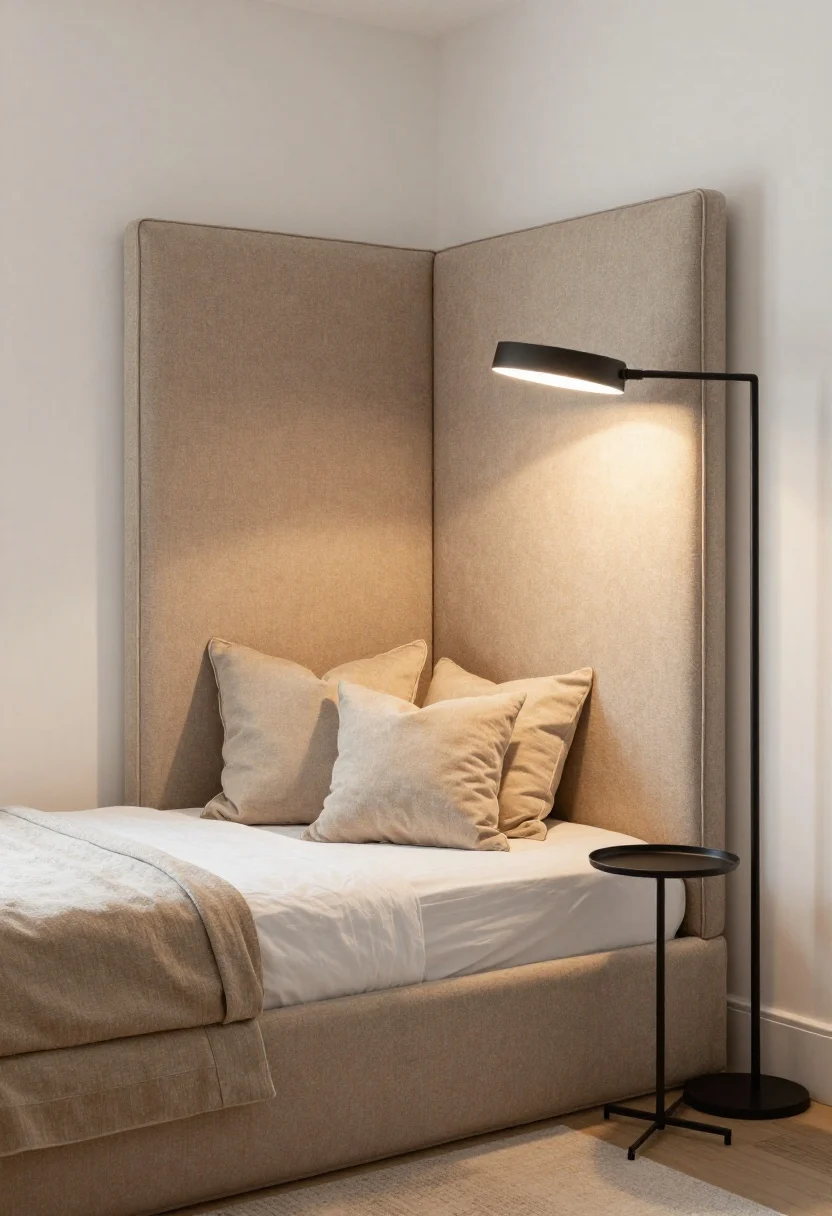
Sometimes the most efficient layout is a corner snuggle. Tucking the bed lengthwise against a wall frees a surprising amount of floor space for a desk, dresser, or reading chair. It’s especially great for twin or full beds.
To keep it from feeling dorm-y, add a big, soft headboard that wraps the corner or layer oversized pillows along both sides to create a daybed vibe.
- Balance: Place a single nightstand on the open side and a floor lamp in the corner.
- Textiles: Use a throw that drapes over the side to soften the wall line.
What to shop for: Upholstered corner headboards, bolster pillows, floor lamps.
3. Center Under The Window (Yes, Really)
© 2025 AI Illustrator — Inspiration Only
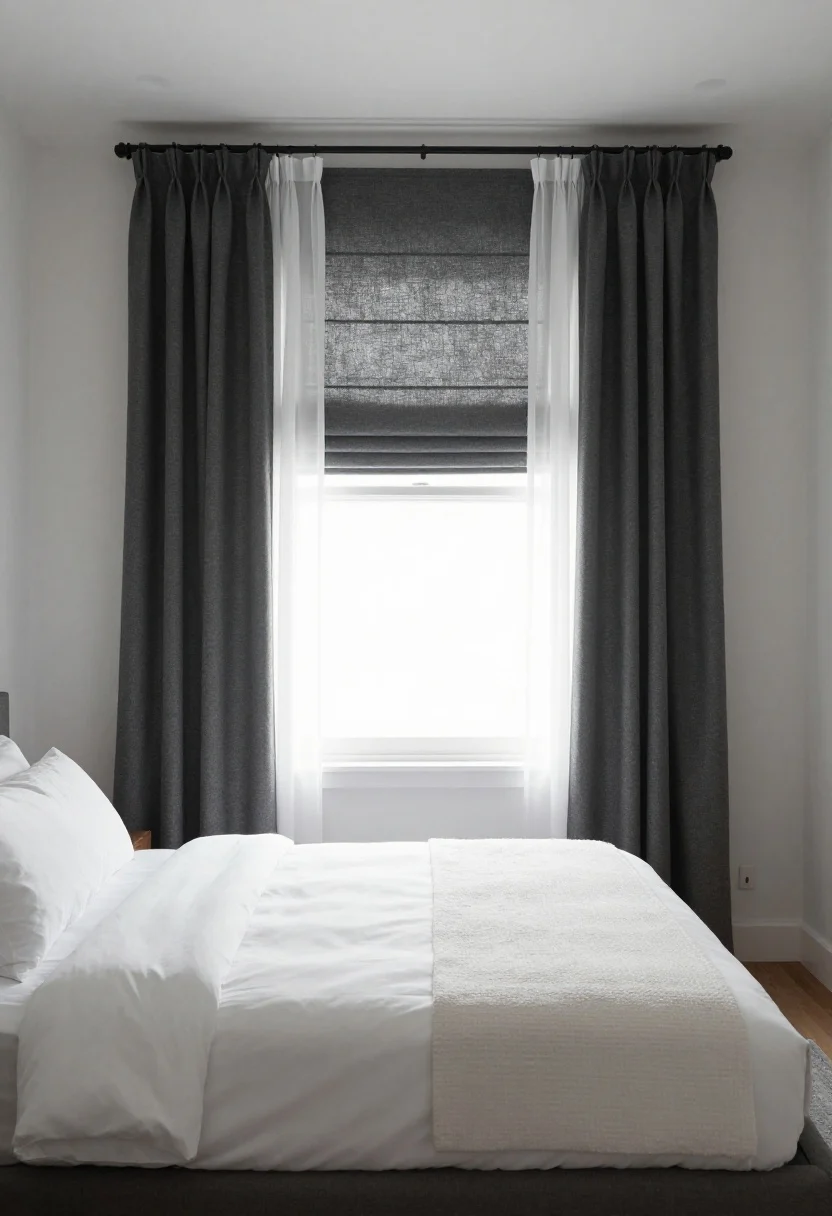
Who said you can’t put a bed under a window? In small rooms, it’s actually a power move. A bed centered beneath a window becomes a natural focal point and leaves more wall space for storage.
Just keep the headboard low so it doesn’t block light. If you’re worried about drafts, layer a thick curtain panel and a woven shade for texture and insulation.
- Continuity: Match headboard height to the sill line for a clean silhouette.
- Privacy: Use blackout roman shades plus sheer curtains for day-to-night flexibility.
What to shop for: Low headboards, blackout roman shades, layered curtains.
4. Float The Bed And Build A “Wall” Behind It
© 2025 AI Illustrator — Inspiration Only
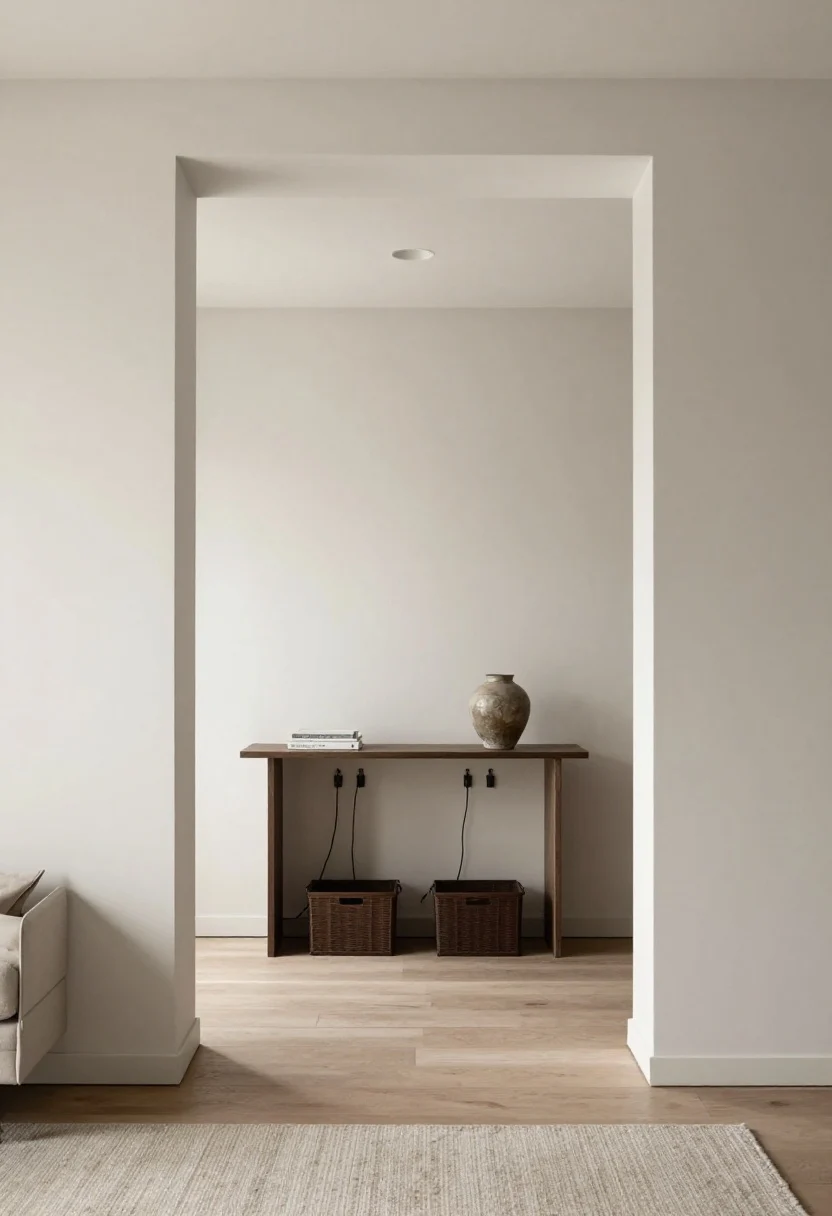
Got an odd layout with doors and windows everywhere? Float your bed away from the wall and create a pseudo headboard with a low bookcase or console. It zones the space like a studio apartment and adds storage.
Keep the walkway at least 30 inches and tuck cords through cable clips so it doesn’t look like a tech jungle back there. This works beautifully in lofted or long rectangular rooms.
- Storage win: Use the shelf back for baskets facing the opposite side.
- Visual calm: Style only the top shelf and keep the rest minimal.
What to shop for: Low bookcases, slim consoles, cable management clips.
5. Go All-In On A Built-In Nook
© 2025 AI Illustrator — Inspiration Only
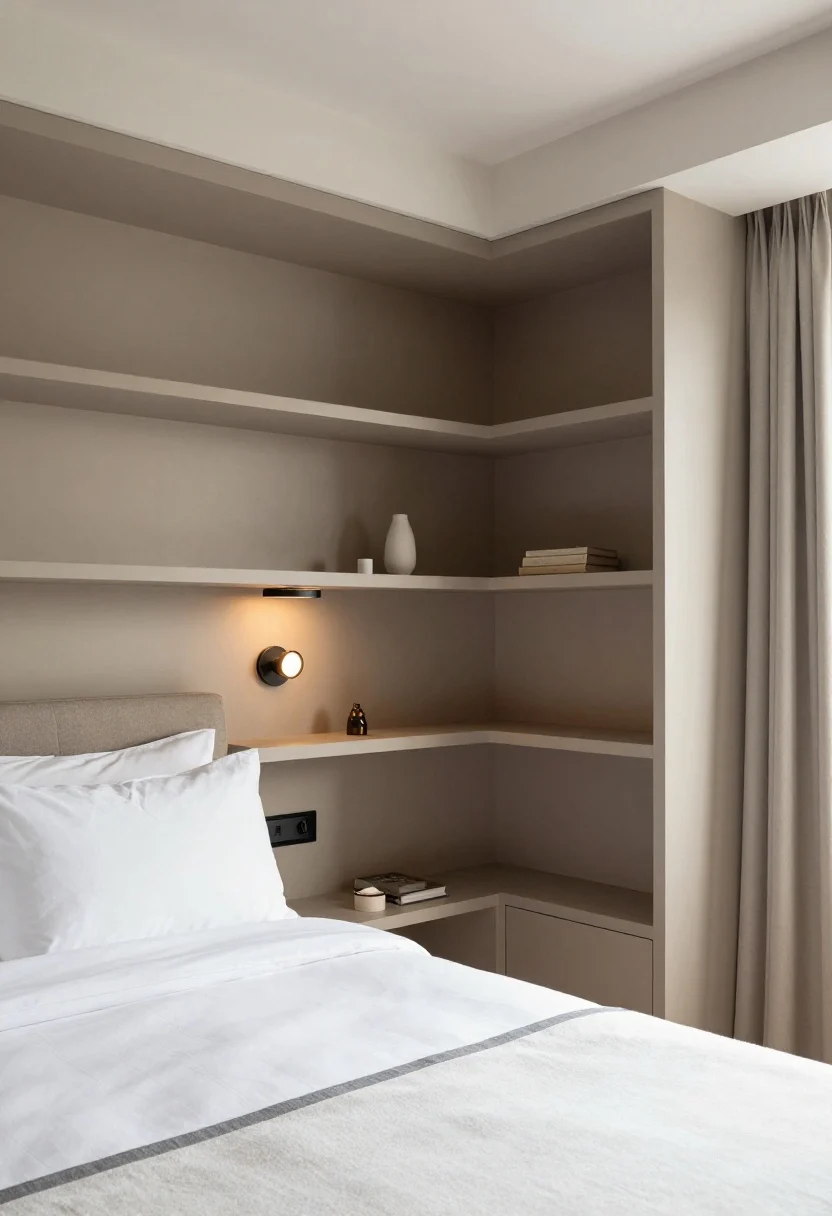
If your room has an alcove, claim it. A built-in bed nook with side cabinets or floating shelves turns a quirky recess into a wow-moment—and makes the remaining floor space feel huge.
Paint the inside of the nook a slightly darker tone to create depth, then add an overhead sconce or two for cozy, hotel-level lighting. FYI: a full-height curtain can hide the bed during daytime if you’re working from the same room.
- Measure twice: Allow 2 inches clearance on each side for bedding puff.
- Comfort: Use a wall cushion or upholstered panel where your head meets the wall.
What to shop for: Floating shelves, wall-mounted sconces, upholstery panels.
6. Try An Off-Center Layout With Purpose
© 2025 AI Illustrator — Inspiration Only
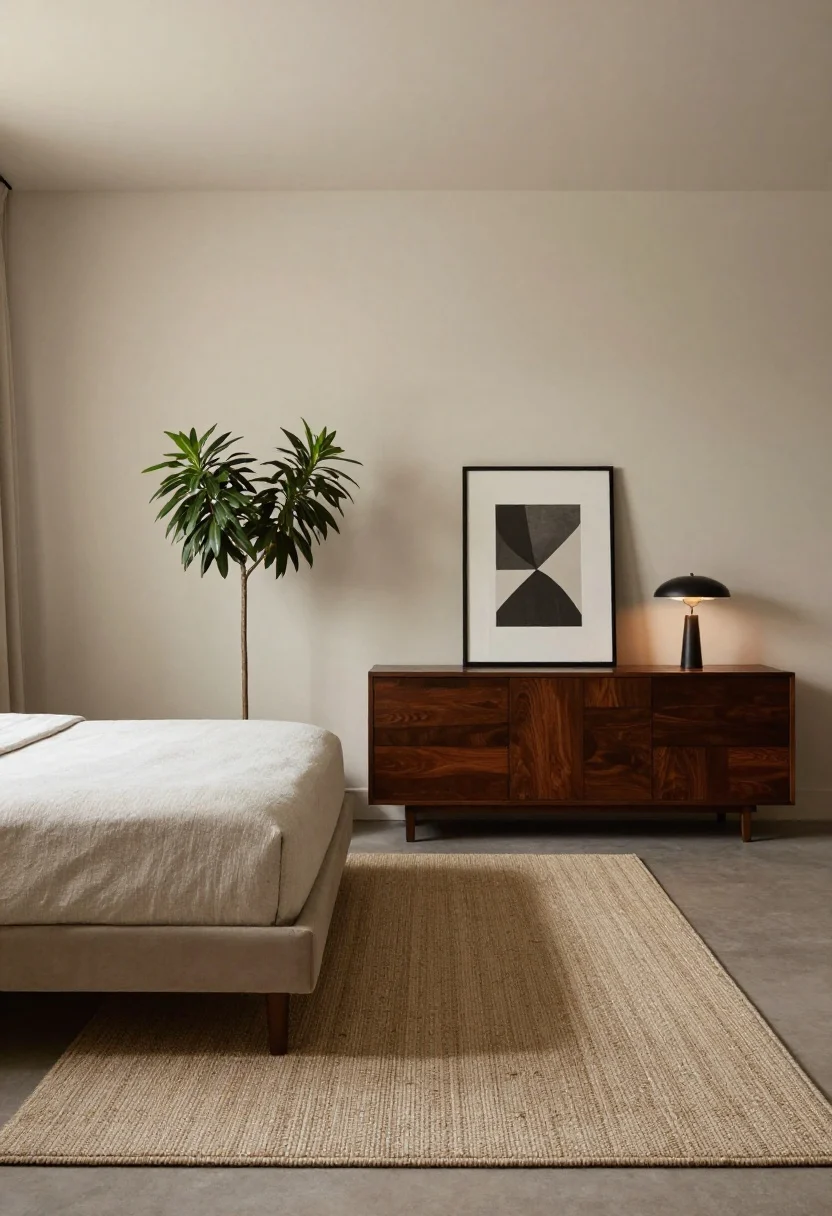
Symmetry is cute, but small rooms thrive on intention. Place the bed slightly off-center to make room for a larger nightstand, vanity, or petite desk. It’s asymmetry with benefits.
Balance the visual weight by adding artwork or a tall plant on the “short” side. The key is to make the offset feel deliberate, not like you gave up halfway through moving day.
- Anchor: Use a centered rug to tie the layout together even if the bed isn’t centered.
- Layer: Add a statement lamp on the larger nightstand to balance height.
What to shop for: Oversized nightstands, area rugs, statement table lamps.
7. Tuck It Under Eaves Or Sloped Ceilings
© 2025 AI Illustrator — Inspiration Only
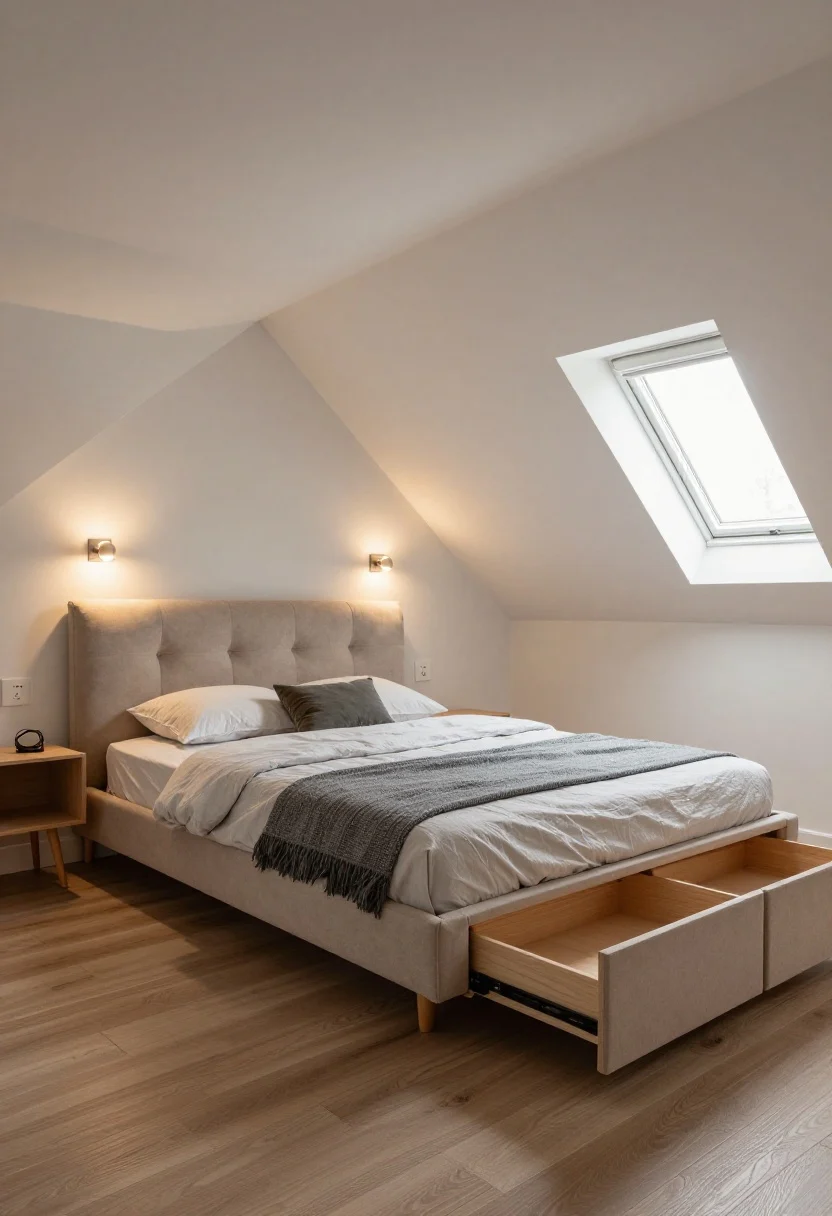
Attic room? Sloped ceilings are begging for a bed. Place the headboard under the lowest part of the slope to free up standing space elsewhere. It also creates a snug, cocooned vibe that feels intentional and luxe.
Because lighting can be tricky, add wall-mounted reading lights or a pendant offset to the higher side. Keep headboards upholstered to avoid bump chaos.
- Scale: Low-profile or platform beds keep the slope from feeling oppressive.
- Function: Use shallow under-bed drawers—deep ones won’t clear the angle.
What to shop for: Platform beds, plug-in sconces, shallow storage bins.
8. Angle The Bed For Flow (But Only If It Works)
© 2025 AI Illustrator — Inspiration Only
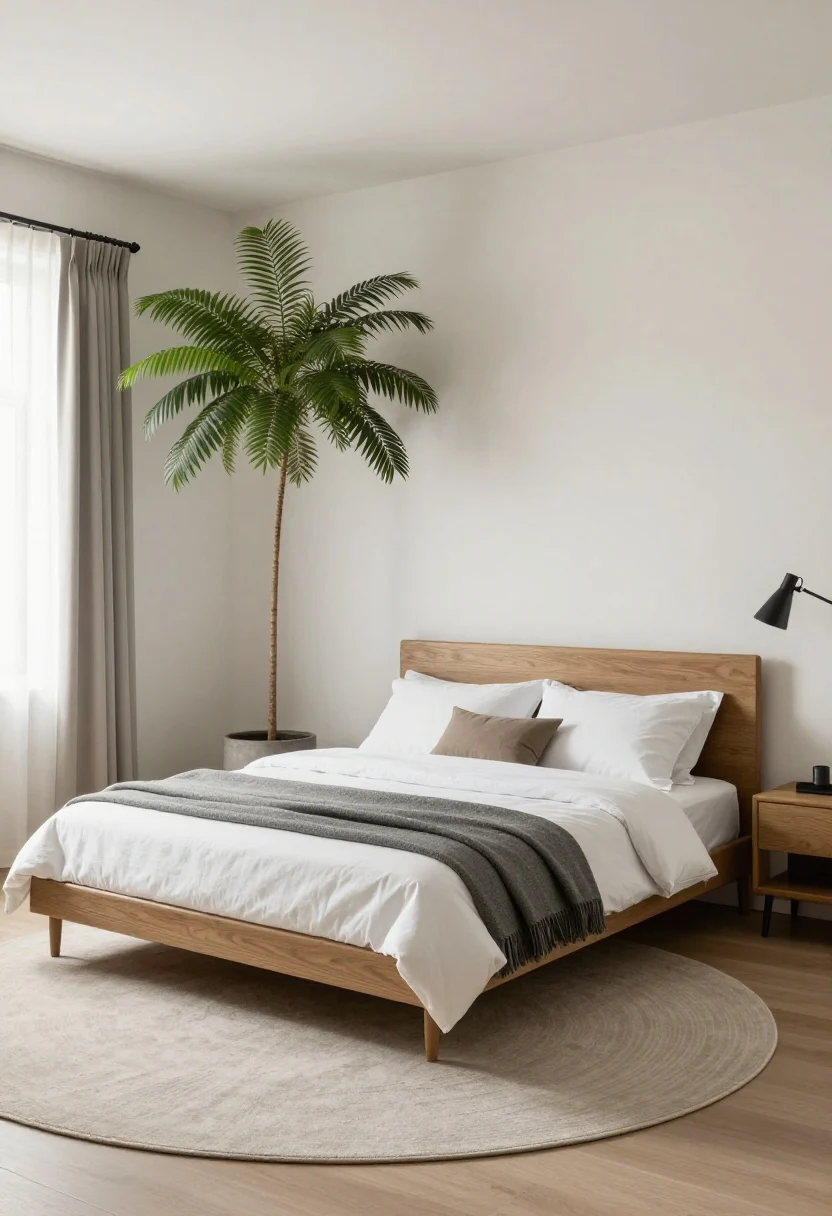
Angling the bed across a corner feels weird—until it doesn’t. In some square rooms with tricky door placements, a diagonal bed opens clear paths and creates a luxe, boutique-hotel moment.
To avoid “floating island” vibes, place a large plant or floor lamp in the space behind the headboard. A round rug under the front legs helps soften lines and sell the angle.
- Check sightlines: Stand at the door; if you see the headboard and not a messy side, you’re good.
- Scale carefully: Works best with full/queen—kings can overwhelm at an angle.
What to shop for: Round rugs, tall floor lamps, sculptural plants.
9. Use A Daybed Or Chaise Against The Short Wall
© 2025 AI Illustrator — Inspiration Only
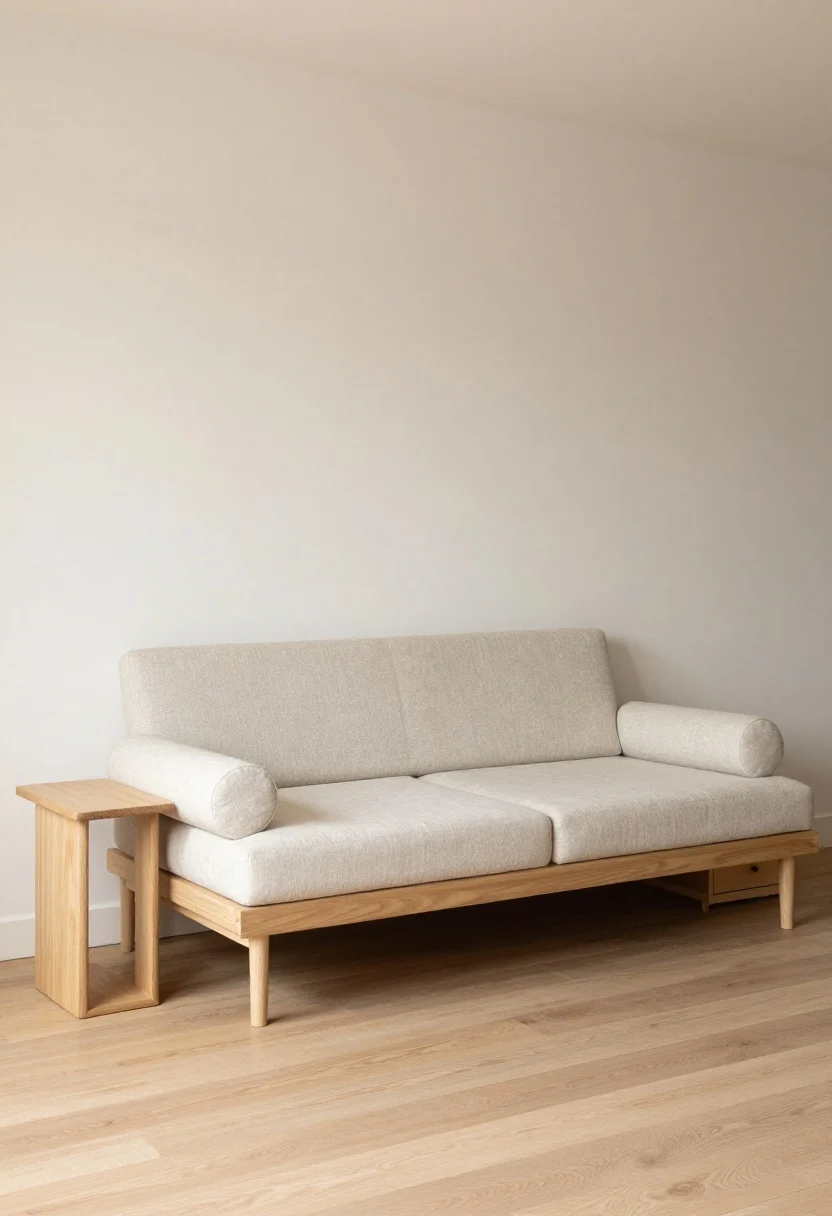
When the room is truly tiny, switch the script. A daybed along the short wall gives you seating by day and sleep by night—without a queen bed dominating the scene. It’s the convertible sports car of small-space beds.
Style it with a structured back cushion and two bolsters for an elevated, living-room-meets-bedroom look. Add a petite side table that can double as a nightstand.
- Visual trick: Choose a daybed with legs to show more floor—instant airiness.
- Storage: Opt for trundle or drawer bases if you’re short on closets.
What to shop for: Upholstered daybeds, bolster pillows, slim C-tables.
10. Go Wall-To-Wall With A Headboard Panel
© 2025 AI Illustrator — Inspiration Only
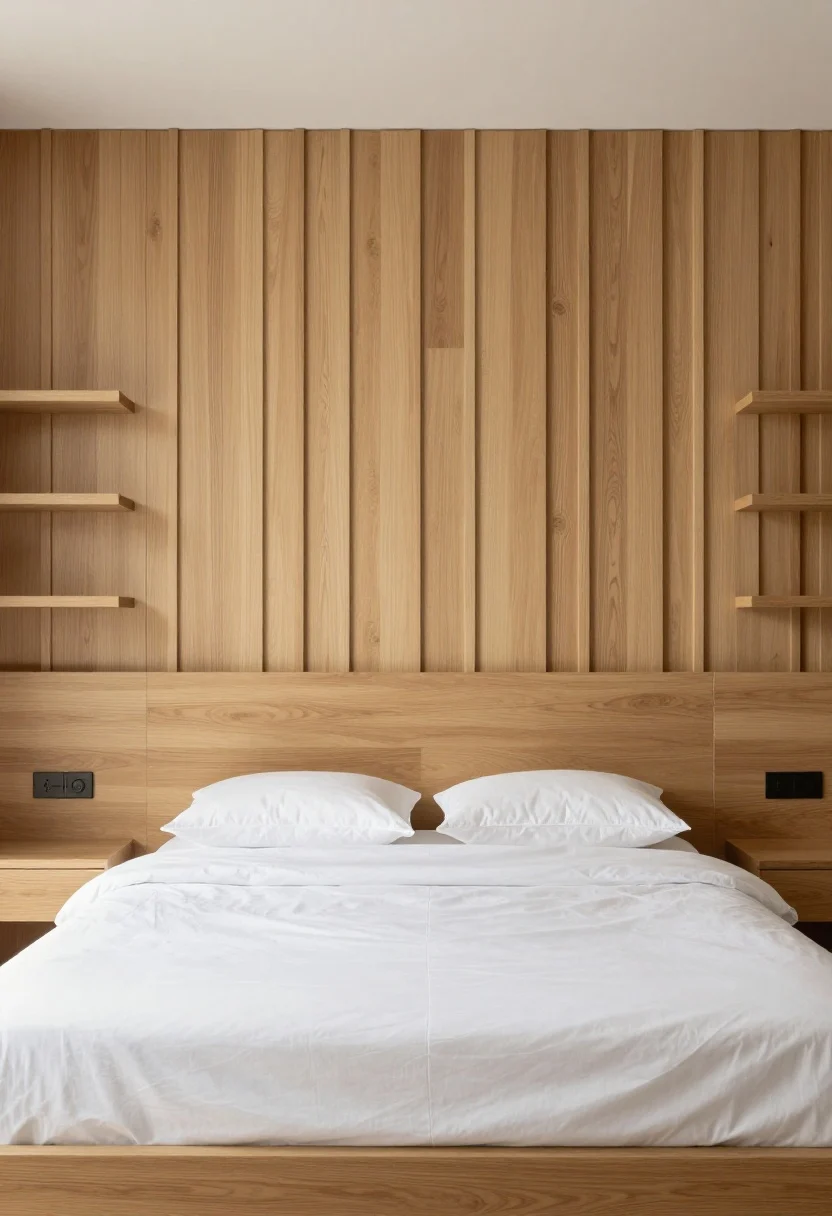
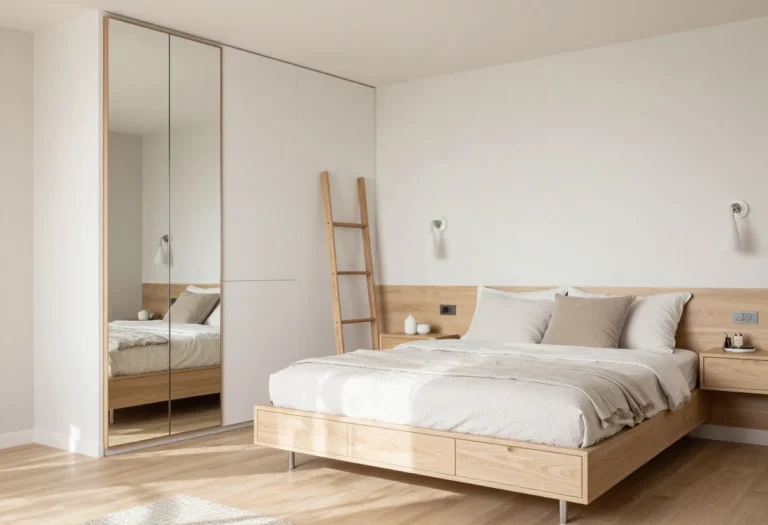
If your small room feels choppy, unify it. Install a wall-to-wall headboard panel behind the bed—think wood slats, upholstered panels, or a painted feature band. Then center the bed on that “stage.”
This trick widens the room visually and makes even a standard queen feel like a designed moment. Keep bedding simple and let the backdrop do the heavy lifting.
- Height sweet spot: 42–54 inches is plenty for visual impact without dwarfing the space.
- Continuity: Use the same material for floating shelves to create a custom look.
What to shop for: Wood slat panels, peel-and-stick upholstery tiles, floating shelves.
11. Frame The Bed With Closet Doors Or Built-Ins
© 2025 AI Illustrator — Inspiration Only
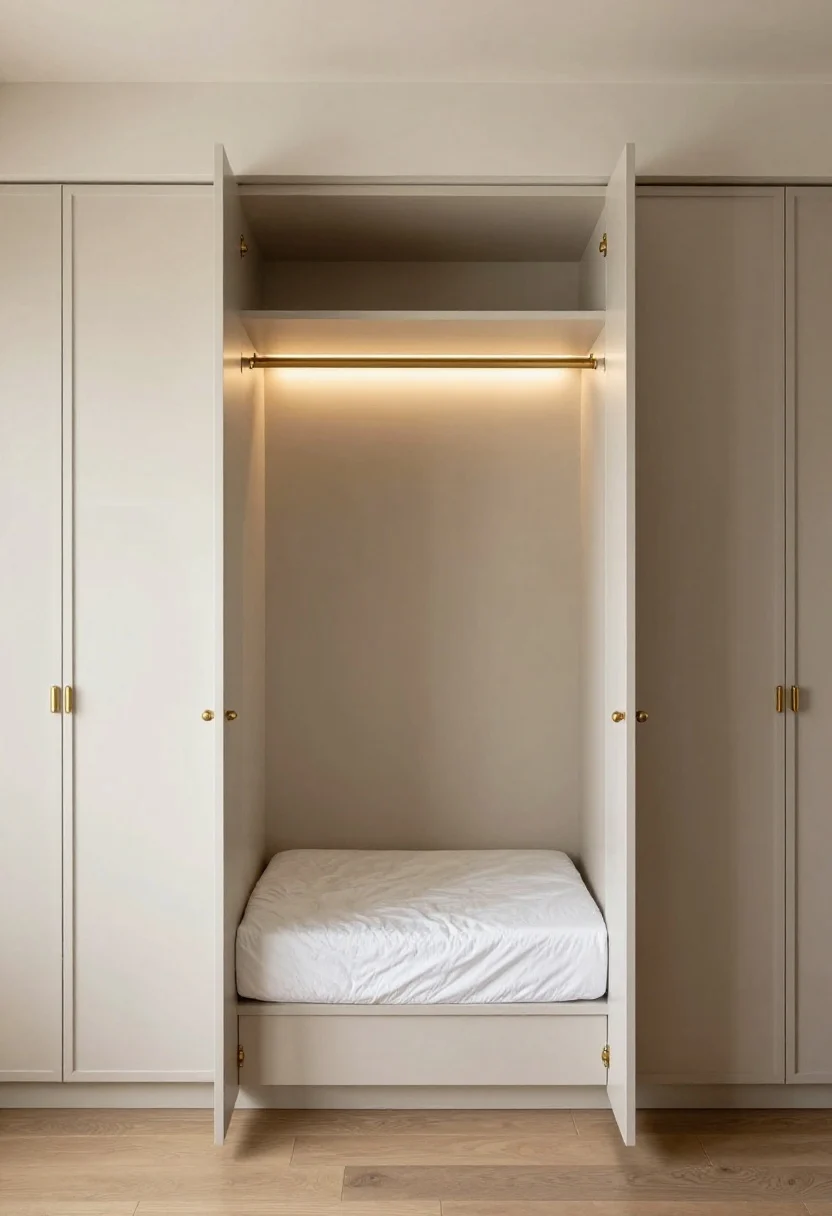
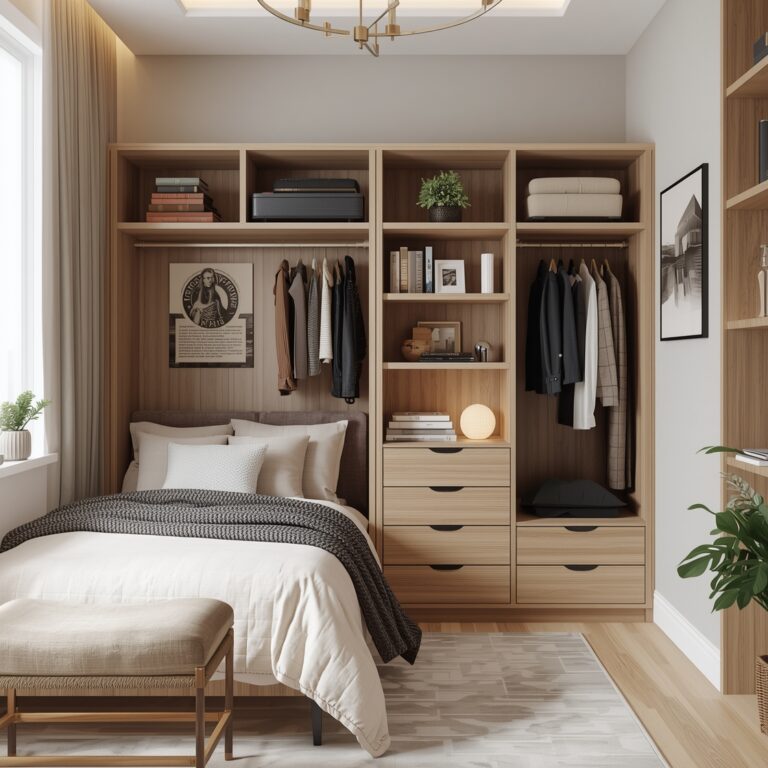
No free walls? Embrace it. Center the bed between closet doors or built-ins to turn a storage wall into an architectural feature. Add a shelf or bridge cabinet overhead for a boutique-hotel vibe—just keep it shallow.
Choose symmetrical hardware so the whole setup feels polished, not chaotic. And please, install soft-close hinges unless you like waking up to clanging.
- Overhead clearance: Leave 18–24 inches above the mattress to keep it airy.
- Safety: Secure overhead units into studs and distribute weight evenly.
What to shop for: Modular closet systems, bridge cabinets, decorative hardware.
12. Create Zones In A Long, Narrow Room
© 2025 AI Illustrator — Inspiration Only
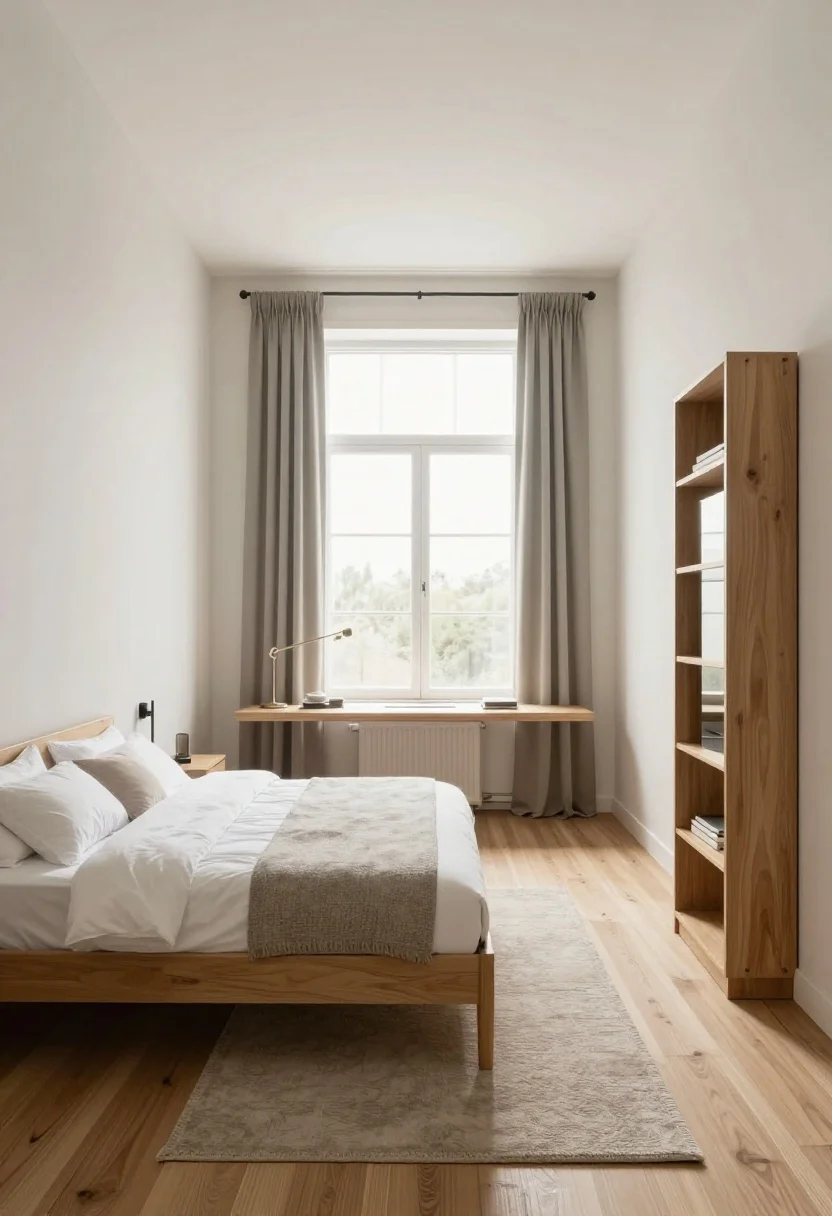
Railcar room? Place the bed on the short wall at one end and use a rug to define the sleeping zone. Then float a slim desk or dresser mid-room to break up the bowling-alley effect.
Mount curtains higher than the window to stretch the walls upward. Keep furniture legs visible and finishes light so the room doesn’t feel like a tunnel.
- Rug rules: Choose a rug that extends at least 18–24 inches on each side of the bed.
- Verticals: Tall mirrors and narrow bookcases trick the eye into reading “height.”
What to shop for: Narrow desks, runners and area rugs, tall mirrors.
13. Use Under-Bed Clearance As Bonus Storage
© 2025 AI Illustrator — Inspiration Only
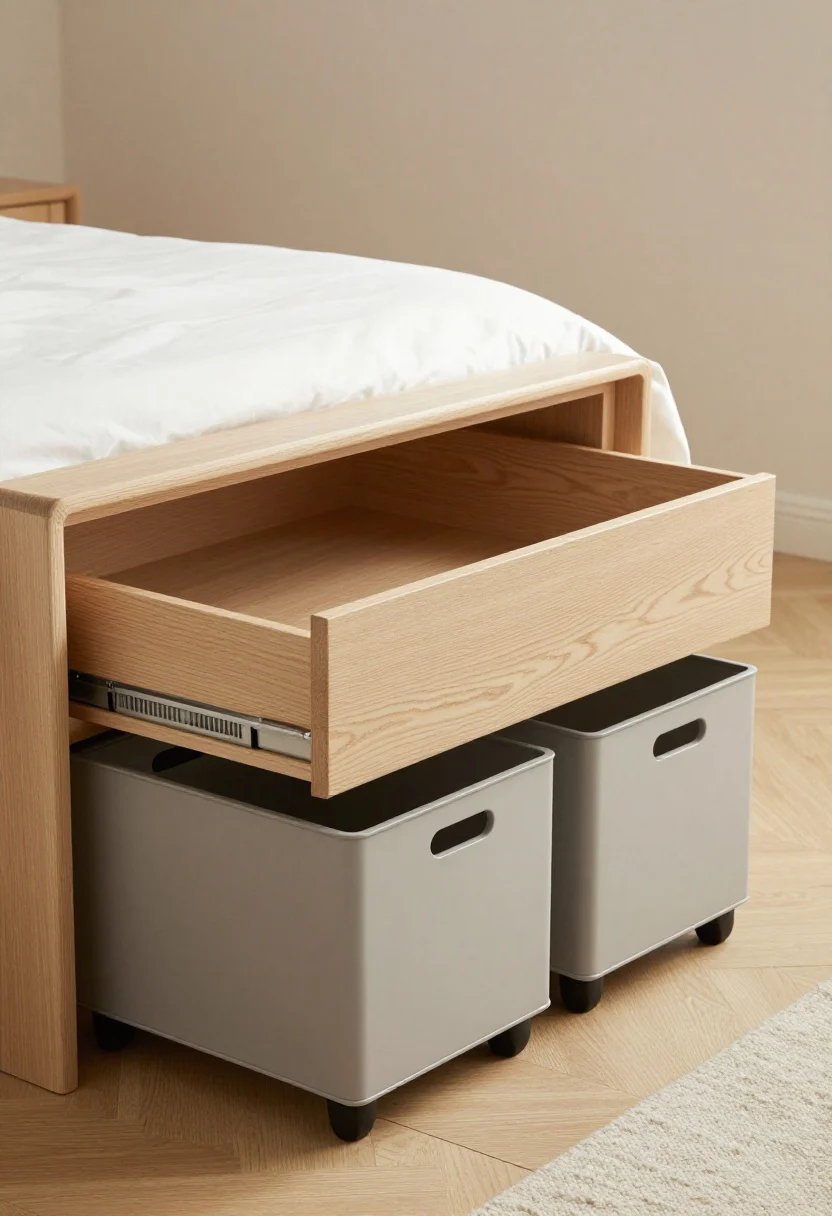
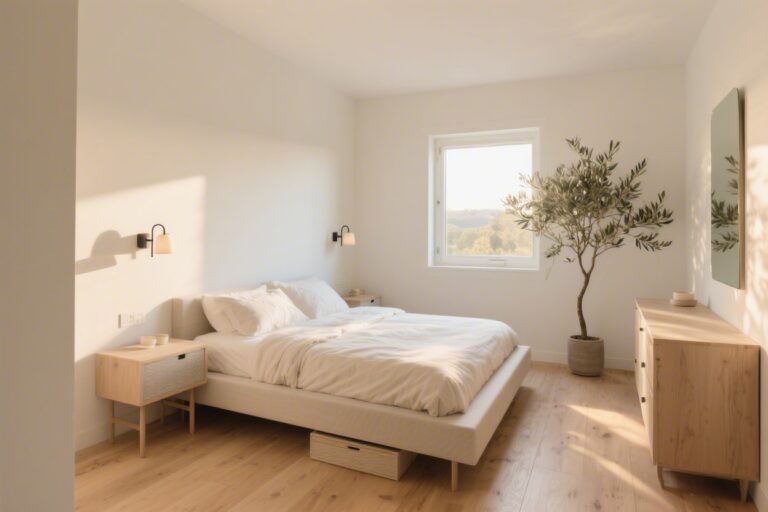
Placement isn’t only about where—it’s about what happens under the bed. If you’re tight on closet space, choose a frame with built-in drawers or add matching bins. Then plan your bed position so drawers can fully open (measure the swing!).
In a micro room, push the bed slightly off-center to give one side dedicated storage access. It’s not just practical—it helps the room layout feel “zoned” and thought through.
- Airflow: Leave at least 2 inches between bins and the floor for easier cleaning.
- Uniformity: Match bin color to flooring or frame for visual calm.
What to shop for: Storage beds, low-profile rolling bins, bed risers (if you need extra clearance).
Smart Styling Rules That Make Any Placement Work
- Scale matters: In small rooms, a queen often beats a king. Prioritize circulation.
- Lighting layers: Mix an overhead light with two task lights and one ambient source.
- Rug strategy: A larger rug can actually make the room feel bigger—don’t skimp.
- Color control: Keep big pieces neutral and play with color in art and pillows.
- Vertical tricks: Hang curtains high and art slightly lower above the headboard to ground the bed.
Before You Move Anything—Measure
- Map the room on paper (or your phone) with door swings and window heights.
- Note outlets and vents. You’ll want lamps near power and beds away from direct drafts.
- Check mattress size in real life using painter’s tape. It’s humbling—in a good way.
Lighting And Layout Pairings
- Corner bed: Plug-in sconces mounted on both walls feel custom without hardwiring.
- Under-window bed: Slim table lamps or low sconces keep sightlines clean.
- Floating bed: Floor outlets are dreamy, but cord channels and rugs can hide cables.
IMO, the magic of a small bedroom is in the edit. Choose the right placement, commit to a focal point, and let everything else chill. Your square footage will feel smarter—and so will you.
FAQ
Q: How much clearance do I need around the bed?
A: Aim for 22–24 inches on the sides and 30–36 inches at the foot. In very tight rooms, one side can drop to 18 inches if the other side is generous.
Q: What bed size is best for a small room?
A: A full or queen usually balances comfort and scale. If you need a king, choose a low-profile frame with slim side rails and skip bulky footboards.
Q: How do I make a small bedroom look bigger?
A: Keep the bed low, raise the curtains, use a large rug, and repeat a tight color palette. Mirrors opposite windows bounce light, and wall-mounted lighting frees up surfaces for a cleaner look.
You’ve got 13 designer-approved moves. Pick one, grab some painter’s tape, and test it in 10 minutes. Your small room is about to punch way above its weight—no renovation dust required.
Shop the Look on Amazon
Disclosure: As an Amazon Associate, this site may earn from qualifying purchases.
These product categories fit this article and give readers an easy next step when they are ready to shop.
- Space-saving headboards — Keeps sightlines open and suits narrow rooms.
- Wall-mounted tables — Frees floor space and aligns with small layouts.
- Bedside lighting — Clears tabletops and adds layered light.
- Hidden storage — Maximizes small rooms with drawers or bins.
- Convertible seating — Works for tiny rooms and doubles as sofa.