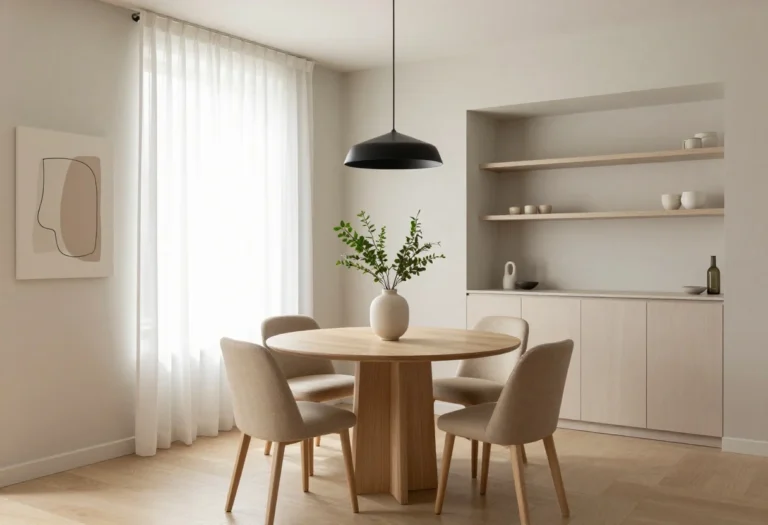
Large Indoor Plant Styling Ideas for Beautiful Natural Interiors
When you walk into a room and see empty floor space, it can feel a bit flat. Adding a big plant is a quick way to fill that gap and make the room feel alive.
Large indoor plants also bring a touch of the outdoors inside. Below are seven ways to use them that work in many homes.
1. Tall Corner Fiddle Leaf Fig
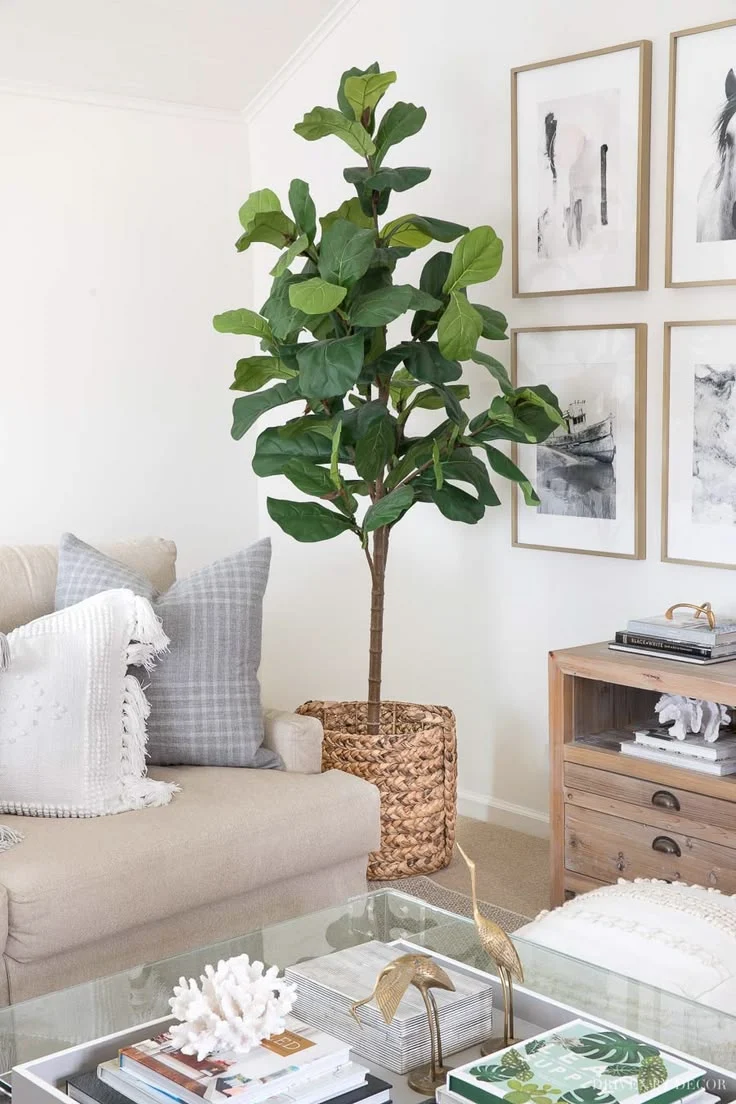
A tall fiddle leaf fig in a corner adds height and a bold green shape. The broad leaves catch the eye and soften any hard lines from walls or furniture.
Pick a sturdy pot that matches your floor, like a woven basket or a matte ceramic. Place the plant where it gets bright, indirect light, and keep the soil moist but not soggy.
Remember, this plant needs a lot of light, so it may not thrive in a dim hallway. If your corner is shady, choose a lower‑light tolerant plant instead.
2. Trailing Monstera or Pothos in a Hallway
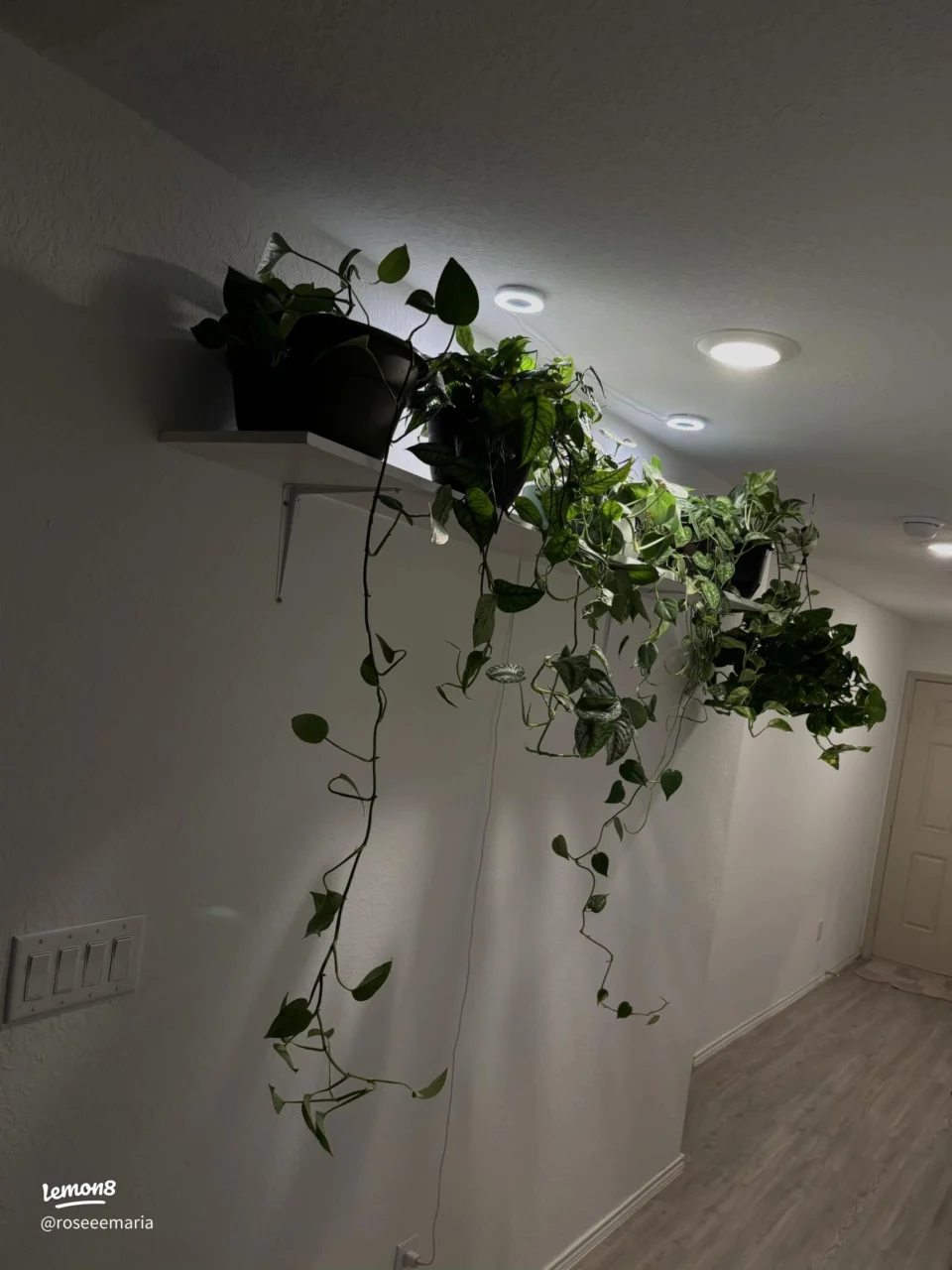
Let a long‑leaf plant spill over a tall stand in a hallway for a soft, flowing look. The vines add movement and break up straight walls.
Use a plant stand that is at least five feet high and secure the vines with soft ties. Water when the top inch of soil feels dry, and give the plant a boost of bright filtered light.
Trailing vines need regular trimming to keep them from getting too long. If you have pets, be sure the plant is non‑toxic.
3. Grouped Palms Near a Window
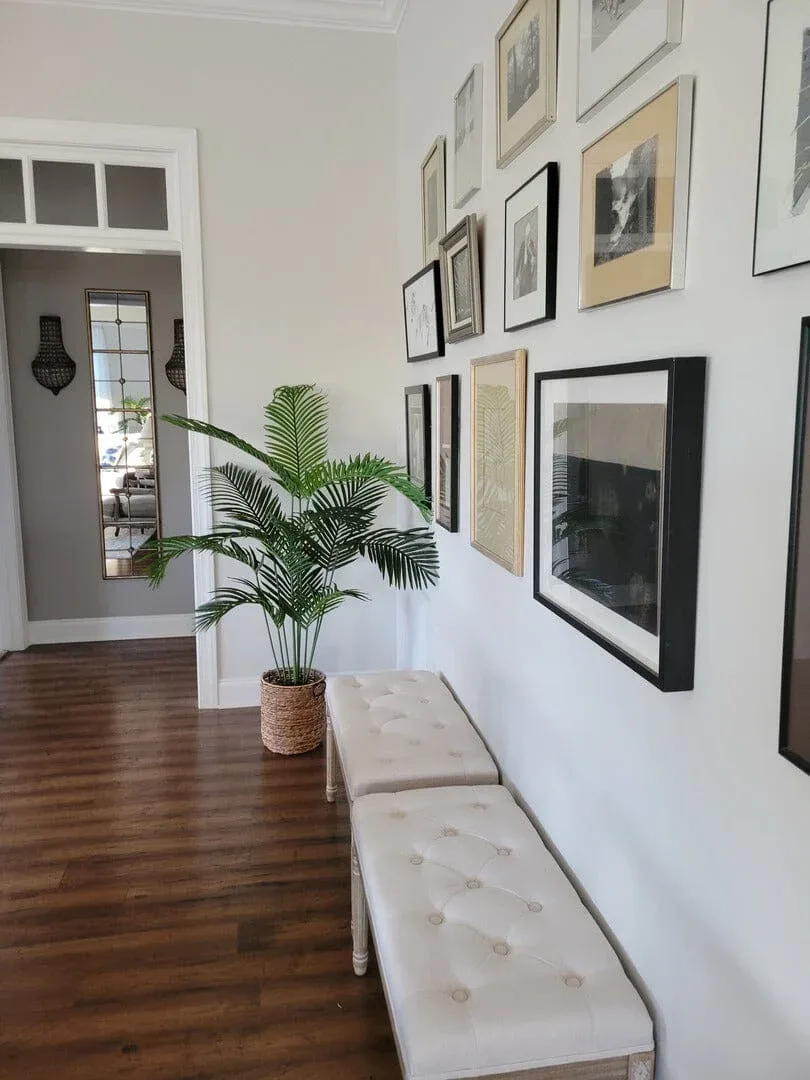
Three or four palms placed together create a mini‑tropical corner. Their feathery fronds add texture and make the space feel airy.
Choose pots in neutral tones like linen or light oak to keep the focus on the leaves. Space the pots a foot apart and rotate them each month for even growth.
Palms love humidity, so mist them on dry days. They also collect dust, so a quick wipe with a damp cloth helps them stay bright.
4. Statement Plant by the Sofa
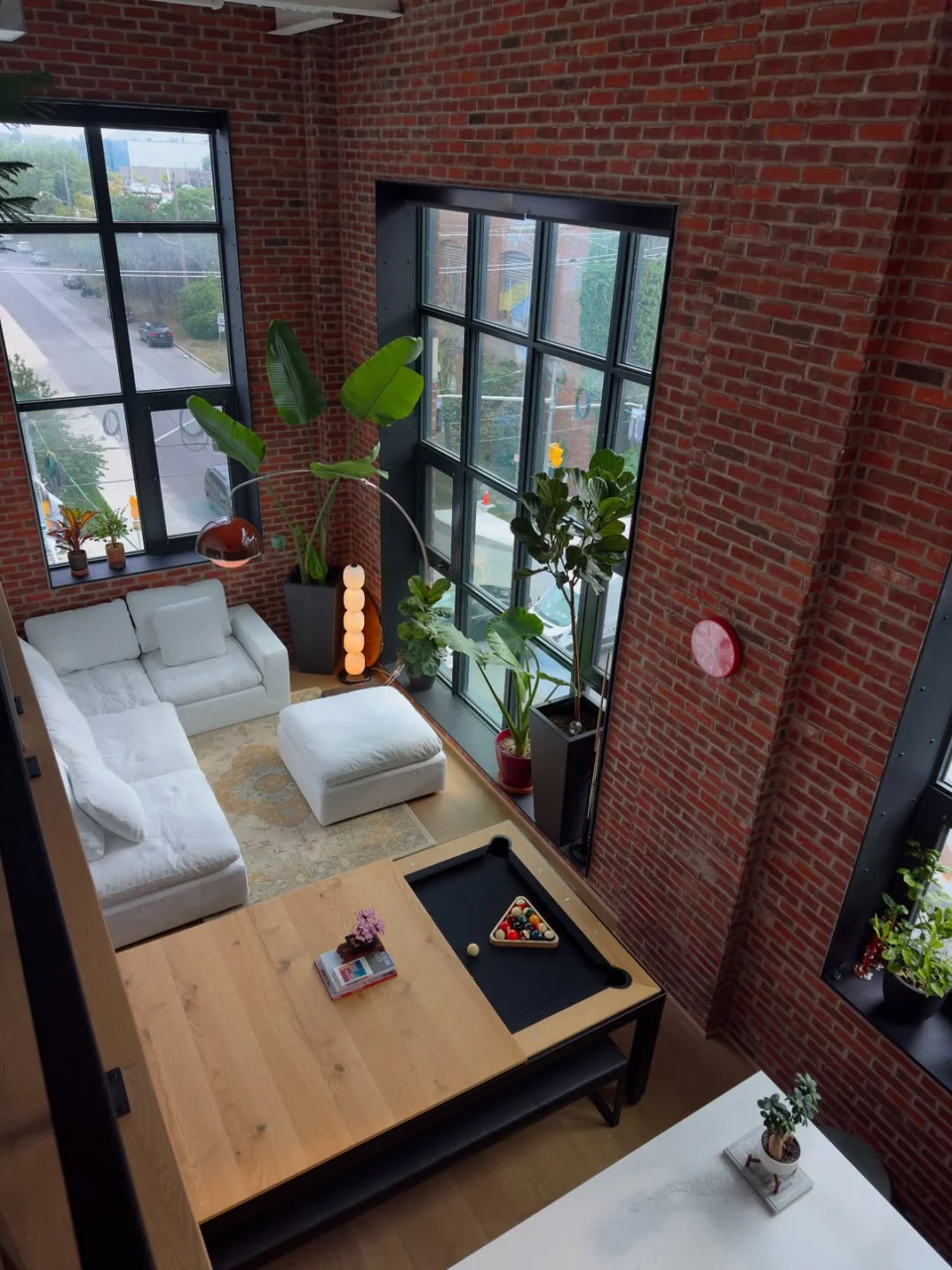
A large, sculptural plant next to a neutral sofa becomes the room’s centerpiece. The contrast between the soft fabric and the bold foliage draws the eye.
Pick a plant with a sturdy trunk, such as a rubber tree, and pair it with a wide, low pot that matches your coffee table. Keep the plant away from direct sun to avoid leaf burn.
The heavy pot can scratch wooden floors, so place a rug or mat underneath. If floor space is limited, choose a slightly smaller plant.
5. Indoor Tree in the Dining Area
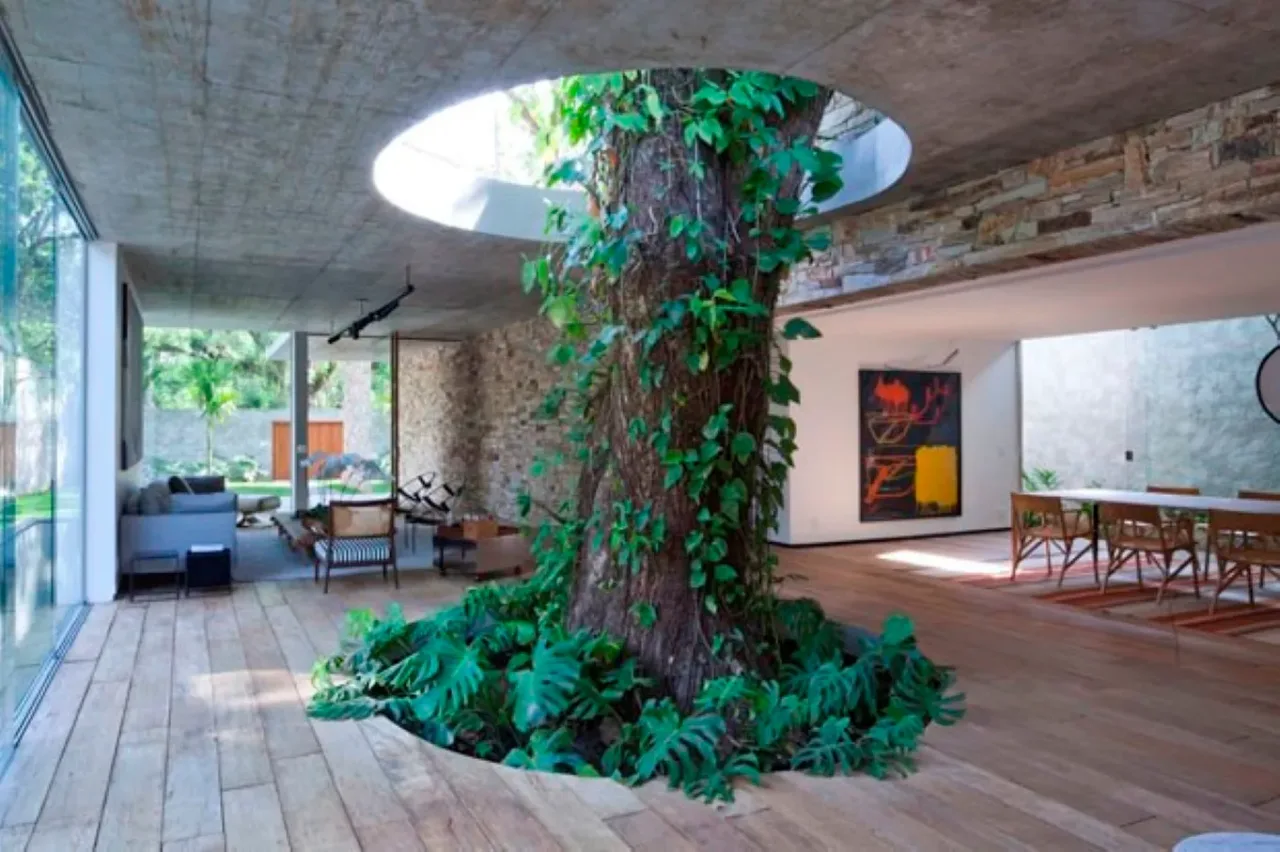
An indoor tree like a small citrus or olive adds a natural focal point above the dining table. Its height pulls the eye upward and adds a sense of calm.
Make sure the tree sits on a sturdy base and has enough room to grow. Give it bright light from a nearby window and water when the soil feels dry to the touch.
Large trees can block sight lines, so keep the trunk thin enough to see across the table. If the ceiling is low, choose a dwarf variety.
6. Plant Divider for Open Spaces
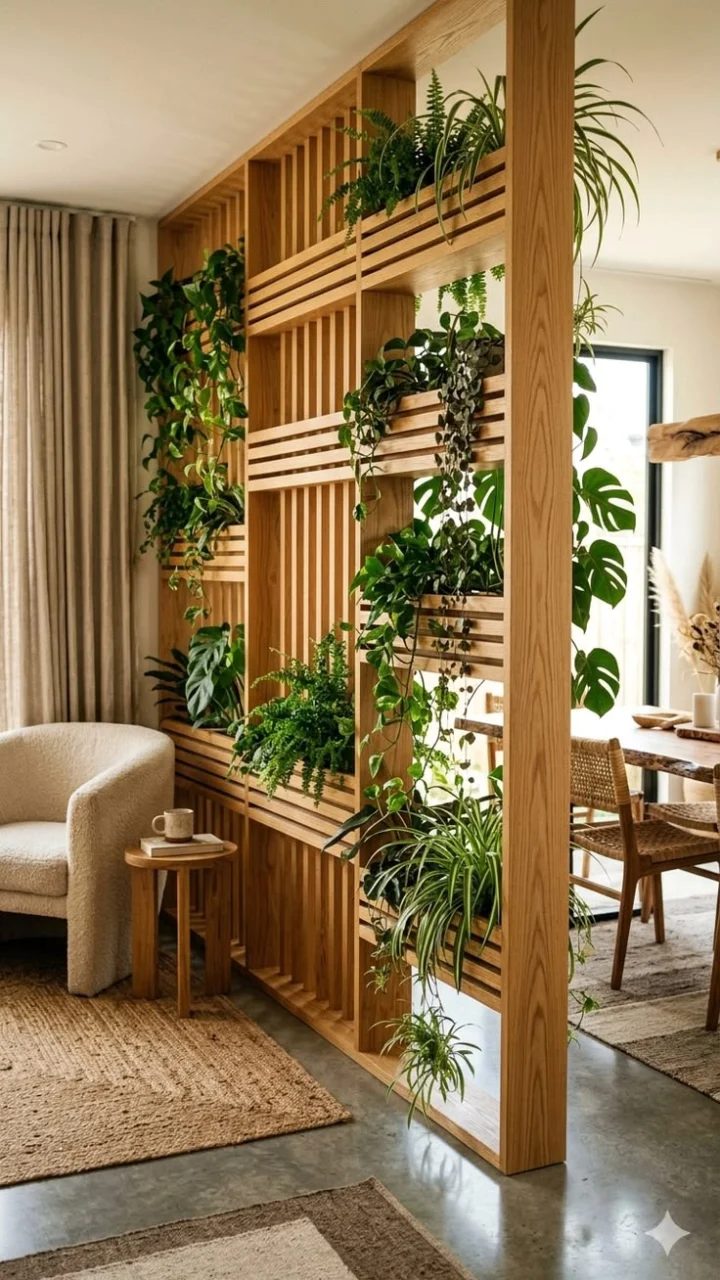
Two tall plants placed side by side act as a green screen that defines zones in an open floor plan. The foliage creates privacy without walls.
Select plants with similar leaf shapes, like two bird‑of‑paradise or two large monsteras, and put them in matching pots. Space them about two feet apart for a full screen effect.
Dividers need room to breathe, so avoid crowded corners. If the plants grow too wide, trim the outer leaves to keep the partition clear.
7. Succulent Forest on a Sideboard
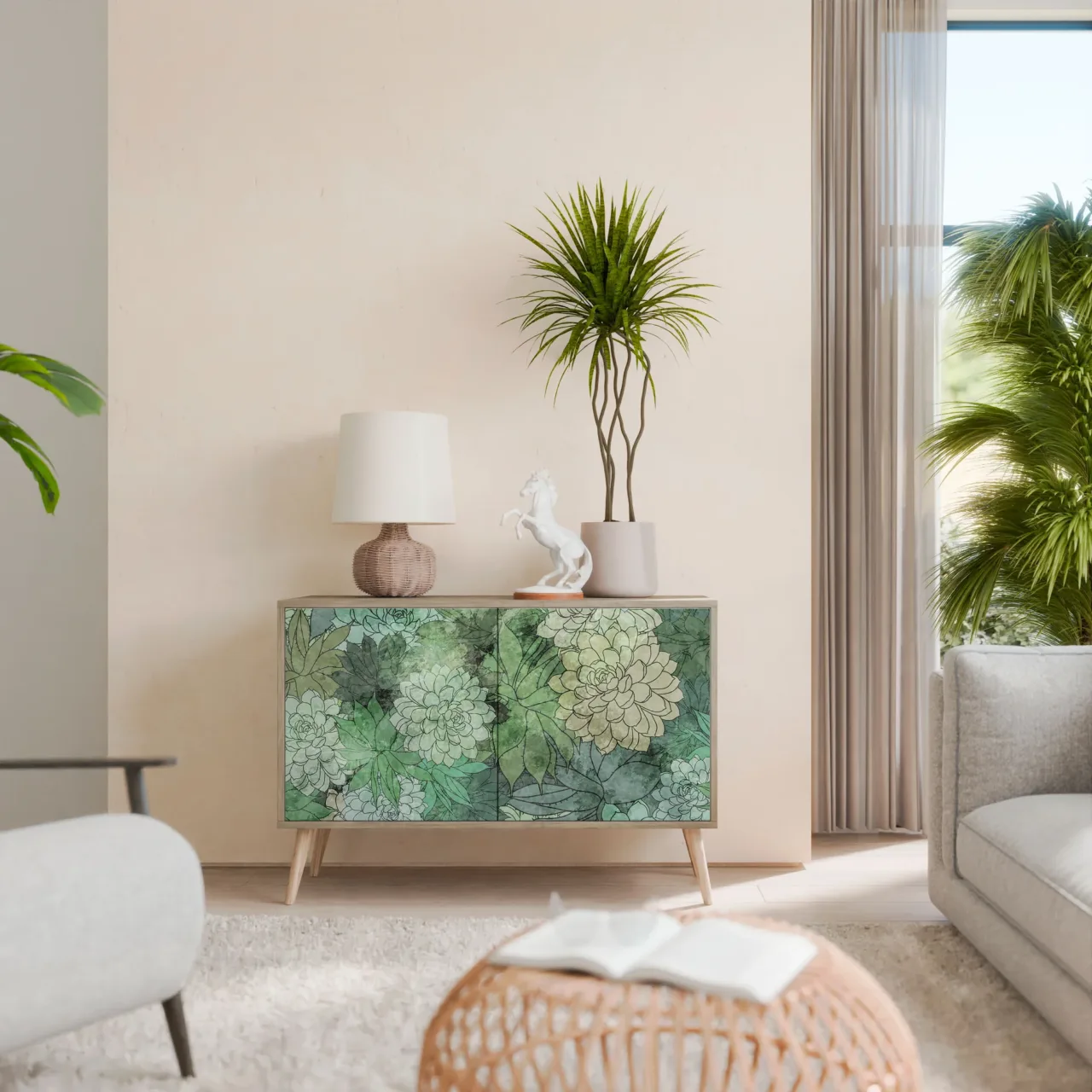
Arrange several large succulents on a sideboard for a desert‑style vignette. Their varied shapes and muted greens add interest without overwhelming the room.
Use shallow, breathable pots and a layer of sand or small rocks for drainage. Water sparingly—once the soil is completely dry.
Succulents love bright light, so place the sideboard near a sunny window. In low‑light rooms they may stretch and lose their compact form.
FAQ
How often should I water a large indoor plant?
Check the soil about an inch deep; water when it feels dry. Larger pots hold moisture longer, so you may water every 7‑10 days.
What light do large indoor plants need?
Most big plants prefer bright, indirect light. A spot near a north‑ or east‑facing window works well.
Can I keep a large plant in a rental?
Yes, as long as you use a plant stand that doesn’t damage the floor. Choose pots with a non‑slip base or add a rug underneath.
How do I choose a pot that fits my floor?
Pick a pot that is proportionate to the plant—no taller than the plant’s height. Light‑weight materials like woven rattan are easier to move.
What are low‑maintenance large plants?
Snake plants, ZZ plants, and certain palms need little water and can tolerate lower light. They are good choices for busy homes.