Indoor Plant Corner Ideas for Empty Spaces in Your Home
Empty corners often feel cold and unused in a home. You may think adding furniture costs too much money. A few plants can change that feeling without breaking your budget.
This guide shows seven plant corner ideas you can try quickly. Each idea works in small rooms, apartments, or rented homes. You will also see cheap options and a few splurge picks.
Before you start, measure the corner and note the light level. Pick plants that match the amount of sun they will receive. A simple sketch helps you see where each pot will sit.
1. Small Window‑Sill Garden
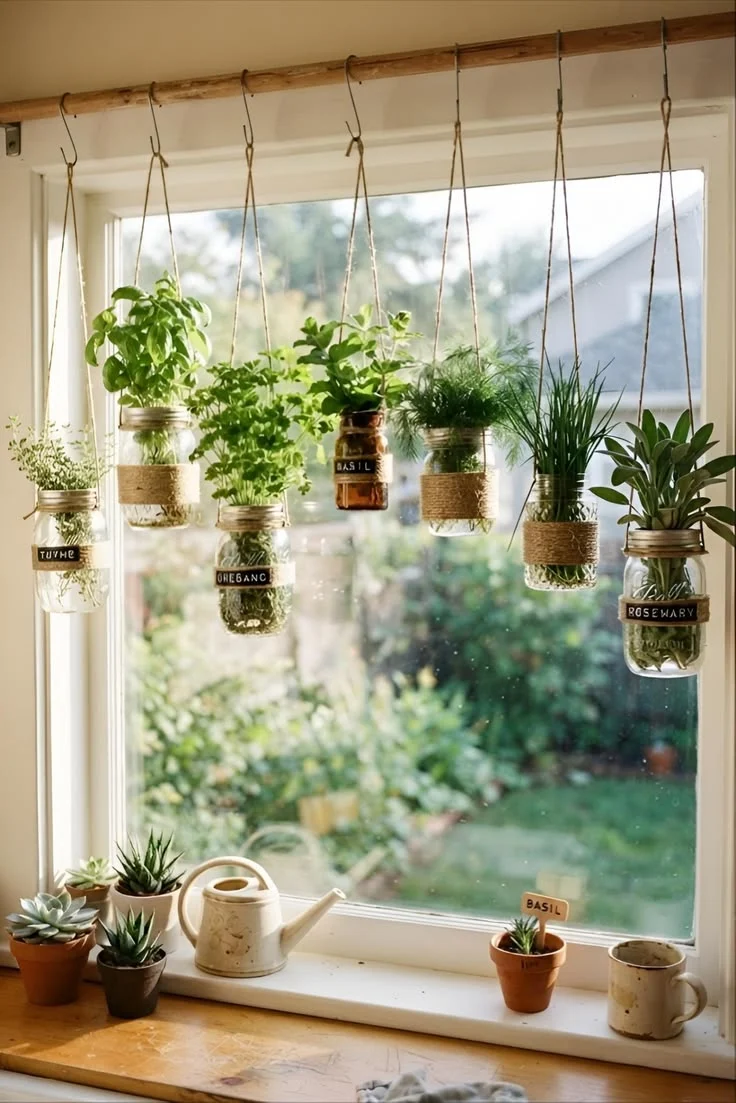
A row of tiny pots lines the windowsill, showing green leaves and soft vines. The mix of upright succulents and trailing pothos adds height and texture. The look feels fresh, like a tiny garden inside your room.
For a cheap start, repurpose glass jars and fill them with potting mix. If you prefer a polished feel, buy a matching ceramic set that drains well. Both options let you swap plants as the seasons change.
A downside is that windowsills can get very hot in summer. Hot glass may dry soil faster, so you’ll need to water more often.
2. Ladder Shelf Plant Display
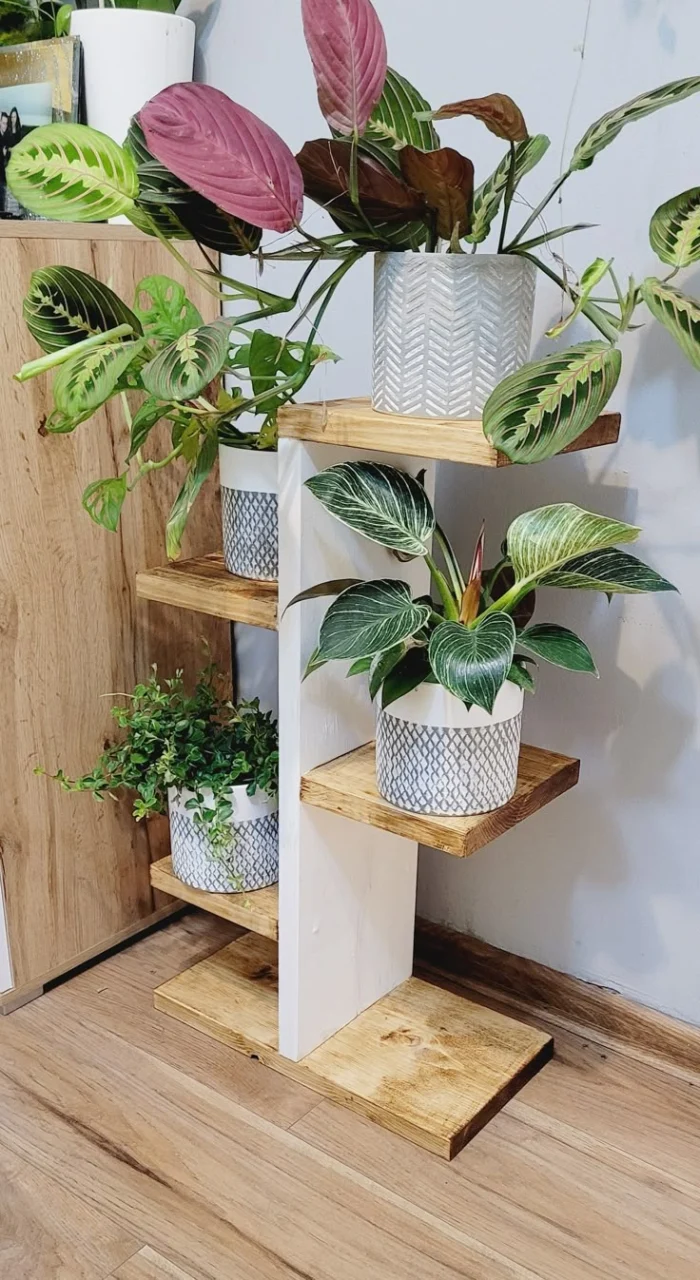
A simple wooden ladder leans against the wall, holding pots on each rung. The staggered heights create a visual rhythm that draws the eye upward. This set‑up works well in living rooms or hallways with a bit of space.
You can find a used ladder at a thrift store for a low price. If you want a sleek look, purchase a metal ladder with clean lines. Pair the ladder with matching white pots for a tidy feel.
The ladder takes up floor space, so keep it away from high‑traffic paths. Otherwise you might bump into it and knock over the plants.
3. Corner Floor Stand with a Tall Plant
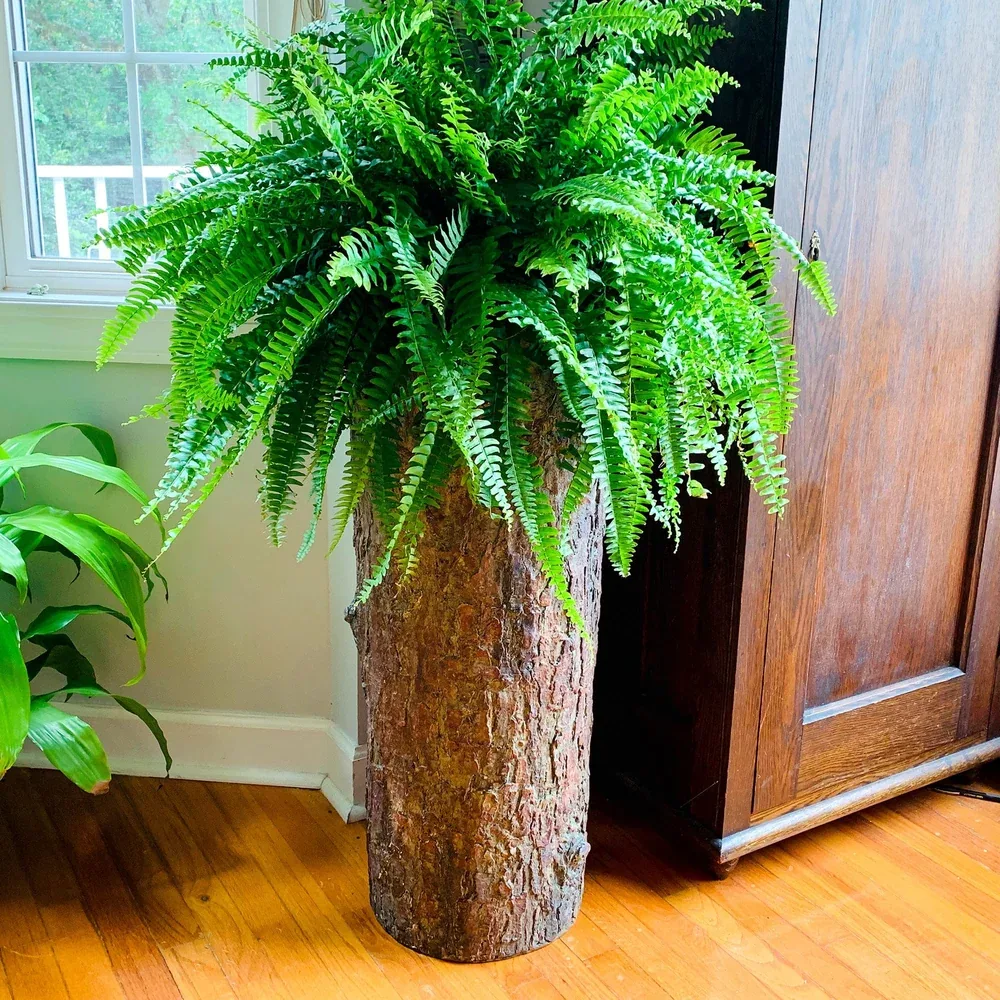
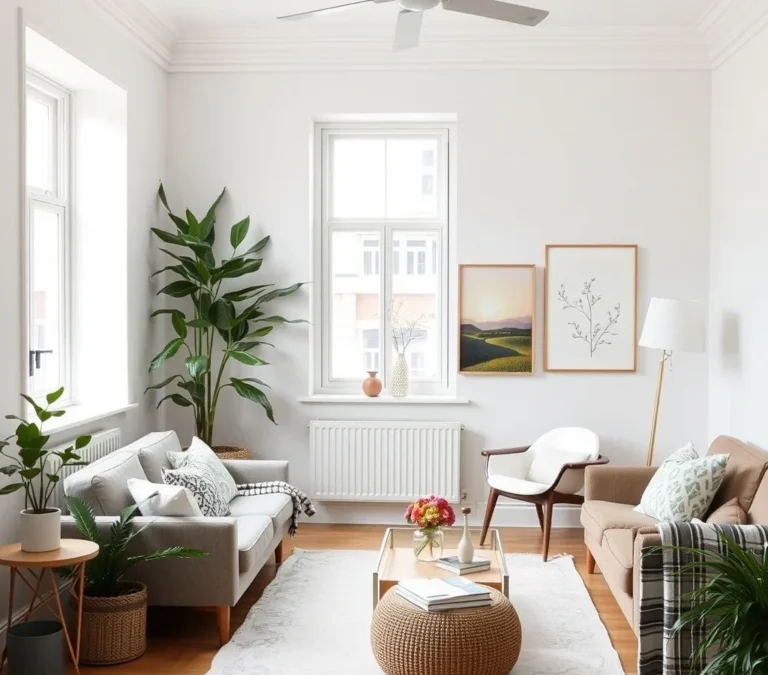
A tall fiddle‑leaf fig or monstera sits in a woven basket, filling the empty corner. The broad leaves add a soft, natural shape that balances hard furniture. The plant becomes a quiet focal point without overwhelming the room.
A cheap option is a plain terracotta pot with a saucer. If you can spend more, choose a rattan basket that hides the pot and adds texture. Both choices keep the plant stable on the floor.
Tall plants need bright indirect light, so a dark corner may stunt growth. You may have to move it later if the light changes.
4. Hanging Plant Cluster
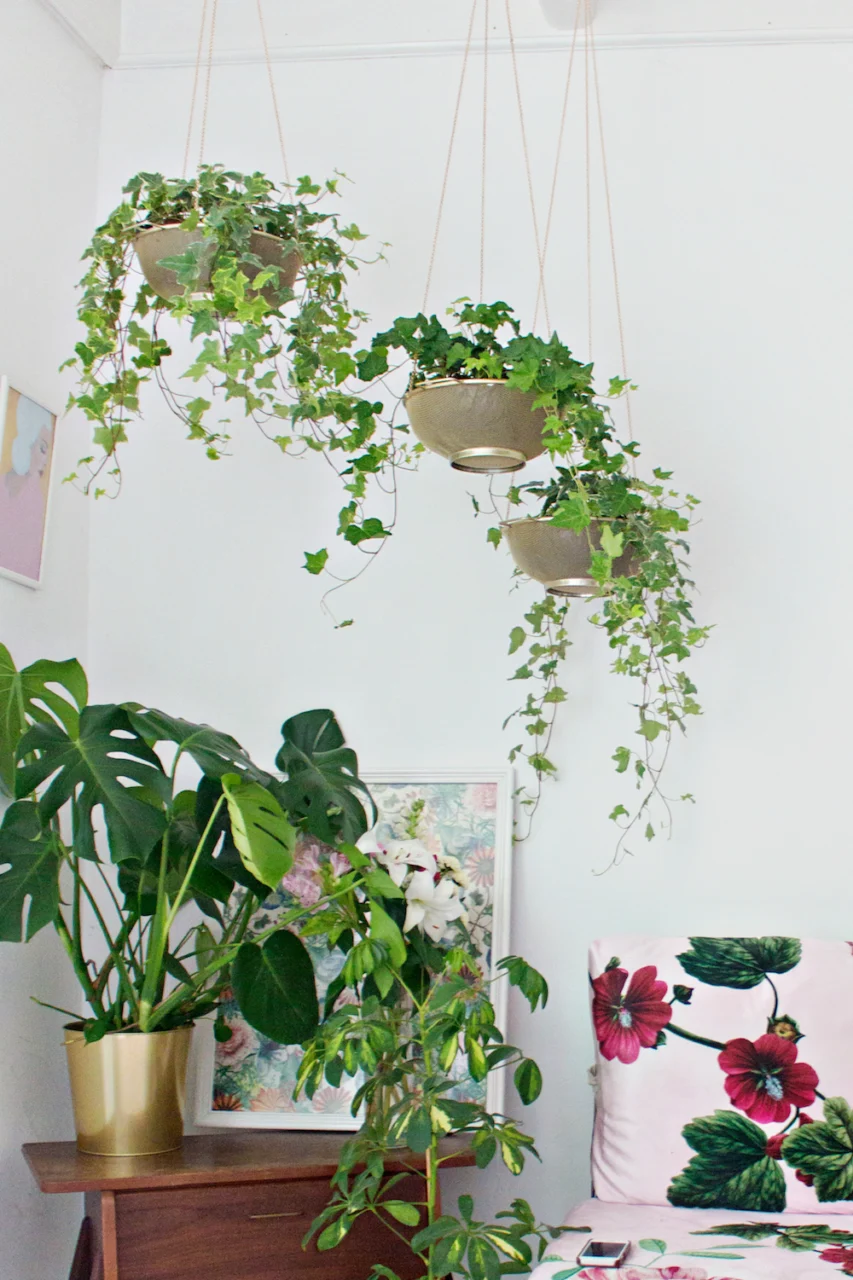
Several macramé hangers drop from the ceiling, each holding a trailing pothos or string of pearls. The plants sway gently, creating soft movement that livens up a static space. This look works well above a reading nook or a small desk.
You can make macramé cords from cheap cotton rope at home. If you prefer ready‑made, buy brass hanging pots with built‑in trays. Both give you a chance to display multiple plants in a small area.
The ceiling must support the weight, so check the hook before hanging. Dust can collect on the cords, needing occasional wiping.
5. Plant and Bookshelf Combo
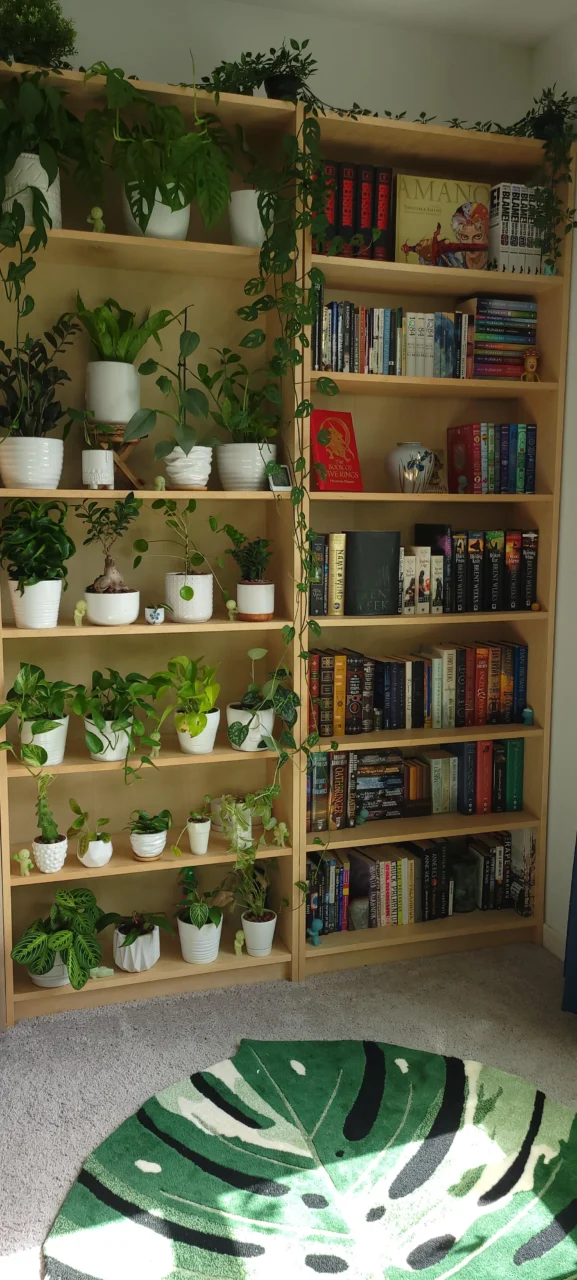
A narrow bookshelf holds a row of books below and a line of small succulents on top. The green tops break up the vertical lines of the books, adding life. This combo works well in a hallway or a home office corner.
Use a cheap wooden crate and paint it a neutral shade. If you have a bigger budget, buy a floating wall shelf with built‑in planter boxes. Both let you keep books and plants close together.
Books can tip over when you water, so use a tray to catch spills. Otherwise soil may fall onto pages and cause stains.
6. Plant Side Table
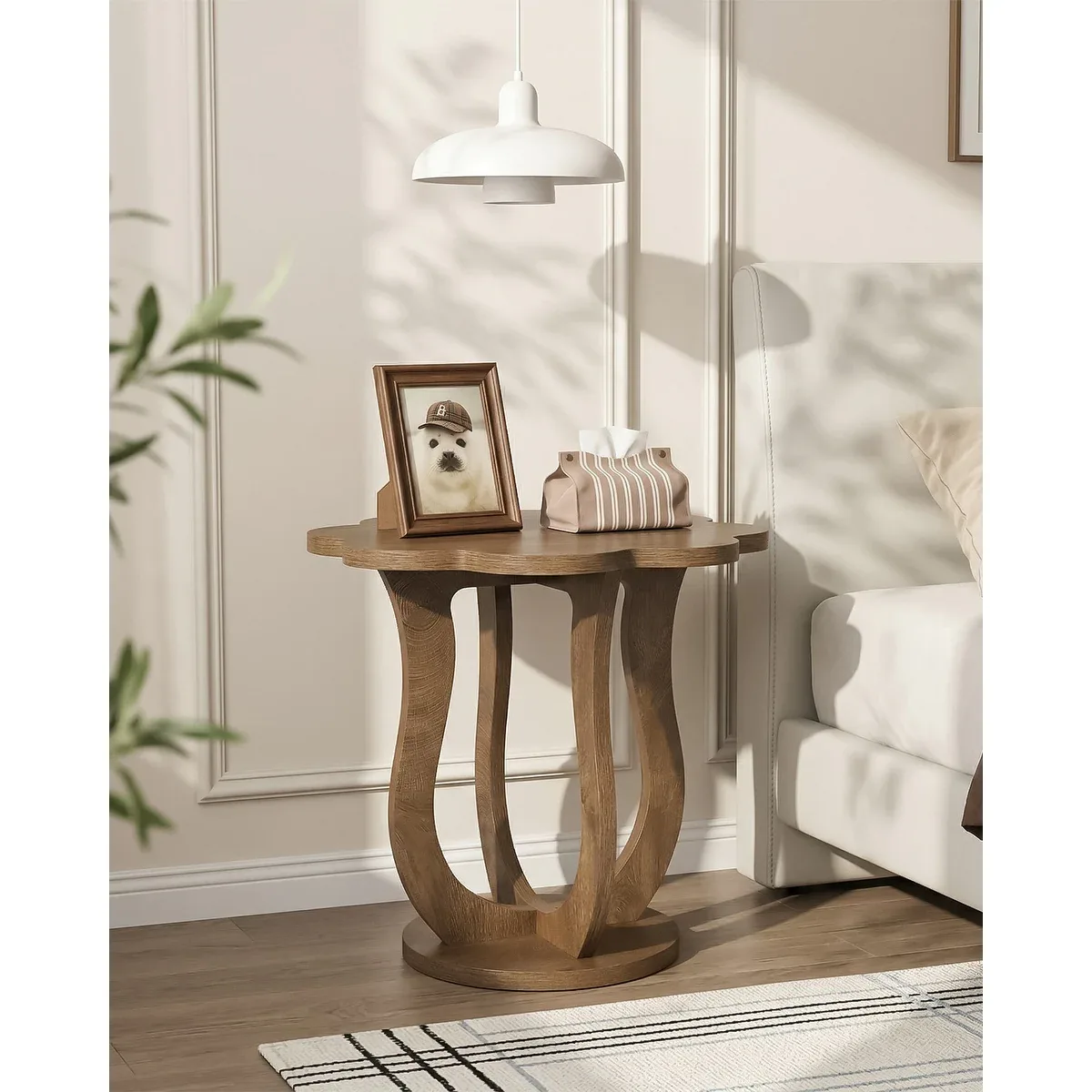
A small side table sits beside the sofa, topped with a tray of herbs or tiny foliage. The fresh scent of herbs adds a subtle aroma to the living area. The table also offers a place to set drinks or books.
Find a thrifted nightstand and add a simple metal tray for cheap decor. If you want a modern look, choose a glass table with a built‑in planter slot. Both keep the plants at eye level for easy care.
Herbs need at least four hours of direct light, so a dim corner may limit growth. You may need a grow‑light nearby if the window is far.
7. Bathroom Plant Nook
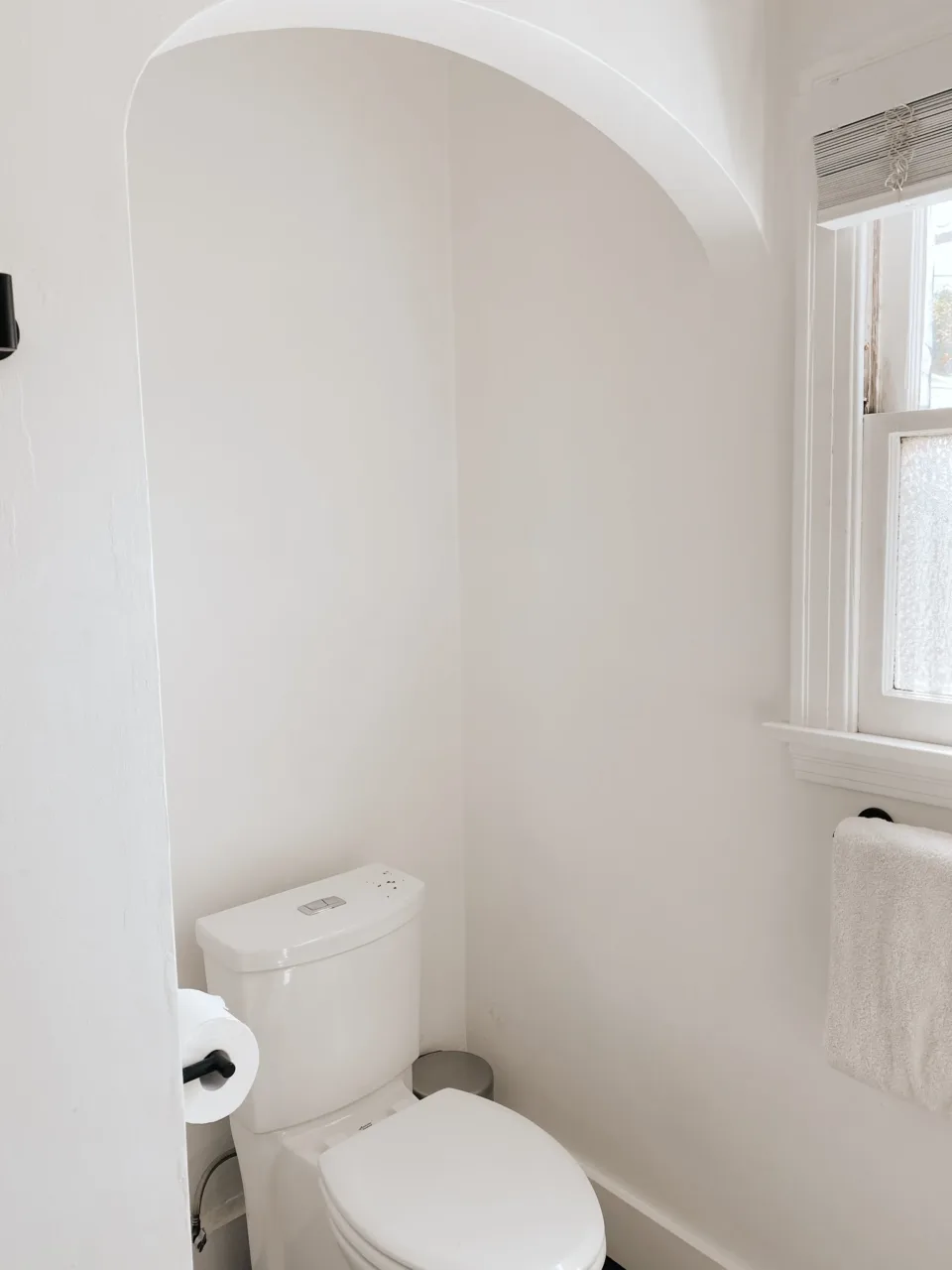
A moisture‑loving fern sits in a bamboo holder close to the shower, thriving on steam. The green fronds soften the tile and add a spa‑like feel. This nook works well in a half‑bath or a larger bathroom corner.
A cheap choice is a cleaned plastic bucket with drainage holes. If you prefer style, pick a ceramic basin with a built‑in water‑catch tray. Both keep the plant upright and allow excess water to flow away.
High humidity can cause mold on the soil surface, so stir it often. If mold appears, replace the top layer of soil to stay safe.
FAQ
How often should I water indoor plants placed in a corner?
Water when the top inch of soil feels dry to the touch. In most homes this means checking once a week, and adjusting for heat or drafts.
What are the best low‑maintenance plants for low‑light corners?
Snake plant, ZZ plant, and pothos thrive in low‑light spots. They need only occasional watering and can handle uneven light. These choices keep your corner green without much effort.
Can I use the same pot for different plants over time?
Yes, you can repot a new plant in a clean, same‑size pot. Just wash the pot with mild soap before reusing it. Make sure the drainage hole stays clear to avoid root rot.
How do I keep soil from spilling on the floor?
Place a saucer or tray under each pot to catch runoff. Choose a saucer that matches the pot size for a tidy look. Empty the tray regularly to prevent mold growth.
Is it okay to move plants when the seasons change?
You can move plants, but do it gradually to avoid shock. Start by shifting them a few inches each day for a week. Keep an eye on watering needs as light levels shift.