Rain Garden Ideas for Managing Water in Your Backyard
A rain garden helps you control backyard runoff while adding a natural look. It catches rain from roofs, driveways, and lawns, letting the water soak into the soil. This reduces puddles and protects nearby streams. You can start a garden with a few simple steps.
Most rain gardens blend with the rest of the yard, so they feel like part of the design. Choose plants that love both wet and dry periods, and pick materials that match your home style. The garden can be a place to sit, read, or watch birds. Below are seven ideas that fit different budgets and spaces.
1. Low native‑grass bowl
A low, sun‑warmed bowl of native grasses can catch runoff before it spreads. Plant a mix of little bluestem, prairie drop‑seed, and little brown-eyed susans for texture. The grasses let water filter through while staying green most of the year. The downside is that the grasses need occasional trimming to keep a tidy edge.
To build it, dig a shallow depression about six inches deep and line it with landscape fabric. Fill the base with a mix of sand and compost, then spread the grasses evenly. Water the new planting until the roots settle, and add a layer of mulch to keep weeds down. In very dry spots, the grasses may thin out, so you might need extra watering in the first season.
2. Tiered rock basin
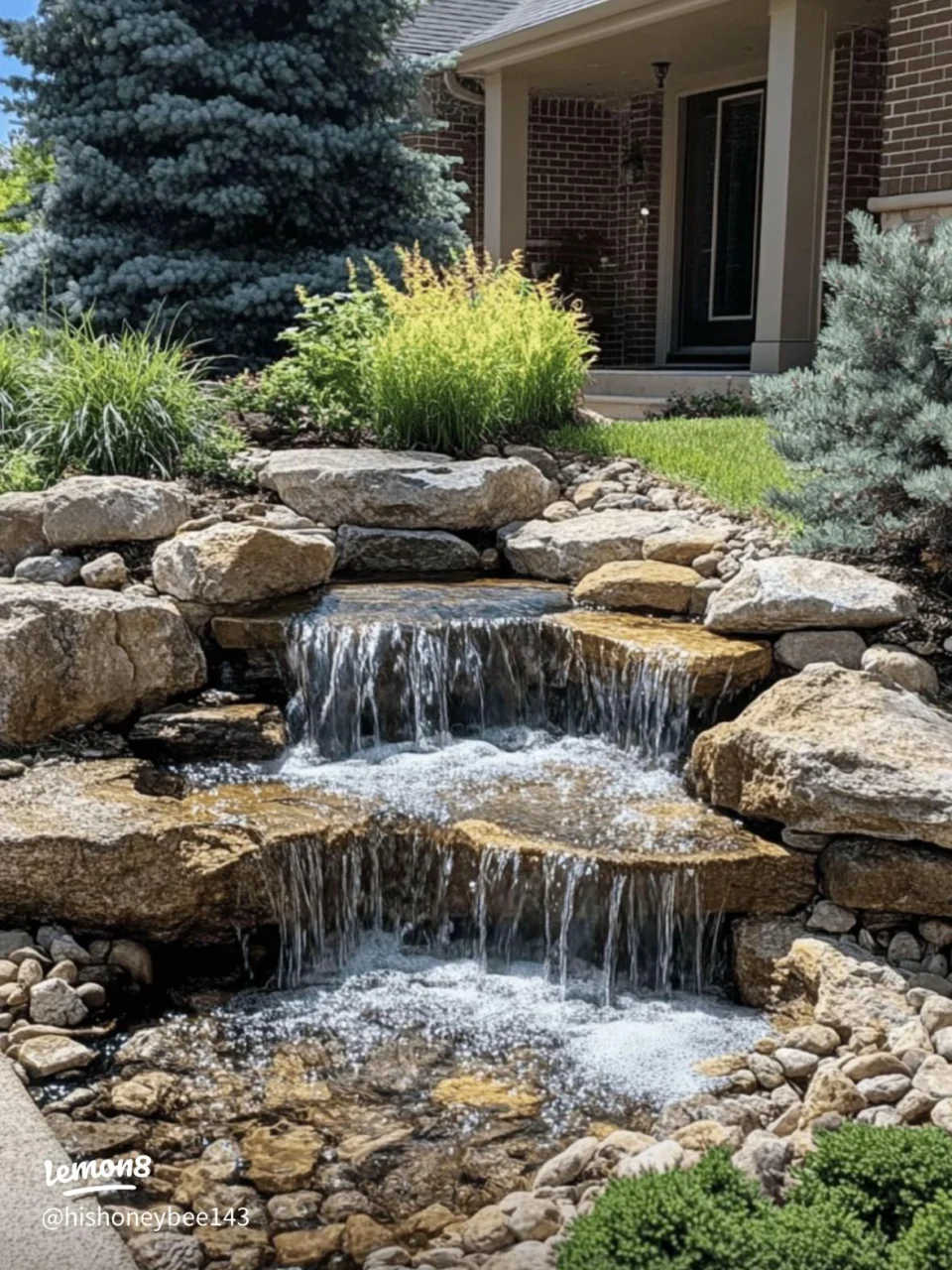
Start with a tiered rock basin to slow water and add visual interest. Large river rocks create steps that let water pause and soak in at each level. The rocks also give a sturdy border that works well with patio furniture. One trade‑off is that heavy rocks can be hard to move if you later change the layout.
Excavate a shallow area and arrange the rocks in descending layers, leaving space between each for soil. Fill the gaps with a gritty soil mix that drains well, then plant hardy sedums and dwarf iris in the lower tiers. A small garden hose can help settle the soil after planting. Remember that the rocks can get hot in summer, so add some shade cloth if the garden gets too warm.
3. Pebble‑lined water strip
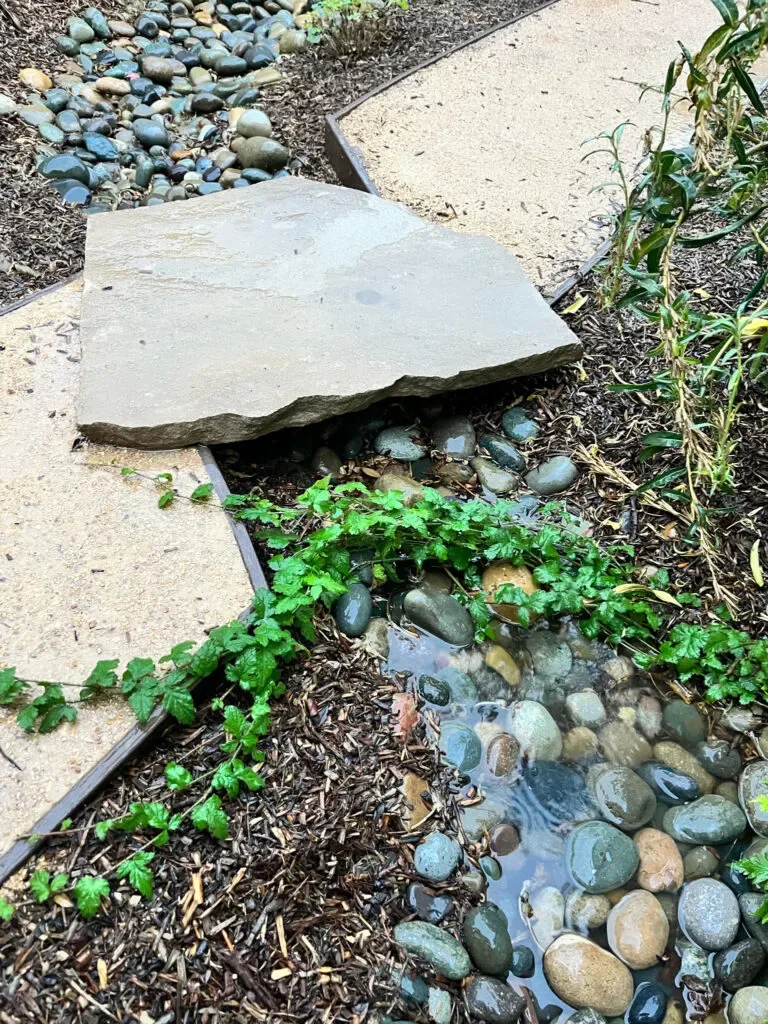
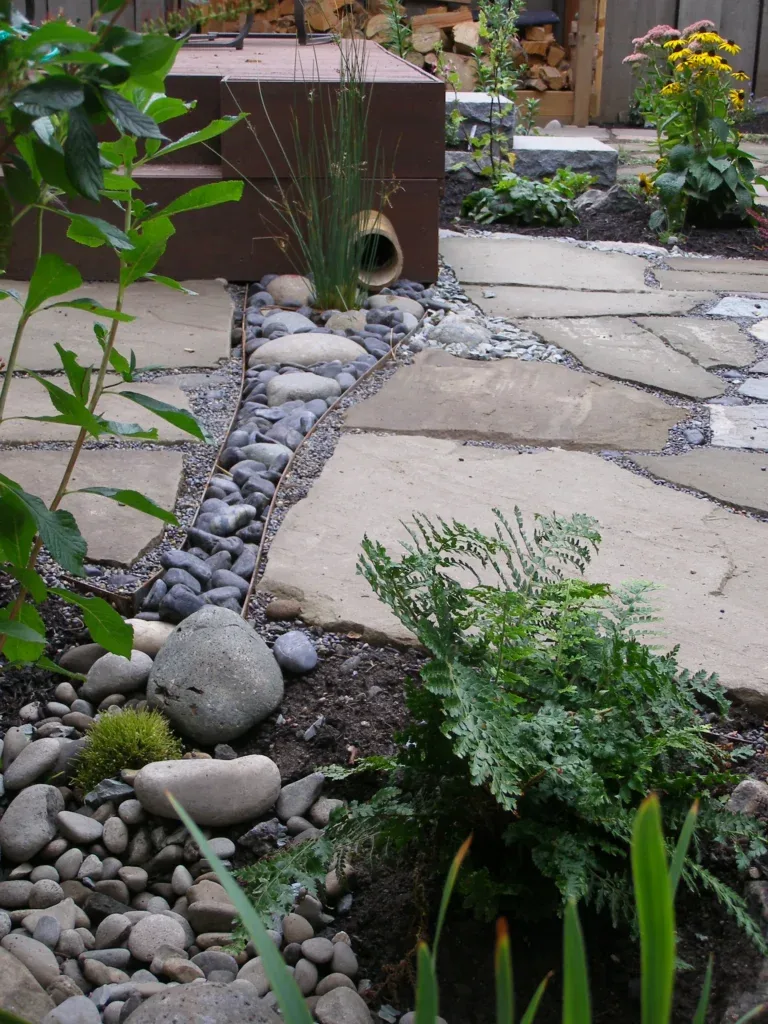
A bright, pebble‑lined strip feels lively and guides water along a garden path. Use light gray river pebbles mixed with dark mulch for contrast. The strip works well beside a walkway, catching splashes from foot traffic. However, the pebbles can shift over time, needing occasional re‑leveling.
Lay a flexible edging along the desired line, then spread a layer of sand before adding the pebbles. Plant low‑growth thyme and creeping juniper between the stones for scent and green color. Water the area well after planting, and sweep any debris off the pebbles regularly. If the ground is very clayey, add a bit of coarse sand to improve drainage.
4. Wooden edging garden

A wooden edging garden blends with a deck and adds a warm feel. Use reclaimed cedar planks to form a soft border that ages nicely outdoors. The wood holds soil in place and lets you add taller plants for height. The wood may need a sealant after a few years to avoid rot.
Cut the cedar to the needed lengths and fasten them into a rectangular frame on the ground. Fill the interior with a mix of sand, compost, and peat, then plant ferns, hostas, and ornamental grasses. Add a few garden lights along the edge for evening charm. Keep an eye on the wood during rainy seasons and reapply sealant as needed.
5. Curved mulched channel

A curved, mulched channel guides water toward a planting zone while looking natural. The gentle bend creates a soft line that fits many yard shapes. Mulch keeps the soil moist and reduces weeds, making the channel low‑maintenance. The channel can collect leaves, so you’ll need to clear it a few times each fall.
Dig a shallow trench that follows a smooth curve, then line it with landscape fabric. Fill the trench with a blend of coarse sand and compost, and spread a thick layer of shredded bark mulch on top. Plant moisture‑loving plants like swamp milkweed and cardinal flower along the sides. In winter, rake away any debris that could block water flow.
6. Small pond‑like depression
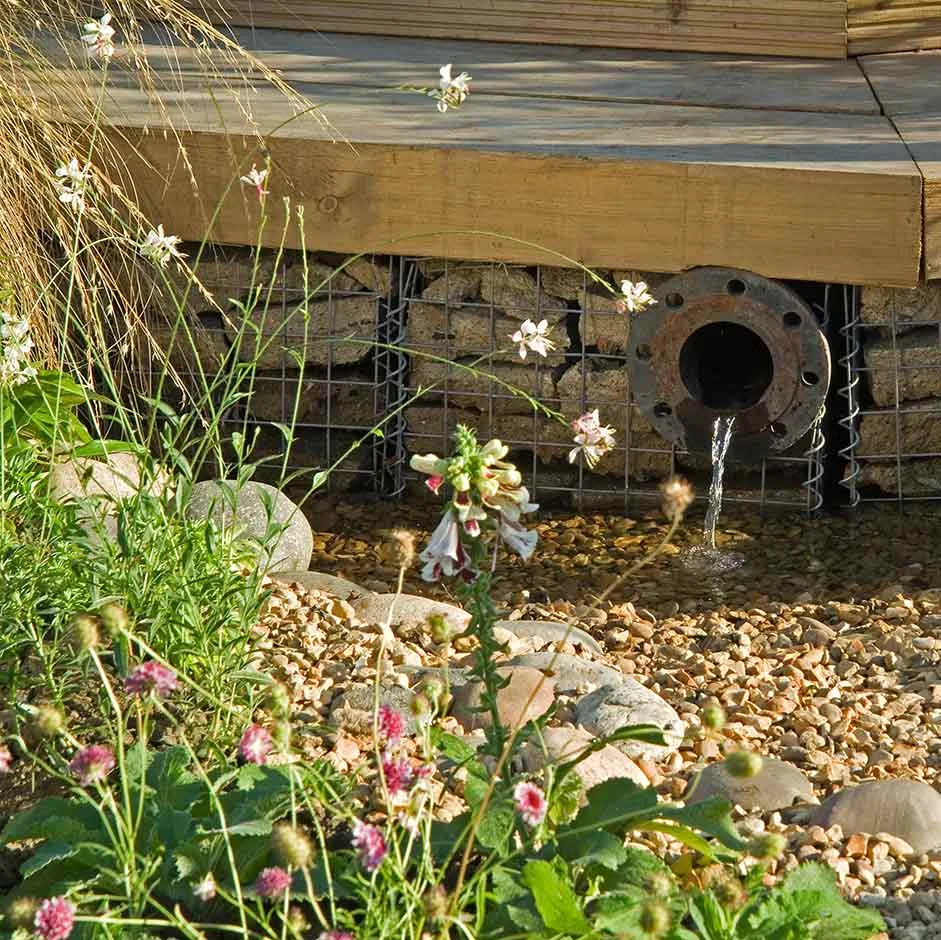
Add a small pond‑like depression for deeper water and a quiet spot to sit. A shallow pool of about twelve inches holds water longer, attracting dragonflies and frogs. The water feature can be framed with flat stones for a clean look. It does require a pump if you want to keep the water moving and avoid mosquitoes.
Excavate a round hole and line it with a flexible pond liner, then cover the edges with smooth river rocks. Fill the basin with water and plant water‑tolerant iris and pickerel rush around the rim. Place a solar‑powered pump to keep the water circulating, and add a few floating water lilies for shade. If you prefer a low‑tech option, change the water weekly to prevent stagnation.
7. Raised rain‑garden box
A raised rain‑garden box works well on a slope and keeps the soil contained. Build the box from untreated pine or recycled plastic, then fill it with a gritty soil blend. The raised height makes planting easier and lets you add a small bench on top. The box limits the garden size, so it may not hold a lot of runoff from large roofs.
Construct a frame that is about twelve inches tall and wide enough for a few plants. Add a layer of coarse sand at the bottom, then top it with a mix of compost and sand. Plant low‑water plants such as lavender, ornamental grasses, and yarrow. Check the box after heavy rain to make sure water drains out and does not spill over the sides.
How much space does a rain garden need?
A rain garden should be about 20% of the area that drains into it. This size lets the garden absorb most of the runoff without overflowing.
Can I use any plants in a rain garden?
Choose plants that love both wet and dry soil, such as sedum, iris, and native grasses. These species survive the wet spring and dry summer periods.
Do I need a professional to install a rain garden?
You can do most of the work yourself with basic tools. Call a landscaper only for large excavations or if local rules require it.
How often should I maintain a rain garden?
Check the garden after big storms and remove any debris that blocks flow. A quick weeding session each season keeps the plants healthy.