Small Kitchen Island Alternatives for Homes Without Enough Space

When a kitchen feels cramped, the urge to add a traditional island can quickly meet the reality of limited square footage. Yet the desire for extra prep space, storage, and a casual gathering spot remains strong. Fortunately, a range of compact solutions can provide many of the benefits of an island without demanding a full‑size footprint. Below are seven thoughtfully chosen alternatives that blend function and style, allowing you to make the most of a modest kitchen layout.
1. Rolling Carts That Double as Prep Stations
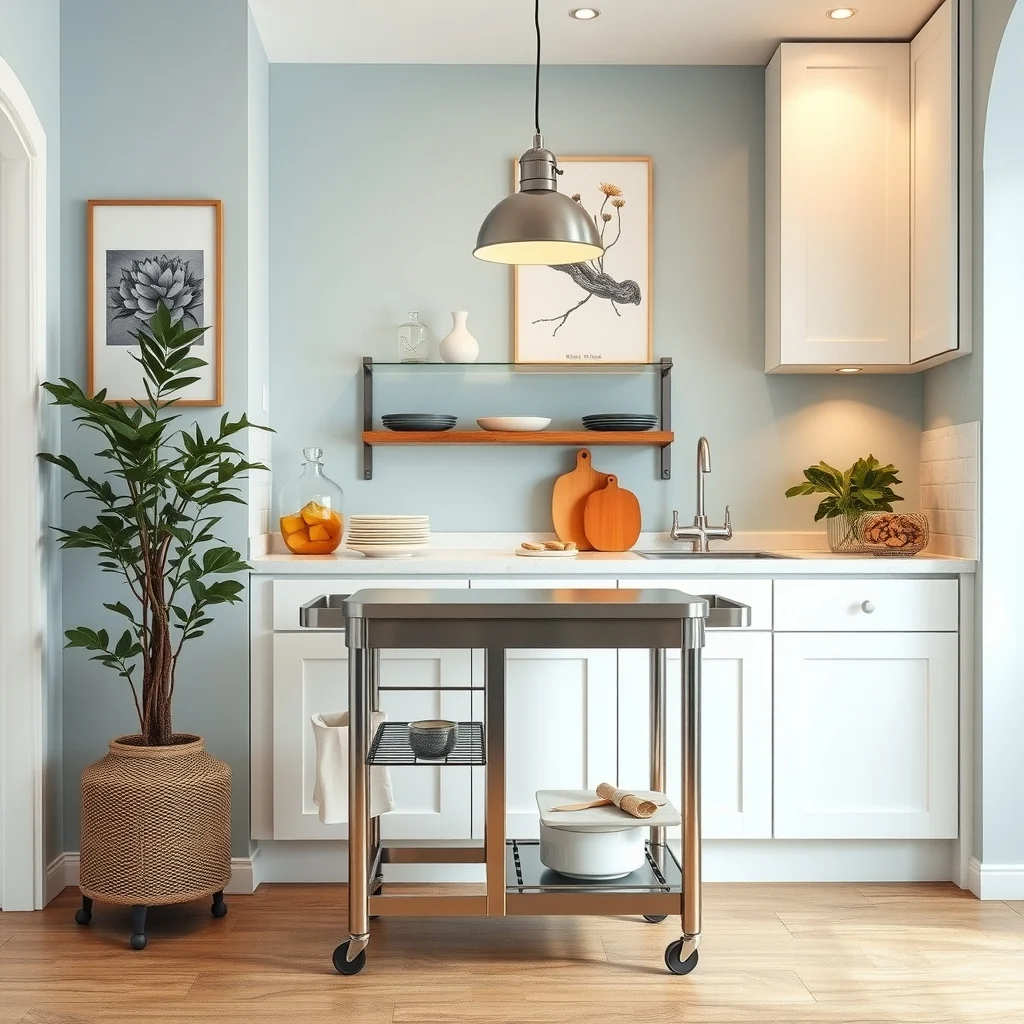
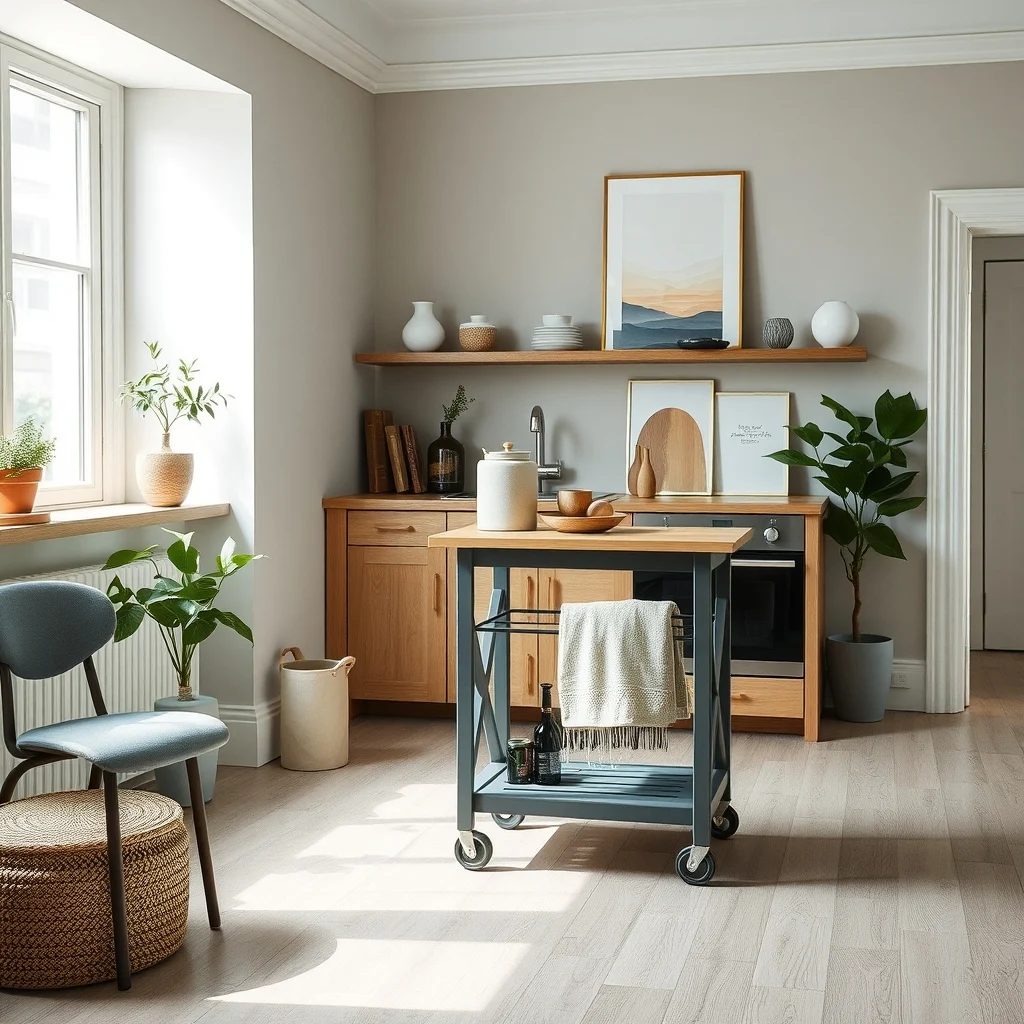
A sturdy rolling cart offers a mobile work surface that can be tucked against a wall or positioned in the center of the room when needed. Choose a model with a stainless‑steel top for durability and a brushed‑nickel frame that complements both modern and farmhouse aesthetics. Many carts include lower shelves, a small drawer, or even a built‑in wine rack, turning idle space into useful storage for pots, utensils, or pantry staples. Because the wheels lock securely, the cart remains stable during food prep while still allowing you to glide it away for cleaning or to open up the floor plan. The flexibility of a cart makes it especially valuable in kitchens that serve multiple purposes, such as a home office or a child’s art station.
2. Wall‑Mounted Fold‑Down Tables
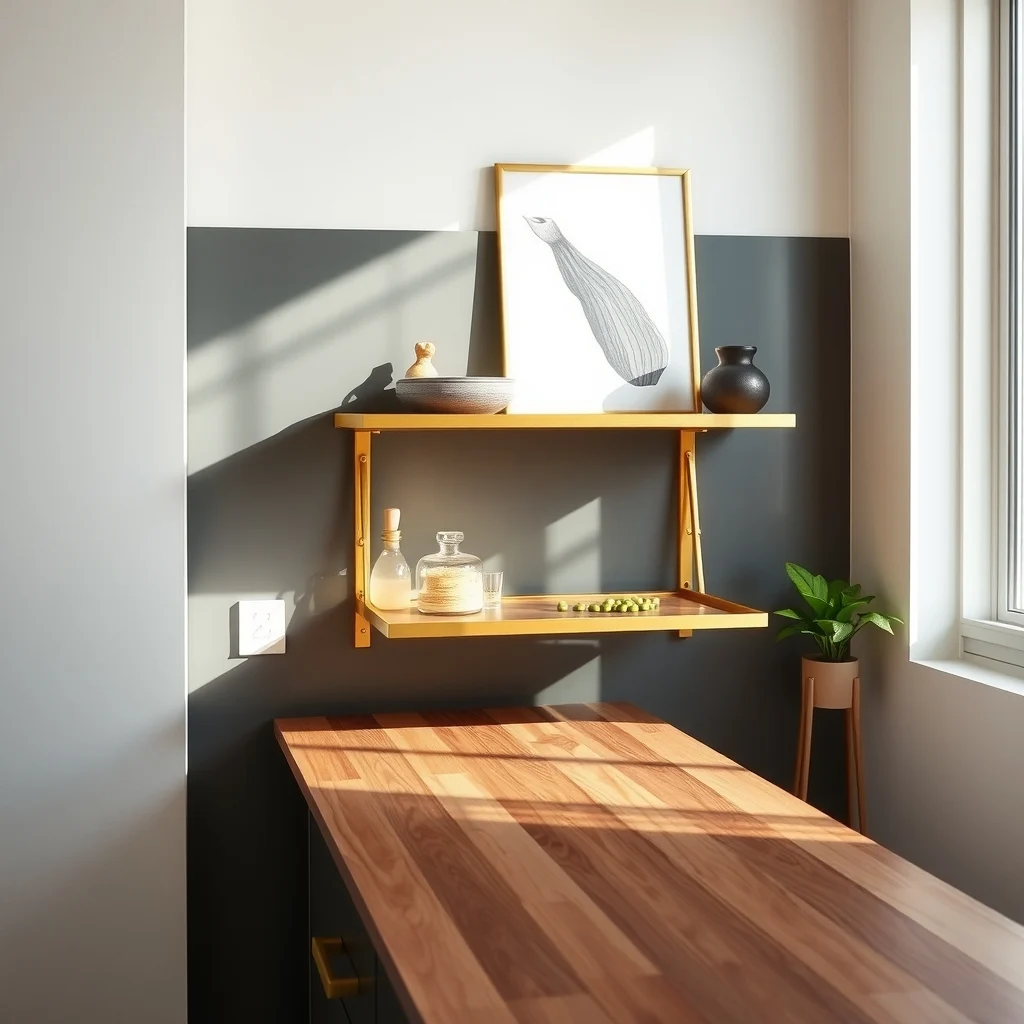
For kitchens that rarely host large gatherings, a fold‑down table mounted on a sturdy wall bracket can serve as a temporary island surface. When opened, the table provides a solid work area that can hold a cutting board, a stand‑alone mixer, or a decorative bowl of fruit. Selecting a table with a walnut veneer adds warmth, while a matte black metal hinge lends a contemporary edge. After use, the table folds flat against the wall, leaving the floor clear and preserving sightlines to windows or open shelving. This solution works best in homes where the kitchen is adjacent to a dining or living area, allowing the table to become a shared surface for meals or board games without permanently occupying floor space.
3. Multi‑Tiered Kitchen Stools with Built‑In Storage
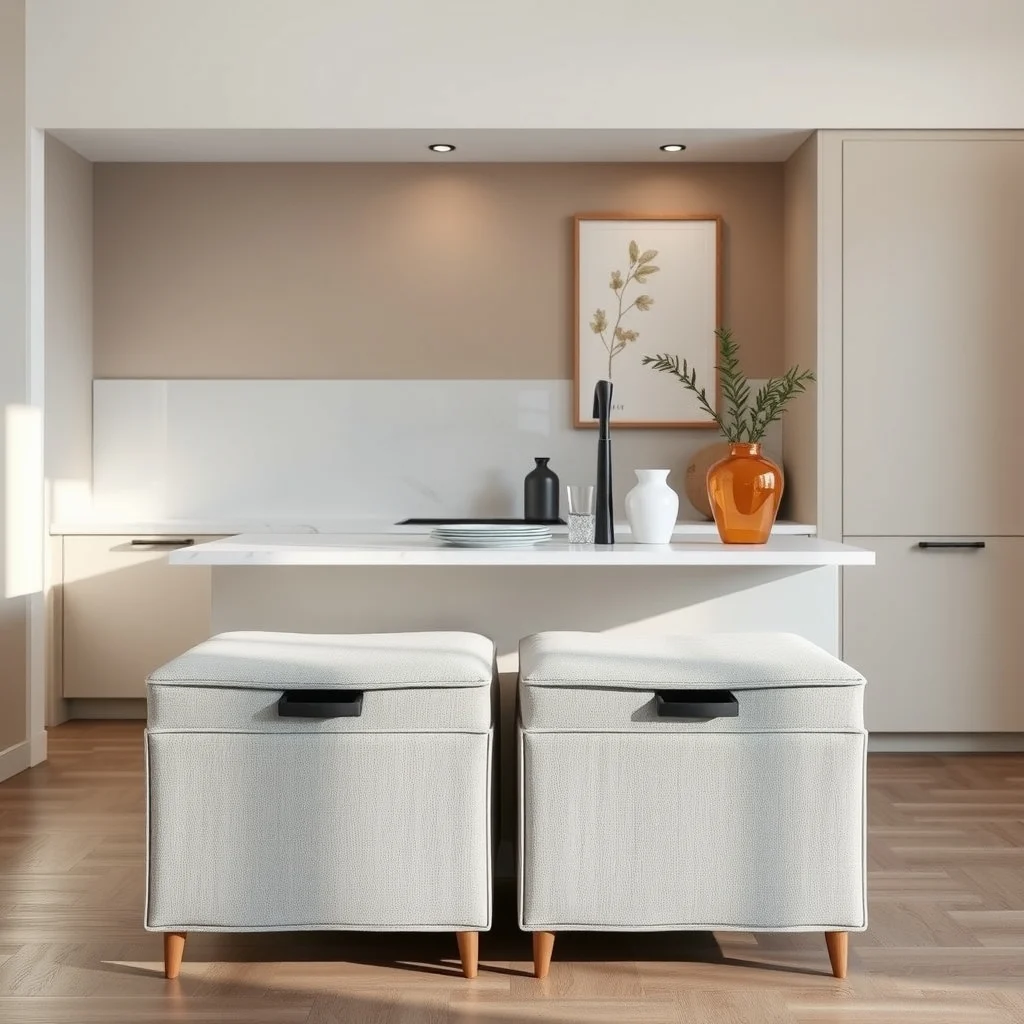
Stools that incorporate a shallow drawer or hidden compartment can function as both seating and a mini island. Opt for a pair of stools finished in a soft, muted gray linen fabric, each supported by a solid oak frame. The drawer beneath the seat is ideal for keeping knives, spice jars, or a small cutting board within arm’s reach. When positioned side by side, the stools create a narrow work zone that mimics the length of an island without extending into the traffic flow. Their modest height encourages casual meals and quick snacks, while the storage component reduces countertop clutter. This hybrid piece works especially well in kitchens that prioritize a relaxed, café‑like atmosphere.
4. Convertible Kitchen Islands on Casters
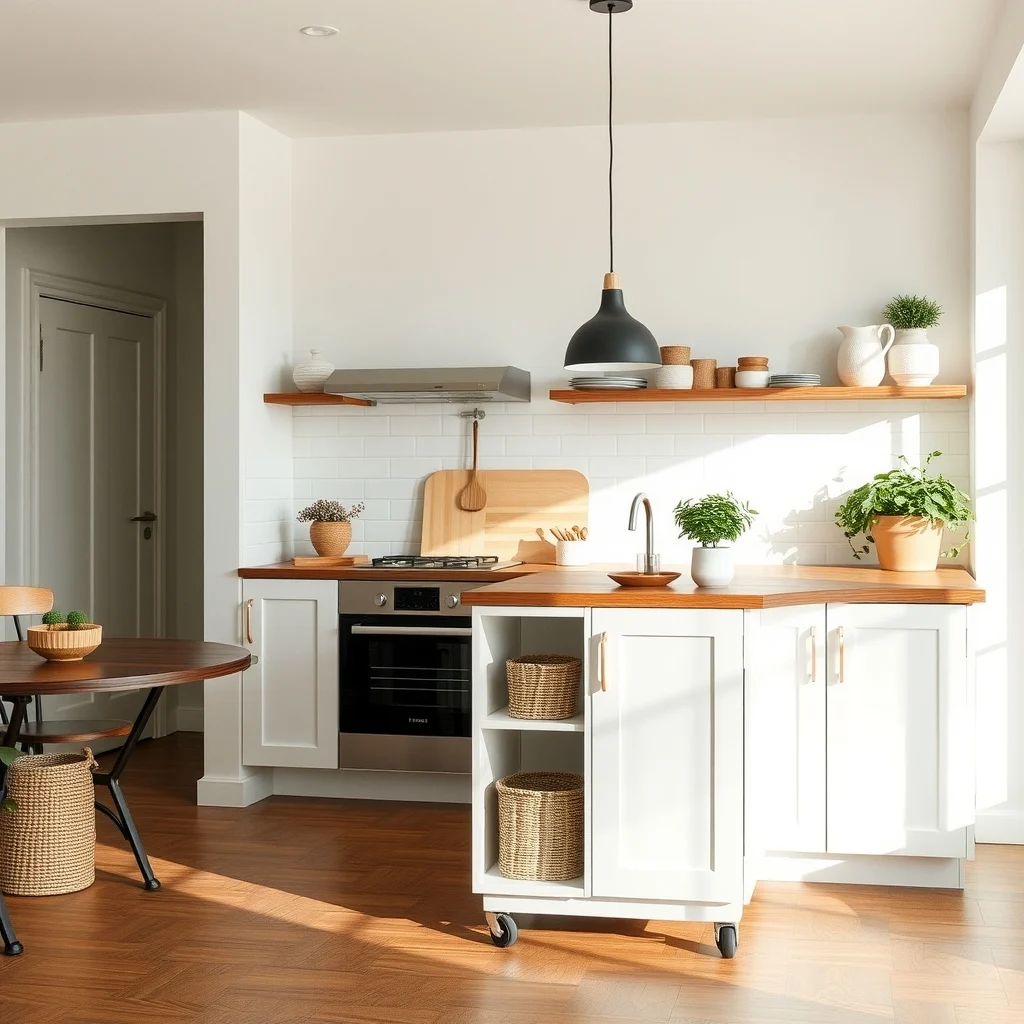
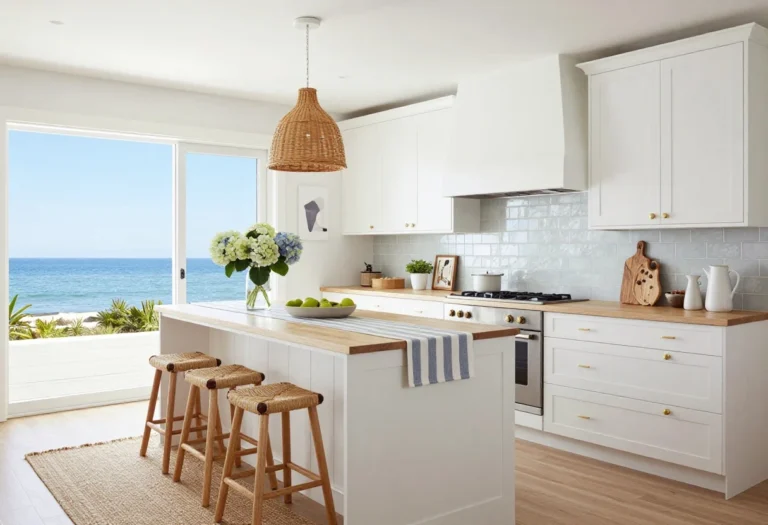
A compact island built on a set of heavy‑duty casters can be rearranged to suit different tasks throughout the day. Look for a design that features a recessed countertop, allowing you to slide a portable butcher block top on and off as needed. The lower cabinet can house a small trash bin, a stack of reusable containers, or a compact dishwasher drawer. By selecting a finish that matches existing cabinetry—such as a soft sage green glaze—you create visual continuity without overwhelming the space. When the kitchen becomes a high‑traffic zone, simply push the island against a wall or slide it into a pantry nook, keeping pathways clear and maintaining a sense of openness.
5. Open Shelving with Integrated Counter Space
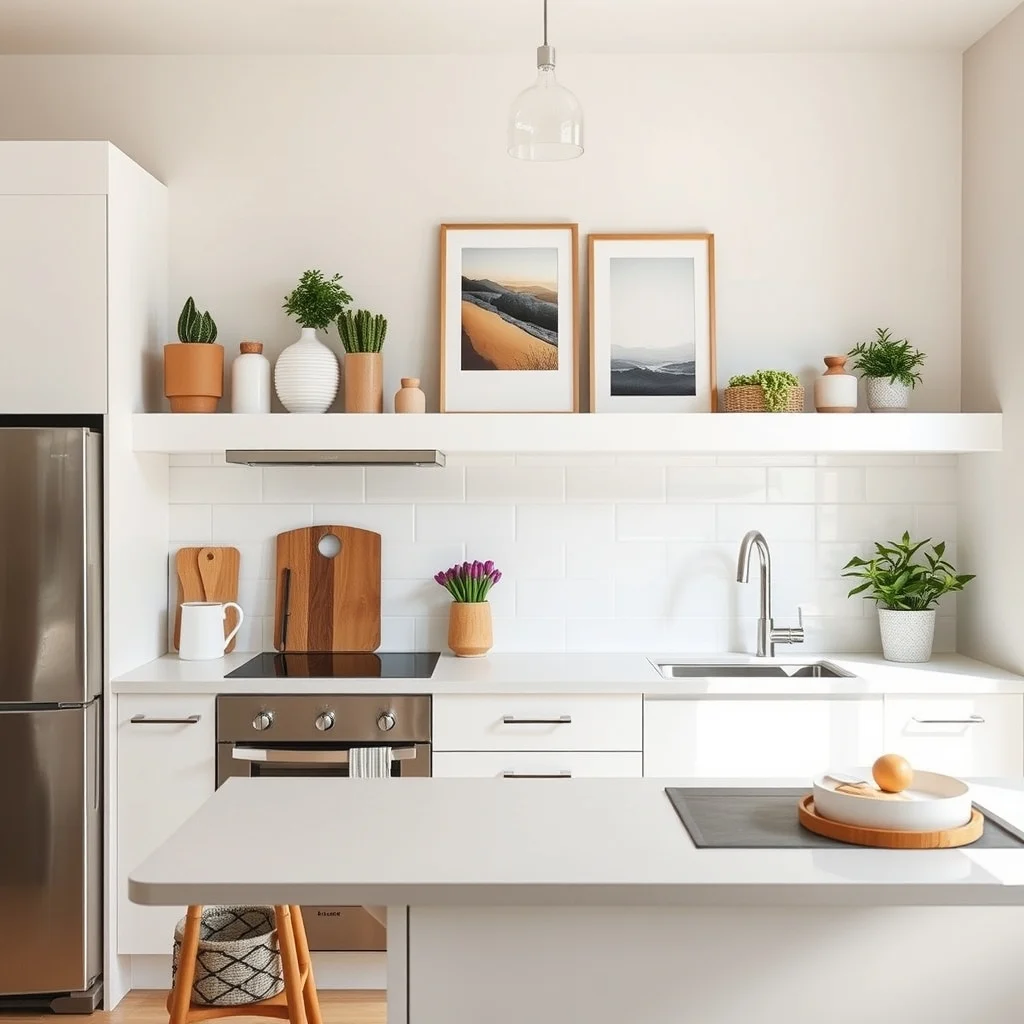
Replacing a section of upper cabinets with open shelving can free up wall space while providing a narrow strip of countertop for light tasks. Install floating shelves in a matte white finish, and beneath the middle shelf place a slim slab of quartz that serves as a prep surface. The open design encourages you to display attractive dishware, glass jars, or potted herbs, turning storage into a decorative feature. Because the countertop is only a foot wide, it does not intrude on the kitchen’s flow, yet it offers a convenient spot for rolling out dough or assembling a quick sandwich. The trade‑off is that items placed on the shelf are more exposed, so choose items you’re comfortable keeping in plain view.
6. Kitchen Peninsulas Formed by a Breakfast Bar
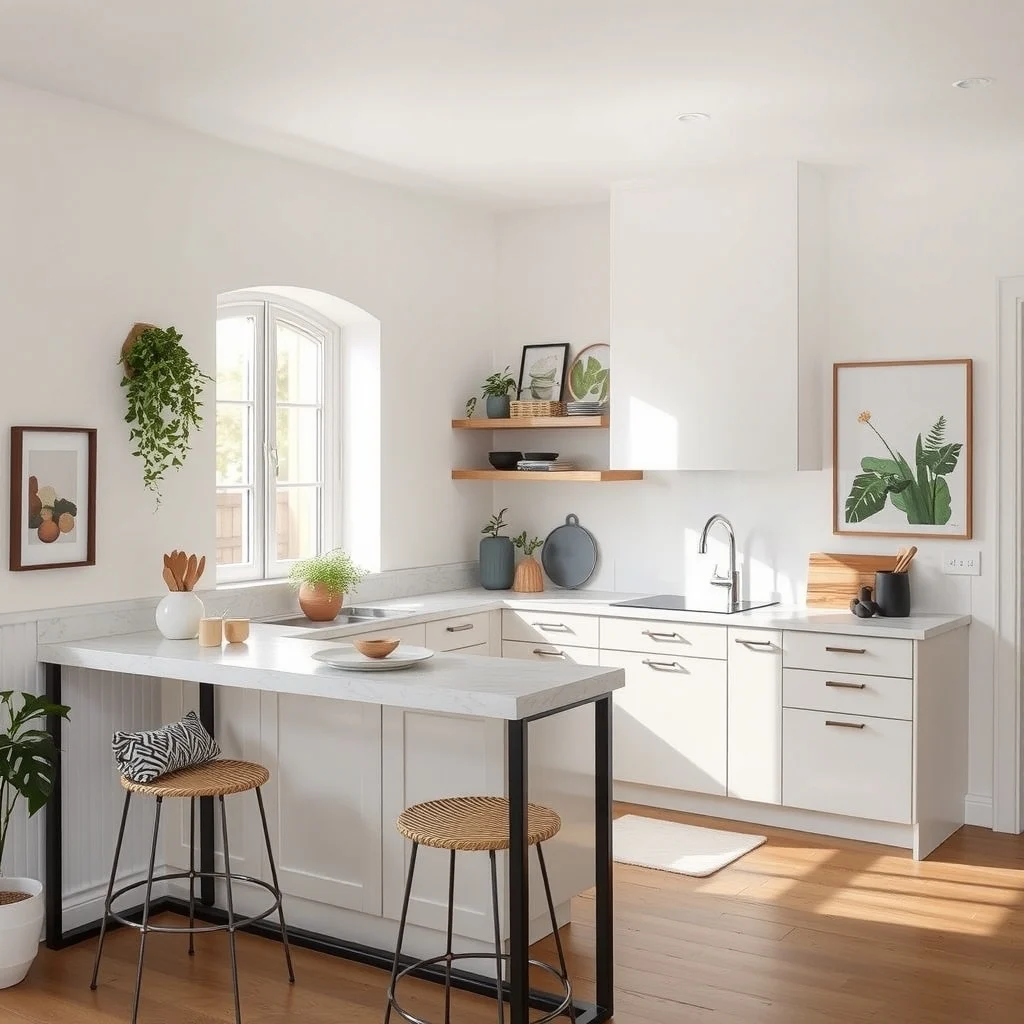
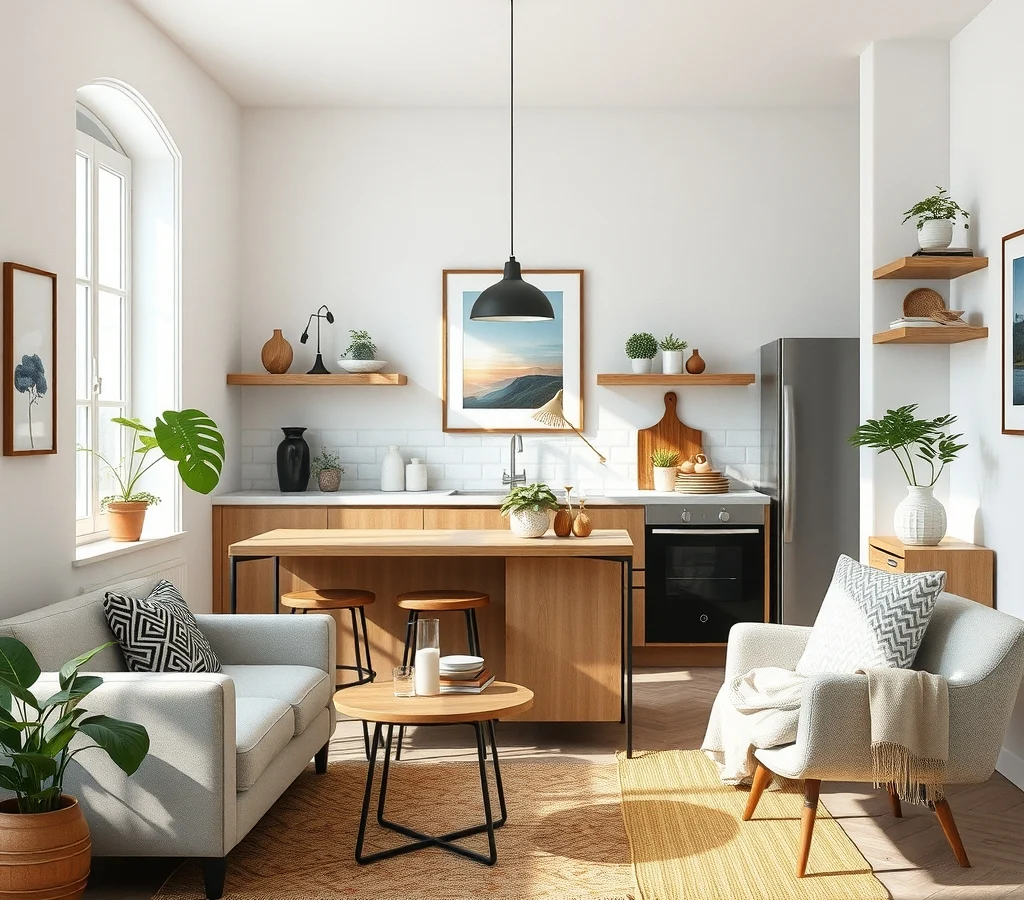
A short breakfast bar extending from a wall or a row of cabinets can act as a partial island, offering both seating and a work surface. Select a bar with a sleek, powder‑coated steel frame and a reclaimed wood top that adds texture without dominating the room. The bar’s length can be limited to three or four feet, ensuring it does not block the kitchen’s traffic pattern. Adding a pair of upholstered stools in a muted teal fabric creates a cozy nook for morning coffee, while the countertop accommodates a small coffee maker, a bowl of fresh fruit, or a stack of cookbooks. This arrangement works well in open‑plan homes where the kitchen flows into a living area, providing a subtle visual division.
7. Corner Workstations with Pull‑Out Extensions
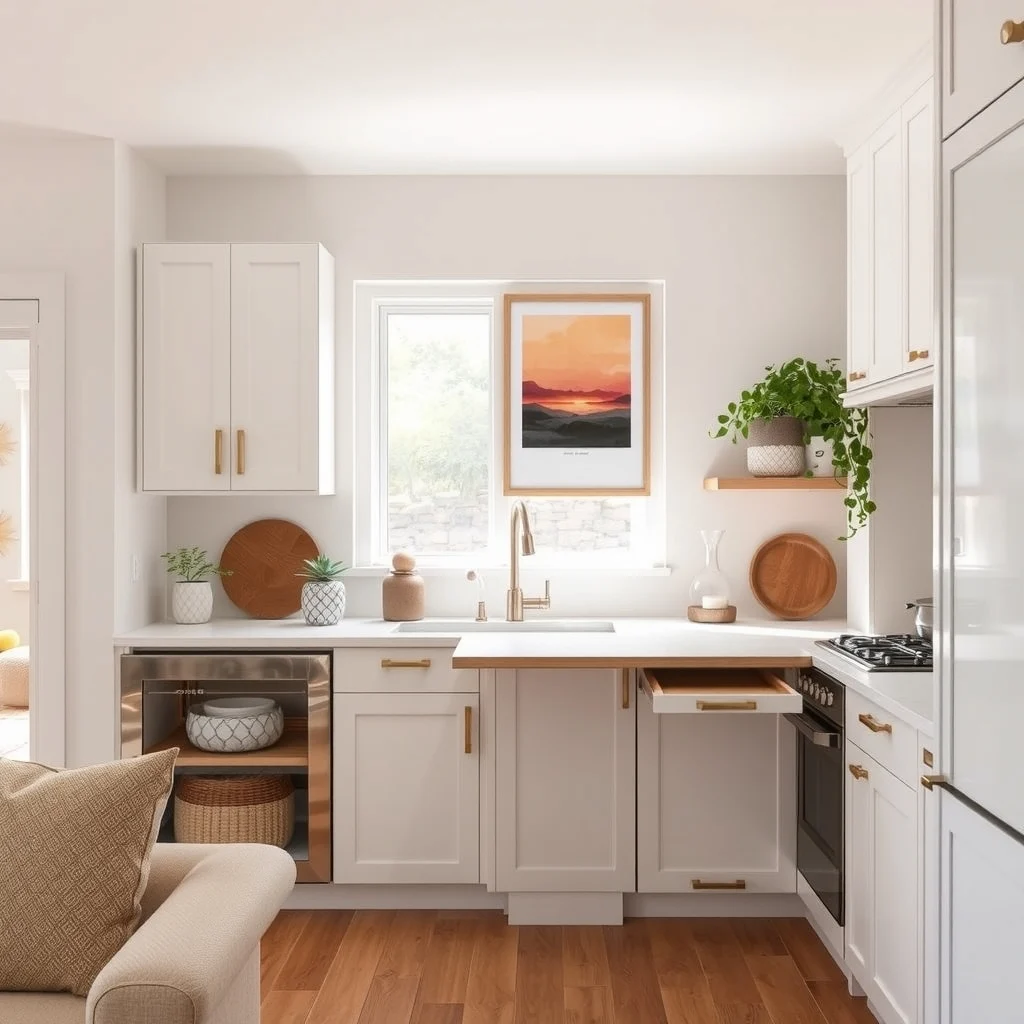
Utilizing an otherwise idle corner can unlock valuable workspace. Install a corner cabinet with a pull‑out countertop that slides out like a drawer when you need extra room. Choose a finish that mirrors your existing cabinets—perhaps a warm honey oak—to maintain cohesion. The pull‑out surface can be made of durable laminate, resistant to spills and easy to wipe down. When retracted, the cabinet hides the extension, preserving the sleek lines of the kitchen. This solution is ideal for homes where the kitchen layout includes a right‑angle alcove, turning a potential dead zone into a functional prep area without sacrificing floor space.
FAQ
Can I use a kitchen cart if I have uneven flooring?
Yes, many carts come with adjustable leveling feet that allow you to compensate for slight variations in floor height. Install the feet according to the manufacturer’s instructions, and test the cart’s stability before placing heavy items on it.
How much weight can a folding wall‑mounted table support?
Most wall‑mounted tables are rated for 30 to 50 pounds, which is sufficient for a cutting board, a small mixer, or a decorative bowl. Check the product specifications to ensure the bracket and mounting hardware match the intended load.
Is it safe to have a mobile island on casters near a stove?
Mobile islands can be safe if the casters lock firmly and the island is positioned at a reasonable distance from the stove’s heat source. Avoid placing flammable items on the island when cooking, and always lock the wheels before using the countertop.
Do open shelves require special lighting?
Open shelving benefits from focused accent lighting, such as LED strip lights installed under each shelf. This not only highlights displayed items but also reduces shadows on the countertop, making the work area easier to see.
What maintenance does a reclaimed‑wood breakfast bar need?
Reclaimed wood should be sealed with a food‑safe finish to protect against spills and stains. Wipe the surface with a damp cloth and avoid abrasive cleaners; periodic re‑application of a light oil can keep the wood looking fresh.
Final Thoughts
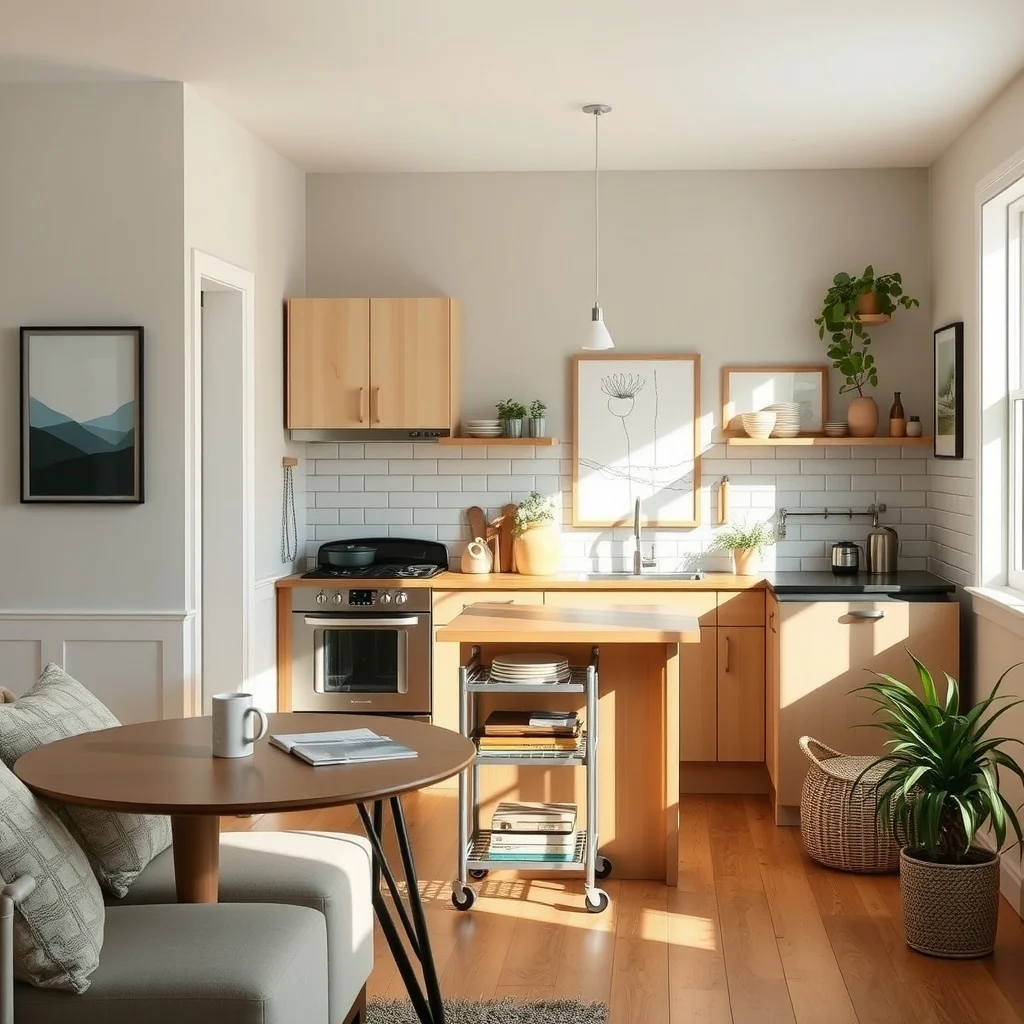
Living without the luxury of a full‑size island does not mean you must sacrifice convenience or style. By selecting one of these alternatives—whether a rolling cart, a fold‑down table, or a cleverly designed corner workstation—you can introduce extra surface area, storage, and social space while preserving the flow of a compact kitchen. Each option carries its own set of considerations, from load capacity to visual impact, but with thoughtful planning you can tailor the solution to fit your daily routine and aesthetic preferences. The result is a kitchen that feels both functional and welcoming, no matter how modest its dimensions may be.