Pollinator‑friendly Garden Ideas to Attract Bees and Butterflies

When the first warm breeze stirs the backyard, the sight of a buzzing bee or a fluttering butterfly can feel like a small celebration of nature right at home. Yet many gardens are designed more for aesthetics than for the insects that help pollinate the very plants we cherish. This article walks you through seven garden‑design ideas that blend beauty, comfort, and ecological purpose, showing how a few thoughtful choices can turn any outdoor space into a welcoming haven for pollinators while still complementing your home’s décor.
1. Choose a Color‑Rich Plant Palette
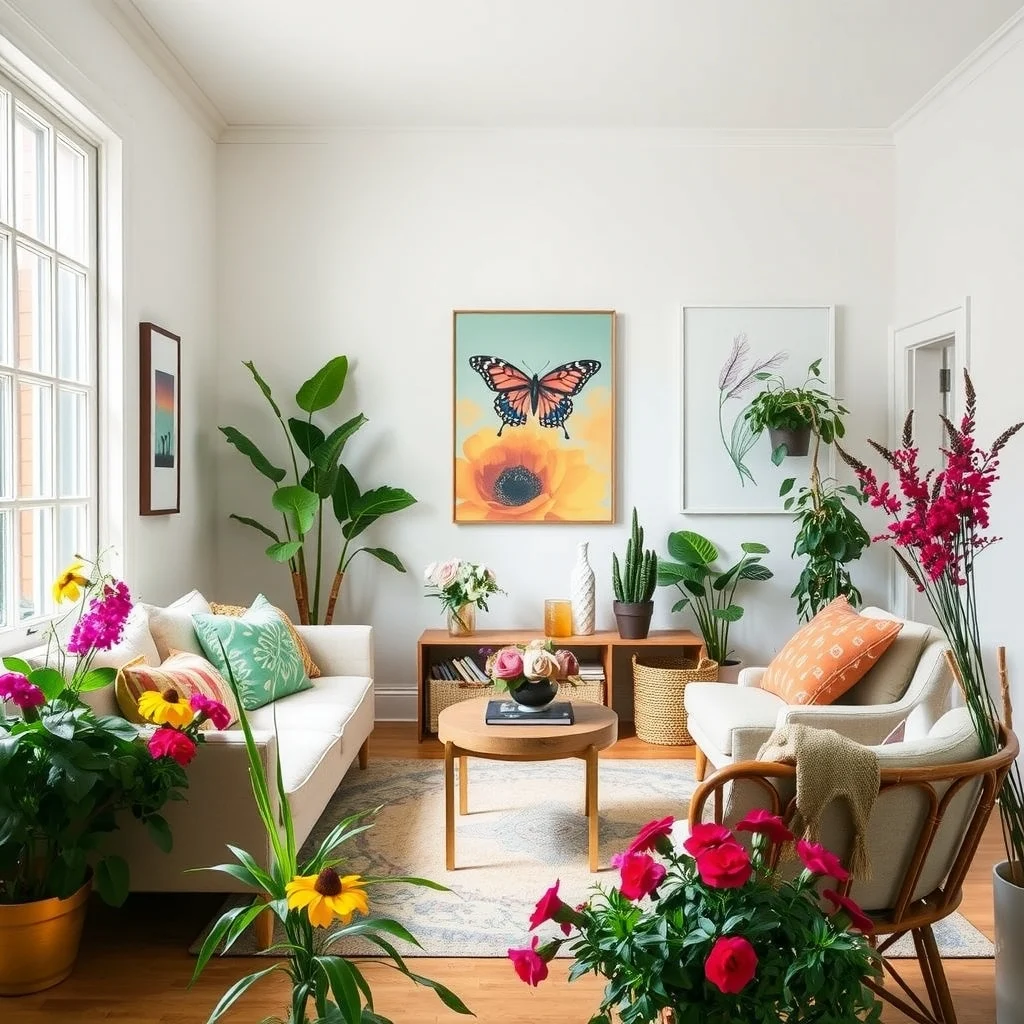
Bees and butterflies are drawn to vivid hues that signal nectar, so planting a mix of reds, oranges, yellows, and purples creates a visual beacon for them. Think of a row of scarlet bee balm alongside clusters of lavender‑purple salvia and golden coreopsis; the contrast not only catches the eye of passing pollinators but also adds depth to the garden’s composition. When selecting varieties, consider bloom time so that color is present from early spring through late fall, providing a continuous food source. Incorporating foliage with varied textures—such as the silvery leaves of sage or the feathery fronds of ornamental grasses—offers resting spots and adds visual interest when blossoms are sparse. A practical tip is to group plants in odd numbers; a trio of coneflowers interspersed with a pair of butterfly weed feels more natural than a rigid grid, and it encourages insects to move from flower to flower without feeling confined.
2. Create Layered Height with Tiered Plantings
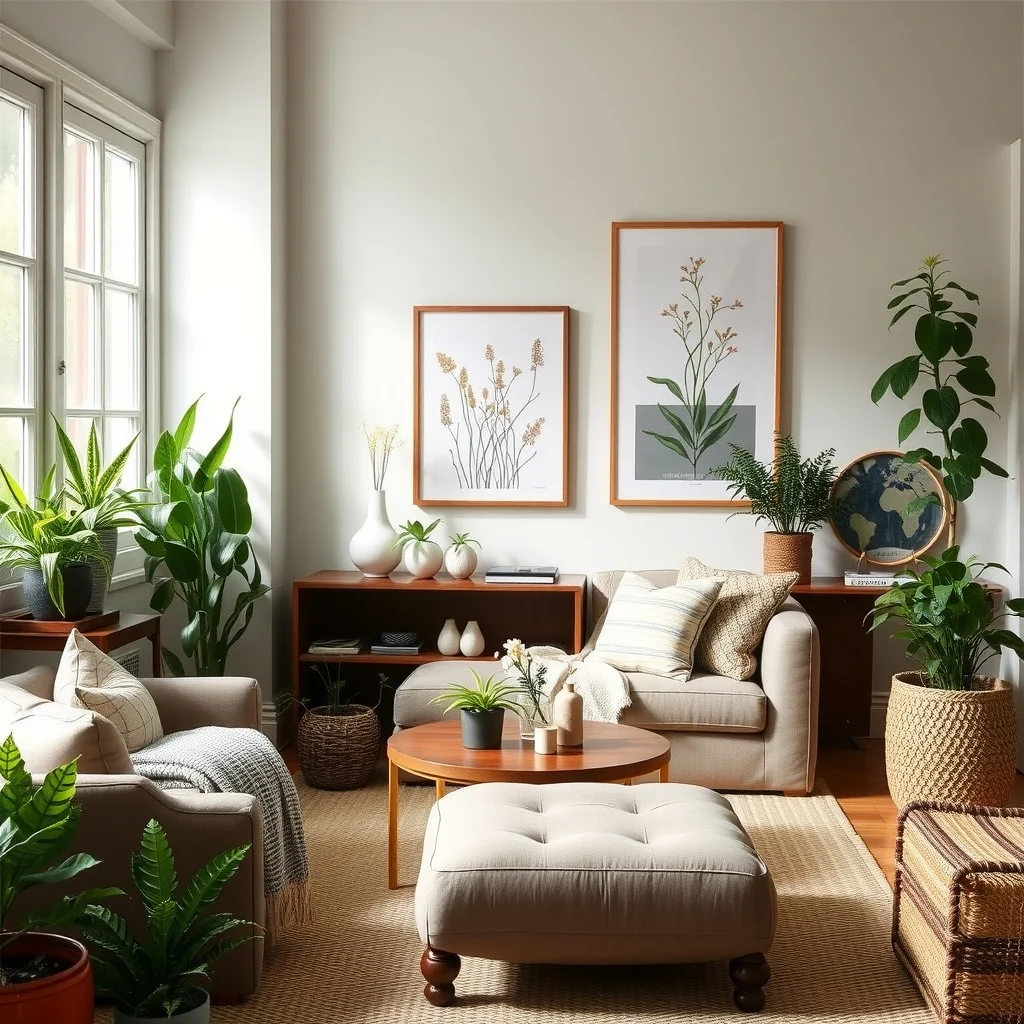
Pollinators navigate vertical space as easily as they do horizontal pathways, so arranging plants in layers mimics the structure of a meadow. Place low‑growing groundcovers like creeping thyme at the base, then add mid‑height herbs such as rosemary and thyme, followed by taller perennials like hollyhocks or ornamental sunflowers. This tiered approach not only guides the eye upward, adding a sense of spaciousness, but also provides a series of landing platforms. A bee can start on a low bloom, then hop to a taller flower without needing to fly far, conserving energy and increasing the likelihood of repeat visits. When integrating this concept into a patio setting, consider a raised planter box that houses the tallest species, allowing the surrounding deck to stay clear for seating. Be mindful of wind exposure; taller plants may need staking, and a windbreak of bamboo or a low fence can protect delicate blossoms while adding a subtle architectural element.
3. Add Water Features for Resting Spots
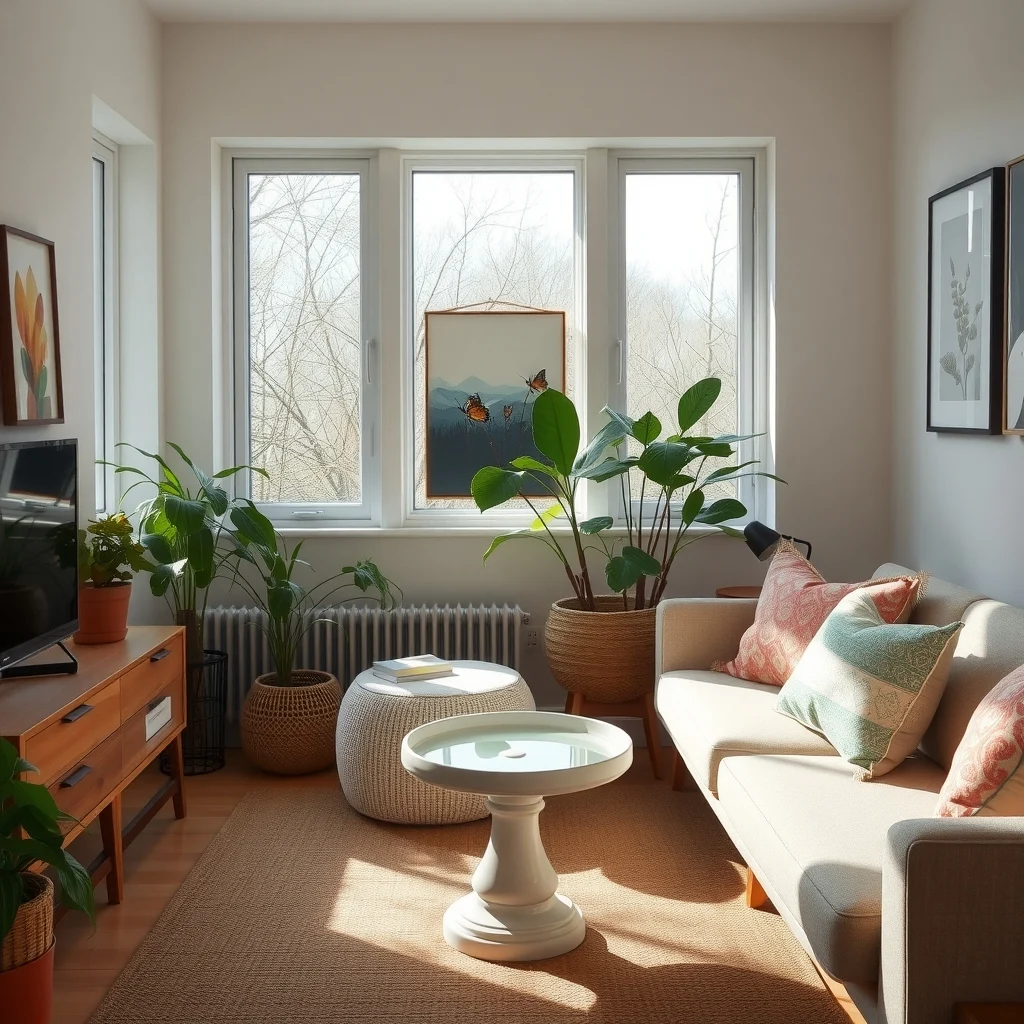
Just as flowers supply food, shallow water sources give pollinators a place to hydrate and cool down. A simple, shallow birdbath with a sloping rim works well; the gentle slope lets a butterfly land on the wet stone without the risk of drowning, while bees can sip from the surface tension. Choose a material that complements your home’s exterior—copper or brushed steel adds a contemporary touch, while a terracotta basin blends with Mediterranean décor. Position the water feature near, but not directly under, sunny planting beds; the warm microclimate encourages insects to linger, yet the shade from surrounding foliage prevents the water from evaporating too quickly. Regular maintenance—emptying, cleaning, and refilling every few days—keeps the water fresh and discourages mosquito breeding. If space permits, a small, recirculating fountain creates gentle sound that masks urban noise, making the garden a more tranquil retreat for both people and pollinators.
4. Incorporate Natural Shelters and Nesting Sites
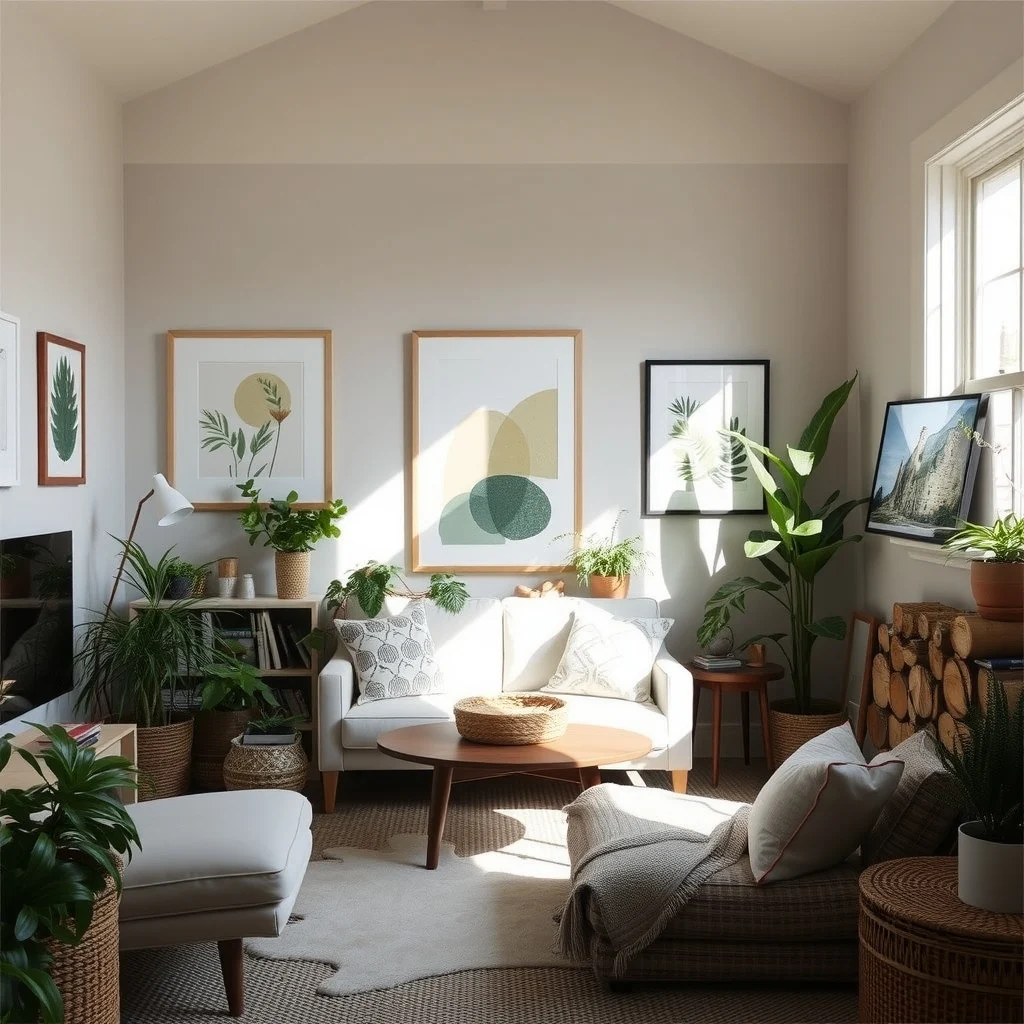
Beyond food and water, bees and butterflies need safe places to rest and, for solitary bees, to build nests. A stack of untreated hardwood logs, left in a sunny corner, provides crevices where bees can hide from predators. The rough bark mimics the natural environment of forest floors, and the aged wood adds a rustic texture that pairs nicely with modern stone pathways. For butterflies, a sunny rock or a flat, warm slab of slate works as a basking spot; they will settle there to raise their body temperature before taking flight. Installing a few bee houses—simple wooden boxes with drilled holes of varying diameters—offers nesting opportunities for solitary species. Place these structures at about waist height, facing east to catch the morning sun, and avoid attaching them directly to walls that receive harsh afternoon heat. While bee houses are inexpensive, they require occasional inspection to remove debris and ensure the holes remain clear.
5. Use Sustainable Materials for Pathways and Seating
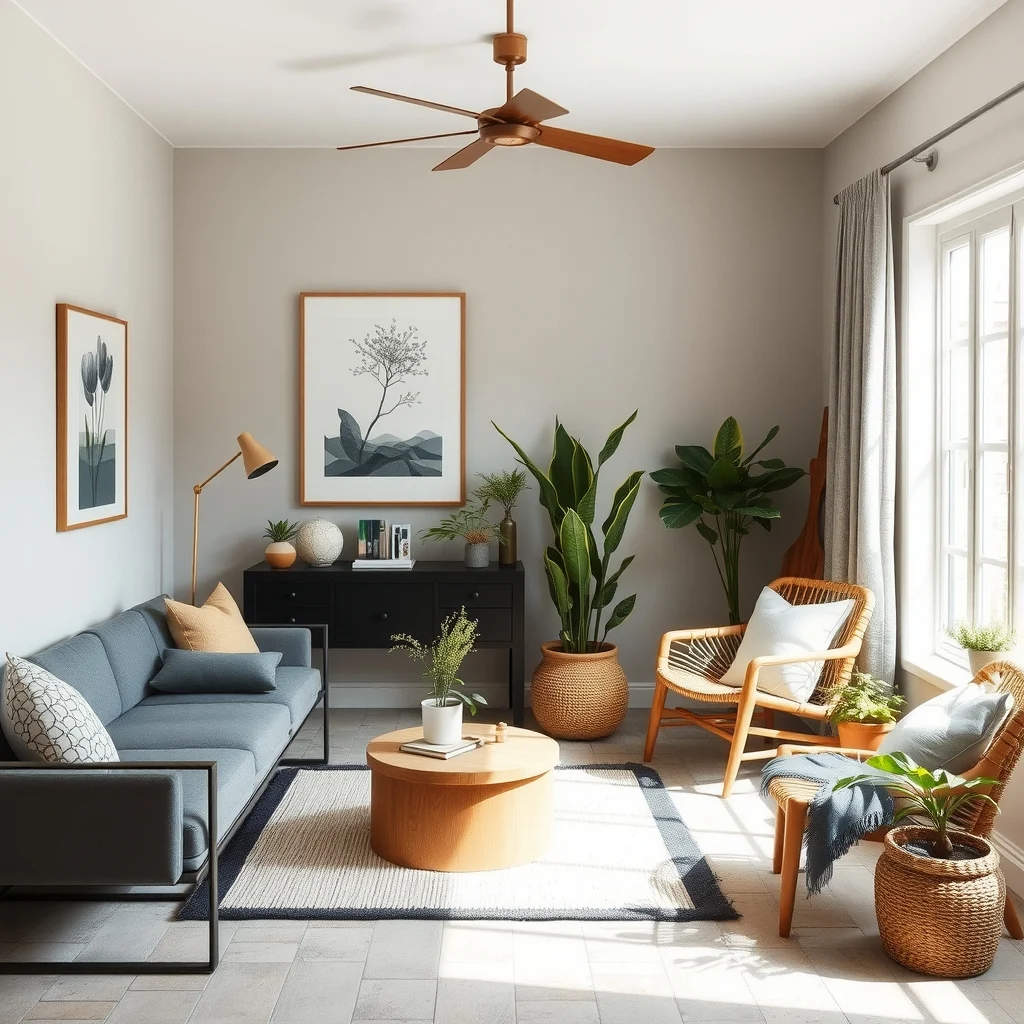
Walking paths and sitting areas are the connective tissue of any garden, and the materials you choose can influence both aesthetics and pollinator health. Opt for permeable pavers made from reclaimed brick or natural stone; they allow rainwater to seep through, keeping the soil moist for nearby plants. The irregular surface of reclaimed brick adds visual interest and echoes the organic feel of a meadow, while still providing a stable surface for garden furniture. When selecting outdoor seating, consider a bench crafted from sustainably sourced teak or reclaimed cedar; the warm tones of the wood harmonize with the surrounding flora and age gracefully over time. Adding a few cushions in muted earth tones creates a comfortable nook for people to observe pollinators without disturbing them. Keep pathways wide enough—at least three feet—to accommodate a garden cart or a stroller, ensuring the space remains functional for family use as well as for wildlife.
6. Light the Garden with Insect‑Safe Illumination
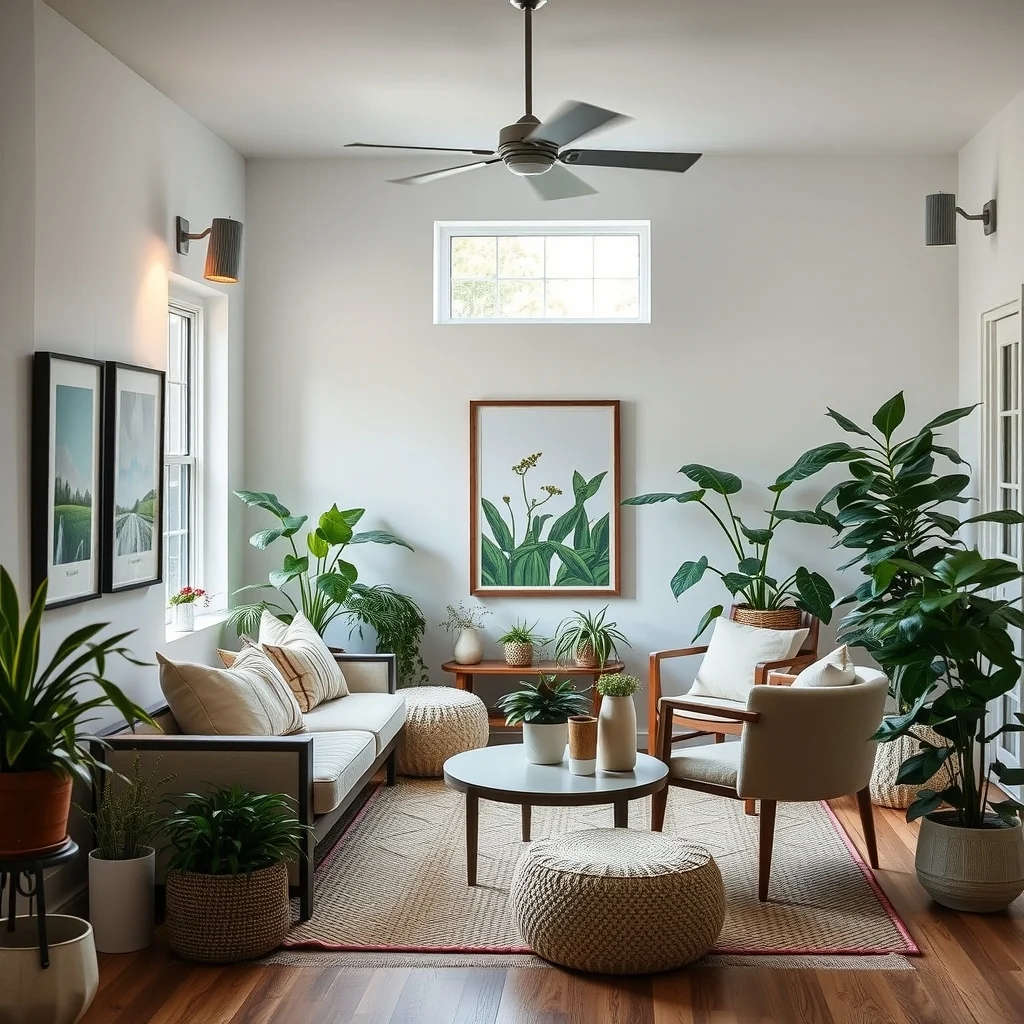
Evening gatherings often call for garden lighting, yet many conventional bulbs emit wavelengths that can disorient insects. Warm‑white LED fixtures with a color temperature around 2700 K provide a soft glow that highlights foliage without overwhelming pollinators. Position low‑profile lanterns along pathways to guide guests while preserving the natural nightscape for nocturnal insects. For a decorative touch, line the edge of a flower bed with solar‑powered stake lights that turn on at dusk; the subtle illumination accentuates the plant silhouettes and creates a welcoming ambience. Avoid floodlights that shine directly onto blooms, as intense brightness can deter bees from returning after dark. If you enjoy late‑night gardening, a dim, amber‑tinted lantern placed near a water feature offers enough light to see without disrupting the delicate balance of the garden’s ecosystem.
7. Blend the Garden with Indoor Living Spaces
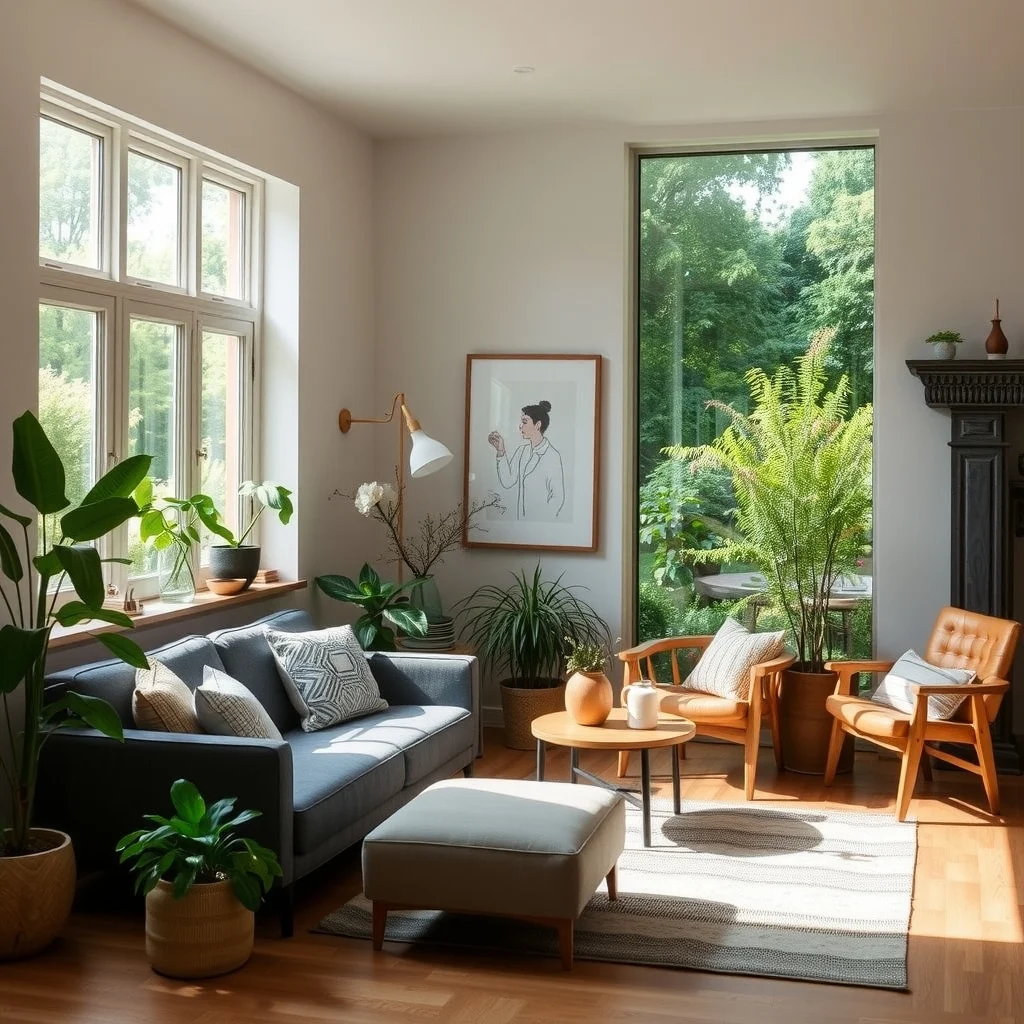
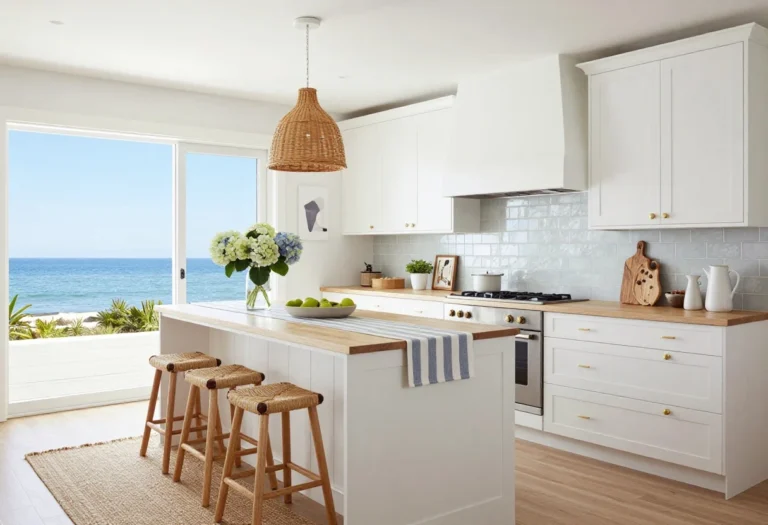
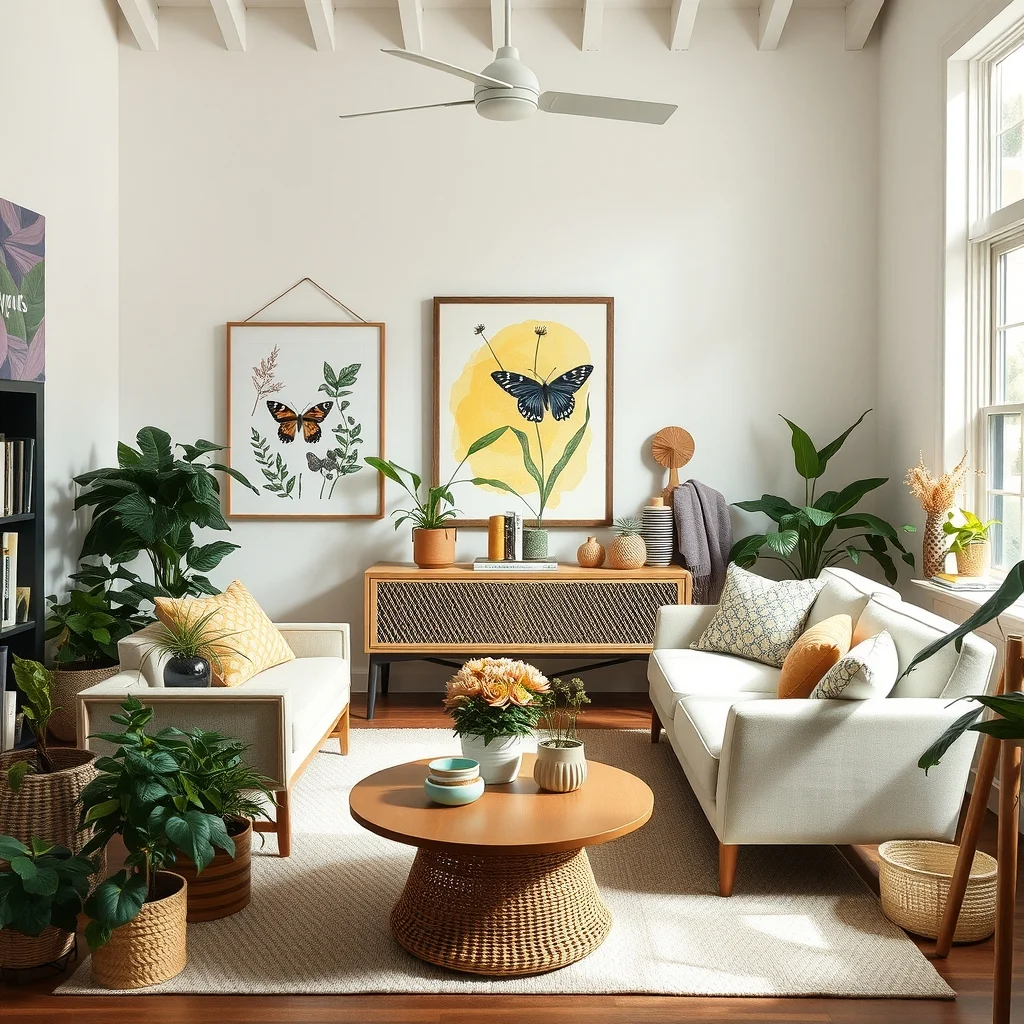
When a garden feels like an extension of the interior, the transition between indoor and outdoor becomes seamless, and pollinator activity can be enjoyed from the comfort of a living room window. Install large, double‑glazed sliding doors that open onto a patio bordered by the pollinator‑friendly planting scheme. Inside, place a low, wooden console table near the doorway and display a few potted herbs—basil, mint, or thyme—that echo the outdoor palette. The scent of these herbs drifts into the house, creating a subtle sensory link between the two realms. Choose window treatments in natural linen that allow filtered light to illuminate the garden, encouraging bees to venture inward during the day. For homes with limited yard space, a vertical garden on a sun‑lit wall can host flowering vines like sweet peas or clematis, providing both a decorative backdrop for a sitting area and a vertical feeding corridor for butterflies.
Frequently Asked Questions
What plants are best for attracting both bees and butterflies?
Plants that produce abundant, shallow nectar and have open flower structures work well for both groups. Species such as lavender, coneflower, butterfly bush, and salvias provide easy access and a range of colors that signal food sources.
How much water should I provide for pollinators?
A shallow dish or birdbath with a gentle slope is sufficient; the water should be no deeper than an inch or two. Refresh the water every few days to keep it clean and appealing.
Can I use any type of lighting without harming insects?
Warm‑white LEDs with low intensity are the safest choice. They illuminate the garden without emitting the ultraviolet wavelengths that attract or disorient many insects.
Do I need to treat the soil differently for a pollinator garden?
Using well‑draining, organic‑rich soil supports healthy root development and encourages the growth of nectar‑rich plants. Adding compost improves moisture retention, which benefits both plants and the insects that rely on them.
Is it okay to use pesticides in a pollinator garden?
Generally, pesticides should be avoided because they can harm bees and butterflies. If pest control is necessary, opt for targeted, organic methods such as neem oil or insecticidal soap applied early in the morning when pollinators are less active.
Final Thoughts
Designing a garden that welcomes bees and butterflies does not require a complete overhaul of your outdoor space; it simply calls for a series of intentional choices that align plant selection, structure, and ambiance with the needs of these essential insects. By weaving together color, height, water, shelter, sustainable materials, gentle lighting, and a fluid connection to indoor living, you create a garden that feels both purposeful and beautiful. The result is a living backdrop that enriches your home, supports local ecosystems, and offers countless moments of quiet observation as pollinators go about their daily work.