Spring Garden Planning Ideas to Prepare Your Backyard for 2027

When the last frost melts away, the backyard often feels like a blank canvas waiting for a fresh direction. Rather than waiting for inspiration to strike, a thoughtful plan can turn that open space into a garden that feels lived‑in, welcoming, and ready for the longer days ahead. Below are seven ideas that balance beauty, practicality, and a touch of seasonal surprise, giving you a roadmap for a backyard that feels purposeful throughout 2027.
1. Layered Planting for Year‑Round Interest
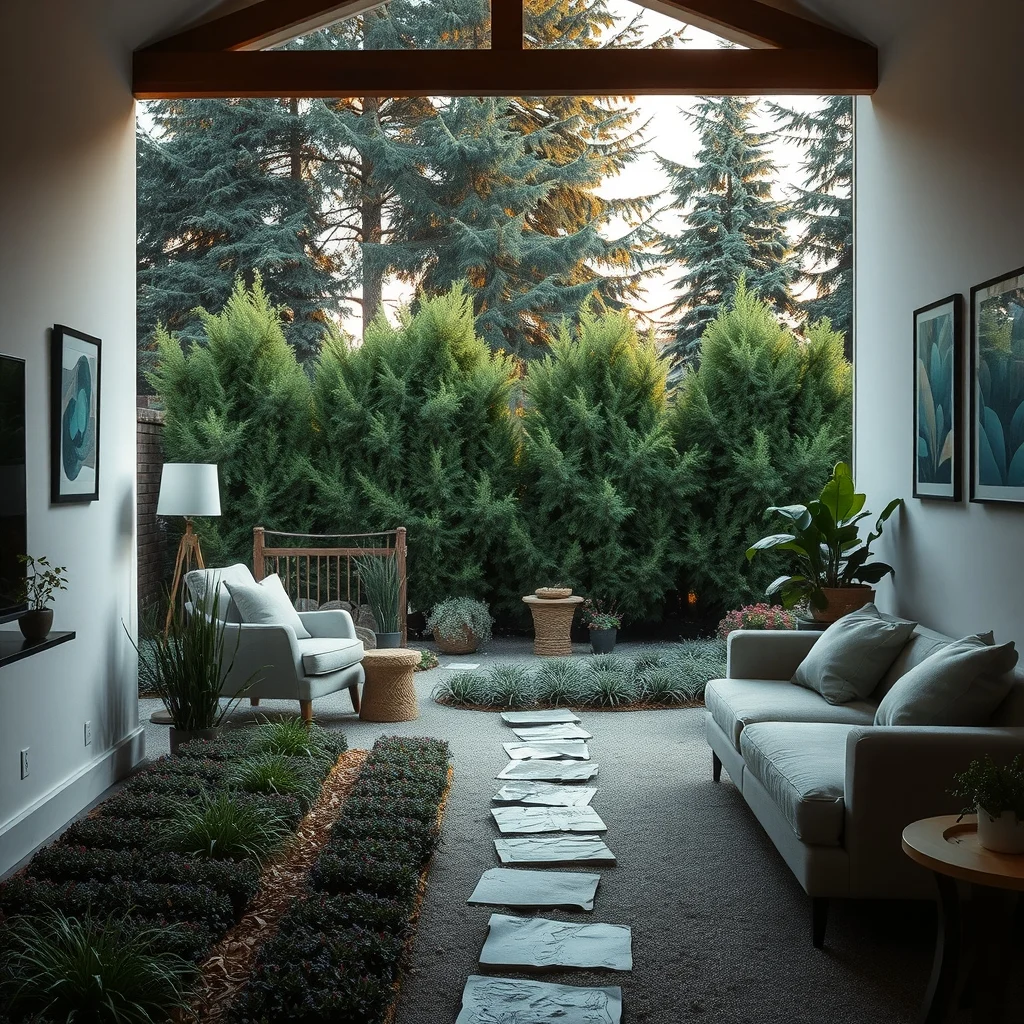
One of the most reliable ways to keep a garden looking alive from early spring through late fall is to arrange plants in layers that bloom at different times. Start with a backdrop of evergreen shrubs such as dwarf boxwood or Japanese cedar; these provide structure and a green screen for the rest of the planting. In front of the evergreens, place mid‑height perennials like coneflower, lavender, or Russian sage, which begin to flower as temperatures rise. Finally, sprinkle a few annuals—petunias, marigolds, or impatiens—throughout the beds to fill any gaps that appear later in the season.
This approach works because each layer performs a specific function: the evergreen backdrop hides unsightly garden walls, the perennials reduce the need for frequent replanting, and the annuals add a burst of color when you need it most. When you select plants, consider soil drainage and sun exposure; a south‑facing corner will tolerate heat‑loving herbs, while a shaded nook may be better suited to ferns or hostas. A trade‑off to keep in mind is that annuals demand more maintenance, so if you prefer a low‑effort garden, limit them to a few strategic spots.
2. A Kitchen‑Close Herb Garden
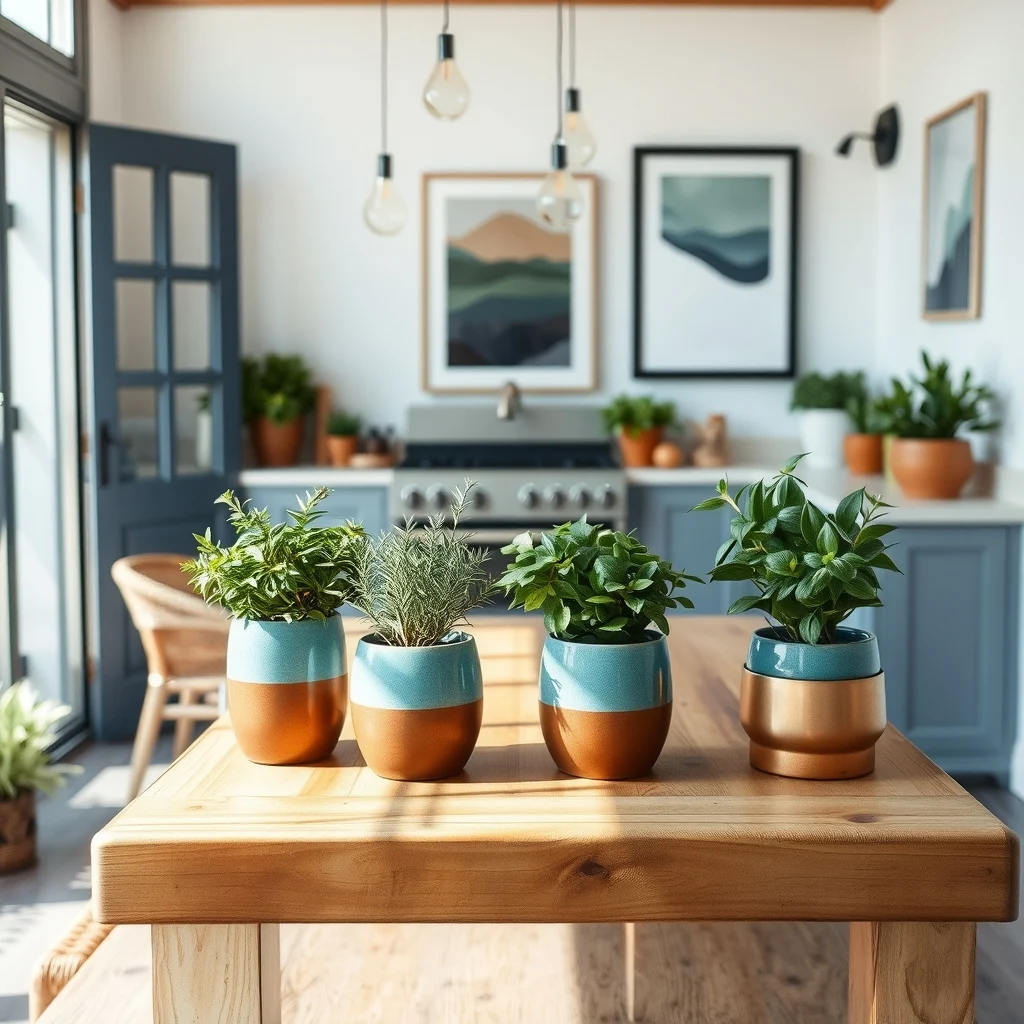
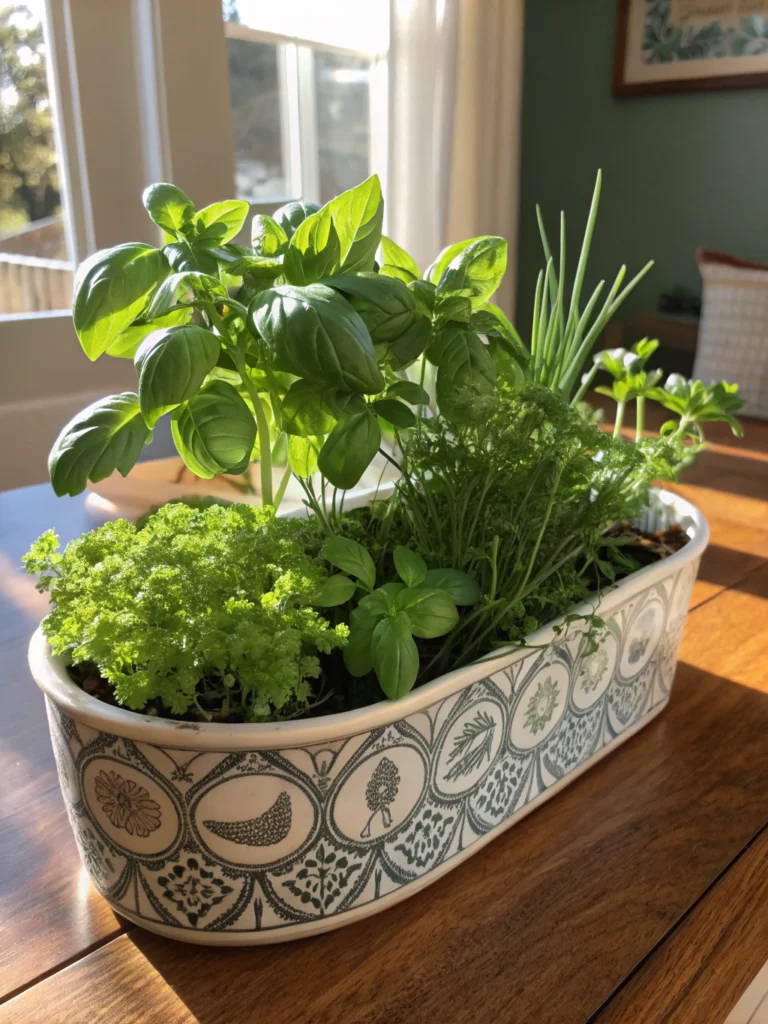
Placing a small herb garden within arm’s reach of the outdoor kitchen or patio table encourages spontaneous cooking and reduces waste. Choose a mix of hardy herbs—rosemary, thyme, and sage—that can survive a light frost, and softer varieties like basil and cilantro that will need protection once nights turn chilly. Raised beds built from cedar or reclaimed pallet wood keep the soil loose and make watering easier, while individual ceramic pots allow you to move plants around as the sun shifts throughout the season.
The advantage of a herb garden is twofold: fresh flavors appear at the tip of your fingers, and the aromatic foliage adds a subtle scent that blends with the surrounding blooms. If space is limited, a vertical pocket planter mounted on a fence can double the planting area without sacrificing floor space. Keep in mind that herbs thrive in well‑drained soil; over‑watering can lead to root rot, so a drip irrigation line with a timer helps maintain consistent moisture without constant attention.
3. Flexible Lighting That Grows With the Season
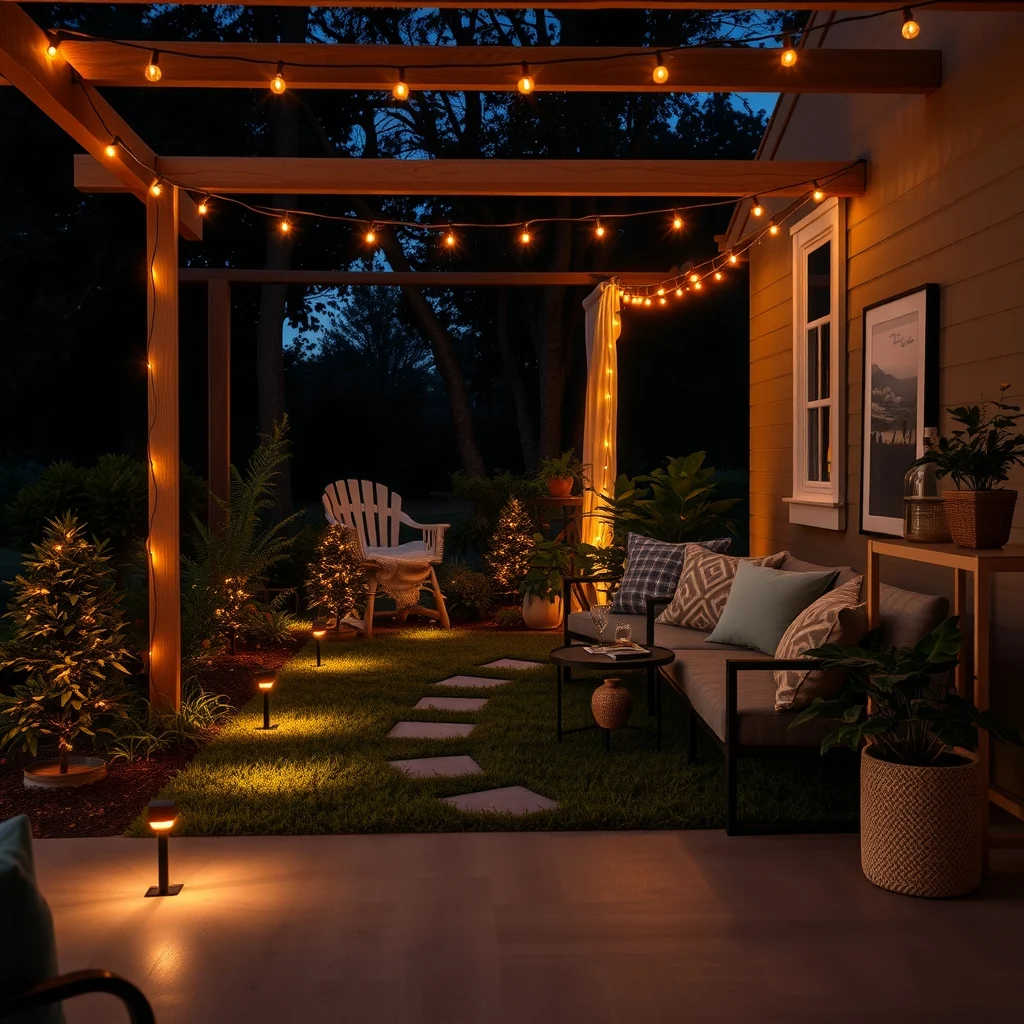
Evening gatherings become more inviting when the backyard is gently illuminated. A combination of solar‑powered path lights and low‑voltage string lights offers flexibility without a major electrical overhaul. Place solar stakes along walkways to guide guests safely, and drape weather‑resistant LED strings across pergolas or over a dining table to create a relaxed glow. Because solar units store energy during the day, they continue to shine after sunset without adding to your electric bill.
This lighting scheme works well in climates that receive ample sunshine, but in cloudier regions the battery may deplete faster. In those cases, consider a small plug‑in transformer that can supplement the solar output on overcast days. When installing string lights, keep the cords away from high‑traffic areas to avoid tripping hazards, and use zip ties that can be removed easily if you need to rearrange the layout later. The main compromise is the upfront cost of quality fixtures; however, the long‑term savings and the ability to adjust the arrangement each season often justify the investment.
4. Modular Seating and Textiles for Defined Zones
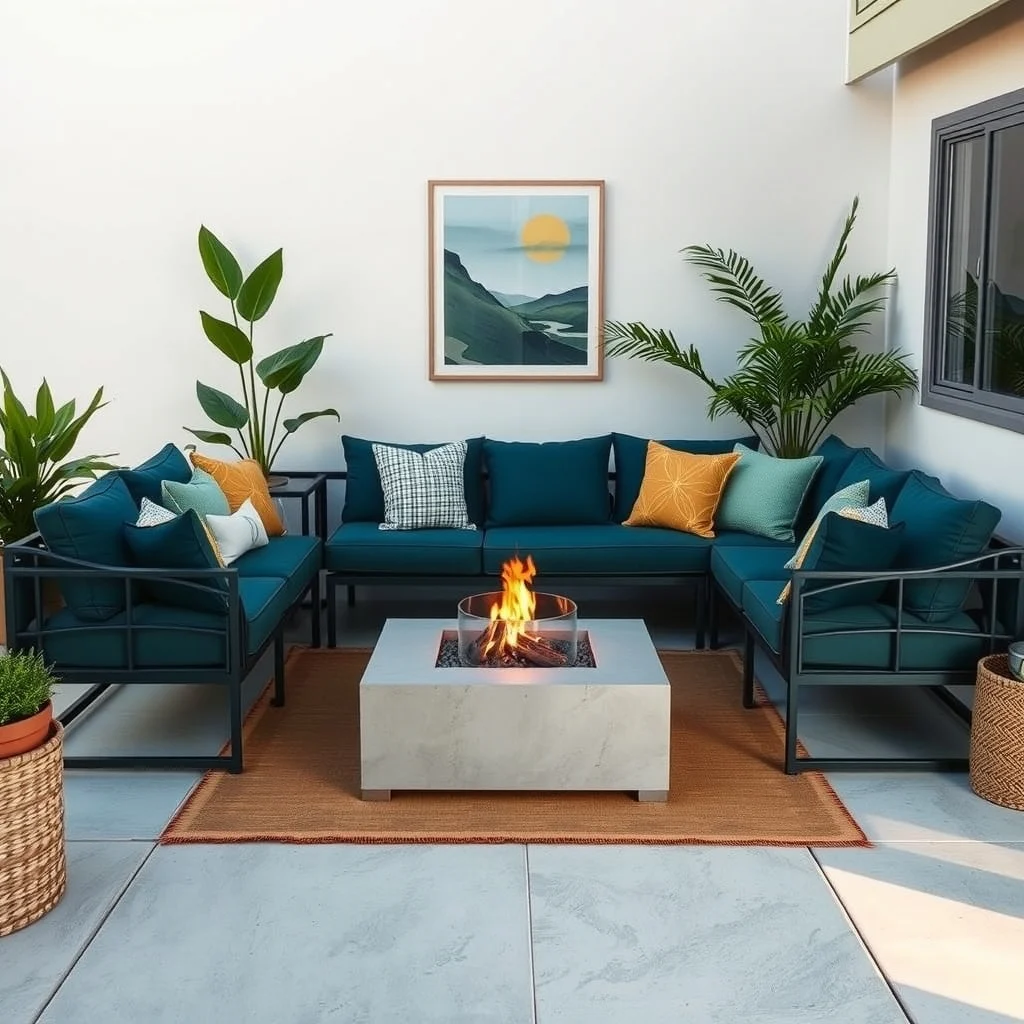
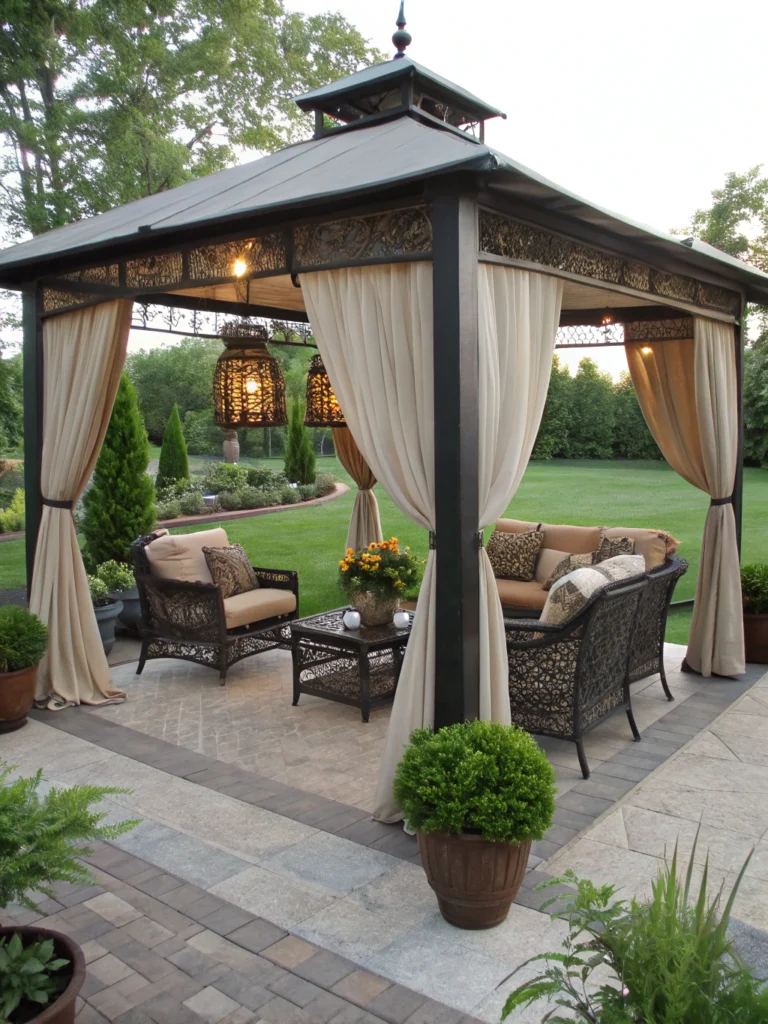
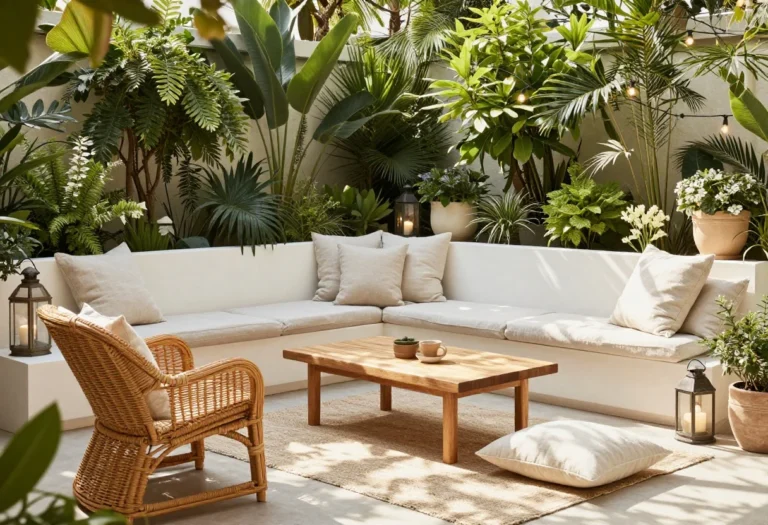
Dividing the backyard into functional zones—such as a dining area, a lounge corner, and a play space—helps the space feel organized without permanent walls. Modular outdoor sofas with powder‑coated aluminum frames resist rust and can be reconfigured as your needs change. Pair the seating with a weather‑proof rug in a muted earth tone; the rug anchors the furniture and adds a tactile layer that feels pleasant under bare feet.
The benefit of modular pieces is their adaptability; if you host a larger gathering, you can add extra chairs, and when the season shifts you can store the excess indoors. Choose cushions made from solution‑dye polyester, which resists fading from UV exposure. A downside to modular furniture is that the joints can loosen over time, so occasional tightening is necessary to maintain stability. Selecting pieces with removable covers also simplifies cleaning after a summer rain.
5. Subtle Water Features for Sound and Movement
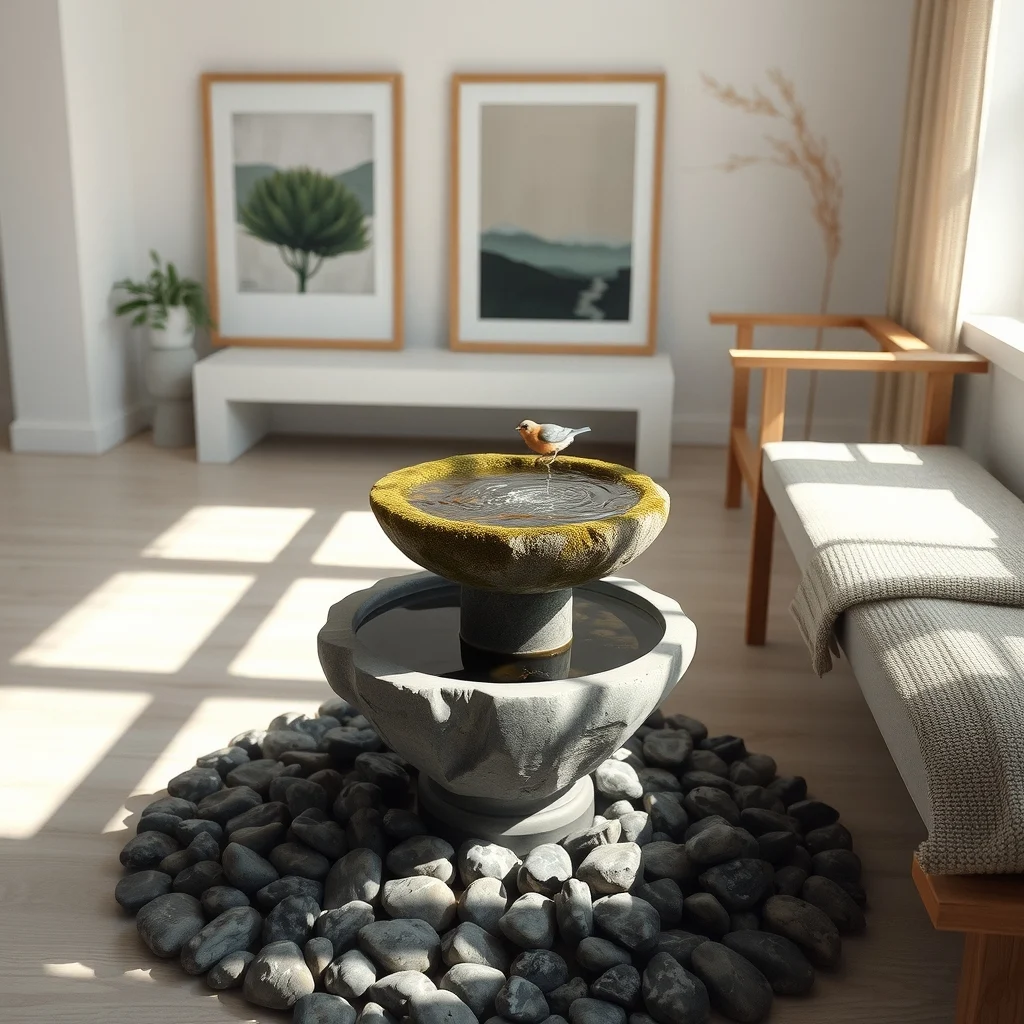
A small recirculating fountain or a classic stone birdbath introduces a gentle soundscape that masks neighborhood noise and invites birds to linger. Position the water element near a seating area so the murmur of flowing water becomes part of the conversation backdrop. Materials such as glazed ceramic or corten steel age gracefully, developing a patina that blends with natural surroundings.
Beyond ambiance, a water feature can become a focal point that draws the eye toward a garden border or a collection of flowering plants. Maintenance involves regularly cleaning the pump and topping up the reservoir to prevent algae buildup; using a UV‑resistant liner can reduce the frequency of cleaning. If water usage is a concern, a solar‑powered pump recirculates water without increasing your utility costs, though it may produce a softer flow on cloudy days.
6. Vertical Growth to Maximize Limited Space
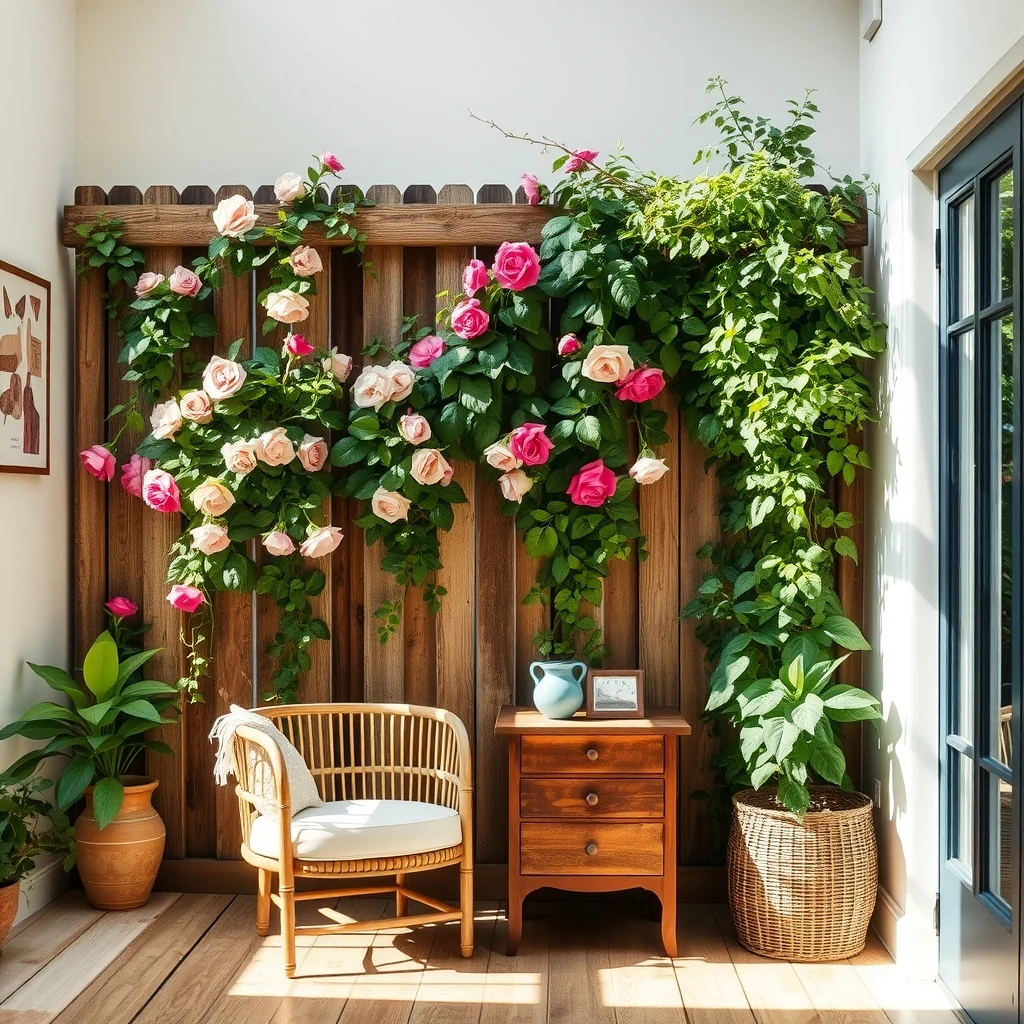
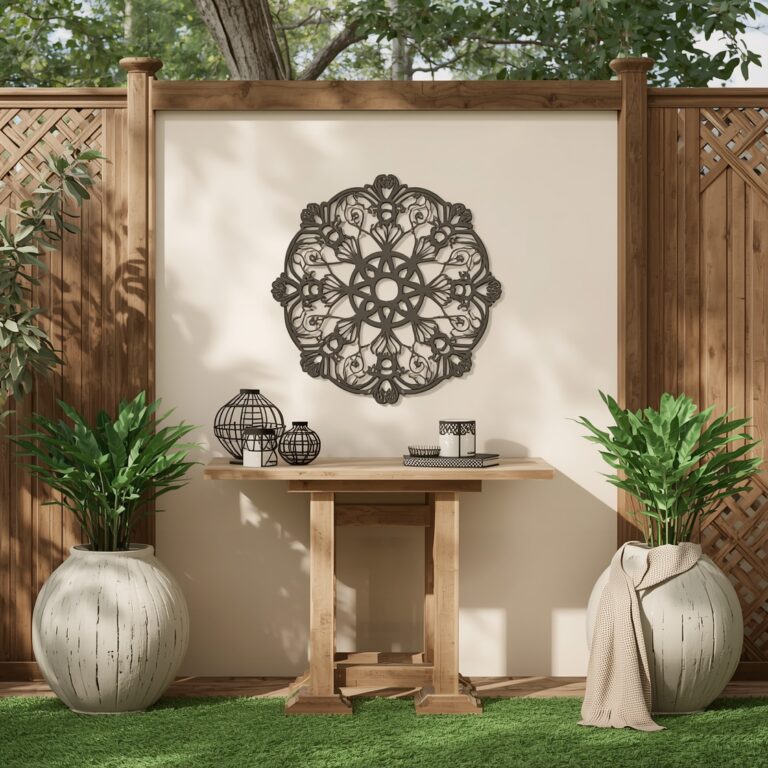
When floor area is at a premium, turning walls into planting surfaces adds greenery without sacrificing square footage. A simple wooden trellis against a fence can support climbing roses, clematis, or even edibles like pole beans. For a more dramatic effect, install a modular living‑wall system with pocket panels that hold a mix of succulents and low‑maintenance foliage.
The vertical approach creates visual interest at eye level and can provide shade for lower‑lying plants. It also encourages pollinators to move upward, enhancing biodiversity throughout the garden. However, attaching heavy planters to a wall requires secure anchoring; using stainless‑steel brackets ensures the structure can bear the load, especially after rain when soil becomes heavier. If the wall receives full sun, select drought‑tolerant vines to avoid excessive watering needs.
7. Discreet Storage Solutions for Seasonal Transitions
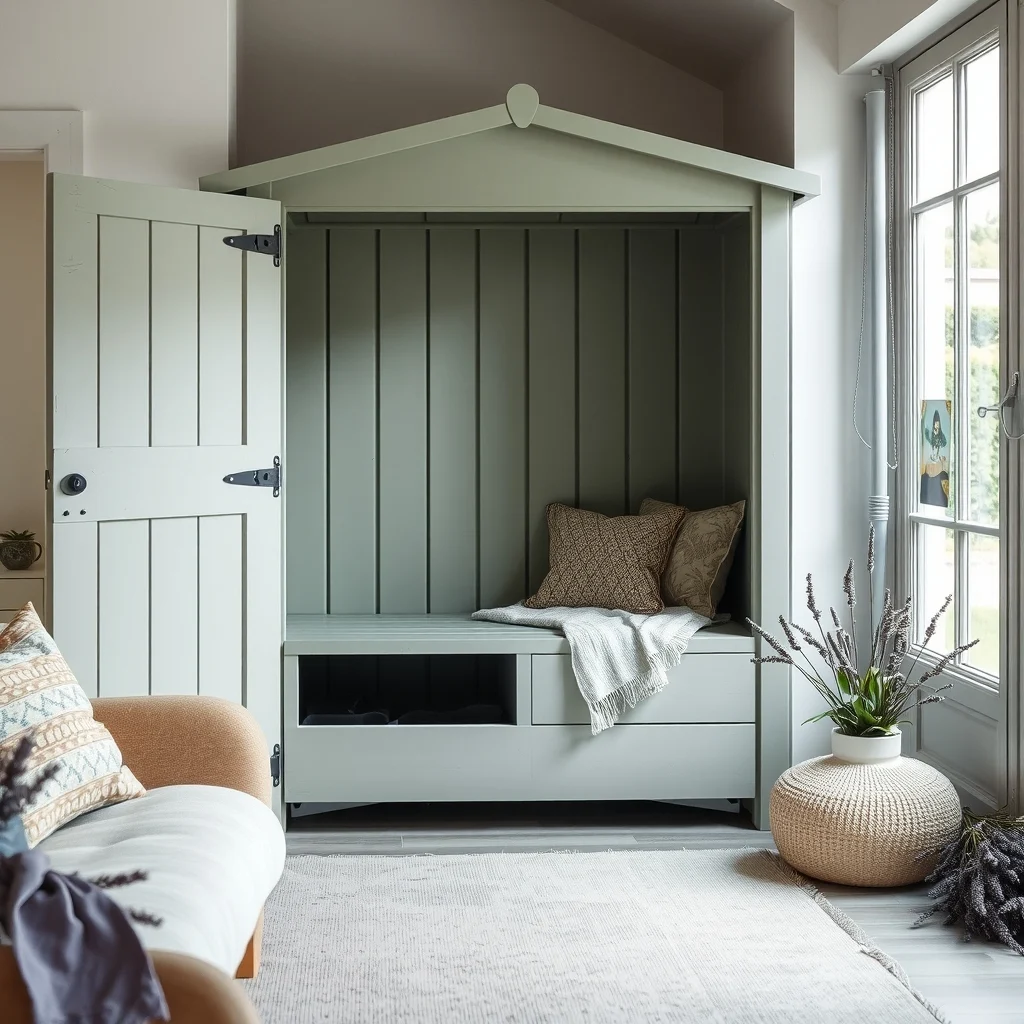
Keeping garden tools, cushions, and seasonal décor out of sight preserves a clean aesthetic. A compact shed painted in a muted sage or slate gray can blend with surrounding plantings, while a bench with a hinged lid offers hidden storage for smaller items like gardening gloves or outdoor games. Incorporating built‑in shelves inside the shed allows you to organize pots by size, making the spring planting process smoother.
When choosing a storage unit, prioritize weather‑resistant materials such as pressure‑treated lumber or metal with a powder‑coat finish. A lockable door adds security for valuable tools. The compromise with a larger shed is the footprint it occupies; if space is scarce, opt for a narrow storage bench that doubles as seating. Adding a few decorative planters on the shed roof can turn the structure into an additional planting zone, softening its visual impact.
FAQ
When should I start preparing my garden for spring 2027?
Begin planning and ordering seeds or plants in late winter, around February, so you can sow hardy varieties as soon as the soil is workable. Early preparation lets you take advantage of the first warm days and reduces the rush that often accompanies last‑minute planting.
What are the best drought‑tolerant plants for a low‑maintenance backyard?
Consider grasses like blue fescue, shrubs such as sagebrush, and perennials like yarrow or blanket flower. These species store water efficiently and thrive with minimal irrigation, making them ideal for gardeners who prefer a hands‑off approach.
Can I install outdoor lighting myself, or do I need a professional?
Simple solar‑powered fixtures and low‑voltage LED strings can be installed by most homeowners with basic tools. For any wiring that connects to your home’s electrical system, it’s safest to hire a licensed electrician to ensure compliance with local codes.
How do I keep my garden looking tidy between planting seasons?
Regularly deadhead spent blooms, trim back overgrown foliage, and mulch beds to suppress weeds. Adding a few evergreen accent plants provides structure during the dormant months, reducing the visual gap when annuals are not in season.
Final Thoughts
Designing a backyard that feels fresh each spring is less about grand gestures and more about thoughtful layers, adaptable fixtures, and a little foresight. By blending perennial structure with seasonal bursts, introducing functional zones, and planning for storage and lighting, you create a space that welcomes both quiet mornings and lively evenings. As you move through the planning stages, keep the balance between visual appeal and practical upkeep in mind, and let the garden evolve with each passing year. With these ideas in place, your backyard will be ready to greet 2027 with confidence and charm.