Small Backyard Landscaping Ideas That Make a Tiny Garden Feel Bigger

When a backyard is barely larger than a patio, every square foot feels precious. The challenge is not just fitting plants and furniture, but creating a sense of openness that invites you to linger. Below are seven approaches that stretch visual space, improve flow, and keep maintenance realistic. Each idea can be mixed with the others, so you can tailor the garden to the way you live and the light that reaches it.
1. Grow Up with Vertical Plantings and Trellises
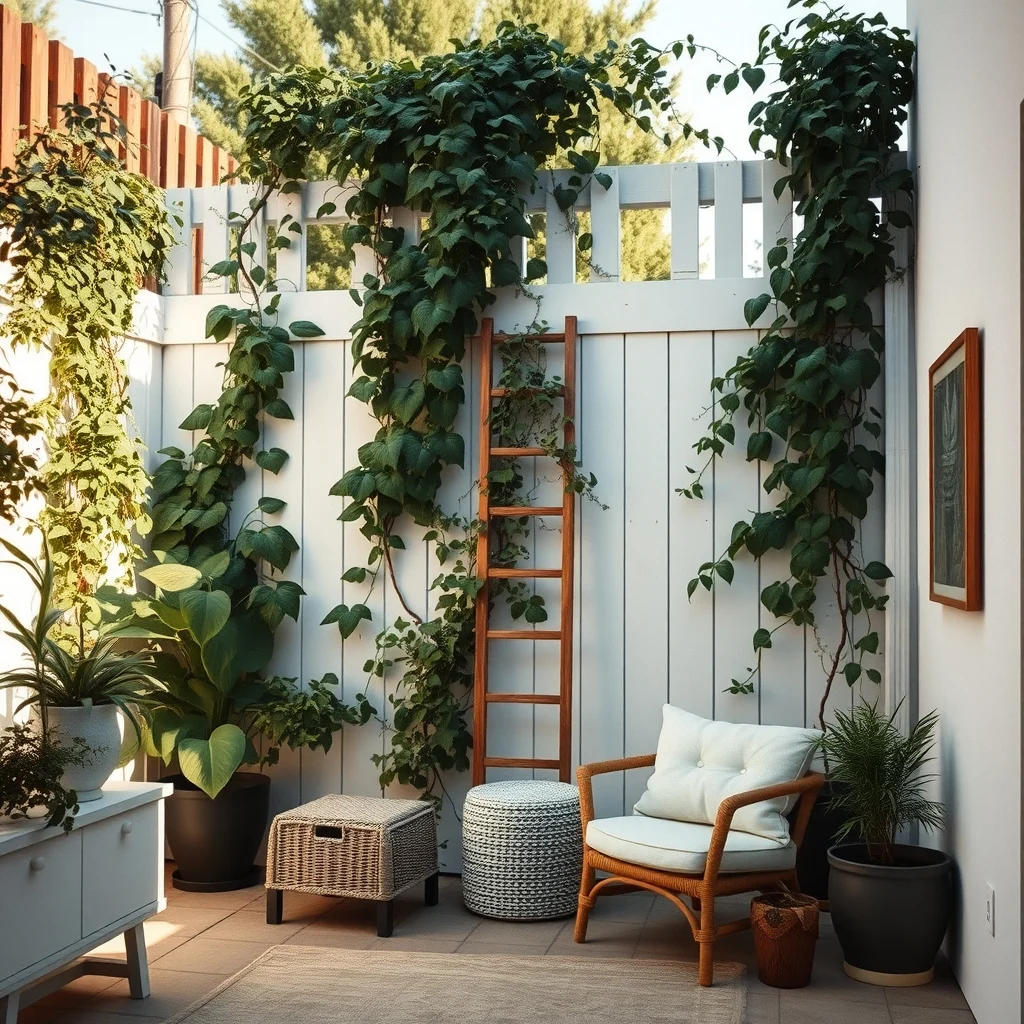
Adding height is one of the quickest ways to make a small yard feel larger. A wooden or metal trellis placed against a fence allows climbing vines such as clematis, jasmine, or even compact morning glories to rise several feet. The vertical greenery draws the eye upward, reducing the perception of limited ground area. Choose a trellis that matches the existing architecture—raw cedar for a rustic feel or powder‑coated steel for a modern edge. Planting in containers at the base of the structure keeps soil management simple, and you can swap out annuals for perennials as the seasons change. The main trade‑off is that vines need regular pruning to stay tidy; without maintenance the vertical element can become overgrown and obscure rather than enhance the space.
2. Lighten the Ground with Pale Paving and Reflective Surfaces
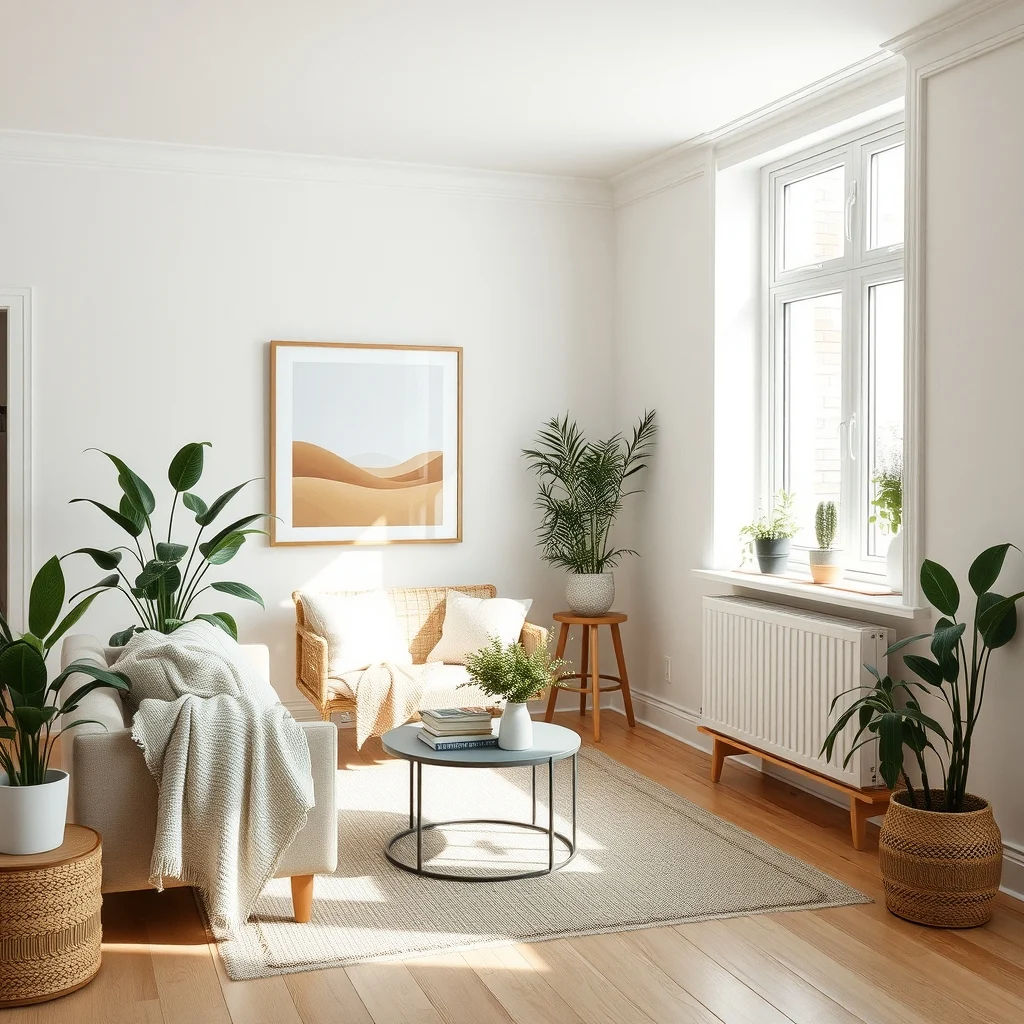
Flooring sets the visual foundation of any garden, and light‑colored stone, concrete, or porcelain tiles reflect more sunlight than dark slate or brick. A pale limestone paver, for instance, creates a bright carpet that visually expands the perimeter. Pairing the paving with a low‑profile, water‑resistant outdoor rug in a soft neutral adds texture without darkening the area. If you have a wall that receives direct sun, a small decorative metal panel with a brushed finish can bounce light back into the garden, amplifying the sense of openness. The downside is that lighter stones may show stains more readily, so a quick rinse after rain or a protective sealant can keep the surface looking fresh.
3. Choose Multi‑Functional Furniture with Hidden Storage
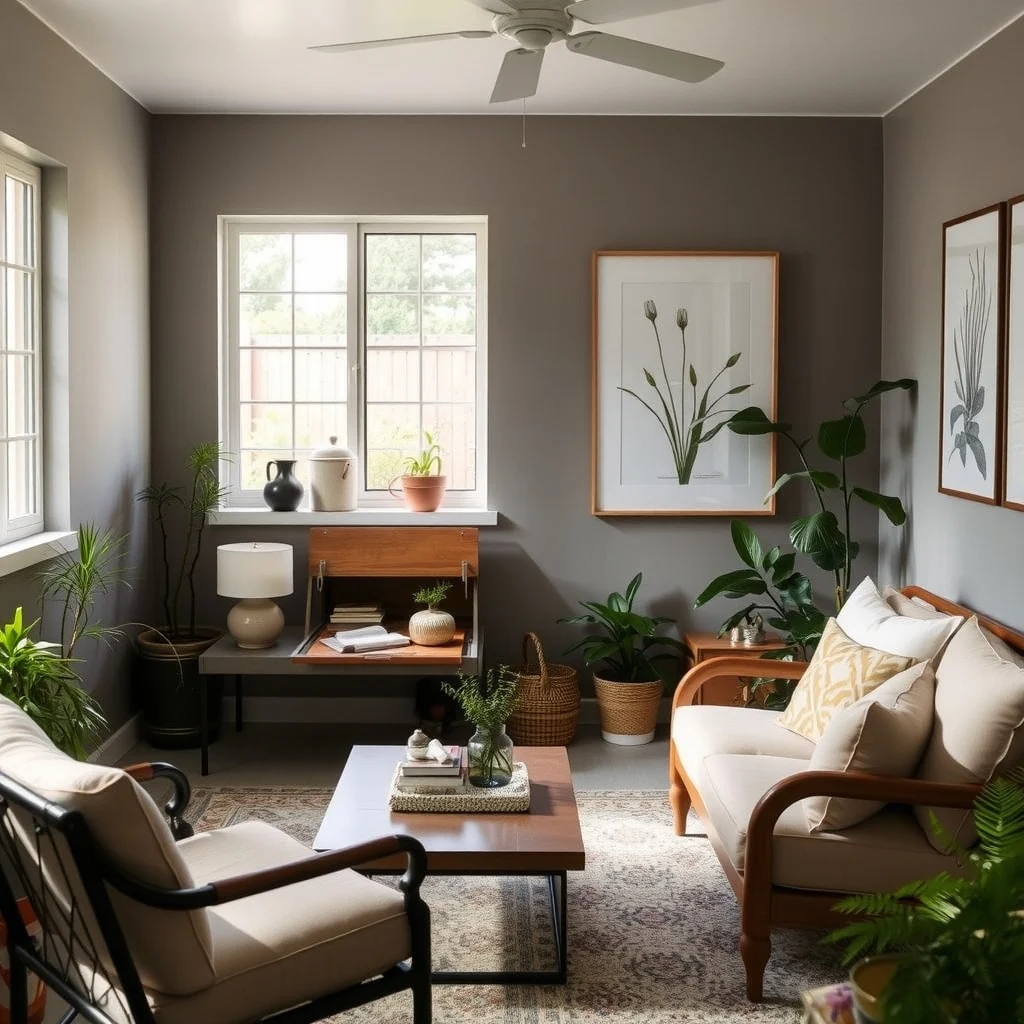
Every piece of outdoor furniture competes for limited space, so selecting items that serve more than one purpose reduces clutter. A bench with a hinged lid provides seating while offering a concealed compartment for garden tools, cushions, or seasonal décor. Opt for a weather‑treated teak or powder‑coated aluminum frame to endure the elements, and add a thin cushion in a muted hue that complements the paving. When the bench isn’t in use, the lid stays closed, keeping the yard looking orderly. Keep in mind that storage benches are heavier than simple chairs, so placement should consider ease of movement if you like to rearrange the layout.
4. Layer Lighting to Extend the Perceived Area
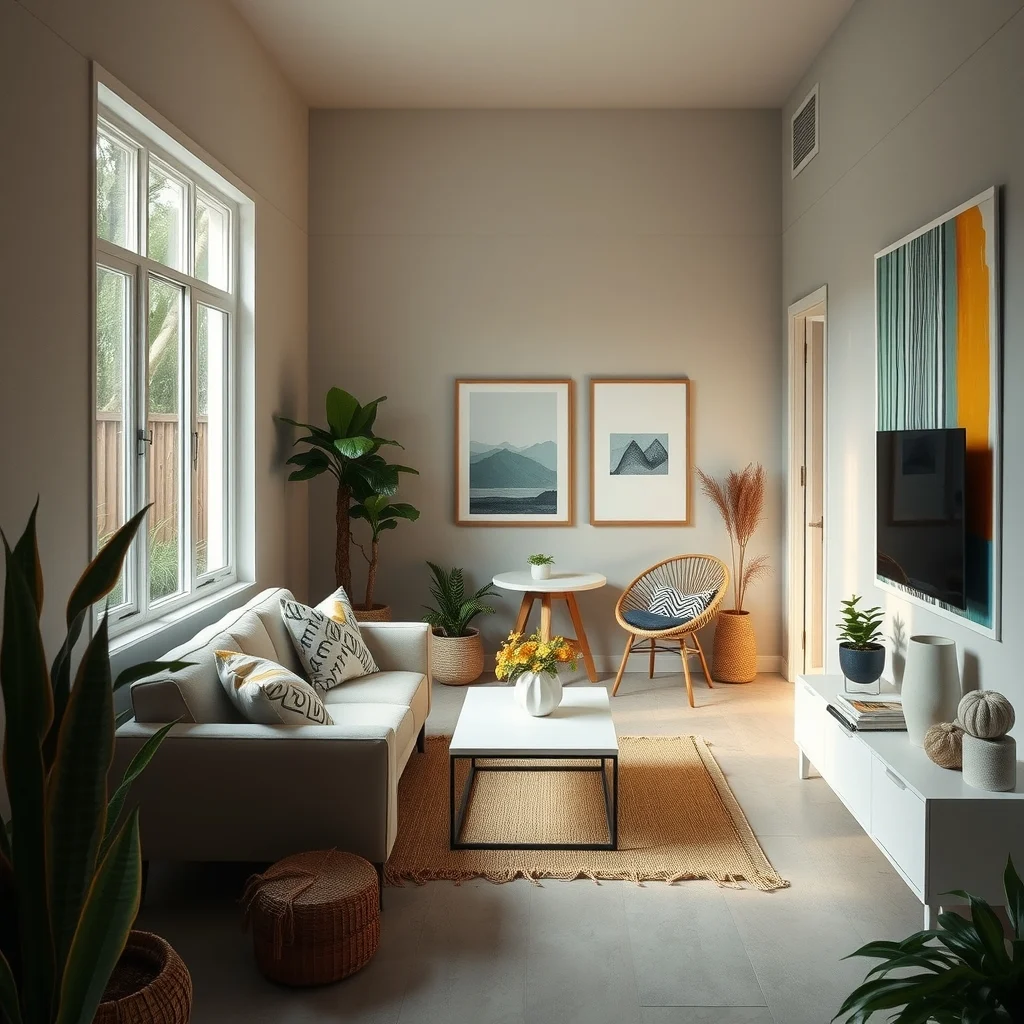
Evening illumination can double the functional size of a backyard. Rather than relying on a single overhead fixture, introduce a combination of soft uplights, pathway lanterns, and low‑profile strip lighting under a railing. Uplights placed at the base of a tree or trellis send light upward, highlighting foliage and creating depth. Solar‑powered lanterns along a winding path define the route without adding wiring complexity. A thin LED strip tucked behind a low wall or under a bench adds a subtle glow that outlines the perimeter. The main consideration is battery life for solar options; positioning them where they receive at least six hours of direct sun each day ensures consistent performance.
5. Add a Mirror or Reflective Wall Art for Visual Expansion
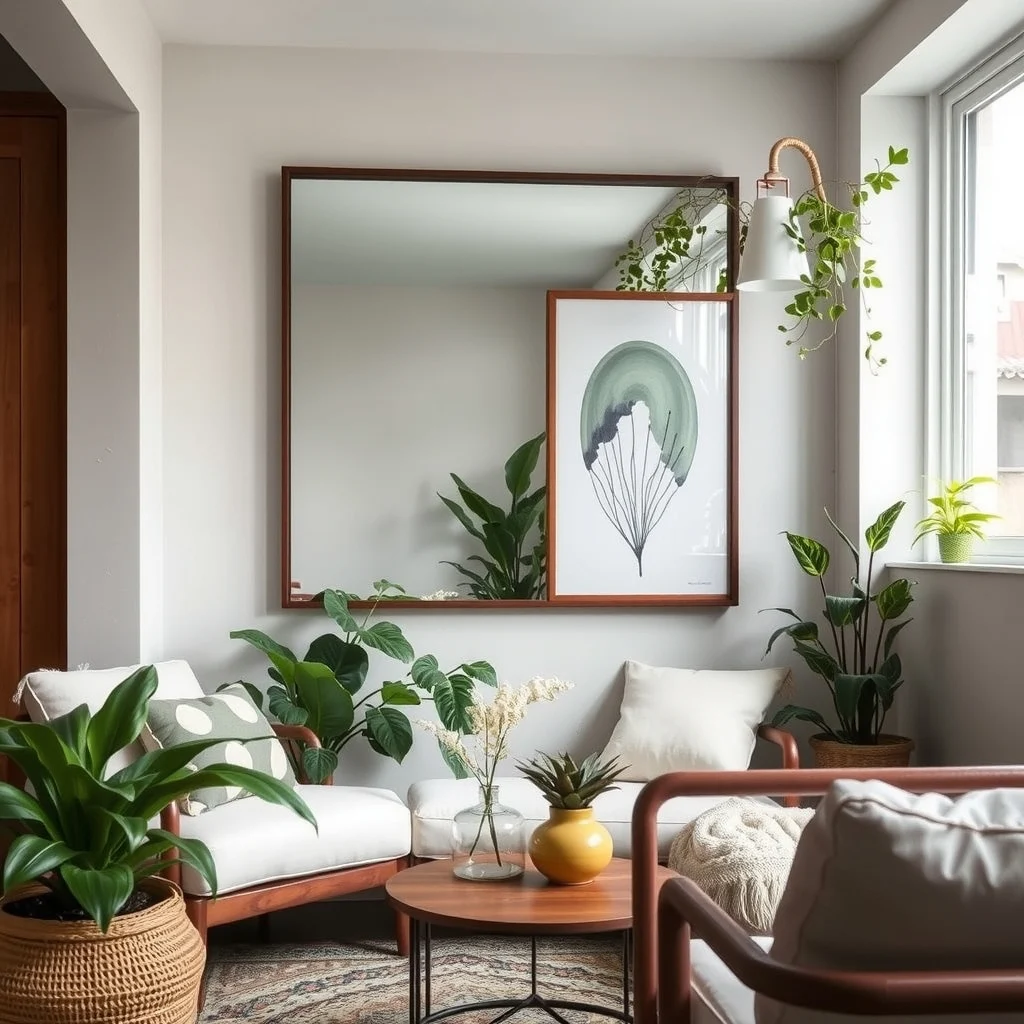
Mirrored surfaces are a classic trick for enlarging tight spaces, and a weather‑proof garden mirror can serve as a focal point while reflecting surrounding greenery. Mount a rectangular, rust‑treated steel frame with a tempered glass mirror on a side wall that receives afternoon sun; the reflected light brightens the area and creates the illusion of additional planting. If a mirror feels too formal, consider a metal sculpture with polished facets that bounce light in multiple directions. These pieces require secure anchoring to withstand wind, and the reflective surface may need occasional cleaning to prevent water spots.
6. Design Curved Pathways Instead of Straight Lines
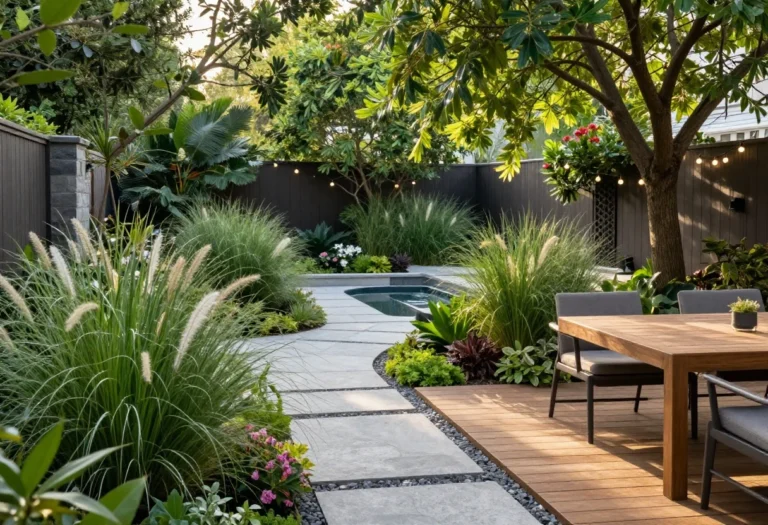
Straight, rigid paths can make a small yard feel boxed in, while gentle curves guide the eye and suggest a larger expanse. Lay a narrow strip of permeable paver in a soft S‑shape that weaves between planting beds and seating zones. The curve encourages a leisurely stroll and breaks up the visual monotony of a rectangular plot. Choose a paver size that fits the width of the pathway—no wider than 24 inches—to keep the walk intimate without overwhelming the space. Curved layouts can be slightly more complex to install, requiring careful measurement to maintain even spacing, but the visual payoff is worth the extra effort.
7. Place a Small Water Feature at the Edge to Draw the Eye Outward
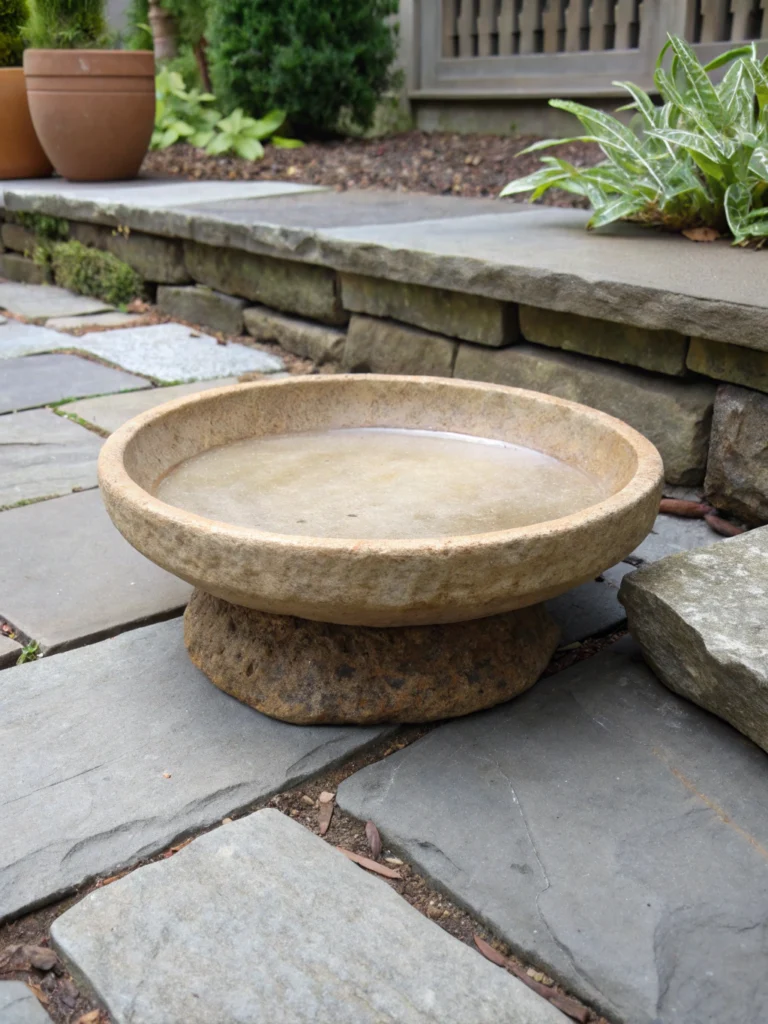
A modest fountain or bubbling stone set near the fence creates a point of interest that pulls attention beyond the immediate garden. The sound of moving water adds a sensory layer, making the space feel more expansive through auditory depth. Select a concrete basin with a simple rectangular shape that aligns with the existing geometry of the yard, and fill it with native aquatic plants for low maintenance. A solar‑powered pump eliminates the need for wiring, though it works best in sunny locations. The trade‑off is that water features require periodic cleaning to prevent algae, and they occupy a small footprint that could otherwise host a plant.
FAQ
How can I make a tiny backyard feel larger without spending a lot of money?
Focus on inexpensive visual tricks such as light‑colored paving, reflective wall art, and strategic lighting. Reusing existing furniture with added storage or planting in vertical containers also stretches the space without a major investment.
What plants work best for vertical trellises in a small garden?
Climbing varieties like clematis, sweet peas, and dwarf jasmine thrive on trellises and stay manageable with regular pruning. Choose species that match the amount of sun your yard receives to keep care simple.
Is it safe to use solar lights in areas that get a lot of rain?
Solar lights designed for outdoor use are sealed against moisture, but placing them under a shelter or in a location that receives some shade can extend battery life and protect the fixture from heavy downpours.
Can a mirror really make a garden look bigger, or is it just a novelty?
A garden mirror reflects surrounding plants and sky, effectively adding visual depth. When positioned on a sunny wall, it also increases ambient light, which contributes to a sense of spaciousness.
Do curved pathways require professional installation?
Curved paths can be laid by a confident DIYer using flexible edging and a sand base. Accurate measurement and a steady hand are essential, but the materials are readily available at most home improvement stores.
Final Thoughts
Creating the illusion of a larger backyard is less about adding more elements and more about arranging what you have in a way that guides the eye and maximizes light. By thinking vertically, choosing reflective finishes, and integrating multi‑purpose pieces, you can transform a modest plot into a welcoming outdoor room. Each suggestion offers a balance of aesthetics and practicality, so you can select the ideas that fit your budget, climate, and personal style. With a few thoughtful adjustments, your tiny garden can feel like an open, inviting retreat.