Raised Garden Bed Ideas for Beginners Planning a Spring Vegetable Garden

Starting a vegetable garden in the spring can feel overwhelming when the yard is uneven, the soil is heavy, or the space is limited. A raised garden bed offers a tidy, manageable solution that blends well with a home’s exterior design while giving you control over soil quality and plant spacing. Below are seven ideas that balance aesthetics, practicality, and the modest budgets most beginners work with. Each concept shows how a simple structure can become a focal point of the patio, side yard, or balcony, and offers guidance on materials, layout, and upkeep.
1. Simple Wooden Box with a Clean Finish
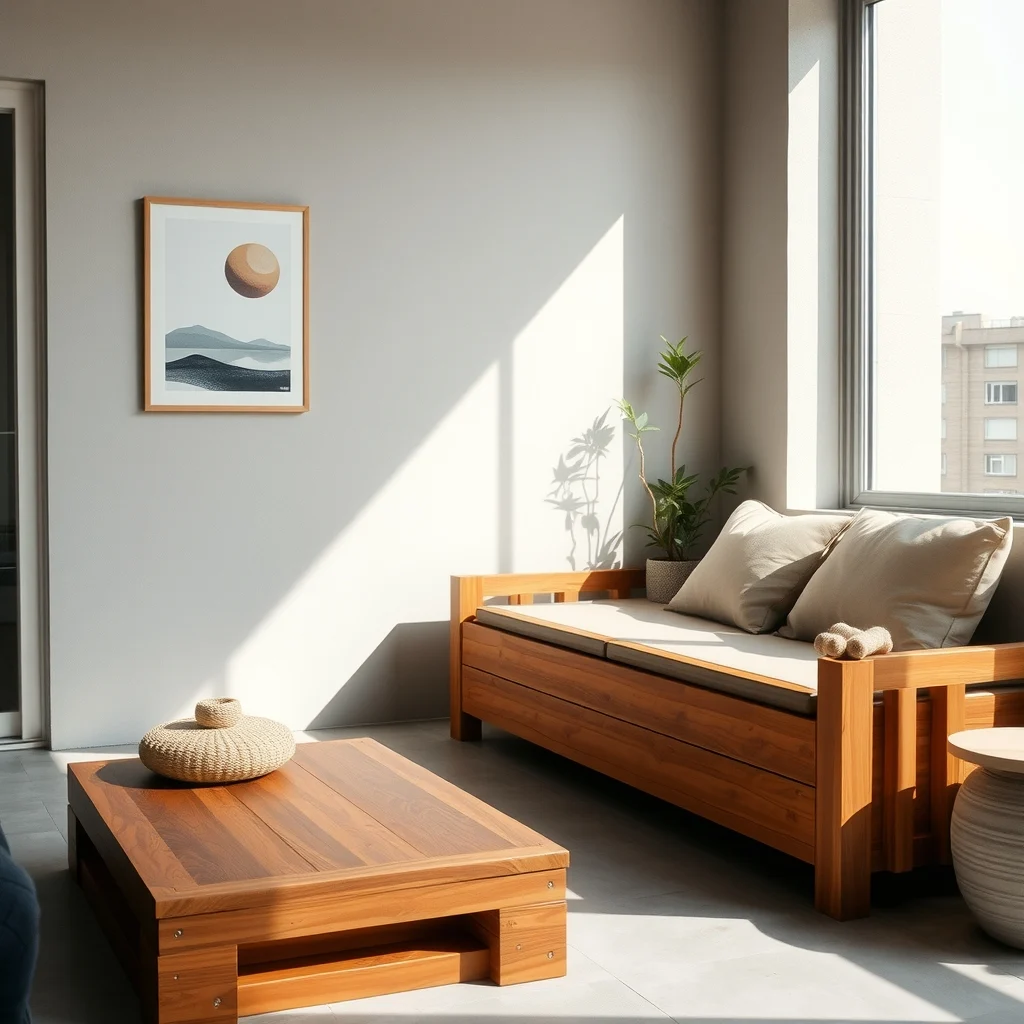
A classic wooden box, built from untreated cedar or redwood, provides a warm, natural backdrop for seedlings. The straight‑lined edges and smooth plank surfaces echo the clean lines of modern outdoor furniture, allowing the garden to feel like an extension of the living space. Because the wood is naturally rot‑resistant, the box can last several seasons with a light coat of linseed oil applied each fall. When planning the dimensions, a depth of twelve to eighteen inches accommodates most root vegetables while keeping the top within easy reach for weeding. Adding a subtle stain in a soft greige or muted sage ties the bed to nearby decking or siding, creating visual continuity. Remember to line the interior with a breathable landscape fabric; it prevents soil from escaping while still allowing water to drain.
2. Recycled Pallet Bed with Rustic Charm
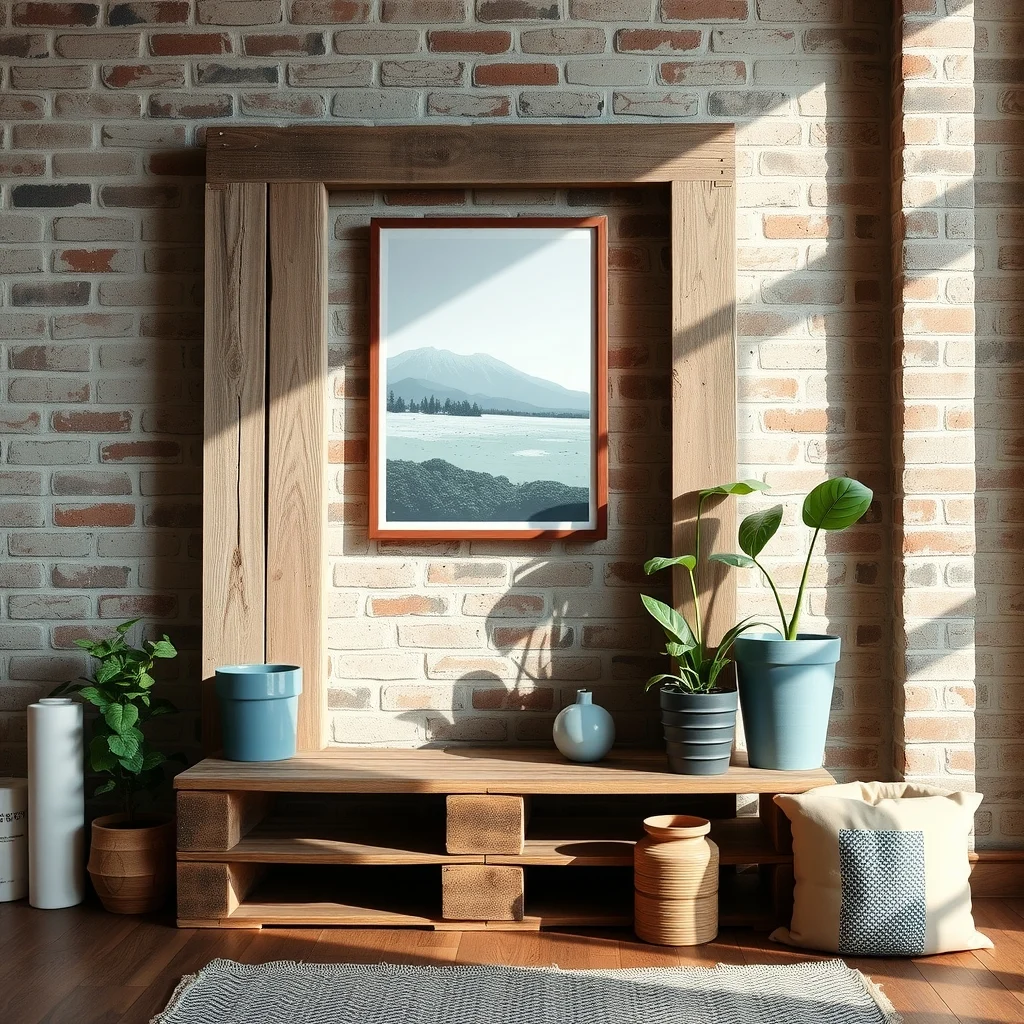
For a garden that feels both sustainable and textured, repurposed shipping pallets make an attractive frame. The slatted sides let air circulate, reducing the risk of mildew in damp spring weather. When the pallets are sanded and treated with a clear sealant, they retain their weathered look without splintering. Positioning the pallet bed against a stone wall or a low fence adds a layered depth that feels intentional rather than improvised. Because pallets come in standard sizes, you can arrange two or three side‑by‑side to create a longer planting surface, perfect for rows of lettuce or carrots. One trade‑off is that the open back can allow soil to shift if the bed sits on uneven ground, so a simple level of compacted gravel underneath helps keep the structure stable.
3. Tiered Fabric‑Lined Bed for Small Balconies
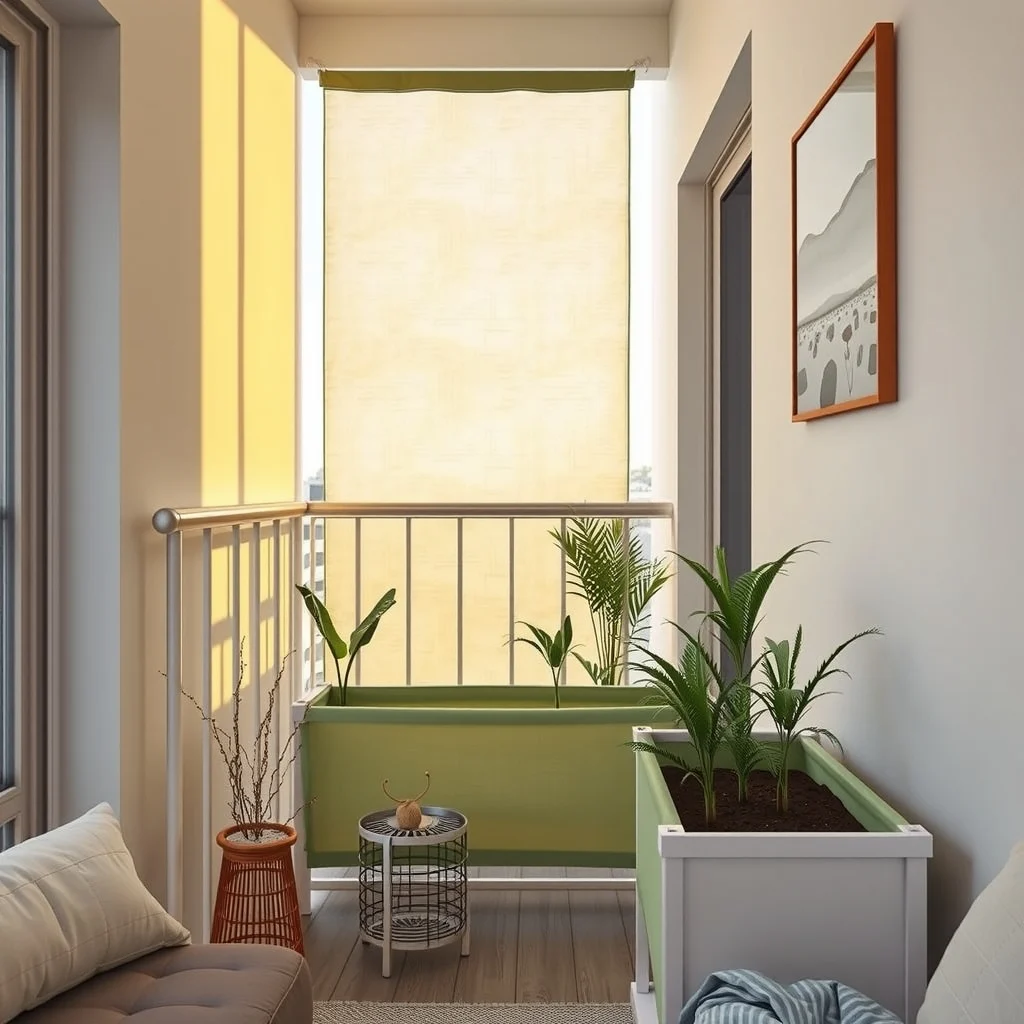
When floor space is at a premium, a tiered raised bed that uses durable, UV‑resistant fabric liners can turn a narrow balcony into a productive garden. The tiers are typically supported by lightweight metal or bamboo frames, allowing you to place shallow‑rooted herbs on the top level and deeper‑rooted beans on the lower one. The fabric pockets hold soil securely while giving the bed a soft, textured appearance that complements outdoor cushions and woven rugs. Because the entire unit can be disassembled, you can store it during winter or move it to catch the best sunlight as the season progresses. A downside to consider is that fabric may need occasional tightening to prevent sagging after heavy watering, but a quick adjustment with a garden tie keeps the bed looking tidy.
4. Stone or Brick Edge Bed for a Formal Look
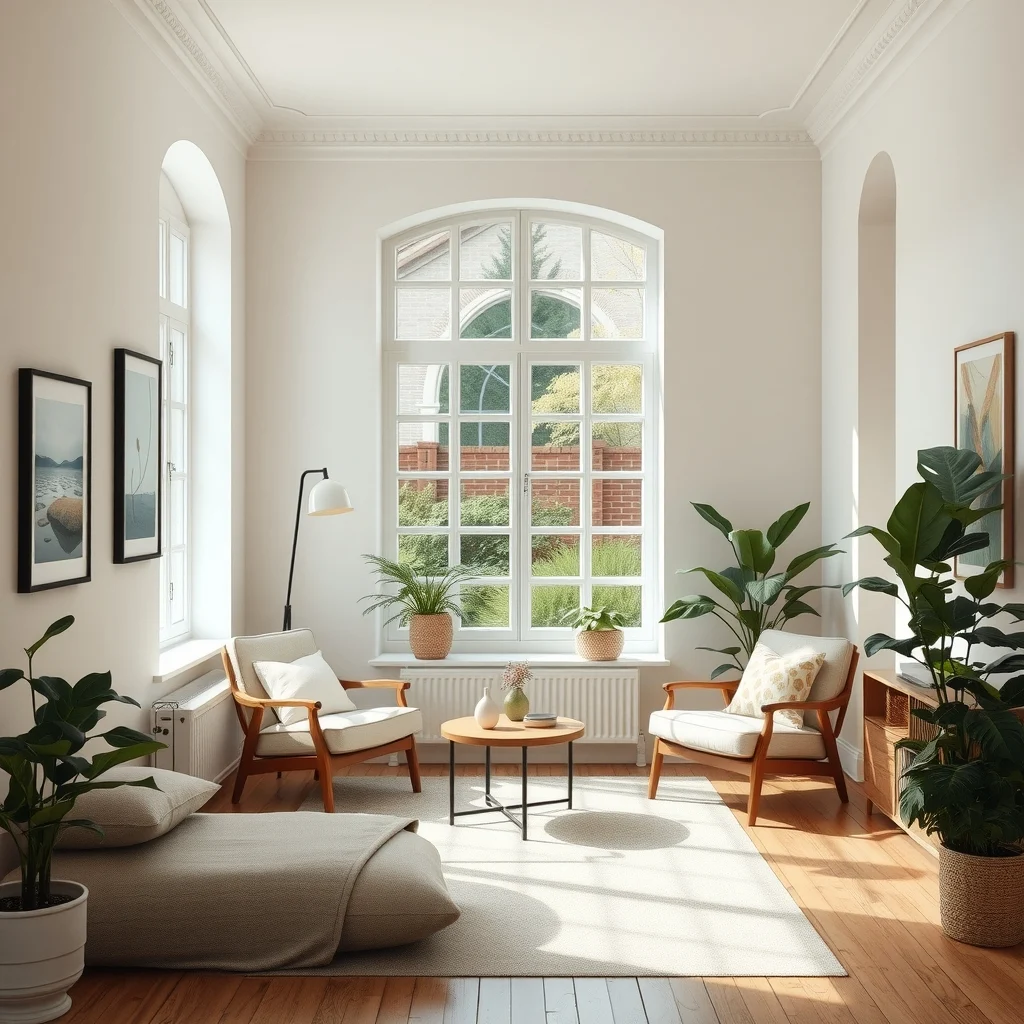
If your home features a traditional façade or a garden with defined pathways, a raised bed bordered with natural stone or brick adds a sense of order. The solid edge defines the planting area, keeping mulch and loose soil from spilling onto walkways. Selecting a stone color that mirrors the foundation or a brick shade that matches the porch columns creates a seamless transition between architecture and horticulture. Inside the frame, a simple liner of coarse sand followed by a mix of compost and loam provides an excellent growing medium. While the initial cost of stone or brick is higher than wood, the material’s durability means the bed can serve the garden for many years without needing replacement. One limitation is the weight; ensure the ground is compacted and, if necessary, lay a gravel base to distribute the load evenly.
5. Modular Plastic Cubes that Fit Under a Window Seat
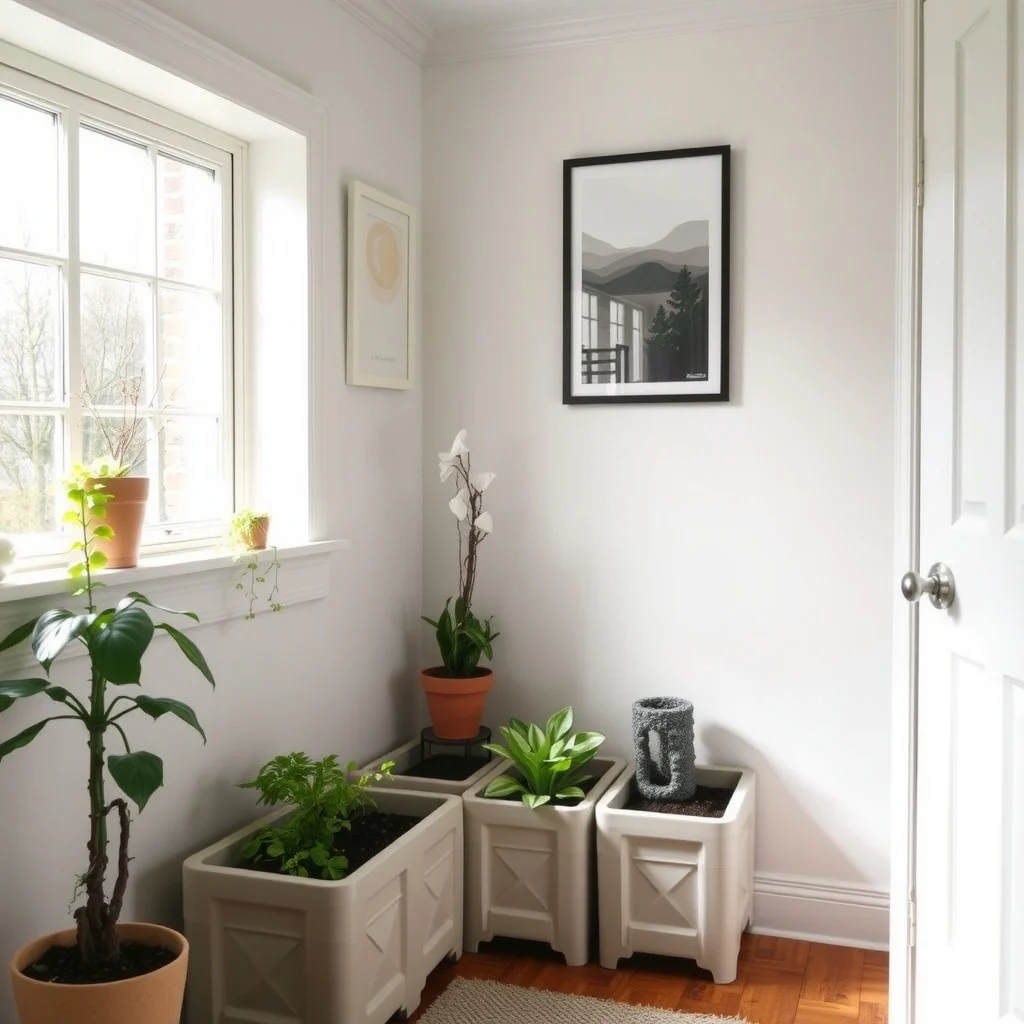
Modular plastic planting cubes are an unobtrusive way to introduce a vegetable patch into a nook that might otherwise be wasted. The cubes interlock, allowing you to create a rectangular shape that slides neatly beneath a built‑in window seat. Because the plastic is UV‑stabilized, it resists cracking under direct sun, and the smooth surface is easy to clean after a season of harvest. You can fill each cube with a customized soil blend tailored to the specific crop you plan to grow—herbs in one, radishes in another—giving you fine‑grained control over nutrient balance. The primary drawback is that plastic does not blend as organically with natural materials, so choosing a neutral pastel hue or a matte finish helps the cubes recede into the background rather than dominate the visual field.
6. Integrated Seating and Storage Bed
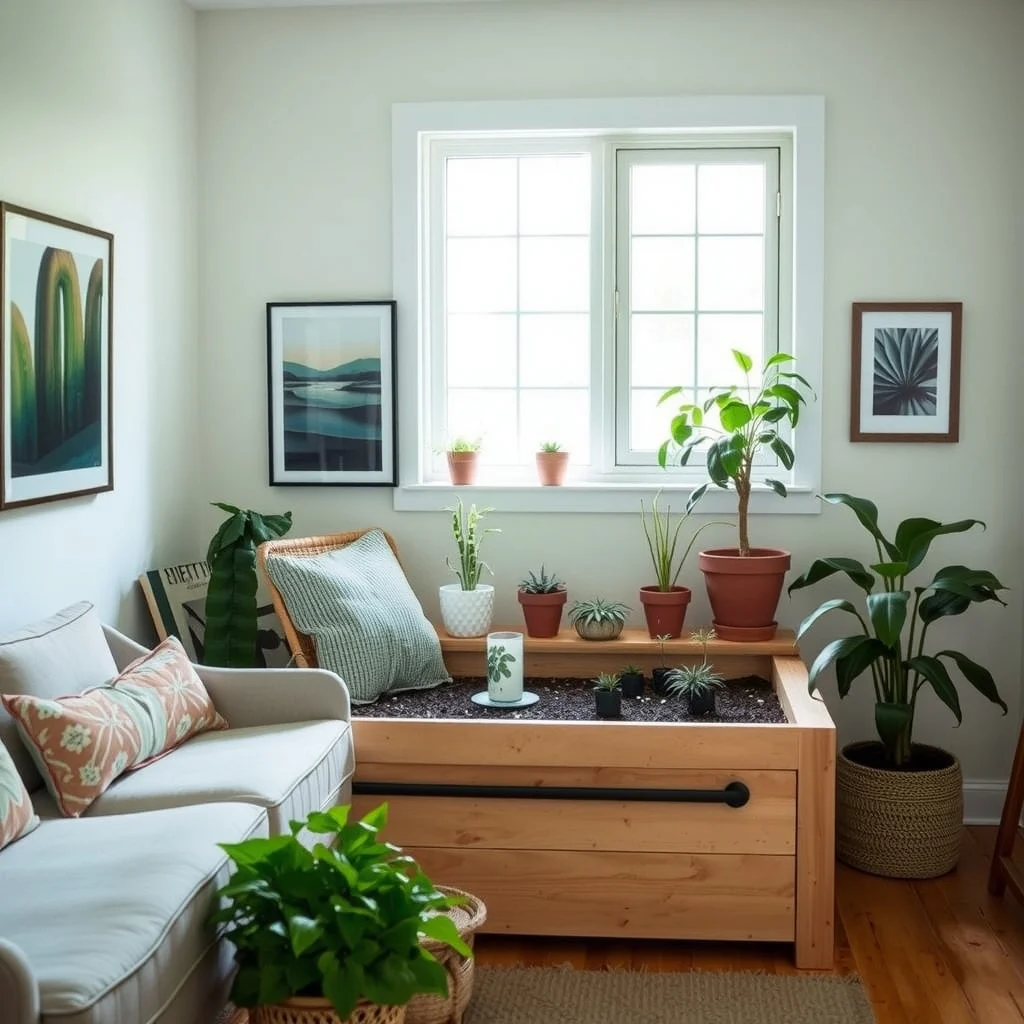
Combining a raised garden bed with a bench creates a dual‑purpose feature that maximizes limited yard space. The bench seat, built from weather‑treated lumber, sits atop the garden box, while a shallow drawer beneath the bench stores tools, seed packets, or a small watering can. This arrangement encourages frequent interaction with the garden; you can sit to admire seedlings, then reach down for a trowel without leaving the area. Selecting a light‑colored wood, such as pine painted in a soft dove gray, keeps the structure from absorbing too much heat, which can dry out the soil on hot days. The main consideration is ensuring the bench height remains comfortable—typically around eighteen inches—while keeping the planting depth sufficient for root development. Adding a few decorative cushions in a muted terracotta can soften the look without compromising durability.
7. Low‑Profile Raised Bed with Built‑in Irrigation Channels
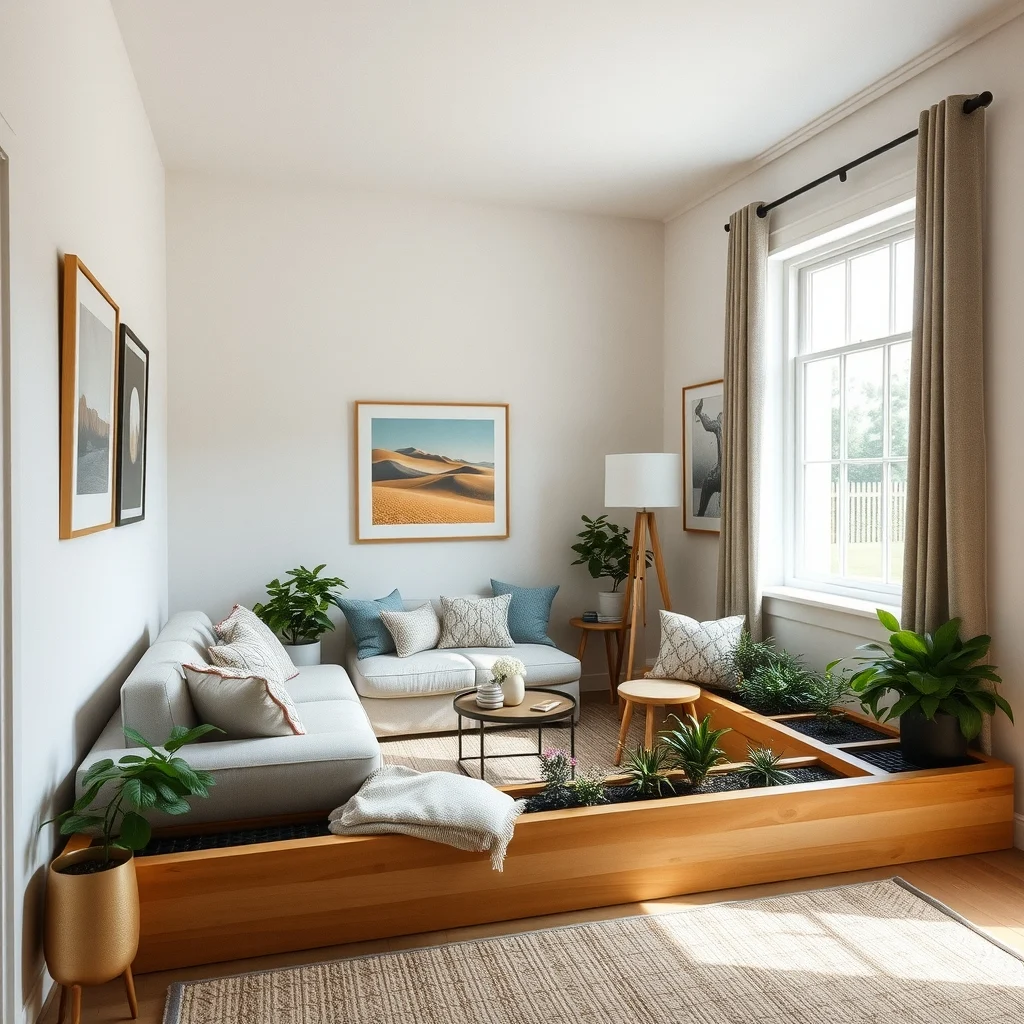
A low‑profile bed that sits close to the ground works well in gardens where a sleek, contemporary silhouette is desired. By incorporating shallow, perforated drainage channels along the interior walls, you can run a simple drip‑irrigation line that delivers water directly to the root zone. The channels double as a subtle visual cue, breaking up the expanse of soil and echoing the linear geometry of modern patio tiles. Construct the walls from reclaimed concrete blocks painted in a muted charcoal; the material is sturdy and the dark tone helps conceal any soil stains that may appear over time. While the irrigation system adds convenience, it also introduces a maintenance step—periodically flushing the lines to prevent clogging. If you prefer a completely hands‑off approach, a rain barrel connected to the same tubing can supply water during dry spells, reducing the need for manual watering.
FAQ
How deep should a raised bed be for most vegetables?
A depth of twelve to eighteen inches accommodates the root systems of most common vegetables, including tomatoes, peppers, and leafy greens. Deeper beds are beneficial for root‑heavy crops like carrots or potatoes, but they require more soil and a sturdier frame.
Can I place a raised garden bed on a concrete patio?
Yes, you can set a raised bed on a concrete surface, but it’s best to lay a layer of landscape fabric or rubber matting underneath to prevent moisture from pooling against the concrete and to provide a slight cushion for the bed’s base.
What is the most budget‑friendly material for a beginner’s raised bed?
Untreated pine lumber is often the most affordable option; it can be cut to size, assembled with simple brackets, and painted or stained to improve durability while keeping costs low.
Do raised beds need a liner?
A liner is not mandatory, but using a breathable landscape fabric helps keep soil from escaping through gaps and reduces weed growth from beneath the bed. The fabric also allows excess water to drain, protecting the frame from rot.
How often should I water a raised garden bed in spring?
During the early spring, aim to keep the soil evenly moist but not soggy; watering every two to three days is typical, though frequency may increase on hot, windy days. Checking the top inch of soil for dryness is a reliable guide.
Final Thoughts
Choosing the right raised garden bed is as much about visual harmony as it is about plant health. By aligning the bed’s material, height, and shape with the surrounding architecture and your own lifestyle, you create a space that invites daily care and becomes a quiet extension of your home. Whether you opt for a simple wooden box, a reclaimed pallet, or a sleek low‑profile design with built‑in irrigation, each idea offers a pathway to a productive spring garden without overwhelming a beginner’s budget or skill set. Take the time to assess sunlight, soil needs, and the flow of traffic around the garden, and you’ll find that a well‑chosen raised bed not only yields fresh vegetables but also adds a subtle, lasting charm to your outdoor living area.